
Tales from TravelLocal: our most unique culinary travel experiences
9 September 2026
Croatian food may be overlooked at the global buffet of national cuisines, but it has enjoyed more attention recently for its diverse, homegrown gastronomy. With fresh seafood from the Adriatic, cured and smoked meats, Istrian truffles, juicy vegetables, local wines and doughy breads… there is an endless Croatian menu to satisfy anyone with taste buds.
Key takeaways:
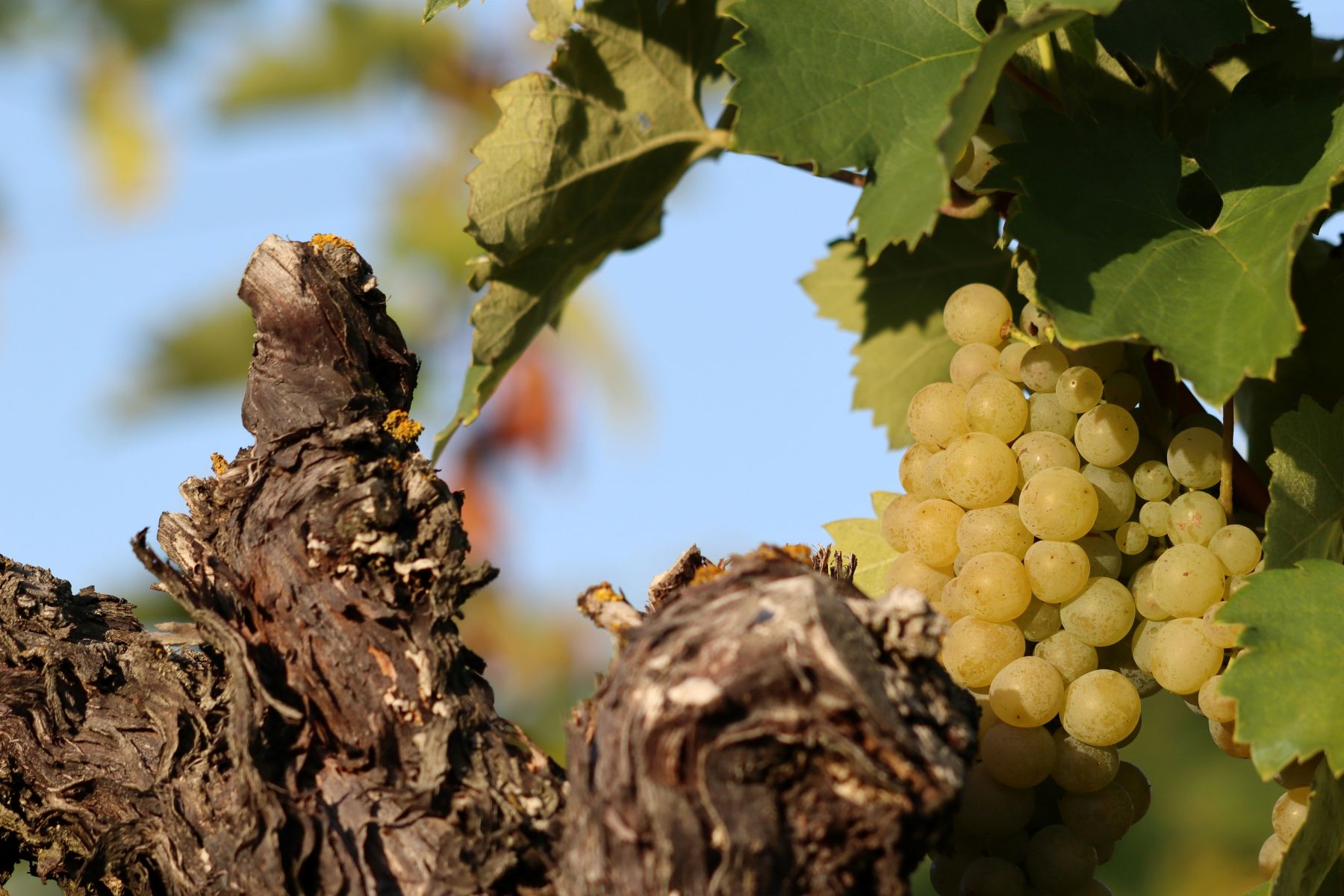
The food in Croatia varies a lot by region, and it’s a joy to taste your way from the rich, meaty flavors of the north to the simple, Mediterranean flair of the south.
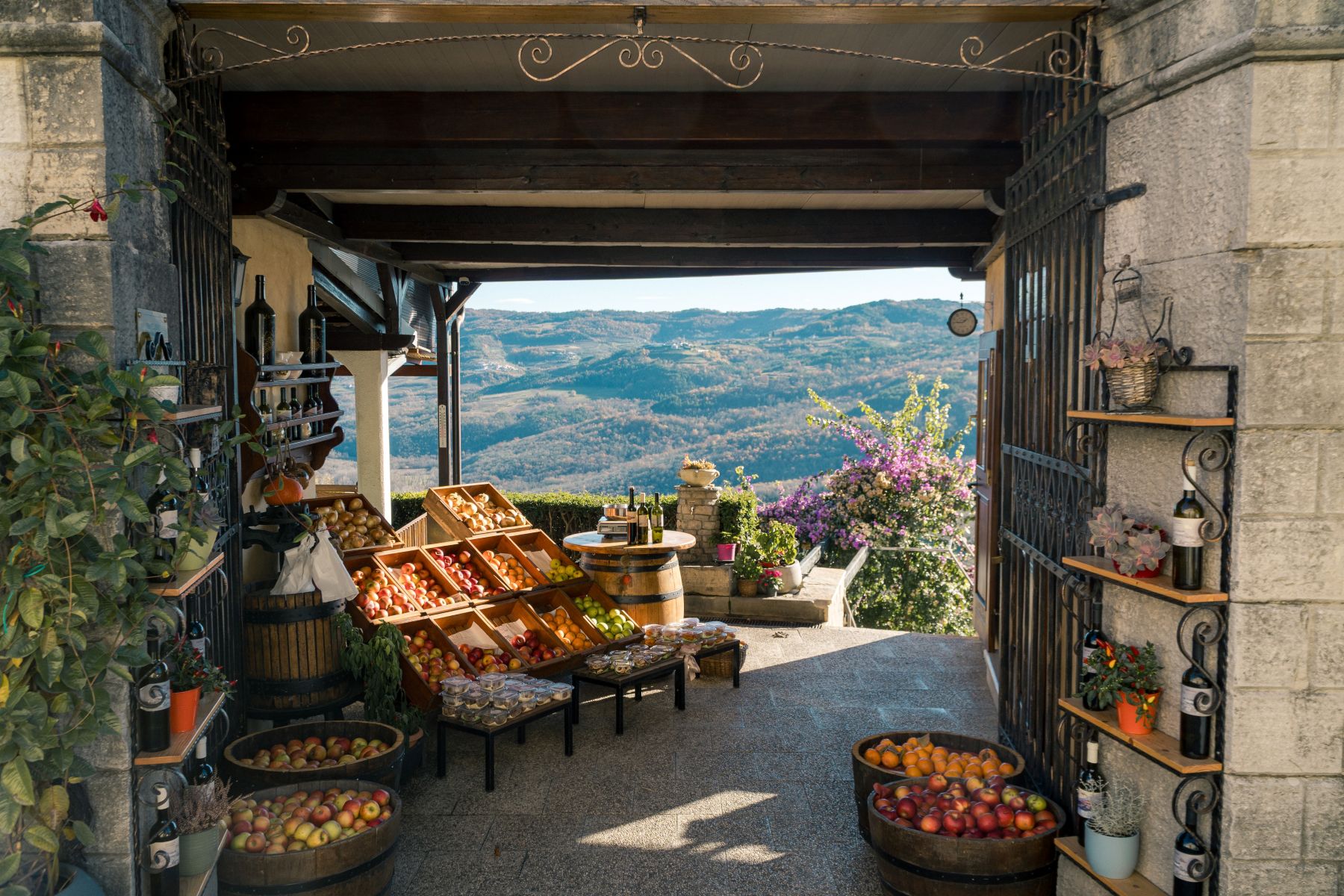
If you’re all about gastronomy, it’s worth timing your foodie trip to Croatia for when the seasonal culinary treats arrive in abundance. The shoulder seasons of late spring (May to June) and early autumn (September to October) are ideal, as regional produce ripens, ready for harvest – and truffle season kicks off from September. These times are also less crowded, and more reasonably priced than the peak summer months.
From braised beef and sweet fritule to truffle pasta, let’s get into the dishes and snacks you must try on a foodie trip to Croatia.
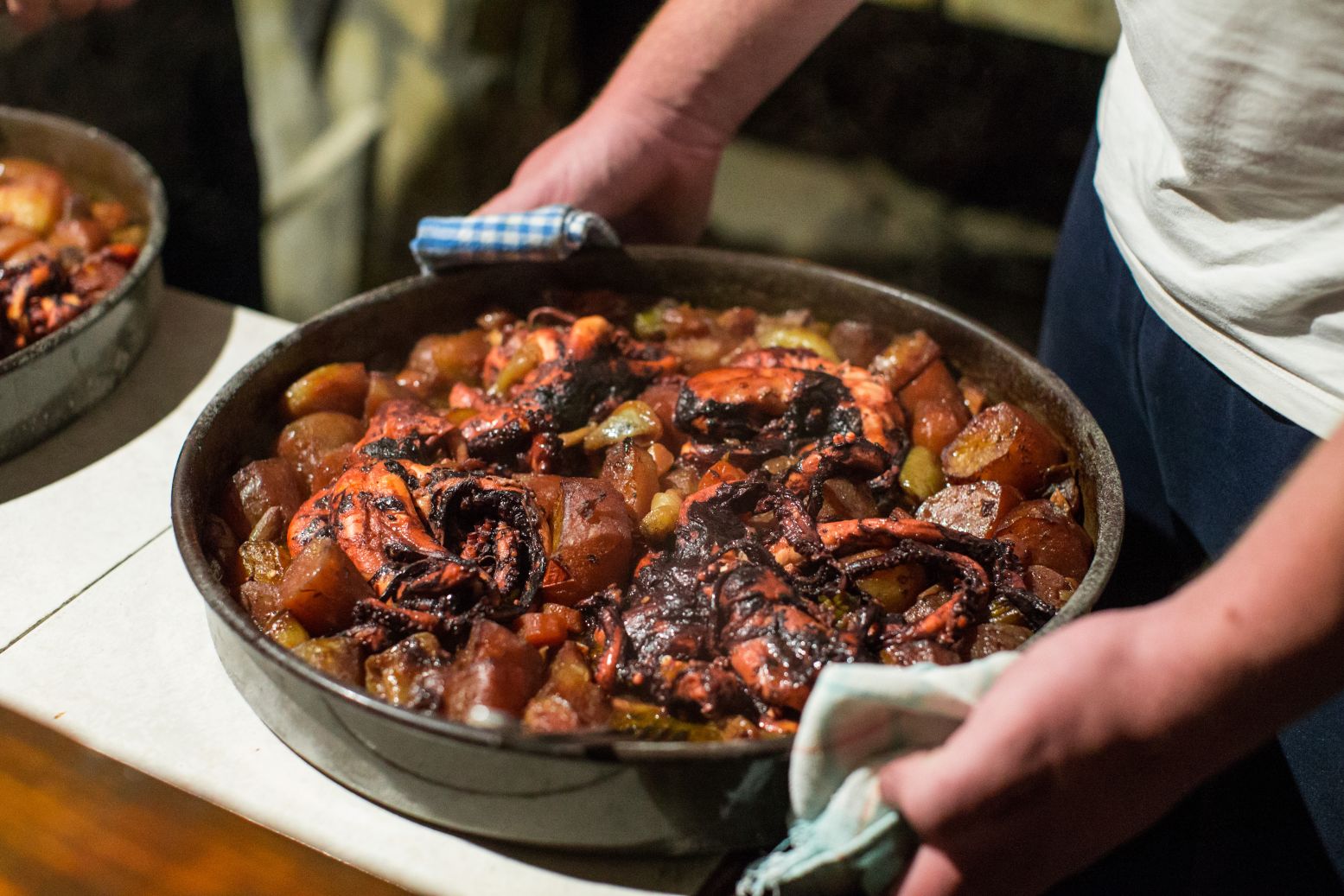
For a shared, authentically Croatian experience in coastal areas, peka is sumptuous and satisfying. Chunks of deliciously seasoned meat, potatoes and vegetables are slow-cooked under a traditional bell-shaped lid, over hot coals. The result is tender meat – often beef, lamb or octopus – that falls apart on the tongue. Order in advance at a local konoba, as it takes at least two to three hours to perfect.
Read more: The best places to visit in Croatia
This tasty Dalmatian dish has a twist – the dark hue of black risotto comes from the ink of squid or cuttlefish. It’s a distinctive taste which is briny and savory, and so easily lapped up with a side of fresh bread. It’s best enjoyed in coastal towns like Split, Trogir, or the islands of Vis and Korčula.
This moreish dry-cured ham is Croatia’s answer to Italian prosciutto, and just as addictive. Drniš and the Neretva Valley are the best places to try it at source, thinly sliced on a board alongside local cheese, olives and wine.
It makes sense that the Dalmatian coast is renowned for its superb grilled fish, which is as fresh as can be. Ask about the catch of the day and you’ll receive a whole fish, brushed with olive oil and grilled over charcoal, finished with garlic, parsley, and a squeeze of lemon. Enjoy with blitva (Swiss chard and potatoes) on the side.
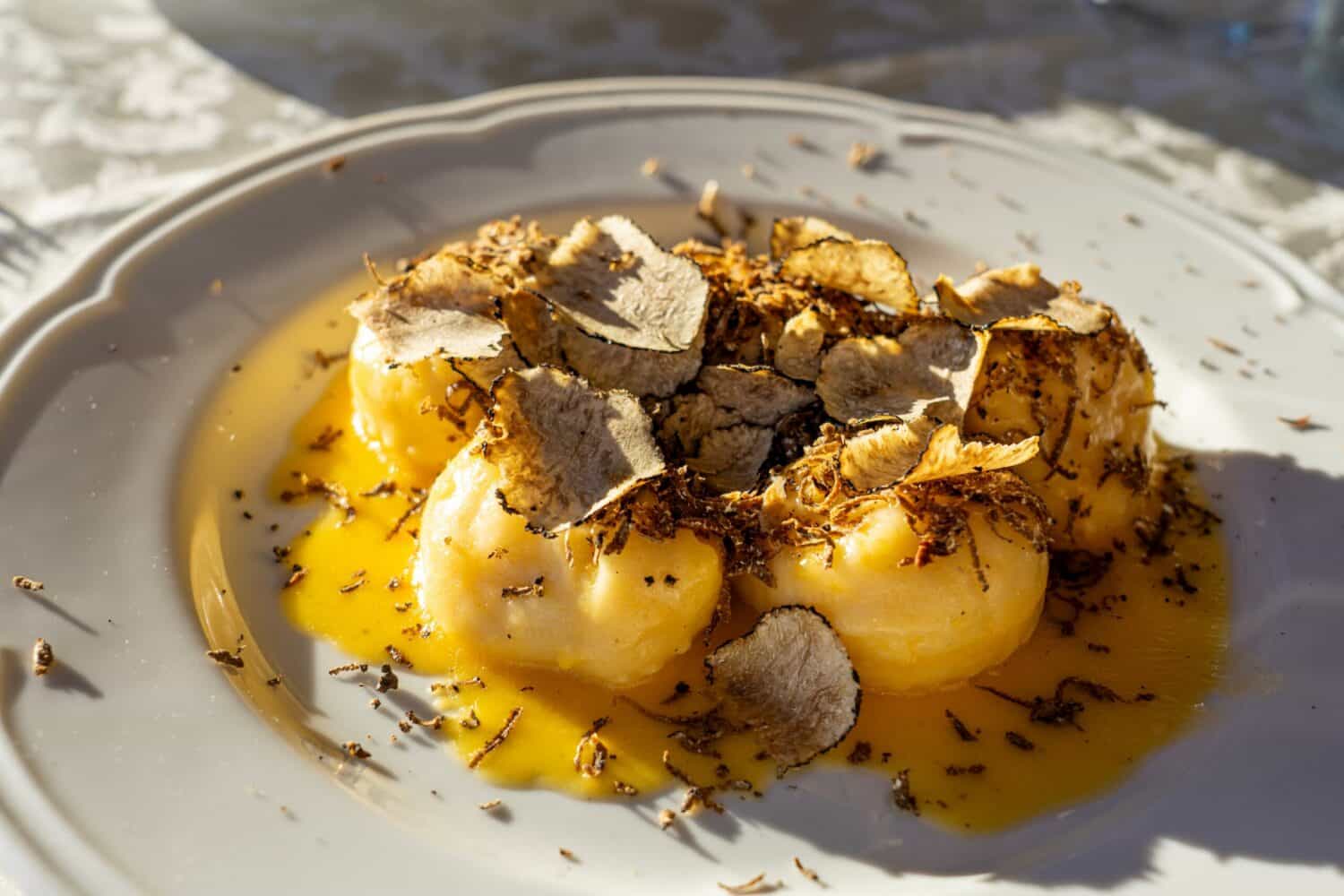
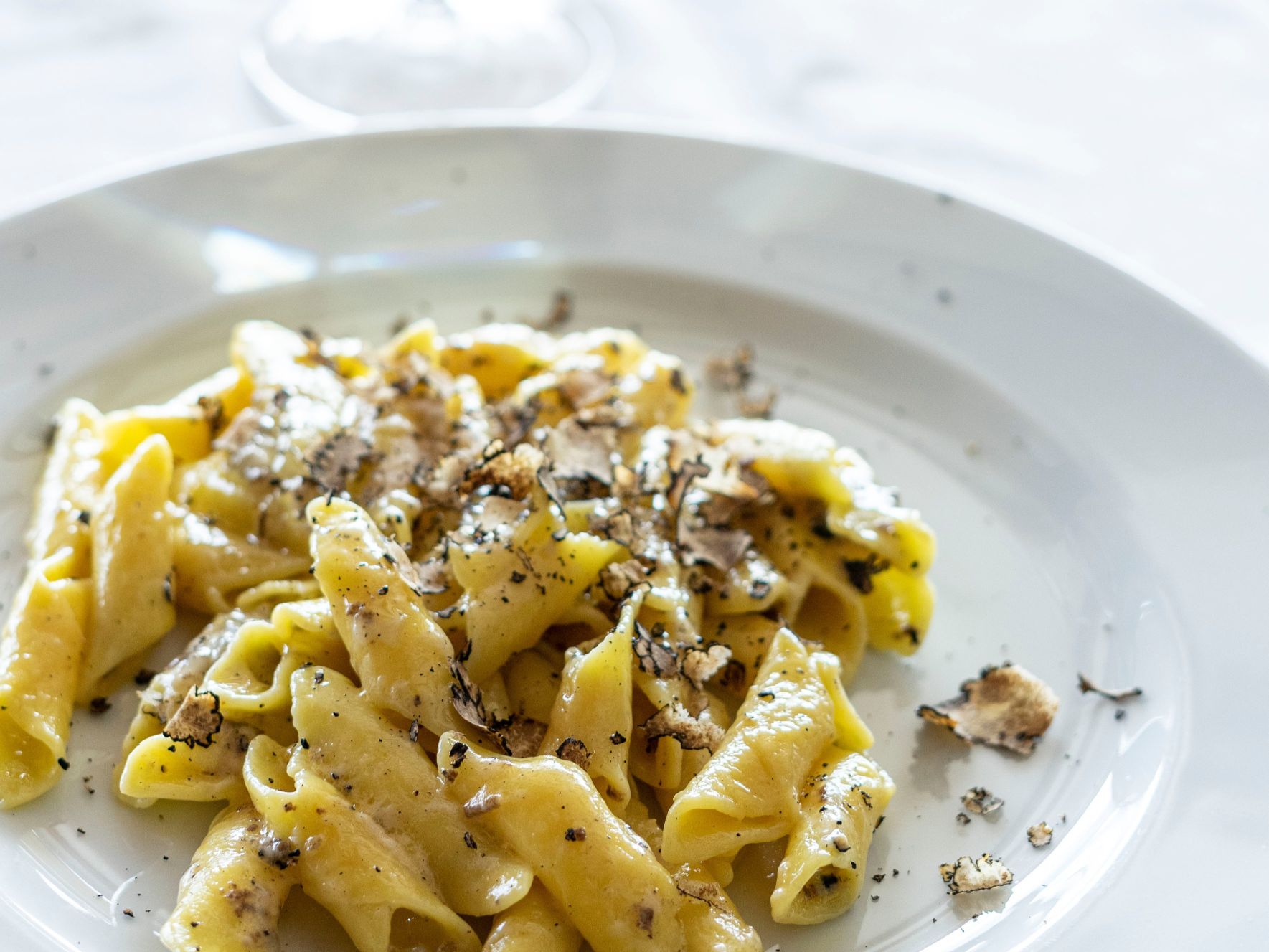
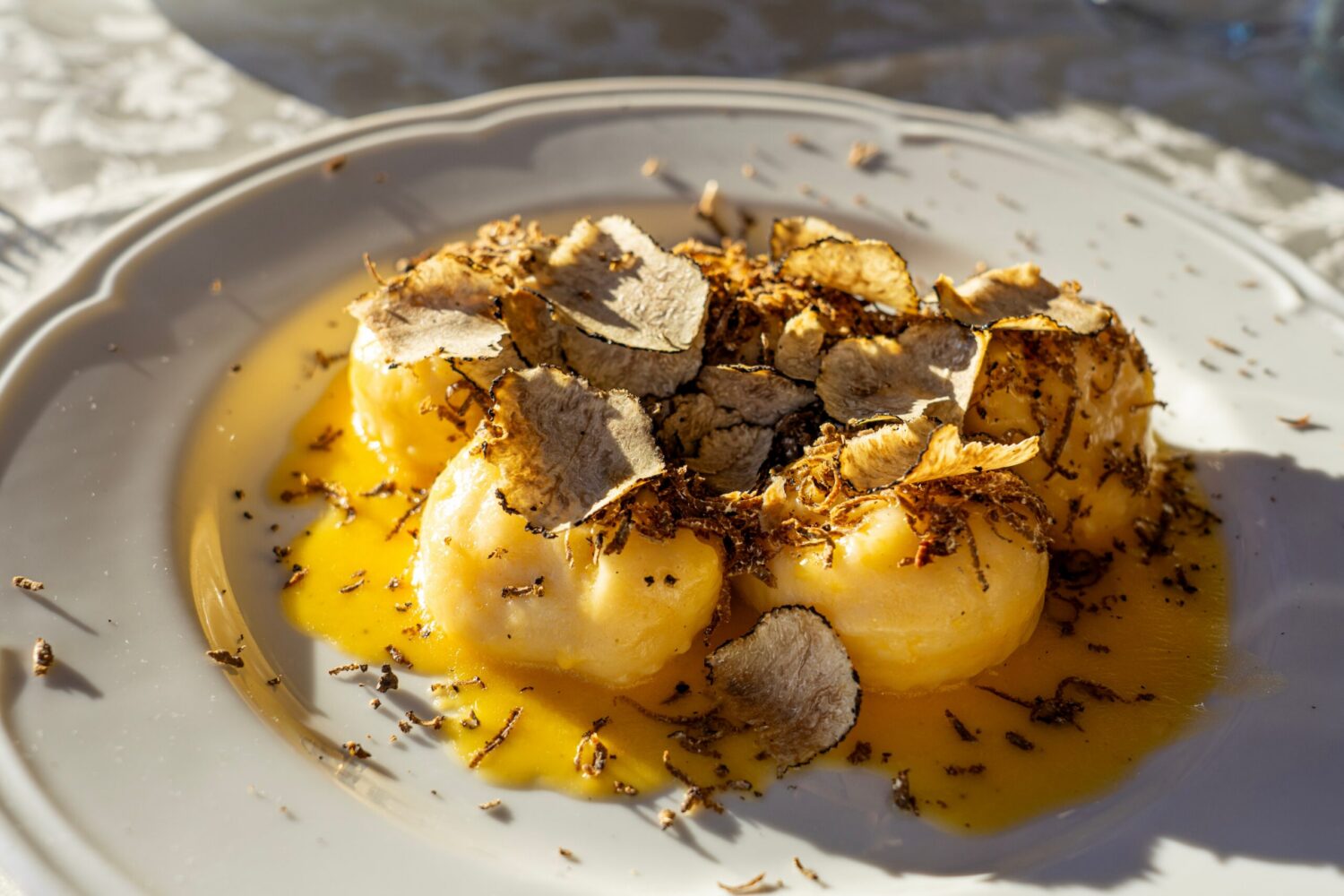
Istria’s inland towns, Motovun and Buzet, see black and white truffles in abundance, so naturally truffle pasta is the prized dish of many of Istria’s restaurants. Shaved over simply-oiled pasta, truffles have a uniquely earthy, almost cheesy flavor, with a nutty undertone.
A hearty seafood stew, brudet takes a mix of the day’s catch and simmers with tomato, wine and onion, usually ladled over polenta. Recipes are all slightly varied but Vis, Komiža and the Kvarner coast are known for their versions of this beloved dish. Also try salata od hobotnice, a classic octopus salad, as either a starter or side.
Though not exclusively Croatian (ćevapi is a Balkan staple, also popular in Serbia as well as in Bosnia and Herzegovina), you’ll find these skinless mincemeat sausages everywhere in continental Croatia, usually served on flatbreads with a savory, red pepper relish.
Easily torn and shared, Croatia’s oldest traditional flatbread is filled with Swiss chard, onion and olive oil. Originating in the Poljica region near Split, it’s usually baked in a wood oven or over hot coals. Be sure to look out for it in local villages around Split, or at food markets and bakeries throughout the city.
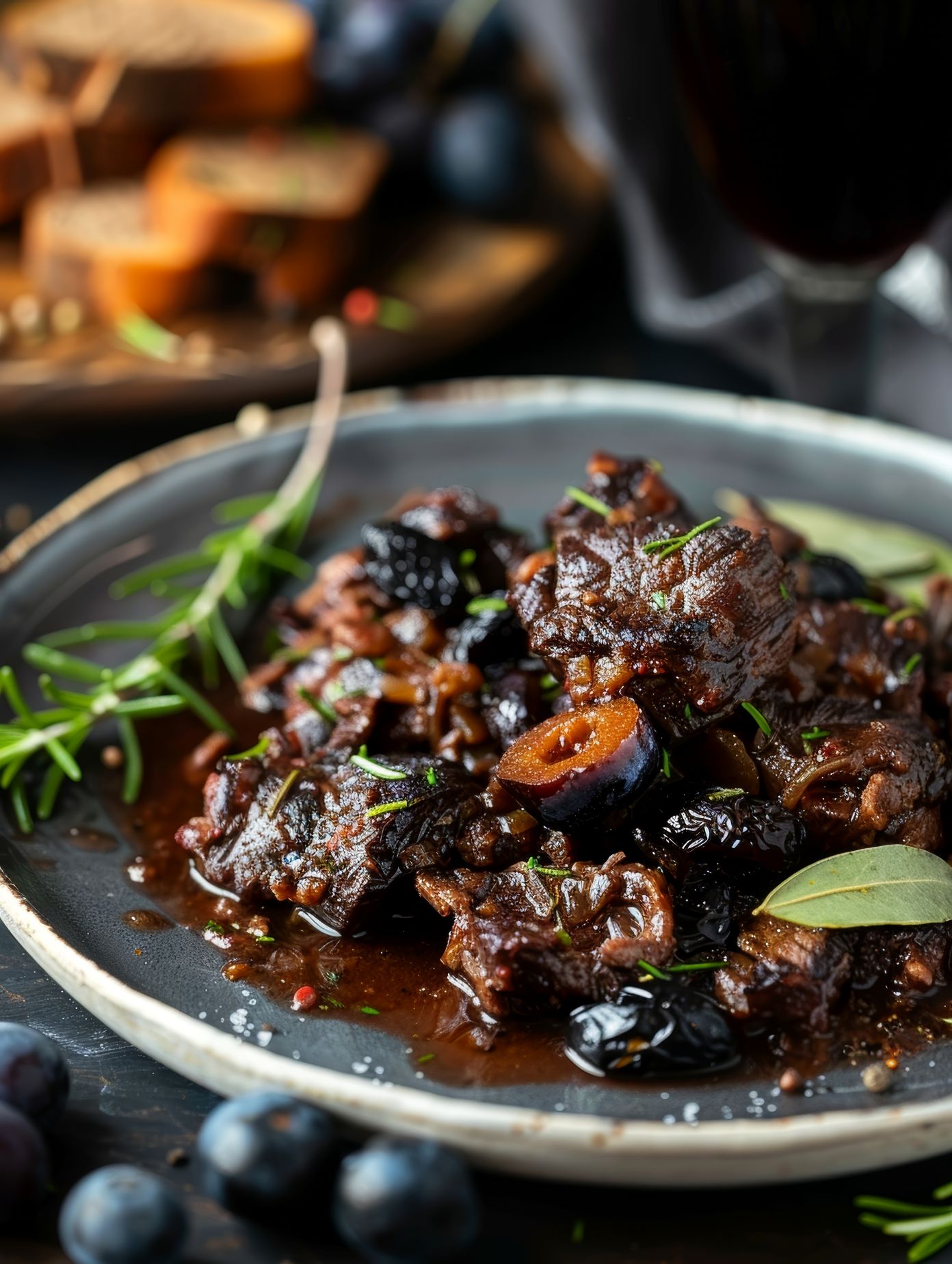
A beloved dish originating in Split, pasticada consists of marinated beef, slow-braised with spices, prunes, root vegetables, and sweet wine; so the meat falls apart and the sauce is sweet and tangy. Usually served with gnocchi or pasta, it’s a rich, celebratory meal.
Read more: Small yet mighty Croatia: travel tips from a local expert
For a celebratory clink either before or after a good meal, you can’t miss a sip of rakija. It’s a strong fruit brandy that has a kick – and many konobae have their own home-brewed recipes, so it’s only polite to accept! If you’re more about wines, there are vineyards galore, including in the island of Korčula where you can try Grk, their trademark white.
Croatian food varies regionally. There’s fresh seafood and grilled fish along the coast, pršut (a Croatian version of prosciutto), black risotto flavored with squid ink, peka (meats, cooked for hours under a bell-shaped lid), and the local truffles of Istria, to name just a few.
Croatians keep breakfast simple – eating fresh bread with cheese, cured meats and eggs; or maybe pastries like burek, with a strong morning coffee.
There are similarities with Greek cuisine (there’s a strong Mediterranean lean towards olive oil, grilled fish and fresh vegetables); but the cuisine of Croatia has stronger Italian, Hungarian, and Ottoman influences.
If you’re ready to eat your way through Croatia, our local travel experts are on the ground within the destination, and are equipped with all the in-depth knowledge you’ll need to build the foodie trip to Croatia you’ve always dreamed of. Get in touch with them today to get started.
Explore all featured destinations