

 Munich





The cities of Austria, Germany & Switzerland
9 days
from £6,340 per person
See a different side to Germany on a trip built just for you, by someone who lives there.
 Custom itinerary planningHandpicked local experts
 Complete peace of mindABTA membership, financial protection & 24/7 local support
 A fairer way to travelBenefiting local communities
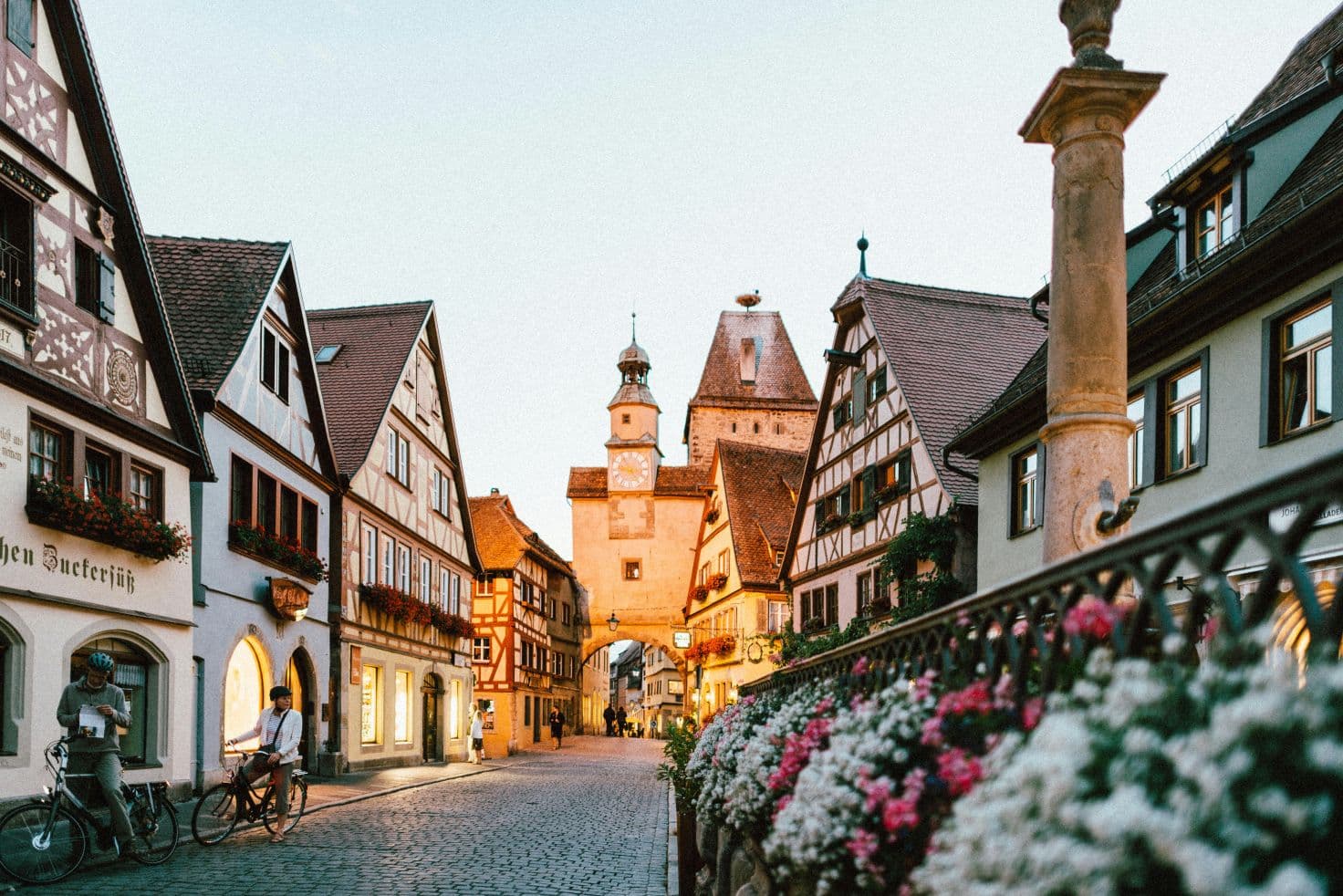
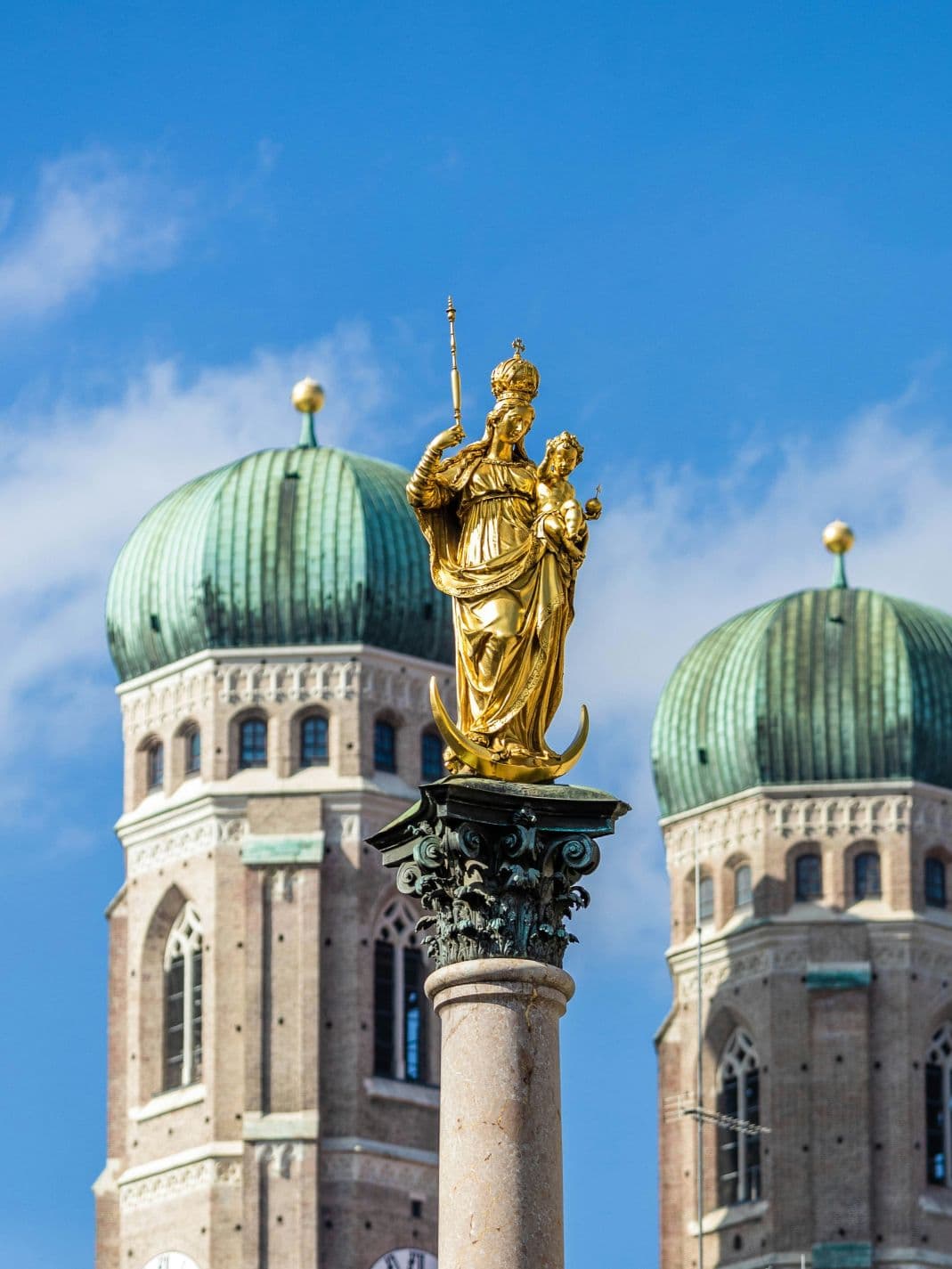
In Munich, start with lunch in a beer garden under the chestnut trees, then head south to Schwangau, where Neuschwanstein Castle rises against the Bavarian Alps. Berlin pairs great museums with a walk along the East Side Gallery, the longest surviving stretch of the Berlin Wall. Further north, Hamburg's harbour and the red-brick warehouses of the Speicherstadt are best seen from the water, while the Rhine Valley, Dresden and the half-timbered towns of the Romantic Road fill in the picture.
Our local experts like to add a food tour or a brewery visit, a bike ride along a river path or a day on Lake Constance, and they work directly with the guides, drivers and small hotels on your route. Booking with them directly means fair terms for those suppliers, and more of your spending stays in the towns you visit.

Spring blossom: April to June
Oktoberfest and wine harvest: Mid-September to October
Christmas markets: Late November to December

Give Munich a day for its markets and beer halls before visiting Neuschwanstein Castle near Schwangau, ideally first thing in the morning. Walk the Berlin Wall Memorial on Bernauer Strasse and the East Side Gallery, take a harbour cruise in Hamburg and sail the Rhine past vineyards and castles. In spring, cross Lake Constance to the flower island of Mainau, and in December, warm up with mulled wine at Nuremberg's Christkindlesmarkt.

£1,500 - £2,000+
All of our tailor-made trips can be 100% customised to your style—from budget stays to higher-end escapes. Prices are per person, based on a 7-day trip.
How it works
Build a trip from scratch with a local Germany expert, or pick a curated itinerary as your starting point and customise it until it's yours.
 Share your preferencesTravel dates, budget, experiences and more
 Connect with your local expertReceive your first itinerary within 48 hours
 Refine your trip togetherFull flexibility and a hassle-free, personal service
 Book with confidence24/7 support, secure payment, ABTA protected
 Free to plan. No commitment until you book
Trip ideas
from £6,340 per person
from £8,620 per person
from £6,760 per person
Meet your local experts
Our local experts aren’t travel agents working from a brochure. They’re people who live locally and know the destination like the back of their hand. Alongside them, you’ll craft an authentic and immersive trip, filled with intimate knowledge and passion for the place they call home.
Start planning your trip Clemens
I've added a full day for you to explore the historic Neuschwanstein Castle, tucked away among the mountains outside of Munich.
 Kamilla
Germany has such nice culinary experiences, you definitely won't want to miss taking a food tour. And if you're a beer lover, I can add a brewery visit to your itinerary!
ClemensWorking with TravelLocal has helped us grow our business and support our local community.
78,000+ travellers have had a more authentic, tailor-made holiday
Places & highlights
 Featured story
From iconic cities to lesser-known villages and rural idylls, these are best places to visit in Germany as part of your tailor-made trip.
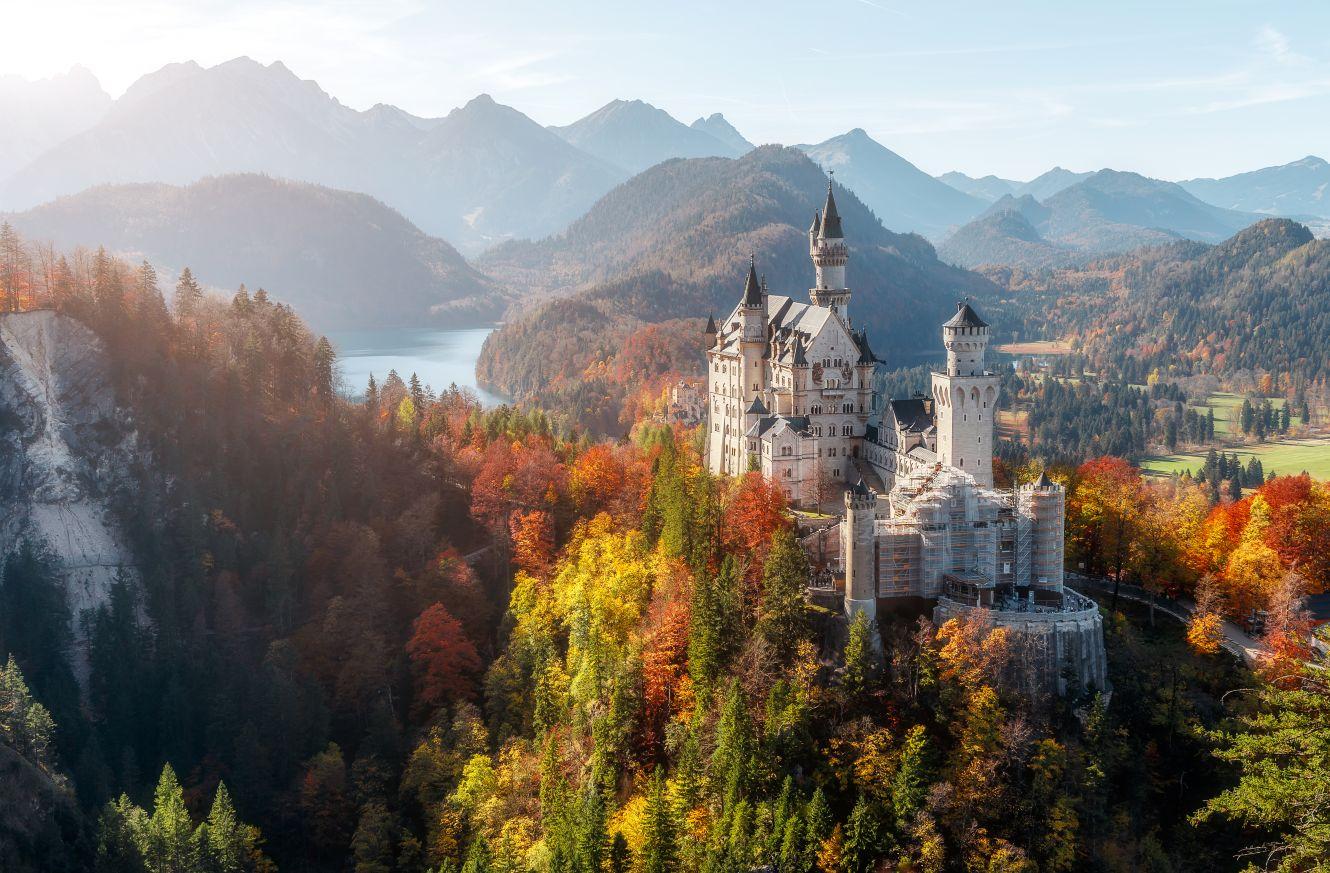
Can't decide on the best time to go to Europe? Read these fall & winter tips for visiting top European gems: Austria, Germany & Switzerland.
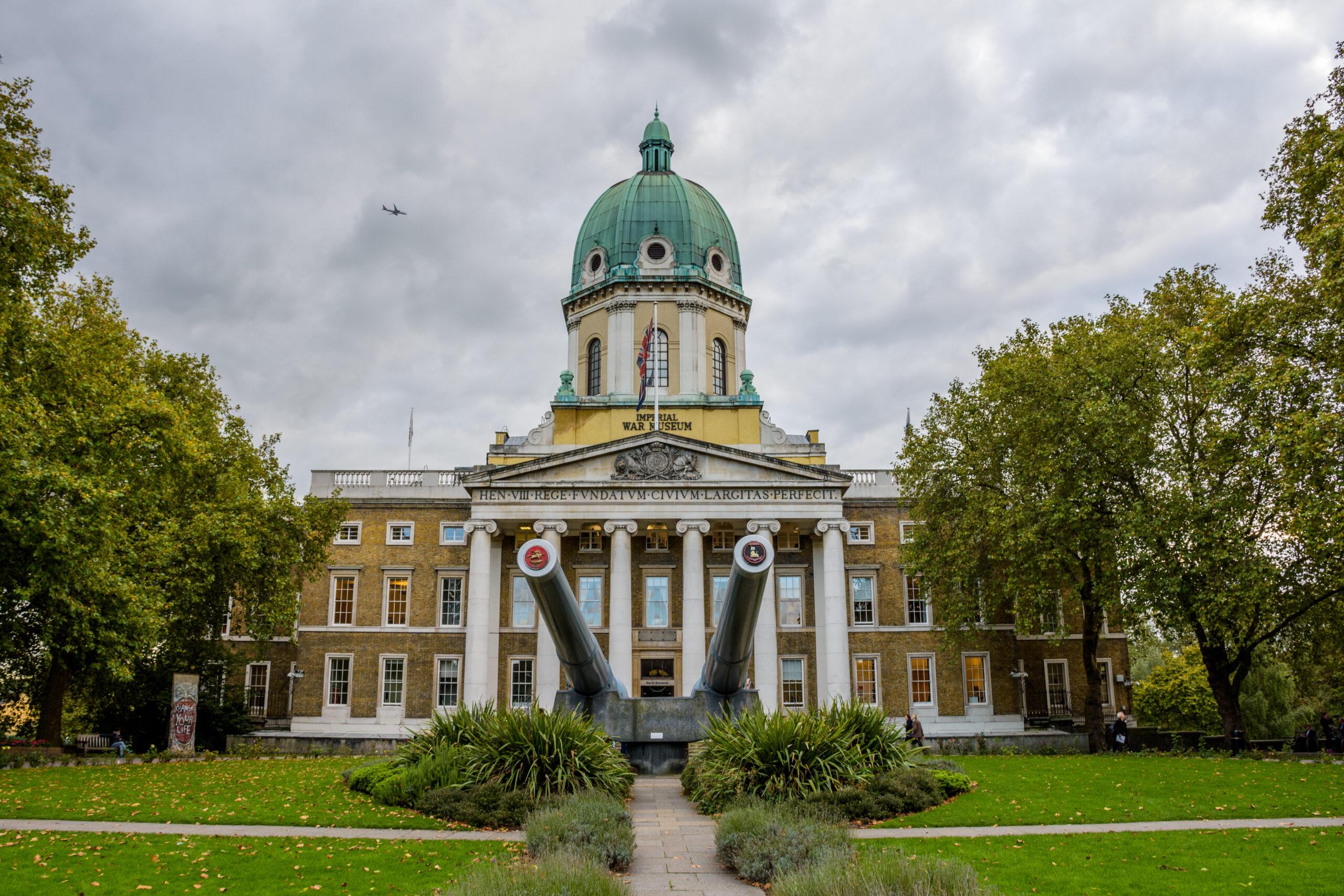
Discover our 10 must-visit World War II sites in Europe that educate and inspire reflection and remembrance.
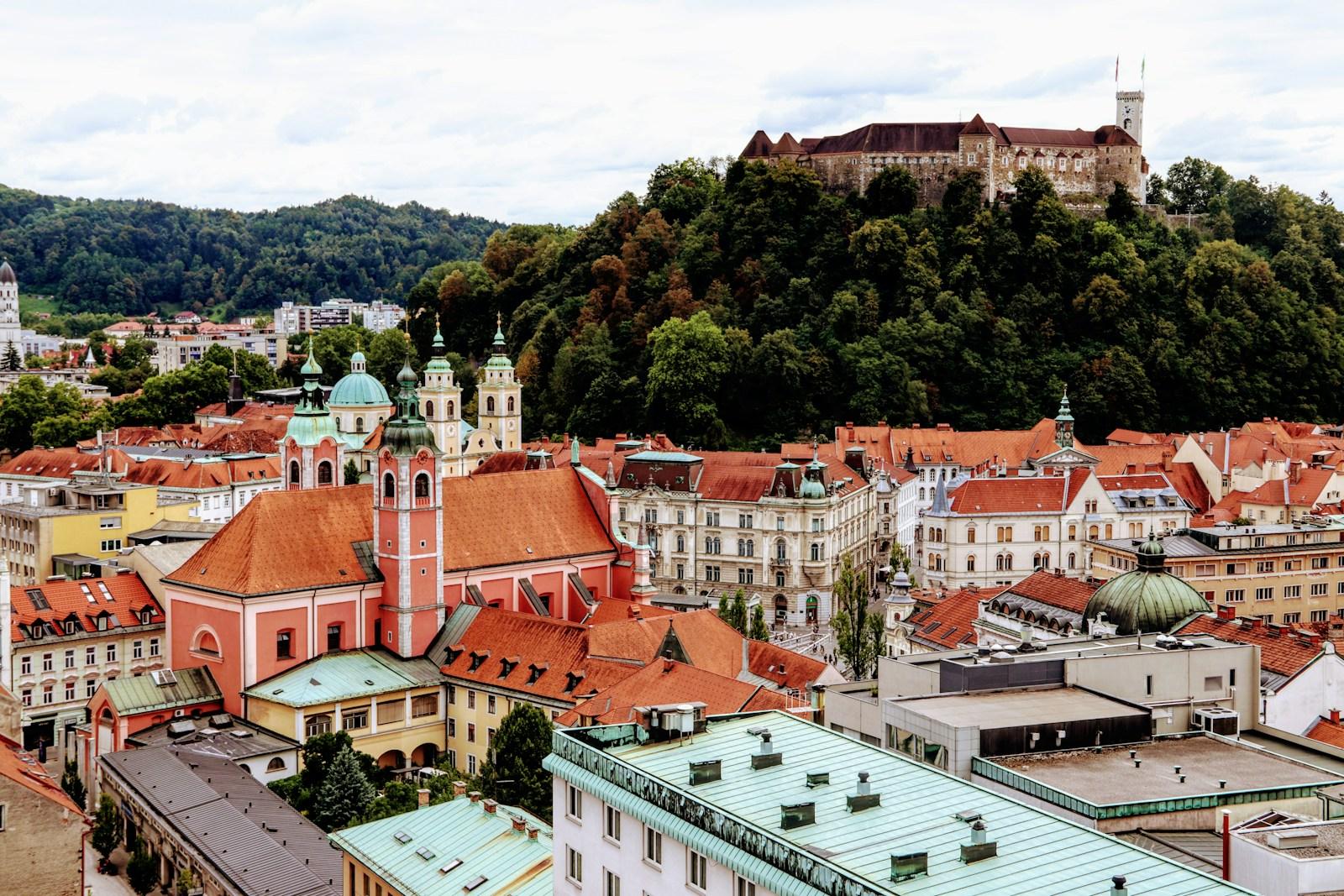
Ready for an adventure across borders? We explore top multi-destination tours of Central Europe, spanning Austria, Germany, Croatia and more.
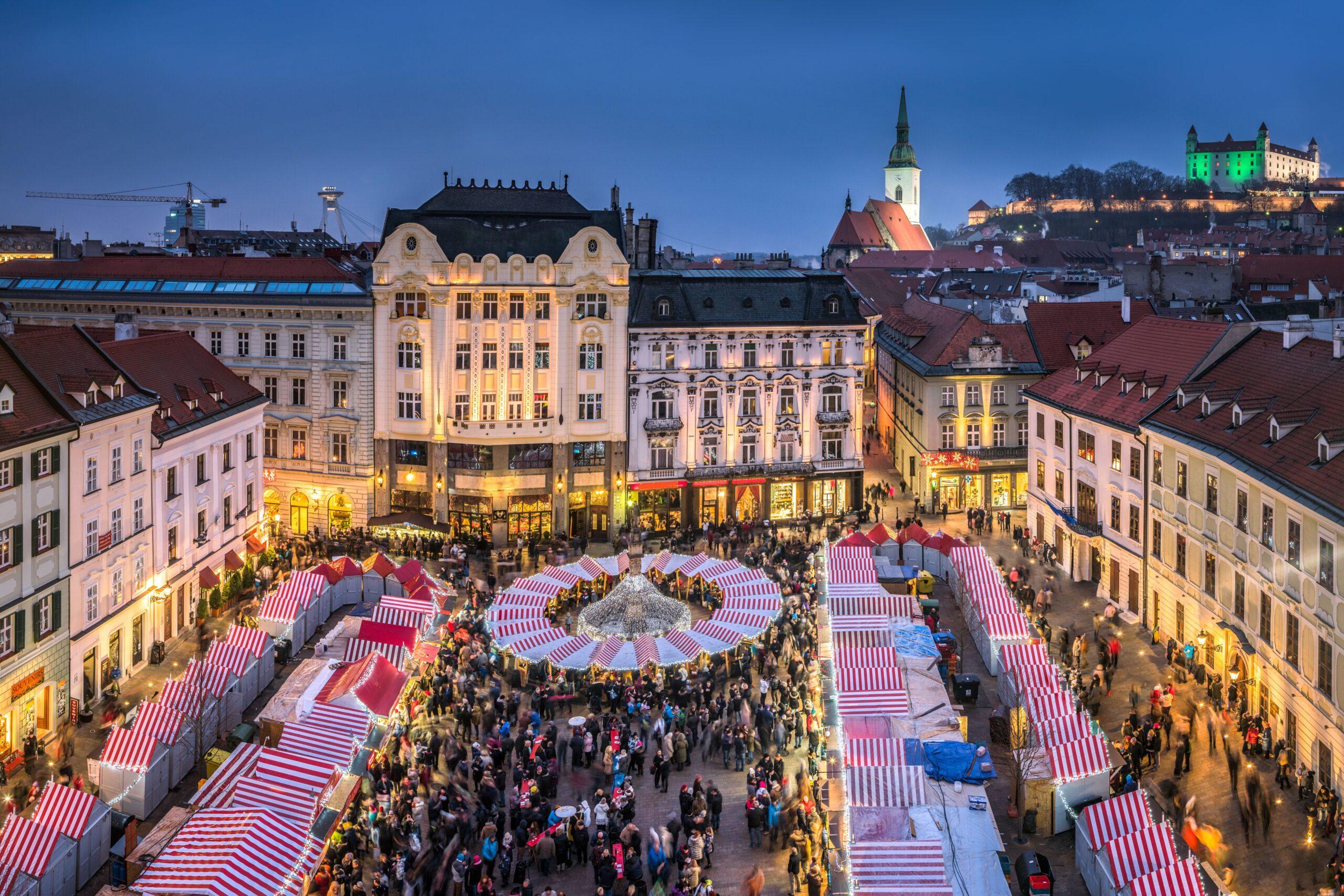
This year, whisk your family or friends away to experience the magic of Christmas at these markets in unique locations across Europe.
Find out what these travelers thought about our top trips to Europe, including Austria, Norway, Scotland and France.
Good to know
Spring (April to June) and early autumn (September and October) are the most pleasant seasons, with mild weather for cities, castles and cycling. Oktoberfest in Munich starts in mid-September, and the wine harvest along the Rhine and Moselle follows. Summer is warm and busy, and from late November Christmas markets fill town squares across the country.
German is the official language. English is widely spoken in cities, hotels and tourist areas, and most younger Germans speak it well. In rural Bavaria and smaller towns you'll hear more regional dialect, so guten Tag (good day) and danke (thank you) are useful to know.
No. British citizens can visit Germany visa-free for up to 90 days in any 180-day period across the Schengen area. Your passport must have been issued less than 10 years before you arrive and be valid for at least three months after the day you plan to leave. Check the latest entry requirements before you travel.
Germany uses the euro (EUR). Cards are increasingly accepted, but Germany still relies on cash more than many countries, and some cafés, bakeries, beer gardens and market stalls only take cash. Cash machines are easy to find in towns and at stations.
Germany is in Central Europe and has nine neighbours: Denmark, Poland, the Czech Republic, Austria, Switzerland, France, Luxembourg, Belgium and the Netherlands. It has coastlines on the North Sea and the Baltic Sea, with the Alps along its southern edge. Berlin is the capital, and Frankfurt and Munich are the main international airports.
Germany is a safe country with reliable public transport and good healthcare. Take the usual care with bags on busy trains, at major stations and at crowded events such as Oktoberfest and Christmas markets. Check the latest FCDO travel advice before you travel.
Next steps
Tell us what you’re looking for and we’ll match you with a local expert who knows the destination inside and out. It’s free to get a quote.


