
When to visit Indonesia: dry VS wet season experiences
August 19, 2026
Have your European summer daydreams been claimed by Italy? Or do you find yourself drifting toward the French Riviera or the Greek islands year after year? You wouldn’t be alone. Yet just across the Adriatic, Croatia has been quietly and confidently stepping into the spotlight. If you’re wondering about the best places to visit in Croatia, or how to choose between its headline cities and hidden corners, this guide will help you choose Croatian vacation destinations that are right for you.
Croatia doesn’t try to outshine Europe’s classics; it simply offers something equally compelling. Medieval cities, beautiful islands scattered across impossibly clear water. Waterfalls threading through forested national parks. Roman ruins transformed into wine bars. And the real magic? Incredible diversity and range. You can breakfast in a Venetian-style old town, swim from a boat at lunchtime, and be sipping local wine in a vineyard by sunset – all within a relatively compact stretch of coast.
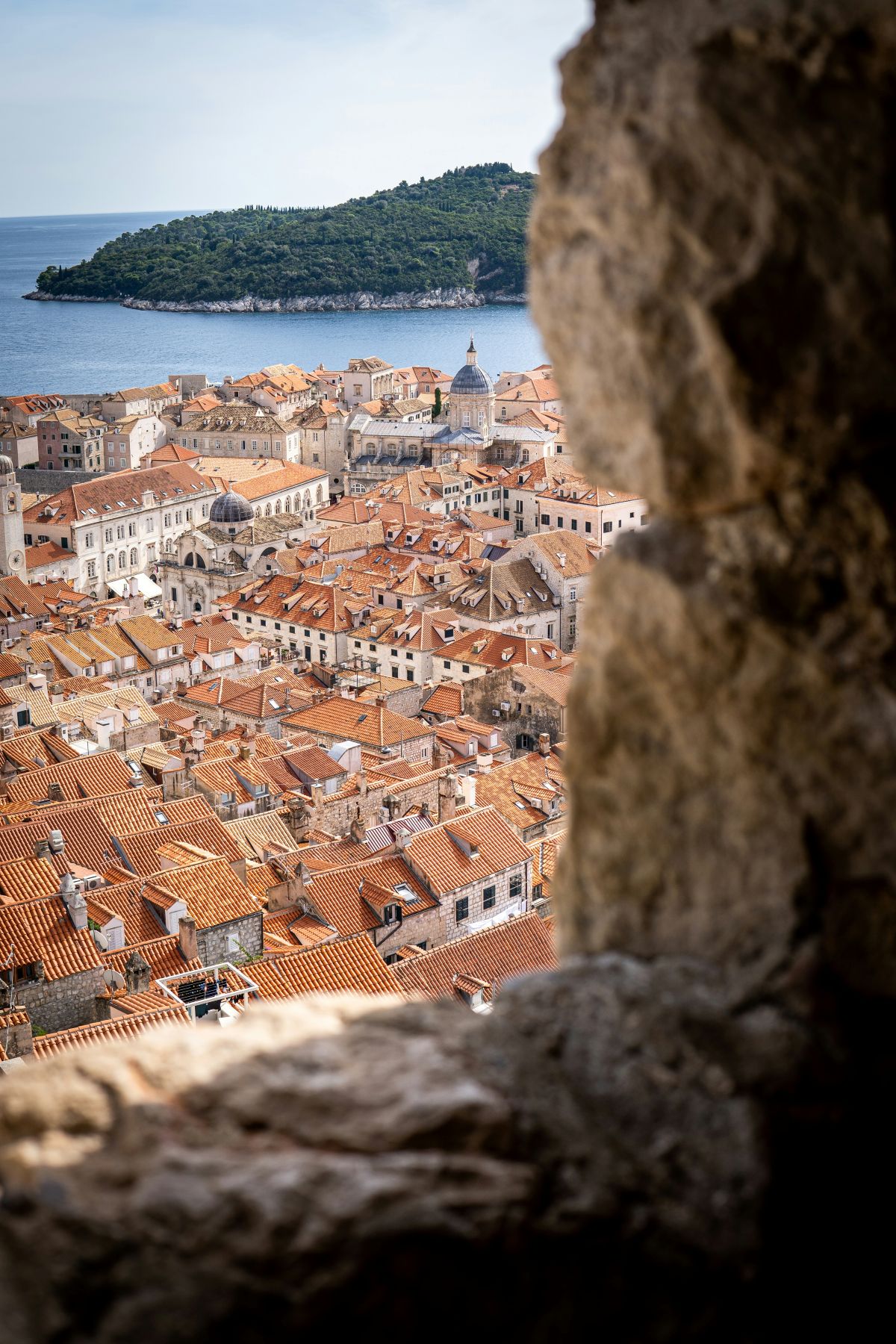
Yes, it’s famous. Yes, cruise ships dock here. And yes – it’s absolutely worth it. Some places are popular for a reason and simply have to be experienced, and Dubrovnik’s fortified old town is still considered one of the most beautiful places in Croatia.
Walk the city walls, early before the midday heat, and admire its tight crown of terracotta roofs atop pale stone walls, set against a sweep of deep blue Adriatic and hidden gardens and courtyards below. Down on the ground, medieval churches, winding streets, and intimate narrow staircases lead to tiny rooftop terraces where laundry flutters between shuttered windows.
It’s hard to beat Dubrovnik for beauty, romance and preservation, and it’s one of the best places to visit in Croatia for couples, who will love its atmospheric dining spots in centuries-old secret courtyards and harborside restaurants with views of the sea and city walls.
The coast between Dubrovnik and Split is one of the most scenic coastal routes in Europe and packed with gems that most travelers rush past. These highlights would make a perfect road trip:
Read more: Exploring Croatia: a Mediterranean gem
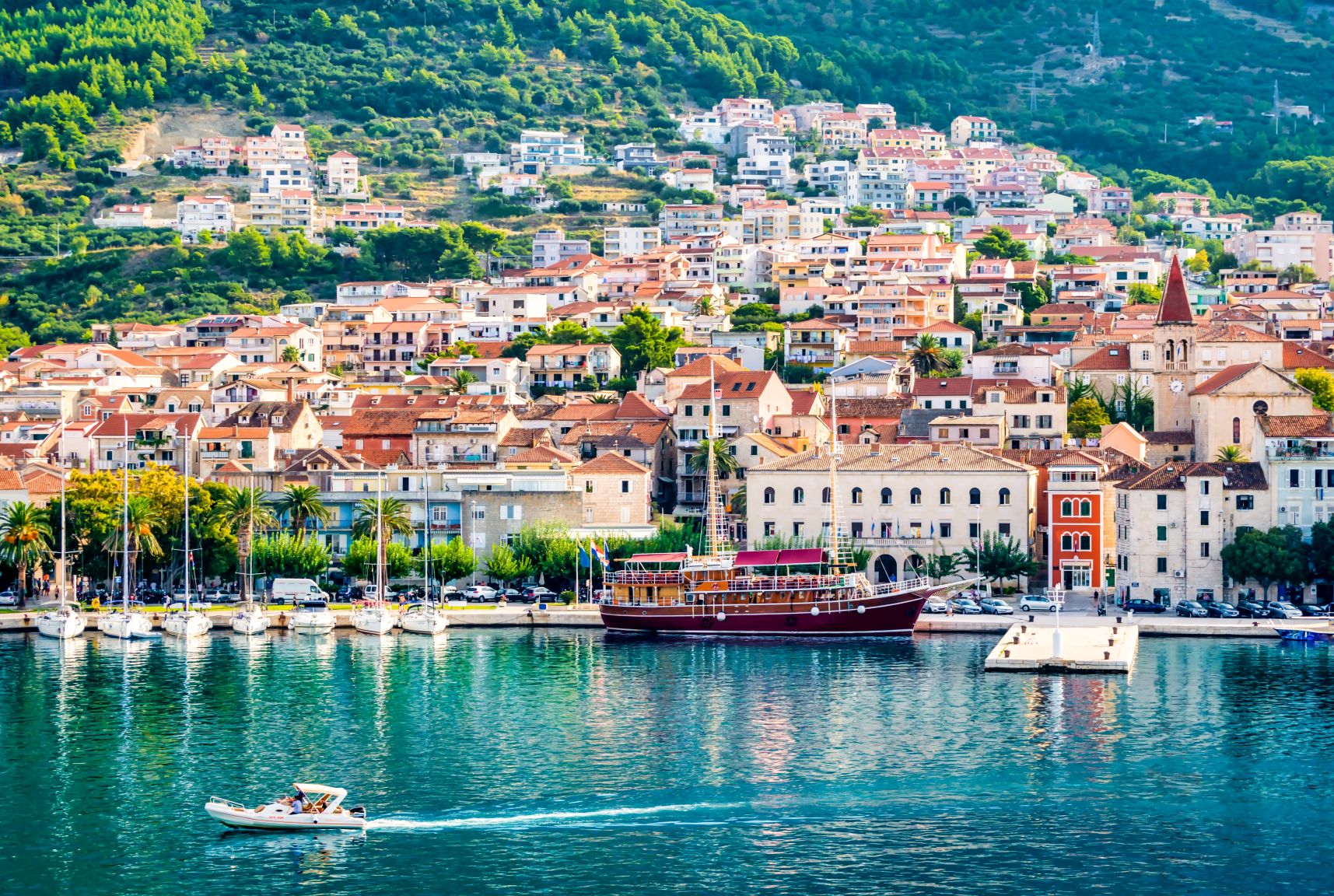
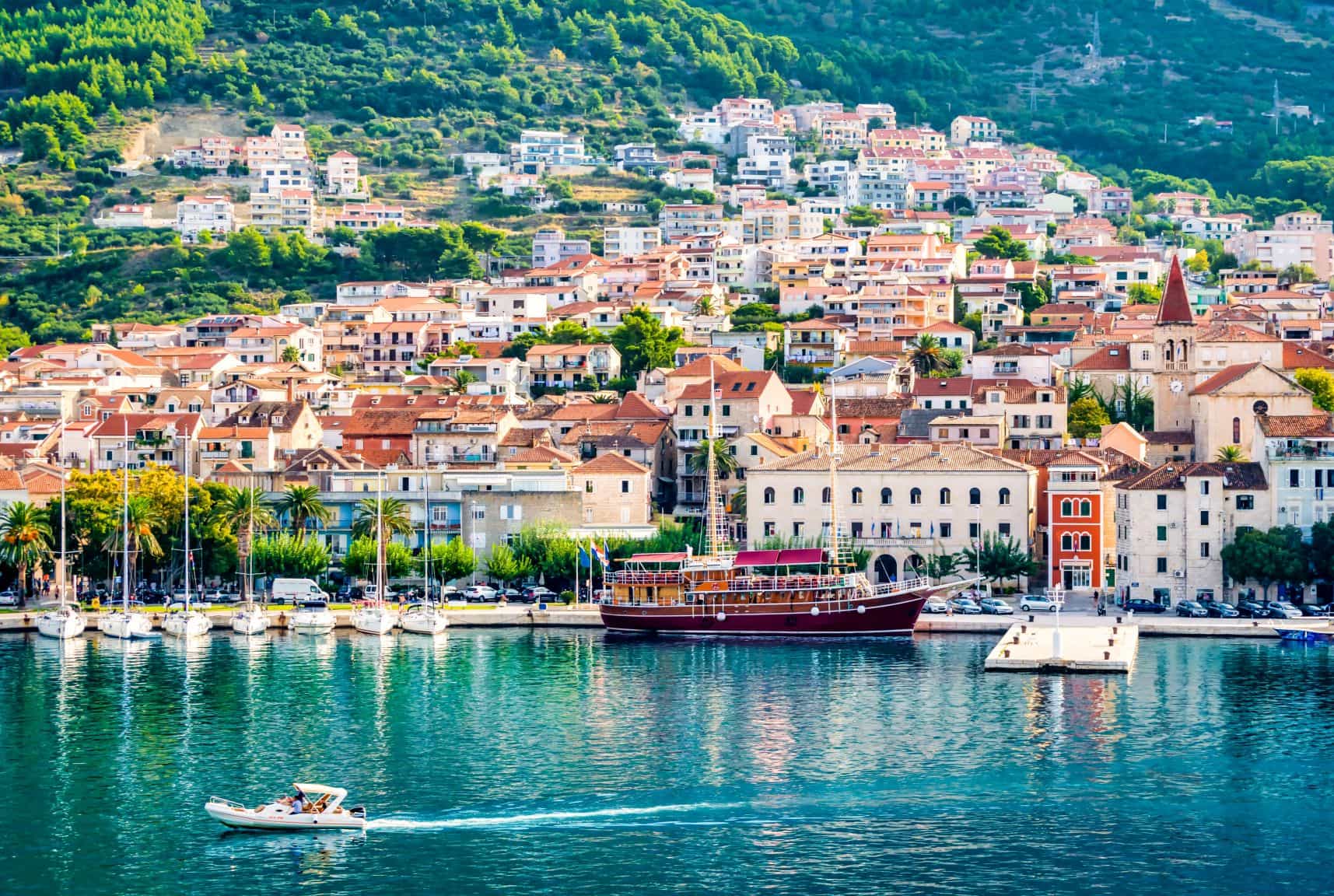
Split is quite simply a piece of preserved history. The old town is built within the walls of Diocletian’s Palace, a Roman emperor’s retirement project from the 4th century. Today, those ancient marble corridors house apartments, cafes and wine bars. You can sip espresso beside a column that predates most European capitals. Evenings belong to the Riva promenade, where locals gather for an aperitif and a slow circuit before enjoying Split’s vibrant food scene.
For panoramic views and pine-scented walking trails head for Marjan Hill, or climb the bell tower of Saint Domnius for rooftop views toward the islands offshore. Split makes an ideal base for island-hopping, with daily ferries to Hvar, Brač and Vis.
If you’re traveling through Croatia by car, Trogir and Šibenik are perfect stopovers. Trogir’s entire medieval center sits on a tiny island linked by bridges – compact, photogenic, and easy to explore in a few hours. Šibenik is one of Croatia’s hidden gems. With a local, authentic feel, its stone cathedral rises dramatically above steep alleyways that tumble toward the harbor.

Island-hopping is one of the great pleasures of traveling in Croatia. Each island has its own personality which means there’s an island for everyone!
Hvar’s magic and the secret of its popularity lie in its contrasts: it manages to be lively and laid-back, sophisticated yet authentic. You’ll find sun-drenched beaches, ancient cobblestone towns, the famous lavender fields, and a nightlife scene that hums until sunrise.
At its heart lies Hvar Town, with its stunning harbor lined with Venetian-era buildings, marble streets, and palm trees swaying above chic cafés. The Fortica Fortress towers above it all, rewarding visitors with panoramic views of the Pakleni Islands scattered across bright blue water and accessible by a quick water taxi.
The island’s main draw is Korčula Town, often described as a mini-Dubrovnik with a slower pace. Its narrow marble streets are quieter than Dubrovnik but equally charming and romantic. Korčula’s small size makes it perfect for exploring vineyards, olive groves and hidden coves.
Go wine tasting at one of the vineyards that roll across the interior, producing crisp white wines like Grk and Pošip. Take a boat to the nearby islets of Badija or Vrnik for crystal-clear swimming spots and enjoy long unhurried lunches, accompanied by sea views and plates of grilled fish or black risotto. As an island escape, Korčula is the perfect complement to Dubrovnik.

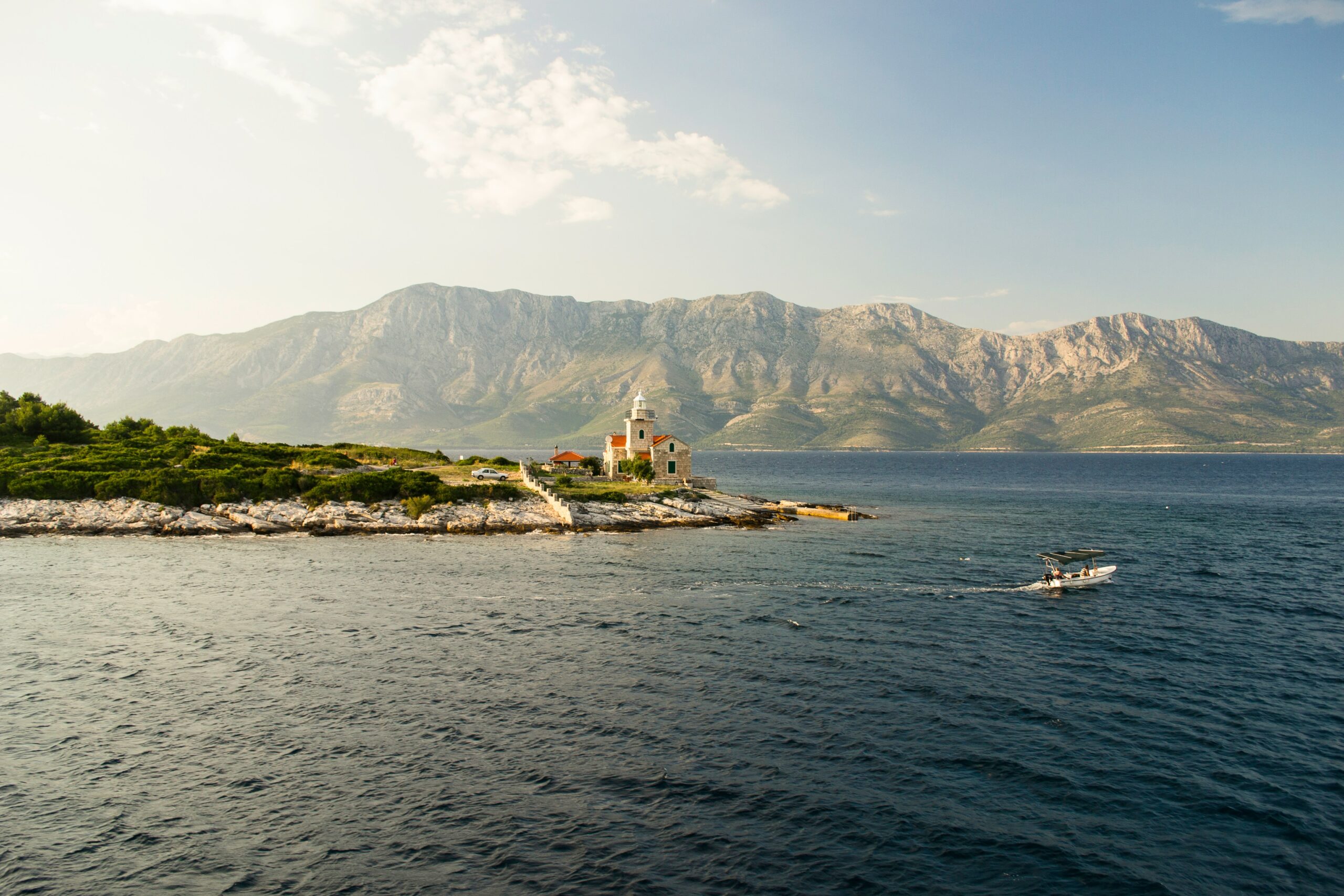
If your ideal vacation is peace and quiet and hitting the reset button, Mljet is your go-to island; the kind of place where time slows down, forest blankets the island, and the air smells of pine. You can cycle around the two saltwater lakes, swim in water that feels like liquid glass, or take a small boat to the 12th-century monastery set on its own tiny islet. It’s just a 1.5–2-hour ferry ride from Dubrovnik, making it perfect for a day trip or overnight stay.
Set in impossibly clear water, Brač’s famous Zlatni Rat beach is a horn-shaped spit of pebbles that shifts shape with the wind and tide. Framed by pine trees and the towering Vidova Gora mountain, it’s one of the most photographed beaches in the Adriatic.
But Brač is more than its iconic beach. Bol is the island’s liveliest town, with a lovely seaside promenade, windsurfing spots and a relaxed nightlife scene. It’s ideal for travelers who want a mix of relaxation, adventure, and local culture without the crowds.
Closed to foreign visitors until the 1990s, Vis developed more slowly than its neighbors, so if you’re looking for places to see in Croatia that still feel authentic, Vis is a strong contender. Fishing boats outnumber superyachts. Family-run konobas serve grilled seafood and local wine. Hidden coves feel genuinely secluded.
Quirky Pag is known on the one hand for its summer parties and on the other as the producer of some of Croatia’s best sheep’s milk cheese. Closed to foreign visitors for decades when it served as a Yugoslav military base, this isolation has preserved its charm, and the island feels like stepping back in time. Vis attracts travelers who value authenticity and slow travel.
Read more: The best Croatian islands to visit on an island-hopping trip

Alfred Hitchcock reportedly claimed Zadar had the world’s most beautiful sunsets. The old town sits on a peninsula, wrapped in ancient walls and marble streets that glow gold at as the sun goes down. Less crowded than Dubrovnik or Split but just as rich in atmosphere, Zadar feels both ancient and effortlessly cool. It also makes a great base for exploring Croatia’s nature spots. Hike to Krka National Park’s waterfalls or explore the islands of Dugi Otok and Ugljan and the Paklenica mountains.
Just off the coast from Zadar, you’ll find a wild nautical paradise and one of the most extraordinary archipelagos in the Adriatic. This maze of 89 stark, uninhabited islands with dramatic cliffs, hidden coves and crystal-clear waters is a dream for sailors, snorkelers and photographers, and because it’s a protected national park, it feels wonderfully untouched.
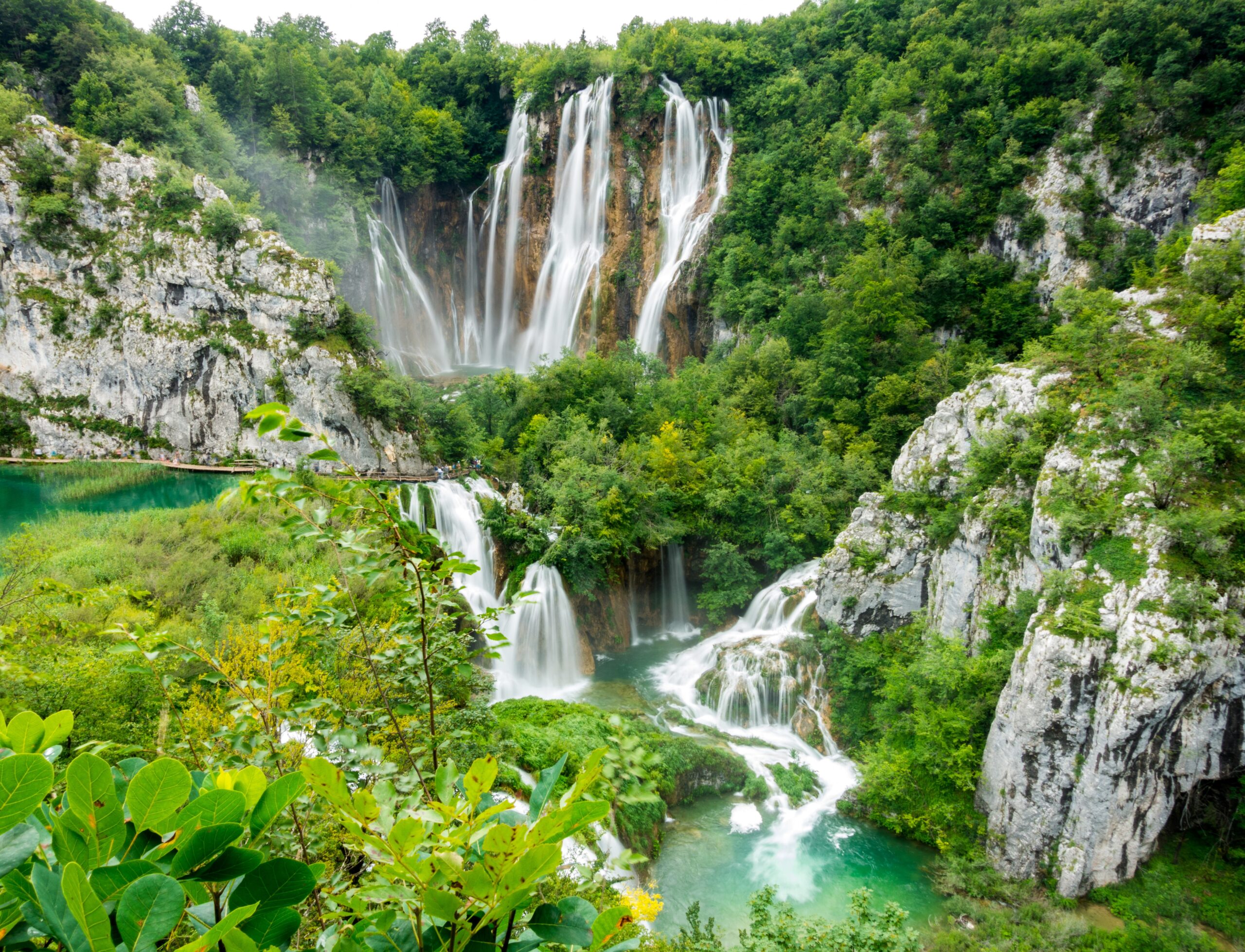
Imagine a series of 16 terraced lakes cascading into one another through lush forest, connected by wooden boardwalks that seem to float over turquoise water. If you’re asking what you absolutely shouldn’t miss in Croatia, this is near the top. Arrive early and walk the wooden boardwalks as mist rises from the water. It’s magical, wildly photogenic and feels almost prehistoric, and only a two-hour drive from Zadar.
Zagreb is Croatia’s underrated gem, a compact capital that blends Austro-Hungarian elegance with a Balkan soul and a creative, youthful energy. It’s a city of two halves; the Upper Town is the historic heart, a maze of cobblestone streets, gas lamps and red-roofed houses, while the Lower Town is grand and graceful, full of 19th-century architecture, leafy parks and lively squares.
What Zagreb lacks in sea views, it makes up for in culture and character. Galleries, theaters, restaurants and bars, and a legendary cafe culture make it one of the best cities to stay in Croatia.
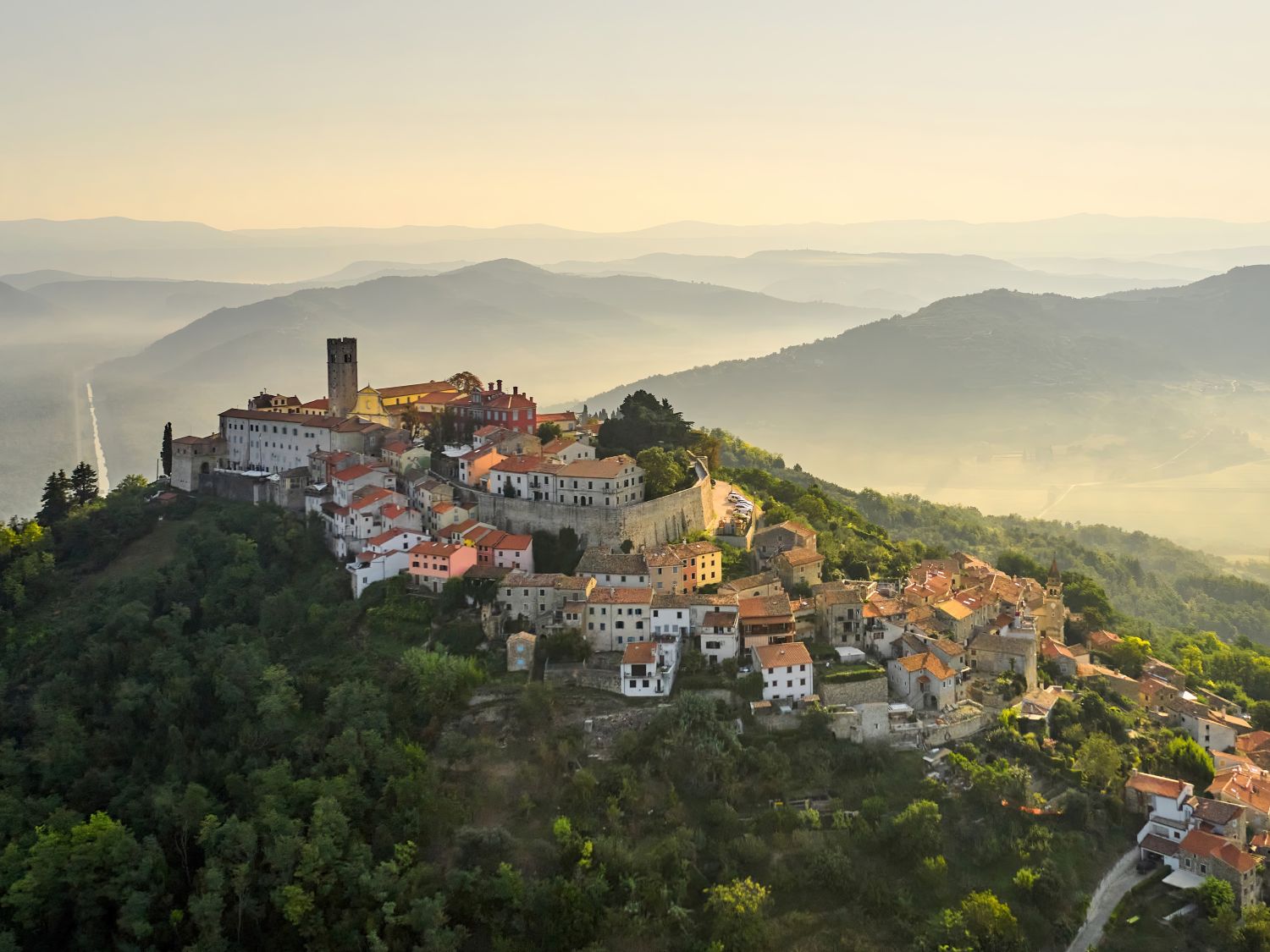
Welcome to Croatia’s heart-shaped peninsula and arguably its most delicious corner. Tucked up in the country’s northwest, just across the water from Venice, Istria feels like a blend of Italy and Croatia, and has a slower rhythm than Dalmatia. Expect olive groves, vineyards and medieval hill towns, and menus laden with the region’s famous truffles.
Read more: Small yet mighty Croatia: travel tips from a local expert
Ready to discover the best places in Croatia for yourself? Reach out to our locally-based travel experts to start planning the personalized trip of a lifetime, entirely based around your budget, needs and passions.
Explore all featured destinations
Join our mailing list for travel inspiration, trip recommendations, and insights from our local experts.