

An insider’s guide to Split, Croatia
5 October 2026
If you love to seek out underrated vacation spots, the Baltics should certainly be on your radar. The three Baltic States of Latvia, Estonia and Lithuania are sandwiched between northern and eastern Europe, sitting on the chilly climes of the Baltic Sea. Though rarely listed highly on the European tourist trail, each Baltic country has its own story and personality, as well as an air of cultural confidence that’s hard not to love. In this article, we’ll share our trip itinerary-building tips for visiting the Baltics, from the unmissable highlights of each country, to how to road-trip the Baltics like a pro.
Estonia, Latvia and Lithuania make up the Baltics, and though they’re not the showiest, each country has a fascinating history, swathes of untouched natural wilderness, and its own distinctive culture to unpack.
These are somewhat cold destinations, so you’ll need to wrap up, especially in the winter months—but with the cool air comes a sense of refreshing change from the usual tourist trail. If you’re a fan of quirky, lesser-visited and independently-minded vacation spots, you won’t be disappointed by these European gems.
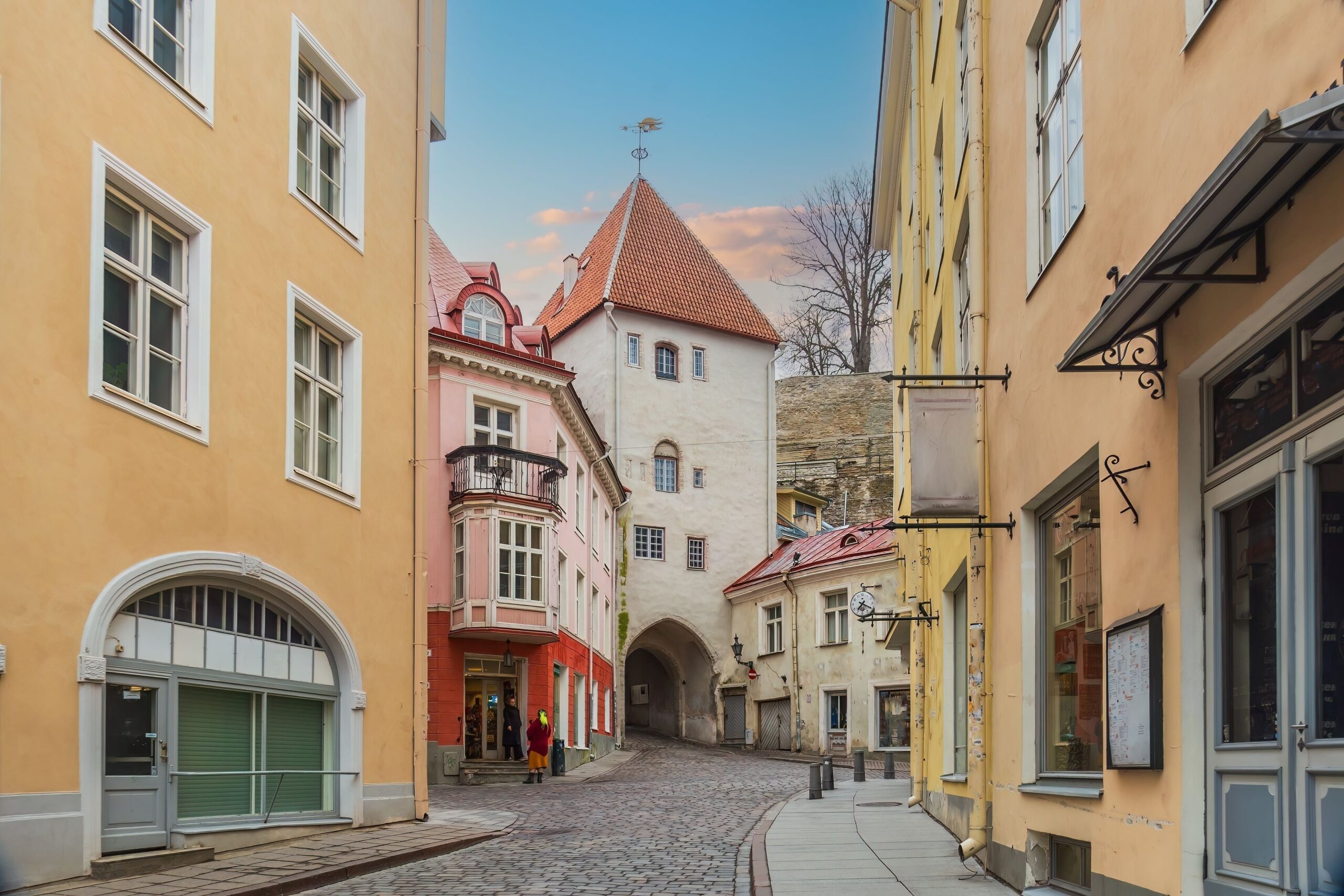
Many travelers choose to combine all three Baltic countries into a multi-stop tour, perhaps visiting each capital city if it’s a brief trip, or taking the time to explore each country individually to really immerse themselves in the Baltic way of life.
Self-drive tours of the Baltics are popular, and though it’s relatively flat, active adventurers have forests, lakes, and cycling activities at their disposal. Still, the slow travelers, city dwellers and culture lovers will be in their element—slotting into the cafe lifestyle and absorbing the museums, traditional markets and folk traditions as they make their way between local villages and towns.
Let’s briefly explain the highlights of the Baltics, so you can consider what to add to your itinerary with the help of our local travel experts.
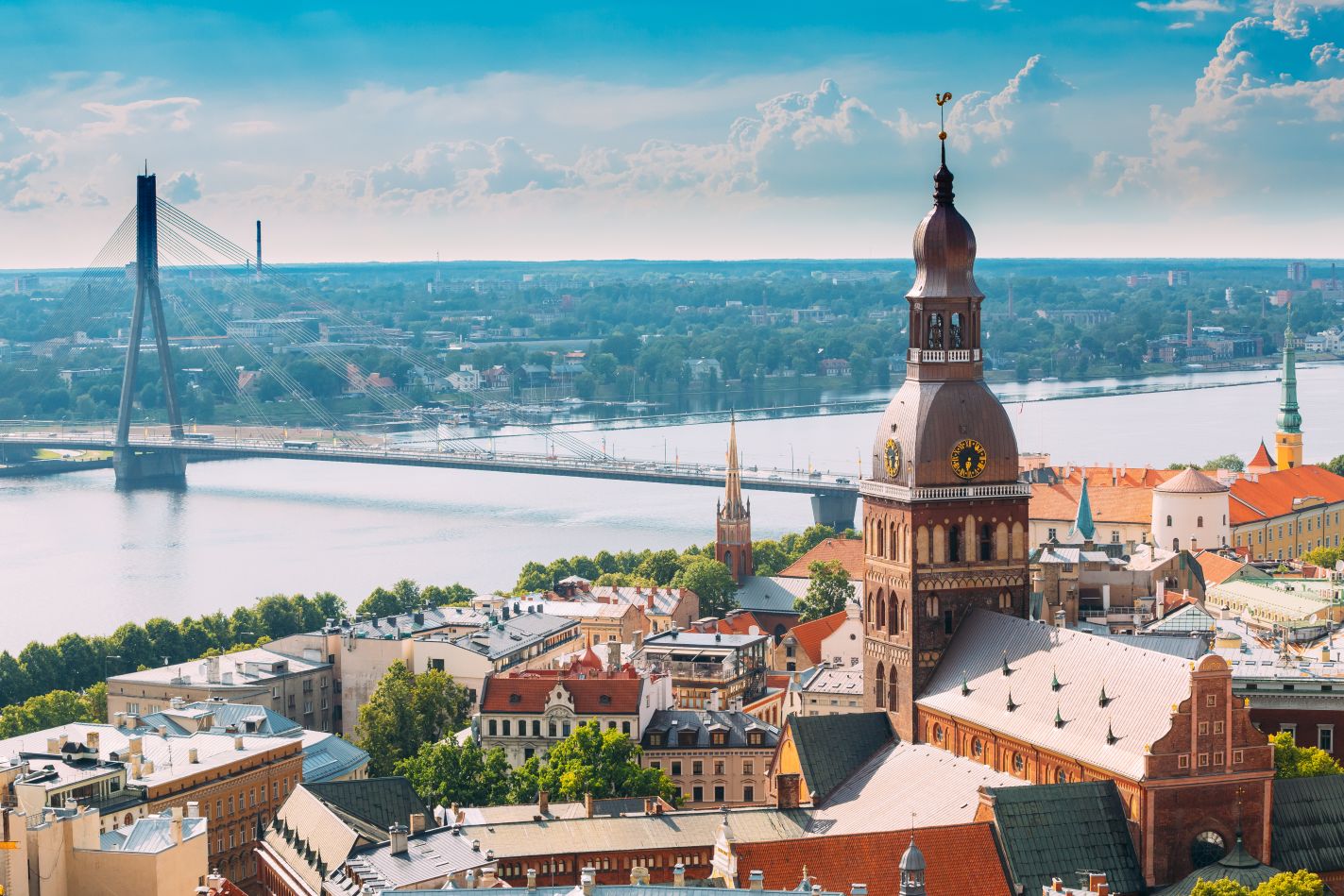
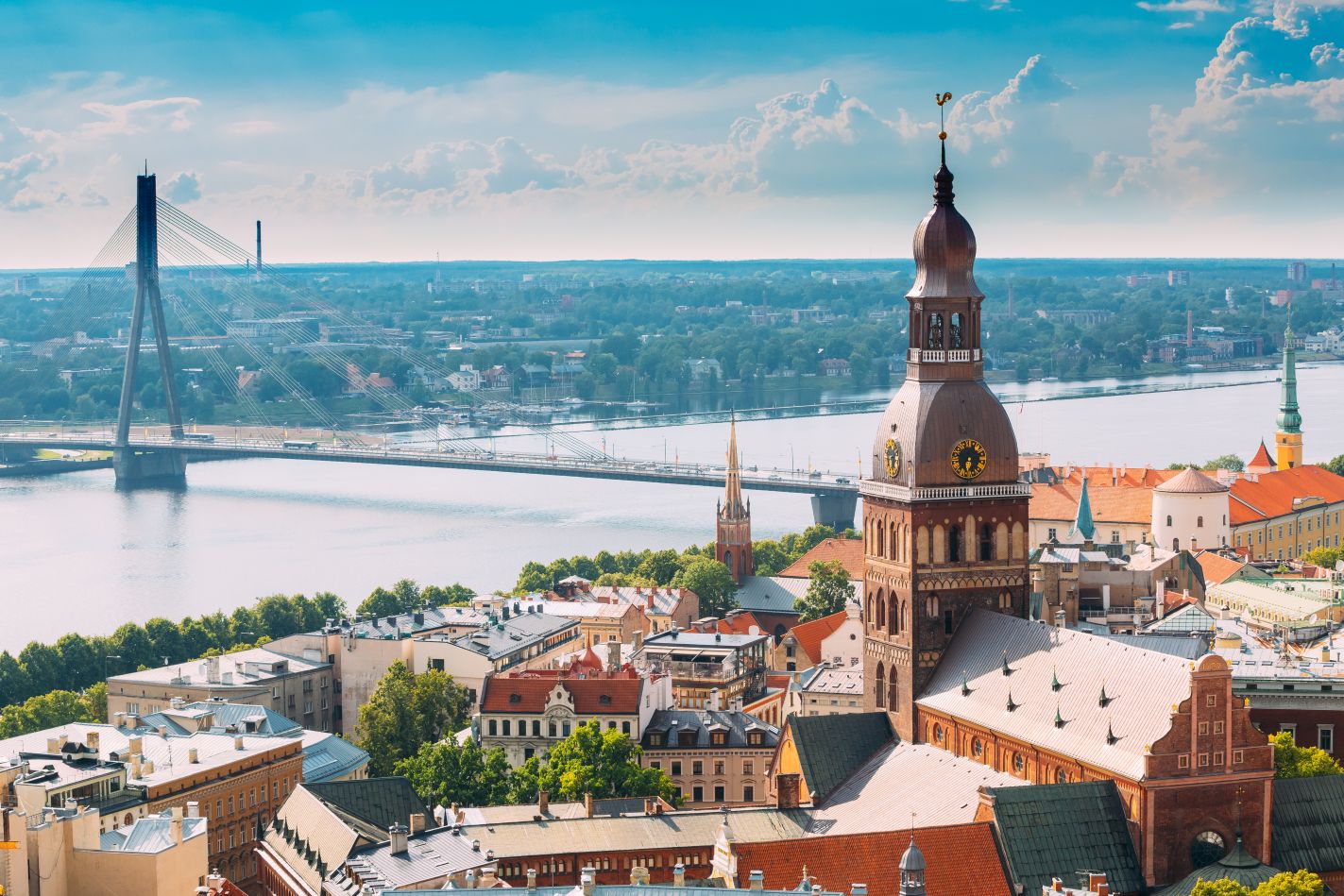
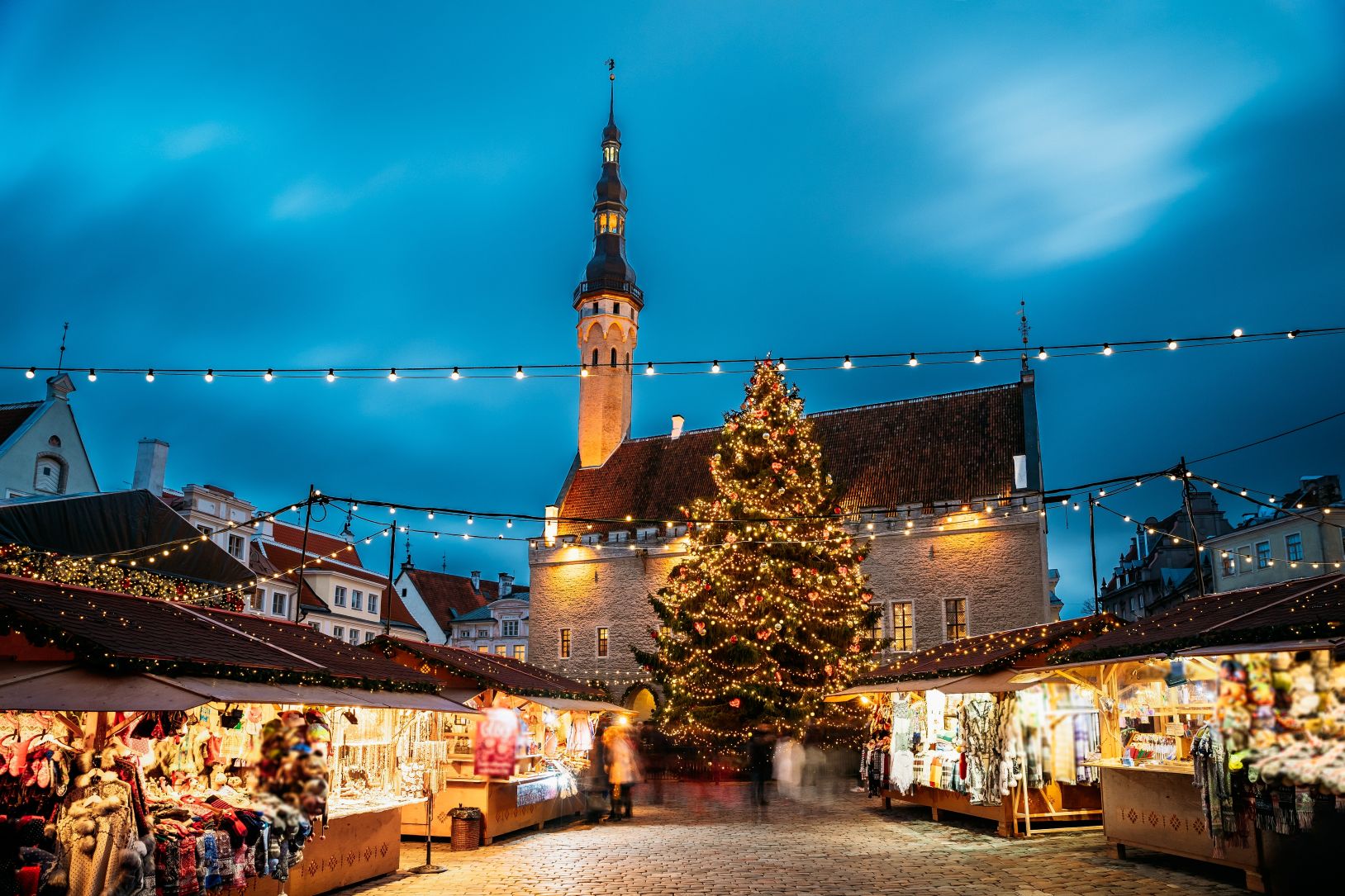
A visit to each Baltic country usually revolves around its capital: Estonia’s Tallinn, Latvia’s Riga, and Lithuania’s Vilnius.
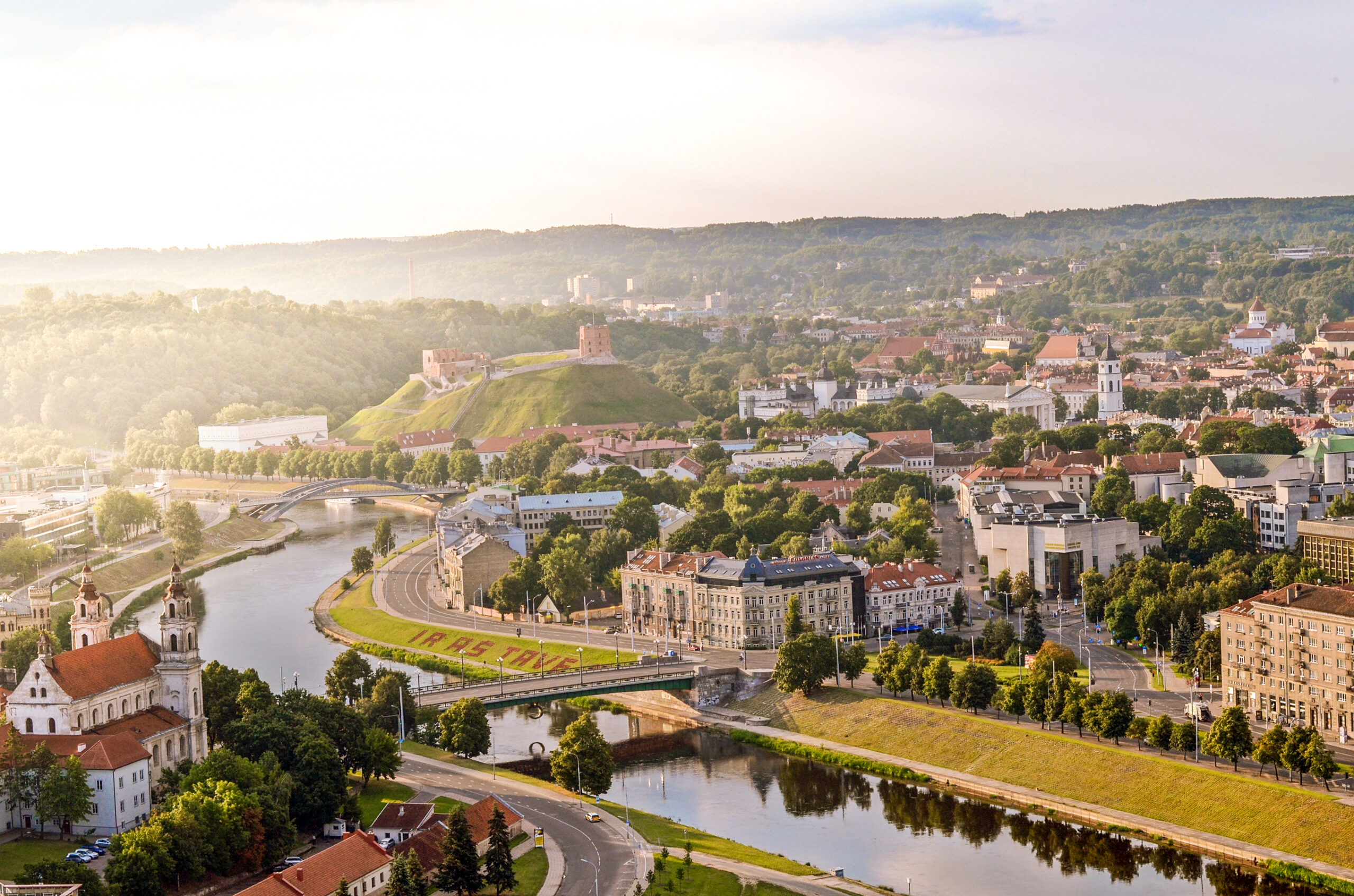
The Baltics have a richly-layered history; tales of past battles, ancient folklore and political turbulence permeate the lands. Famously, the invasion of the Teutonic Knights sought to convert the pagan Baltics to Christianity in the 13th century, with Lithuania once being the last remaining pagan country in Europe. Shortly after, there was also the formation of the medieval trade network, the Hanseatic League; and the more recent 20th-century occupation of the Soviet Union.
Trakai Castle is a symbol of Lithuania’s enduring power against the Teutonic Knights. Set on an island in Lake Galvė, the castle looks like something from a fairy-tale, and is stunning to explore. Linked to this, the hill-fort complex of Kernavė is an ancient settlement from the 3rd millennium BCE, a true symbol of Lithuania’s pre-Christian pagan heritage.
Meanwhile, the manicured gardens and gilded features of Rundāle Palace in Latvia are clear reminders of the country’s Baroque heritage. Built in the 18th century for the Duke of Courland, it’s nicknamed the ‘Versailles of Latvia’ for a reason—it really reflects the opulence of local nobility at the time.
If you have a week to two weeks or more to fully explore the Baltic countries, myriad experiences are on hand to help you really get under the skin of this part of Europe.
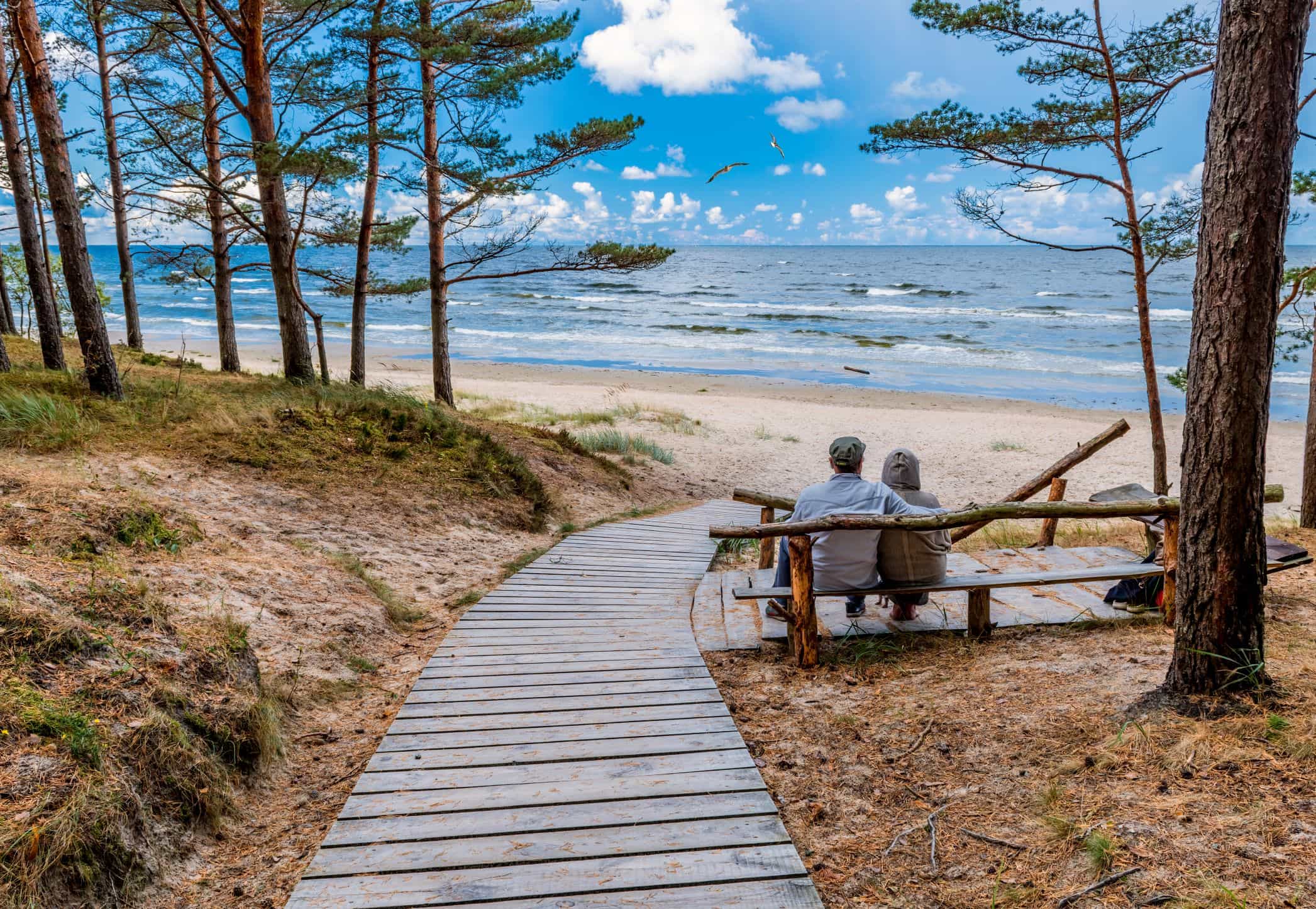
The Baltic coast is often chilly, atmospheric and rugged, while many of its coastal towns have a community feel and untouched charm.
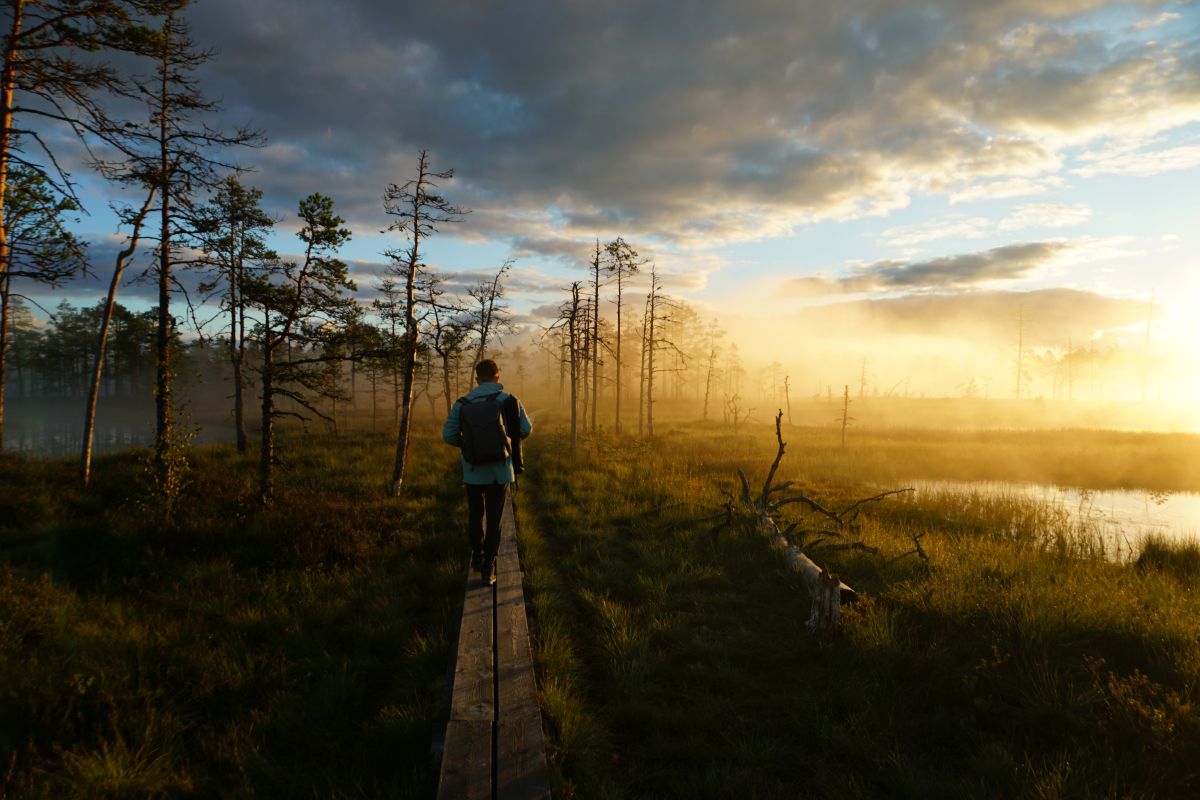
Outdoor enthusiasts tend to love the Baltic countries, and for good reason; the ‘right to roam’ philosophy and the sense of untouched wilderness are a real selling point. It’s not about adrenaline chasing in the Baltics, however, but just curious exploration at your own pace. Hike for hours through pine and birch woods, stop to picnic or take a wild swim in a lake, or even forage for berries and mushrooms in the summer (as many do!).
National Parks like Lahemaa in Estonia, Gauja in Latvia, and Aukštaitija in Lithuania are bursting with forests, rivers, lakes and coastline, and have historical interest to boot, with old manors, castles and ancient villages hidden away in the landscape. It’s not usually busy, either, so you can expect to enjoy a sense of spaciousness and feel of exclusivity.
There’s nothing better than stopping in a town you’ve never heard of before and it becomes a trip highlight. In the Baltics, the off-the-track villages and towns are often decorated with historic wooden neighborhoods, crumbling old buildings, and picturesque lakes. You’re sure to be welcomed by local people, language barriers or not, so long as you respect them and the local area.
Try Lithuania’s Druskininkai, an old spa town surrounded by serene pockets of trees and rivers, or Zarasai, near the lakes of Aukštaitija, for waterside ambling trails and almost no crowds. In Latvia, Kuldīga’s town of fairy-tale cottages has Europe’s widest waterfall running through it; while in Estonia, coastal Haapsalu is famed for its seaside homes, a castle ruin, and very slow pace of life.
Though it may be an unsaid assumption, those who love to visit eastern Europe are often drawn to its quirks, its brash confidence, and its celebration of the bizarre. Here are ways to squeeze some alternative fun into your Baltics tour.
As the nation with the longest history of paganism, Lithuania is full of memorable and symbolic sites. The Hill of Witches is basically a trail through a pine forest that’s lined with carved, folkloric statues, like mischievous devils, pagan gods, and cackling witches. It makes for a quirky side excursion when visiting the Baltics’ picturesque Curonian Spit.
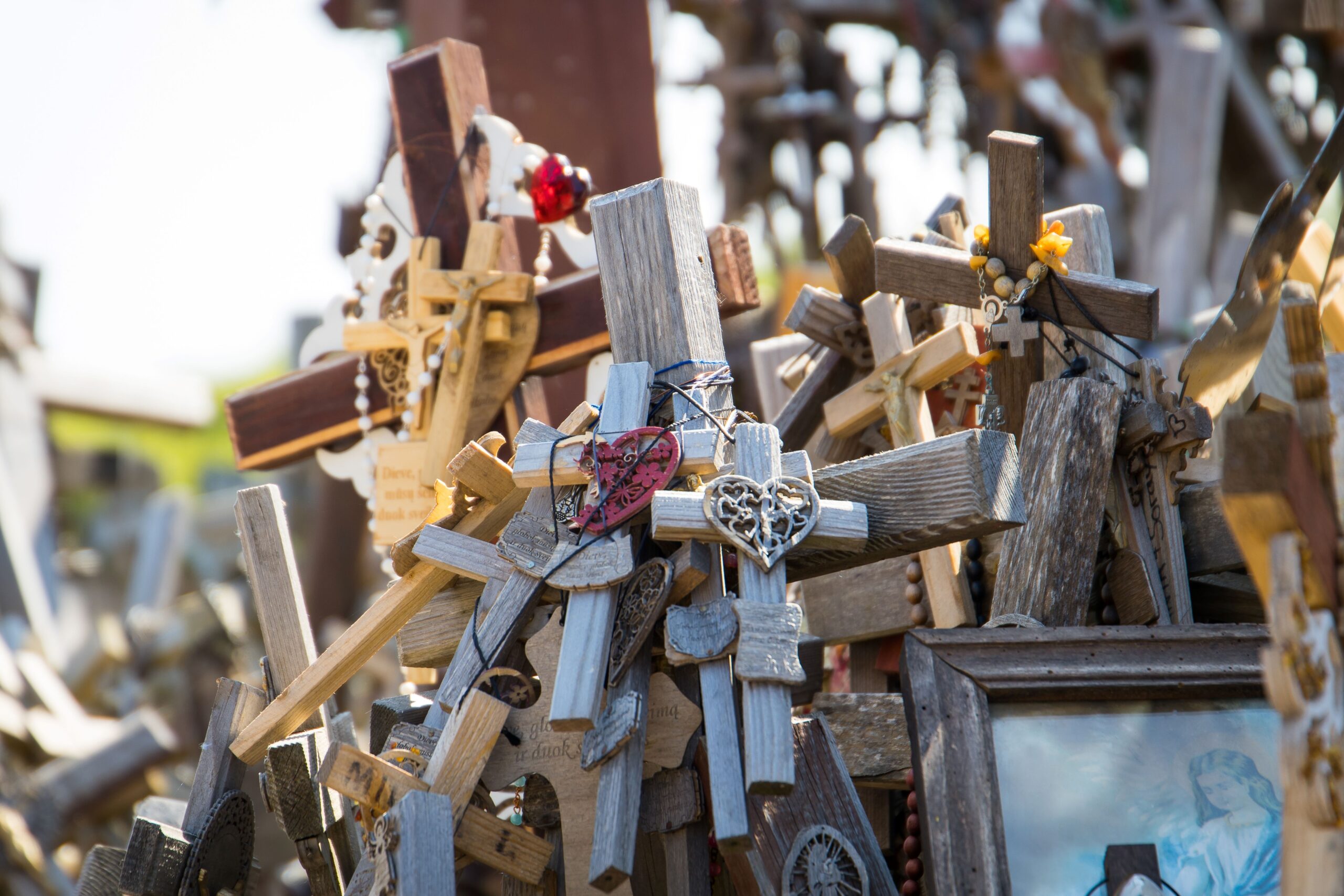
On a more serious note is the Hill of Crosses near Šiauliai. Here, thousands of crosses cover a small hill, added by people over generations as a sign of independence. During Soviet rule, the site was repeatedly bulldozed, only for the crosses to reappear overnight. Today it endures as a striking symbol of Lithuanian resistance and strength.
Saaremaa is Estonia’s largest island, and well worth a side trip—it’s a mystical place steeped in folklore and historic uprisings. The Kaali meteor strike which hit around 1500-1450 BCE, formed a large crater lake on the island that became sacred to locals, and influenced much of their rituals and religious practice.
Over time, the island became a launch pad for indigenous pirates, the Oeselians, who would raid ships across the Baltic Sea; then from the medieval age, it bounced between Danish, Swedish and Russian powers. This fascinating background adds a storied air to the windmills, the juniper fields, and Soviet-era relics that still scatter the land.
Nature and history combine wonderfully in Latvia, where a glut of Soviet-era remnants abound. To explore the likes of abandoned bunkers and former military towns, prisons and ports, take a tour with a local guide to learn the stories behind these old buildings. The point of Soviet architecture was to emote obedience and permanence, so it’s a fascinating if somewhat eerie venture to get an idea of what life was like behind the Iron Curtain.
Latvia’s countryside is scattered with what’s left of romantic castles, and not only the opulent Rundāle Palace we mentioned earlier. Gauja National Park, for instance, is full of wooded trails that lead past old medieval castles, like Sigulda Castle—which sits on a cliff overlooking the Gauja River.
Our local travel experts in Estonia, Latvia and Lithuania have in-depth knowledge of the Baltics and know exactly how to get the best out of this enigmatic region of Europe. Here are their top three Baltics tours…
Travel the best of the Baltics in 10 days with this brilliant tour, made with seniors in mind. You’ll discover the three capitals, Vilnius, Riga and Tallinn, take a hot air balloon ride over the island castle of Trakai, explore rural villages around Kuldīga, and take a breather in the Estonian countryside and coast.
Driving is one of the most exhilarating ways to experience the Baltics. Roads are accessible and tourist sites are well-connected, with plenty of opportunities to go off the beaten track. On this two-week self-drive Baltics tour, the focus is on adventurous exploration. You’ll cover the three capitals, join hiking, biking and kayaking excursions, enjoy the rugged wilderness of Lahemaa National Park, the Curonian Spit, and Trakai; and explore Kuldīga, known as the most romantic town in Latvia.
Our wonderful 10-day tour of the Baltics is a real all-rounder, with something to please everybody. Experience the highlights of the Baltics while focusing on the three capital cities in each state: Latvia’s Riga, Estonia’s Tallinn and Lithuania’s Vilnius.
When visiting the Baltics, keep in mind that each state has its own language (Lithuanian, Latvian, Estonian), but English is widely spoken so you should have no problems getting by, especially in tourist areas.
Locals are generally welcoming and will have no issue chatting, but culturally they’re more reserved than southern European countries. Don’t expect strangers to start chatting with you in the street, but once you start a conversation, most locals are sure to be helpful and friendly.
To start planning your bespoke trip for visiting the Baltics, get in touch with our local travel experts. They’re based on the ground in Latvia, Estonia and Lithuania with all the in-depth knowledge you’ll need to build your dream Baltics itinerary.