A beginner’s guide to Patagonia
23 October 2026
The singular island of Madagascar is unique in many ways. Split from the east coast of Africa many millions of years ago, the flora and fauna here have evolved in isolation. Today, over 80% of the wildlife roaming its forests and shores is unique to Madagascar, including some truly psychedelic chameleons and around 100 species of lemurs. As well as wildlife encounters, there are all sorts of adventures to be had. From cultural connections to UNESCO-listed sights, here come our top most unique places to visit and things to do in Madagascar.
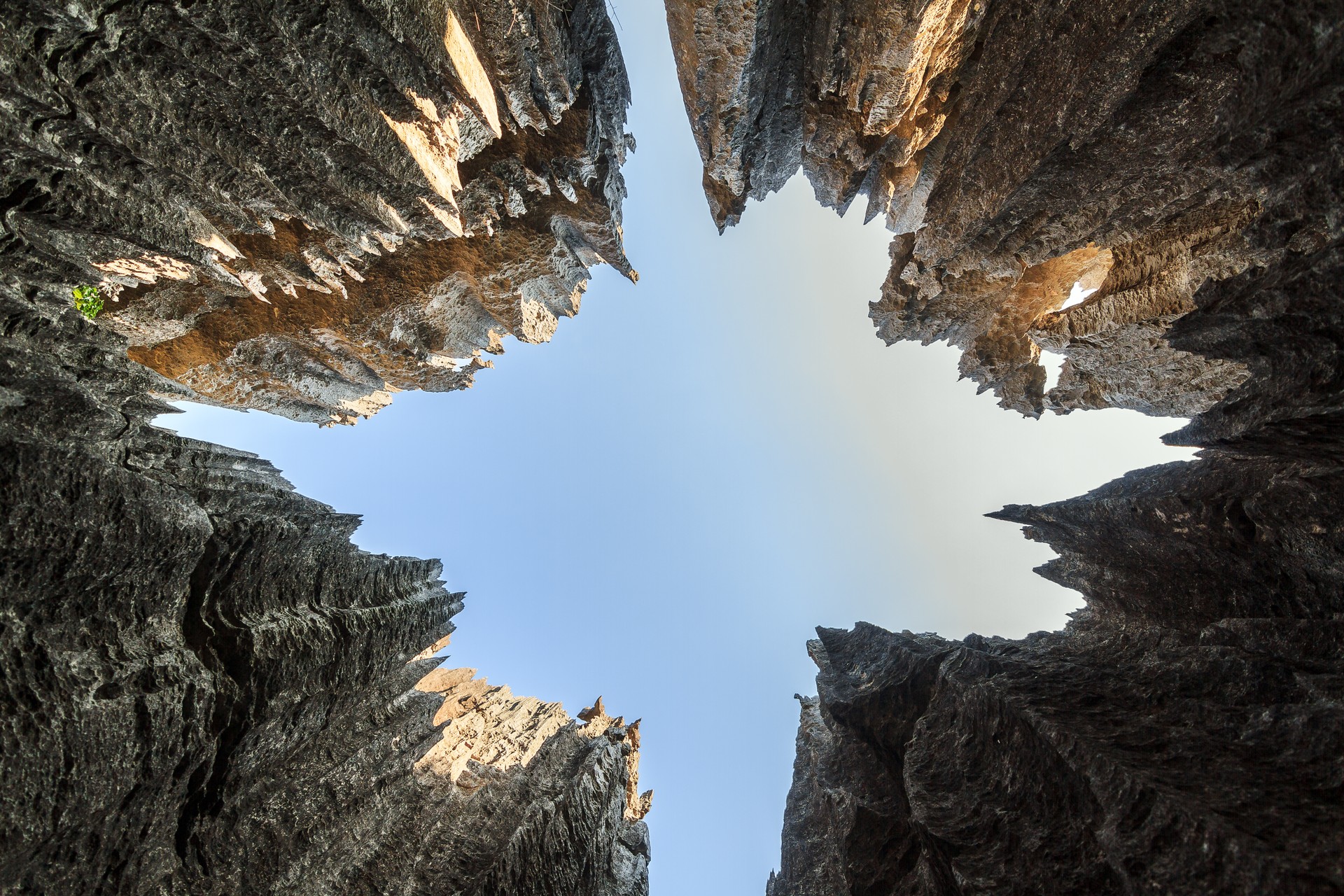
Getting to Tsingy de Bemaraha is not for the faint-hearted. It’s a long journey along bumpy tracks, with several ferry crossings thrown in. Despite being challenging to reach, this is one of the most famous sites in Madagascar and is utterly rewarding to visit.
Layers of razor-sharp stone towers create a striking, off-planet landscape that is decidedly sculptural in places. Visitors can adventure deeper into the park’s narrow canyons and channels via a network of walkways and rope bridges. As well as the alien landscapes of the Tsingy, there are forests to explore and lemurs to spot. Access to this UNESCO World Heritage Site is only possible between June and October.
High on a hill overlooking the Central Highlands, this fortified complex of palaces and tombs is one of the most famous landmarks in Madagascar. The UNESCO-listed Sacred Hill of Ambohimanga is of great historical, spiritual, and cultural importance to the Malagasy people. This sacred place was first occupied in the 15th century and has many stories to impart.
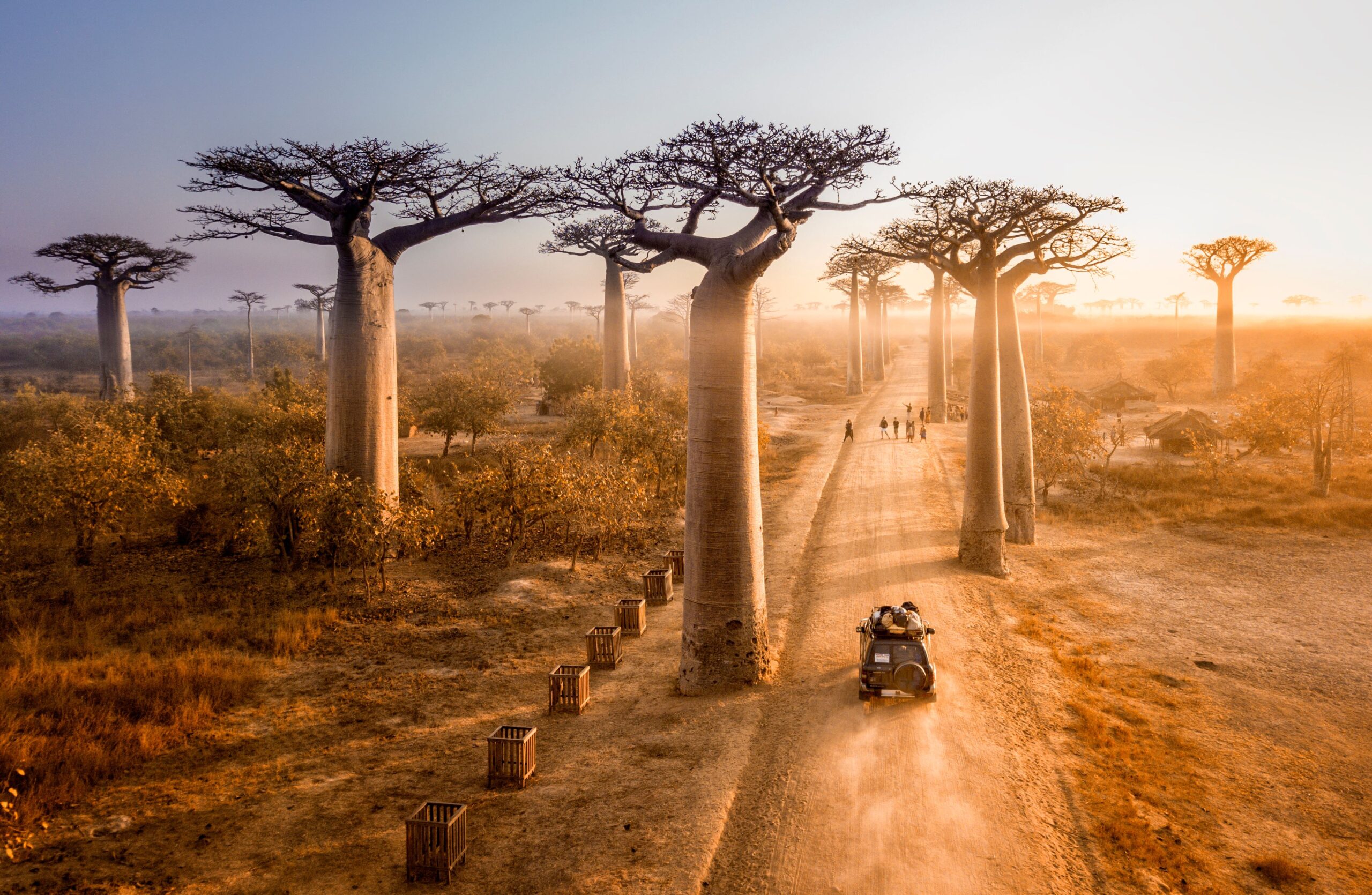
If Madagascar is on your radar, you will have seen the striking silhouette of the baobab tree standing tall. These giants of Africa are particularly present in Madagascar, where they are known as the ‘Mothers of the Forest’, and there are several different species.
The Avenue of the Baobabs, one of the most famous landmarks of Madagascar, features the giant baobab tree species. These trees grow tall and slim, opening out into a wide, almost flat canopy at the top. They are magnificent to see at any time of day, but walking among them at sunset is a particularly awesome sight.
Read more: A beginner’s guide to Madagascar

This long-fingered, grub-eating primate is one of the more unusual lemur species. It is one of the few nocturnal lemurs, has large mouse-like ears and round eyes, and was originally classified as a rodent – oops! The main national parks you can visit on a trip to Madagascar no longer allow night safaris, but there are a handful of wildlife reserves where you can roam after dark, and the aye-aye also ventures beyond the reserves.
For generations, the Vezo people have lived a semi-nomadic life along Madagascar’s western coast. In tune with the oceans, they spend much of their time at sea, and their diet centers on fresh seafood such as shrimp, tuna, and sea cucumbers.
Sadly, with overfishing and climate change, their traditional lifestyle is under threat. Visiting their coastal villages offers a glimpse into this traditional way of life, and an ambitious project is underway to turn their ancestral fishing grounds into an official Marine Protected Area.
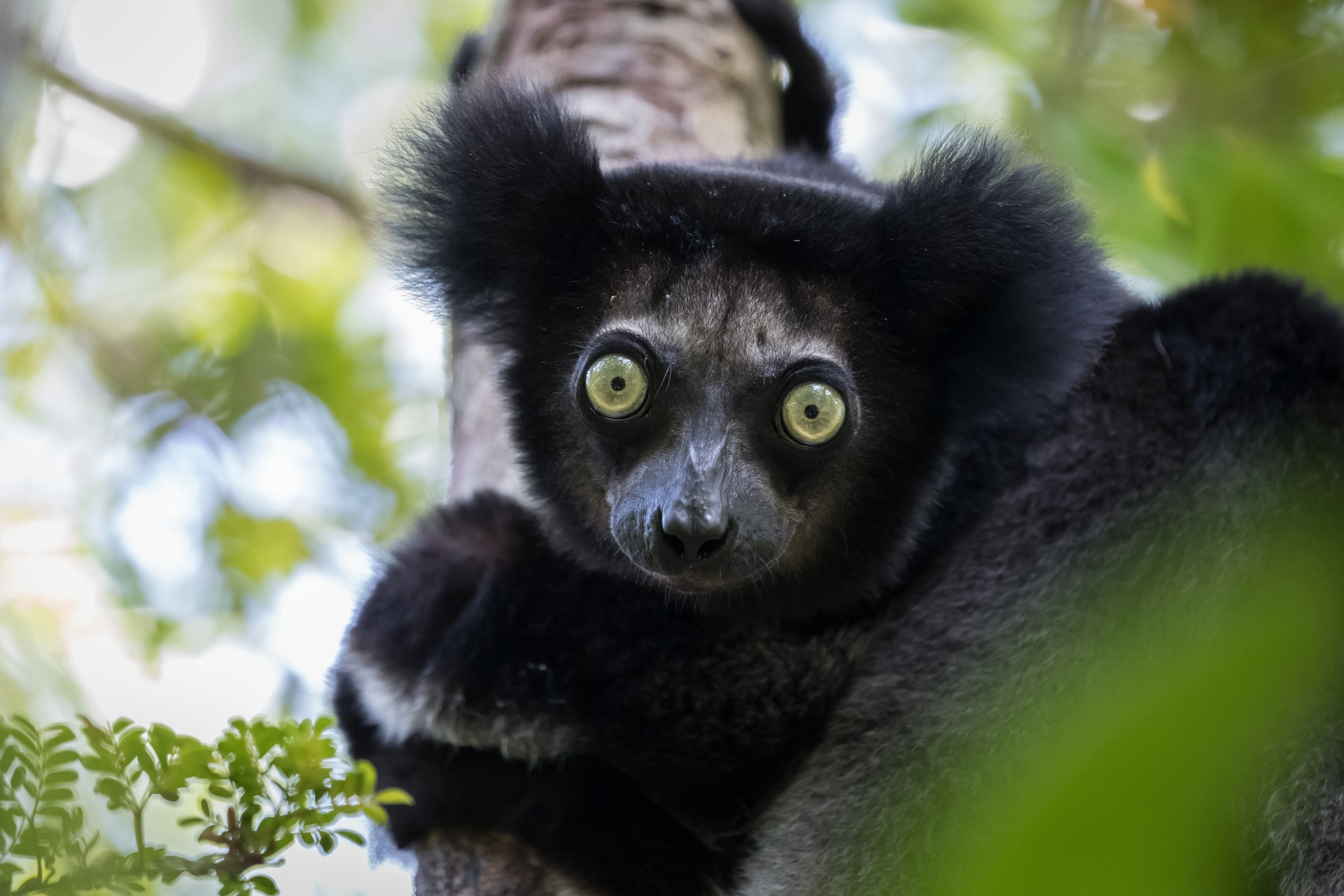
Andasibe-Mantadia National Park is one of the most important Madagascar tourist attractions. The park is particularly famous for being home to the island’s largest population of endangered indri lemur.
Early morning guided tours take you into this richly biodiverse forest where you can spot rare reptiles, birdlife, orchids and several lemur species. The indri is one of the largest lemurs, a tree-dwelling species with striped black-and-white fur. They often cry out during the first hours of sunlight, creating a strange and ethereal chorus.
Read more: Planning a safari in Madagascar: tips and wildlife highlights
The subterranean world of the Anjohibe Cave system is a thrill to discover. Large chambers are decorated with stalactites and mites, and a network of rivers and pools catches dappled sunlight filtering in through lush vegetation.
There are pools and waterfalls to swim in and lemurs to spot in the surrounding forest. Exploring here is one of the more adventurous Madagascar tourist activities – expect rustic accommodation and simple food.
When it comes to Madagascar’s tourist destinations, the tropical island of Nosy Be is the country’s most polished vacation hotspot. Sun loungers and swish restaurants abound, and some visitors never venture further than its sandy shores. We wholeheartedly recommend that you do, but spending a few days here offers a relaxing beach fix. Plus, if you visit between September and December when the whale sharks are passing through, you could find yourself snorkeling alongside these incredible, gentle giants of the ocean.
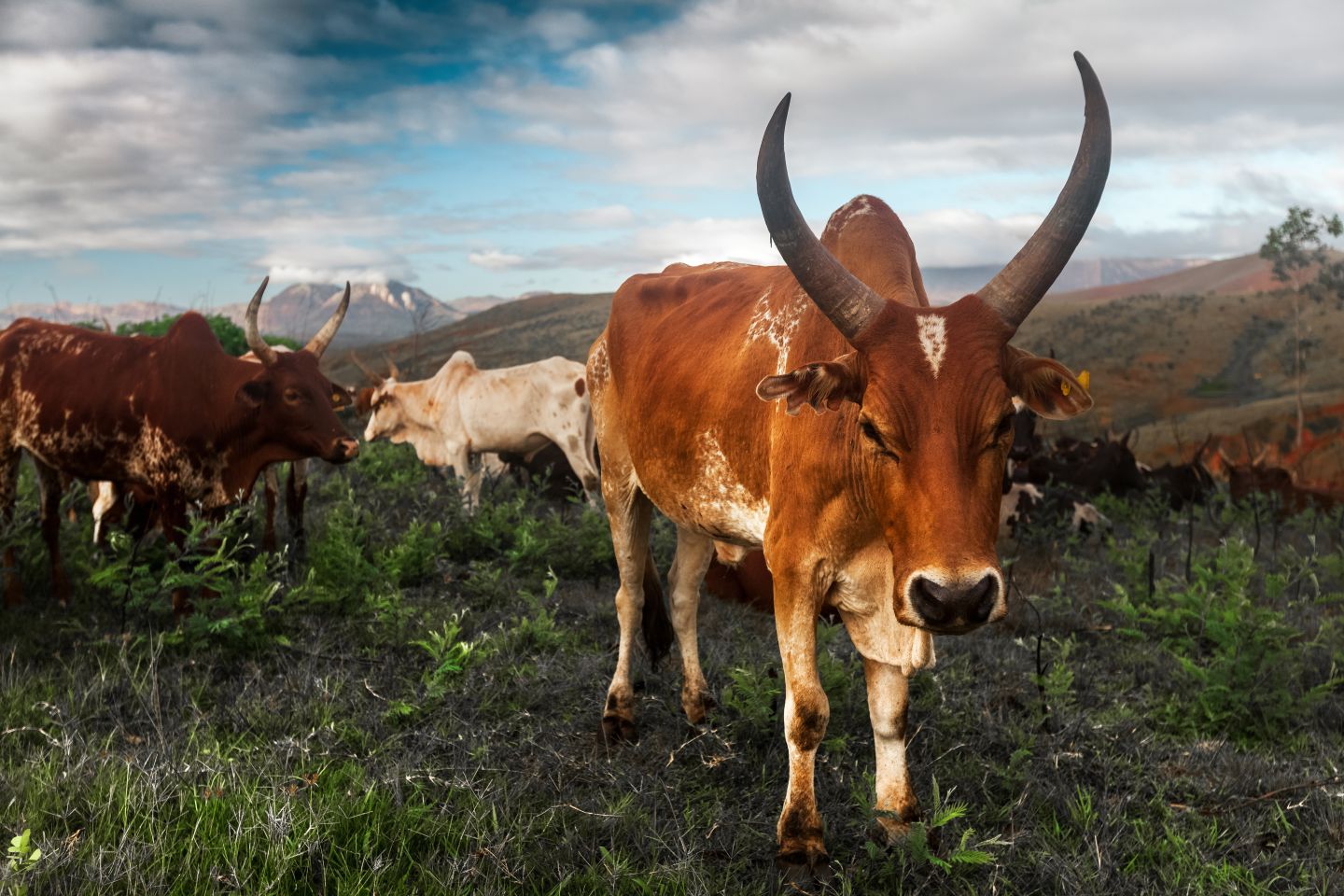
The Southern Highlands are one of the best places to visit in Madagascar for local color and culture. Every Wednesday, cattle traders from across the region gather to buy and sell their zebu cattle – a species of humpbacked domestic cattle adapted for life in the tropics.
The atmosphere is lively, with much bartering, braying and chatting amongst man and beast. The highland town of Ambalavao also hosts a herbal and healing market every Wednesday, where you can browse stalls of mysterious ingredients.
Read more: The best islands and beaches in Madagascar
The precious mangrove habitat of the Tsiribihina River is of vital environmental and ecological importance. Not only do mangroves sequester carbon, but they also provide habitat for endangered wildlife and livelihoods for locals.
Kayaking is a non-invasive way to explore, and quiet paddlers can easily spot wildlife and learn about this unique ecosystem from local guides. This is one of the most ecologically important and beautiful places in Madagascar, and this type of responsible tourism activity helps safeguard it.
UNESCO-protected Ranomafana National Park is one of the most biodiverse places in Madagascar. The park is a prime spot for wildlife, with brightly colored frogs, geckos and lizards, the bizarre giraffe-necked weevil, and several species of lemur often spotted.
The endemic Parson’s chameleon is a frequent and delightful sight. You’ll see it slowly, tight-rope walking forest branches and adapting its shimmering markings to blend in with the multi-green hues of the forest.
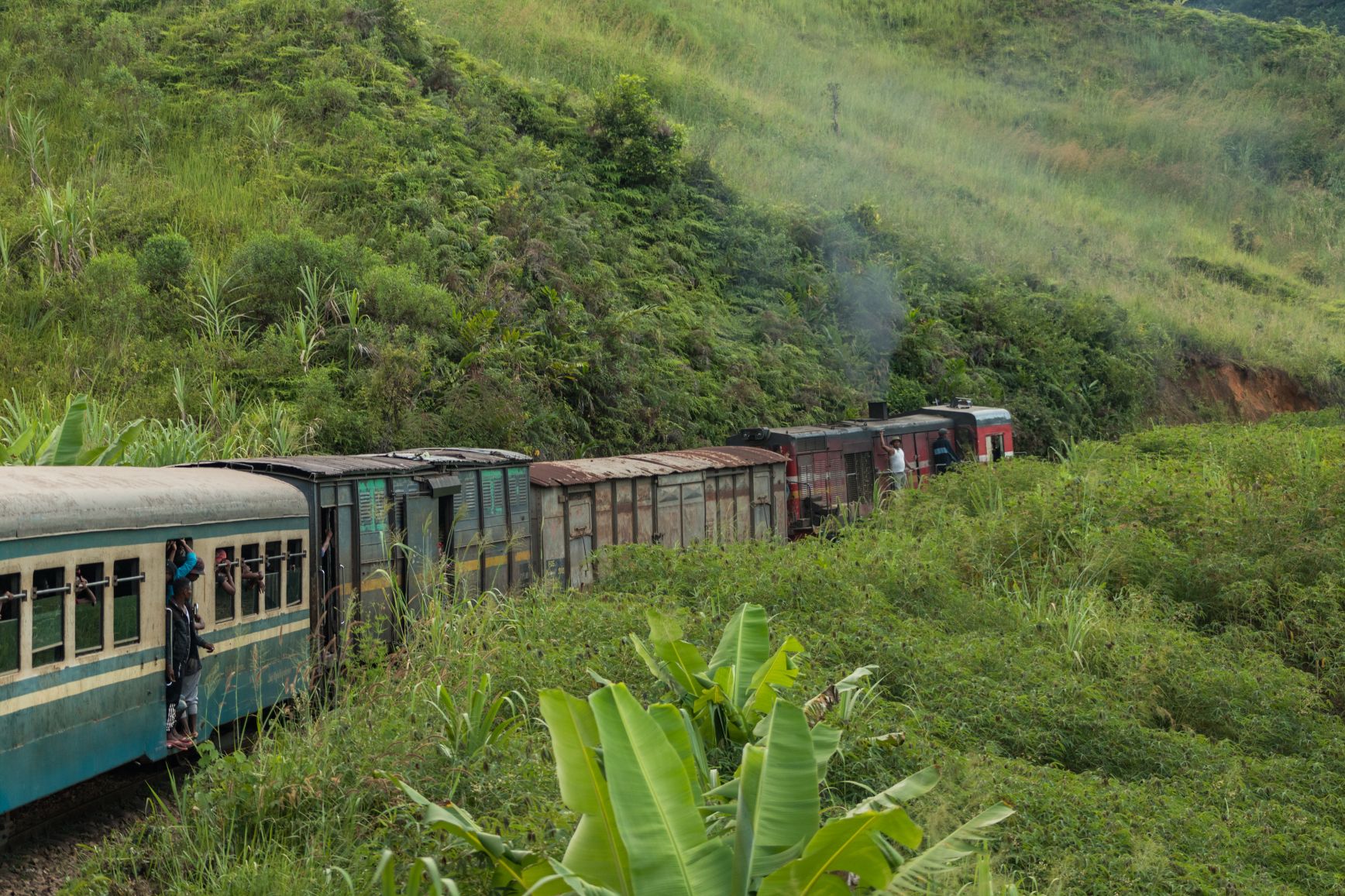
Chugging slowly from the highland town of Fianarantsoa to the east coast, the almost-antique trains of the FCE railway are a vital link for locals. There are very few roads in this region, so goods are transported by rail. Combining freight with passenger travel, the route offers a wonderful window into life in rural Madagascar.
The views are spectacular, with mountains and wooded valleys giving way to fertile sugarcane plantations, banana trees, and rice paddies. The train stops frequently in small towns along the route, always greeted by food vendors, groups of excitable children, and big bundles of freight to be heaved on and off.
Read more: What to do in Madagascar: local expert tips
If you’re ready to start planning, reach out to our local experts, who can suggest even more unique things to do in Madagascar for your tailor-made adventure. From wildlife encounters to enriching moments with local communities, the options are endless for you to enjoy a truly epic and unforgettable, 100% customized journey.
Explore all featured destinations