

When to visit Indonesia: dry VS wet season experiences
19 August 2026
As one of southern Africa’s major wildlife hubs, Botswana is a must-see for animal aficionados — or, really, anyone who values one-of-a-kind travel experiences. With that in mind, we’ve compiled a month-by-month guide featuring the ins and outs of visiting the country. As it happens, the best time to visit Botswana is any time you want — it just depends on what you’re most interested in seeing.
For sheer excellence of the experience, it’s hard to beat Botswana’s dry months (aka the Southern Hemisphere’s winter, but we want to avoid confusion). The air is warm but not necessarily hot or humid — usually in the 70-75 degrees Fahrenheit range (20-24 degrees Celsius). The nights are quite cool, especially in the southern and western quadrants of the Kalahari Desert.
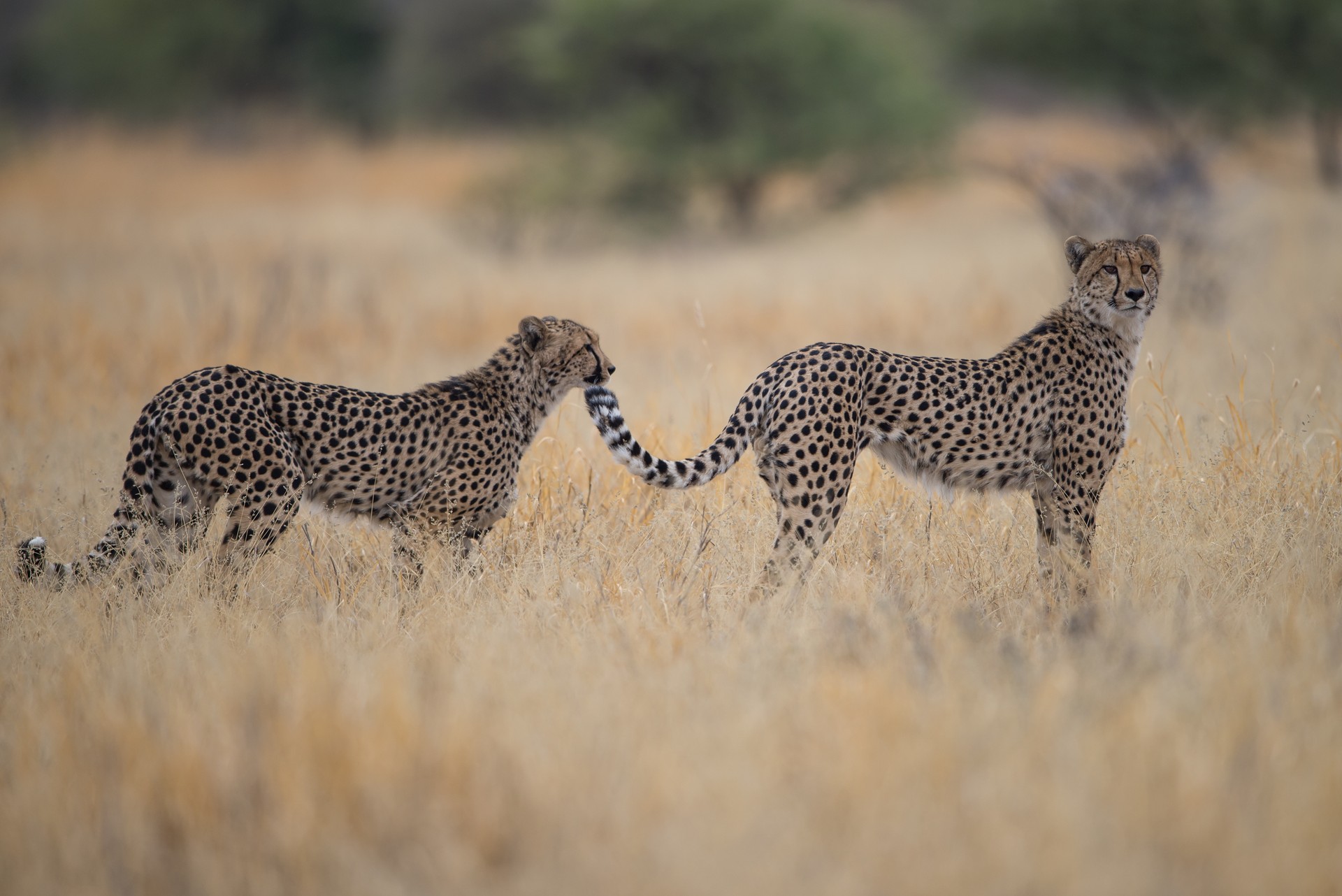
But most importantly, Botswana’s animals are out and about in the numerous national parks and preserves. It’s hard not to spot most animals from Africa’s Big Five (with the exception of leopards), not to mention hundreds of other animals from the common eland to the elusive aardwolf. Birds from thousands of species fill the skies, and trees like the baobab look fascinating even when leafless.
Here’s the catch: You’re also most likely to have big crowds. Although many of Botswana’s wildlife sanctuaries aren’t as packed as comparable sites in Kenya or Tanzania, Chobe National Park and any portion of the Okavango Delta pick up the slack. And they’re unqualified must-sees. So you’ll either need to book your trip eight-plus months in advance and bear the crowds… or try the shoulder seasons. (More on that shortly.)
Botswana’s version of summer sees its fauna in luxurious and beautiful bloom, and its fauna only hide when it’s natural for them to do so. Or when it’s raining. Because, unfortunately, the rainy season in Botswana is closer to a tropical monsoon climate than that of some otherwise similar subtropical locations.
January, for example, accumulates just over three inches of rain on average, but that number can easily double. The resulting road conditions sometimes make travel impossible without the hardiest off-road vehicles. Earlier in the green season (October to early December) is drier, but also punishingly hot for much of each day — occasionally over 100 Fahrenheit (37 Celsius).
If you pack clothing suited for extreme heat and have reliable rain gear, you will find markedly lower prices for just about everything. But the weather can change on a dime in this period, so you’ll need to be carrying a lot with you at all times.

The times of year that are almost dry or almost green — but not quite either — can be among the best times for safari in Botswana. For this singular corner of tropical Africa, that means September to early October and late March through May.
Which is better? It depends on whether you want it to be growing cooler or warmer. But either way, the popular areas will be somewhat less crowded. Plus, water levels on the Okavango are still high enough for mokoro (canoe) and boat journeys.
(Note: Protected wildlife areas called “game reserves” below are only named such to note that indigenous groups still live there.)
Read more: Off the beaten track: Botswana safaris
Rain, rain, rain and heat, heat, heat. Usually going hand-in-hand. Mid-to-high 80s Fahrenheit (29-30 Celsius) is the norm and 90-degree (32 Celsius) days are hardly unheard of.
On the other hand: This is the height of summer. That means the palm, papyrus, baobab, and sausage (yes, that’s what the fruits look like) trees look absolutely stunning. Also, the central and southern Kalahari will be quite dry, so intrepid travelers may want to consider a visit to the lion sanctuary at the Kgalagadi Transfrontier Park.
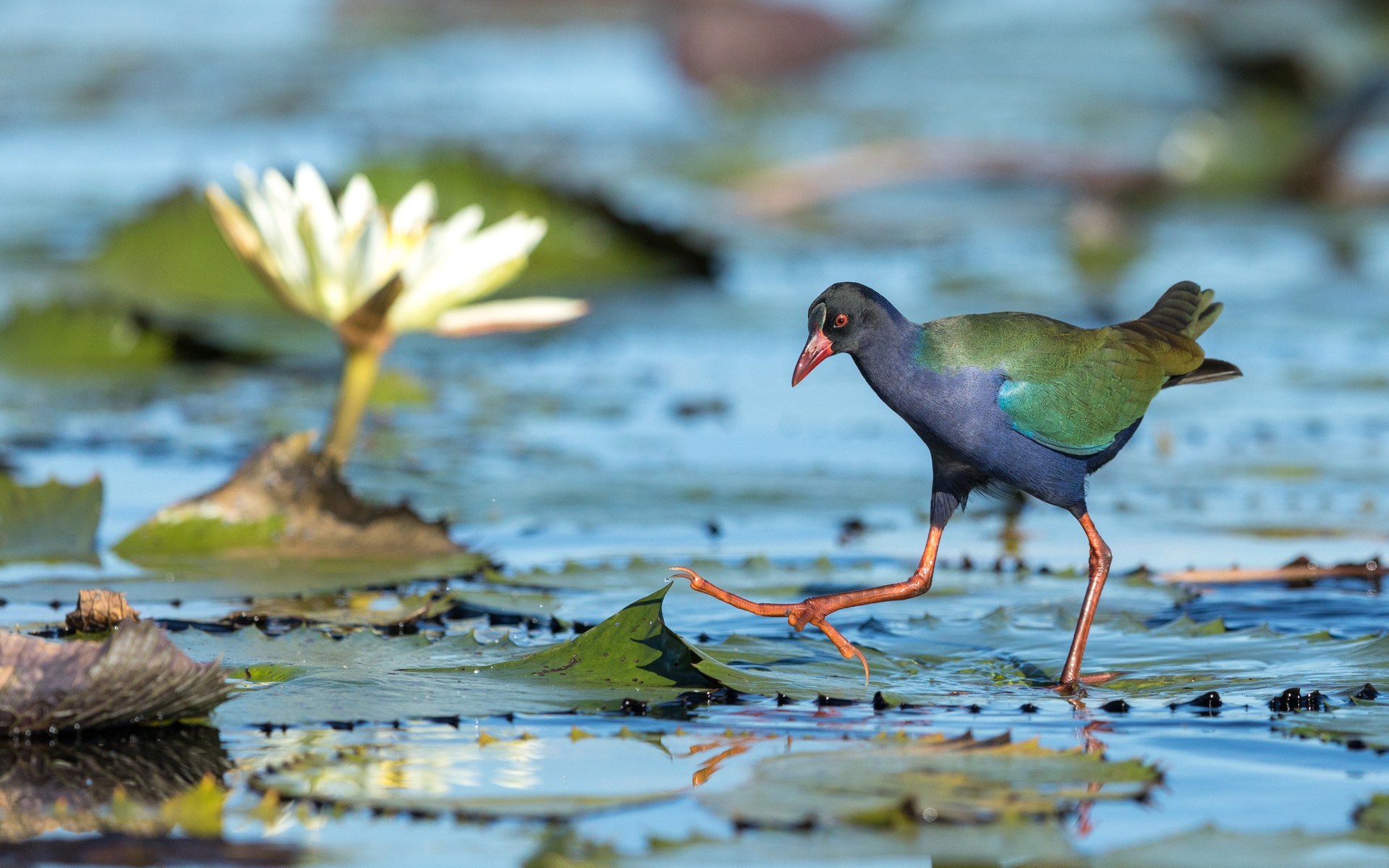
Intense rainstorms are still frequent in February, and average temperatures remain in the 80s (around 26 Celsius) — high 70s (above 23 Celsius) if you’re lucky. This combination makes for particularly muddy conditions. As in January, the flowers and foliage are quite beautiful, but it may not be worth the month’s other inconveniences. (Also similar to January, the Central Kalahari Game Reserve can be an exception in terms of rainfall, but the heat doesn’t go anywhere.)
The rains start to diminish at this month’s beginning and continue steadily dropping off en route to the dry season. It’s still pretty hot, but if you visit, that’s the main weather issue you should prepare for. (The northern half of the country will still be fairly humid, though, if not necessarily rainy.)
As the prelude to the shoulder season, this month may be a good time to catch the wildlife of Chobe National Park without the company of large crowds. Chobe features Botswana’s largest elephant population alongside lion, hyena, cheetah, hippopotamus, buffalo, wildebeest, and many other species. The park is also notable for its extreme geographical diversity. Areas such as the Savuti and Linyanti Marshes aren’t just as their name suggests — they also contain savannas, grasslands, and even woodlands.
The shoulder season begins in earnest. Not too hot or rainy, but a bit unpredictable. Botswana’s many antelope species, ranging from elands and springboks to reedbucks and dik-diks, mate during April, and are thus particularly easy to spot. (As are the predators trying to hunt them.) Gaborone Game Reserve, in southeastern Botswana, may be particularly worth a visit, as it’s home to the rare giant eland.
Read more: Interview with one of our local experts in Botswana

The best time to visit Botswana for a safari? Arguably May. It offers a unique combination of minimal rainfall, only moderate crowds, and favorable temperatures (averaging about 70 Fahrenheit/21 Celsius, and usually a little warmer from late morning to mid-afternoon).
For this reason, May might be just right for a trip to the Moremi Game Reserve. Located dead-center in northern Botswana, it’s right next to the Okavango Delta, on the eastern side. It’s notable for climate diversity — dense acacia forest, thinner woodland, lagoons, and floodplains are all here. As such, you get a very broad wildlife spectrum: the Big Five alongside cheetahs, hippos, zebras, African wild dogs, crocodiles, and over 500 bird species.
June almost never gets hot — in fact, sometimes it struggles to be warm. (Nighttime temperatures start to drop into the 50s Fahrenheit/around 10 Celsius and below.) But June perhaps stands out the most as the start of flood season on the Okavango Delta.
The water levels of this unique delta (one of the world’s few inland deltas with no nearby sea or river) start to peak and remain in this state until August. Because flooding triples the Okavango’s size, animals flock to it — and so do travelers. Camping areas swell and safaris abound. Purely based on conditions, this is an excellent time to visit Botswana, but you might have to book your trip a year or more in advance.
Not much different from June. The main difference is nights can be extremely cold by Africa’s standards, down even into the 30s (around -1 Celsius) at the crack of dawn. This somewhat lessens the crowds, but not by much, and definitely not in the Okavango-Chobe/northeastern region of Botswana.
A (relative) exception to this rule is the Khutse Game Reserve. Bordering the Central Kalahari Reserve on the edge of Botswana’s southeastern corner, Khutse is something of a hidden gem, more attended by locals than international visitors. Antelopes that are uncommon elsewhere are abundant here, including the springbok and gemsbok, and it’s one of the few places to see the extremely rare brown hyena.
Temperatures start rising again in the final month of the Okavango’s flood season, if only slightly. This could be a good time to visit the famous delta if you don’t mind moderate crowds and are particularly keen on a mokoro trip along the river.
Read more: Botswana’s cultural highlights

Another shoulder season sweet-spot month. Popular spots like Chobe and the Okavango will have thinned out their crowds, and because nothing is flooded, you can travel virtually anywhere you want. (In other words, if you want to visit popular camps in the Kwara or Khwai Concessions for fishing or game drives, now’s the time.)
Here’s when the heat starts to strike back, with temperatures back in the 80s/around 26 Celsius (and sometimes quite a bit higher) during the day. However, the skies are mostly clear and the rains won’t have started yet to any significant degree. You’ll still be able to see the major safari animals with relative ease.
The rains start in earnest near November’s end, and high temperatures are present all month. However, November’s a good time of year to visit certain wildlife spots. Due to migration season, most of the bird sanctuaries (some independent, others within Botswana’s national parks) see visits from birds that are quite rare in the rest of the year. Examples include Amur falcons, black herons, and yellow-billed kites. The endangered Cape vulture can only be seen at Manyelanong Game Reserve in the southeast.
November is also a great time to visit Nxai Pan National Park. Located not far from Chobe and the Okavango, Nxai Pan features a famous (and eponymous) salt flat and one of the world’s best-known baobab groves. Plus, all of the Big Five except rhinos call it home, along with kudu, impala, ostrich, jackals, honey badgers, and more.
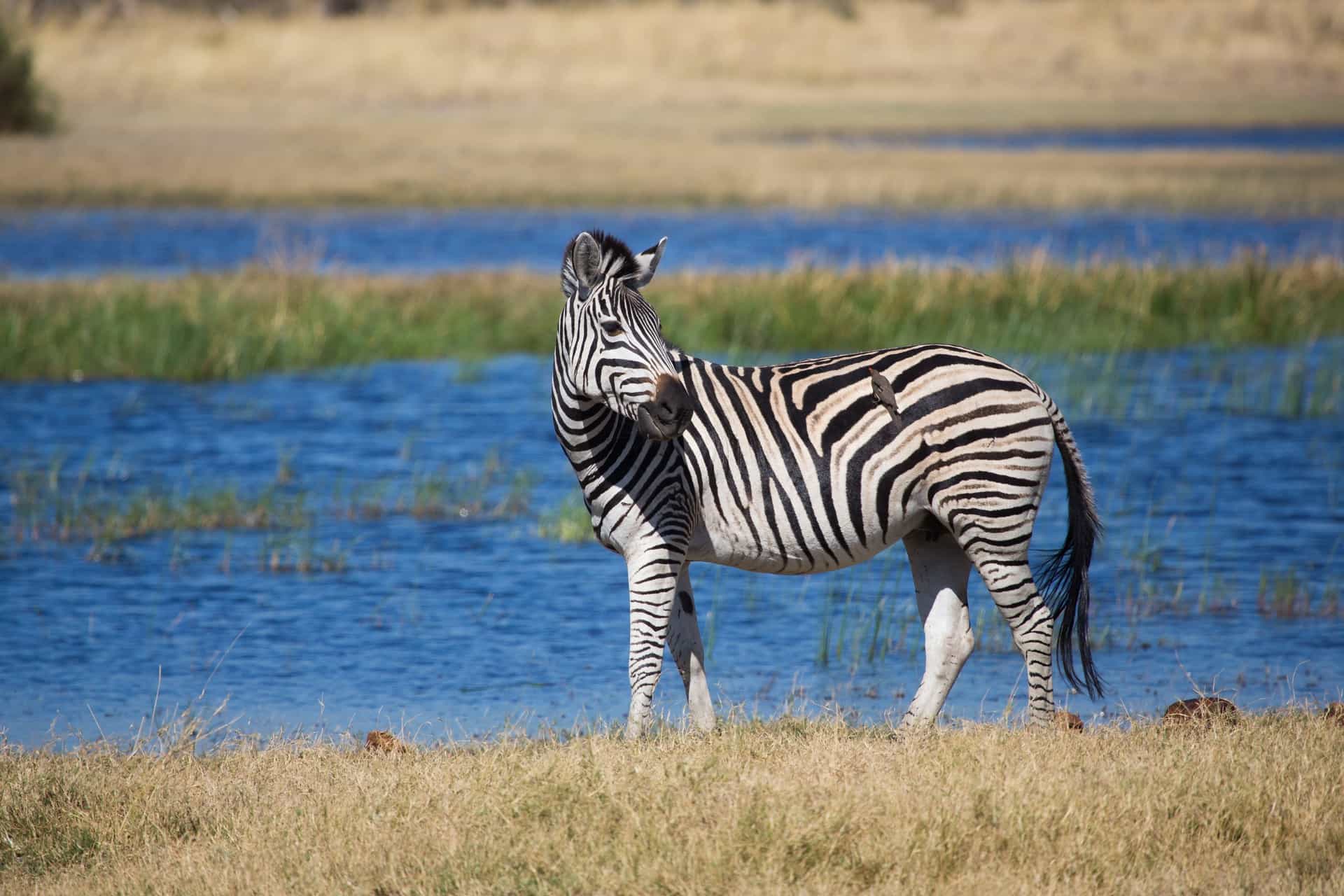
Every bit as rainy and hot as January — sometimes worse in both categories. The best reasons to visit are low prices and the admittedly stunning migration views of various animals, specifically zebras.
Read more: Safari in Botswana: know before you go
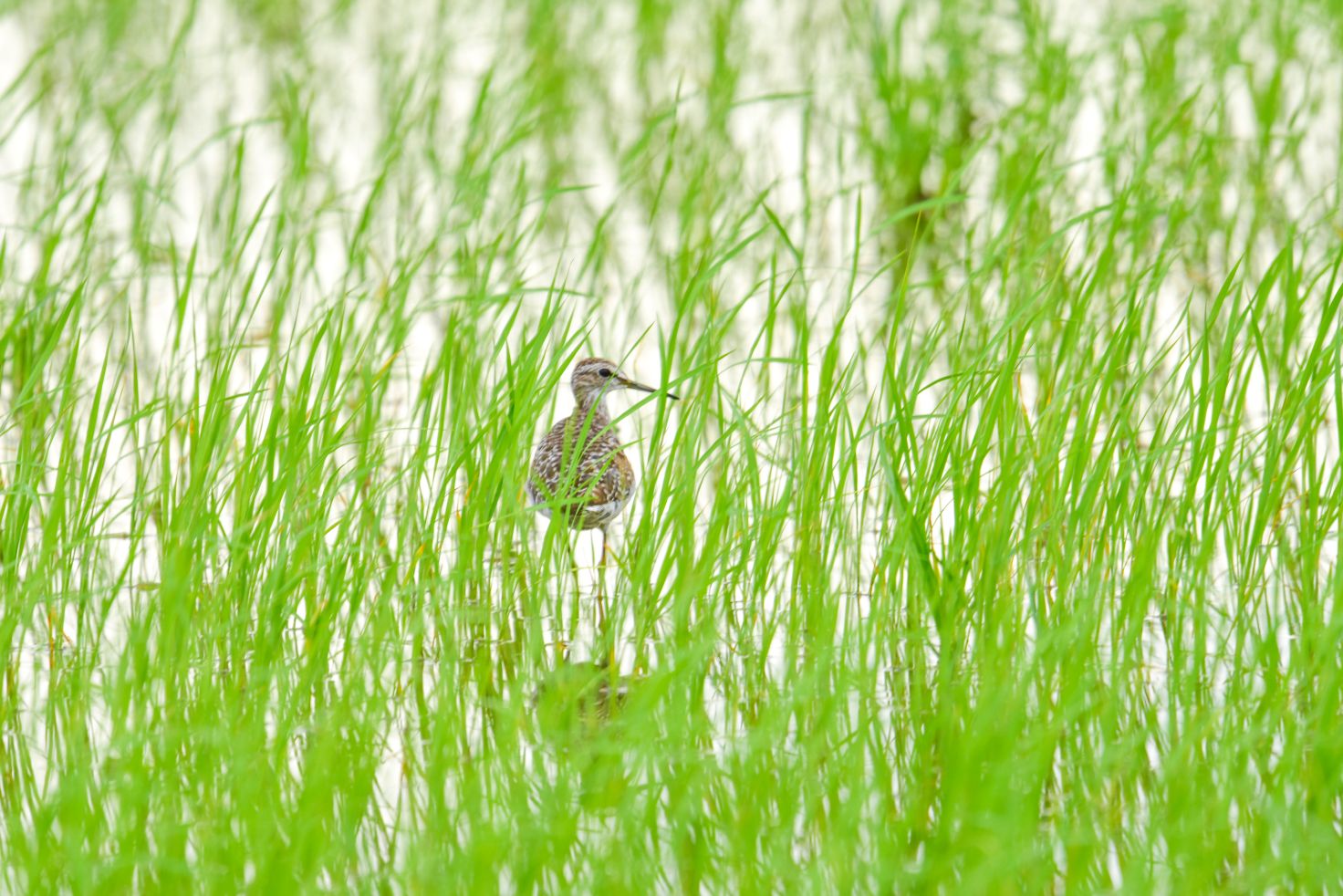
No matter when you want to visit the natural wonders of Botswana, our local experts can help. They know the country intimately and will help you decide on the best time to visit Botswana based on your interests. Reach out today to get started.
Explore all featured destinations
Join our mailing list for travel inspiration, trip recommendations, and insights from our local experts.