


Italy’s quiet coastal retreats you need to know about
27 August 2026
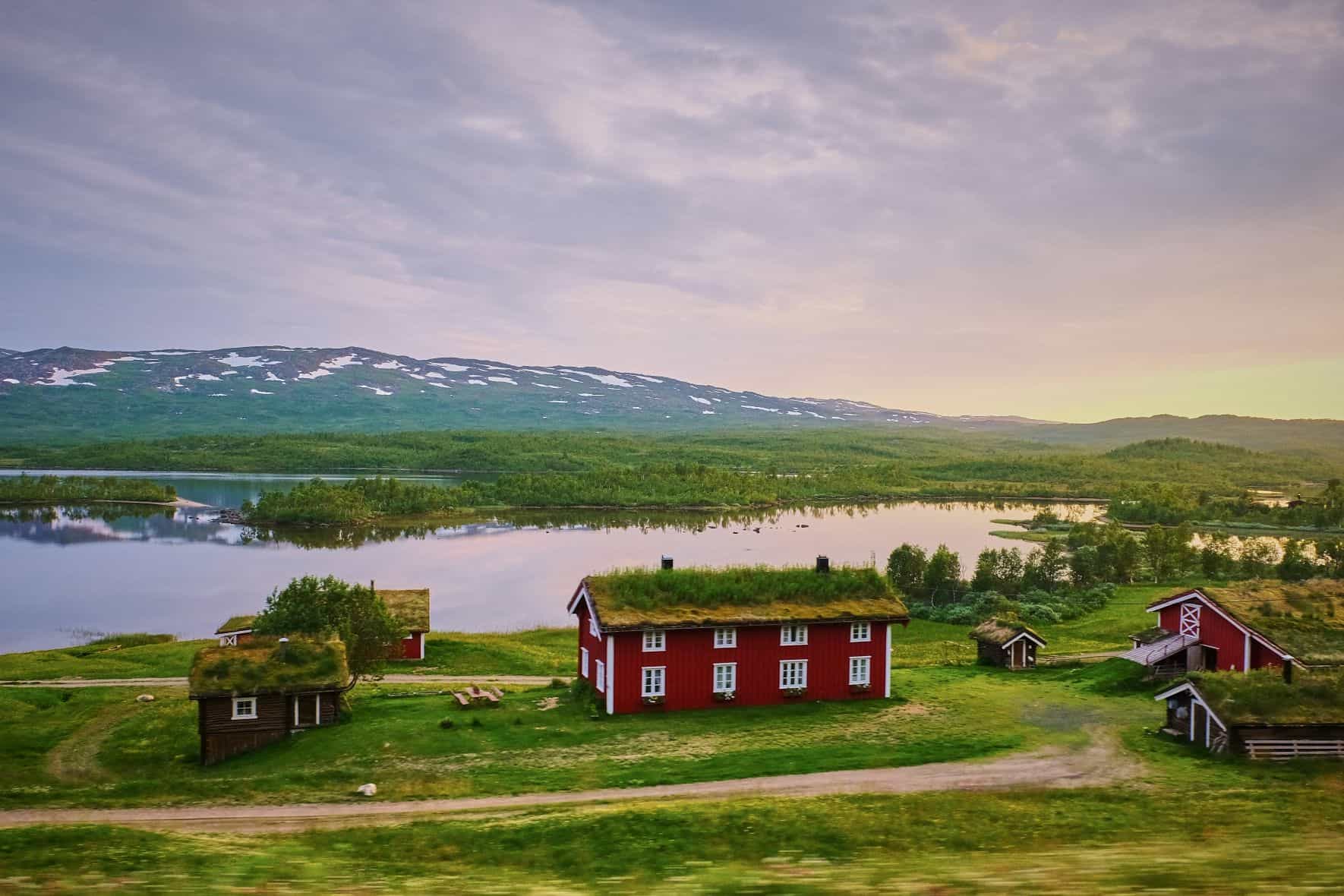
The Baltics and Balkans may sound similar, but these two regions in Europe are distinct, both culturally and geographically. The dozen or so Balkan countries stretch out in the sunshine between the shores of the Black Sea and the balmy Adriatic and Ionian coasts. Meanwhile, the three Baltic states are cooler and more northerly, sharing a latitude with Scandinavia and Russia.
What these two regions do have in common is that they are both on the frontiers of Europe. As such, they’ve experienced the push and pull of global forces quite acutely over the centuries, and both have fascinating histories, rich cultures, and exciting opportunities for travel and discovery. They are also a little more off-the-beaten-path than many other popular European destinations. If it’s your first time exploring these regions, read our guide to the Baltics vs Balkans for an overview of what sets them apart, their highlights, hidden gems, and top reasons to visit.

Bordering Scandinavia and Russia and grouped around the eastern coast of the Baltic Sea, the three Baltic countries are Estonia, Latvia, and Lithuania.
The Balkan Peninsula is made up of Albania, Montenegro, North Macedonia, Kosovo, Bosnia and Herzegovina, Bulgaria, Romania, Serbia, Croatia and Slovenia. In some definitions, it also includes parts of Turkey and Greece.
If you’d like to explore a compact region with a more homogenous culture, then the Baltics are a great choice. The Balkans offer a much broader range of experiences, languages and geography. Covering a larger area, it’s unlikely that you’ll visit the whole region in just one trip.
With an inordinately long coastline, swathes of pristine forest and wildlife-rich wetlands, the Baltics are boundlessly beautiful. Hiking and biking are great ways to explore the region’s wild places, with well-organized trails crisscrossing national parks and relatively flat terrain. The coastline is jeweled with Blue Flag beaches, making it a surprisingly good summer destination.
In Lithuania, the UNESCO-protected Curonian Spit National Park is one of the stand-out places for natural beauty. Nearly 100km long and just 4km across at its widest point, the Curonian Spit is a wild stretch of shifting sand dunes and coastal forest.
The inland national parks of Dzukija and Aukstatija are made up of freshwater lakes and cool pine forests and are home to elk, wolves and wild boar. Historic hamlets dot the landscape, making for welcome stop-off points on hiking and bicycle tours.
Latvia’s largely forested Gauja National Park is another beauty, with age-old woodland, mysterious caves and vibrant biodiversity. Latvia also boasts gorgeous sandy beaches and pine-backed dunes. The northern coast of Estonia is even lovelier, with the unspoiled Lahemaa National Park protecting native forest and wetlands.

With so many countries in the mix, the Balkans present a dizzying array of landscapes and natural wonders. Take a look at the geography of the region, and you’ll see a long coastline stretching down the Adriatic Sea to the west, and a shorter Black Sea coast to the east. In between, the Balkan Mountains cut a line through Bulgaria from Serbia to the Black Sea, while the dramatic Dinaric Alps run parallel to the Adriatic Coast. Amongst the mountains are rivers, lakes and forests, while the coastline glitters with Balkan islands and bays.
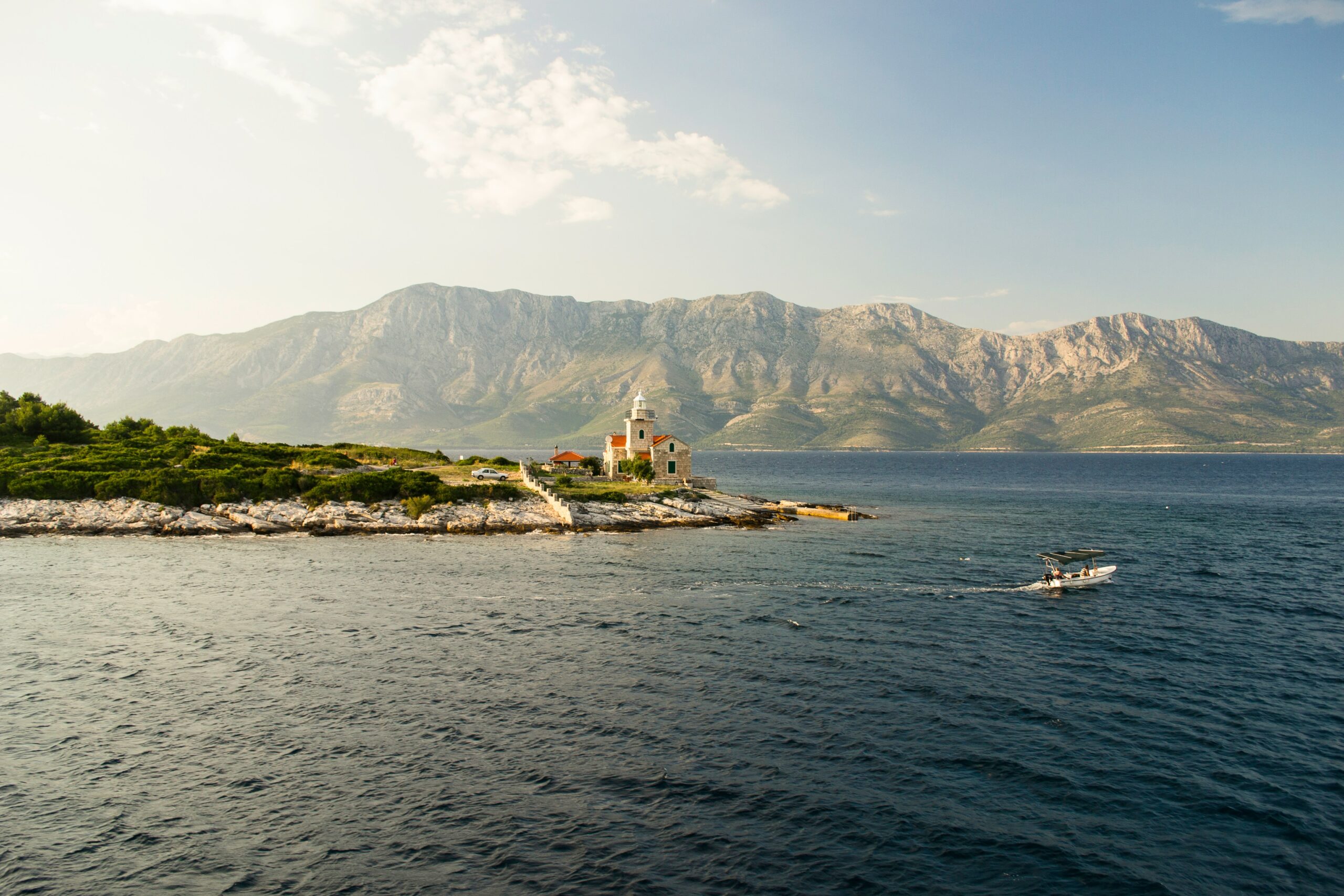
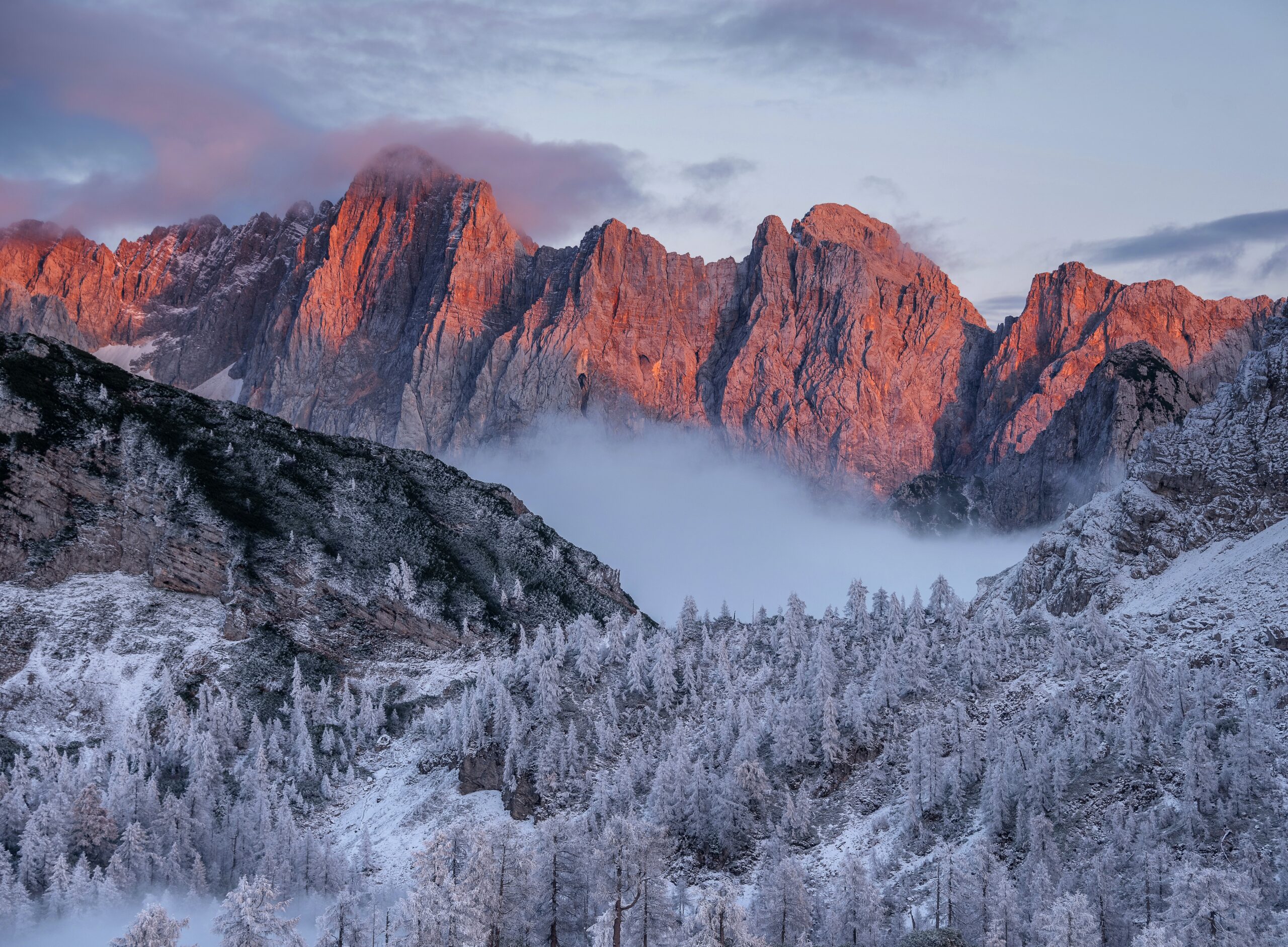
To shout out just a few of the most beautiful places in the Balkans, let’s start in Slovenia. Here, Lake Bled and the Julian Alps are a prime spot for hiking and gorgeous Alpine views. Croatia dazzles with its endless coastline speckled with the loveliest of the Balkan islands, as well as the waterfall-strewn Krka National Park inland.
Montenegro’s impressive Bay of Kotor is monumental in scale, while Albania and North Macedonia share Lake Ohrid, the largest, deepest and most biodiverse lake in Europe. Romania and Bulgaria are blessed with stunning mountain scenery and fine sandy beaches along the Black Sea coast.

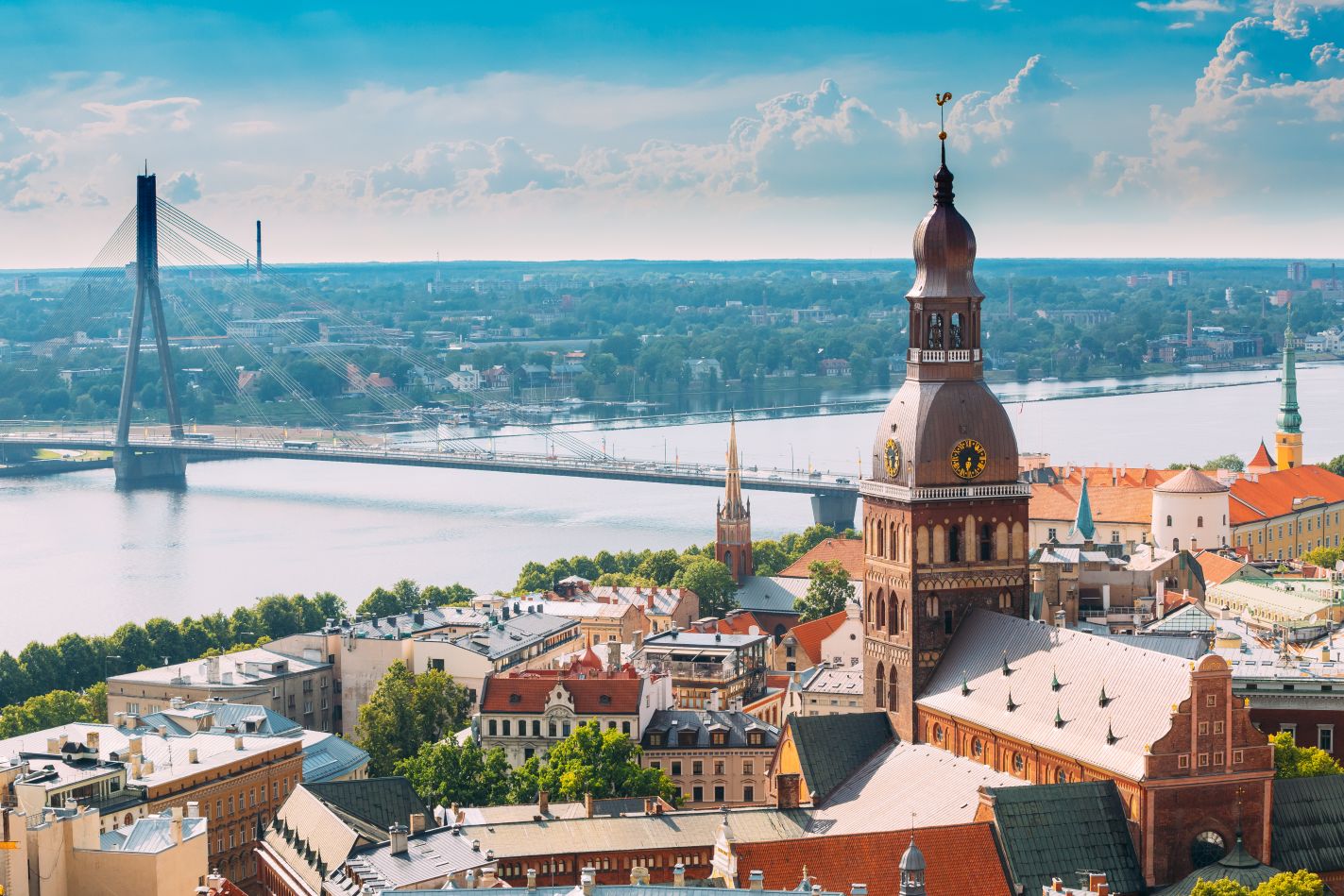
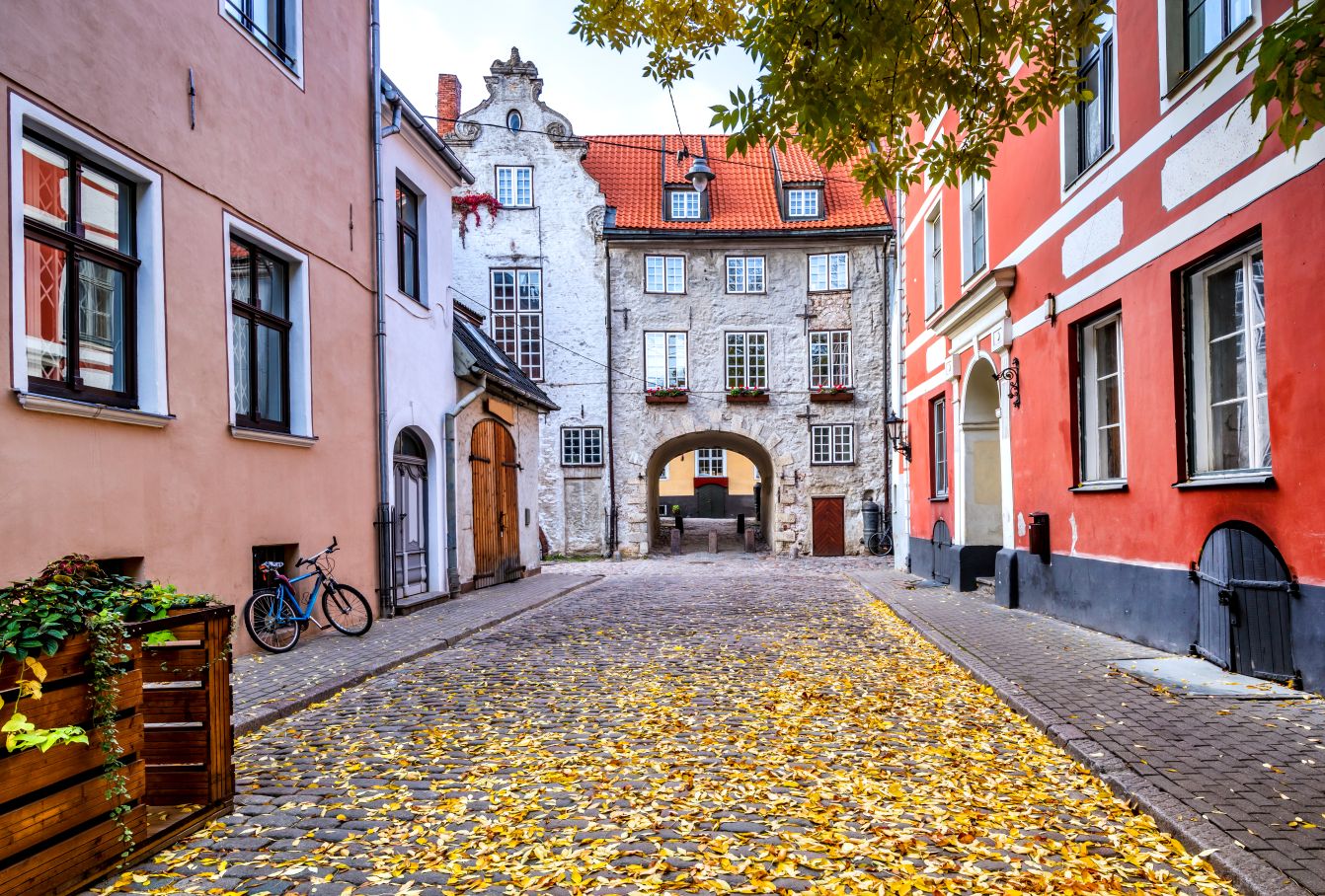
Though quite different, each of the Baltics’ capital cities is architecturally dazzling and historically spellbinding. Elegant and sophisticated, Latvia’s leafy capital, Riga, presents a feast of beautifully maintained Art Nouveau buildings. Tallinn, in Estonia, has a UNESCO-listed medieval Old Town where you can wander cobbled streets and climb winding stone stairwells.
Vilnius, Lithuania, has another gorgeous tumble of medieval streets and merchant houses in its UNESCO-listed Old Town. The city is also a good place to learn about the Baltics’ Soviet history at the Museum of Occupations and Freedom Fights, housed in a former KGB headquarters.
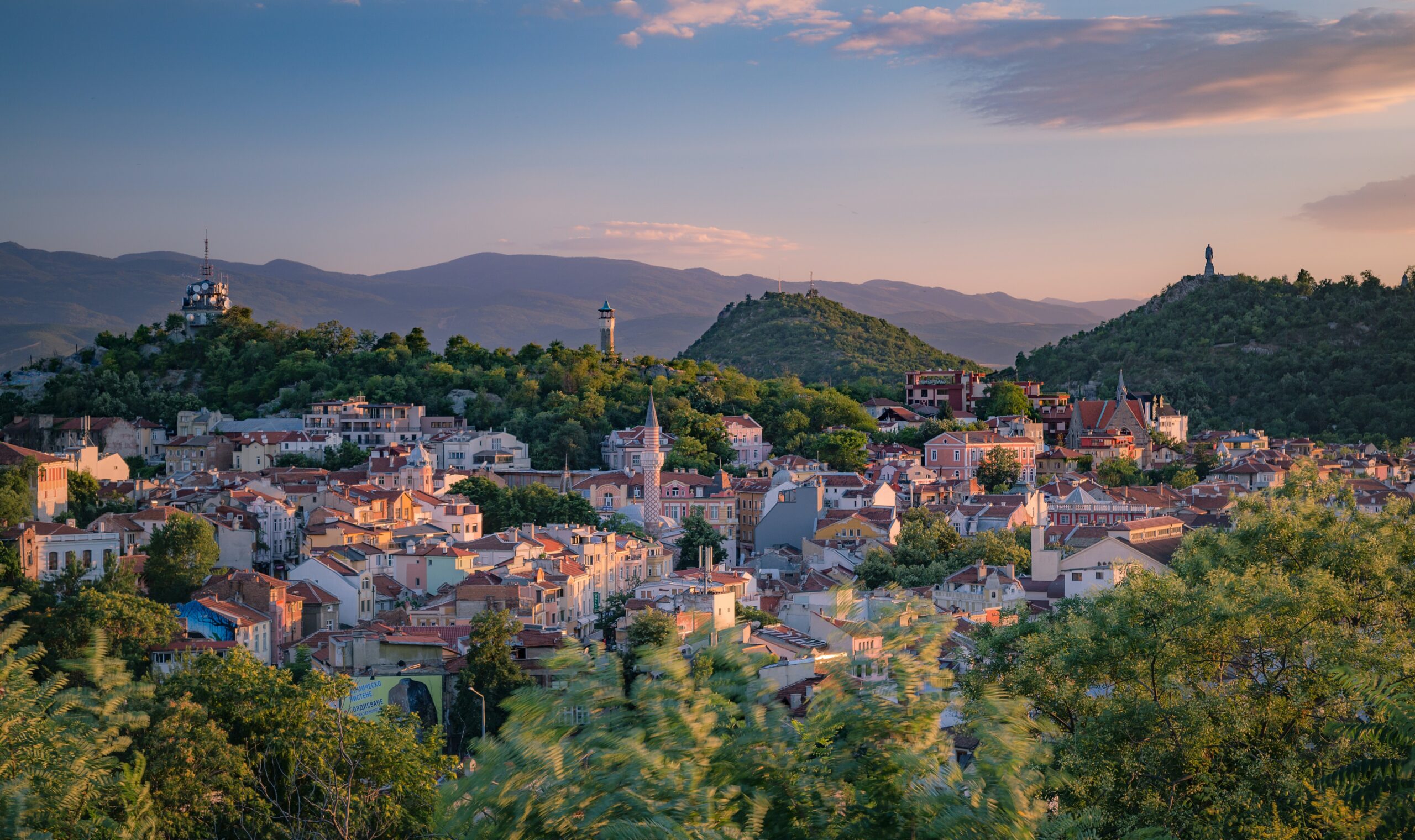
At the crossroads between Europe and Asia, the Balkans have had a tumultuous time over the ages. Mighty empires, such as the Byzantines and Ottomans, have left their mark on the region, architecturally and culturally. As such, its towns and cities are adorned with a mix of architecture, including domed Byzantine churches, arched Ottoman bridges, medieval fortifications, and Baroque villas. The result is a smorgasbord of historical and cultural treasures to take your pick from.
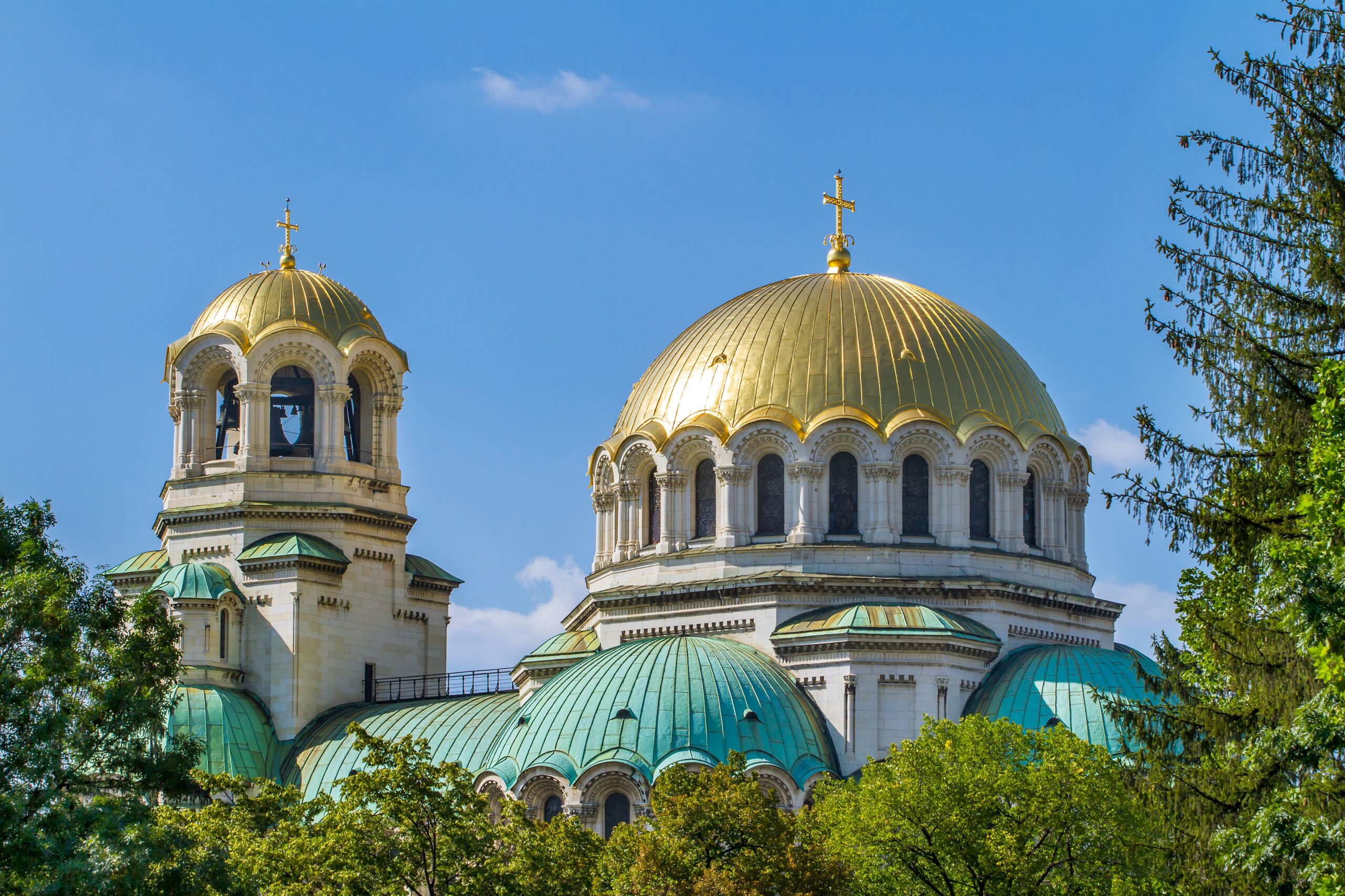
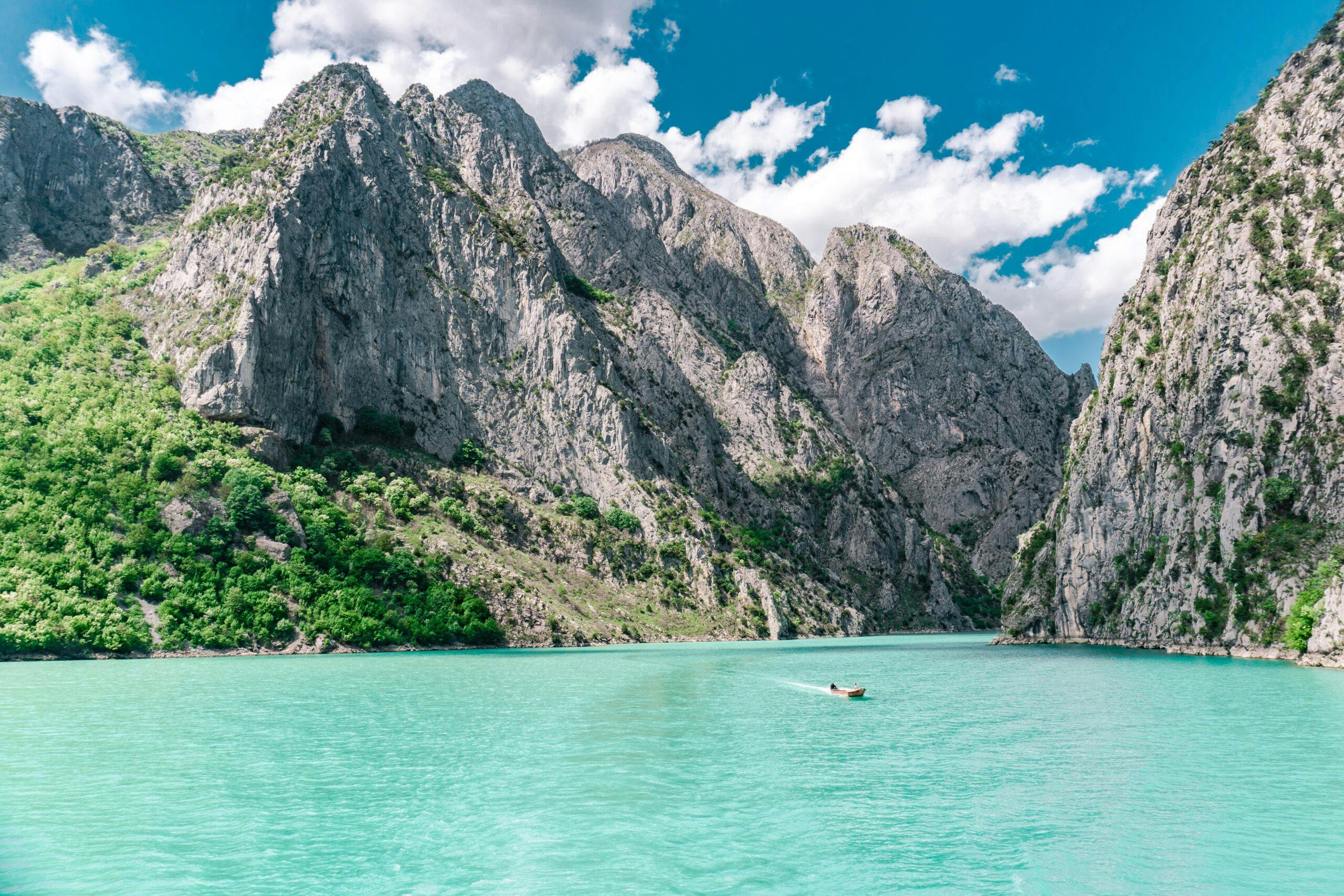
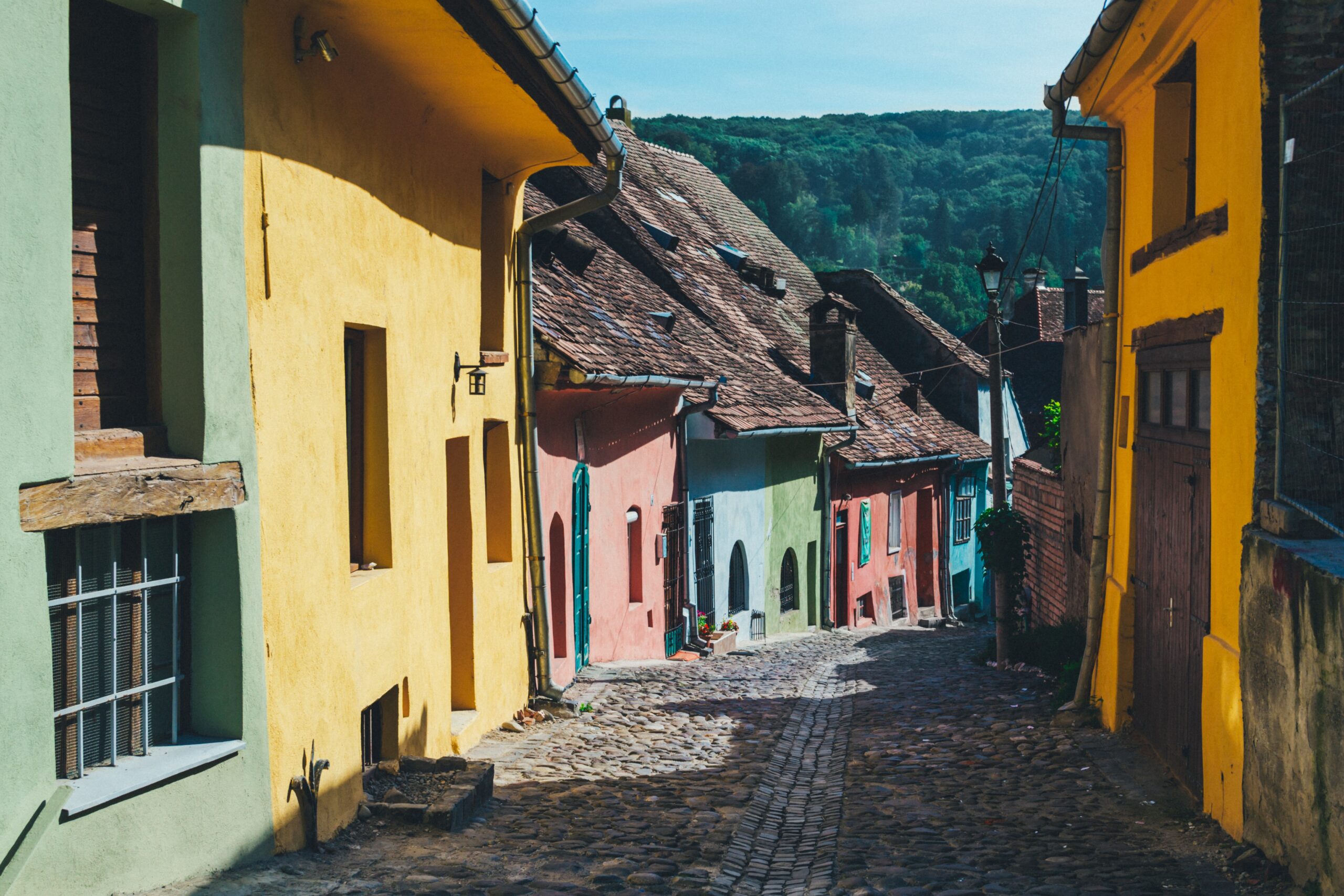
There are almost too many stars of the show to mention in the Balkans, from the stand-out Balkan cities, islands and beaches of Croatia to the Alpine trails of the Carpathian Mountains in Romania. To step away from some of the busier tourist destinations, we suggest Albania for mountain hiking and beach days on a far less-visited Balkan coastline. The Alpine landscapes and fairy-tale castles of Slovenia are another treat, and the diverse cultural gems of Bulgaria offer an authentic taste of Balkan culture.
Beginning in the far north, Estonia’s capital, Tallinn, is a city that’s easy to fall in love with. Clean, calm and well-mannered, there’s ornate architecture at every turn, impressive museums, gorgeous natural surroundings, and a busy cultural calendar. Following the coast south, the sandy stretches of Lahemaa National Park are some of the loveliest in the region.
Latvia’s capital can also hold its own, with a splendid display of Art Nouveau architecture and a serene, cultured vibe. Not far away, Jurmala is perfect for a beach day, and inland, the Gauja National Park is a must-see with beautiful landscapes and historic treasures, such as the medieval Turaida Castle.
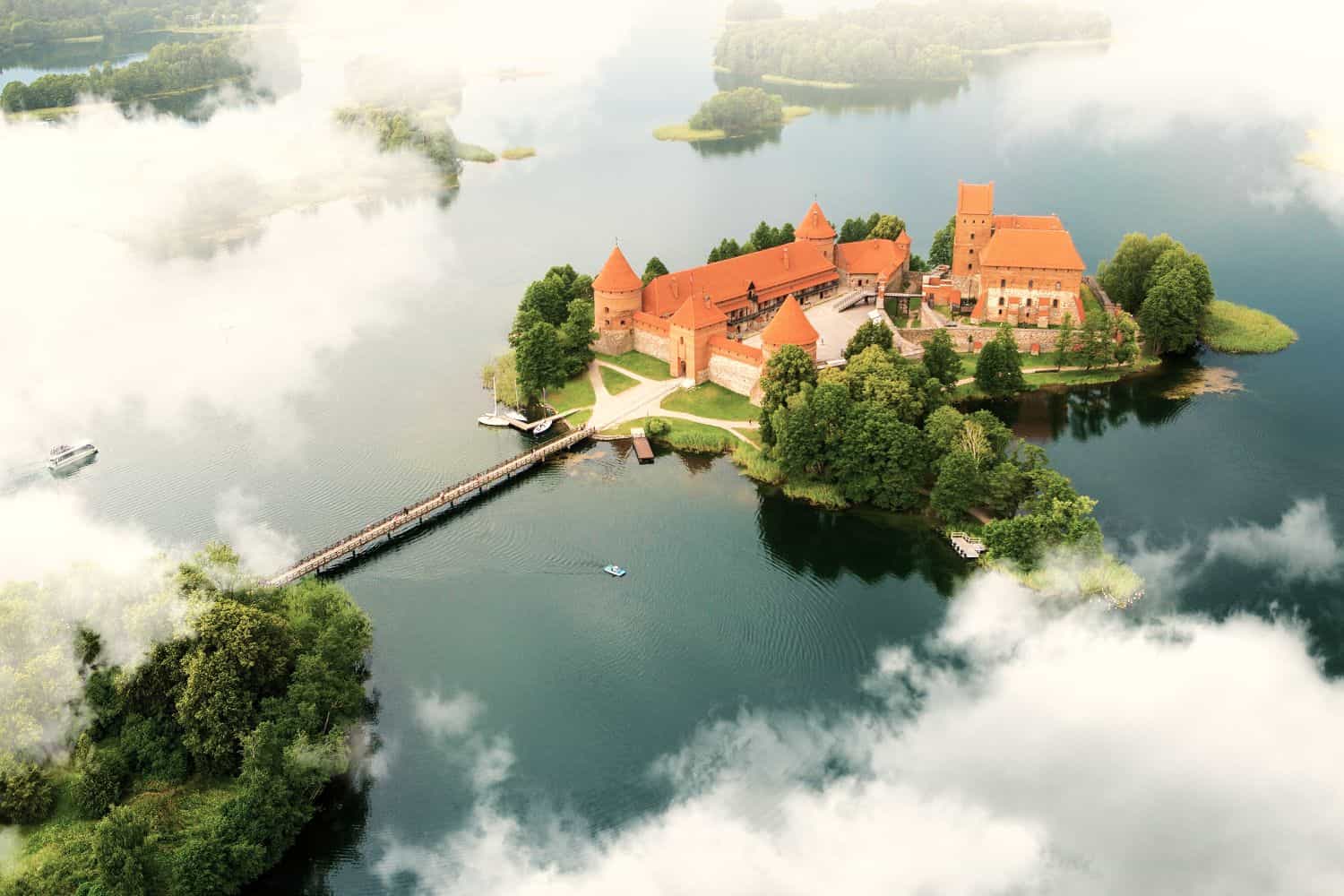
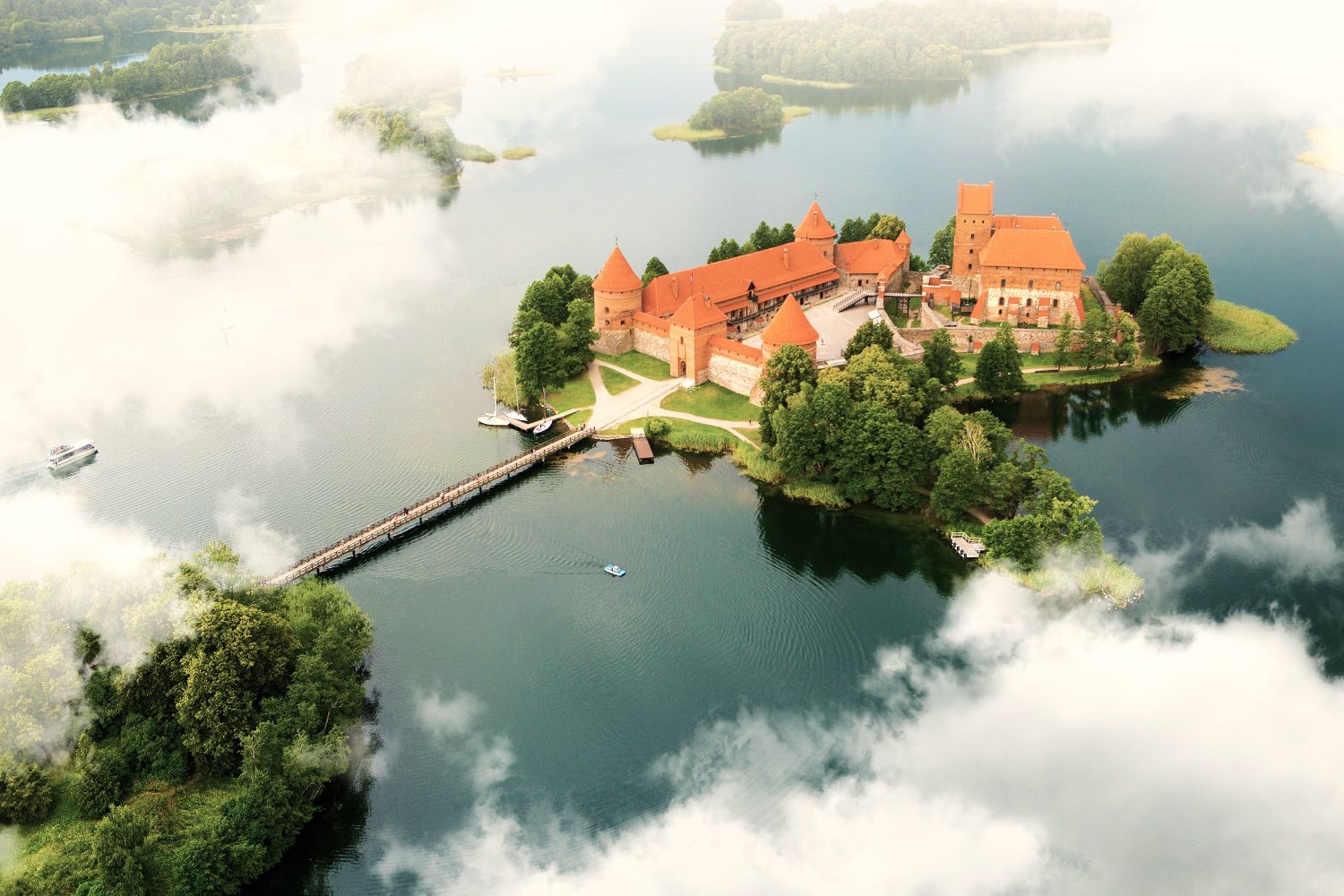
Visiting the Baltics’ southern capital, Vilnius, is another treat with its impressively intact medieval Old Town and gentle pace. This is a place to wander and admire, stopping for refreshment in an array of genteel cafes and craft beer bars. Just a short journey from the city, the ever-impressive medieval Trakai Castle is perched on its own island in the middle of a sparkling lake.
As we hope we’ve demonstrated, Baltic vs Balkan is not really a contest. These are countries and regions with so much to offer that they should all be on your wish list.
The Baltics are ideal for an accessible road trip; the distances aren’t too great, and the roads are in excellent condition. The Baltics offer more dramatic and challenging routes, with mountain roads to negotiate and greater distances to cover. Kosovo and Albania have a particularly thrilling mountain road trip that’s not for the faint-hearted.
Contrary to its name, the Baltics aren’t always Baltic. The summer months, from June to August, bring long days of sunshine with temperatures warm enough for sunbathing and al fresco dining. Its capital cities are pleasantly warm (rather than uncomfortably hot), and skies stay light well into the night, making it ideal for long hiking days.
For travels in the Balkans in general, we recommend spring and fall for comfortable temperatures and fewer crowds.

Still deciding between the Baltics vs Balkans for your epic European adventure? Whether you’re planning to visit just one country or journey across borders to explore one of these regions in depth, our travel partners will happily guide you through the best options to suit your travel style, budget and interests. Explore our destination pages and connect with a local expert directly to find out more.
Explore all featured destinations
Join our mailing list for travel inspiration, trip recommendations, and insights from our local experts.