
When to visit Indonesia: dry VS wet season experiences
19 August 2026
Some major cities of Canada receive major attention, cited among the best places to visit in North America. Others, in our opinion, haven’t quite received the acclaim they deserve. In this guide, we’re highlighting some of the best Canadian cities across the spectrum — famous metropolises, hidden gems, and some that fall somewhere between those poles. From jaw-dropping natural wonders to historical sights and cultural highlights, this collection of the most fascinating (and, for the most part, largest) has something to offer everyone.

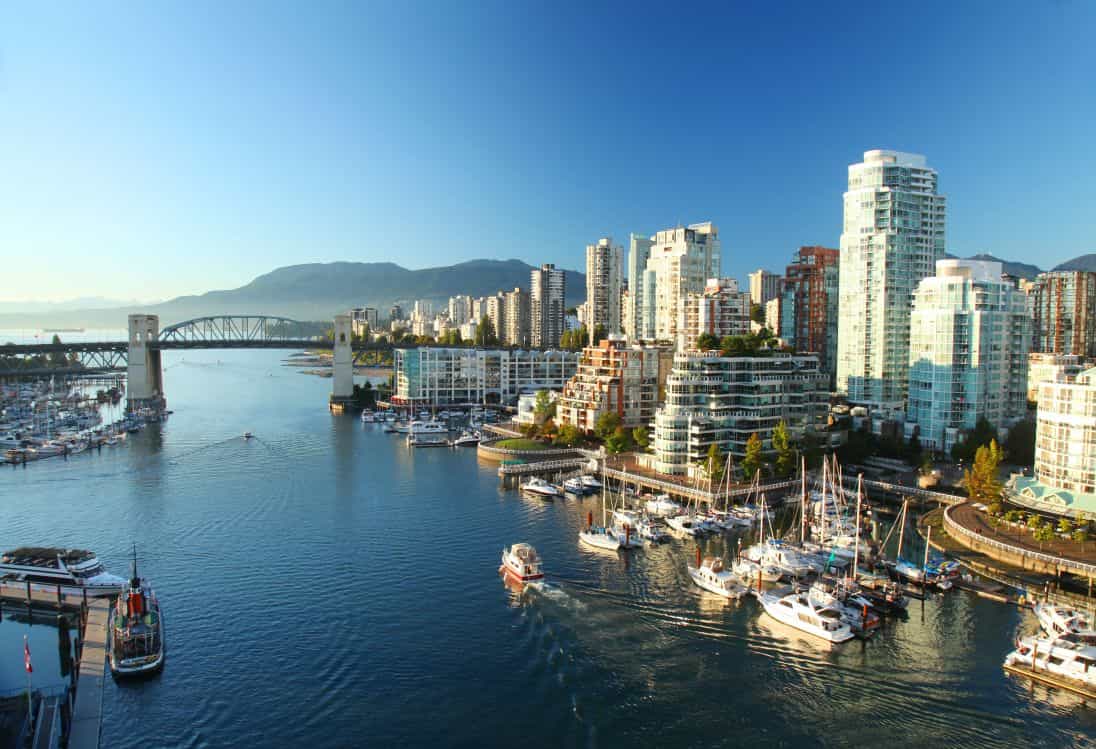
If you’ve never visited Vancouver, there’s a good chance you’ve seen it. American film directors have used British Columbia’s biggest city for decades to double as New York, Los Angeles, and many other signature US metropolises.
Lest you think it’s easily disguised because it’s nondescript, Vancouver certainly isn’t. It’s got everything you’d want out of an urban vacation — including proximity to nature when you get tired of the city bustle. Stanley Park is a fantastically vibrant green space slightly north of the West End, featuring trails through thick forests, a beautiful shoreline at Spanish Banks Beach, and much more.
Further north, there’s skiing and year-round activities at Grouse Mountain, while various botanical gardens dot the inner city. One of these, the Dr. Sun Yat-Sen Garden, doubles as a showcase for elements of Vancouver’s richly cultured Chinese immigrant community.
The city’s many historical, cultural, and nature museums expand upon such explorations. For more modern culture, drop in on neighborhoods like Mount Pleasant — a major hub for the city’s big culinary scene — and Yaletown for the shopping and nightlife options.
It’s common to see Toronto at the top of any list that ranks Canada’s major cities. Though our Canadian cities list isn’t ranked, we’ll certainly say that Ontario’s capital is a must for anyone seeking a multifaceted and vibrant urban experience.
Canada’s most populous city now has a reputation for thriving (sometimes raucous) nightlife and a diverse music scene, ranging from hip-hop and electronic dance to R&B and indie rock. But Toronto offers such a wide spectrum of attractions that there’s plenty for those seeking a more relaxed getaway.
For deep explorations of the city’s history, visit the Royal Ontario Museum, tour Casa Loma, or see a Fort York flag-raising. Meanwhile, nature lovers will find themselves marveling at Ripley’s Aquarium (with its astonishing “shark tunnel”) or relaxing amid the cherry trees at High Park.
Those looking for nourishment and recreation alike can check out newer sites like The Rec Room and The Well, which combine games with countless eateries and shops. And though it can be tourist-heavy, we still recommend seeing (and ideally reaching the top) of the iconic, futuristic-looking CN Tower.
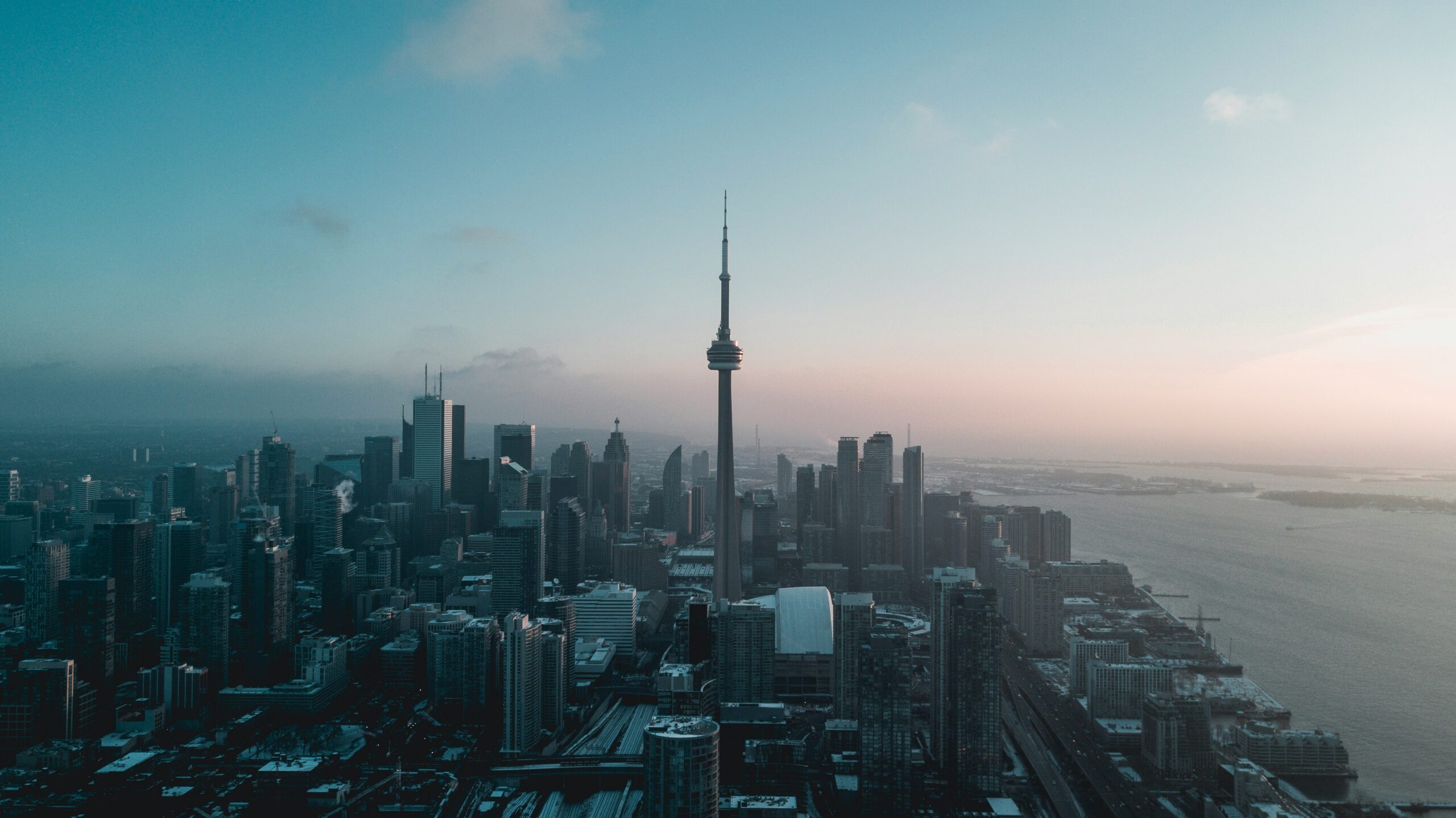
Every city or region has its festivals, but the selection in Edmonton is among the most diverse in Canada. The city’s International Fringe Theatre Festival, for one, focuses on the most ambitious and unconventional theatrical acts, from avant-garde plays to alternative comedy and much more. The Heritage Festival celebrates the polyglot nature of Edmonton’s culture and highlights food, crafts, and more from nearly 100 countries.
And that’s just two examples! Edmonton Folk Festival attracts wildly popular musicians in this genre from all over the world, and its local jazz and blues fests do the same (on a smaller scale). There are also countless food, wine, and beer festivals, and some of the best winter festivals and events in Canada (Silver Skate Festival, the Ice Climbing World Cup, and much more).
For the adventure-minded, there’s also so much to offer both inside and outside the city limits. In the winter and late fall, there’s ice skating on Evergreen Lake and snowshoeing on trails like the Riverdale and Grandin loops. Conversely, kayaking, swimming, climbing, and canoeing are all readily available in spring and summer.
As Quebec’s largest city, you’d correctly expect that French culture still has the biggest influence over Montreal. But the city’s overall character is far more polyglot — especially in its cuisine. French, Lebanese, Jewish, Italian, African, and South Asian communities within the city have all made their mark.
That multicultural imprint isn’t as obvious in all aspects of Montreal, but it’s there. It’s most present in idiosyncratic neighborhoods like Hochelaga, Griffintown, the Mile End, and Saint-Henri. These areas feature countless eateries, shops, cafes, and the famous Canal de Lachine paddleboats.
Montreal is also well-known for festivals of all kinds. The city’s eponymous International Jazz Festival is the world’s largest, and quite a few festivals are music-centric. But others center around stand-up comedy, Carnival dance, circus performance, street art, and a lot more.
Combining these festivals and cultural activities with more conventional sightseeing at places like the Basilica Notre-Dame or Saint Joseph’s Oratory, will make for a more fulfilling experience.
Read more: Why Canada should be on everyone’s bucket list

Windsor is a bit low-key, especially compared to Toronto and Montreal. It’s also much smaller. But for many, that slower tempo may be just right.
For example, the Walkerville neighborhood, just outside downtown, is a great collection of eateries, boutiques, art galleries, and craft breweries. But it’s rarely as busy as similar areas in the really big Canadian cities, and it’s marked by some of the best street art you’ll see in all Canada. As a change of pace, Willistead Park offers a tranquil atmosphere of garden paths and well-preserved buildings — all surrounding the 300-year-old Willistead Manor.
Windsor may be most ideal for outdoorsy travelers. You can navigate the steady waters of Pike Creek to Lake Saint Clair on a stand-up paddle board, ride bike trails that hug the lake’s coast, or be thrilled by the rides at Adventure Bay Water Park.
As the closest city to the majesty of Banff National Park, Calgary itself is sometimes overlooked. Instead of just passing through it, consider spending a few days within the city limits.
For one, you’ll find oases of nature like Prince’s Island Park — with its trails of beautiful cottonwood trees and tranquil waters reflecting the skyline — barely a mile north of downtown. If it’s history that you’re after, the preserved frontier wonders at Heritage Park and exhibits at the Glenbow Museum certainly supply it.
On the modern side, neighborhoods like Kensington and Inglewood supply everything from shipping outlets to Japanese-fusion cuisine. Plus, look out for hidden gems like the Fair’s Fair used bookstore and the Commonwealth Bar & Stage for local music.
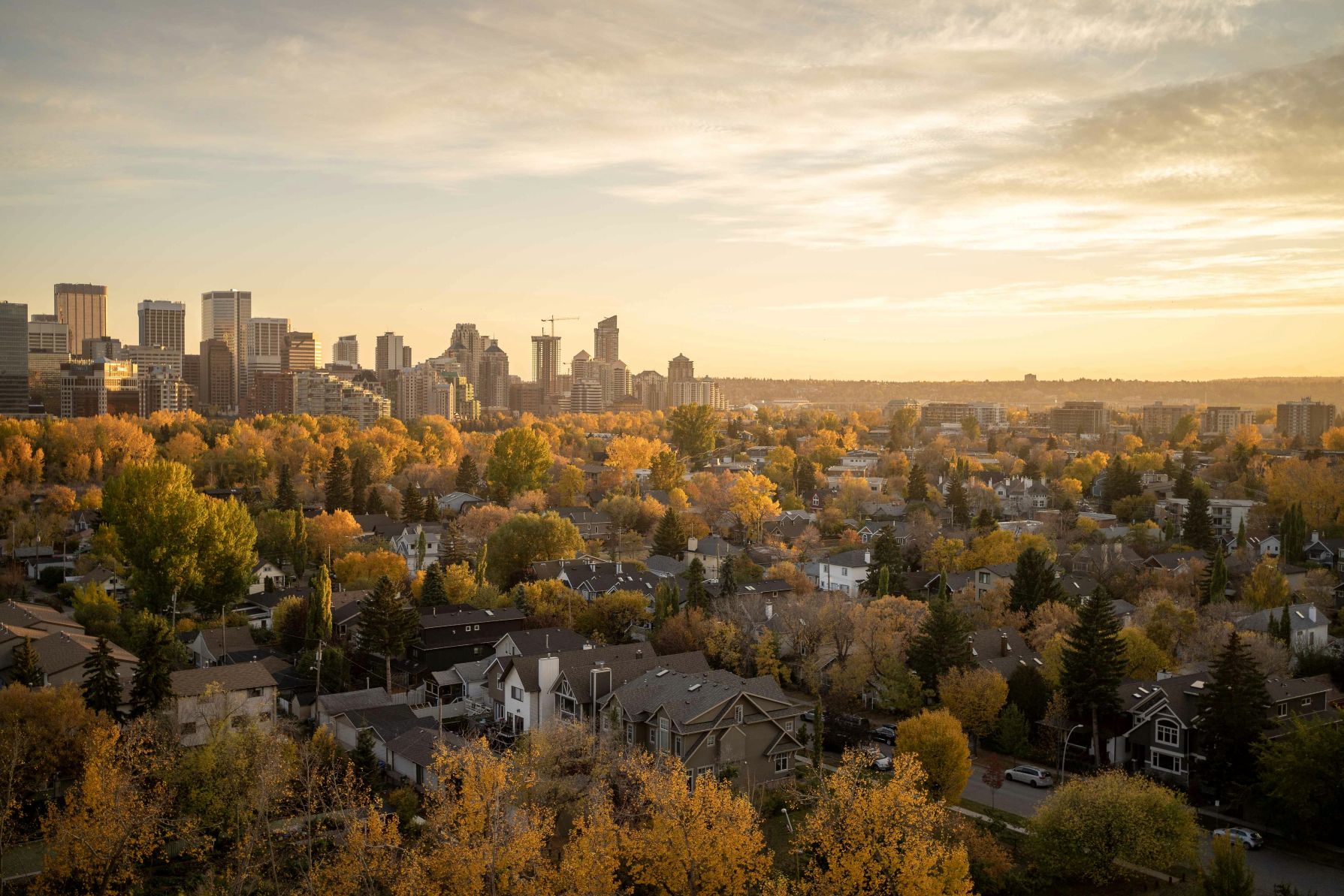
Victoria — not only one of Canada’s largest cities but also certainly among its most beautiful — rests within a picturesque island harbor. Unsurprisingly, many of its best-known attractions are around here: the English-architected Parliament buildings and Empress Hotel, the Royal BC Museum, and the stunning First Nations art showcases in Thunderbird Park.
This lets you learn about the colonial, immigrant, and native heritage of British Columbia’s capital all in one go. Plan accordingly to avoid excess crowds, and consider grabbing a harbor ferry to Fisherman’s Wharf. (Being based in a harbor also means those so inclined can easily go kayaking, or whale-watching if seeking something more leisurely.)
Further downtown to Government Street, you’ll find areas that blend the expected shopping opportunities with more idiosyncratic eateries and boutiques in Trounce Alley. Victoria is also home to the second-oldest Chinatown neighborhood in North America, which makes it a must-see. It’s a perfect city in general for those seeking a cosmopolitan vacation experience, but foodies may find it especially enchanting: Seafood options abound, and the range of styles includes Mediterranean, Japanese, Scottish, and much more.
It’s official: British Columbia’s southern city of Kelowna is the first of Canada’s cities to have been designed a UNESCO Creative City of Gastronomy, an exciting development in late 2025 that will without doubt place it on the map for foodies in search of unique culinary experiences across North America. This title is a testament to the local community’s deep connection to its land, sustainable agricultural practices, and the value of food in bringing people together.
Those with an appetite for culinary pursuits won’t be short of exciting activities to try here. The local farm-to-table offering and Indigenous influences are deeply rooted in tradition, making for a characterful and deeply immersive experience. Vineyard tours abound across more than 40 wineries in Kelowna and the Okanagan Valley, where the production of cool-climate wines leads to fresh and crisp tasting sessions.
Wine harvest season runs from August through to September, when you can expect an abundance of seasonal festivals, celebrations and winemaker dinners; a little later in the year, November offers a wonderful chance to enjoy the still-vibrant landscape alongside smaller crowds and an unhurried pace.

The second-largest city in Ontario has about a sixth of Toronto’s population. As such, it doesn’t get tourist-packed nearly as often despite still offering a lot to do.
Depending on when you visit, you could run right into one of Ottawa’s numerous festivals. In fall, you can amp yourself up for Halloween at PumpkinFest or Fright Fest. Winterlude is ideal for those willing to brave the cold, and summer travelers in late June should stay until July 1 for the raucous community celebration of Canada Day.
Year-round, history buffs will gravitate toward the inspiring architecture of Parliament Hill or the comprehensive record of Ottawa found at Bytown Museum. Those hoping for a more modern experience must visit the shops and restaurants at the ByWard Market, while adventure travelers will love kayaking on the Rideau Canal.
Winnipeg has played a crucial role in the development of Manitoba (and Canada at large) for centuries. Before European colonization, its major Assiniboine and Red Rivers created a nexus for First Nations and Native American tribes to meet and trade. Starting in the 18th century, it’s been a hub for major economic engines of Manitoba, ranging from fur and Industrial Revolution manufacturing to the city’s modern, diverse economy.
The city more than earns its title as Canada’s Cultural Capital. It could take the cake on historical significance alone, with 26 National Historic Sites ranging from The Forks (between the aforementioned rivers) to transnational railroad remnants and more. But its modern culture is equally fascinating and very diverse.
For example, the Winnipeg Art Gallery is great for a leisurely exploration of the world’s largest Inuit art collection. On the other hand, Folkoroma (which recently celebrated its 50th anniversary) is a two-week late summer festival that showcases folk music, dance, and other customs from Manitoba’s many ethnic enclaves, including Ukrainian, African, Filipino, Indian, and First Nations activities (especially the Metis).
Read more: The best things to do in Canada according to a local expert

Have we got you thinking about visiting one, some, or all of Canada’s major cities discussed here? Have a browse through our carefully crafted trip ideas for Canada, or reach out directly to one of our local experts. They will help you create an itinerary that covers the must-sees of these best Canadian cities, ranging from well-known spots to hidden gems.
Explore all featured destinations
Join our mailing list for travel inspiration, trip recommendations, and insights from our local experts.