An insider’s guide to Split, Croatia
5 October 2026
South Africa is incredible year-round, but traveling to this diverse destination during the shoulder season offers an array of enticing travel perks. These in-between months not only offer ideal weather, but also fewer crowds and lower prices, especially for those bucket list outdoor experiences and guided excursions. To experience the best times to travel to South Africa, plan your trip between March and May or September and November. These two shoulder seasons fall between the busiest travel periods and the quietest months, which means you’ll get the best of both worlds with pleasant weather without dealing with peak-season stress.
The shoulder seasons make the perfect time of year for travelers who are looking for the best value, flexible itineraries, and more intimate wildlife encounters. While there’s no bad time to visit South Africa, we’ll break down the advantages of planning a trip during the shoulder seasons and highlight some of the best experiences you should add to your vacation itinerary.
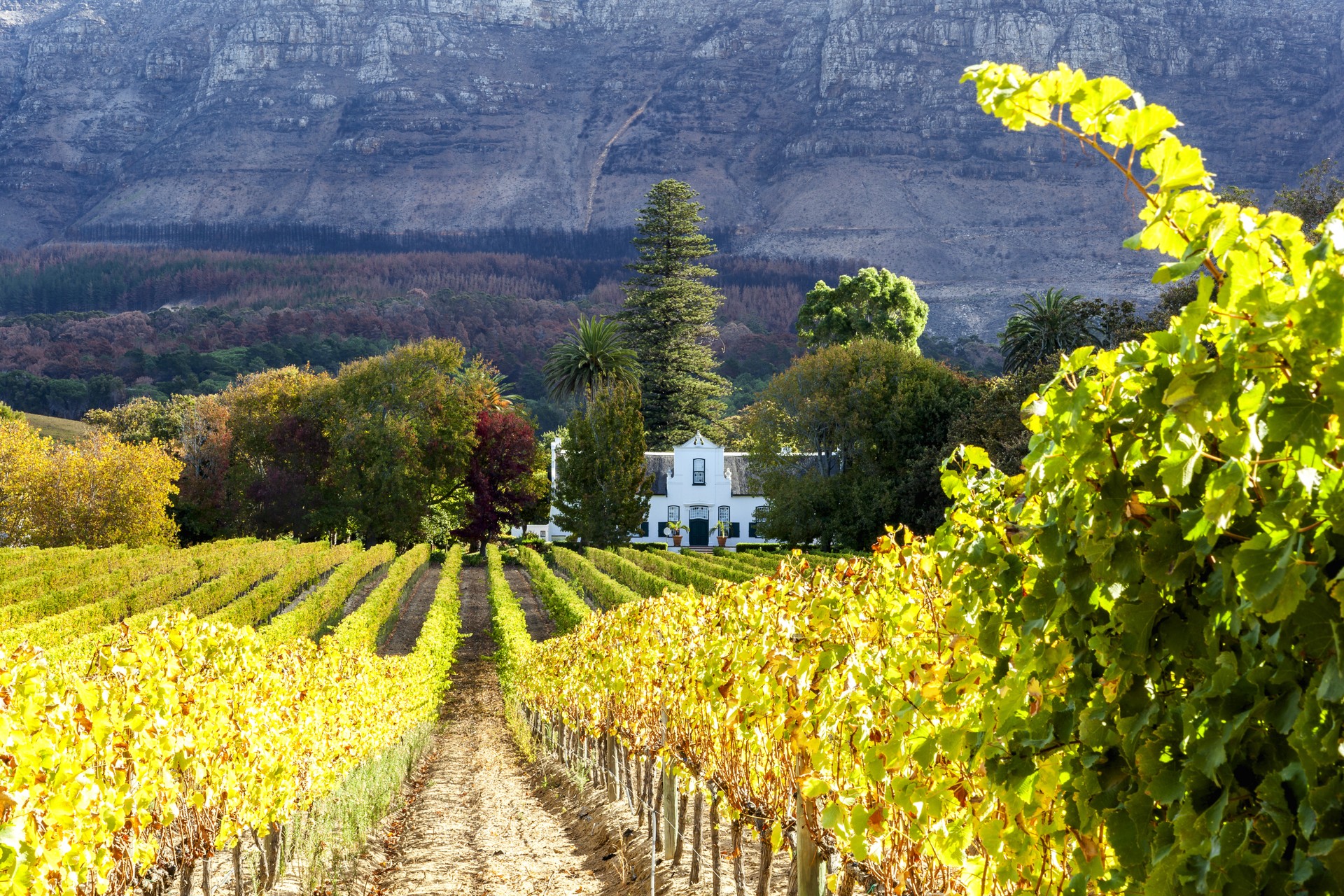
Fall is one of the most scenic times to experience South Africa. Best of all, the summer heat has faded and school is back in session, which means the crowds tend to get thinner and the country experiences a more laid-back pace. Traveling between regions becomes easier to navigate and visiting the country’s top-rated sights feels less hurried.
Temperatures in the fall are typically mild and perfect for exploration. Coastal areas remain warm without the intense heat of summer, while inland regions are excellent for hiking, sightseeing, and road trips at this time of year. Another key advantage of traveling in this shoulder season is the general decrease in rainfall across much of the country.
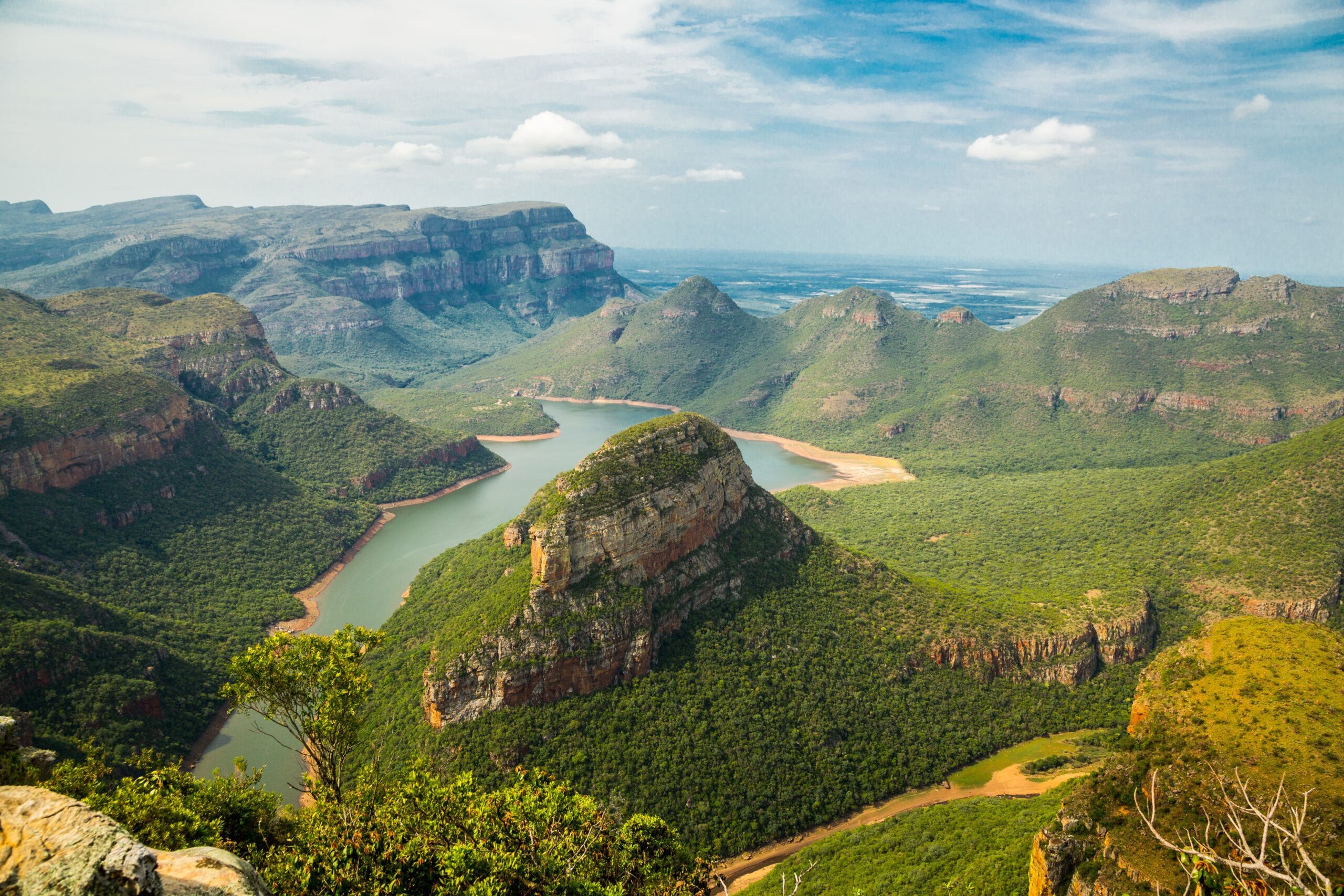
If you’re looking for postcard-perfect views in South Africa in the fall, you’re truly spoiled for choice. Vineyards across the Western Cape transform into beautiful shades of gold as the season approaches, while national parks are blanketed in photogenic hues of yellow and amber.
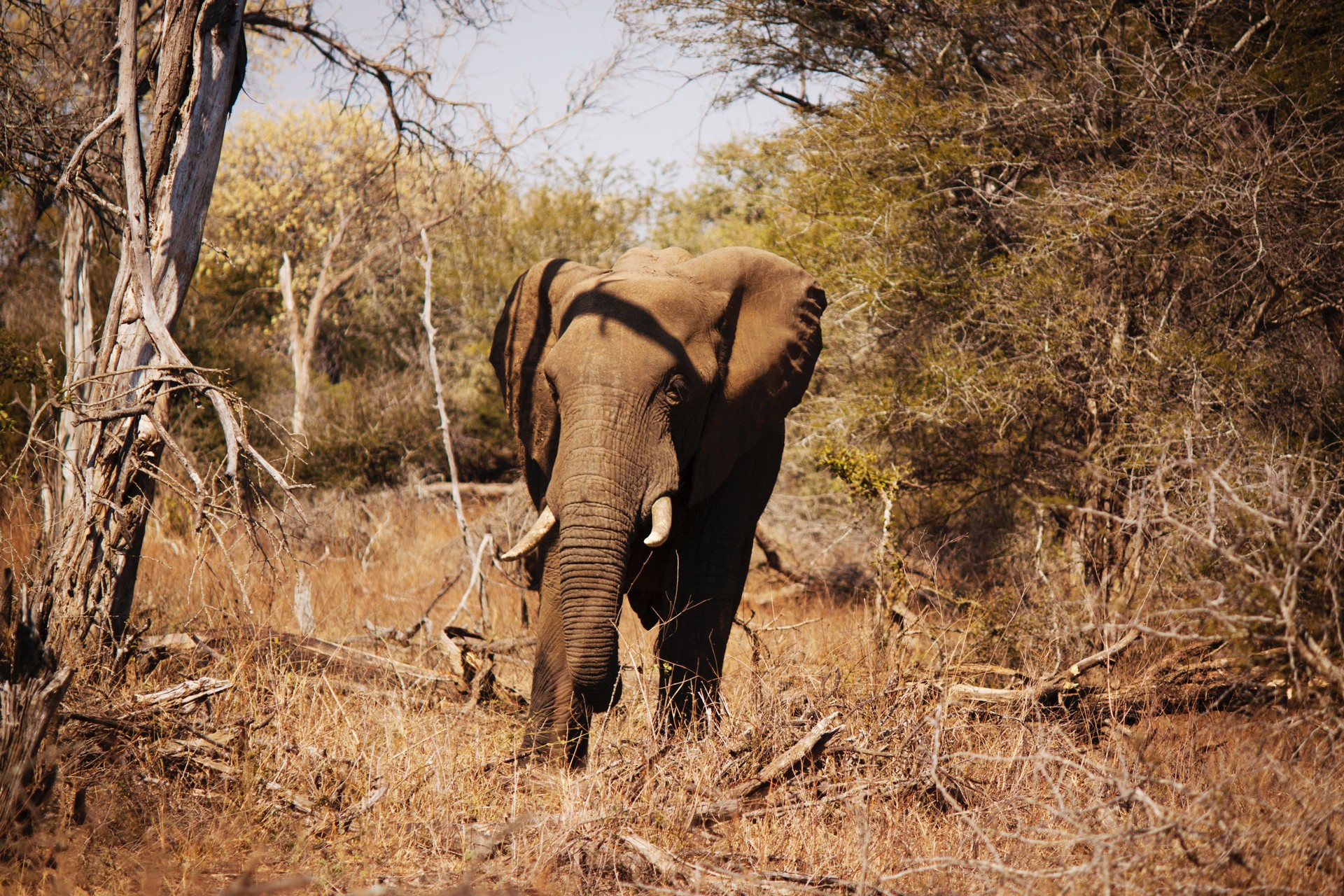
For wildlife viewing, fall offers excellent visibility and improved road conditions. This is especially true in destinations like Kruger National Park, where the drier conditions and better road access make it ideal for wildlife viewing excursions.
Like many parts of the world, the spring season in South Africa offers a sense of renewal, and is without question one of the best times to travel to South Africa. Emerging from the chilly winter season, the country’s landscapes start to come back to life alongside higher temperatures and longer days.
The weather in the spring shoulder season means warm and comfortable days, with mornings typically cool and clear. Coastal destinations can be enjoyed without summer’s oppressive humidity, while rainfall is limited in many parts of the country, making it easy to travel between regions.
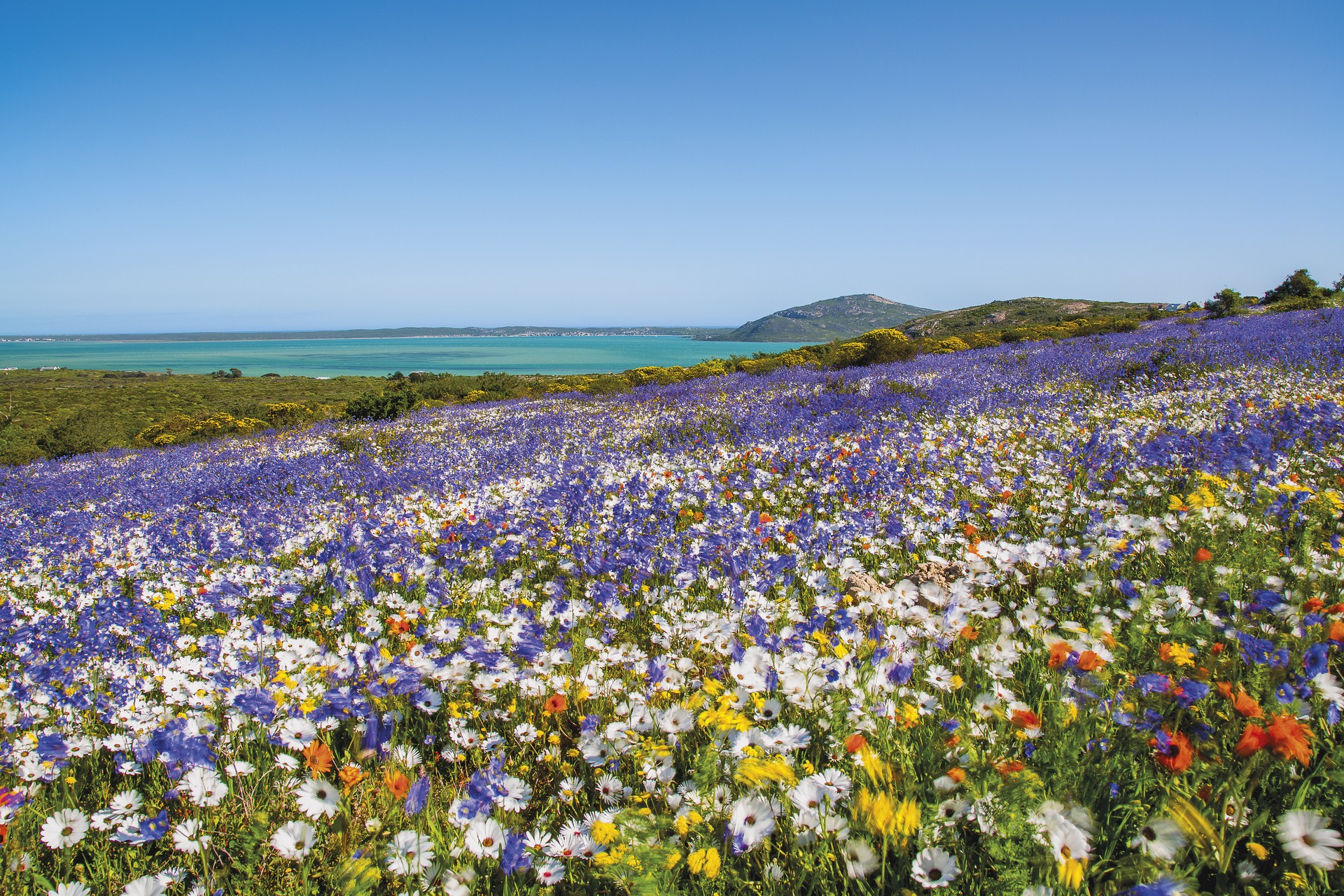
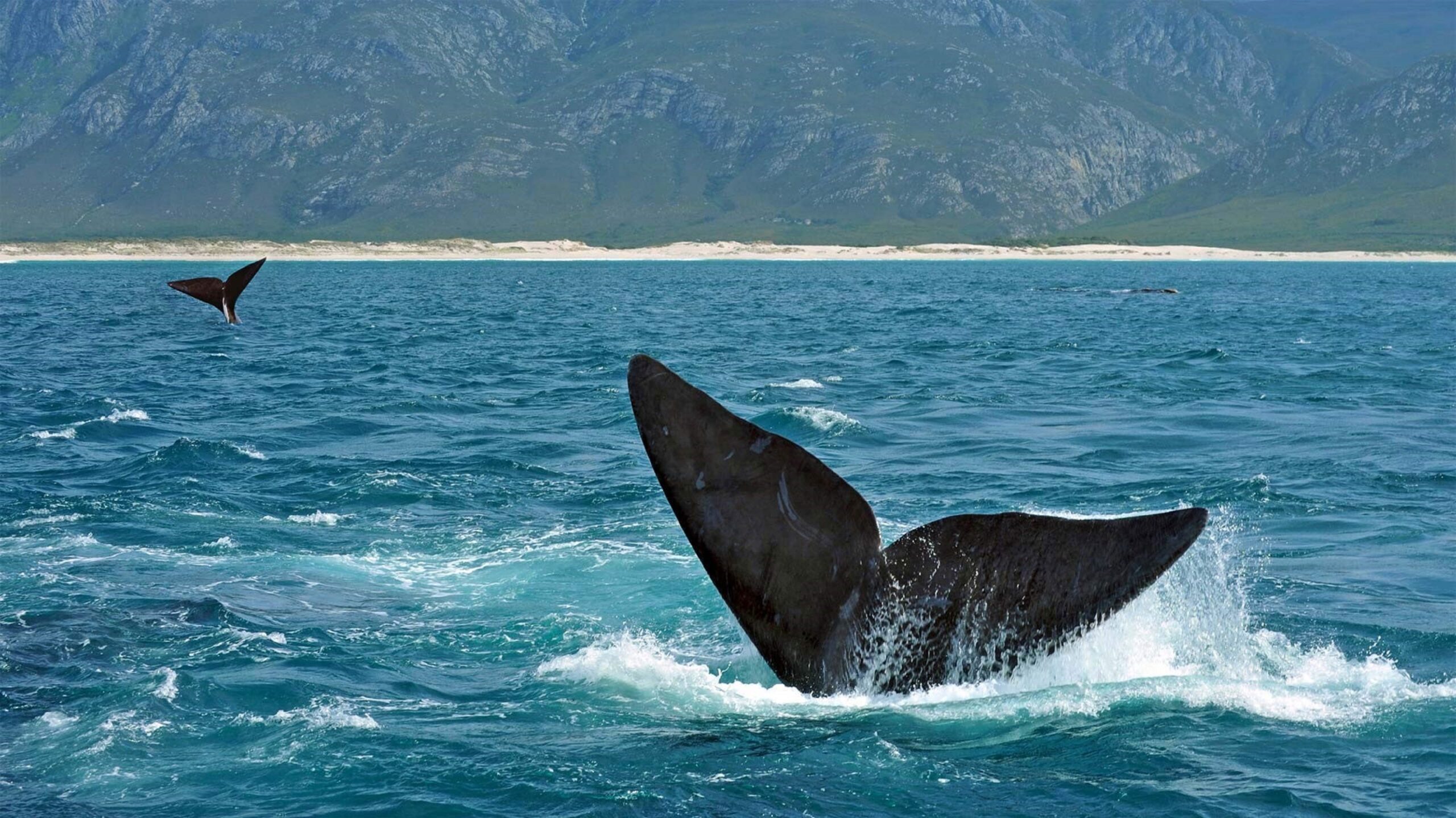
Whale watching season is from July to November, and this is the best time to see southern right whales off the coast. During the spring, colorful wildflowers on the West Coast are in peak bloom from August to October, creating a backdrop of stunning floral scenery draped along the country’s rugged landscapes. If you’re up for a road trip, coastal routes like the Garden Route are appealing this time of year.
Animal activity in South Africa increases in spring’s warmer months, with migratory birds returning to the parks and wetlands. If a safari excursion is on your bucket list, spring is one of the best times of year to see animals up close before the summer rain arrives and affects visibility.
Read more: Dream vacation in South Africa: tips for the ultimate experience
Cape Town is one of the best destinations to add to a shoulder season itinerary. Benefiting from the off-season more than any other destination on our list, this popular region often sees packed attractions, inflated prices, and traffic-heavy streets. During the shoulder months, however, the city offers easier access, better-value accommodations, and a calmer, more inviting atmosphere.
Visit in March to enjoy the beach while it’s still warm and sunny without the summer crowds. Coastal drives are a must at this time of year, when routes along Chapman’s Peak and the Cape Peninsula feel quiet enough to appreciate the dramatic cliffs and ocean views. Beach days in Camps Bay or Muizenberg and outdoor dining along the waterfront will have you wanting to linger just a little bit longer.
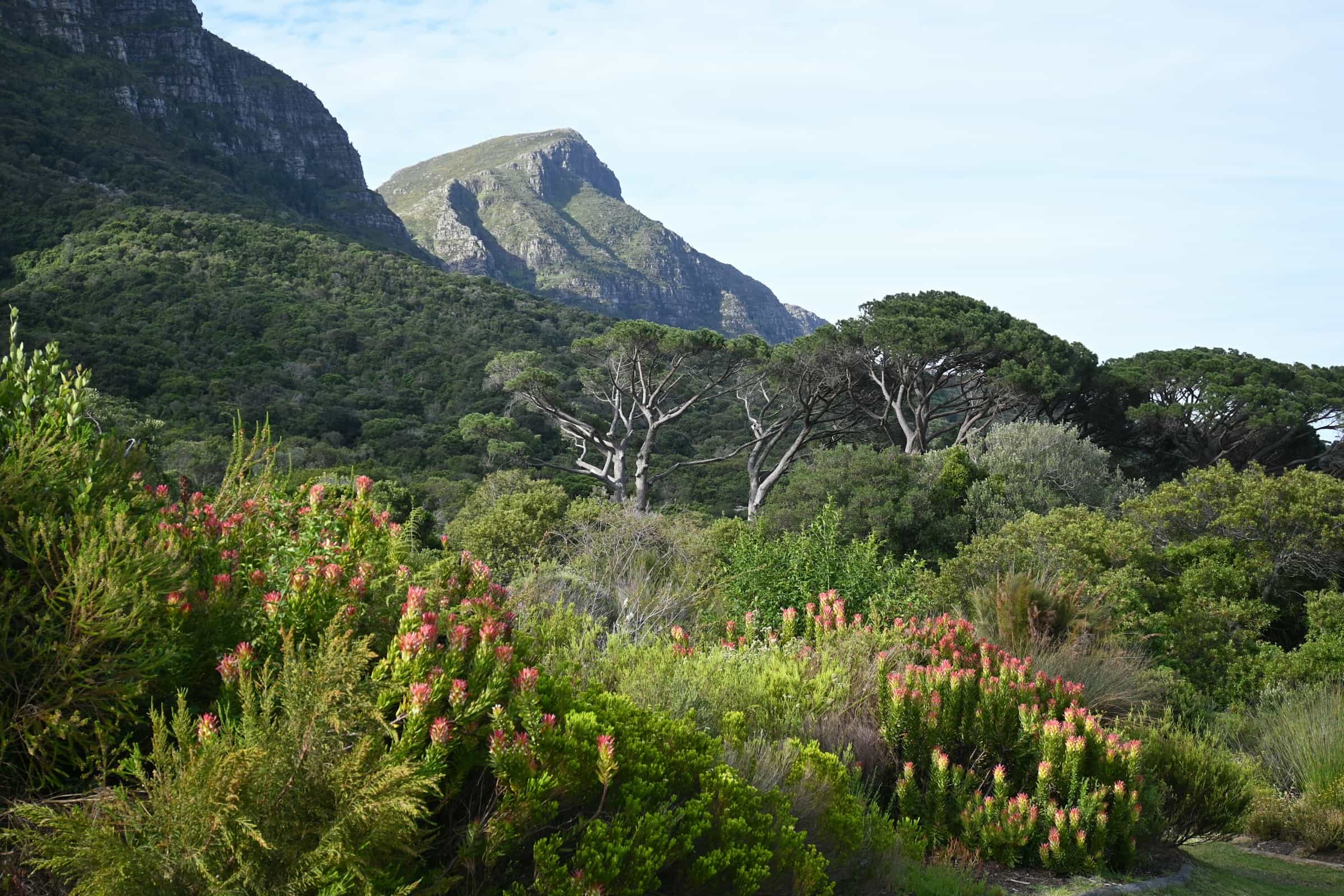
It gets cooler and quieter around April and May, offering an ideal time to lace up your boots for an epic trek up Table Mountain. This is also an ideal time for a coastal road trip, with easy stops to enjoy fresh seafood in Simon’s Town. Alternatively, sample local vino in the nearby wine regions, where Stellenbosch and Franschhoek offer fun seasonal events.
Spring is for nature lovers. Photographing the famous wildflower blooms along the West Coast is a must in September and October, while November marks the start of beach weather.
For many travelers, a safari excursion tops the list of things to do in South Africa, but when is the best time to visit for wildlife viewing? While winter is a popular time of year, the shoulder season offers a less-crowded alternative.
Kruger National Park sees improved visibility from March to May, as its rainfall tapers off. Temperatures remain comfortable and animal sightings are common. And as an added bonus, the park feels way less congested compared to the peak winter season.
Another time of year when the wildlife activity increases is from September to October. Water sources are limited, which means the animals come into clearer view. It’s one of the best times to experience animal encounters in South Africa without the crowds.
In addition to Kruger, the private reserves such as Sabi Sands, Timbavati, and Madikwe also benefit from shoulder season travel. These lesser-known parks offer quieter, more personalized safari experiences during this time of year with access to more flexible itineraries.
Read more: Off-the-beaten-path places in South Africa
You can’t leave South Africa without road tripping along the country’s iconic Garden Route. Stretching from Mossel Bay to Storms River, this southern coastal road trip is much more enjoyable in the shoulder season.
The warm, sunny weather in March and April is perfect for scenic drives, but it’s also a great time of year to enjoy long, coastal walks and outdoor adventures like kayaking. Towns like Knysna and Plettenberg Bay are great for pit stops, with sweeping viewpoints and easy access to beautiful beaches.
Whale watching is a top activity in this region from September through November, especially around Hermanus. Spot majestic southern right whales migrating close to the shore, or opt for a a scenic hike through the forest trails in Tsitsikamma National Park.
Johannesburg is one of South Africa’s biggest cities, and with it comes a long list of must-see cultural and historical attractions. The shoulder season is perfect for exploring the “City of Gold”, with clear skies and mild temperatures making it easy to soak up its unique cultural charm.
In the fall, the sunny days and cooler evenings set the scene for a day of visiting museums, touring galleries, or joining walking tours that explore the city’s rich and complex history. Spend time strolling local neighborhoods such as Maboneng, or take a day trip to the Cradle of Humankind for a glimpse at the region’s heritage. In spring, you can admire the colorful jacaranda trees in bloom, particularly in Pretoria, which add a delightful splash of color to the city.
With easy access to nearby nature reserves and game parks, Johannesburg is an excellent destination for shoulder season travel in South Africa.
Read more: A South African city guide: from Johannesburg to Cape Town
If you’re a photographer, the shoulder season in South Africa offers some of the best lighting conditions. Plan to shoot in early mornings and late afternoons for softer light and fewer crowds at popular wildlife sighting destinations.
In spring, you’ll have the best chance for unique animal encounters. Not only are the animals more active, but births and migratory patterns increase across parks during this time.
For food and wine enthusiasts, the Western Cape’s thriving culinary scene comes into its own in the fall. This time of year aligns with the grape harvest, when vineyards in Stellenbosch, Franschhoek, and Paarl are at their busiest. Many of the vineyards offer exciting seasonal events and tasting experiences, while fun food festivals add a bit of excitement to the region’s seasonal event calendar.
The spring season sees fresh produce on local menus, such as asparagus, berries, and herbs, while farmers’ markets also reappear. It’s also a pleasant time of year for outdoor dining, especially in wine estates with garden terraces.
Hiking enthusiasts are drawn to the shoulder season for its ideal conditions, with less crowded trails and more manageable temperatures. From Table Mountain to Drakensberg, you’re spoiled for choice with incredible landscapes to explore in South Africa on foot.
The shoulder season months in general are ideal for outdoor excursions, including cycling, climbing, and multi-day treks. While fall brings clear skies and dry paths, spring adds a scenic backdrop of colorful wildflowers.
Summer might be the most popular time of year for beach activities, but the shoulder season is a worthwhile alternative. With fewer tourists, travelers can enjoy the country’s wide open stretches of sand to themselves, including an array of gorgeous Blue Flag beaches. It’s a less stressful time of year to bask in the sunshine, with perks like easier parking and better access to accommodations.
It’s one of the best times to travel to South Africa for its beaches, with March remaining warm enough for swimming in Cape Town and spring offering pleasant conditions along the Atlantic and Indian Ocean coasts.
Read more: Bucket-list marine wildlife experiences in South Africa

Shoulder season offers a long list of must-visit cultural and seasonal events catering for all tastes and travel styles. These include:
Based on the ground, our local travel agents know South Africa inside and out, and will be able to advise on the above events as well as recommend many more festivals and activities for you to partake in during your visit.
Plan your most memorable South Africa vacation to date with help from our local experts, who are on hand to help craft your itinerary and suggest more things to do during the shoulder seasons, some of the best times to travel to South Africa. Reach out to them today to get started.
Explore all featured destinations