An insider’s guide to Split, Croatia
5 October 2026
Positioned on the eastern edge of Europe, Romania promises visitors a tantalizing mix of history, natural beauty and mystery. This is one of the less-visited corners of the continent, and traveling here often feels like real discovery. So, what is Romania famous for? Beyond Bucharest and Count Dracula, Romania exudes old-world charm and moves to the gentle rhythm of rural life. Characterized by lonely mountains and legendary castles, it is a country of untouched landscapes and terracotta-tiled towns. Within its borders, you’ll find ancient forests, wild river deltas, thriving nature, and a countryside dotted with hamlets and villages steeped in tradition. For a taste of its riches, we’ve put together a beginner’s guide to the best things to do in Romania.
Bran Castle is probably one of the most emblematic places to see in Romania. That chilling tale of Count Dracula is famous throughout the world, but beyond the blood-curdling legend, the castle itself is a place of showstopping beauty.
Slender turrets reach skyward above a canopy of dense forest with the curves and peaks of the Transylvanian mountains layering up beyond. There’s an aura of mystery around the castle and a palpable sense of history. This is one of the great fortified castles of Romania and a must-see, whether you’re a fan of the Dracula story or not.
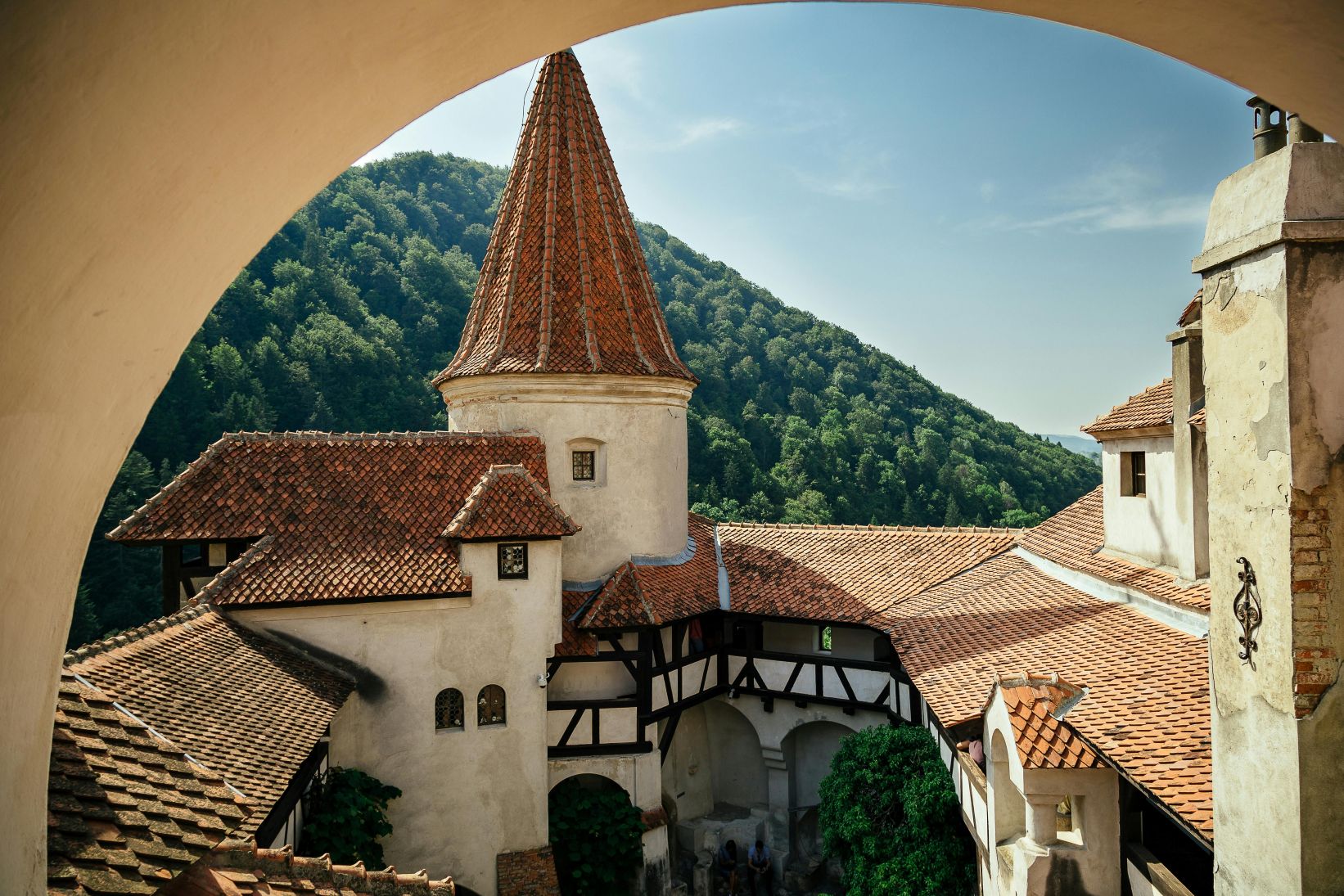
Bran Castle is but one among many of Romania’s spectacular castles and fortified citadels. Peleș Castle, an elaborate architectural masterpiece, is built on a more palatial scale in the Neo-Renaissance style, bristling with towers and luxuriating amidst fine, landscaped gardens.
Corvin Castle is a more sober-looking Gothic fortress with high defensive walls and a narrow bridge to gain entry. And move over, Bran Castle: Poenari Citadel, known as Vlad’s real fortress, is even harder to reach. This ruined fortress has 1,480 narrow steps snaking up to its clifftop entrance.
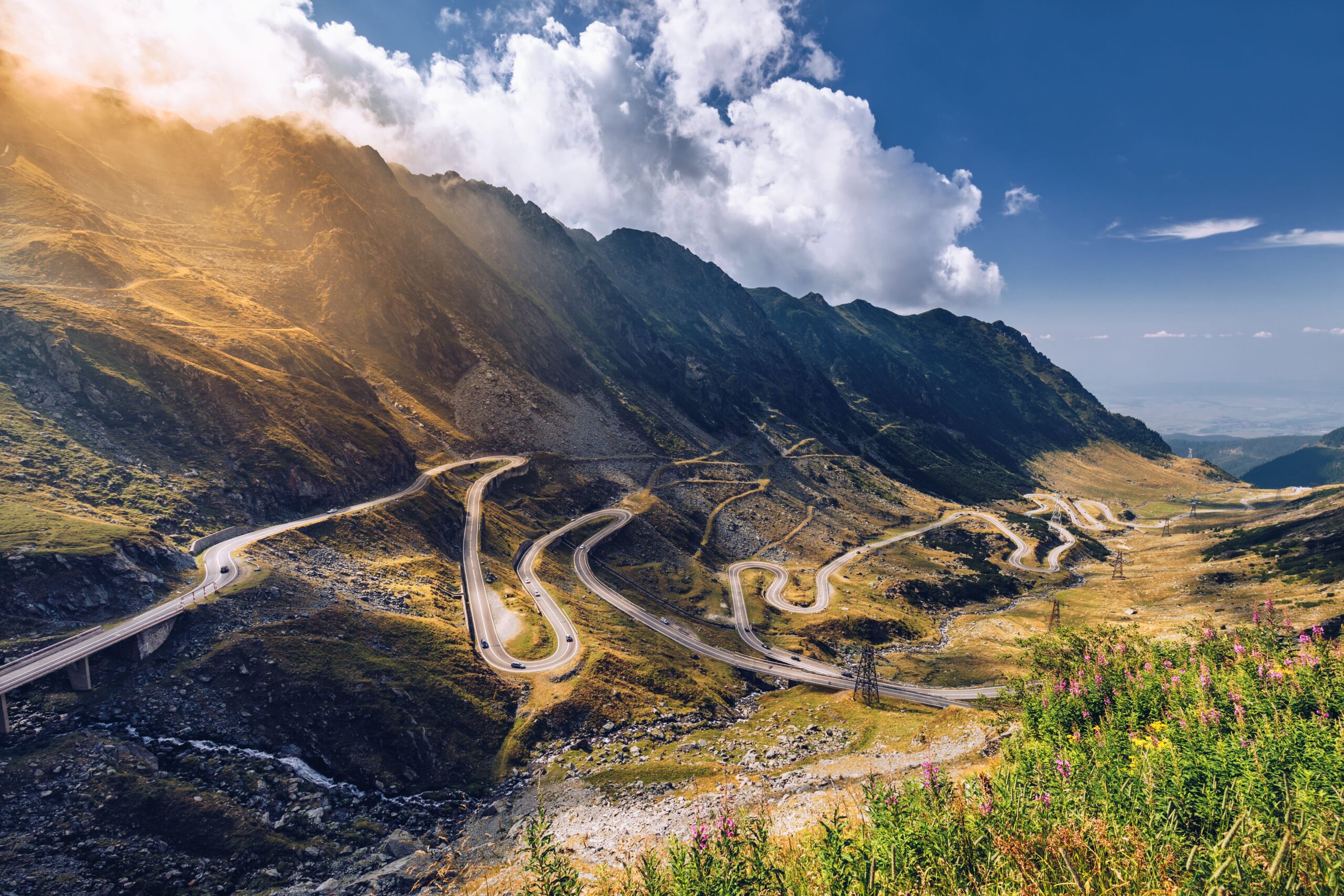
Up and over the Făgăraș Mountains, the monumental Transfăgărășan Highway dips and dives through a series of valleys and peaks, yielding sensational views along the way. Its loops and hairpin bends thrilled Top Gear’s Jeremy Clarkson so much that he proclaimed it ‘The best road in the world’.
Raw and rugged, the landscapes along the route will take your breath away. Views from high passes reveal scree-scattered slopes, lush forested mountainsides, and slivers of silvery lakes. This is also bear country, so look out for wildlife, especially around wooded verges, where you could easily glimpse the snout of a brown bear nosing through the undergrowth.
The Transfăgărășan Highway is generally open from June to October, then closed during winter when heavy snow makes it impassable. The route takes about four hours to drive, without factoring in stops.
The arcing expanse of the Carpathian Mountains dominates much of Romania, and there are many alpine ranges to explore. Each corner of the Carpathians has a different set of characteristics to admire, but all are imbued with an elemental beauty. Spending time in these landscapes brings a feeling of stepping out of time, connecting to the natural world and a palpable sense of the wild.
The Bucegi Mountains in Central Romania feature a high plateau surrounded by dramatic rocky canyons and steep-sided valleys. Wind-worn rock formations, alpine meadows, and cascading waterfalls abound, and it is a wonderland for hikers.
In the Apuseni Mountains, the wonders are also subterranean, and there’s a vast network of caves. This includes the Apuseni Ice cave, home to one of just a handful of underground glaciers in Europe. Over in the Southern Carpathians, Piatra Craiului National Park is characterized by dramatic limestone peaks and a 15-mile-long (24km) narrow ridge that a certain type of hiker will enjoy.
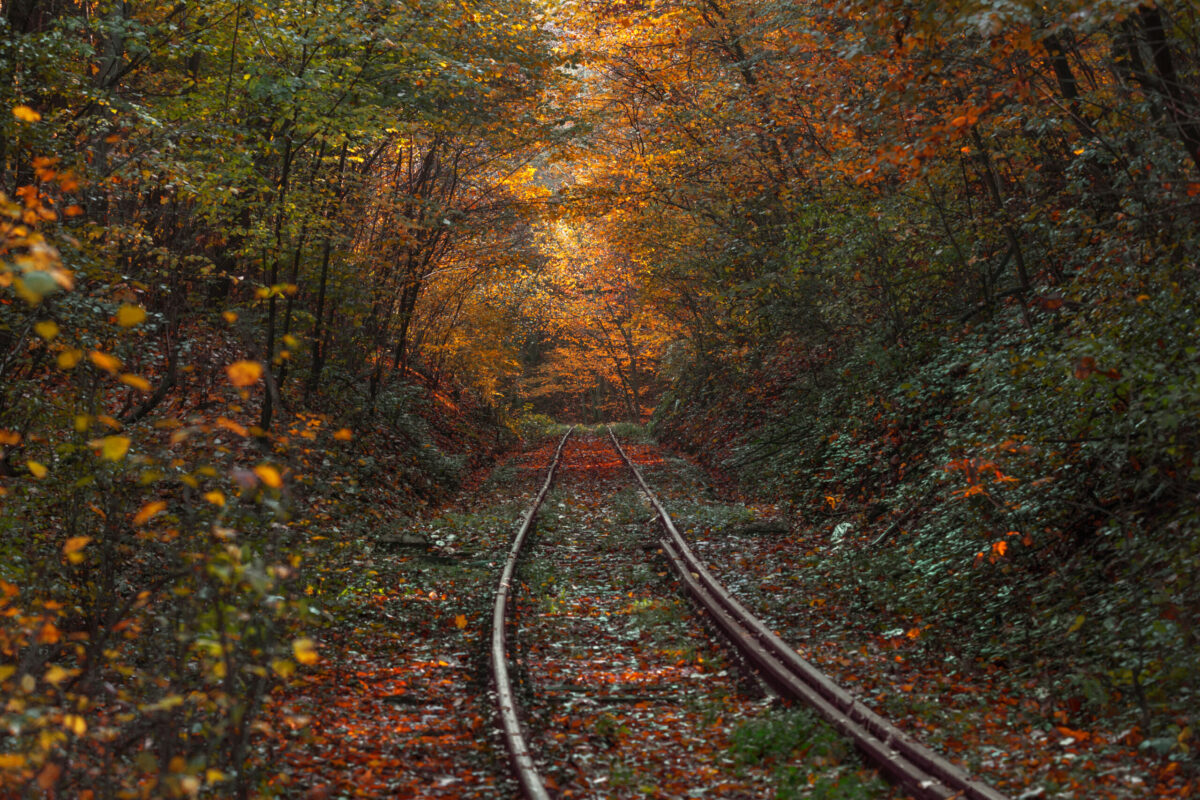
Squeezing between steep-sided cliffs, chugging through more than a dozen tunnels and soaring over 10 viaducts, the Oravița-Anina Railway offers quite the ride. This is one of the oldest mountain railways in Europe, charting a winding route between the towns of Oraviţa and Anina since the 1860s. The distance covered is a mere 33km (20 miles), but it takes two hours to complete. The leisurely pace gives you plenty of time to admire the passing scenery.
The impressive subterranean world of the Turda Salt Mine feels like something out of a science fiction movie and is certainly one of the more unusual Romania tourist attractions. Glittering, salt-crusted walls sparkle as you descend into a cavernous underground space with lights reflecting off a dark lake below.
Yes, it’s an amusement park deep under the ground and a truly ingenious use for a historic salt mine. Visitors can take their pick of pastimes, including table tennis, bowling and boating. Not to be missed is a ride on the 20m Ferris wheel for high-flying views of the glittering cavern.
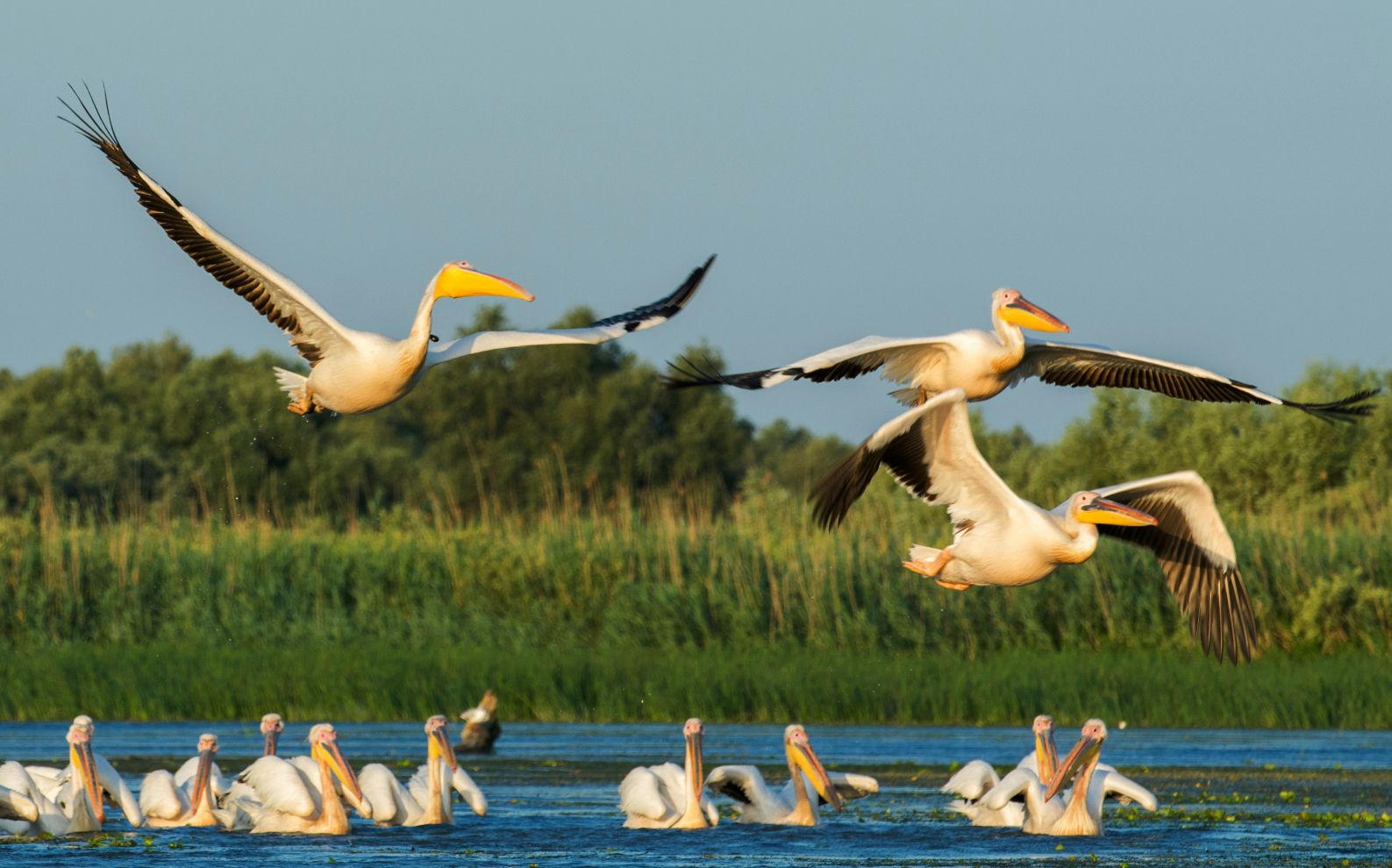
At the point where the Danube River meets the waters of the Black Sea, a maze of waterways, marsh, forest and wetlands fans out. This watery world is a natural haven for birdlife and a stopping-off point for hundreds of migratory species. It’s been likened to the Amazon in terms of its biodiversity, and it’s an astounding environment to visit, whether you’re a birder or not.
Cruise its waterways on a day trip or take a multi-day expedition to spot pelicans, herons, red-breasted geese, pygmy cormorants and more. The Danube Delta is one of the best places to visit in Romania for wildlife enthusiasts and riverside relaxation.
The Byzantine painted monasteries of the Bucovina region are among the most important Romania tourist sites. There are eight UNESCO-protected monasteries in the region, dating back to the 15th and 16th centuries, all with impressive architecture and peaceful grounds.
These are hallowed places of deep spiritual practice and religious learning. The paintings tell stories from the Bible in intricate and lively detail, and unusually, they are found around the exterior of the buildings. Whether you practice Christianity or have an interest in history, art and architecture, these colorful depictions are endlessly absorbing.
The unique wooden churches of Maramureș are one of the most visited Romania attractions. These ingenious creations were mostly built between the 17th and 18th centuries, when it was forbidden to build stone churches.
There are dozens of wooden churches in the region, built by skilled craftspeople and miraculously enduring to this day. The architectural styles combine Gothic and Orthodox motifs and are characterized by tall, slim bell towers with intricate carvings inside and out. UNESCO has protected eight of these precious churches, but it’s well worth visiting some of the others, too.
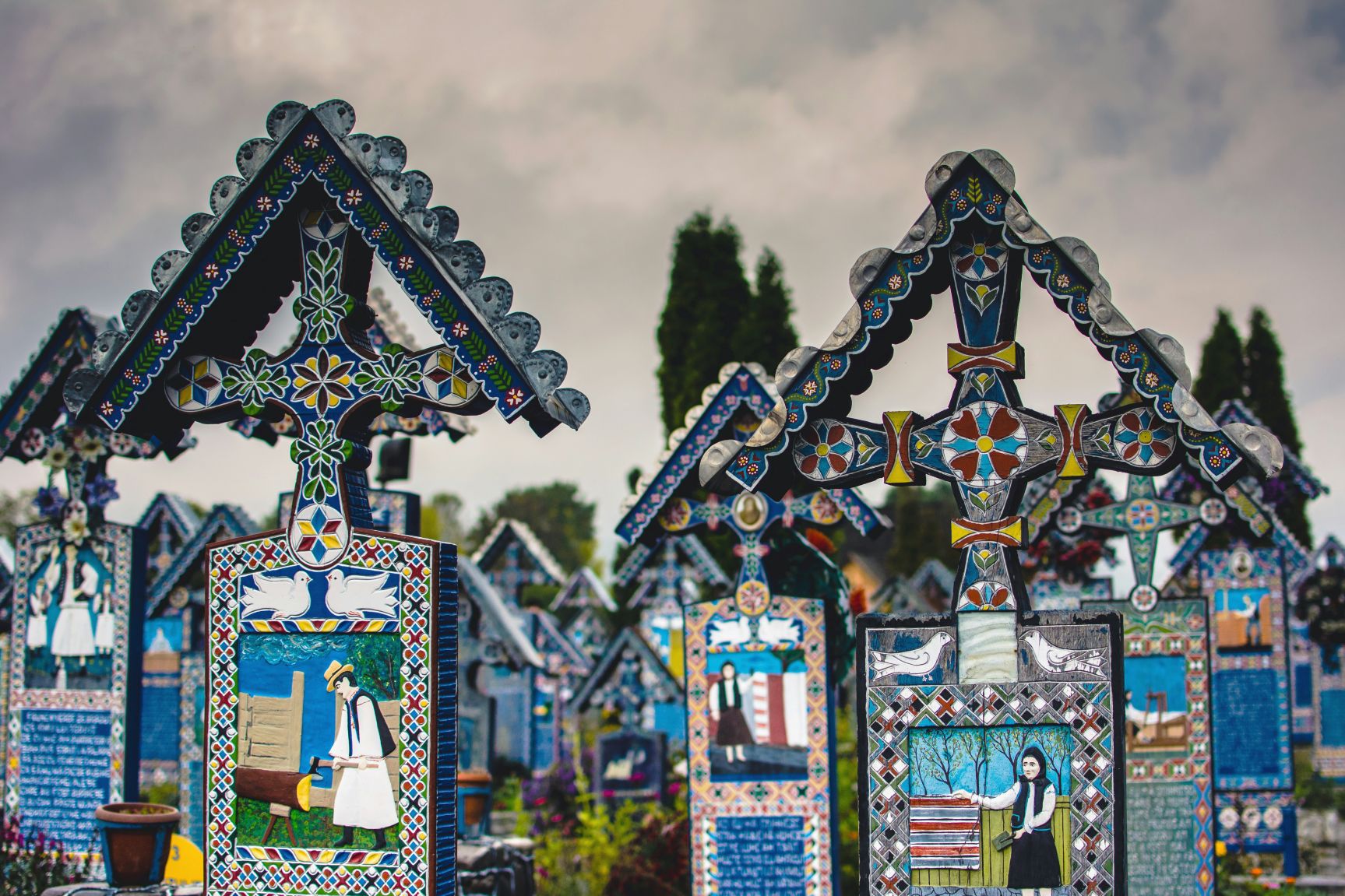
A small graveyard behind a church in the unassuming little village of Săpânța has become one of the most-visited Romania tourist spots. Dubbed the Merry Cemetery, instead of gravestones, the site is populated by brightly painted wooden crosses and plaques.
Each grave tells the story of the person laid to rest there, but these aren’t all sober tales of loss and sadness. Instead, many take a humorous twist on the life of the departed. Gently poking fun at their passions and pastimes, be that an enthusiasm for alcohol or a wandering eye.
Each grave marker includes a poem and a painted illustration crafted by one man, currently a craftsperson by the name of Dumitru Pop. Pop is in the process of training his successors in the trade and has a plot waiting for him when the time comes.
Transylvania is an intriguing region of Romania for many reasons, and one of its unique features is its large number of fortified churches. There are well over a hundred of these high-walled Saxon enclaves in the region, with seven protected by UNESCO.
All are located in villages and were used as safe houses during times of attack and looting. The villagers would retreat here with their most valuable possessions and ward off attack. Most of the churches are open to visitors in the summer and at weekends, but if you visit outside of these times, you may need to go in search of the keyholder in the village.
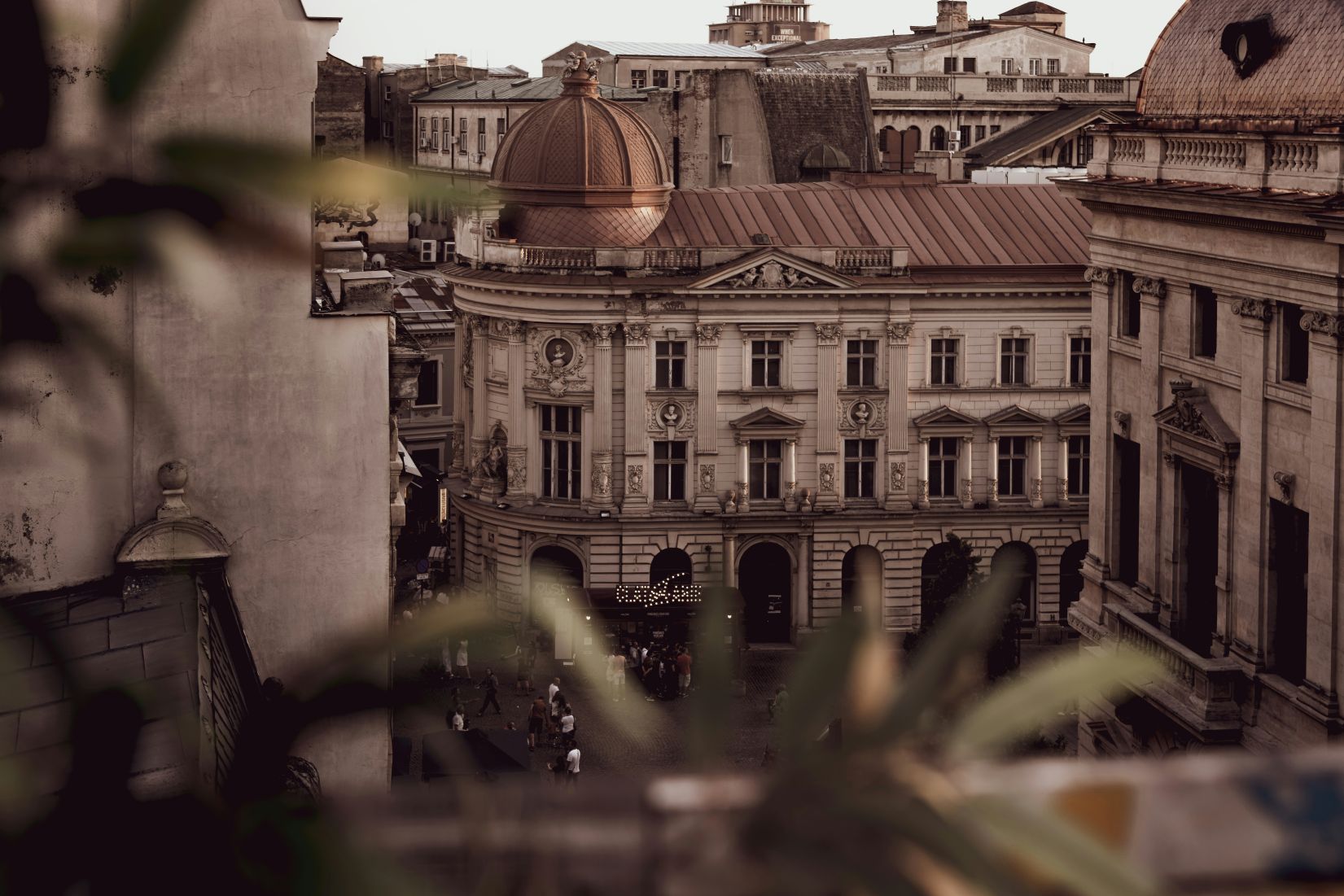
Cultured, cutting-edge and on the go, Bucharest is worth more than just a day or two of your time. Yes, it may be rough around the edges, but that’s all part of its charm. Romania’s capital has a youthful energy that fizzes alongside a mix of old-world architecture and tradition.
You’ll find all the big-city pursuits alive and well in Bucharest. Take your pick from art galleries, live music, hot new restaurant openings and parties galore. By day, tick off the top Bucharest tourist attractions with a wander along Calea Victoriei, the city’s main thoroughfare, and past the Palace of the Parliament before cooling off in one of several parks.
A continental climate lends itself to al fresco dining and drinks, and balmy summer evenings roll seamlessly into party nights in the city’s leafy beer gardens and rooftop terraces.
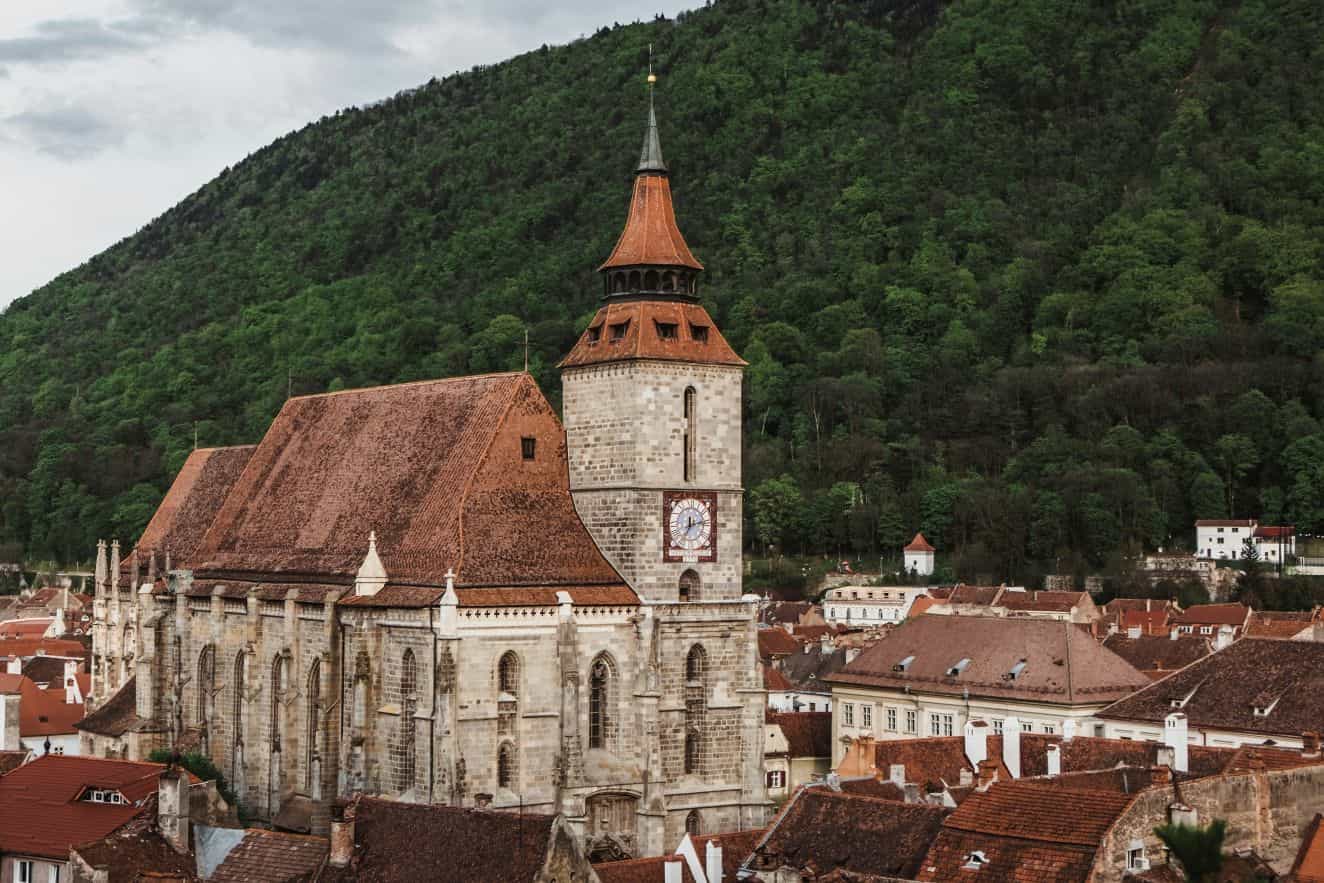
Surrounded by the forested flanks of the Carpathian Mountains, Brașov is one of the most pleasant places to travel in Romania. It’s a compact city with a rich architectural heritage spanning centuries. Meander through its streets and you’ll find Saxon fortifications, ornate Gothic churches, and medieval merchant houses.
The central plaza is the heart of the city and the starting point for many walking tours that delve into Brașov’s engaging history as an important center for trade and transit.
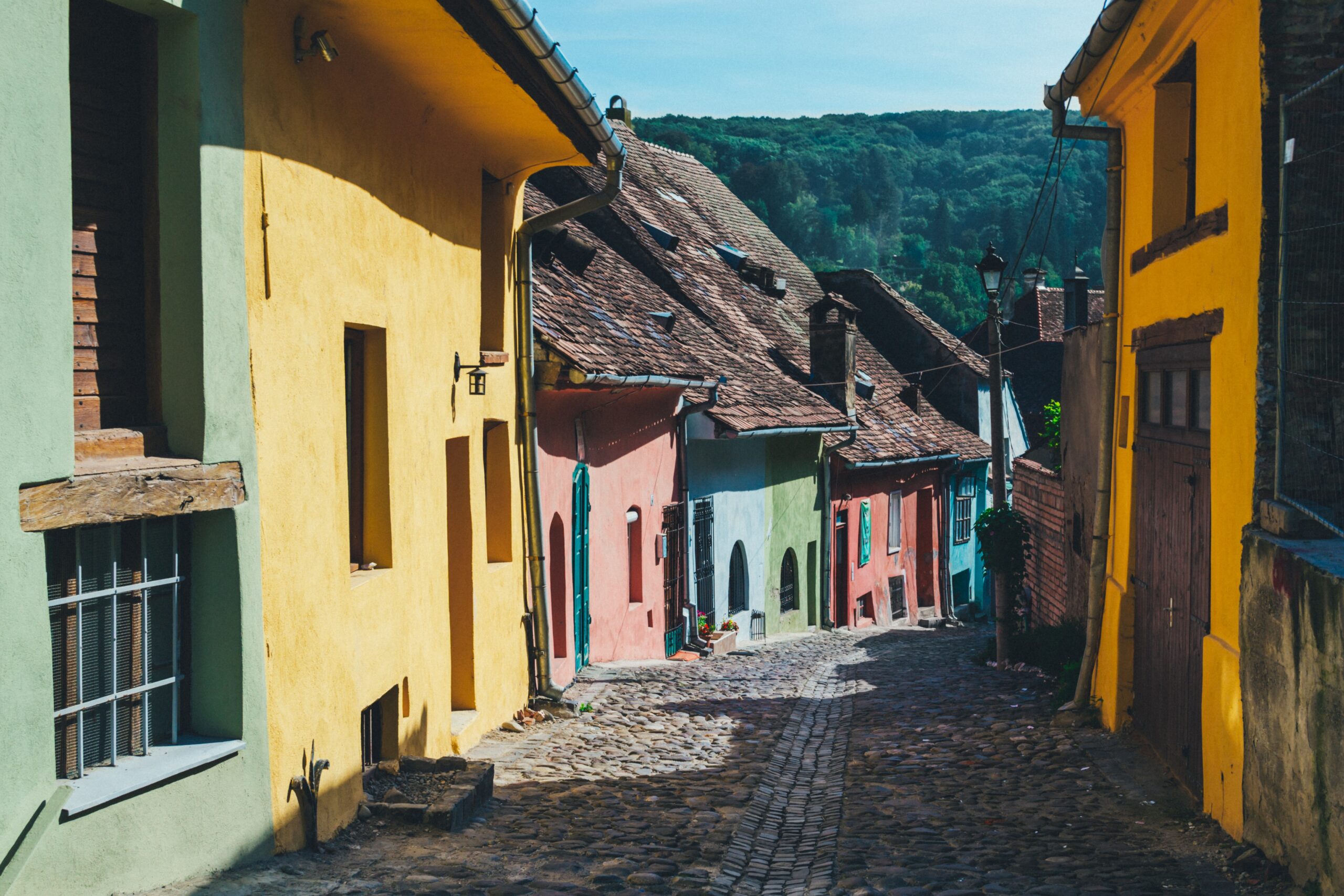
The sing-song name of Sighișoara evokes images of a magical town amidst the mountains, a place of whispered stories and legends. And well it might. This astonishingly intact medieval town was the birthplace of Vlad Dracula, the real-life inspiration behind Dracula, whose house you can visit and dine in (its present-day incarnation is as a restaurant).
All around the citadel, there are glorious architectural treasures to admire, from fortified medieval towers to ornately frescoed churches and a time-worn clock tower. To up the thrill-factor, take a nighttime tour through Sighișoara’s dimly lit cobblestone streets and brace yourself for a fright or two.
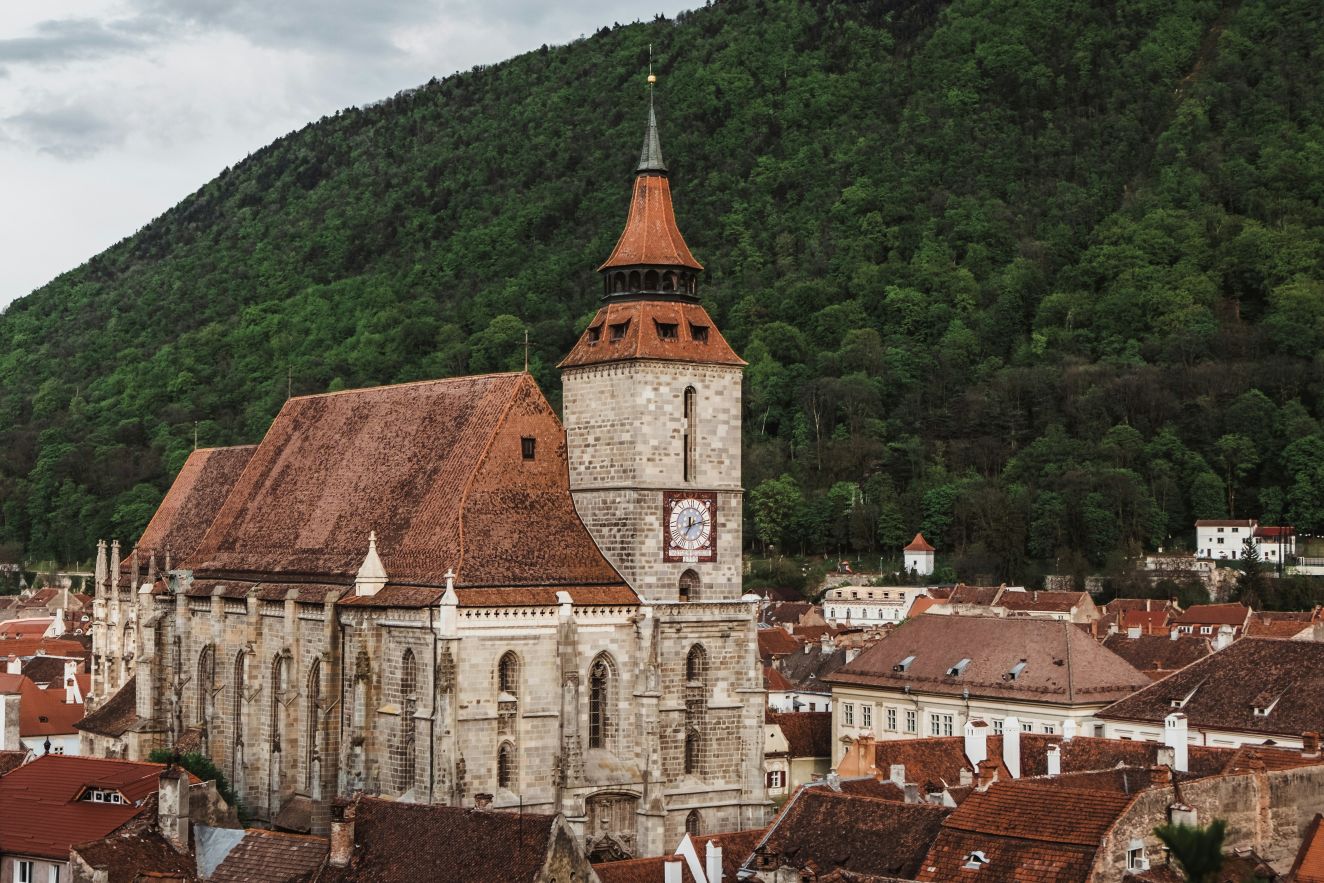
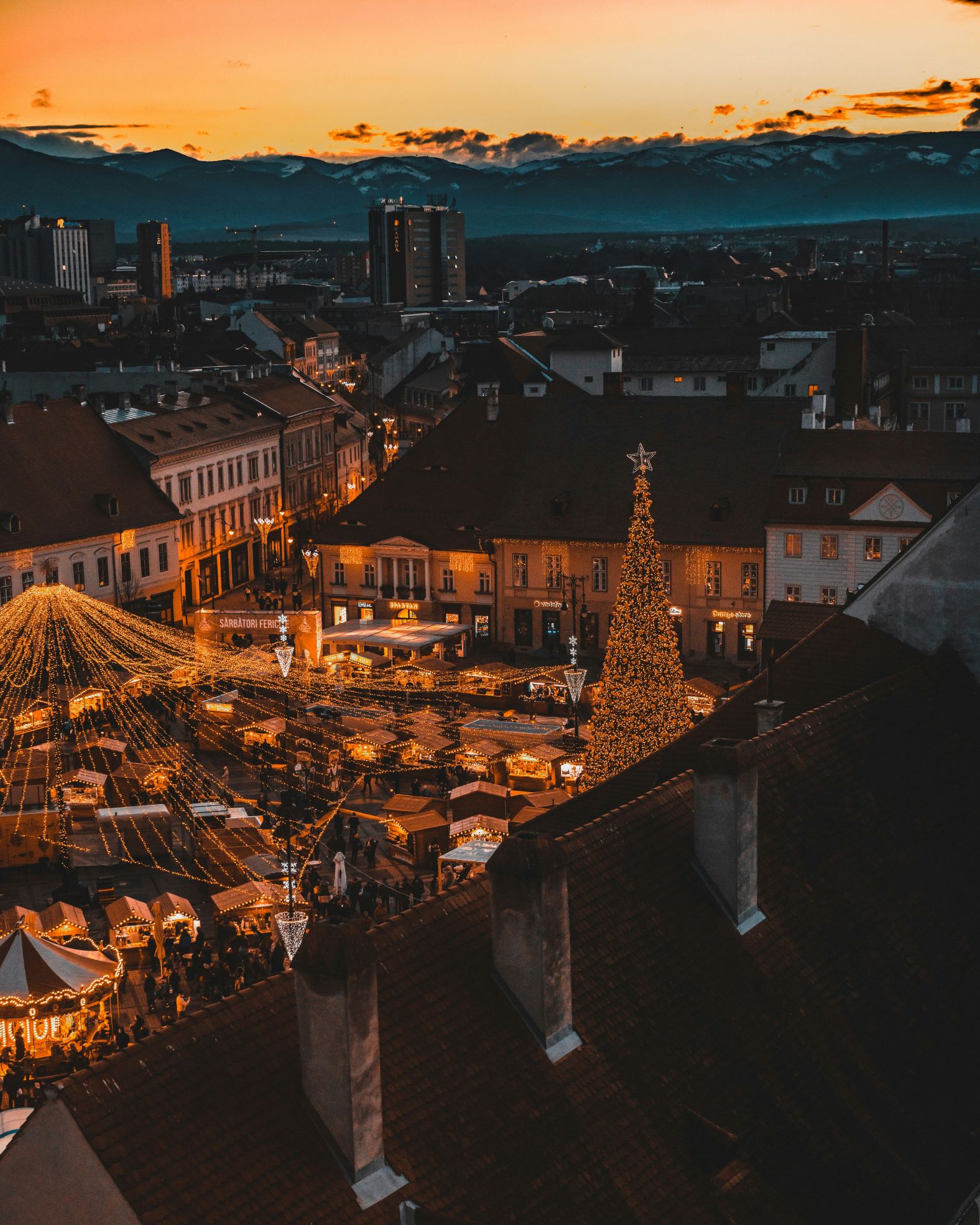
Awarded the title of European Capital of Culture in 2007, Sibiu exudes both style and substance. Like Sighișoara and Brașov, Sibiu was founded in the 12th century by the Saxons, who set up illustrious guilds and amassed great wealth. The result is an architecturally rich city that fans out around an elegant central square and is arranged into an upper and lower town.
The city has long been known as a cultural center, famous for music and salubrious socializing. This rings true today, with many cultural events as well as music and seasonal festivals taking place here, along with an excellent dining scene.
Traditional Romanian cuisine is rich and hearty, borrowing influences from nearby nations such as Hungary, Germany and Turkey. On a classic menu, you’ll find rich bean and pork stews, stuffed cabbage leaves, fortifying soups, and sharing platters of cheeses and cured meats.
Locally grown and seasonal eating is the norm, and small-scale farming practices make for high-quality produce. In summer, the fruit and veg sing, with plump peaches, strawberries, and sun-sweetened tomatoes in bountiful supply.
It is quite a meat-oriented cuisine with pork a standout favorite. Mici is a popular meaty street food, similar to a skinless sausage, and goes down well dipped in mustard with a glass of beer on the side. Vegetarians will usually be well-served too, with Romania’s plentiful fresh produce – look out for creamy polenta served with a rich mushroom hot pot. The sweet-toothed will love papanași, an airy, sweetened cheese donut topped with whipped cream and berry compote.
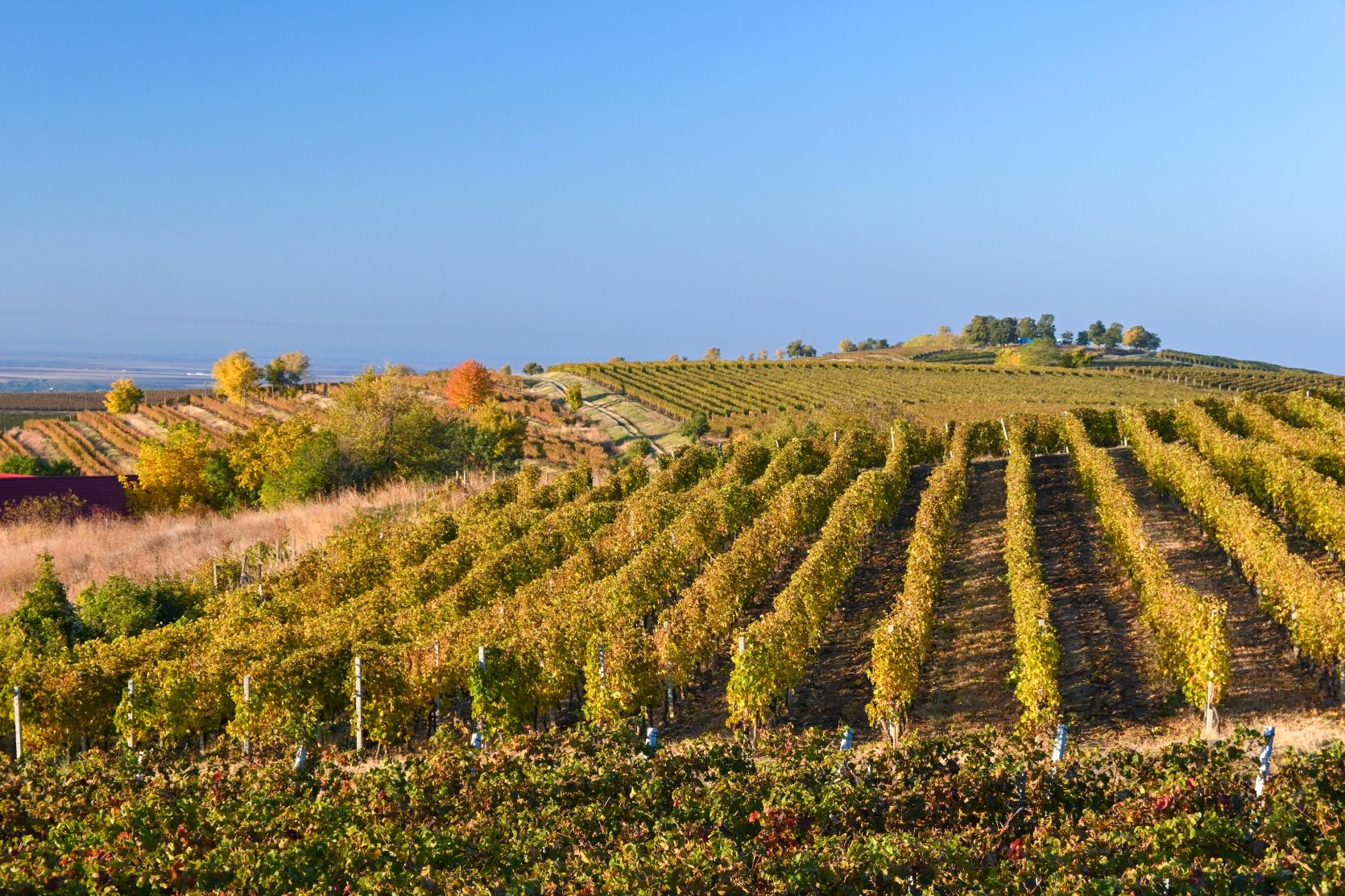
Romania may not be widely regarded as a top wine-growing country, but this is just an oversight. Those in the know will already have been enjoying Romanian vintages for years, but if you haven’t yet been properly introduced, you’re in for a pleasant surprise.
The dreamy landscapes of the Dealu Mare wine region are the perfect place to begin to get acquainted with Romanian viniculture. Here, the indigenous Romanian grape varieties Fetească Neagră and Fetească Albă flourish, producing rich red and aromatic white wines.
There are tastings and tours year-round, but for a deeper dive into wine culture, September and October are the best times to visit. These months coincide with harvest season and the September wine festival. For a day trip from Bucharest, a Prahova Valley wine tour is another good option.
Turn your travel dreams into reality and get in touch with our local experts, based in the destination and ready to help you plan a stress-free, comfortable trip to Romania. They can advise on many more great things to do in Romania, from highlights to hidden gems, based around your interests and budget.
Explore all featured destinations