
What to do in Chile: 20 adventures for your next trip
23 October 2026
The spectacular islands of New Zealand stretch 1,600 km from north to south. With mountains, fjords, subtropical forests, hot springs, and volcanoes, the lay of the land (and its sheer length) brings a mix of weather conditions throughout the seasons. The best time of year to visit New Zealand will depend on your travel priorities and what you’d like to get up to. There are classic high and low seasons in New Zealand, broadly corresponding to the summer and winter months. However, there are also sweet spots in between that make travel outside of the high season well worth considering. Read on for our helpful seasonal tips as you start planning when and where to go.

This is the best time to visit New Zealand for outdoor activities and festivals. Weather-wise, it’s the ideal time of year for hiking, sightseeing, beachgoing and camping. The climate is warm and pleasant with long sunny days and temperatures hovering in the 70s (20-plus Celsius). This is the prime time for hiking New Zealand’s Great Walks, and festival enthusiasts will have plenty to choose from.
However, it is also a very popular time for travel, with busier trails, higher prices, and accommodation booking up more quickly. You’ll need to book well in advance for hiking passes, festival tickets and the best places to stay. Keep in mind that many New Zealanders will also be traveling at this time of year, especially around Christmas and New Year.
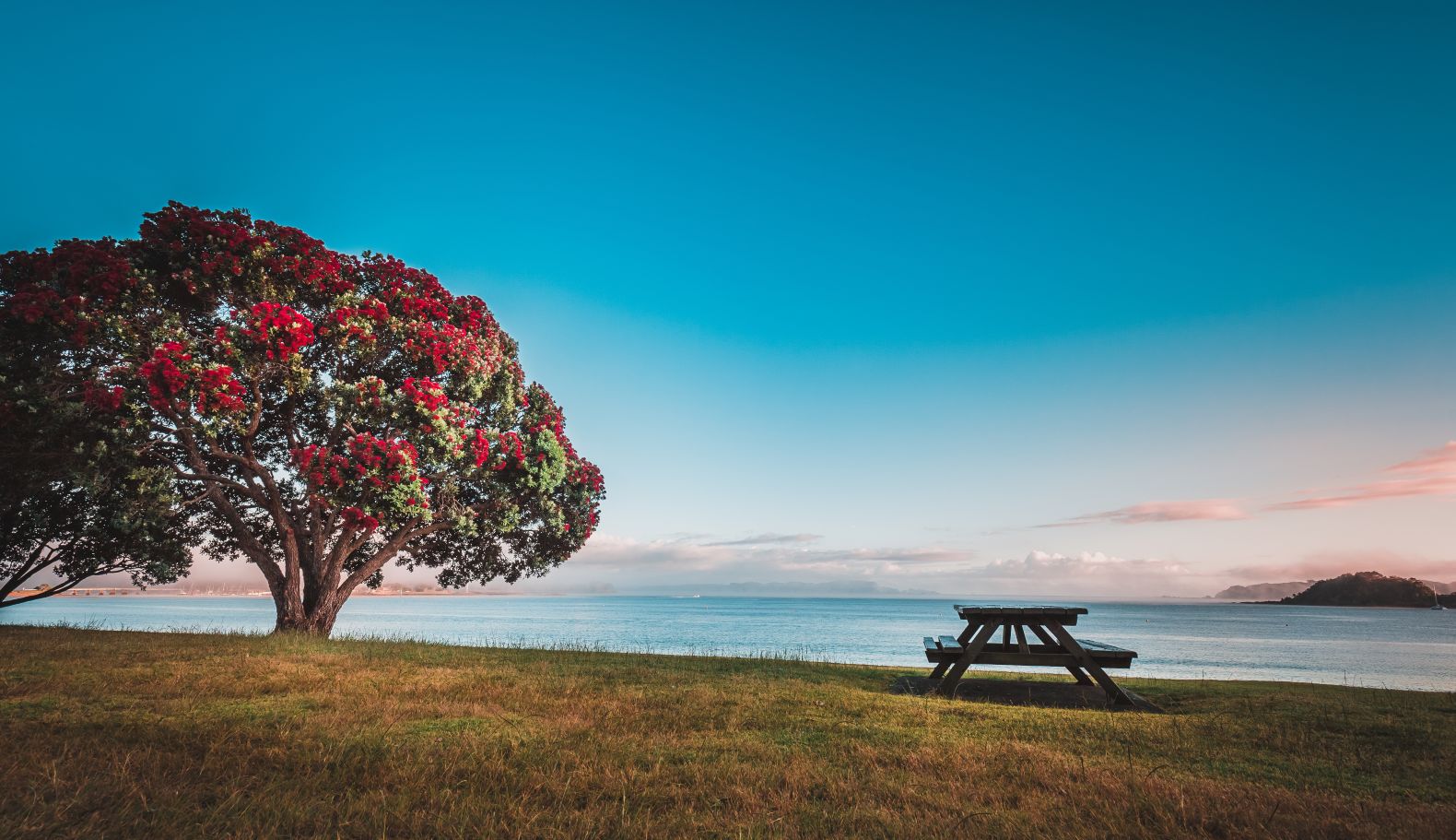
As summer shifts to fall, the days get shorter, and rain clouds gather more frequently. However, with a little luck on your side, this could well be the best time to travel to New Zealand on many fronts. Though more unpredictable, the weather is often dry and sunny throughout the early fall months, making it perfect for road trips and hiking, with far fewer domestic travelers at this time of year.
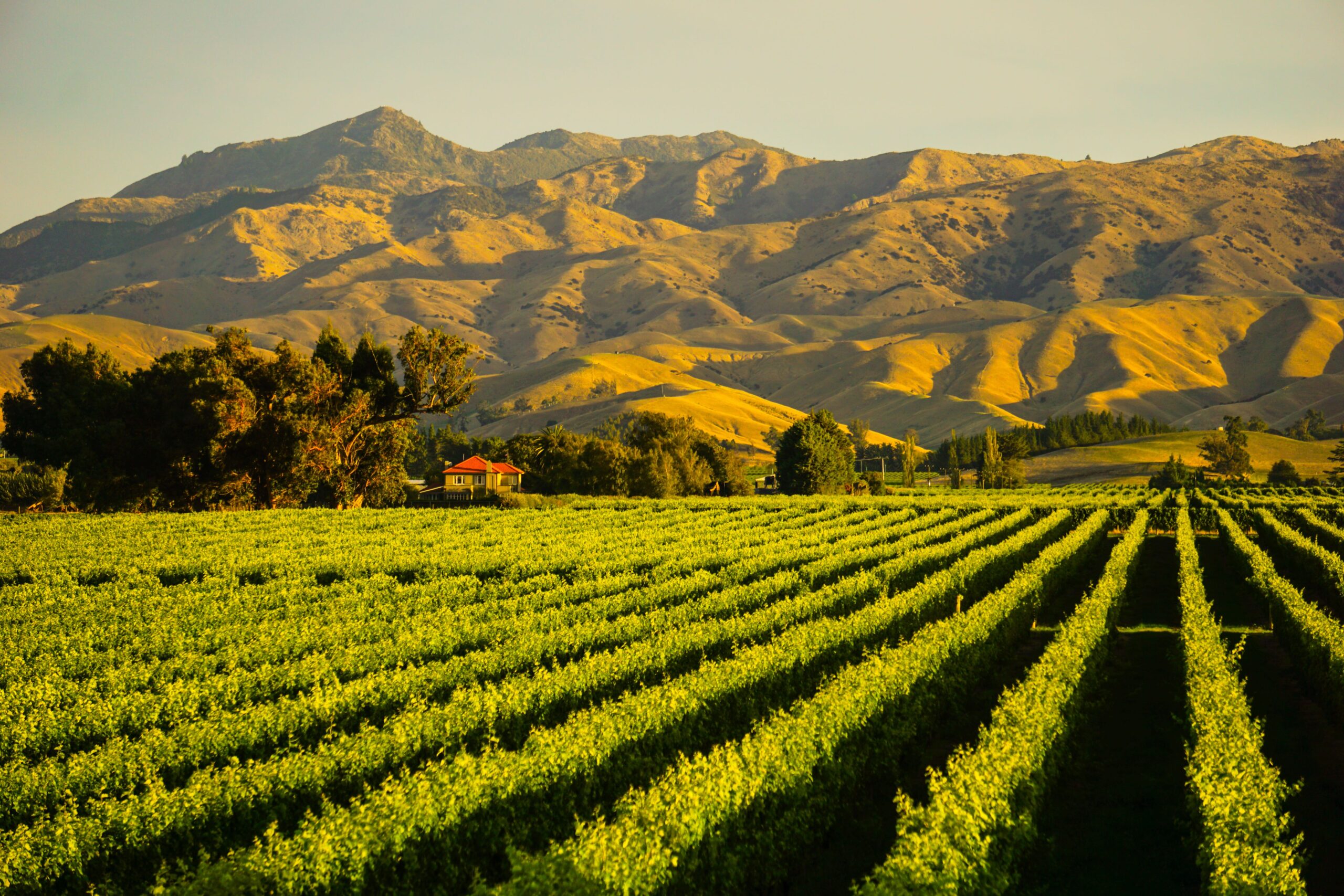
Fine days in early fall are ideal for beach trips, with the sea still warm enough for swimming and water sports. Early fall is also one of the best times for hiking the Great Walks without the crowds. As the season progresses, temperatures begin to drop, but generally stay in the 60s (15-20 Celsius), making it mild enough for campervan road trips. Fall colors paint the landscape, and there’s a good choice of relaxed foodie and cultural festivals to drop in on, as well as the option of wine and vineyard tours with the annual grape harvest in full swing.
Read more: Our ultimate guide to New Zealand
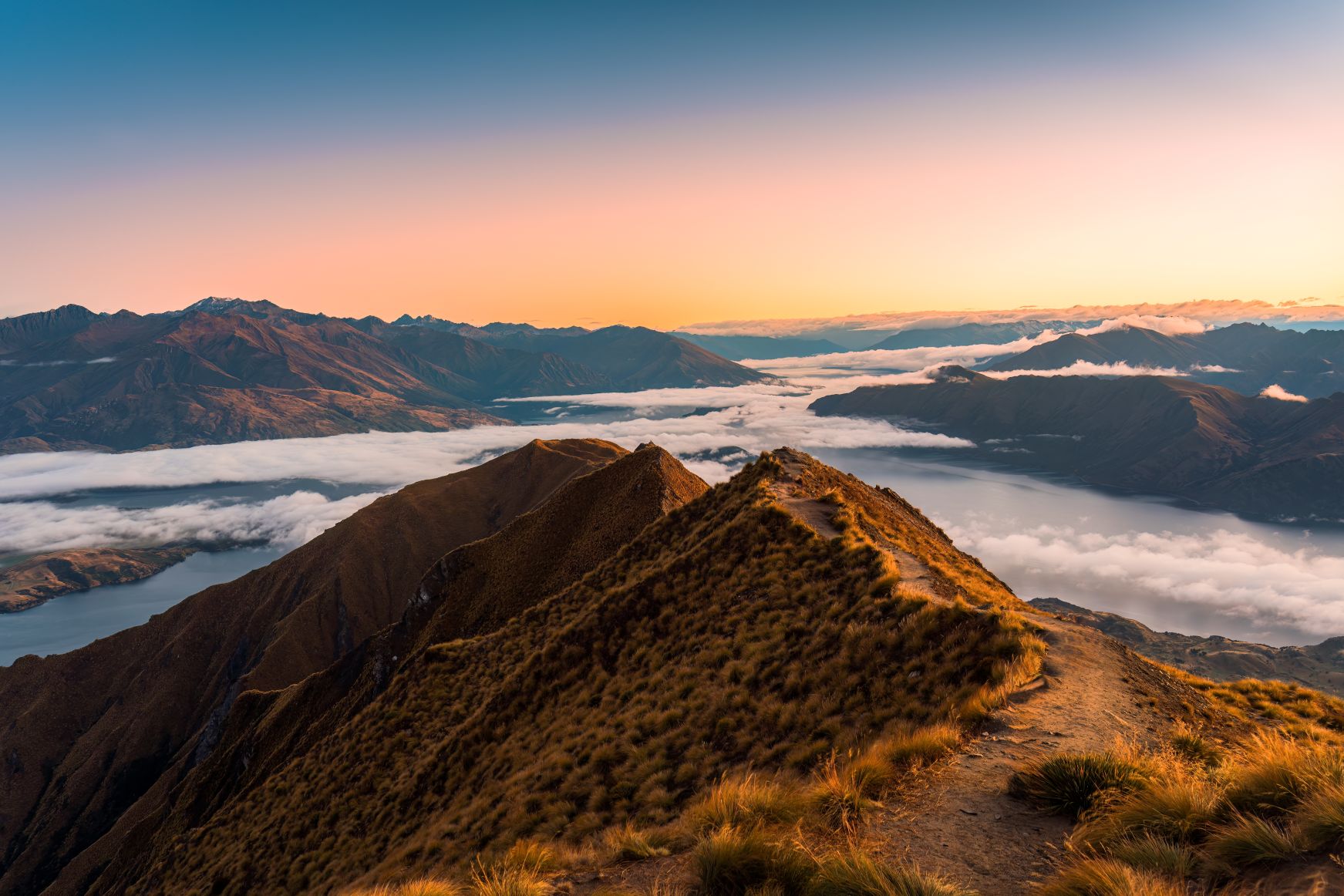
The coldest, but also the cheapest time to visit New Zealand, winter brings snow to the South Island and damper, cooler conditions on the North Island. This is the ideal time of year for combining snow sports with city breaks. Late winter can also be fantastic for whale watching coupled with boat trips along South Island’s fjords. If you’re in the mood for romance without the crowds, it’s also a lovely time for planning a honeymoon trip.
Winter temperatures are generally in the 50s (10-15 Celsius), so cool camper van trips might suit those who like to have the roads to themselves. However, be prepared for rain and wind and note that certain routes should be avoided. The majority of the Great Walks are out of bounds in winter, but experiencing the Southern Alps on skis is a great alternative. Pair this with foodie festivals and city breaks in Wellington and Auckland.
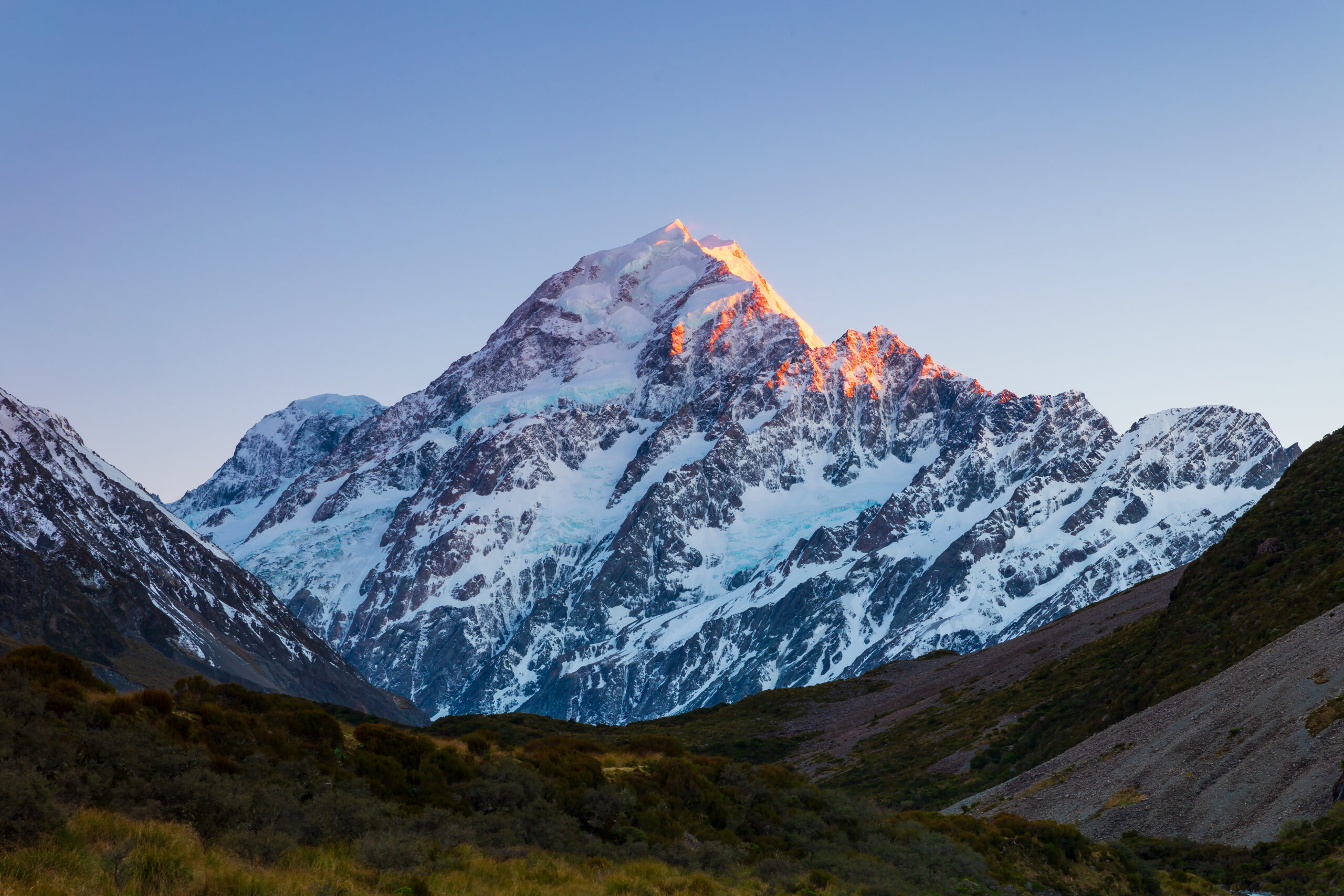
Spring heralds the reawakening of the landscape with wildflowers blooming and a mix of sunshine and showers. The snow sports season concludes in early October, and many of the Great Walks hiking trails open up from their winter closures towards the end of the month. Getting in early means that the trails will be quieter and there will be more space at trail huts along the way.
The season also sees a smattering of foodie festivals to plan a trip around, and it’s also relatively quiet on the roads for campervanning trips. The weather gets warmer and drier as the season progresses, especially on the North Island.
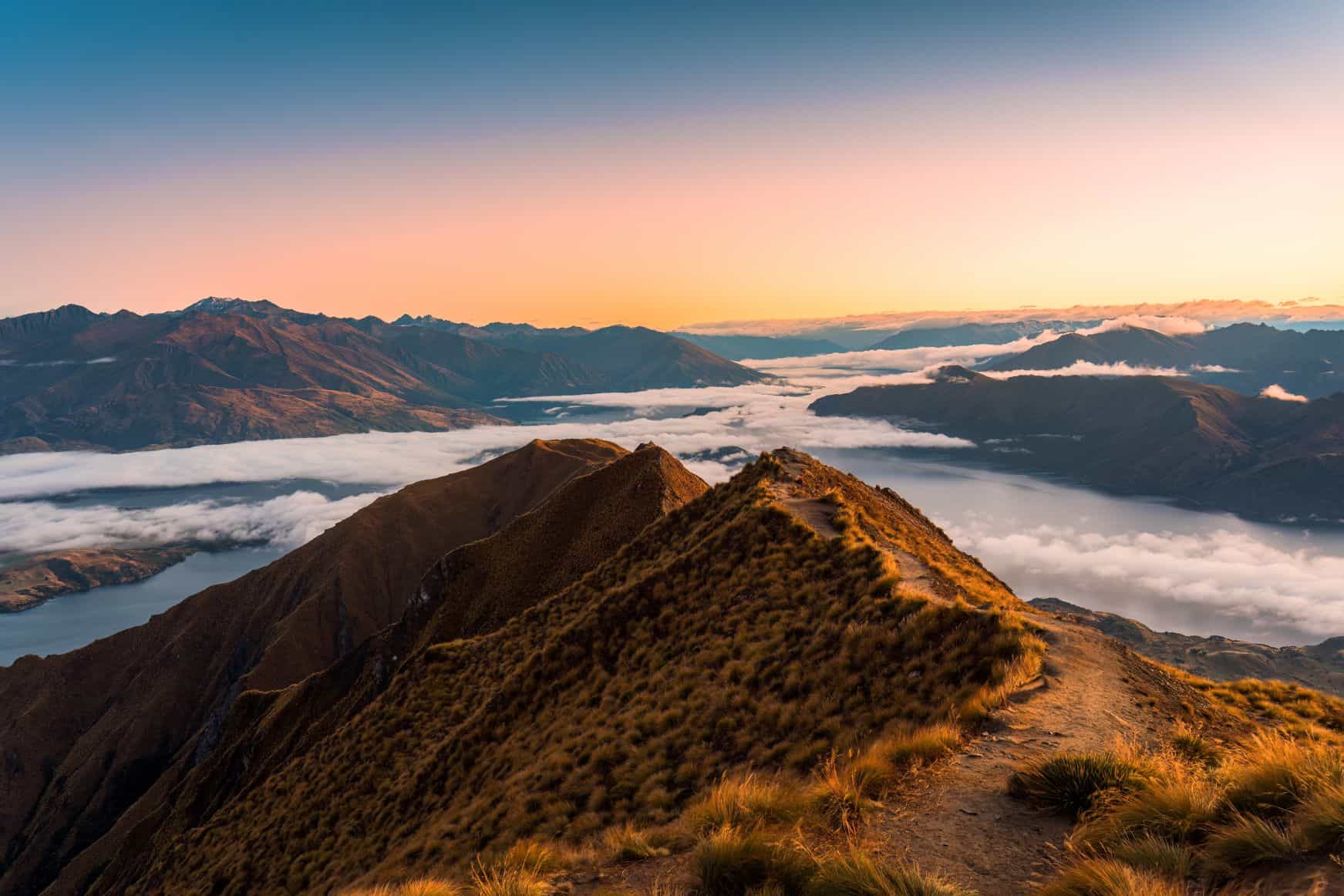
Read more: The most cinematic landscapes of New Zealand
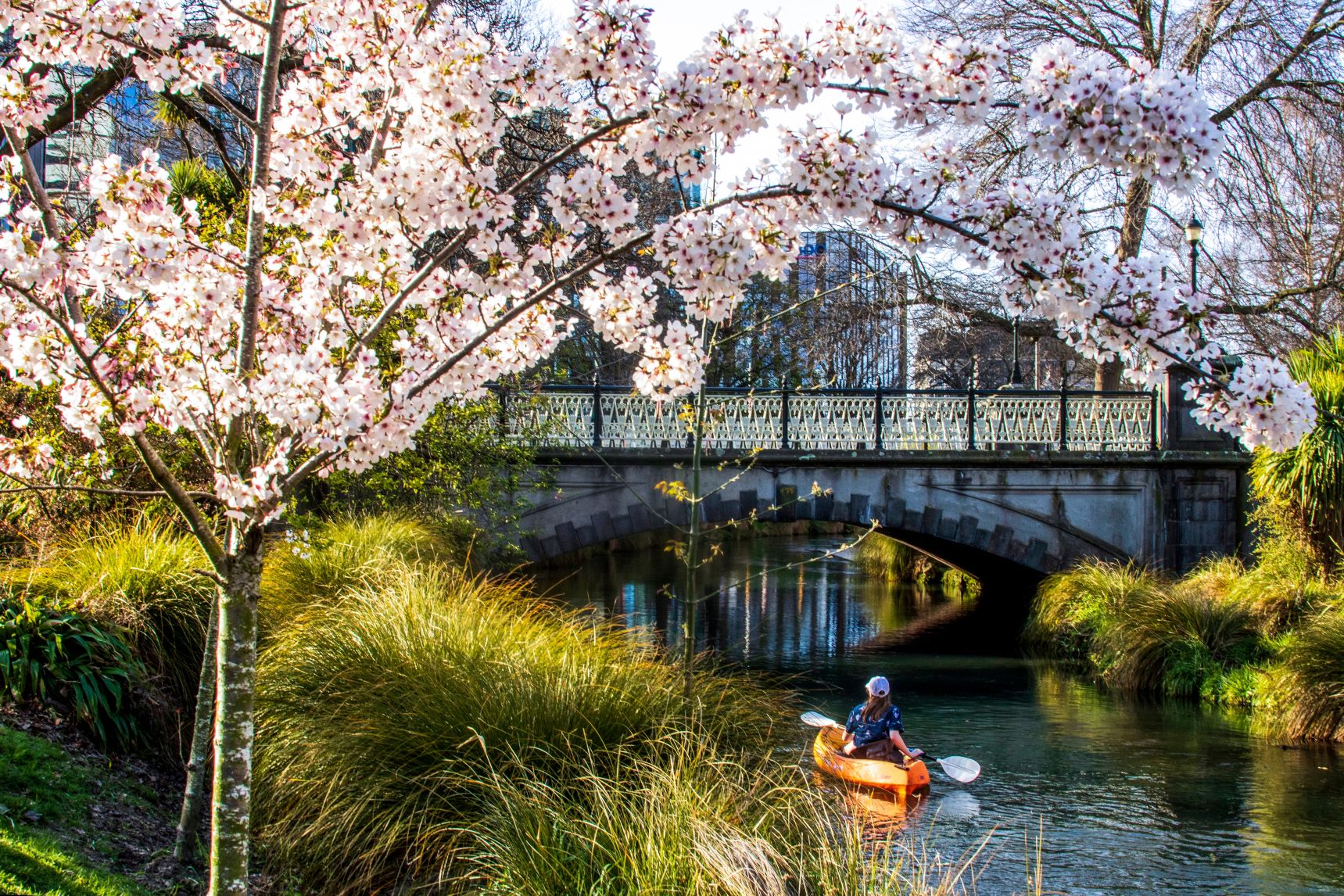
The Great Walks are multi-day hikes with well-marked trails leading deep into the wilds of New Zealand’s incredible landscapes. Accommodation along the way is generally basic with shared huts and communal spaces. For those who prefer comfort, there are a couple of routes with plusher accommodation options.
There are 11 Great Walks in New Zealand, with eight on the South Island and three on the North Island. For many travelers, their trip will be all about hiking one or more of these beauties. The best time to visit New Zealand for hiking is during the summer months, and a month or so either side (roughly late October to April). Note that you will need to book in advance, as visitor numbers on the trails and in accommodation along the way are limited. Some trails stay open year-round, but conditions are more challenging. For full information, visit the Department of Conservation website.
The highlight of wildlife-watching in New Zealand has to be its marine wildlife. Whales and dolphins visit the waters here in great numbers, with many species visible throughout the year. The landscapes of New Zealand are spectacular year-round, so rest assured that whatever time of year you choose, you’ll be in for a treat.
Except during Easter, when many Kiwi families will be traveling, the winter, fall and spring are quieter times to travel. This naturally corresponds with lower prices for accommodation, travel and vehicle rental.
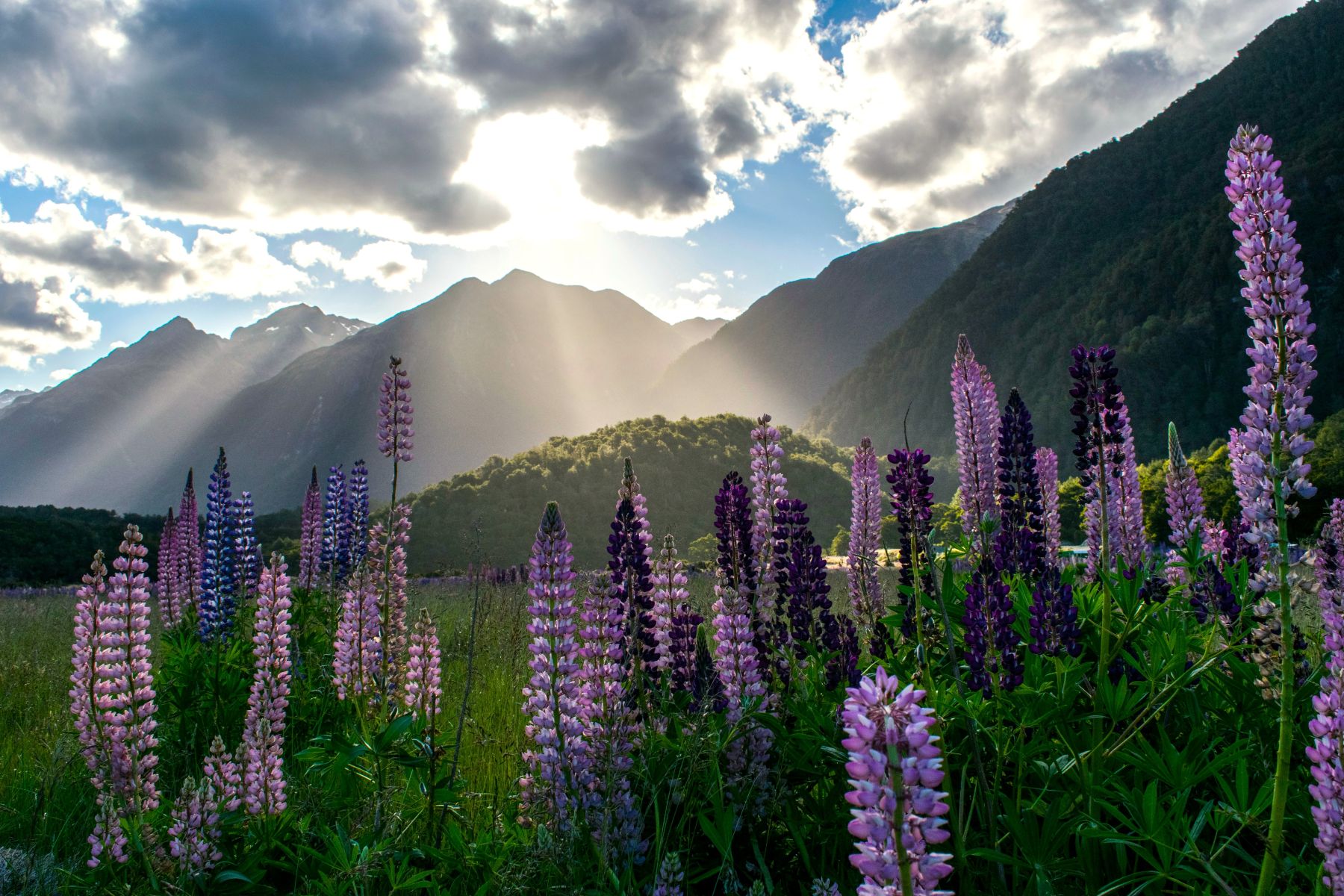
This depends on your preferred activities and experiences, but we love March into April for fall colors, warm ocean, quieter roads and hiking trails, and a pretty good chance of sunshine.
Low season travel corresponds with lower pricing on travel and accommodation, but comes with caveats, namely the weather.
There isn’t a distinct rainy season in New Zealand; however, the winter months do experience higher rainfall. The South Island, in particular the West Coast, tends to have higher rainfall than the North Island.
Yes, it’s worth visiting New Zealand in winter, but it’s not ideal for sightseeing. The weather is often wet and windy, and certain rural regions will be very quiet, with businesses closing up for the season. The beauty of New Zealand lies in its landscapes, and these are generally at their best under sunny skies.
Read more: Local expert Q&A: top tips for planning your New Zealand trip
Ready to begin planning your trip to New Zealand? Browse our trip ideas or reach out to our local experts straight away, for tailor-made trip planning and advice based entirely around your budget and interests.
Explore all featured destinations