
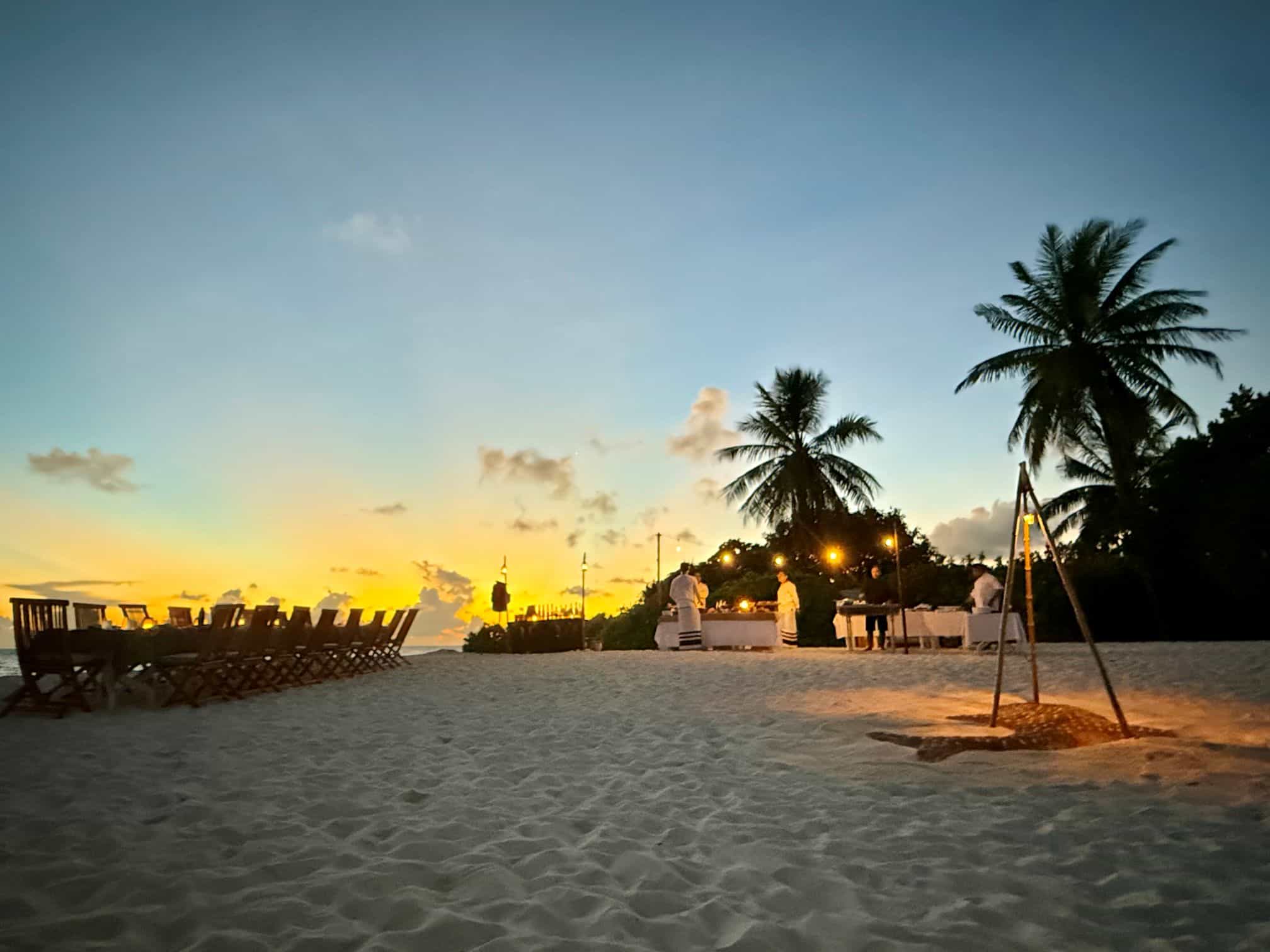
Tales from TravelLocal: our most unique culinary travel experiences
9 September 2026
First things first, where is the Iberian Peninsula? Encompassing Spain, Portugal, the autonomous region of Andorra and the British-owned island of Gibraltar, the Iberian Peninsula makes up much of southwestern Europe. Defined by sunny climes and sandy coast, historic wine regions and an exciting food culture, there are a serious number of places to go and things to do across the region. To get you started, here’s our take on some of the many Iberian Peninsula highlights.
Barcelona, the beautiful, is Spain’s most famous and adored city. Packed with incredible culture, architecture, city beaches, nightlife and a fabulous food scene, this is one unmissable city. However, the charms of Barcelona are no secret, and the city receives millions of visitors each year. Everyone should visit at least once in their lifetime, so if you haven’t been yet, consider a low-season soiree for fewer crowds.
Spain’s capital city functions at a faster pace than beachside Barcelona. Located inland, Madrid is bigger, hotter and more serious, a powerhouse of business and culture, and home to both the Royal Family and Parliament. The contemporary art scene here is thriving, and the nightlife is legendary. Madrid has real big-city vibes and an infectious urban spirit.

On the west coast of the Iberian Peninsula, Portugal’s capital city, Lisbon, is full of charm. The lay of the land here is hilly and sun-kissed, with vintage yellow trams creaking their way from port to hilltops along narrow cobbled streets. Shady lanes, street markets and outdoor cafes invite visitors to take their time, and the wide Atlantic Ocean is within easy reach.
North along the coast, Porto is Portugal’s second city. Atmospheric and attractively age-worn, the UNESCO-listed port area is a tangle of cobbled streets, handsome merchant houses, and traditional blue-tiled buildings (the tiles are known as azulejos). The wider region is famed for its wine culture, specializing in full-bodied reds and, of course, Port.
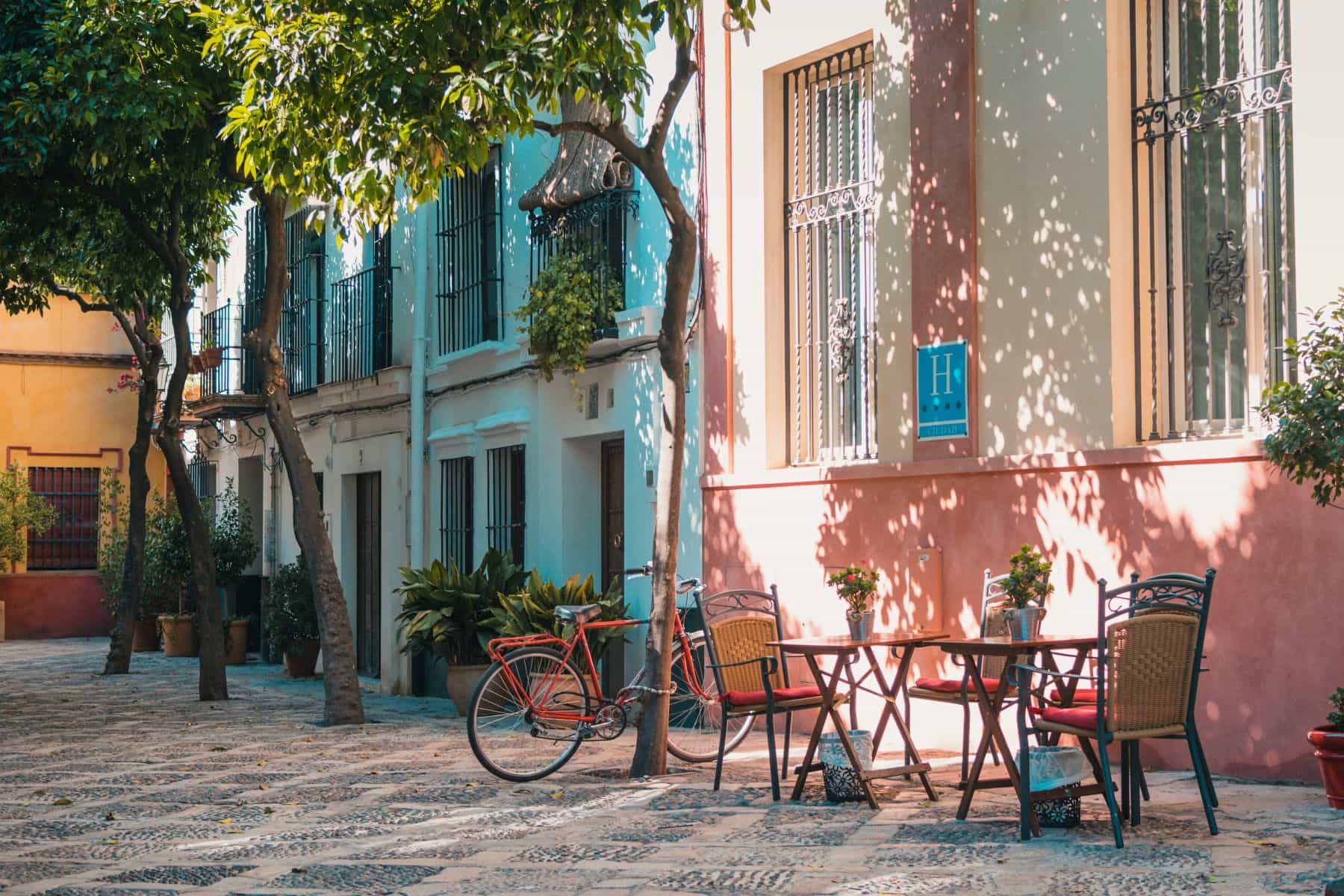
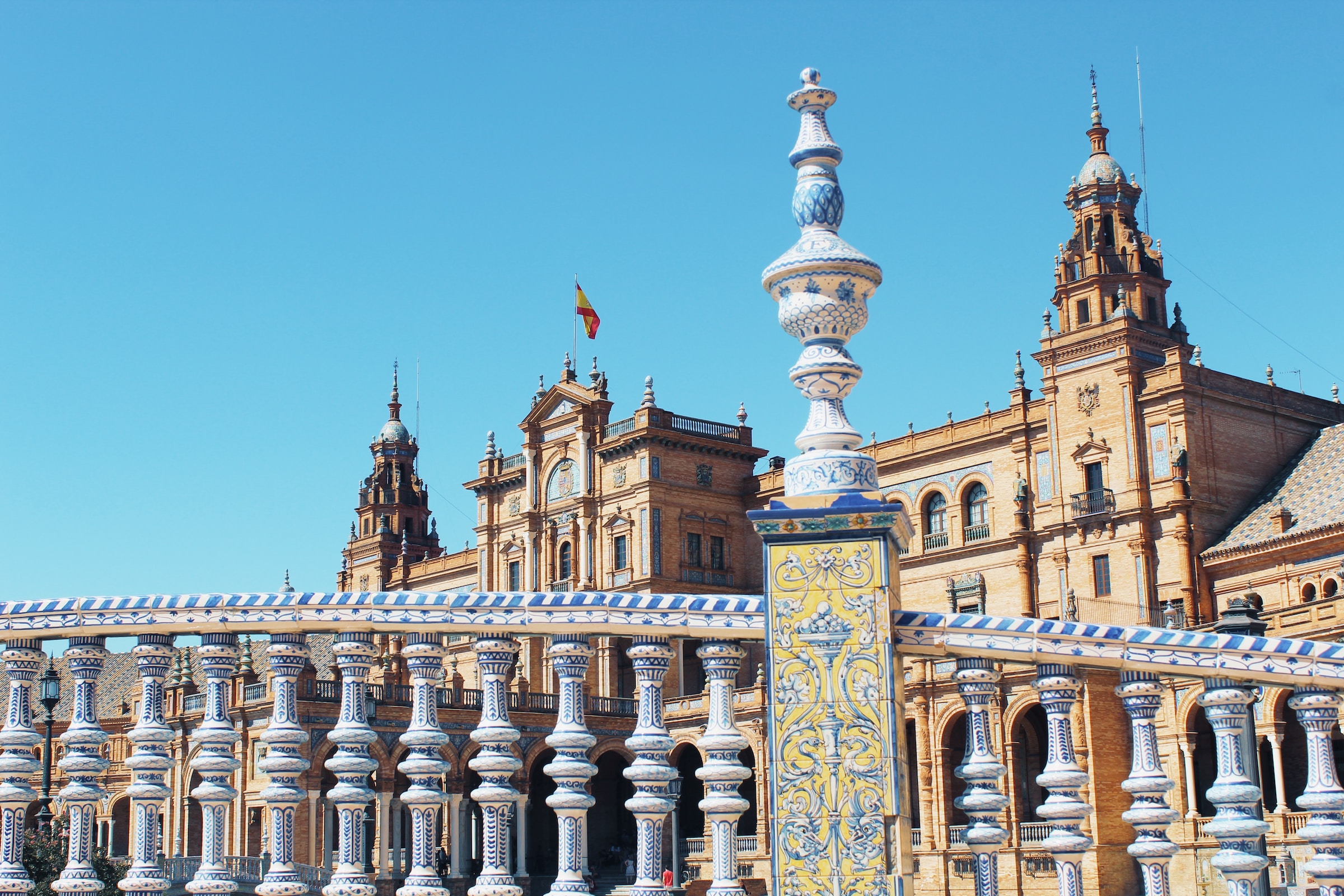
The southern Spanish region of Andalucía feels like the heart and soul of traditional Spain, and Seville and Granada are two of its most romantic cities. High in the mountains, Granada’s fairy-tale Alhambra Palace is the region’s crowning jewel of Moorish architecture. Down in the southern plains, Seville seduces visitors with the fiery flourishes of flamenco in its narrow medieval streets and late-night bars.
Read more: A beginner’s guide to Portugal
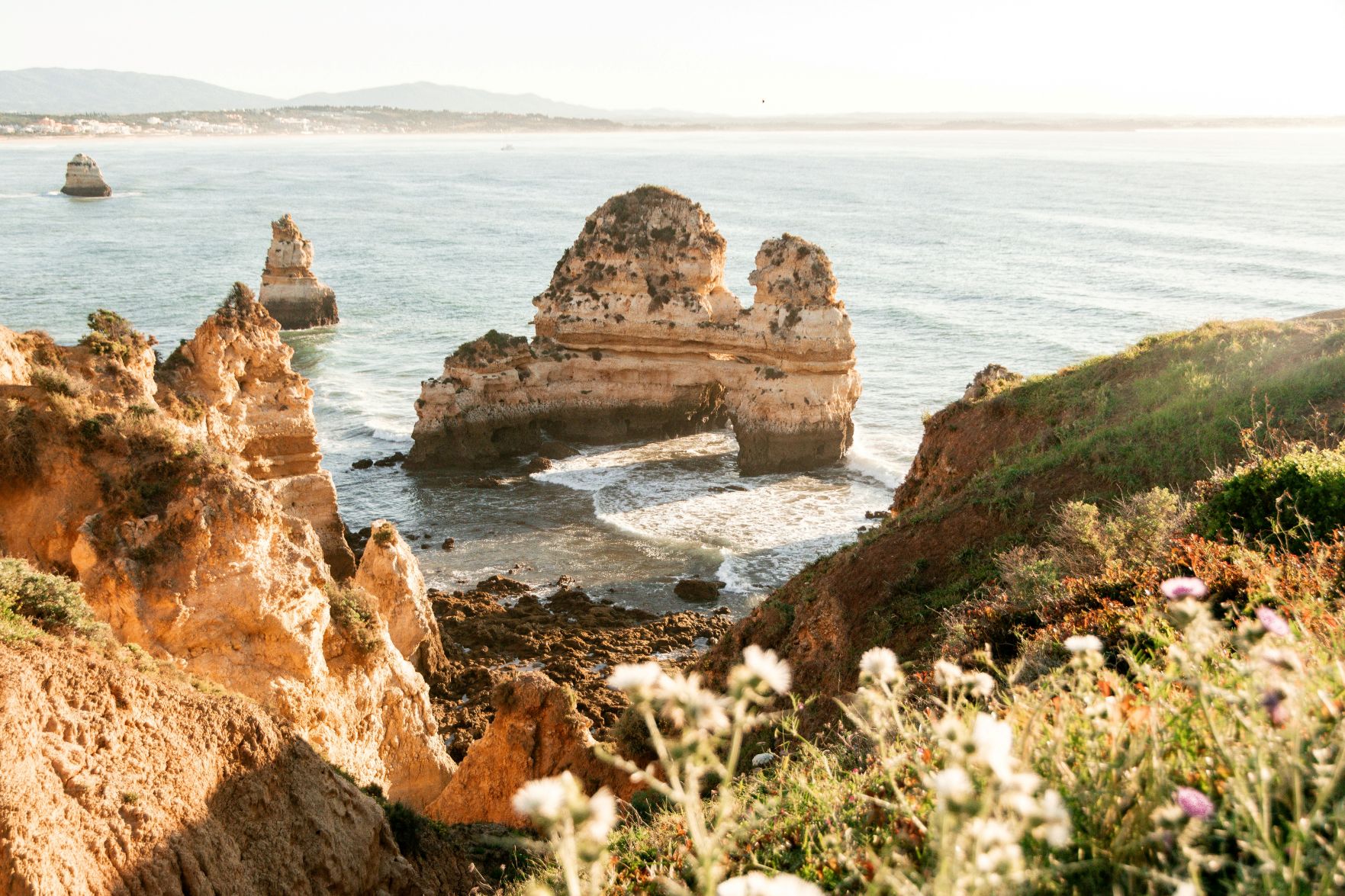
The sun-soaked Iberian Peninsula is blessed with kilometers of sparkling coastline, and there are many highlights. On the Atlantic side of the Iberian Peninsula, Portugal’s Algarve region stretches along the southern portion of the country. Whitewashed villages gather around golden beaches and sandy coves. Cool Atlantic waters are refreshingly bracing and ideal for surfing in winter. Further up, the coastline gets wilder and more dramatic, with big wave surfing at Nazaré.
Spain’s northern coastline is also dramatic, with high cliffs, wide sandy beaches, and cool waters filled with marine life. The eastern coast of the Iberian Peninsula is calmer, warmer and less dramatic. It is just as inviting, though, with the bonus of balmy Mediterranean waters lapping its sandy shores. Here, mellow fishing villages dot the rugged coast of the Costa Brava, continuing down to the Costa Blanca and the aptly-named Costa del Sol in the south.
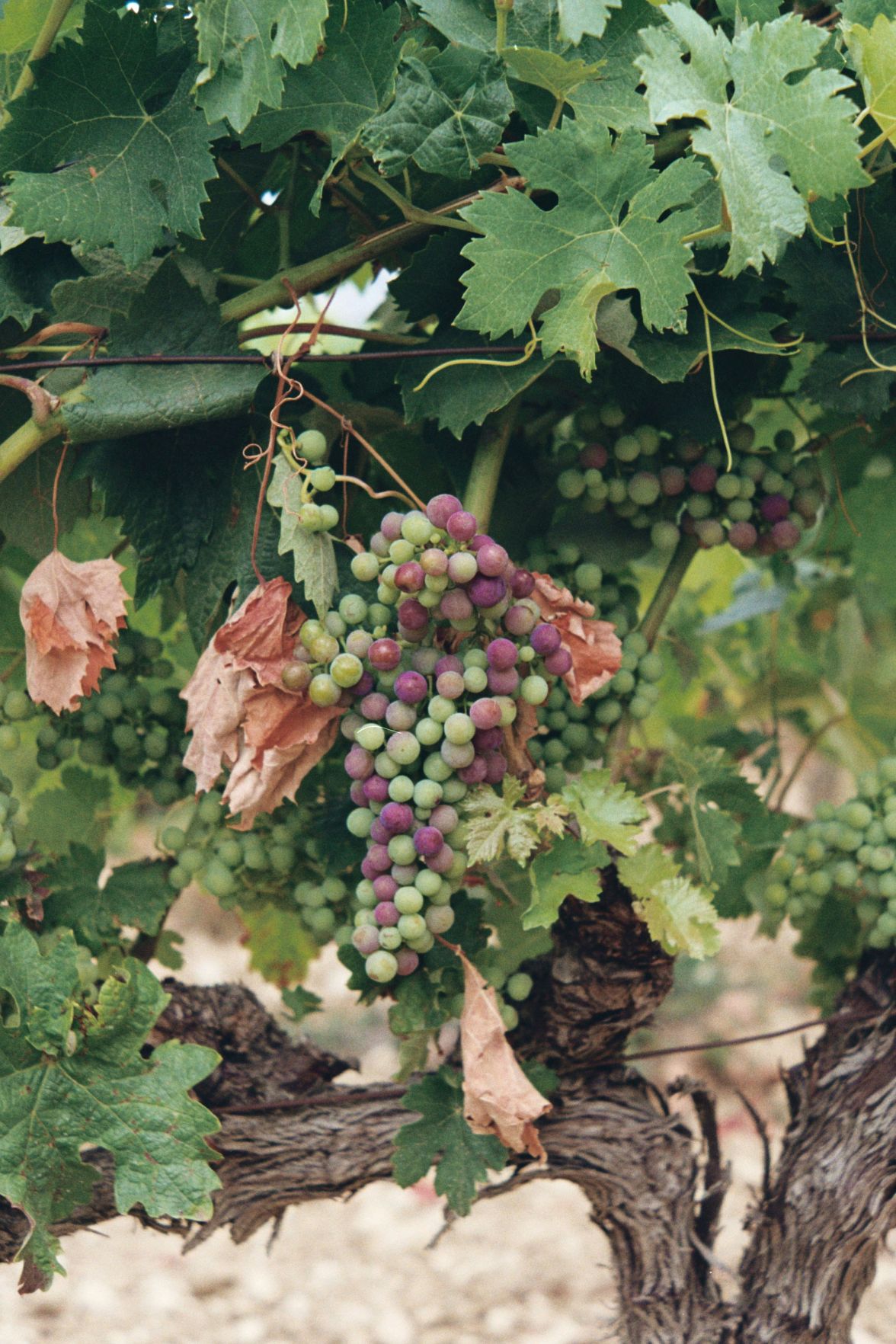
Northern Spain feels very different to the south, with its own distinct character and cultures. Everyone will have heard of Rioja, Spain’s most famous wine export, but far fewer people will have visited this inland region. With mellow, pastoral landscapes and quiet historic villages, it’s ideal for a laid-back, wine-soaked break. Passing nearby, the famous Camino de Santiago pilgrimage route draws worldwide visitors who follow time-worn paths to the cathedral at Santiago de Compostela in the far west.
The north coast Basque Country is an autonomous region with its own language and food culture. The cities of Bilbao and San Sebastián are the perfect places to delve into the pintxo bar scene, the north’s answer to tapas, as well as a constellation of Michelin star restaurants. The coastline here is dramatic, the climate cooler, and inland, mountain peaks and castles create evocative scenes for hiking, biking, and driving tours.
Those who can tear themselves away from the beaches of the southern Iberian coast will find an interior of rugged mountains and pretty whitewashed villages (known as pueblos blancos). Way up in the Sierra Nevada above the Costa del Sol, it’s even possible to ski for much of the year.
Read more: Unmissable experiences to try in Spain
Portugal’s two main cities, Porto and Lisbon, have plenty to keep visitors busy in town. However, there are some unmissable day trips to enjoy nearby. From Lisbon, a short coastward hop takes you to the UNESCO-protected palace complex at Sintra. Here, romantic 19th-century royal palaces and pastel-hued villas peep out of richly wooded terrain, boasting sweeping views from their cliff-top perches.

From Porto, head upstream along the river into the magical UNESCO-listed Douro Valley. This has been the seat of wine production in the region for centuries and is up there among the world’s oldest regions for viniculture. The steep-sided valley walls are etched with curving terraced vineyards, and there are plenty of places to moor up for wine tasting, dining, spas, and country strolls.
So far, we’ve covered many of the more well-known Iberian Peninsula highlights, but there are dozens more destinations to discover. These more offbeat places are ideal if you’re visiting the region during the high season, but prefer a quieter and more authentic vibe.
In Spain, the coastal town of Cadaqués makes a wonderful alternative to Barcelona. It’s arty (the Dali House Museum is here), attractive and surrounded by gorgeous coastline that’s perfect for hiking and swimming. For a deep dive into historic architecture, Portugal’s inland city of Évora is a treat. With its medieval streets, Gothic cathedral, Roman temple and a Megalithic stone circle, the layers of history here are astounding.
Beyond the cities, towns, and coastline of the Iberian Peninsula, there’s more to explore in the region’s many natural parks. Portugal’s quiet Montesinho Natural Park in the far north offers a chance to get away from it all, with a network of trails leading through pristine landscapes and remote villages.
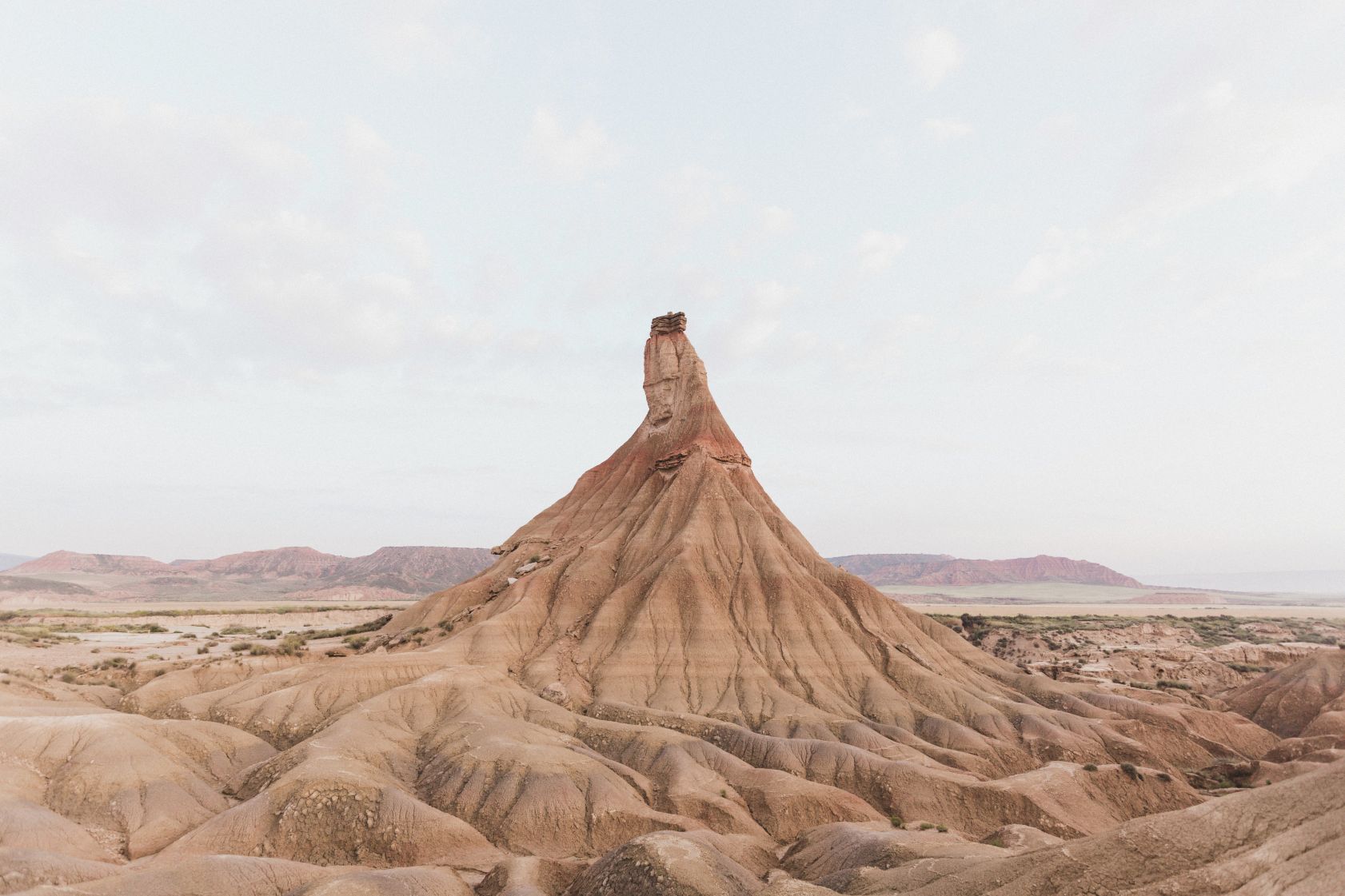
Over in Spain, the otherworldly Bardenas Reales is a striking semi-desert region where wind-sculpted rock formations have served as a backdrop for many a spaghetti Western.
Read more: Our local experts’ guide to Spain: a gem of the Iberian Peninsula
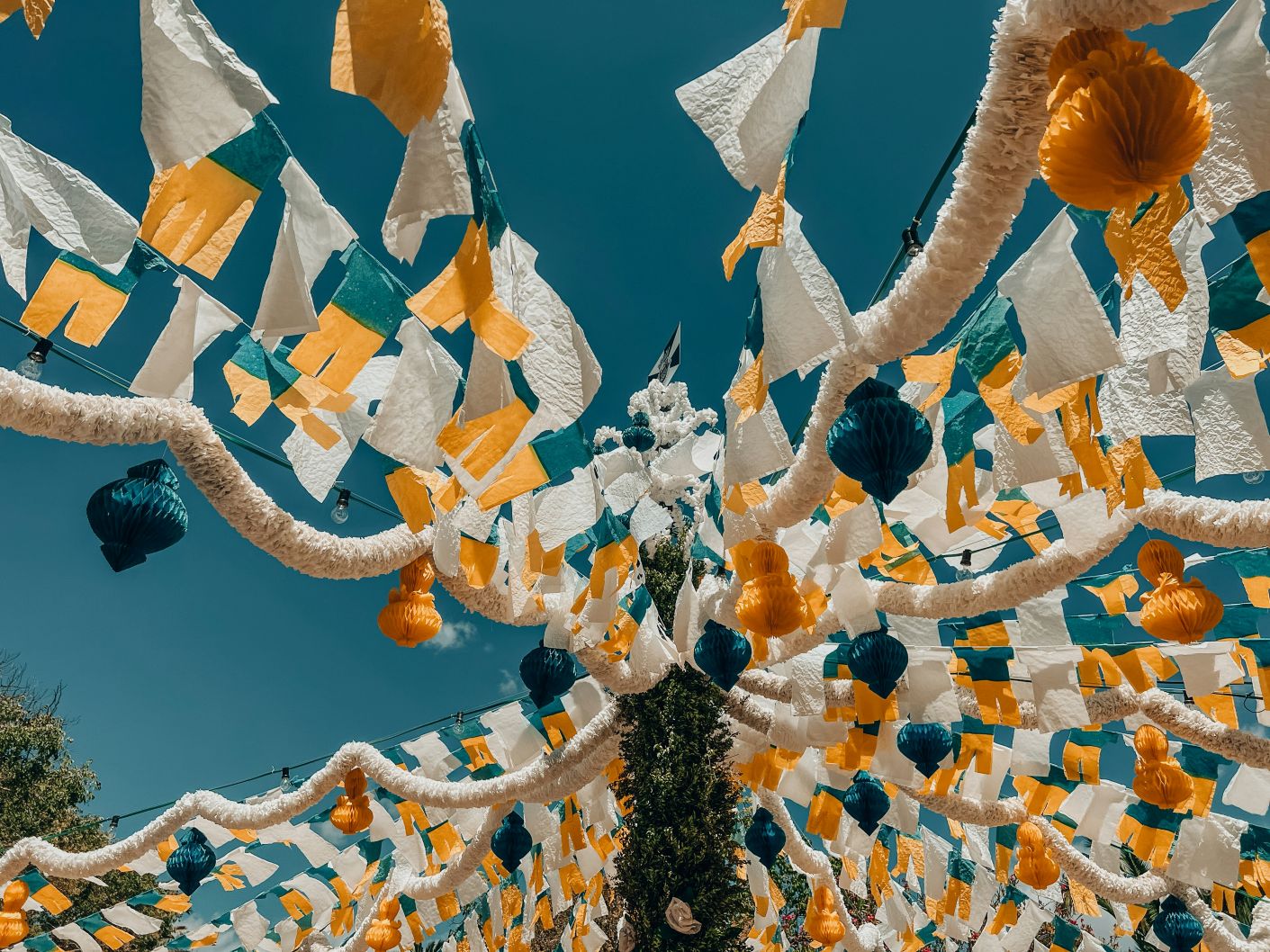
It’s always fun to arrange your travels around unique cultural events and festivals, and you’re spoilt for choice in the Iberian Peninsula. Here are a handful of our favorites:
Read more: A summer of fiestas: the best cultural celebrations in Spain
Journey to the Iberian Peninsula for sun-soaked discoveries that will stay with you for a lifetime: reach out to our passionate local experts in Portugal and Spain, who can help you tailor-make an itinerary to one or several countries on the peninsula, based entirely around your budget and requirements.
Join our mailing list for travel inspiration, trip recommendations, and insights from our local experts.