
Crafting lifelong memories: meet our local experts in Argentina
October 19, 2026
Across its mainland and sun-drenched islands, Spain is a fun-loving destination with enough Mediterranean marvels to please even the most seasoned traveler. From tapas bar-hops punctuated with flamenco shows to taking steps back in time along the historic pilgrimage route, the diversity of experiences to be had here is almost overwhelming. For advice on where to start, we caught up with local experts Ana and Patricia, who offered their ultimate Spain travel tips and insider recommendations — showcasing that though it may be the original home of the siesta, there are many reasons not to sleep on Spain.
We are Ana and Patricia, co-founders of a boutique destination management company specializing in tailor-made travel throughout Spain and Portugal.
Although we both come from different professional backgrounds, we share a deep curiosity about our countries and a genuine passion for discovering the people, traditions and stories that make each destination unique.
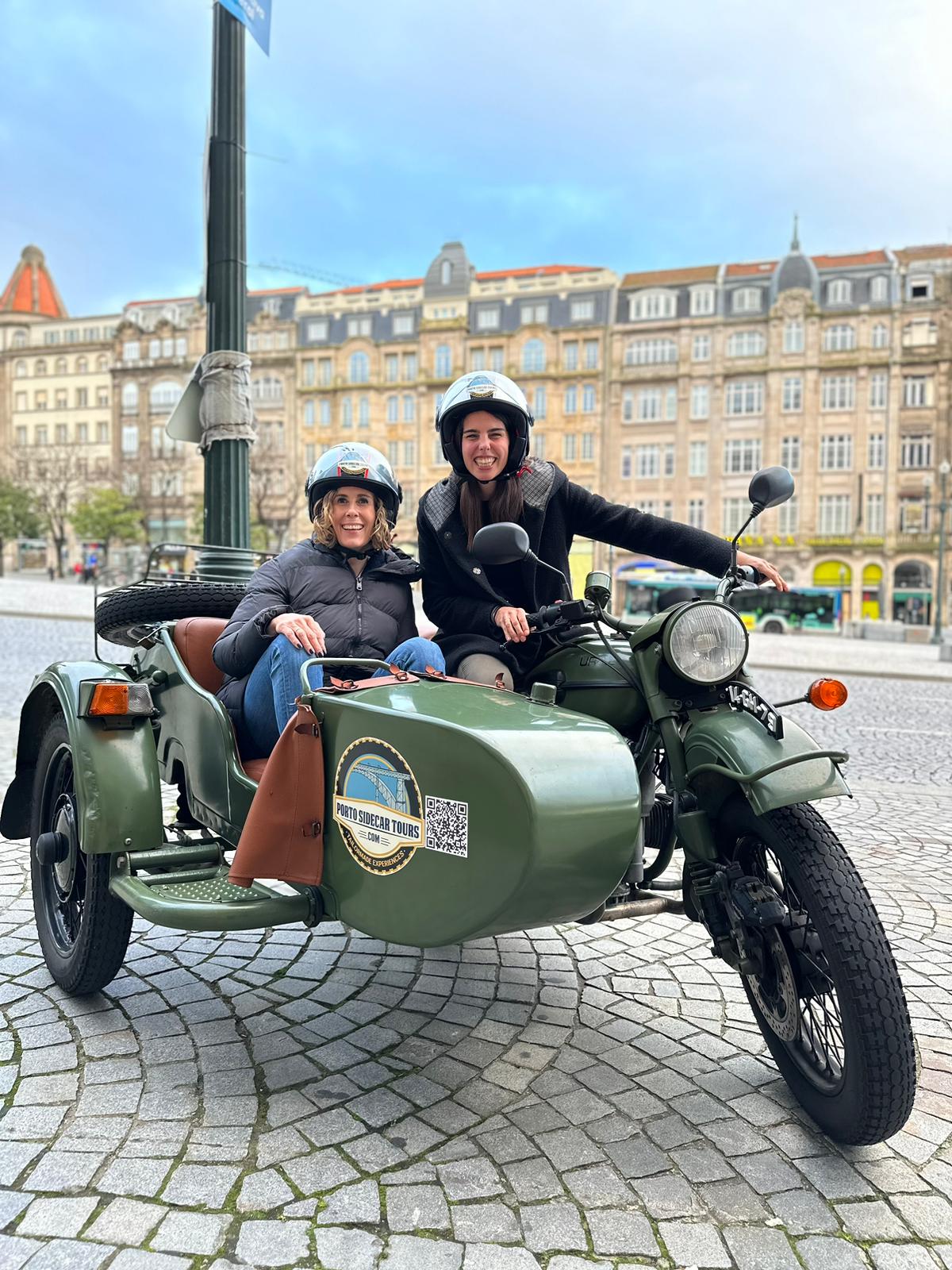
The trips we most enjoy planning are those that feel deeply personal. We love combining iconic places with lesser-known regions, intimate cultural encounters, memorable food and wine experiences, and time to simply absorb the atmosphere of a destination. Whether we are designing a family adventure, a honeymoon, an active journey or a gastronomic escape, our aim is always to create something that could not have been taken from a standard itinerary.
Choosing only three is difficult, but these would be among our recommendations:
Read more: A beginner’s guide to Spain
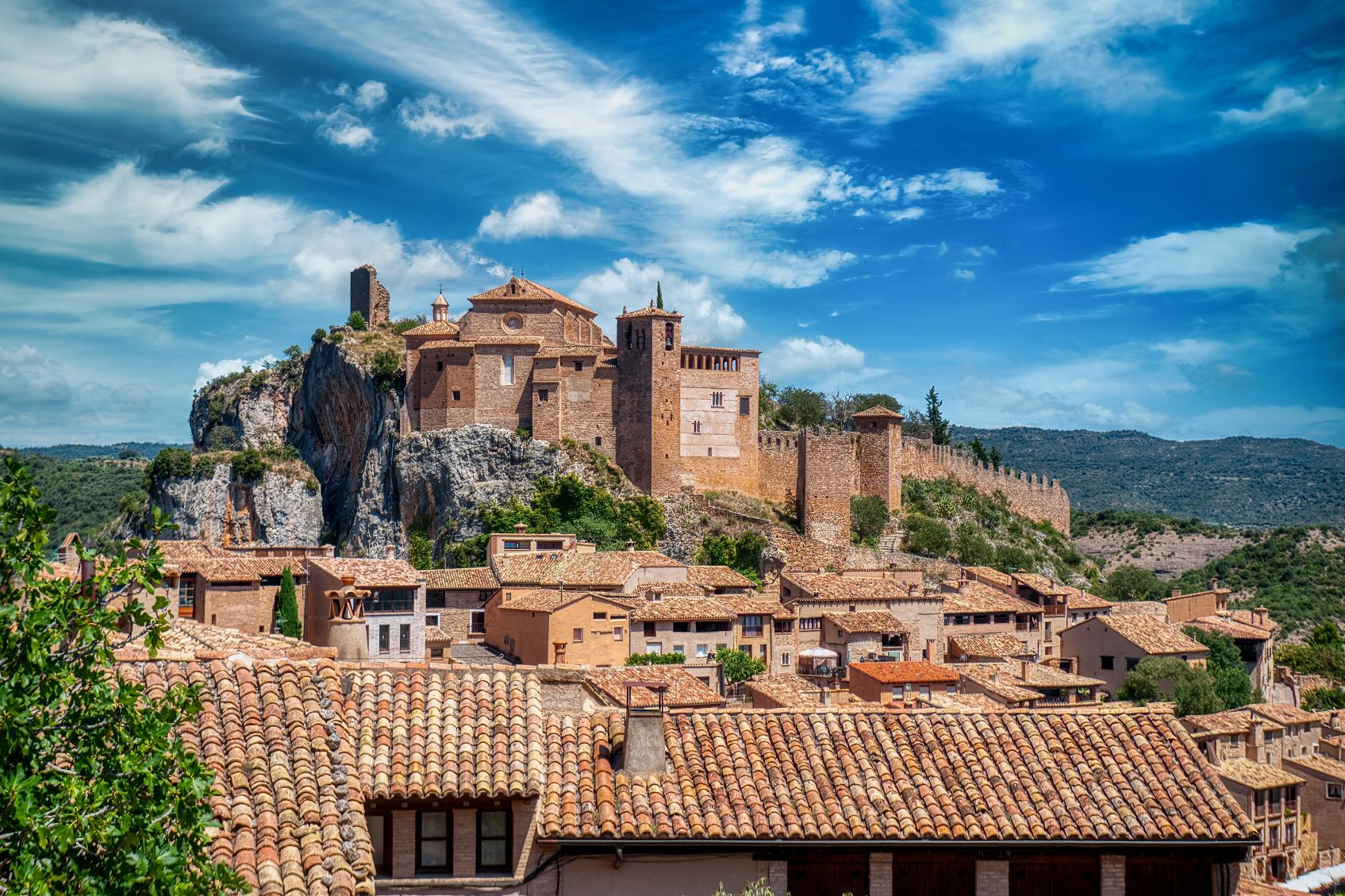
We feel especially connected to Aragón and Catalonia, as these are the places we call home and know most intimately.
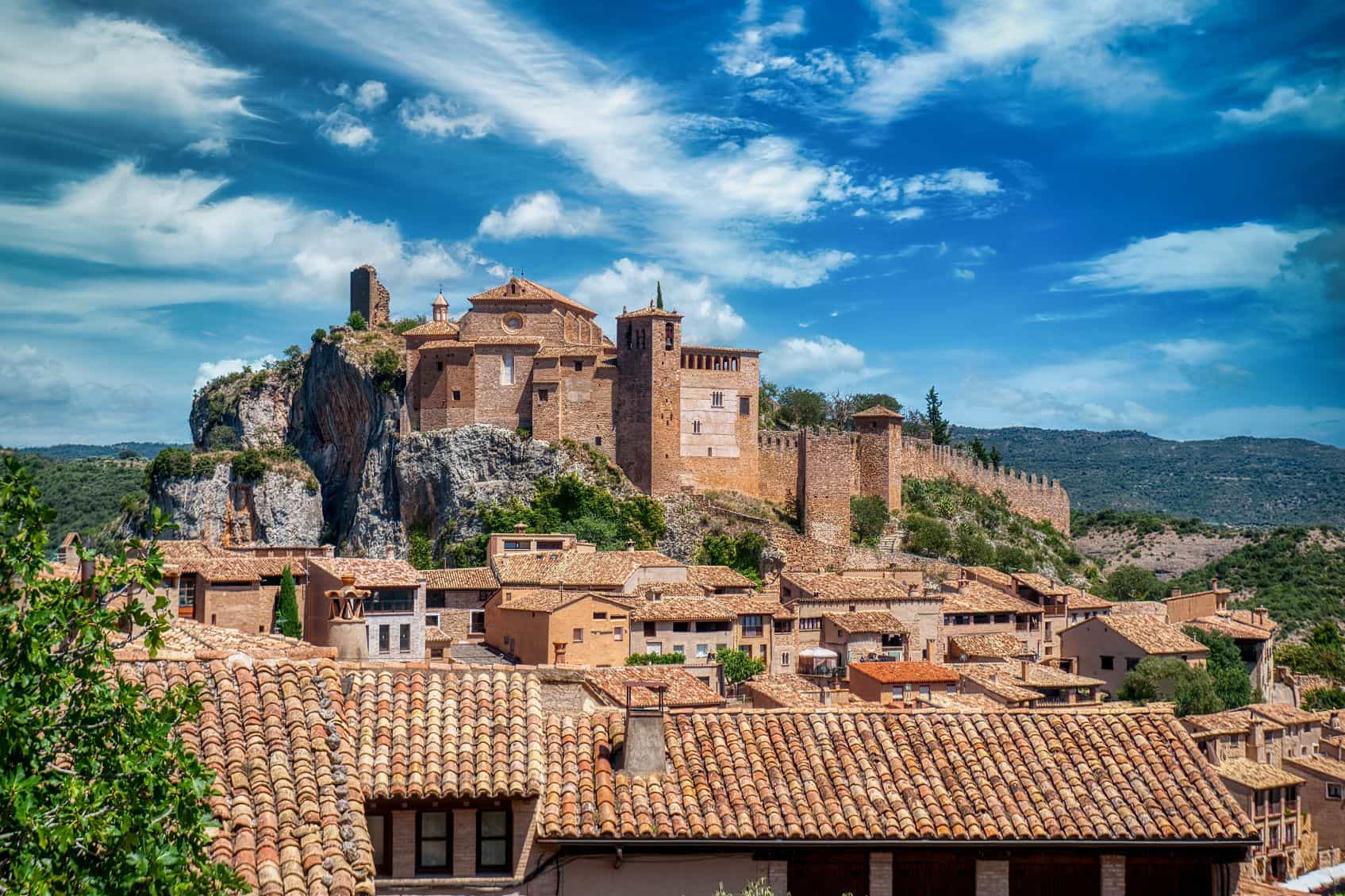
Aragón has a quiet, understated beauty. It is a land of contrasts, from the peaks of the Pyrenees to the vineyards of Somontano and the almost otherworldly landscapes of the Monegros desert. What makes it particularly special to us is its authenticity. Traditions remain part of everyday life, hospitality is sincere, and many remarkable places still feel wonderfully untouched.
Barcelona and Catalonia have a very different energy. We love the creativity, Mediterranean lifestyle and extraordinary mixture of architecture, food, culture, and landscapes. Within a relatively small area, you can experience Barcelona, the Costa Brava, medieval villages, vineyards, and the Catalan Pyrenees.
We also feel a strong emotional connection to the Basque Country and Andalusia. They are completely different from one another, but both possess an incredibly strong identity, a rich culture, and a wonderful sense of place.

The experiences we remember most are usually those that allow us to connect with local people.
One of our favorites is visiting a market with a local host before cooking and sharing lunch inside a private gastronomic society in the Basque Country. These societies are traditionally accessible by invitation, so the experience offers a genuine glimpse into a very important part of local life.
We also love walking through vineyards with the winemaker, visiting a family-run olive oil mill during the harvest, learning traditional recipes in someone’s home, joining artisans in their workshops, or exploring a city with a guide who can share personal stories rather than simply dates and monuments.
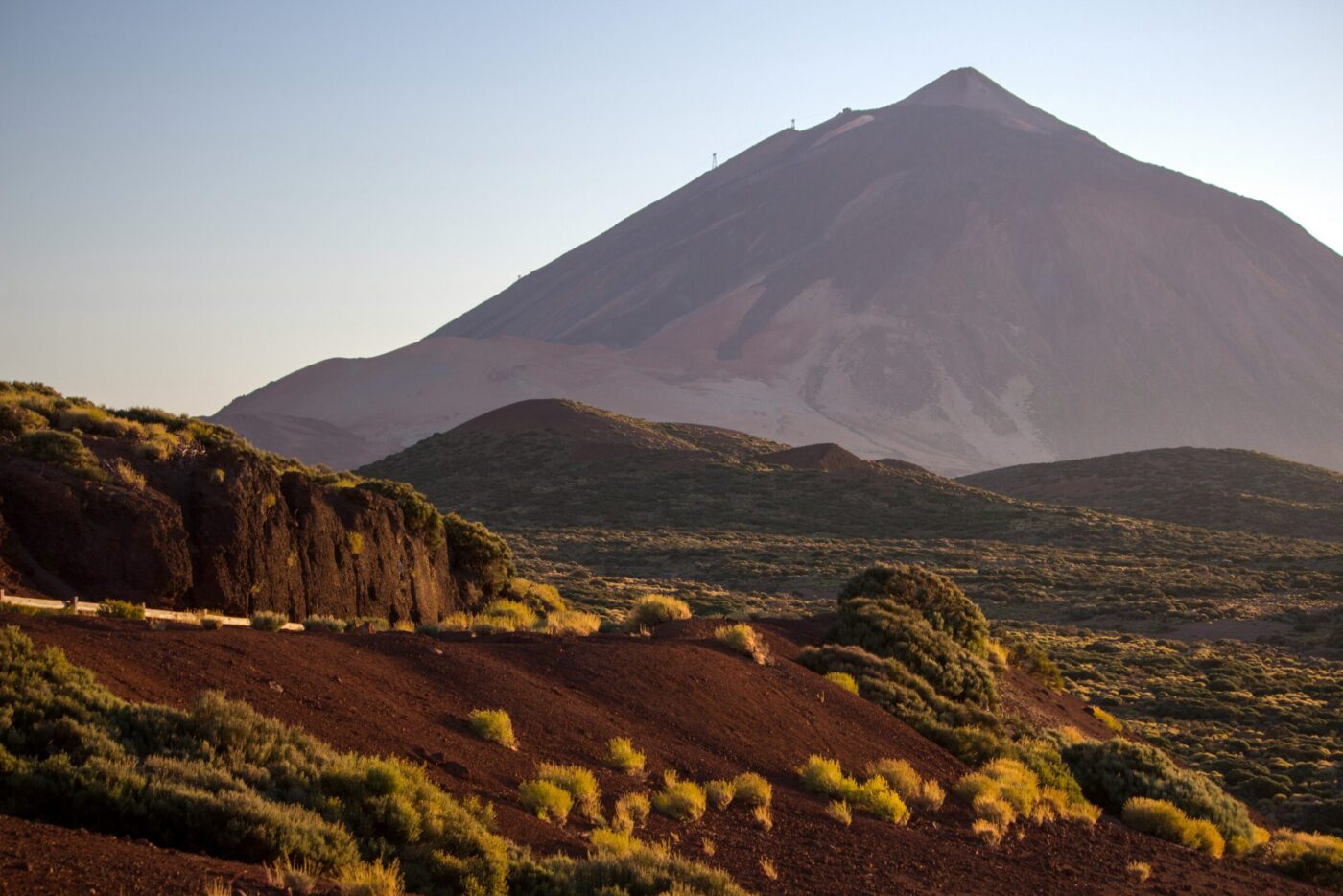
For travelers who enjoy nature, Spain is also fantastic for hiking, cycling, canyoning, sailing and stargazing. Spending the evening beneath the stars in Tenerife’s Teide National Park, for example, is a magical experience.
Read more: Unmissable experiences to try in Spain
Late October and November are particularly underrated. In many parts of Spain, the weather can still be pleasantly mild, while the atmosphere is much quieter than during the summer.
It is also a wonderful season for food and wine. Travelers can experience the olive harvest, autumn produce, mushroom foraging, and the final stages of the grape harvest in some regions. The changing colors are beautiful in northern Spain and the Pyrenees, while Andalusia and the Mediterranean coast are often still warm enough for outdoor exploration.
Early spring is another lovely option, especially when the countryside is green, wildflowers begin to bloom and the main destinations have not yet become busy.
Passionate. Diverse. Full of life.
Spain is often spoken about as if it were one single culture, but it is really a collection of remarkably different landscapes, languages, traditions and identities. That diversity is one of the things that makes it endlessly fascinating.
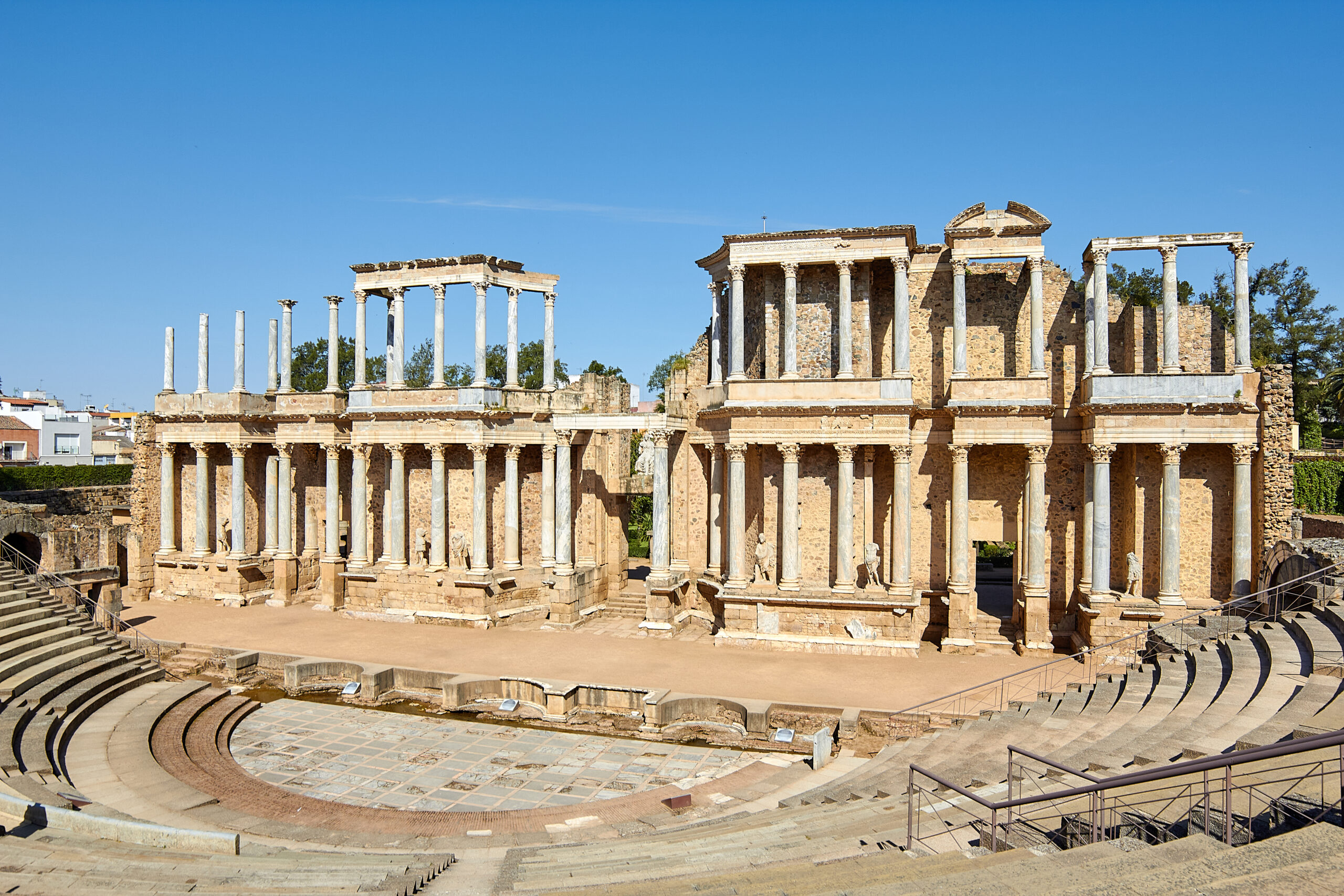
Many visitors are surprised by how geographically diverse and green Spain can be. Beyond the familiar images of Mediterranean beaches and sunlit cities, the country has high mountain ranges, lush Atlantic forests, volcanic landscapes, dramatic river canyons, and even desert environments.
People are also often surprised to discover how much local identity can change within a relatively short distance. Food, architecture, language, traditions, and even the rhythm of daily life can feel completely different from one region to the next. Spain is not one destination, but many worlds within one country.
What we love most is that the two countries complement each other beautifully. They share centuries of intertwined history and a love of food, family and hospitality, but each has its own distinctive character and rhythm.
Spain often feels vibrant, expressive and full of contrasts, while Portugal can feel softer, more nostalgic and wonderfully unhurried. Traveling through both allows visitors to appreciate their similarities while discovering just how different they truly are.
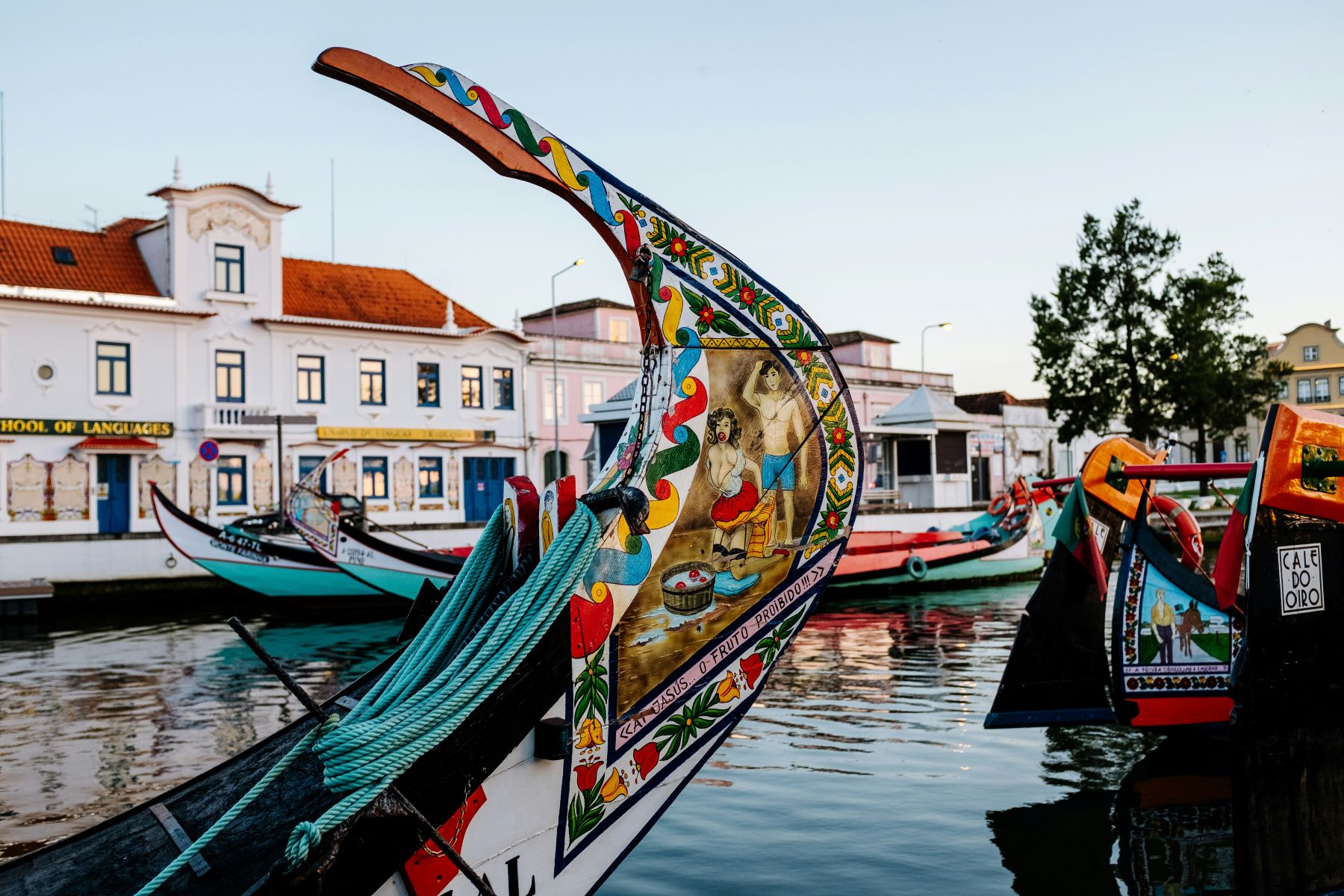
There is no single perfect itinerary, as it should always reflect the traveler, but we particularly love journeys that follow a natural geographical flow. One example would be Madrid, Salamanca, the Douro Valley, Porto and Lisbon. Another beautiful combination could connect Seville with the Alentejo and Lisbon.
Rather than trying to cover both countries too quickly, we recommend choosing a few places and experiencing them well, including smaller towns, countryside, and meaningful encounters along the way.
Read more: Eat your way through Portugal
The most important advice is not to underestimate distances or try to include too much. Spain and Portugal may look relatively compact on a map, but together they offer an enormous variety of regions and experiences.
Travelers should choose destinations that connect naturally rather than build an itinerary around a checklist of famous cities. Trains work very well along certain routes within each country, but cross-border rail connections remain limited. Depending on the itinerary, a private transfer, short flight, or rental car may be more practical.
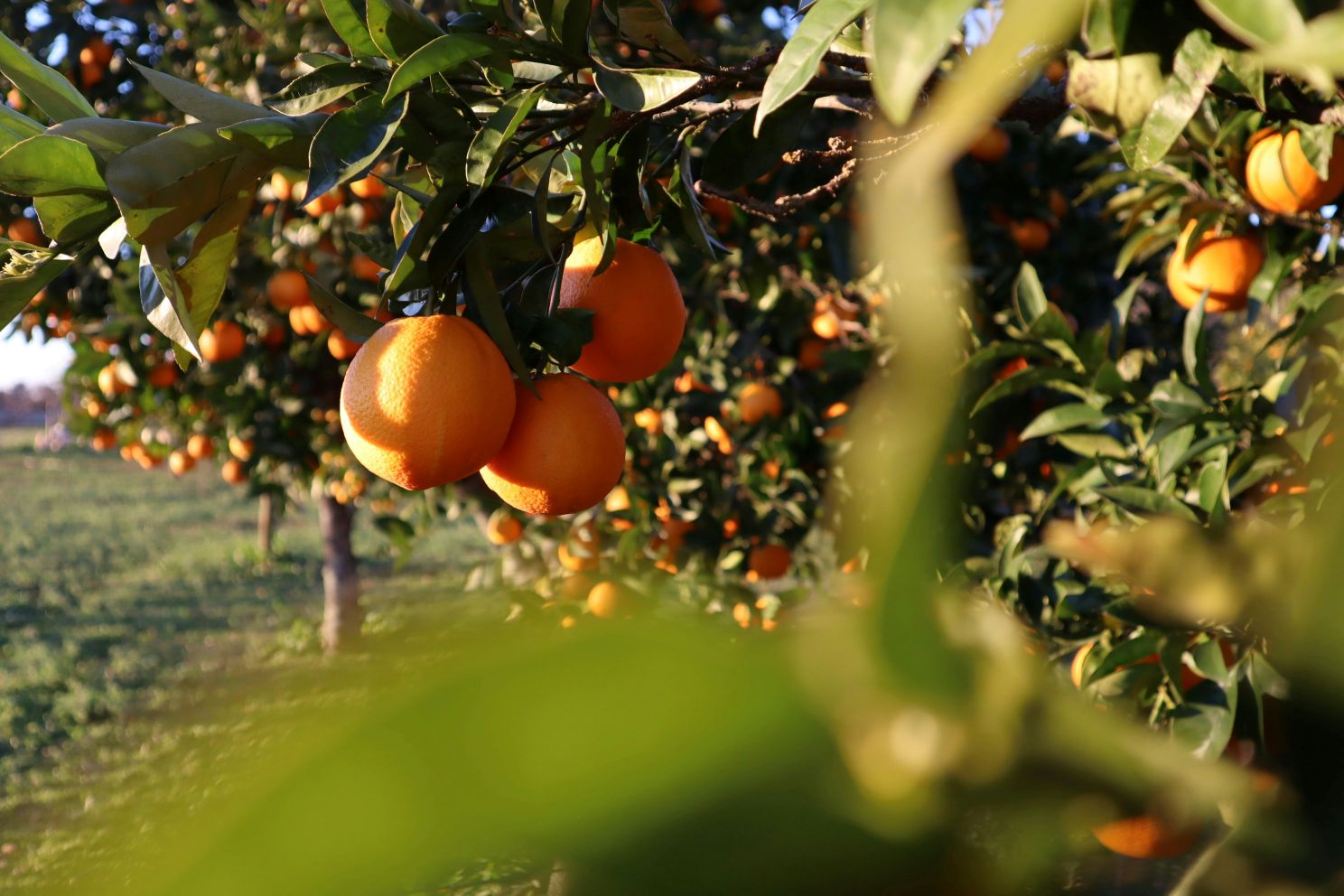
We also recommend allowing enough time to experience the countryside. Some of the most rewarding places in the Iberian Peninsula are found between the major cities, including wine regions, historic villages, coastal communities, and beautiful rural landscapes.
Finally, it is worth remembering that Spain and Portugal have different cultures, languages, and daily rhythms. Approaching each country on its own terms makes a combined journey much richer and more meaningful.
If you’re feeling inspired by Ana and Patricia’s top Spain travel tips, browse our expertly crafted trip ideas or reach out today to start planning your tailor-made adventure across the Iberian Peninsula.
Explore all featured destinations