Gyeongju




South Korea & Japan: a taste of two cultures
12 days
from US$5,820 per person
See a different side to South Korea on a trip built just for you, by someone who lives there.
 Custom itinerary planningHandpicked local experts
 Complete peace of mindASTA membership, financial protection & 24/7 local support
 A fairer way to travelBenefiting local communities
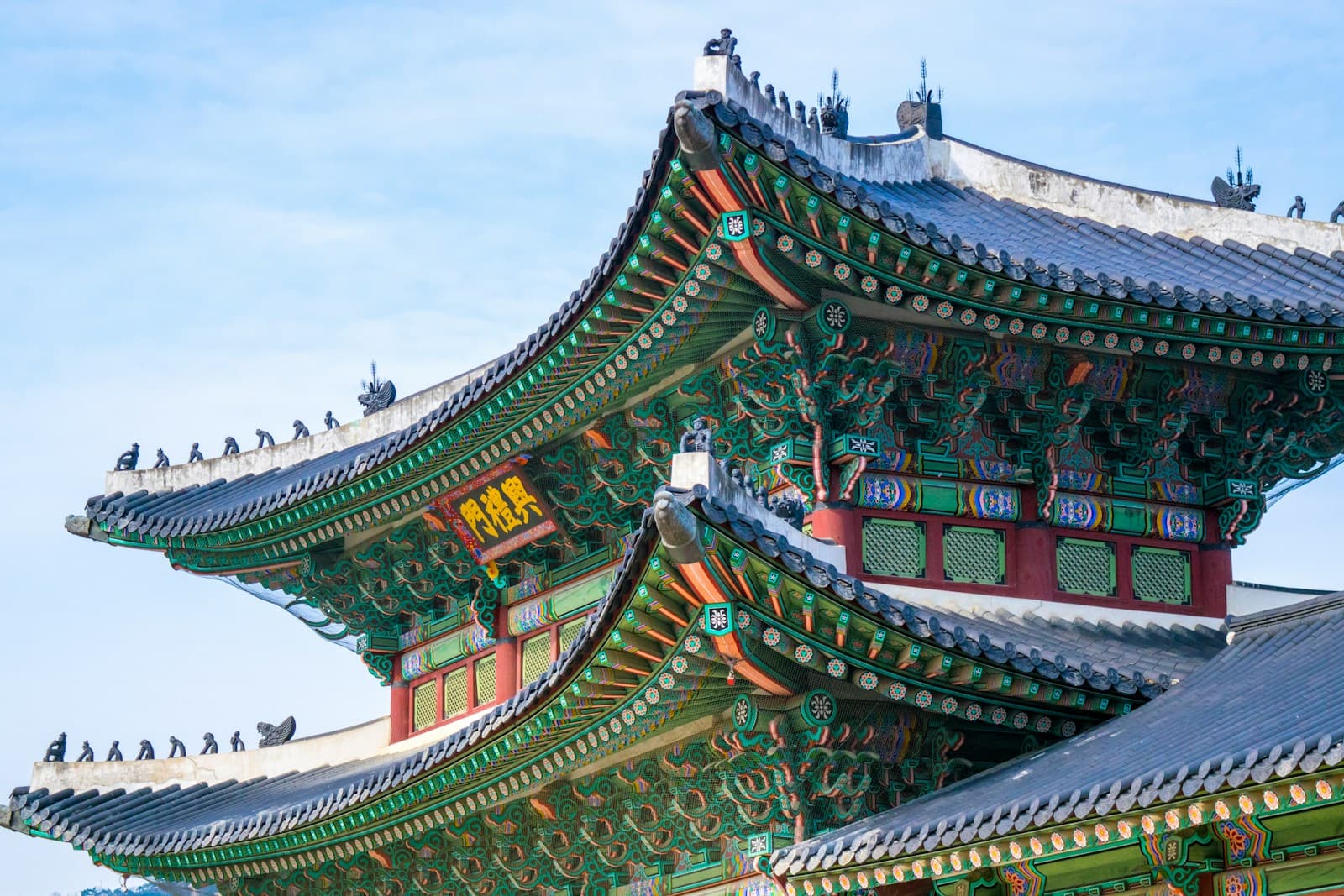
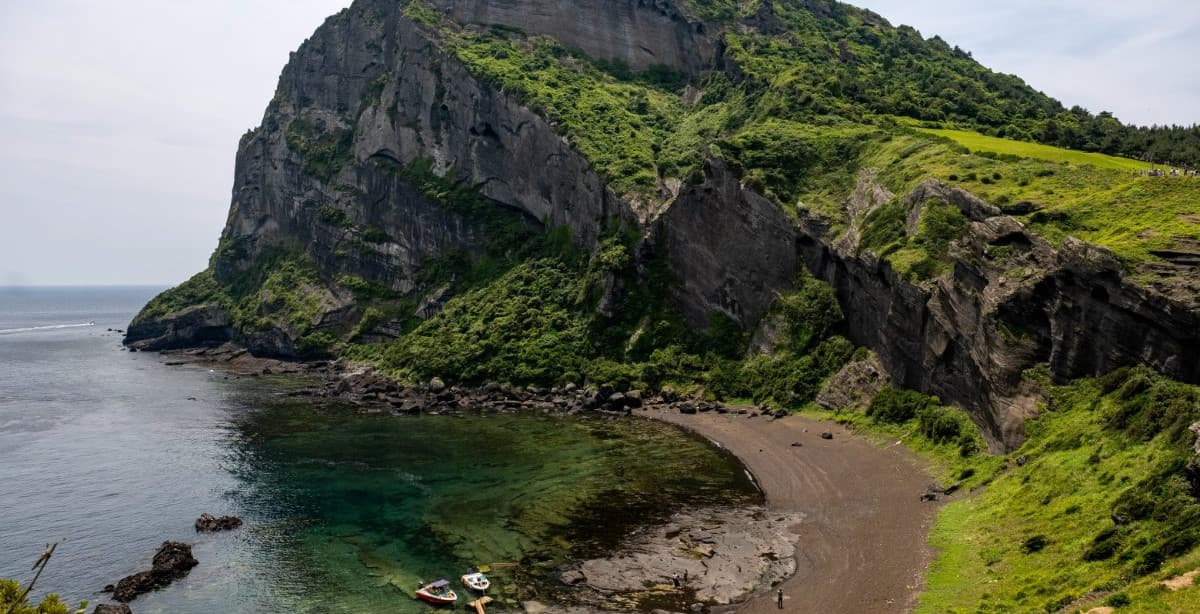
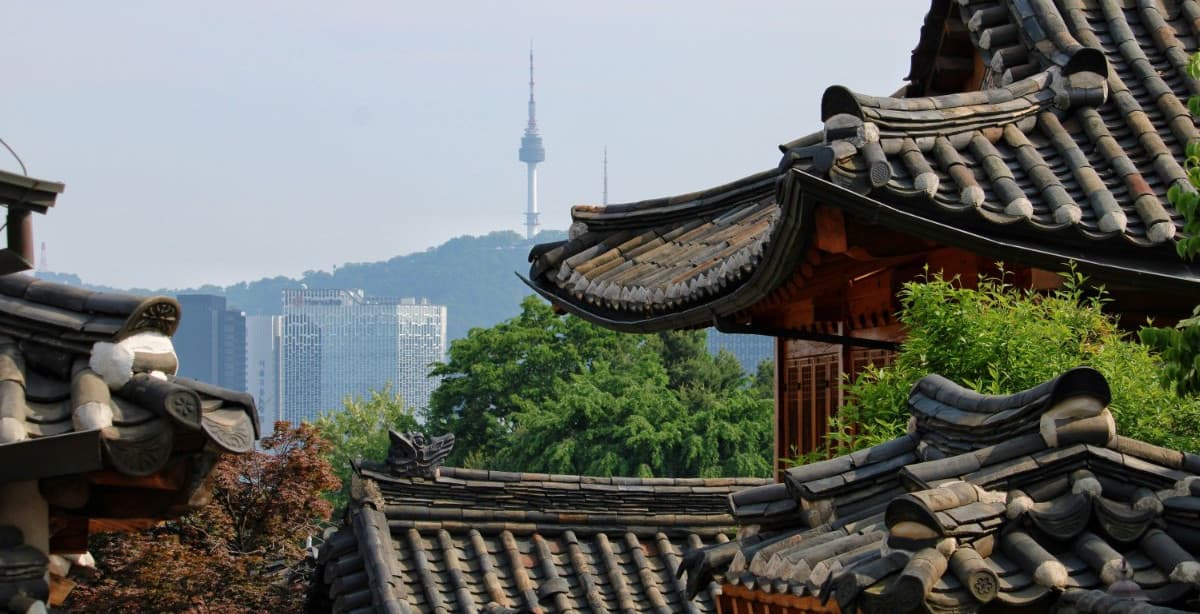
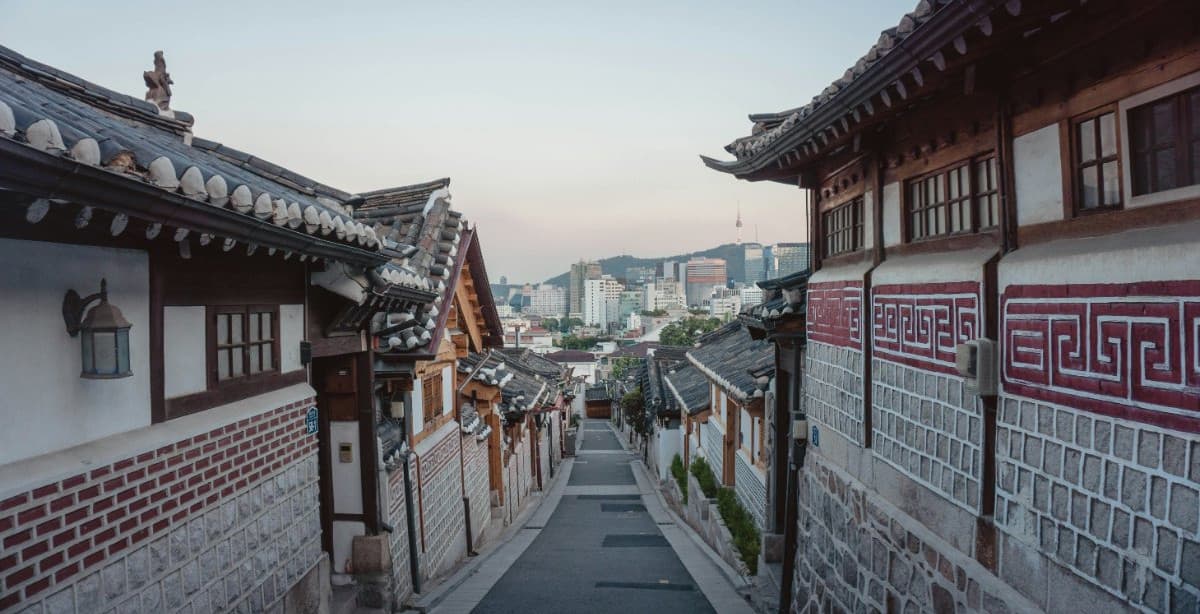
South Korea moves quickly, yet its traditions are close at hand. In Seoul, Gyeongbokgung Palace is a short walk from the hanok houses of Bukchon, and the DMZ is an easy day trip. Gyeongju, capital of the Silla kingdom for almost a thousand years, is scattered with royal tombs and temples, while Busan pairs fish markets with the painted houses of Gamcheon. Jeonju is the home of bibimbap, and Jeju Island has volcanic coastline and walking trails.
Our local experts encourage travelers to go further, to Andong, Suncheon and the east coast. They can arrange a temple stay with dawn chanting and tea with monks, or an evening in a jjimjilbang, the bathhouse where families relax over baked eggs and sweet rice drink. Book directly through them and family-run guesthouses, small restaurants and regional businesses gain more from your trip.

Spring: April and May, for cherry blossoms and mild days
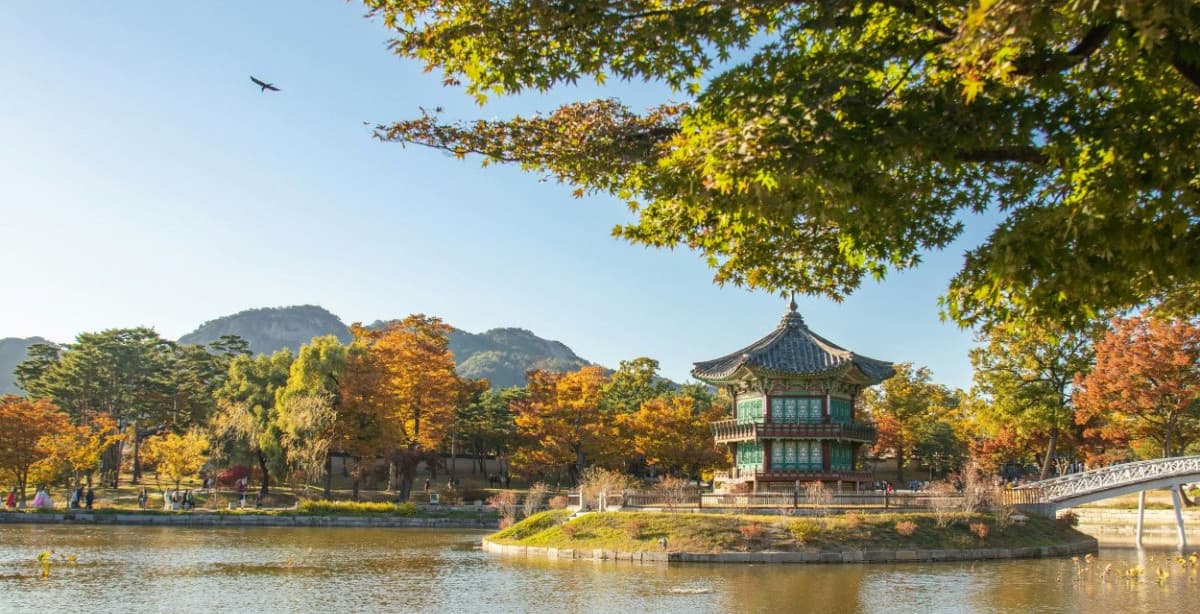
Fall: September to November, for red and gold foliage

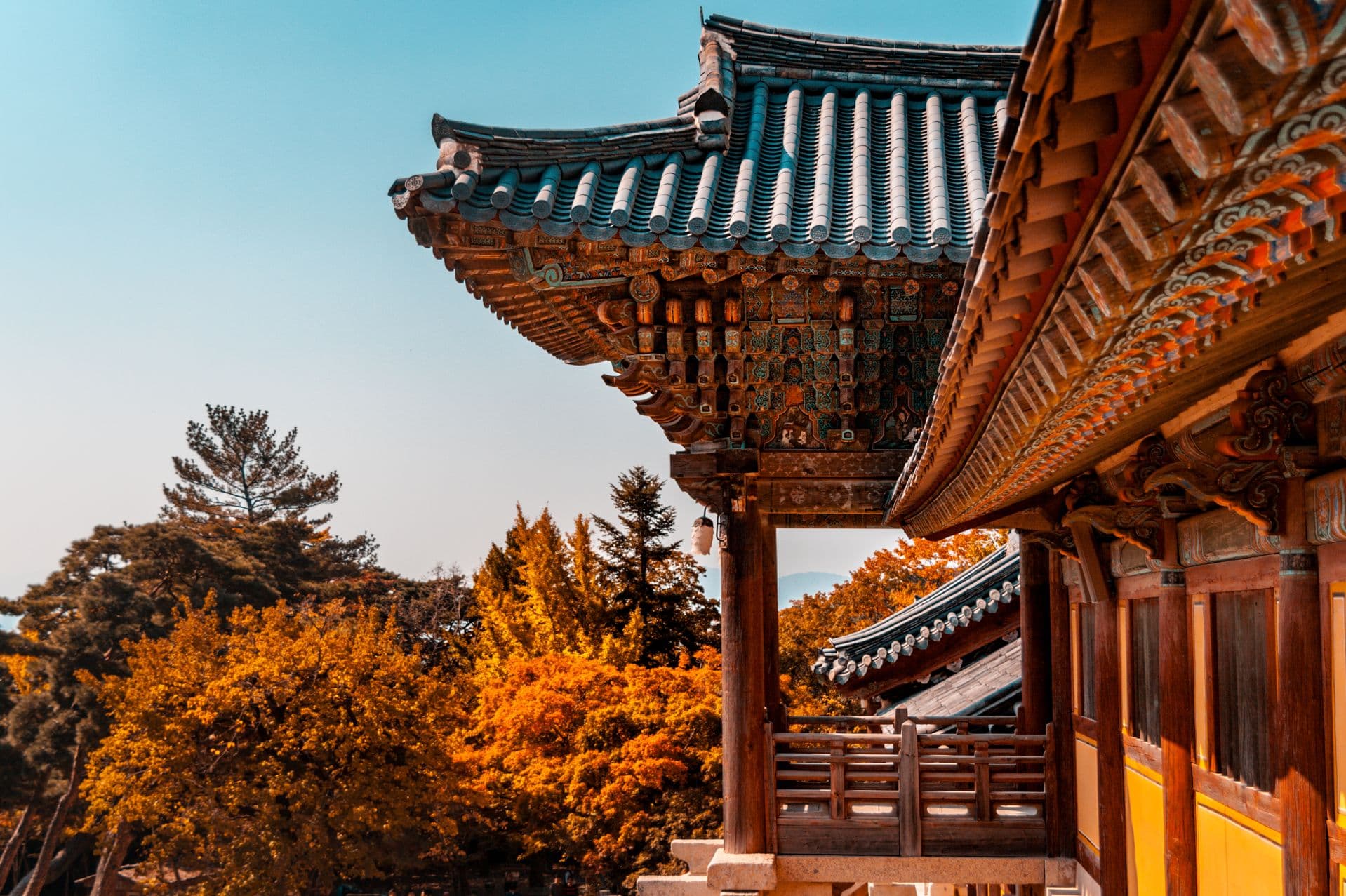
Explore Gyeongju by bike, from the royal tombs of Daereungwon to Bulguksa Temple and the Seokguram Grotto, both UNESCO World Heritage Sites. In Busan, walk through Jagalchi fish market and the hillside lanes of Gamcheon Culture Village. Join a cooking class in Seoul, stay overnight in a hanok in Jeonju, and add a temple stay for early morning meditation and a vegetarian meal with the monks.

US $3,000 - $3,500+
All of our tailor-made trips can be 100% customized to your style—from budget stays to higher-end escapes. Prices are per person, based on a 7-day trip.
How it works
Build a trip from scratch with a local South Korea expert, or pick a curated itinerary as your starting point and customize it until it's yours.
 Share your preferencesTravel dates, budget, experiences and more
 Connect with your local expertReceive your first itinerary within 48 hours
 Refine your trip togetherFull flexibility and a hassle-free, personal service
 Book with confidence24/7 support, secure payment, ASTA protected
 Free to plan. No commitment until you book
Trip ideas
from US$5,820 per person
from US$4,050 per person
from US$4,940 per person
from US$6,300 per person
Meet your local experts
Our local experts aren’t travel agents working from a brochure. They’re people who live locally and know the destination like the back of their hand. Alongside them, you’ll craft an authentic and immersive trip, filled with intimate knowledge and passion for the place they call home.
Start planning your trip Carinta
Spending a night at a working Buddhist temple allows travelers to take part in early morning chanting, meditation, tea ceremonies with monks, and communal vegetarian meals. It offers a rare opportunity to experience Korea's spiritual heritage from the inside.
 Wanda
Experience South Korea beyond the icons: from cooking classes to cycling and hiking, immerse yourself in a vibrant modern lifestyle while discovering rich traditions and making authentic connections.
CarintaWe create journeys that support local communities by working with family-run guesthouses, local guides, and regional businesses, providing travelers with meaningful experiences and ensuring that tourism benefits local people.
78,000+ travelers have had a more authentic, tailor-made vacation
Places & highlights
 Featured story
When is the best time to travel to South Korea? In this article, we explore its seasonal weather and major events to plan around.
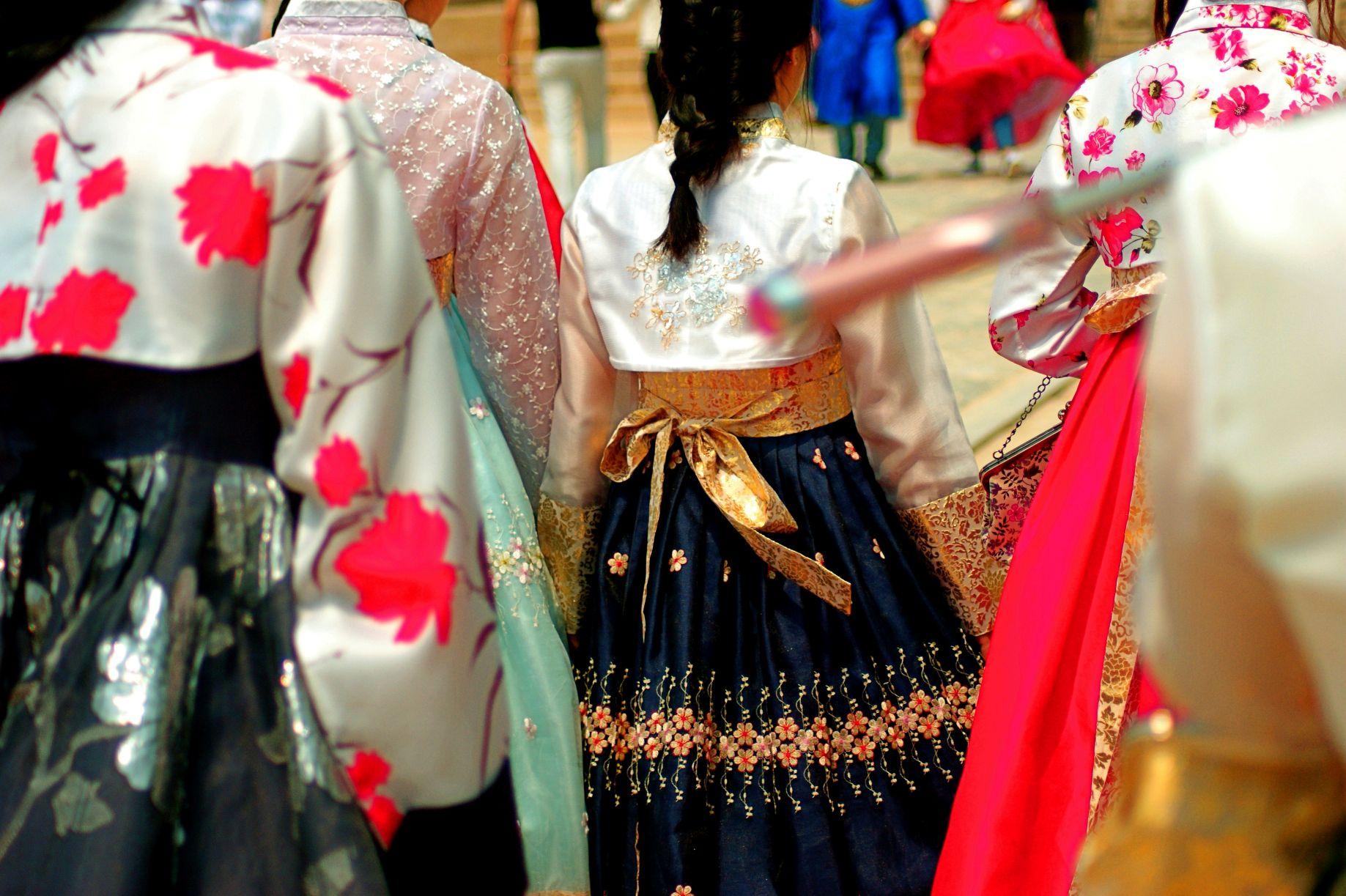
Get to know about South Korean culture and traditions for a more immersive trip to this remarkable country.
Wondering where to travel in 2027? Take a look at our recommended destinations, from predicted hotspots to hidden gems.
Good to know
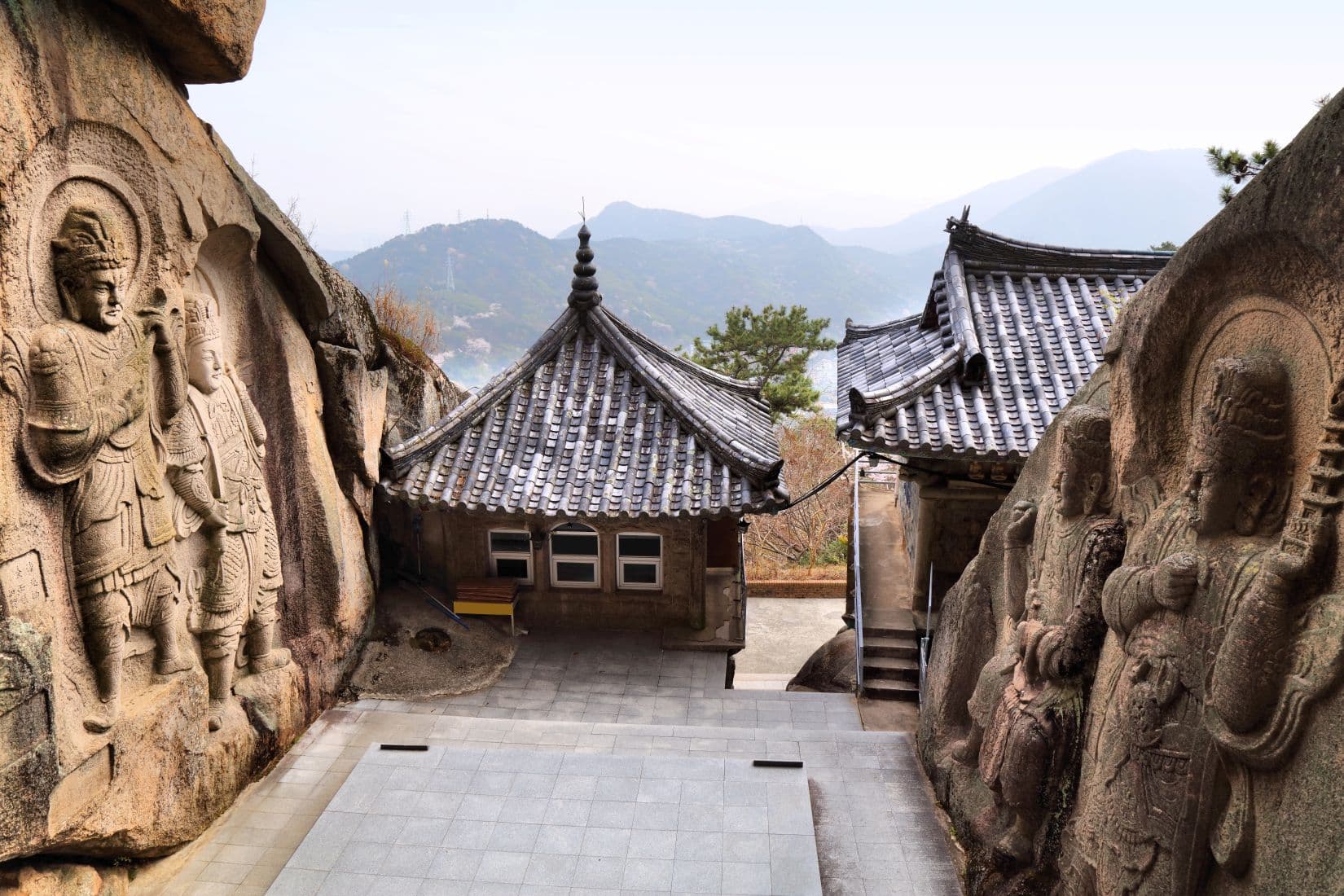
Spring (April and May) and fall (September to November) are the best seasons, with cherry blossoms in spring and bright foliage later in the year, both ideal for cities and hiking. Summer is hot and humid, with typhoons possible from July to September. Winter is cold and dry, good for skiing and quiet palaces.
Korean is the official language, written in hangul, an alphabet created in the 15th century that is quick to learn. English appears on signs and transport in the cities, though it is less common in rural areas. Gamsahamnida (thank you) is always appreciated.
No, for tourist stays of up to 90 days. US citizens can enter visa-free and are exempt from the K-ETA electronic travel authorization until December 31, 2026; after that, you may need to apply online before departure. Your passport must be valid for your stay, and you need an onward or return ticket. Check current entry requirements before you travel.
South Korea uses the South Korean won (KRW). Cards and mobile payments are accepted almost everywhere, even in small restaurants, though street food stalls and traditional markets may prefer cash. Look for ATMs marked Global ATM, which accept foreign cards.
South Korea occupies the southern half of the Korean Peninsula in East Asia, with the Yellow Sea to the west and the East Sea to the east. Its only land border is with North Korea. Most visitors fly into Incheon International Airport near Seoul, the capital.
South Korea has low crime rates and excellent public transport, and it is easy to travel around. Keep an eye on your drinks in busy nightlife areas, follow local guidance during typhoon season and stay with your guide on visits to the DMZ. Check the latest US travel advisory before you travel.
Next steps
Tell us what you’re looking for and we’ll match you with a local expert who knows the destination inside and out. It’s free to get a quote.