
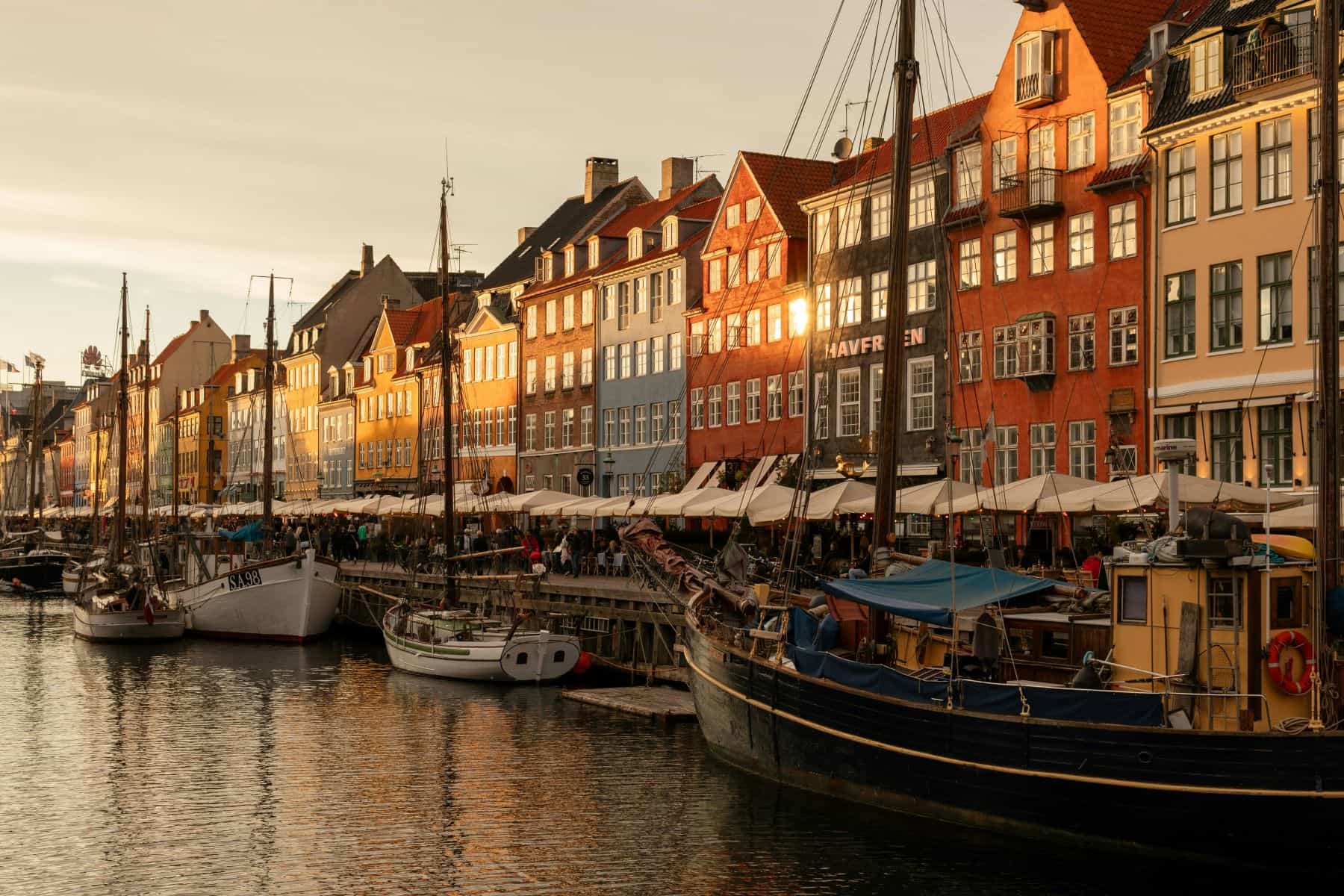
Introducing Denmark: top sights for first-timers
August 21, 2026
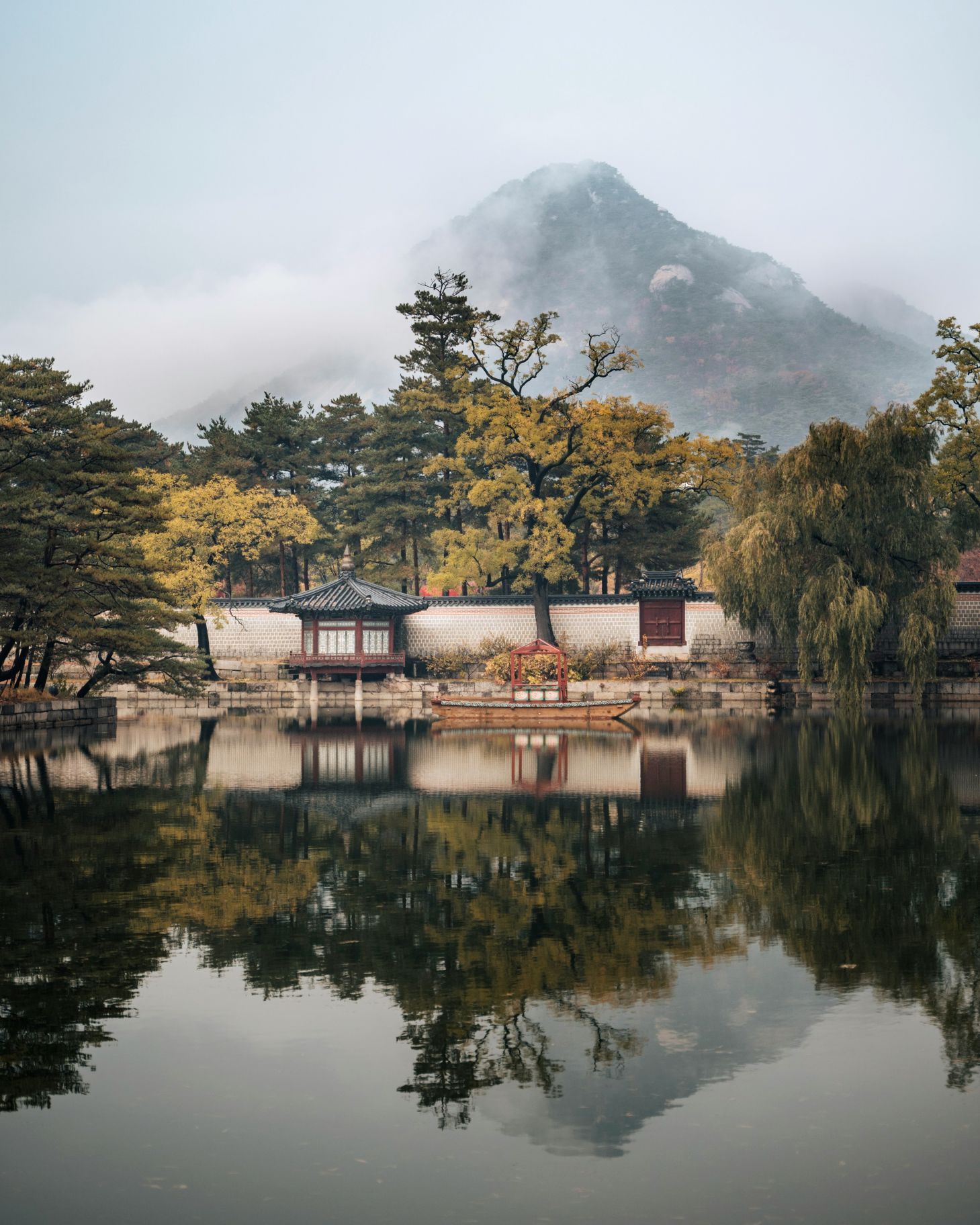
South Korea is somewhat of a rising star in international tourism, but its unique culture and stunning natural beauty have endured under the radar for centuries. A trip to South Korea means a bowl of bibimbap with a K-pop soundtrack, atmospheric hanok neighborhoods, and mist-covered mountains in Seoraksan National Park. But when is the best time to travel to South Korea? In this article, we’ll outline what to expect from the country’s seasonal weather, and how to plan around this and its major cultural events, with the help of our local travel experts.
Key takeaways:
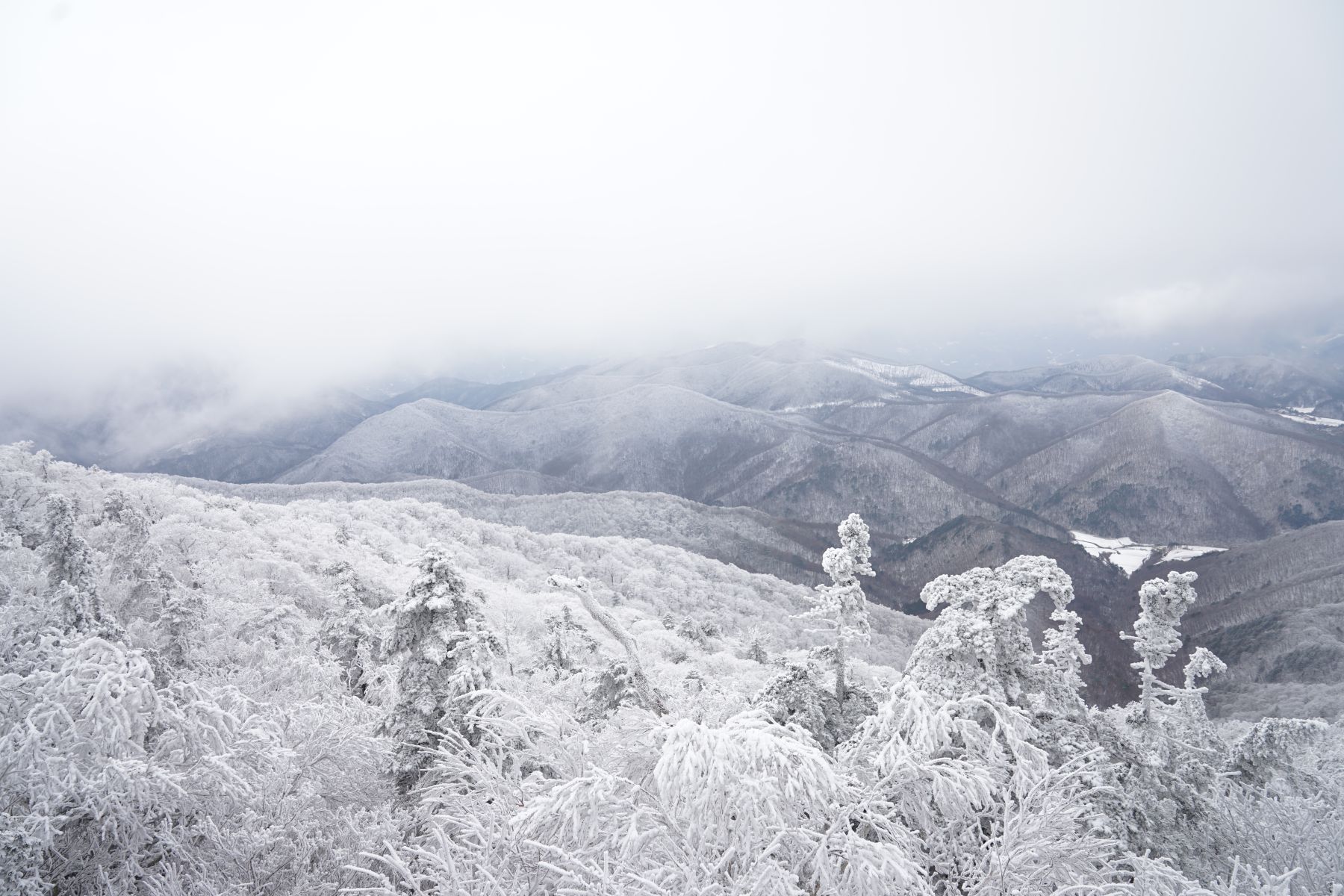
South Korea has a distinct four seasons quite similar to Europe, though weather can be more extreme:
Here’s what to expect in South Korea when you travel at different times of the year…
Winter is a low-cost time to visit South Korea, if you can withstand the cold—temperatures drop as low as 14 degrees Fahrenheit (-10 degrees Celsius) in the north. Wrap up warm, and spend atmospheric days in stark, snowy landscapes—particularly around Seoraksan National Park and Gangwon Province, where the mountains and pine forests are blanketed in snow. There’s also the start of ski season (Yongpyong is a well-loved ski resort).
Winter festivals such as the Hwacheon Sancheoneo Ice Festival and the Taebaeksan Mountain Snow Festival are worth the visit if you’re nearby, for ice fishing competitions and impressive, hand-carved ice sculptures. Seollal (the Lunar New Year, usually in February) is a national holiday, when locals return to their hometowns and share traditional meals with family.
Read more: Unique cultural festivals around the world
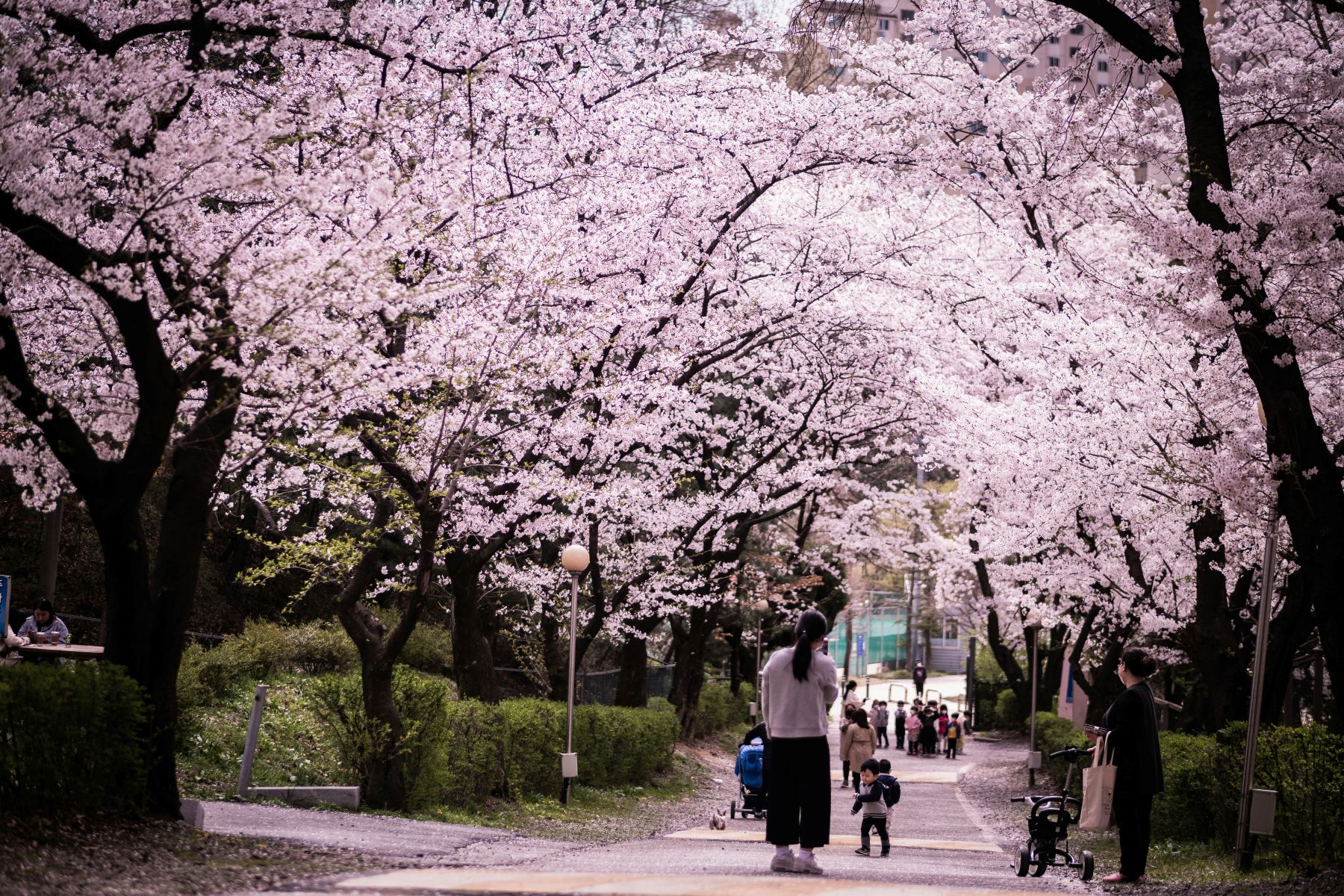
The cherry blossom season, beotkkot, marks South Korea’s peak season, and though it’s busy at this time of year, the soft, cotton-candy scenery is certainly worth it. Jinhae, near the city of Busan boasts 350,000 blossoming trees and a thriving Cherry Blossom Festival; but areas of Seoul are also beautiful, such as the mile-long stretch along the Yeouido river.
Temperature-wise, it’s fresher up north in March, but April gets warmer the further south you go. It’s particularly mild on Jeju Island, known as Korea’s Hawaii. Beaches aren’t crowded yet, and are particularly wonderful for springtime coastal walks.
Summer temperatures and clear skies define May and June in South Korea, before July’s monsoons come in. In Seoul, locals celebrate Buddha’s birthday with the Lotus Lantern Festival (Yeondeunghoe), taking part in street parades, decorating their neighborhoods, and adorning Jogyesa Temple with thousands of illuminated lanterns.
It’s also a wonderful time for exploring natural landscapes at their lushest, such as the Boseong Green Tea Fields or the fragrant lavender fields on Herb Island, and for partaking in regional events like the Damyang Bamboo Festival. Note that in late June, monsoon season begins in the southern regions.
The humidity rises in July and heavy rains rule the day, as monsoon season (known as jangma) travels from south (starting late June) to north. Places like Seoul are at their absolute wettest in July, but indoor activities are plentiful—explore the National Museum, traditional tea houses in Bukchon Hanok Village, and excellent indoor shopping malls and cafe culture; or even soak your toes in a Korean bath house, jjimjilbang, for the day.
Humidity and heat are at their highest in August, with long, sunny stretches perfect for beach destinations such as Busan‘s Haeundae Beach, Jeju Island, and Gangneung on the east coast. It’s also typhoon season, however—riskiest on the south coast and Jeju Island. As temperatures can reach a sweltering 95 Fahrenheit (35 Celsius), it’s not the nicest time to wander an urban sprawl such as Seoul, though of course there is air conditioning in many commercial areas if this can’t be helped.
Check the Korea Meteorological Administration (KMA) app to track the Pacific typhoon season in the weeks leading up to your trip—if you book with us you can also rely on your local travel expert for the latest weather updates.
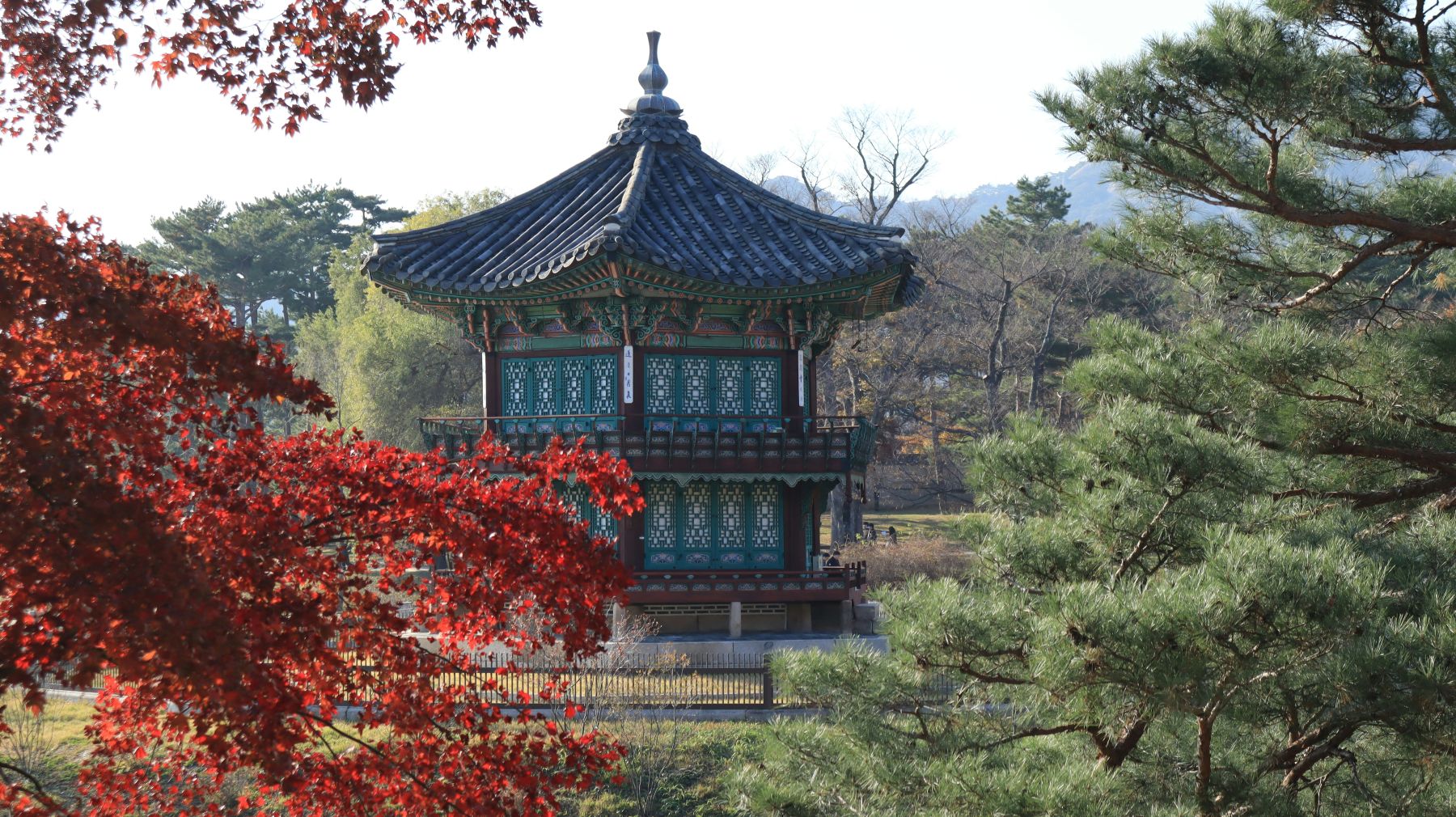
September to November might be the best time to visit Korea. The summer humidity dissipates, the air is crisp, and clear-blue skies make walking around cities and mountain trails a real treat. Mid-late September also brings Chuseok, Korea’s harvest festival and biggest national holiday, when families get together, eat traditional songpyeon and pay respects to their ancestors.
By November, the foliage rusts into fiery reds and golds, making towns, parks and mountain views truly spectacular; a real competitor for cherry blossom season. Just like the spring, this is a great time for local festivals, as everyone makes the most of congregating outdoors in the divine weather.
Though Christmas isn’t as huge here as in other parts of the world, Koreans still embrace the kitsch light displays and festive treats in a big way. In Seoul, Myeongdong and Gangnam can get especially jubilant, with pop-up Christmas markets selling roasted chestnuts and hot rice wine.
Most people come to Korea in winter for ski season, however; resorts like Yongpyong and Alpensia in Gangwon Province have fantastic slopes for an active day of skiing, snowboarding, and an après-ski tipple.
If you’re already envisioning your trip to South Korea, chat to our local experts about timing it around some of the best-known seasonal festivals in Korea…
Read more: Exploring South Korean culture and traditions
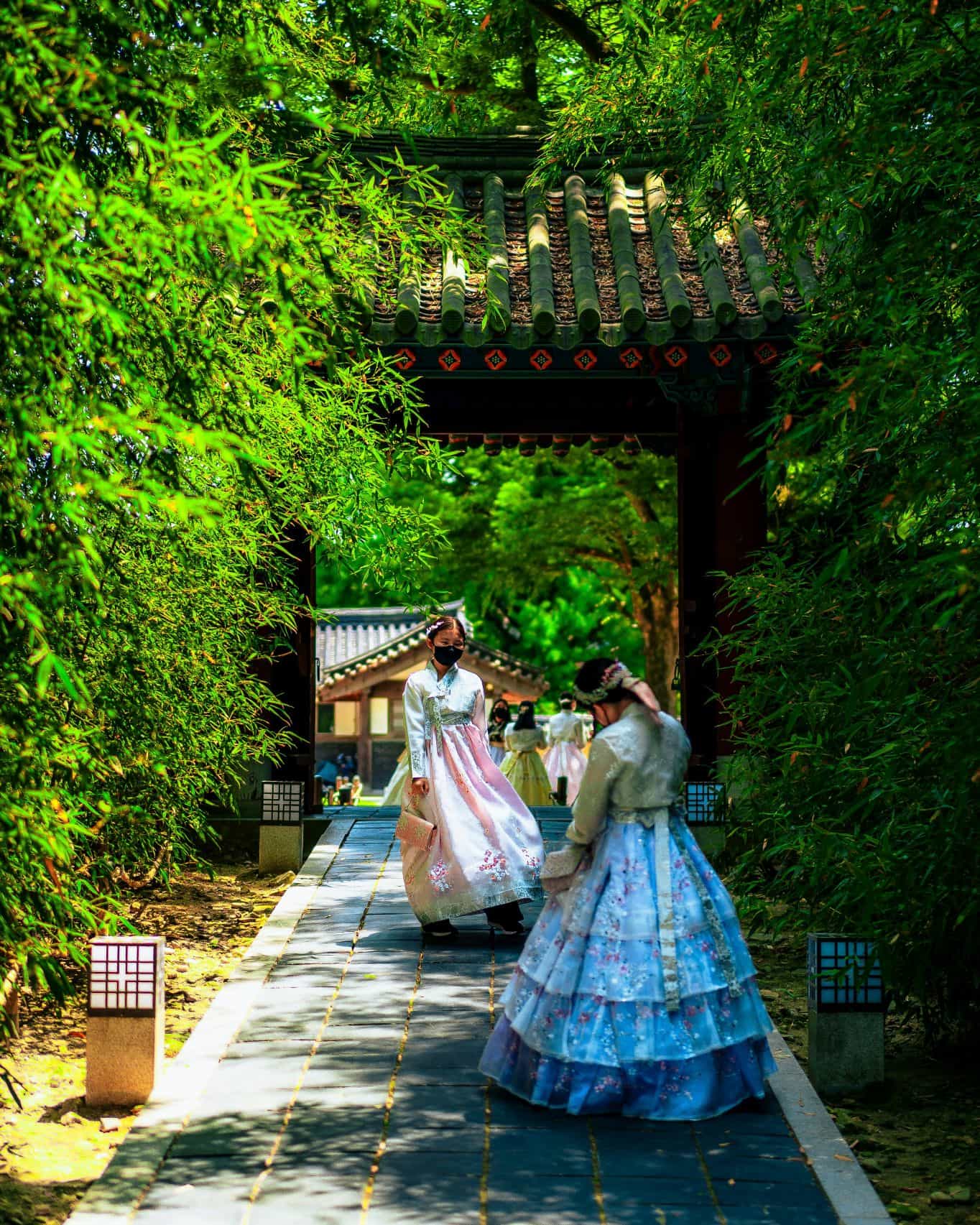
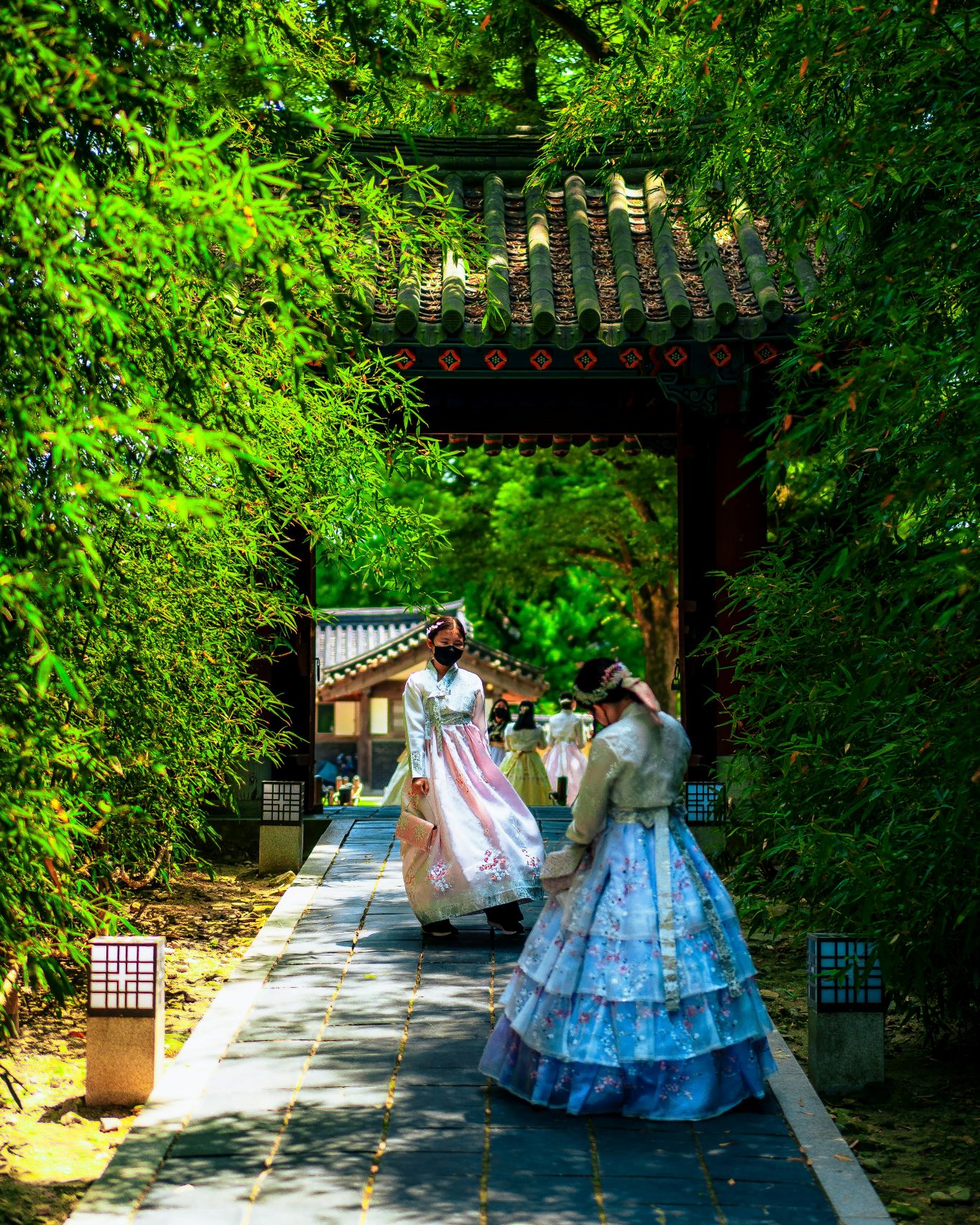
Seollal (Lunar New Year in February) and Chuseok (harvest festival in mid-late September) are two of the biggest national holidays in Korea. You’ll have the chance to witness local Korean traditions such as hanbok and the honoring of ancestors, and to try tasty traditional foods.
However, as it’s a family holiday, many shops and restaurants close, and trains and roads get very busy as everyone heads home. Book transport and accommodation very early if you plan to come to South Korea at these times.
It depends on your priorities for a trip to South Korea—but many deem the spring and fall months the most beautiful and best time to travel to South Korea, due to the mild weather conditions, flowering cherry blossom (March to April) and golden fall foliage (September to October). Also it starts to get warm on the southern coast during this time, for lovely beach walks.
Spring and fall are peak tourist seasons in South Korea, but the summer school break means prices and crowds are also high across July and August.
Mid-late November is a hidden gem of a time; tourists that come for the fall colors have left by late October, and you still get some golden foliage, especially in southern regions and on Jeju. Early March is similar—before the cherry blossom occurs, there’s a window of post-winter freshness as spring emerges, before the crowds flood in.
In August, you’re more likely to see a typhoon in South Korea—particularly if you’re based in the south coast or on Jeju Island. Typhoons aren’t frequent; August might see one to three typhoons hit throughout the month, on average.
Check the Korea Meteorological Administration (KMA) app to track the Pacific typhoon season in the weeks leading up to your vacation. If you book a trip with us, you can also talk to your local travel expert.
Ready to explore the unique culture of South Korea? Get in touch with our local travel experts. They’re based on the ground within the destination, with more tips on the best time to travel to South Korea plus all the in-depth local knowledge you’ll need to book your perfect vacation.
Explore all featured destinations
Join our mailing list for travel inspiration, trip recommendations, and insights from our local experts.