


Our travelers’ favorite cultural journeys around the world
September 23, 2026
Many of the most famous celebrations around the world are cultural festivals that embody the spirit of the countries in which they occur. Not infrequently, these events draw visitors from all over the world. As much as we advise our readers to travel at times when tourist volume is lower, these joyous occasions are exceptions to that rule. Of course, this is hardly a complete list of such festivals. Instead, we offer a small sampling of worldwide cultural festivals to get your wanderlust going and your brain storming with trip inspiration…
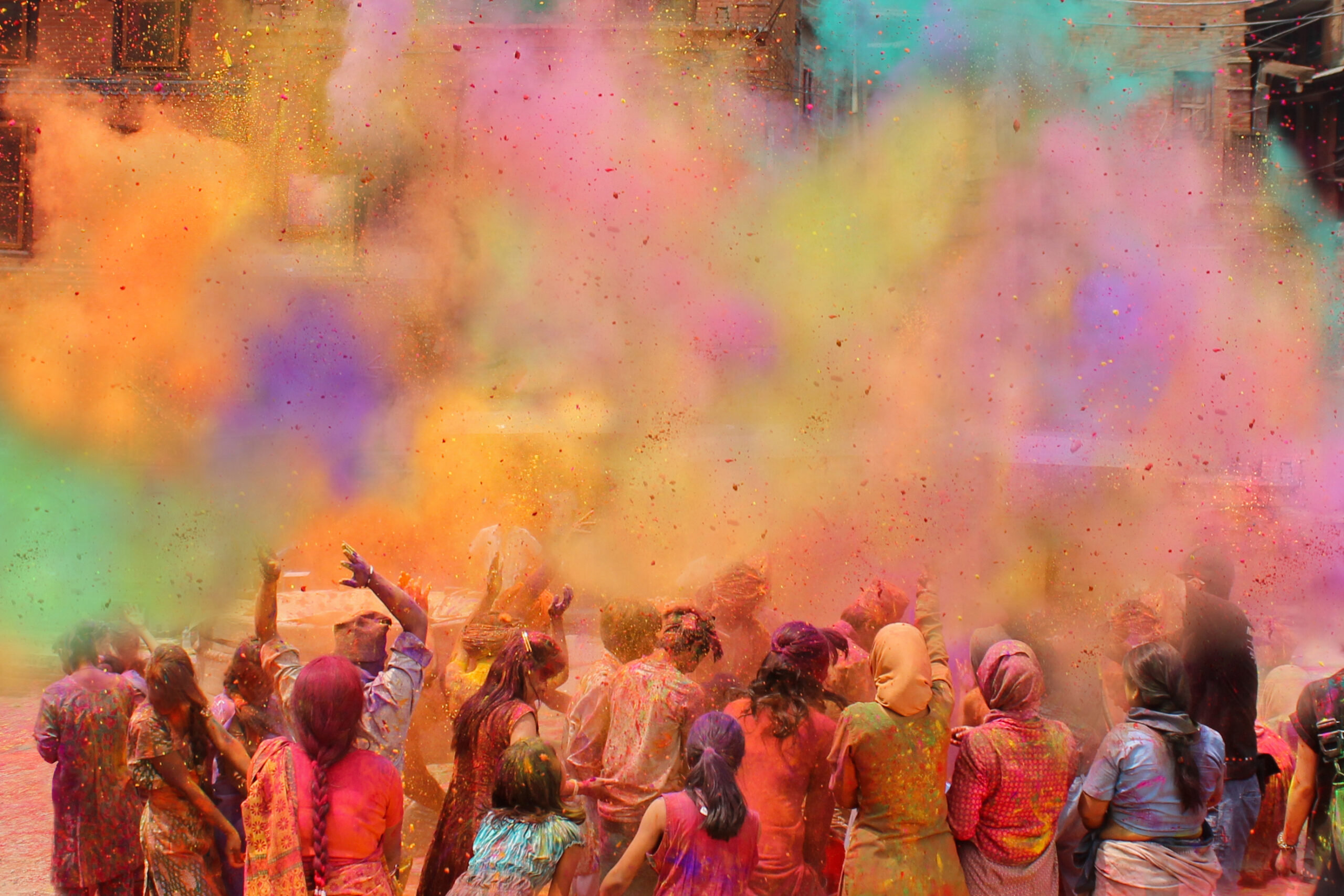
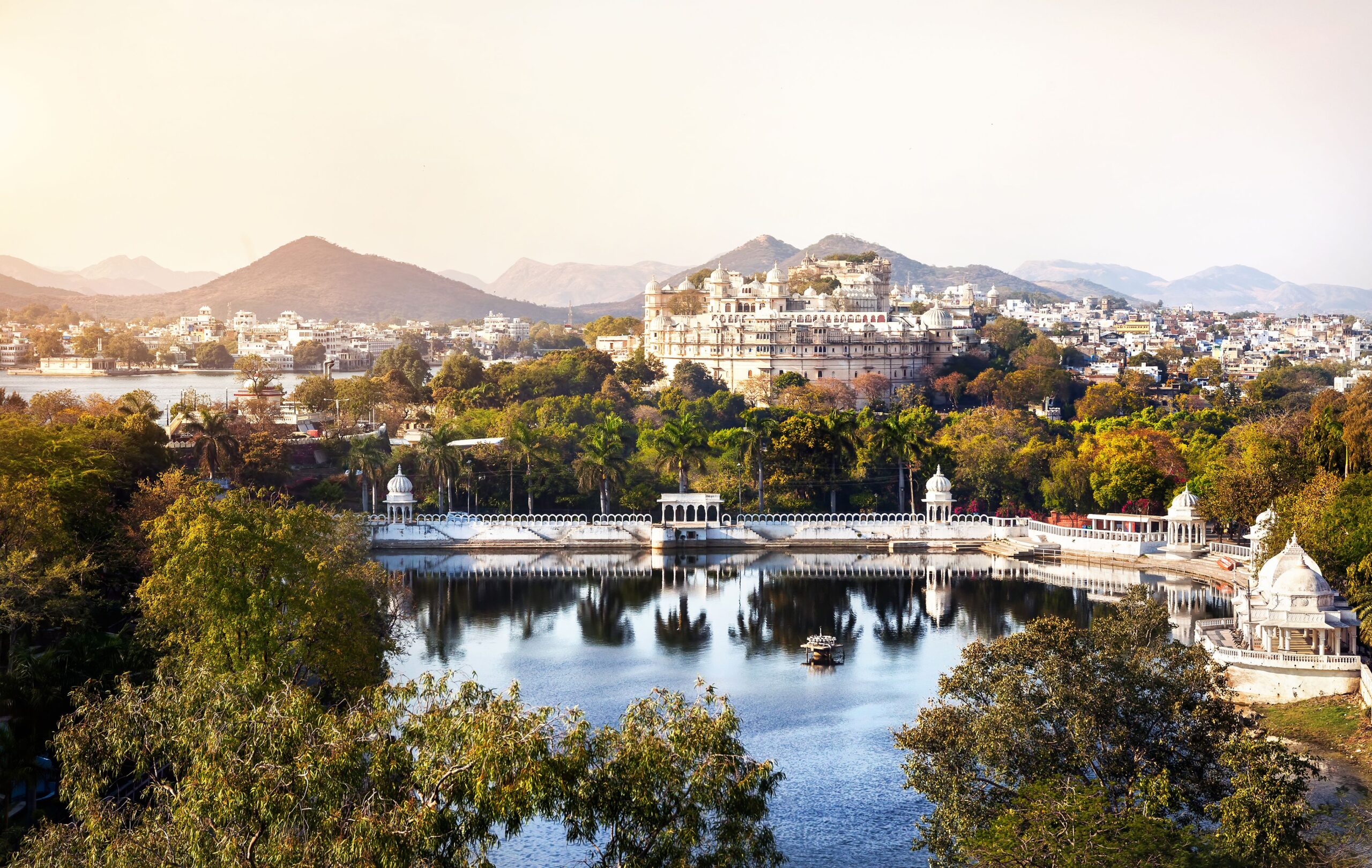
As much as Diwali is known for its lights, this Hindu festival stands out for its bold embrace of color. Celebrated all over the Indian subcontinent, Holi features revelers in the streets with their faces painted, or colored powders and water thrown about and covering most of the body. The various dances, musical and theatrical performances, and general expressions of joy all involve these colors, which include rich orange, green, magenta, and many more. If you visit India during Holi and go out at all, you’d be wise to wear clothing you aren’t particularly attached to, as it’s certain to get color-saturated!
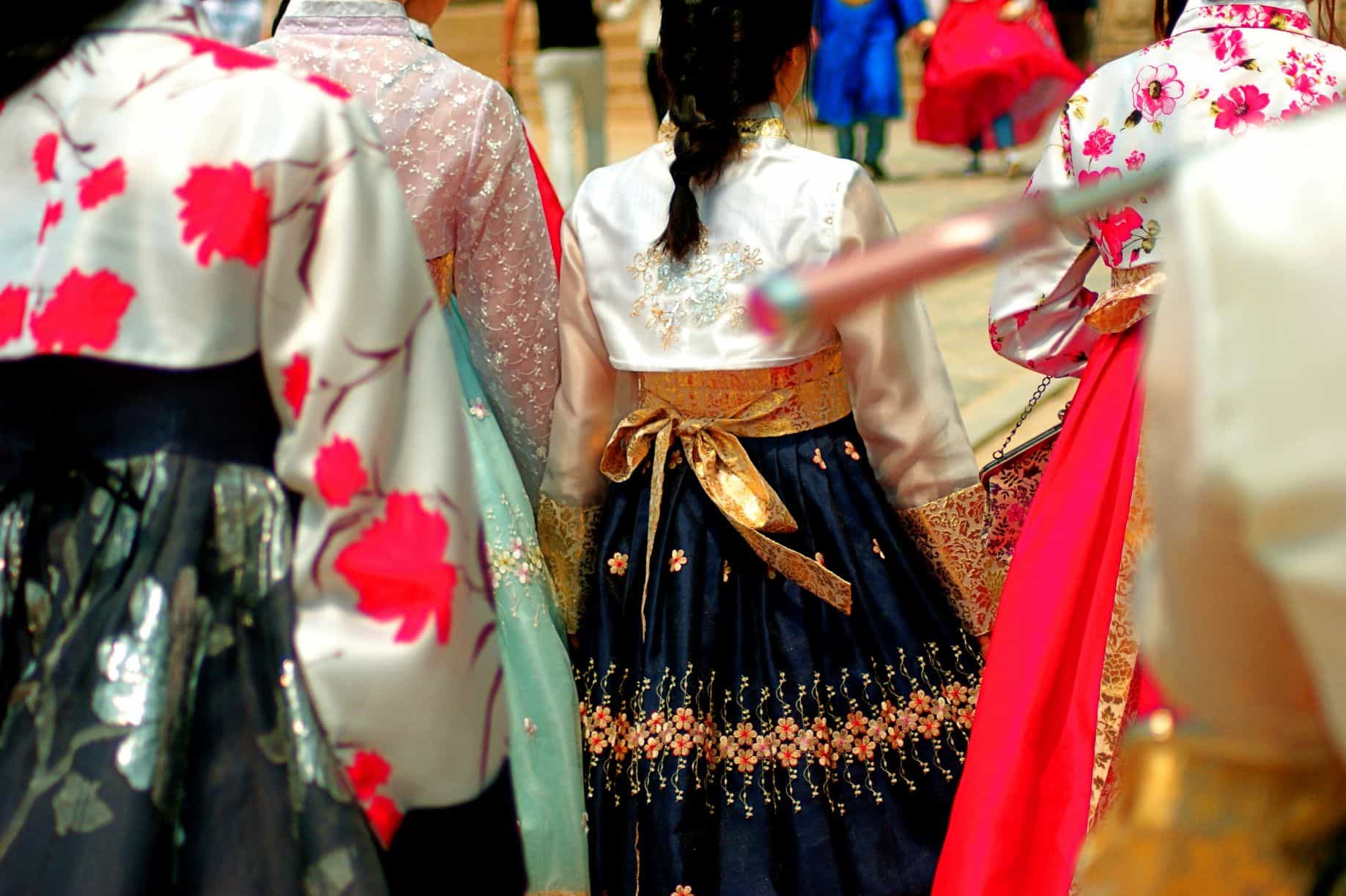
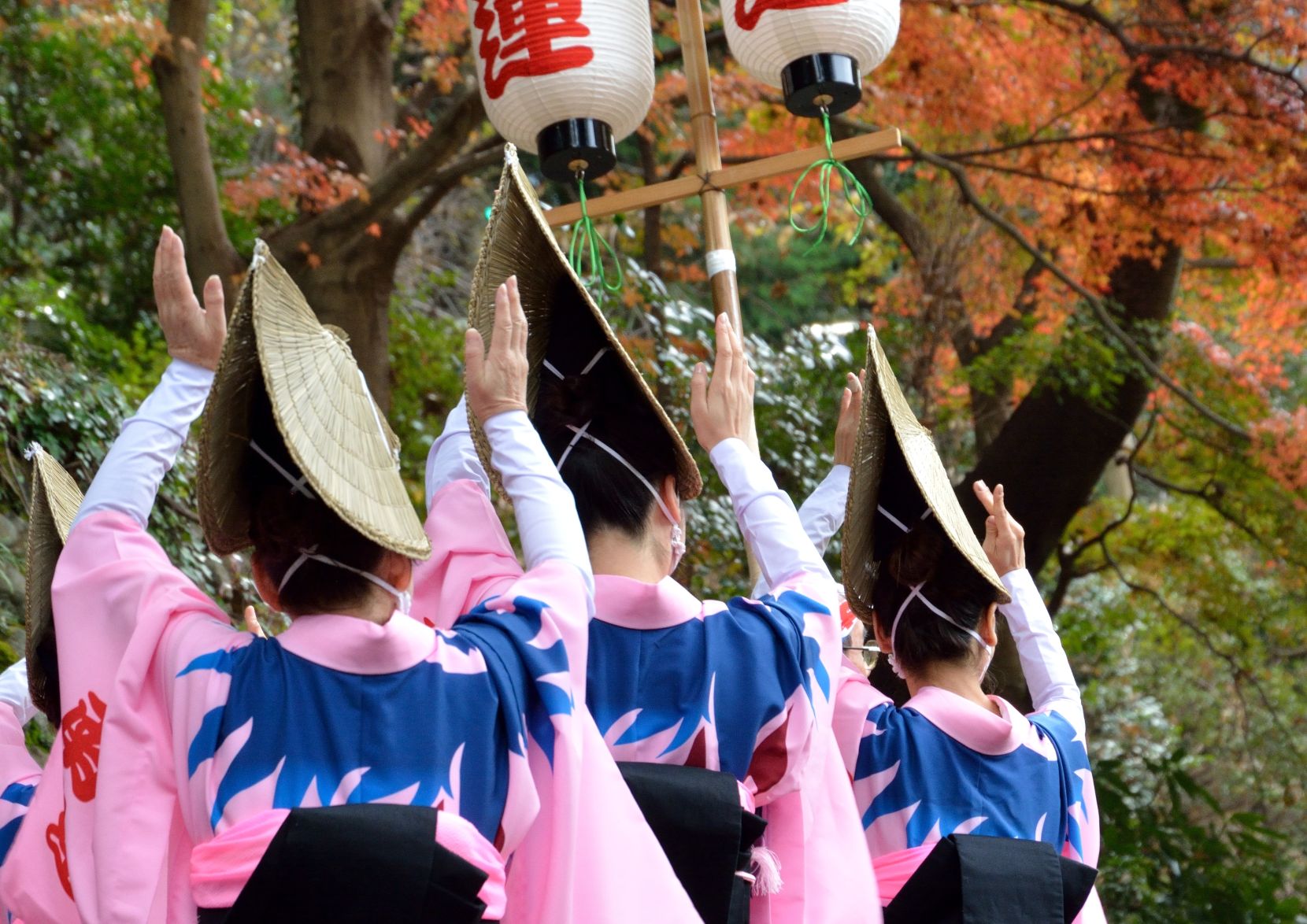
One of the most beautiful Japanese festivals, Awa Odori has been celebrated in Tokushima, Japan for more than 400 years. Dance is its primary ingredient. Groups of dancers called ren shimmy their way through the streets in intricately choreographed patterns, elaborately dressed in traditional costumes as instruments like the shinobue flute and taiko drums ring out. As this event draws millions of attendees, you’ll want to make your travel plans well in advance.
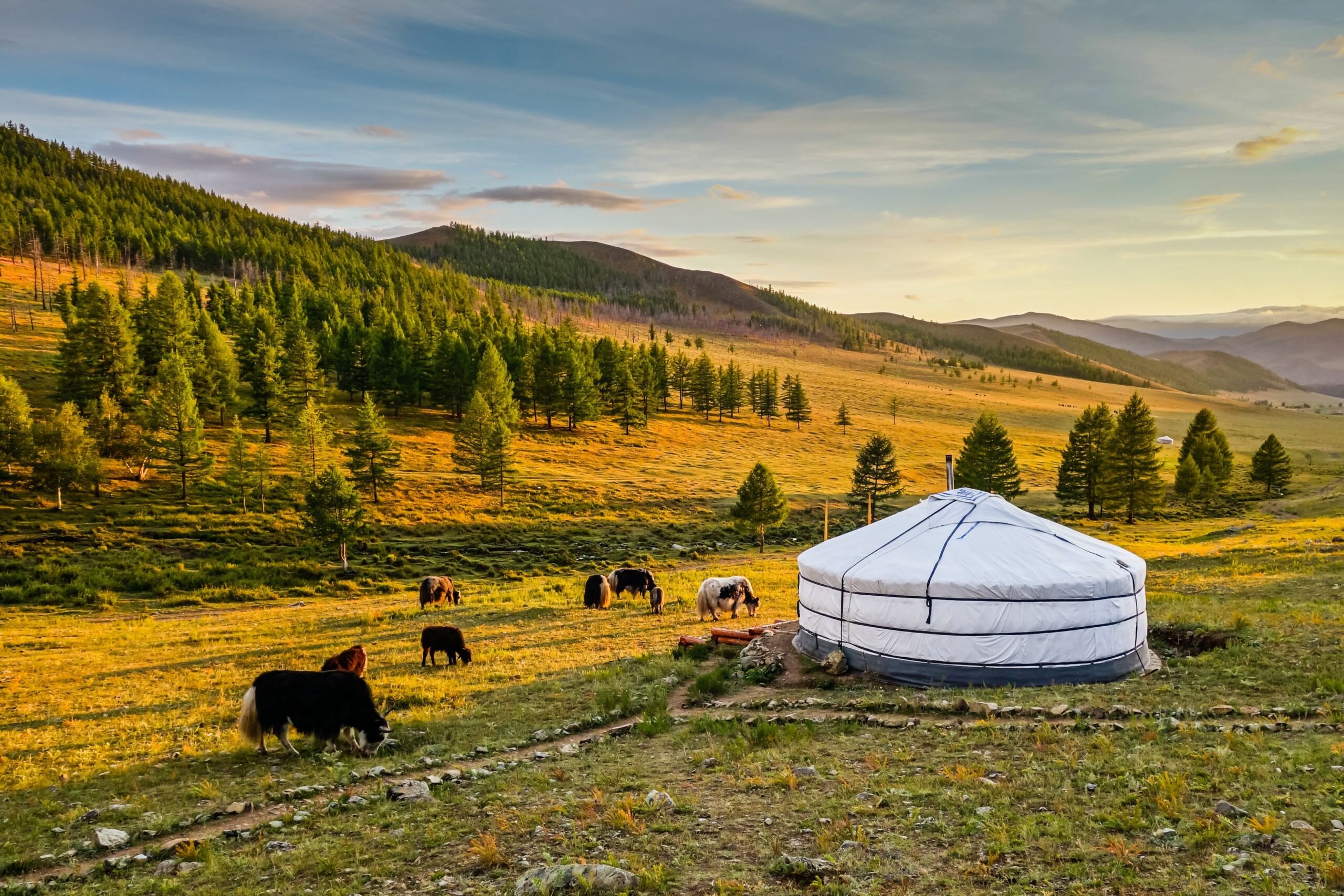
Olympic-style games are at the heart of this three-day festival. While it’s celebrated all over Mongolia, the largest Naadam celebration is in Ulaanbaatar at the National Sports Stadium, with opening ceremonies that include a massive parade, dancing, and musical performances. The true centerpiece activities of the festival are archery, horse racing, and (arguably most important of all) wrestling.
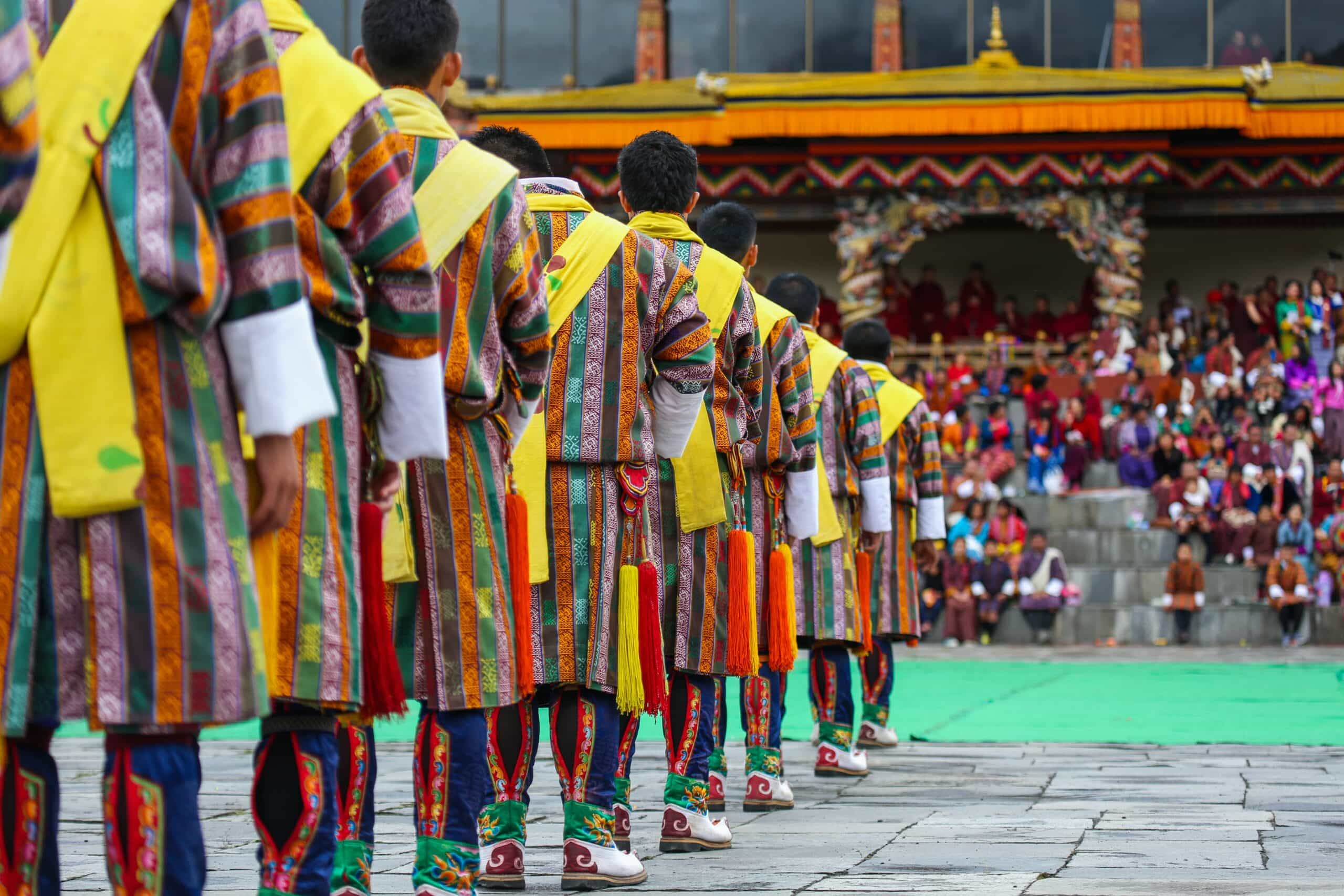
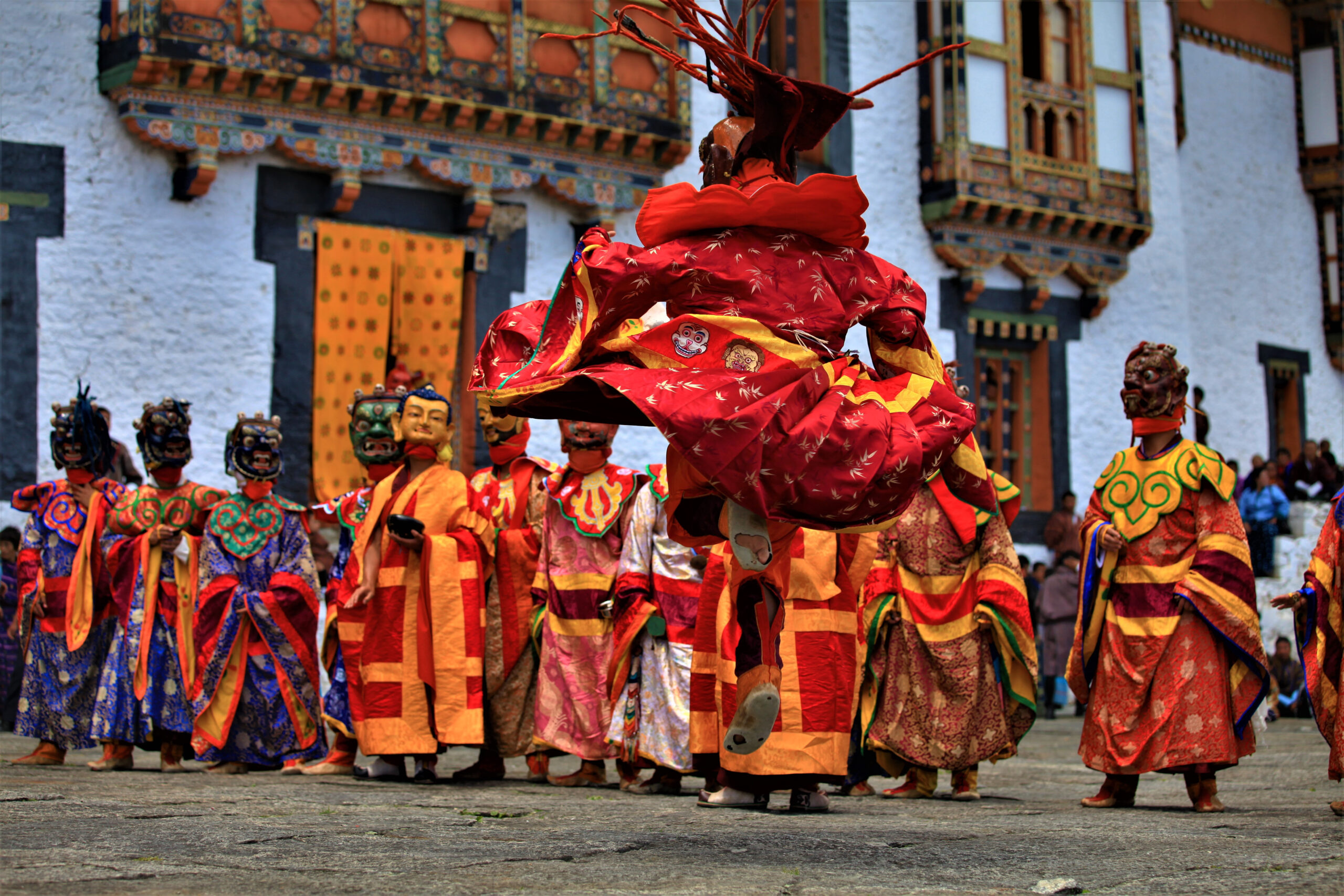
This is easily Bhutan’s most important festival, celebrated in the capital city from which its name originates. Though it’s a sacred occasion in the Tantric Buddhist faith that dominates Bhutan, it’s also a joyous one, characterized by masked performers in spectacular costumes locked into complex dances through the streets. Ultimately, Thimphu Tshechu represents a triumph of good over evil.

Representing the New Year in Thailand, this mid-April festival is also a mix of the solemn and raucous. On the former side, families often reunite to honor elders and praise Buddha, delicately pouring water over the hands of the elderly. On the other hand, the festivities in the streets of countless Thai cities and towns involve a great deal of splashing water on one another, as well as parades, dancing, music, and feasting.
Read more: The best festivals in Thailand
Like its arguably better-known counterparts in Brazil, this Italian festival starts in the period leading up to Lent, so its dates vary. The Carnival of Venice lasts longer (two weeks as opposed to five days), but is perhaps not as boisterous. Although the event includes parades, theater (both traditional and impromptu street performances), dancing, treasure hunts, and more, masks are the most important element of Venetian Carnival. The best mask (and costume) contest winners are announced in St Mark’s Square during the last days of the festival.
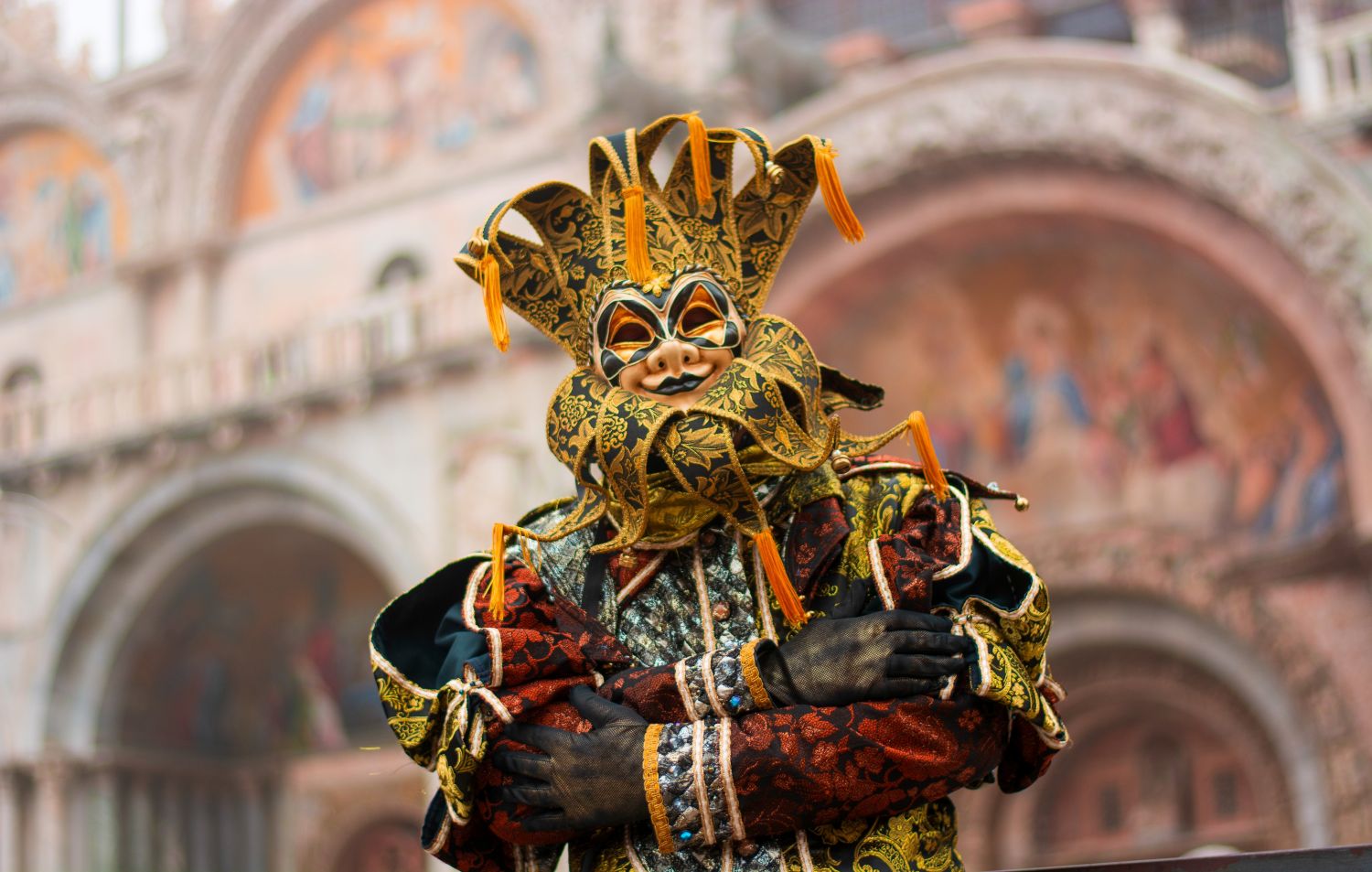
La Tomatina is perhaps the funniest of cultural festivals of this list, and it’s certainly the messiest. In Buñol, Spain, on the last Wednesday of August, up to 20,000 participants (ticketholders, no less) gather to do battle — by throwing tomatoes. Yes, overripe tomatoes, tossed back and forth at one another by ecstatic revelers in the Plaza del Pueblo. Silly though it may sound, it’s quite important to those who take part, perhaps because it was once banned for a decade under the autocratic government of Francisco Franco.
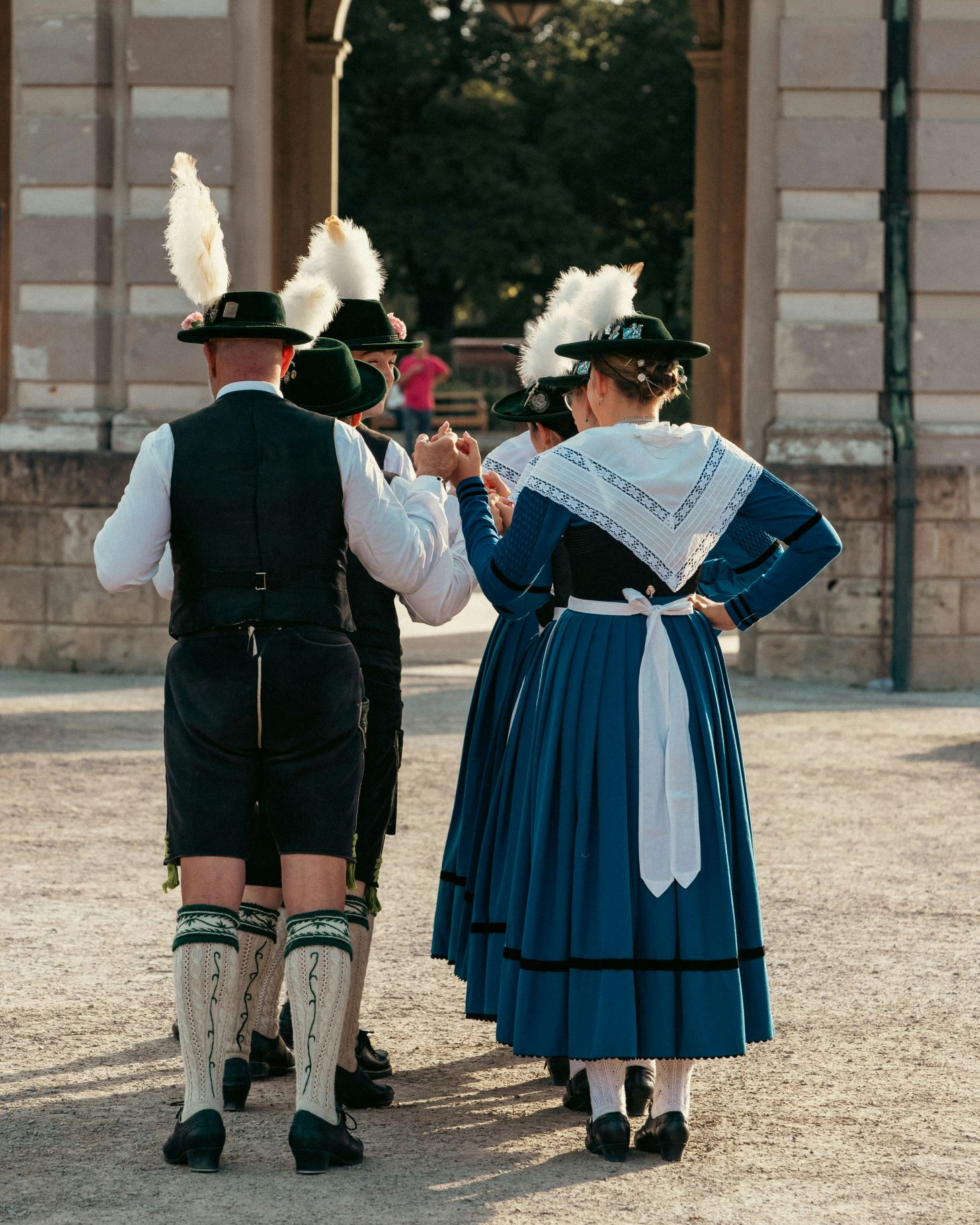
Known largely for its famous beer and cuisine, the original Oktoberfest runs from mid-September to the first week of October in Munich, Germany. Although tribute celebrations take place all over the world, it’s hard to beat the impact of the original (or the Bavarian flavors you can freshly enjoy). Technically, it’s family-friendly due to the number of amusement rides and similar attractions, but use your judgment about an occasion where seven million liters of beer are consumed each year.
The Shetland Islands of Scotland were conquered by the Vikings before they were ever part of the UK. This cultural festival in late January does homage to that heritage, culminating in the burning of a full-size Viking longship. Before and after the burning, Up Helly Aa features parades, dancing, music, skits, food, and drink — all with many of the participants in elaborate costumes meant to honor the Shetlands’ Norse lineage.
Read more: Traditions and history: a cultural guide to Scotland
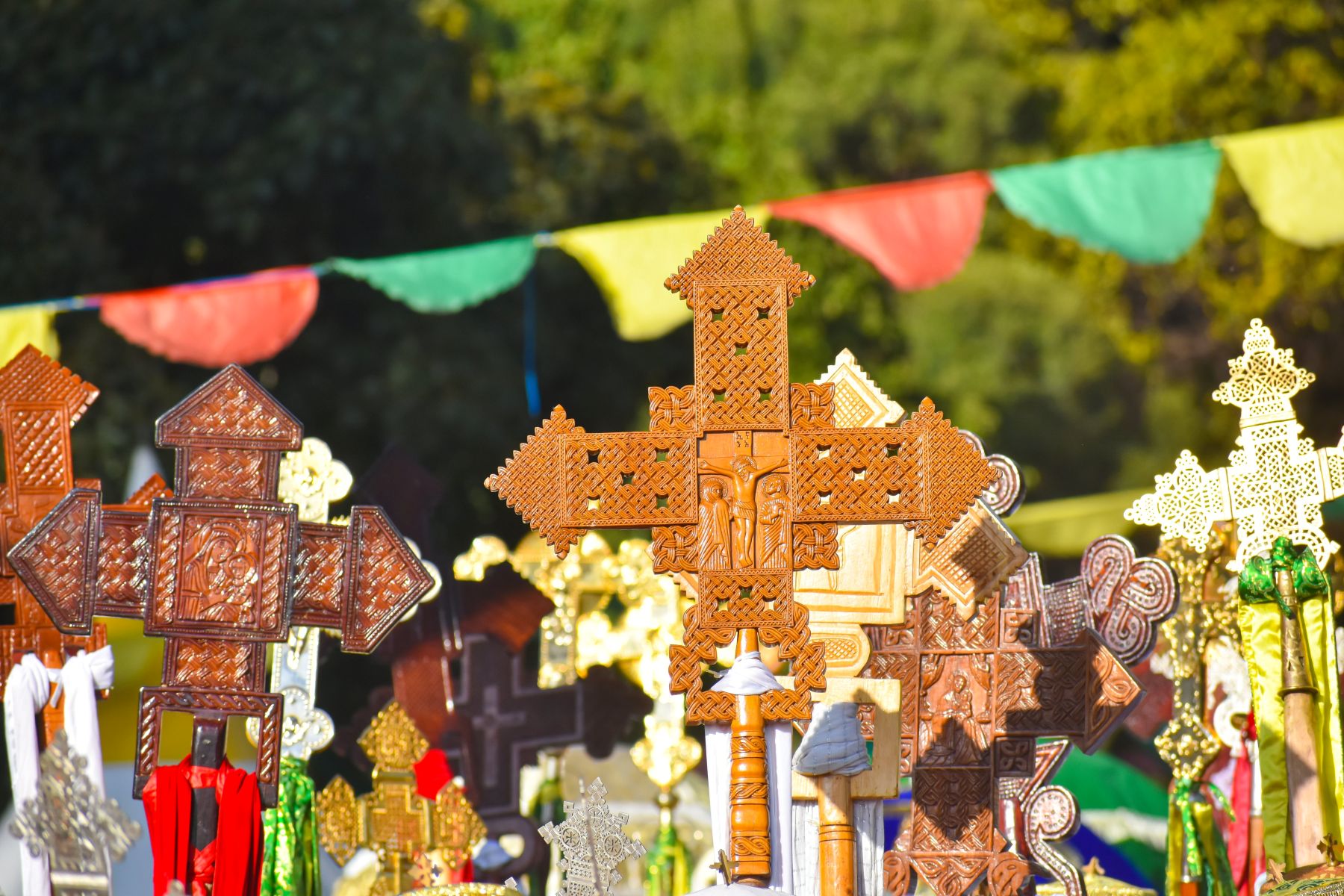
This Orthodox Christian festival takes place in mid-late January (usually the 19th) throughout all of Ethiopia, most notably in Gondar and Addis Ababa. It’s an affirmation of the power of baptism, celebrated through an elaborate procession involving a model Ark of the Covenant known as a Tabot. You can expect to see children and adults alike wading or even leaping into the waters (such as the Emperor Fasilides’ Bath in Gondar), as well as drum-led folk songs, chants, and celebratory dances.
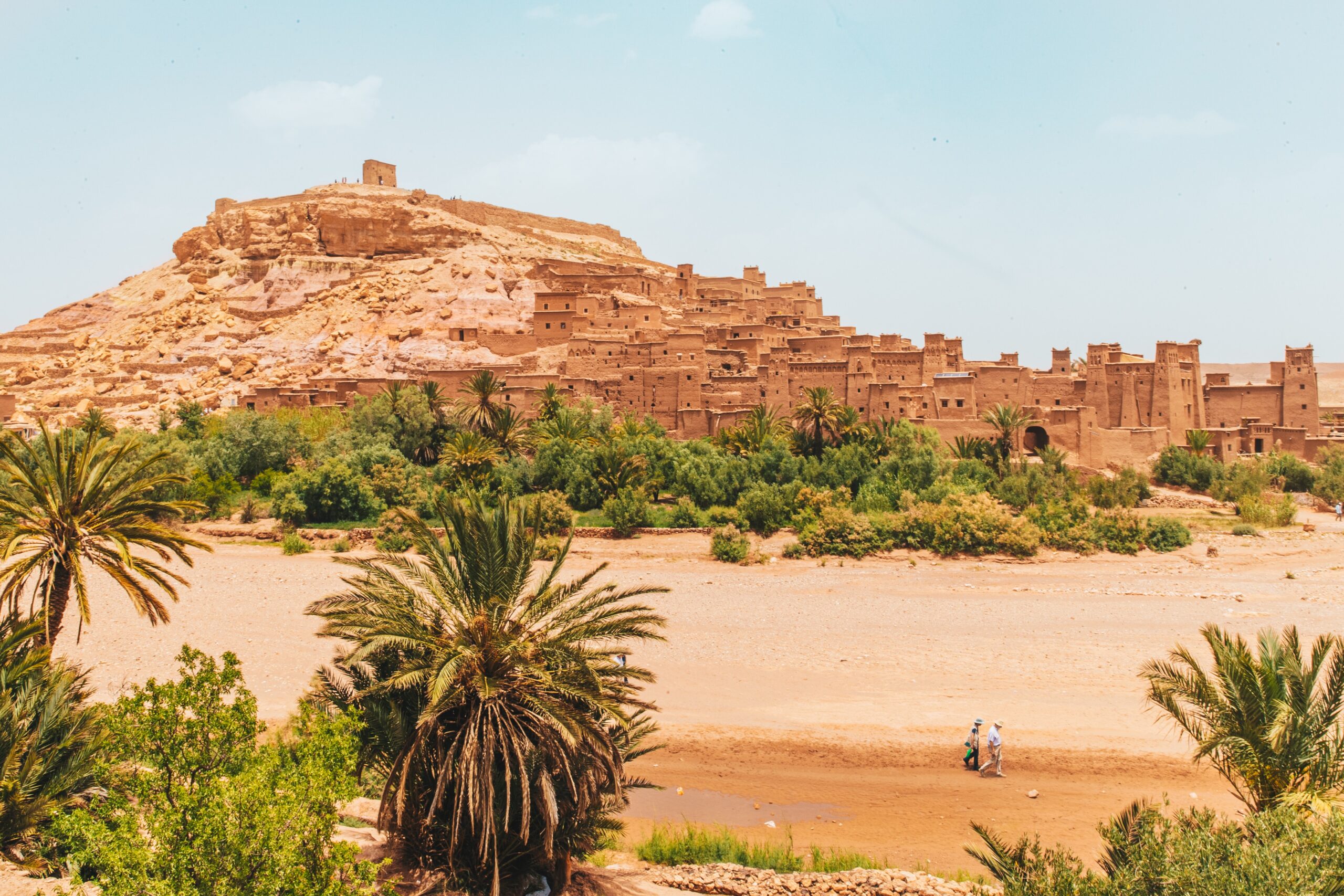
Taking place in the deserts around the city of M’hamid, Morocco, Taragalte showcases the traditions of the Amazigh and Saharan nomadic peoples — music, dance, storytelling, and more. Visiting artists sometimes bring more modern sounds to the festival (even electronic music), but the primary focus is honoring the ancient practices of nomadic cultures. This is especially reflected in the cuisine, as you can expect to see bread baked in the sand alongside slightly more modern Moroccan dishes like tagine.
While not dissimilar from other Carnivals around the world, South Africa’s version of it is quite a bit younger (having launched less than 20 years ago). It’s also not aligned with the period before Lent but instead takes place in late March on Human Rights Day, in honor of the great struggles necessary to create modern South Africa. In other respects, this cultural festival is quite similar to traditional Carnival: you can expect to see extravagant costumes and parades as well as joyous dancing, musical performances, street art, and so much more.
Read more: Top five festivals in Kenya
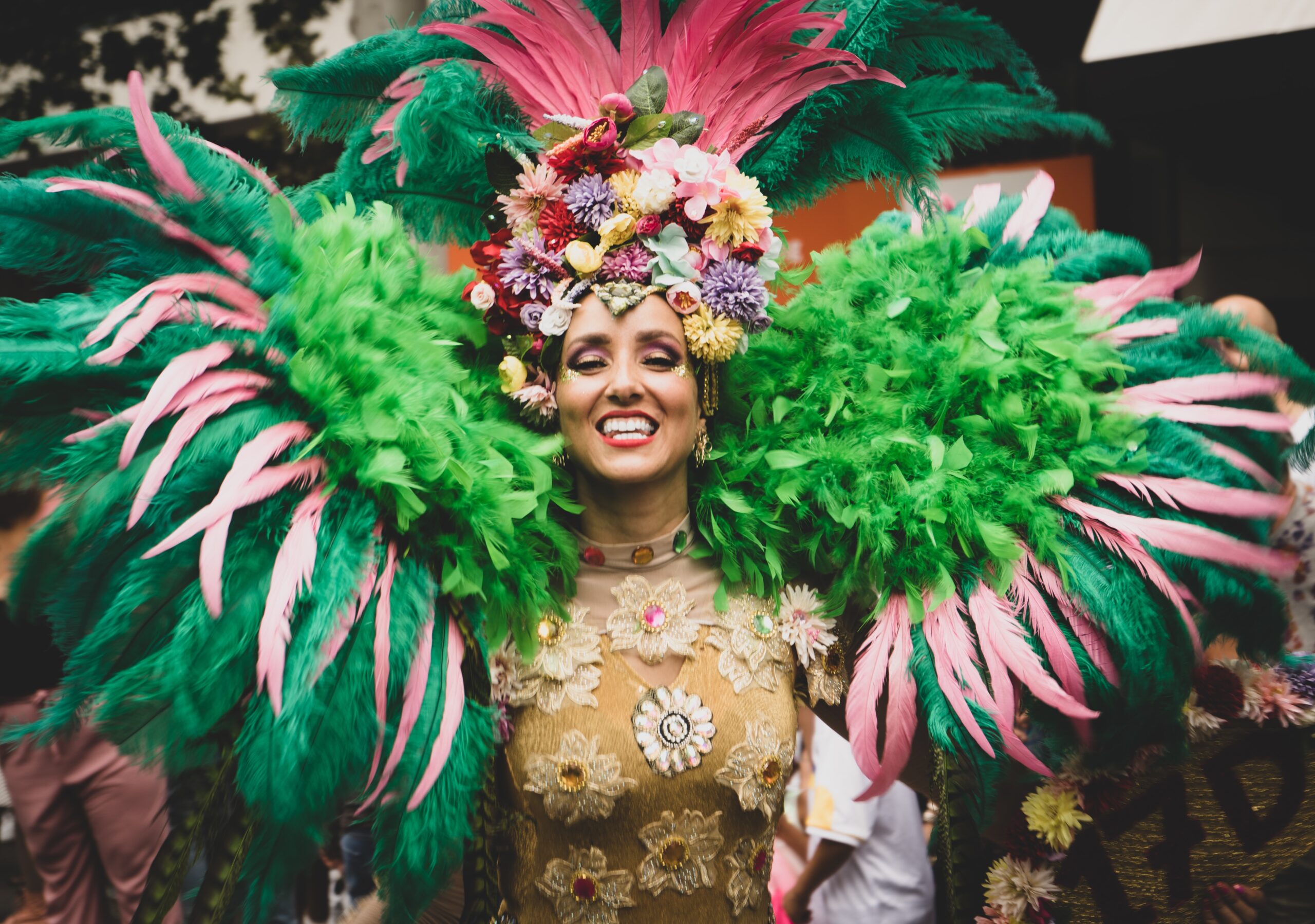
At last, we come to Brazil‘s Carnival by which all celebrations like it are judged. Most people experience it either through elaborate ticketed events (the samba school parade competitions) or, more commonly, in the wild street parties known as blocos. The latter take place in virtually every Brazilian city, but otherwise the experience differs significantly depending on where you are. For a (somewhat) less packed but still raucous experience, consider trying Carnival in Salvador, which features strong African influences in the music, dance, costumes, street cuisine, and just about every other aspect of the culture.
A joyous cultural festival despite its trappings of death (sugar skulls, skeleton face paint and parade floats, etc), Día de los Muertos takes place all over Mexico on November 2. While certain traditions are universally seen, like ofrendas (altars that families construct to honor dead relatives) and pan de muerto pastries, there are small variations wherever you go.
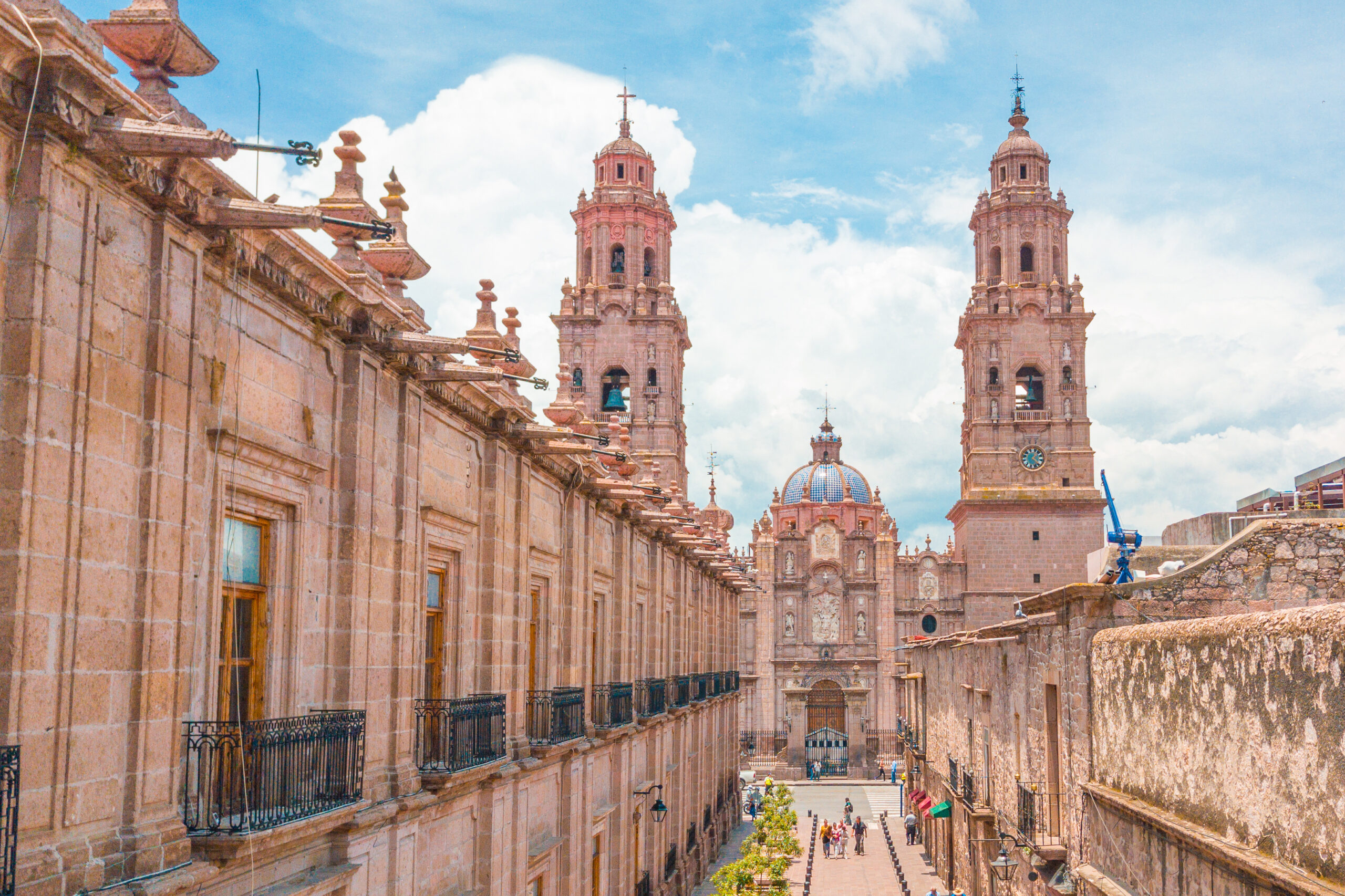
Oaxaca City has arguably the most spectacular celebration, one that features indigenous influences on the Christian holiday and spectacular showcases of marigolds in the main square. Meanwhile, families in Huaquechula build ofrendas that are as tall as three stories and invite people into their homes to share food and drink. For a somewhat more haunting celebration, visit Michoacán and see graveyards illuminated by hundreds of lights and bedecked in marigolds.
Read more: How to experience Mexico’s famous Day of the Dead

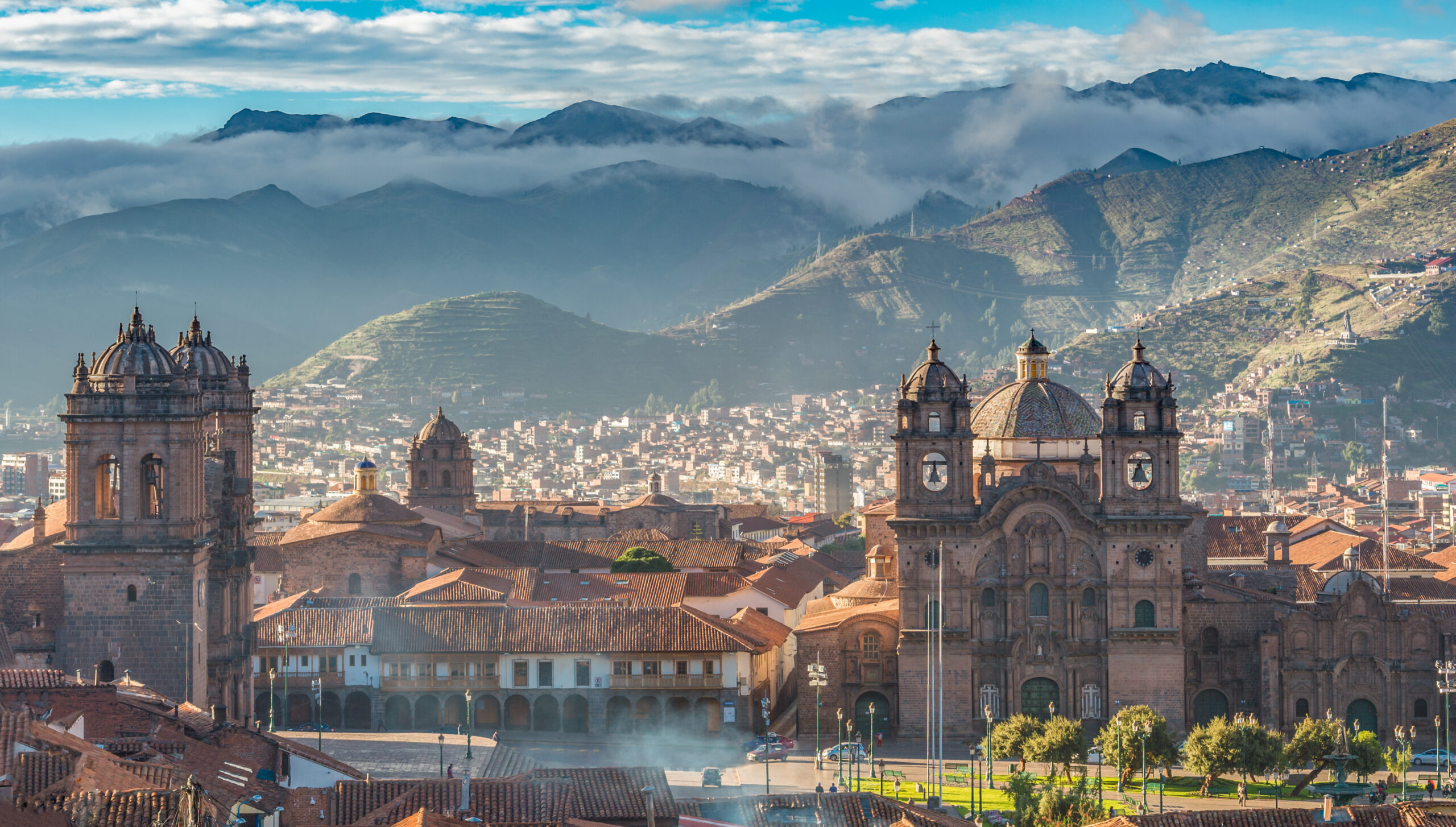
The second-largest festival in South America after Brazilian Carnival, Inti Raymi (Festival of the Sun), takes place June 24 each year in Cusco, Peru. The Incan celebration involves three principal events: the sun worship ceremony at Qorikancha temple, a meeting between the Inca and Cusco’s mayor at the Plaza de Armas, and the main ceremony at Sacsayhuamán in the hills above the city. This last ceremony requires tickets, which often sell out well in advance. Though it’s a much more solemn occasion than Carnival, the rites unfold in spectacular fashion — notably, the traditional parade of the four Incan suyos (regional groups) — that’s well worth seeing.
Whether you want to experience one of these cultural festivals or several, it’ll be best if you make your plans with the aid of an experienced guide — and that’s exactly what TravelLocal offers in all of these countries. Get in touch with our in-country guides and begin planning your festival itinerary today.
Explore all featured destinations