Unique cultural festivals around the world
September 3, 2026
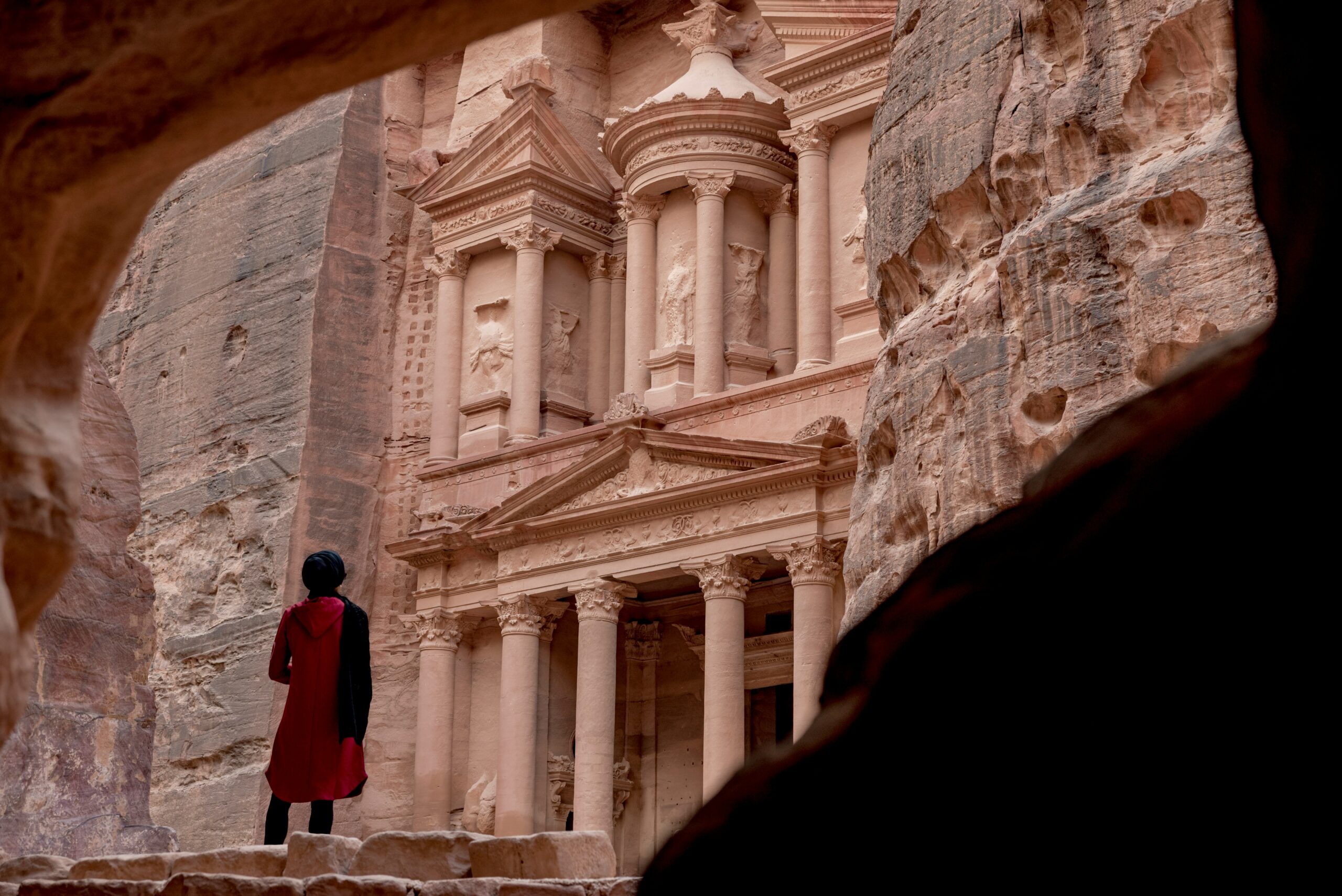
Ancient, colorful, and culturally rich, the sunbaked lands of Jordan hold many layers of history. Embedded right at the heart of the Middle East, the culture of Jordan has experienced the push and pull of numerous empires and kingdoms over the centuries. Persians and Akkadians, Greeks, Egyptians and Romans have all held sway here, and the desert and steppe are peppered with ancient monuments and age-old sites.
The people of Jordan are predominantly Islamic, but this is one of the more religiously moderate countries in the region, with freedom of worship for all. Although on a far smaller scale than Islam (over 95% of Jordanians are Sunni Muslim), Greek Orthodox Christianity has been practiced here for thousands of years. With so much to uncover, we take a look at what to expect on a trip spent diving into Jordanian culture…
The influence of Islam on the everyday life and culture of Jordan cannot be overstated. Life here moves to the rhythm of daily prayer and important religious festivals, such as Ramadan and Eid. Visitors and those of minority religious groups are swept along in the structural observances of Islam. The call to prayer sounds five times a day, Friday is the main religious day of the week, and during Ramadan, all restaurants and food stores close during the day.
Still, Jordanian culture embraces differences in religious fervor (as well as religion). While some people will pause for prayer five times a day, others will do so only on a Friday. Some women choose to wear the full hijab, while others will leave their faces uncovered. During Ramadan, some will fast all day, while other families will take some meals at home. Eating in public during the festival is not permitted, no matter what religion you follow.
Life in Jordan revolves around strong family ties that extend beyond the nuclear family. An individual’s actions are seen as a reflection of their extended family, and even their wider tribal identity.
There is a strong sense of collectivism here rather than the more individualistic society experienced in the West. This collectivism extends to major life decisions, such as marriage and profession. Young family members will be strongly influenced by their elders, and life-changing decisions will often be made by consensus.
Along with tight-knit families, there’s a deep respect for elders and strong community loyalty. As you’ll likely find on your trip to Jordan, Jordanian people also place great emphasis on hospitality. Being invited to share tea or a meal is very usual, and not just in rural areas and small towns.
Offering hospitality to strangers is a matter of honor, and should be graciously accepted wherever possible. It is considered rude to turn down any offer of hospitality, and you’ll also miss out on an opportunity to make new friends and delve a little deeper into Jordanian culture and traditions. If you really can’t accept, decline graciously with a hand on heart.
Conservative dress is the norm in Jordan, with both men and women wearing loose clothing covering arms and legs. When attending religious ceremonies or entering religious buildings, covering the arms and legs is required, and for women, a headscarf is also essential.
Although there are no official rules for visitors (aside from inside religious buildings), it is respectful to dress modestly. For men, social norms are a little more relaxed, and long shorts are acceptable in most settings. For women, long dresses, skirts and loose trousers will be a better fit. Both men and women should avoid sleeveless tops, and necklines should be modest.
Read more: 14 unique things to do in Jordan

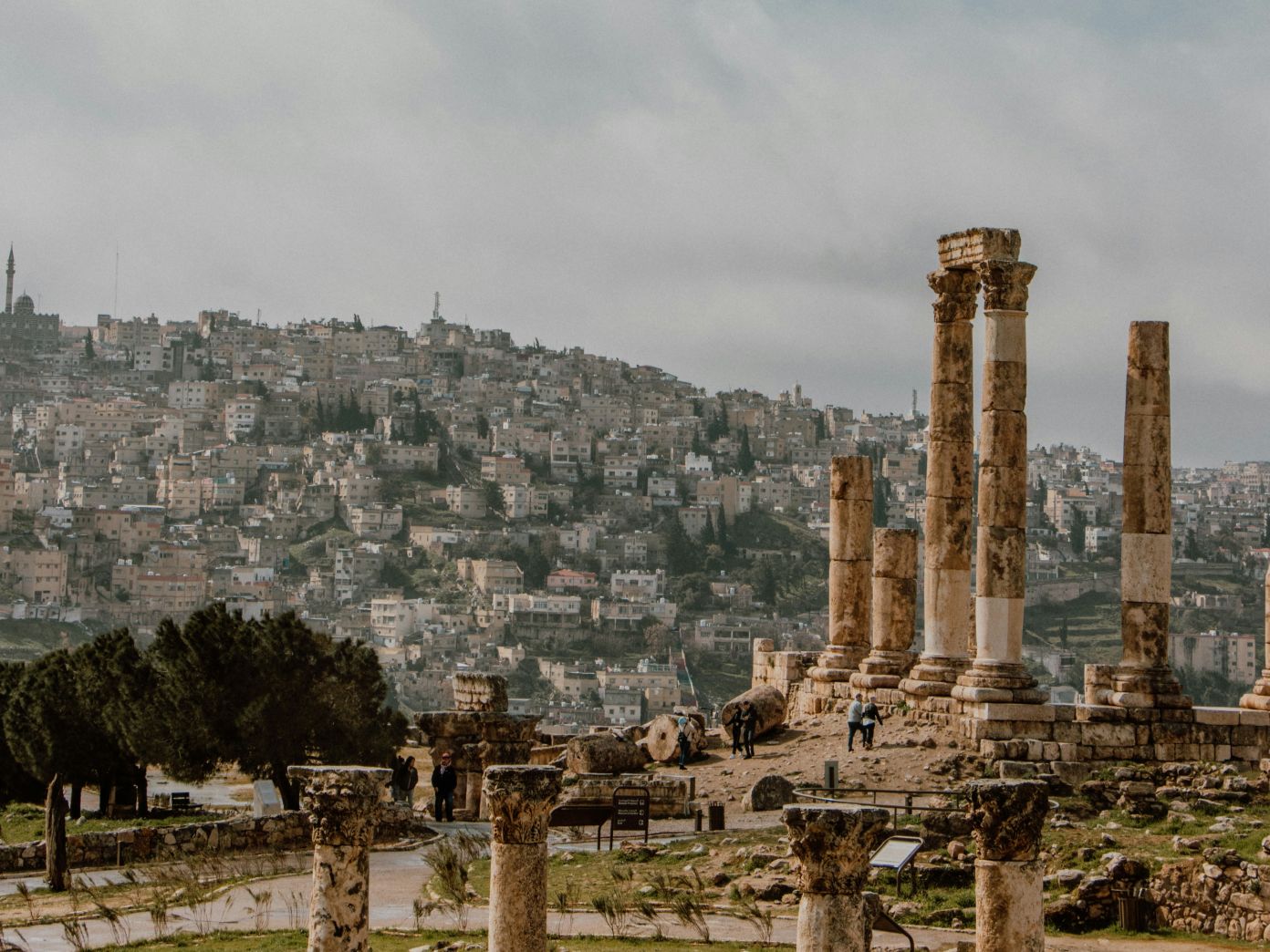
Sprawling across a hilly landscape, the modern and ancient live side by side in Jordan’s capital city, Amman. Here you can shift gears between exploring ancient monuments at the Citadel and hanging out in hip cafes and art galleries on Rainbow Street. Cosmopolitan and thriving, Amman has a real buzz about it and offers a relaxed, accessible Middle East city experience.
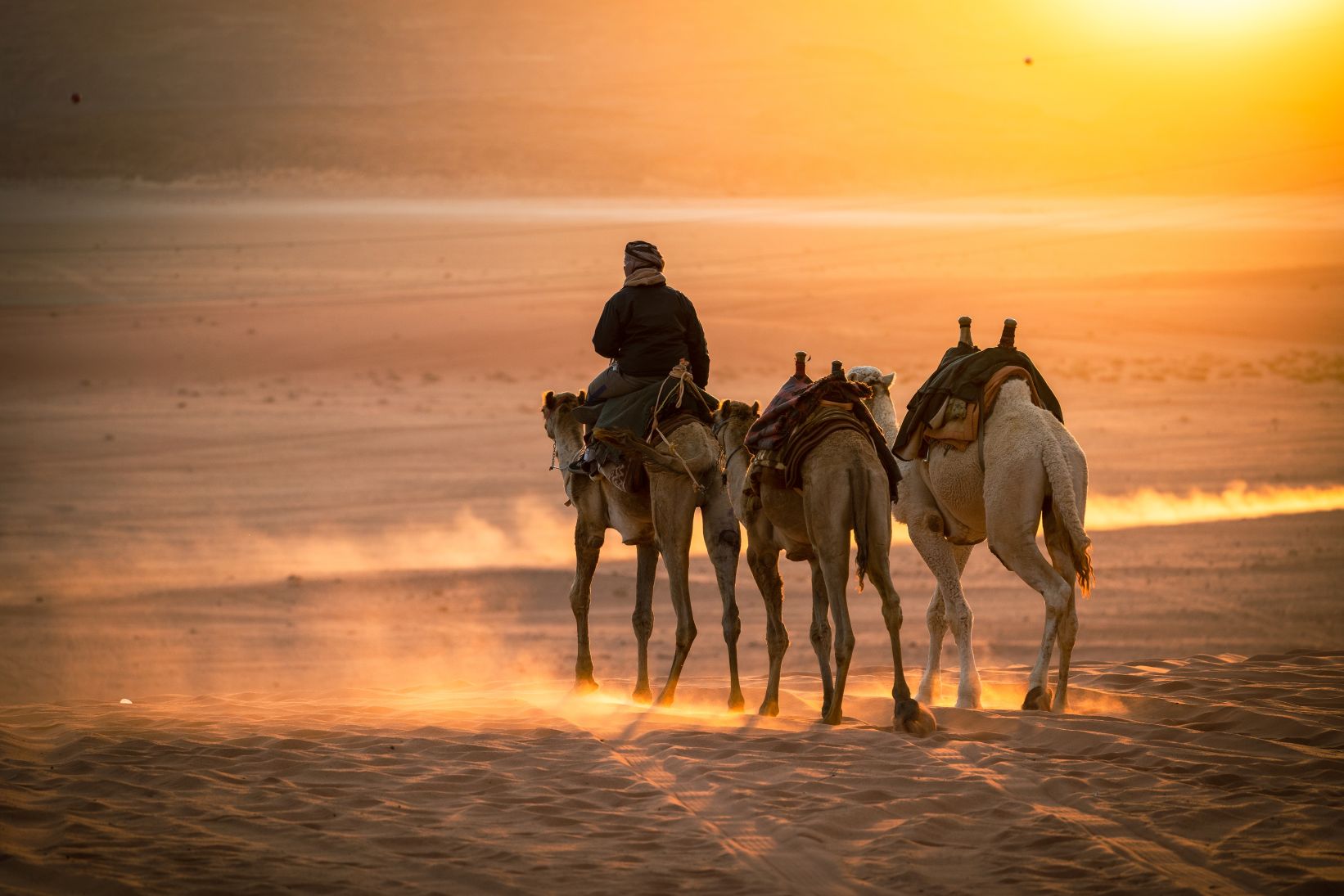
Rural life in Jordan slows the pace with quiet village streets and small farming communities. The distinctive welcoming and open nature of the Jordanian people pervades, and you’ll be greeted with smiles and questions. The traditional nomadic way of life of the Bedouin communities is distinct. Living under the desert stars, this strand of Jordanian heritage and culture is ancient and fascinating to explore.
There are few better places to experience authentic Jordan culture than in its souks and markets. It is very much the norm to haggle in markets, especially for items such as carpets, crafts, clothes, and jewelry. Keep negotiations friendly and respectful, be patient, and enjoy the exchange.
The food and dining traditions of Jordan are integral to its culture, and there is a whole host of dining etiquette to delve into. A traditional meal in a family home is usually served on a carpet with diners helping themselves from a shared plate.
As a visitor, you will be invited to some of the choice pieces of the dish and should accept at least some. Always eat with your right hand and do so slowly. Once the honored guest has their fill, it will often signify the end of the meal. A profusion of tea and coffee will be offered in small cups; always accept at least one, then shake the empty cup to signify you have had enough.
The main Jordan celebrations revolve around religious festivals. These are Ramadan, culminating in the feast of Eid al-Fitr, and Eid al-Adha, the Festival of Sacrifice.
Read more: Spotlight Q&A: local expert tips for exploring Jordan

As anywhere, it’s respectful to ask before taking photos of people. In Jordan, it is especially important when photographing women. Likewise, if you are near people’s homes, always ask them first if you can snap a picture.
The culture of Jordan is conservative, and same-sex relationships aren’t visible in the public realm, though they are legal in private. Public displays of affection are frowned upon, so no matter your sexual orientation, adhering to social norms will make things easier for all. Having said that, same-sex friends will often hold hands and kiss on the cheek.
Arabic and English are the most widely spoken languages in Jordan, and visitors will find that many urban dwellers and those working in tourism and hospitality will have a high level of spoken English. Even so, Arabic is the main language spoken in Jordan, so it’s polite and helpful to learn a few simple words and phrases.
Read more: A complete guide to Wadi Rum: Jordan’s Red Desert
Get to know the riches of Jordanian culture for yourself, on a tailor-made trip designed by our local experts with passion and attention to detail. Reach out to them today to get started…
Explore all featured destinations
Join our mailing list for travel inspiration, trip recommendations, and insights from our local experts.