
An introduction to Jordanian culture and traditions
September 14, 2026
Picture South Korea. What are you thinking about? Chances are it’s one of three things: K-pop, K-dramas, and K-beauty. Thanks to the ‘Korean Wave’ – or Hallyu – and the global fascination with all things Korean – modern South Korean culture is everywhere. There’s the Oscar-winning Parasite, Netflix phenomenon Squid Game, and the global success of K-pop. Then, of course, there’s kimchi, once an unfamiliar ingredient to many Western diners and now a global export.
But if you want to know what South Korea is really like, then you’ll find something older and deeper: a set of values, rituals and everyday habits that shape how the country lives, eats and celebrates. South Korean traditional beliefs and culture run in parallel with the country’s extraordinary transformation into a technological and cultural powerhouse. And they exist alongside karaoke bars, K-dramas, and the Korean popular culture that has made the country so recognizable.
Understanding a little of South Korean culture and traditions can change the way you approach this remarkable country, enabling you to return home feeling you’ve experienced something genuinely different.
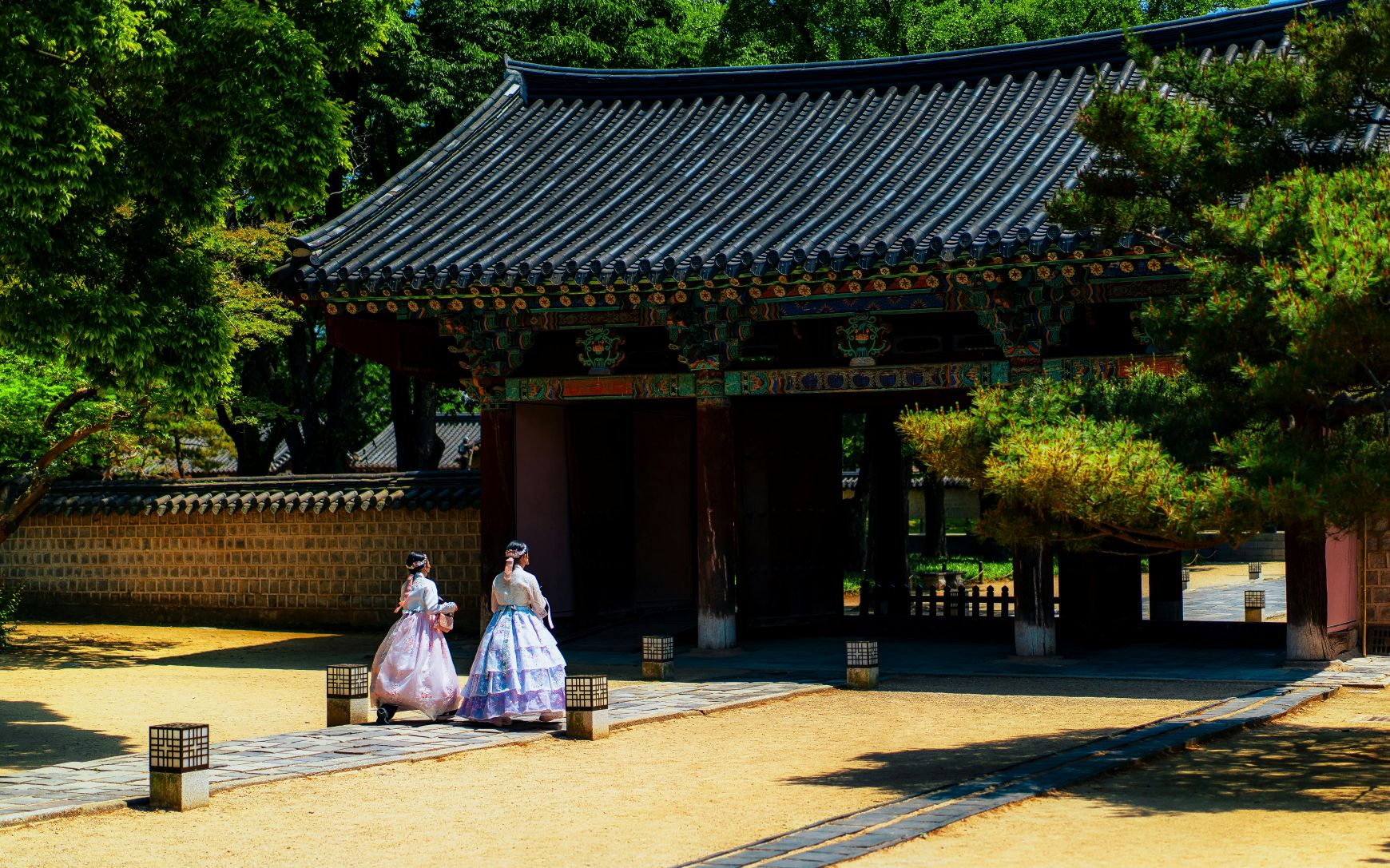
Spend a day observing South Korean daily life and you’ll notice the way people interact with one another. There’s an understated sense of consideration that runs through everyday life. You’ll observe the slight bow that often accompanies a greeting, especially when meeting an older person. On public transport, conversations are often quieter than visitors expect, and worth remembering. In cafés and restaurants, you might see younger people serving drinks to older family members before pouring their own. And it’s polite to receive or hand over a credit card, business card or small gift using both hands – a simple gesture that conveys respect.
These customs are rooted in Confucian philosophy, based around ethical, social, and moral values, which have shaped Korean society for centuries. Respect for elders dominates South Korean social structure, and family relationships and social harmony remain important values, not because they’re imposed, but because they’re woven into daily life. Confucian ethics include compassion towards others, a strong moral and collective duty over individual ambition, the importance of social etiquette, and a deep devotion to parents.
This same worldview shapes the idea of chemyeon, or ‘face’. In South Korean culture, it’s important to maintain a respectable image in the eyes of others, adhere to social expectations, and avoid embarrassment for yourself or your family, sometimes even at personal expense or inconvenience. Even in contemporary Korean culture, society is hierarchical, and an individual’s public image and social standing can dictate where they choose to live, the car they drive, and even the kind of person they marry.
If there’s one place where South Korean culture reveals itself most clearly, it’s around the dining table. Meals are designed to be shared, so rather than ordering individual plates, you’ll often find the table gradually filling with an array of colorful banchan – small side dishes of pickled vegetables, seafood, and meats flavored with sesame oil, soy sauce, garlic, and chili paste.
Kimchi is a national obsession and is the one constant on every table. It’s made by salting and fermenting napa cabbage or radish with chili, garlic, and seasoning. Families still practice kimjang, the seasonal tradition of making and sharing large quantities of kimchi in late fall to prepare for winter, which makes it onto the UNESCO list of Intangible Cultural Heritage.
Read more: 12 of the world’s best foodie destinations
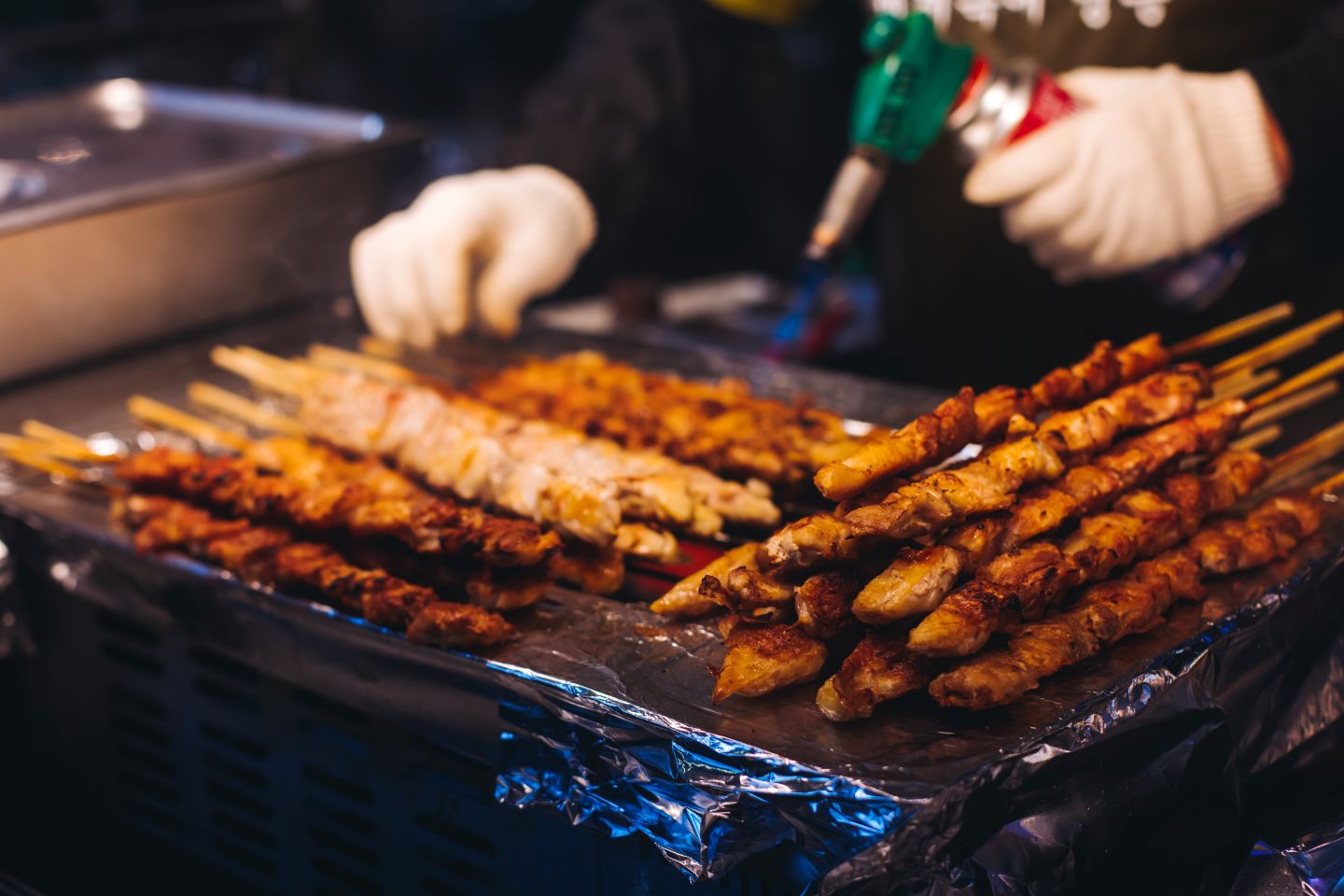
Koreans love their food, and the street food is South Korean culture on a plate. Explore the markets and see food being prepared, sold and shared in ways that reveal more about everyday Korean life than any museum display.
Seoul’s century-old Gwangjang market has stalls selling everyday staples like bibimbap, a rice bowl with seasoned meat, vegetables and a fried egg, mandu dumplings, skewered fish cakes, vegetable or mung-bean-filled griddle pancakes, and sweet hodo kwaja filled with red bean paste or custard. The adventurous can try Korea’s infamous octopus sashimi, or jjukkumi, a notoriously spicy dish of stir-fried baby octopuses marinated in a red chili sauce.
Those less daring can visit a traditional Korean barbecue restaurant, where diners gather around a grill set into the center of the table, cooking slices of sweet smoky meat before wrapping them in crisp lettuce leaves with garlic, sauces and vegetables. Wash it down with a glass of soju, a clear, mild spirit distilled from rice, and the cool Korean’s tipple of choice, or its less sophisticated cousin, makgeolli, a milky, slightly fizzy rice wine that has its own devoted following.
If you’re lucky enough to dine with locals, observe some basic Korean dining etiquette. Wait for the eldest person to commence the meal by picking up their chopsticks, which are used for most dishes (alongside a spoon for rice and soup), and don’t hold your chopsticks and spoon together at the same time. Never use your chopsticks like skewers, and never stab them or leave them sticking up in your bowl of rice, which is a funeral ritual.
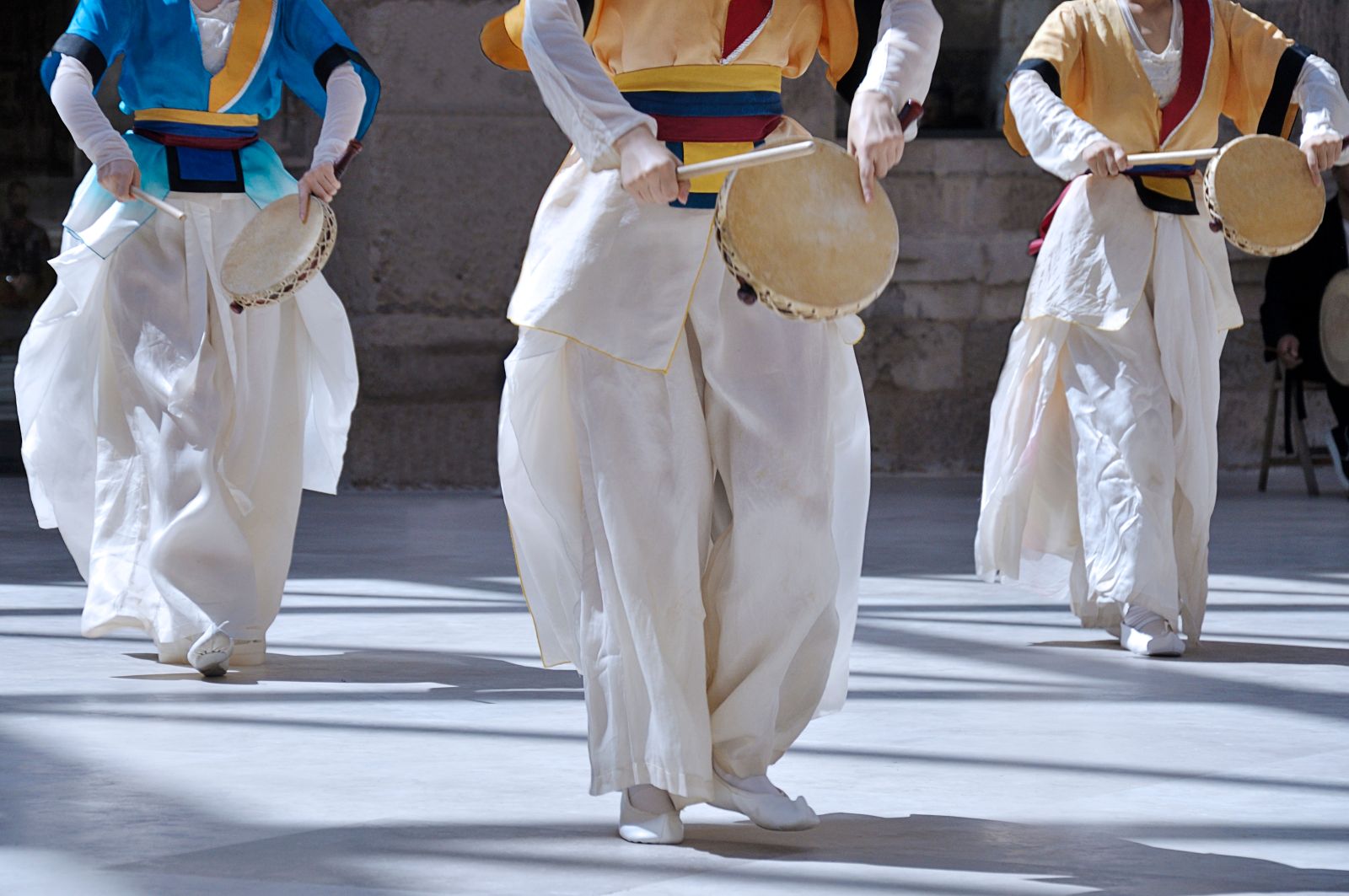
Visit South Korea during one of its festivals and you’ll see its traditions not as something preserved from the past, but as part of life today, rooted in family rituals passed down through generations. The calendar is marked by celebrations that bring families together, honor ancestors, welcome the changing seasons, and pay tribute to Buddhist traditions.
The two biggest holidays trigger a nationwide migration as everyone heads to their hometown for a few days. Seollal, the Korean lunar New Year, and Chuseok, often referred to as Korean Thanksgiving, both involve the Korean ritual of charye, setting out food to honor ancestors. Each dish has a historical, spiritual and personal significance, and prayers are spoken during the ritual.
On Seollal, younger family members perform sebae, a formal bow to their elders in exchange for words of blessing, and often cash, before sitting down to a bowl of tteokguk, rice cake soup eaten to mark another year of age. Chuseok takes place on the 15th day of the eighth month of the Lunar calendar, when the harvest moon is at its fullest. It’s an important holiday lasting three days, and the preparation and sharing of food with family is at its heart. Everyone has their own traditional dishes, usually including songpyeon, small moon-shaped rice cakes filled with ingredients such as sesame seeds, beans or chestnuts.
Time your vacation for Buddha’s Birthday, usually falling in May, and experience Seoul’s Lotus Lantern Festival, marked by a parade through the city center, and temples and streets decorated with lotus lanterns. Not to be confused with the winter Seoul Lantern Festival held over Christmas and New Year, which is even more spectacular. It’s a dazzling exhibition of Korean traditional hanji paper lanterns with different themes and shapes illuminated with colorful LED lights.
At the other end of the calendar, Hwacheon Sancheoneo Ice Festival turns a frozen river in Gangwon Province into the setting for ice fishing and winter activities. And for an even more unusual take on South Korean culture, make for the Boryeong Mud Festival in July. Every year a stretch of Daecheon Beach becomes a mineral-mud playground in what claims to be the largest summer festival in the world. It may well be the messiest festival too: think mud baths, mud slides and mud wrestling, with float parades, fireworks, and K-pop concerts drawing international visitors by the millions.
Read more: Unique cultural festivals around the world
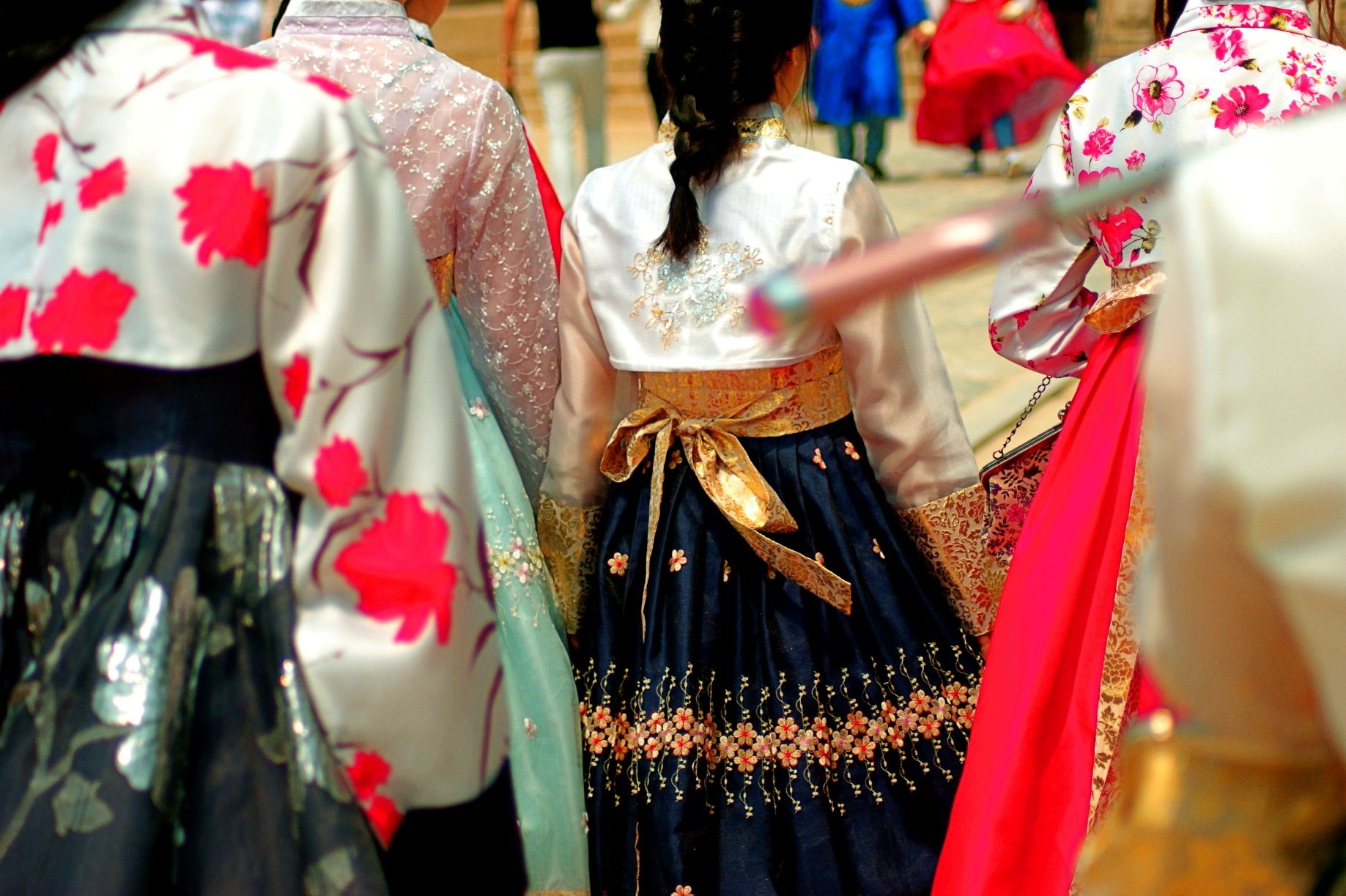
Modern South Korean artistic identity honors tradition while continually reinventing and reinterpreting itself. It’s dynamic and fluid; contemporary designers draw on traditional patterns and materials; modern buildings incorporate references to Korean architecture; musicians and artists reinterpret traditional styles for new audiences.
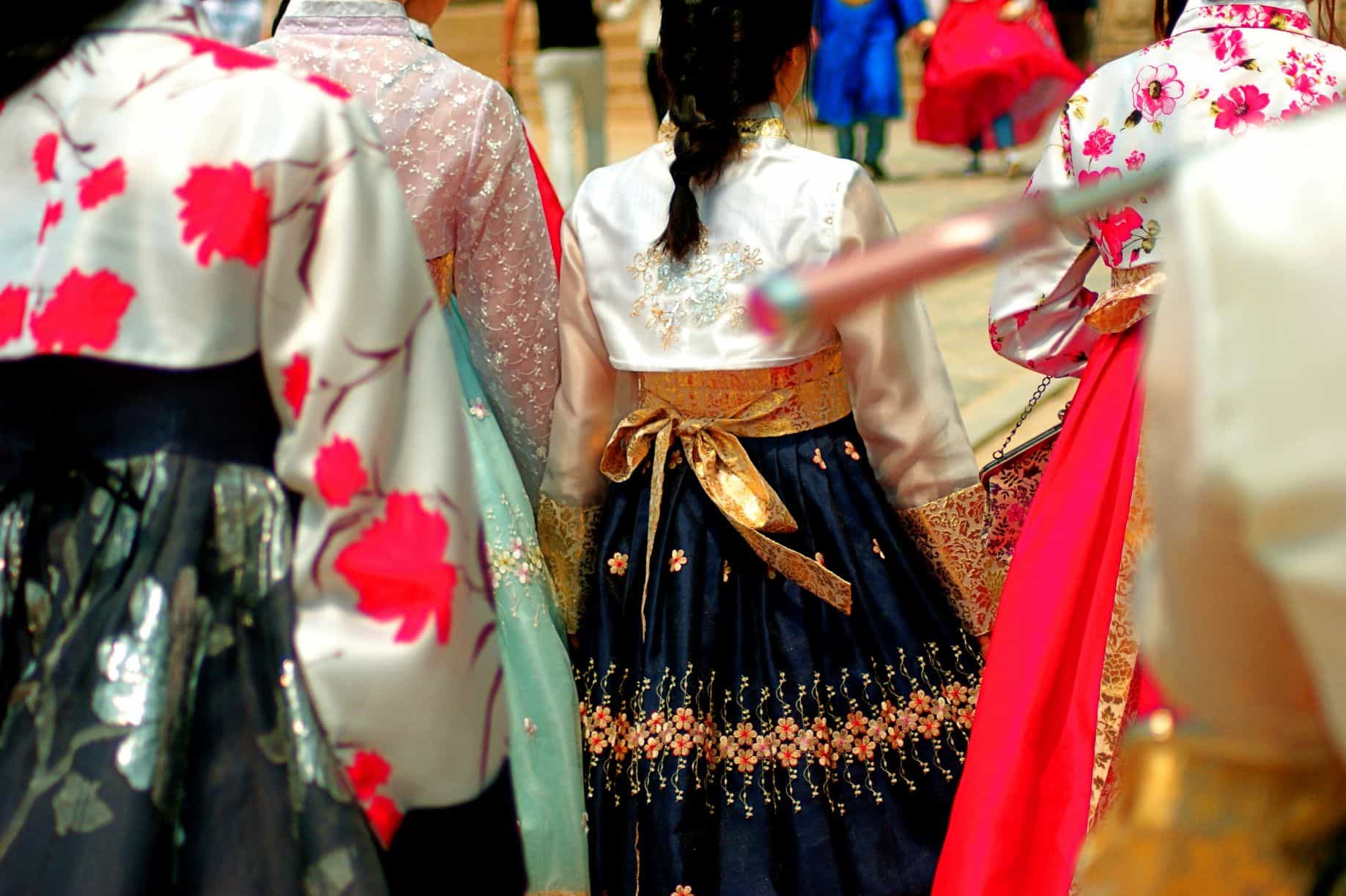
This is evident in the recent resurgence of hanbok – literally Korean clothing – developed in the 19th century, with distinctive lines, vibrant colors and flowing silhouettes. Traditionally worn for weddings, festivals and major family occasions, the clothing had somewhat fallen out of favor with younger people, who are rediscovering and claiming the outfits as their own. And hanbok has found a new place in contemporary Seoul with visitors and locals alike stepping back in time and renting outfits, dressing up for a day of photos among the traditional architecture.
South Korea’s contemporary creative scene is massive, and its global reach and influence isn’t slowing down. K-pop, Korean cinema, television, beauty and fashion are now exported around the world, but the country’s creative confidence extends well beyond entertainment. Seoul has become a major center for contemporary art and design, with galleries, studios, and independent spaces occupying the city’s creative districts and the hub of the country’s contemporary identity.
One of the best places to experience Korean arts and culture is Seoul’s Insa-dong district where galleries display traditional and contemporary Korean arts and crafts including ceramics, calligraphy, paper crafts, and sculpture. Korean ceramics have a distinguished history, particularly the jade-green celadon associated with the Goryeo dynasty. Hanji, the practice of making paper by hand from the bark of the mulberry tree, has been used in Korea for centuries and remains an important material for artists and craftspeople.
Alongside Insa-dong’s galleries, traditional tea houses sit side by side with modern shops, and at the weekend the main street is blocked off for exhibitions and performances. You might see pansori, a form of musical storytelling in which a singer performs an extended narrative accompanied by a drummer.
Once known in Seoul for its industrial workshops, Seongsu has developed into a center for design, fashion, independent brands and food. Known as the Brooklyn of Seoul, its converted factories and warehouses are now home to art spaces, cool cafes, and fashionable boutique stores.
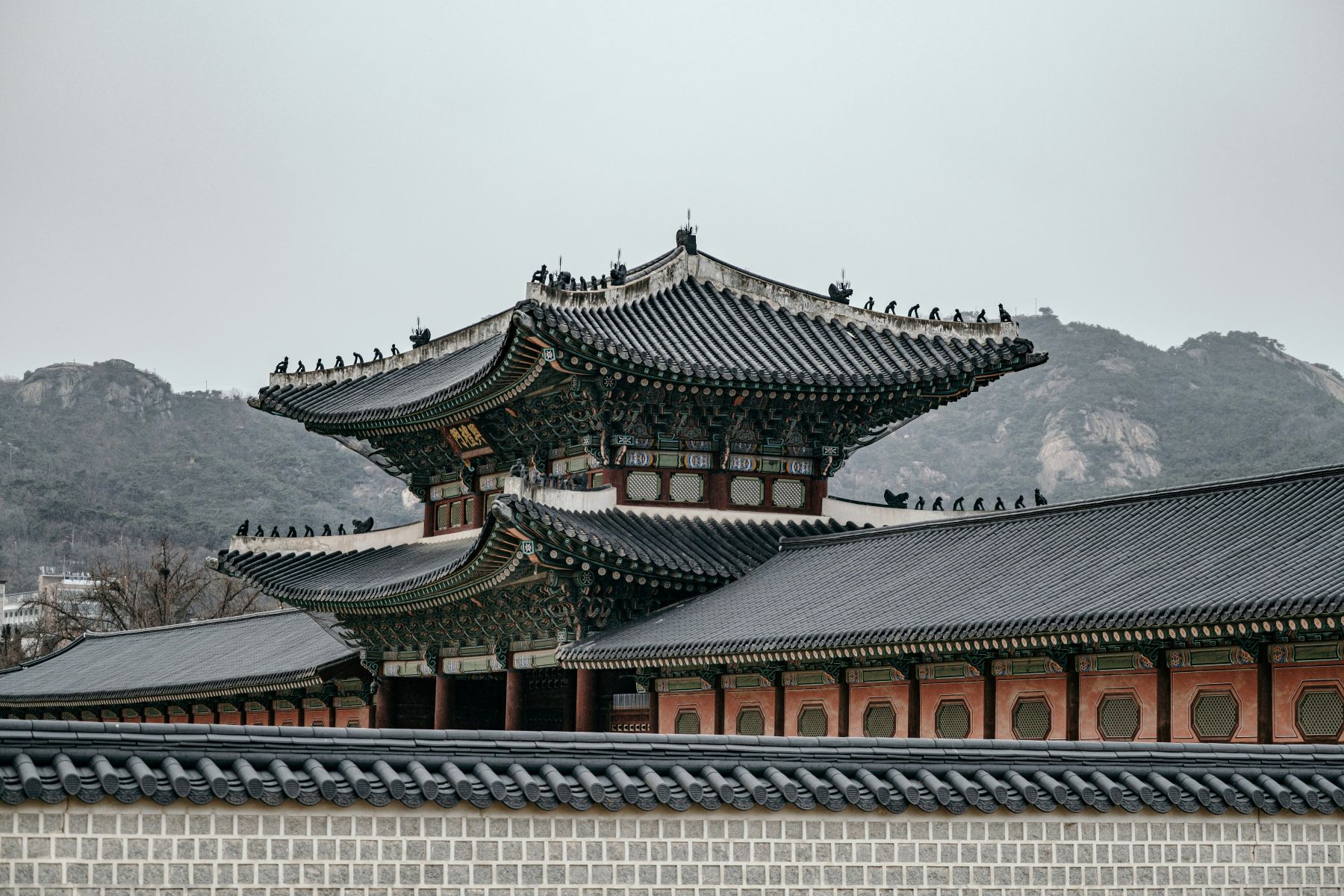
Of Seoul’s five royal palaces, Gyeongbokgung Palace is the most popular with visitors and a must-see attraction in Seoul. Built over 600 years ago as the official palace of the Joseon dynasty, its broad courtyards, ornate gates and traditional buildings are an iconic piece of South Korean history, and the changing of the guard ceremony is one of the city’s most recognizable cultural experiences. For free entry into the palace and an opportunity to experience hands-on South Korean culture, you can rent and wear a traditional hanbok for your visit.
The architecture of Changdeokgung Palace was designed to work with the surrounding landscape; the famous Secret Garden is a beautiful expression of traditional Korean ideas about the relationship between buildings and nature, and a serene escape from the city’s bustle.
Between Seoul’s two palaces lies Bukchon Hanok Village, a historic neighborhood of traditional hanok houses. It’s a popular tourist destination, with many hanok operating as cultural centers, guesthouses, restaurants and tea houses. Many remain as homes and working spaces, however, and visitors should be mindful of this. Follow its narrow lanes up the hills between the palaces for views across the tiled rooftops towards modern Seoul.
Experience traditional culture in the middle of the city and visit one of South Korea’s Buddhist temples. The colorful Jogyesa Temple, in central Seoul, is accessible and striking, with colorful lanterns and ornate details. Elsewhere, temple stays give visitors the opportunity to experience Buddhist practices more directly, including meditation, communal meals, and early-morning ceremonies.
Read more: Top 10 historical sites in Asia
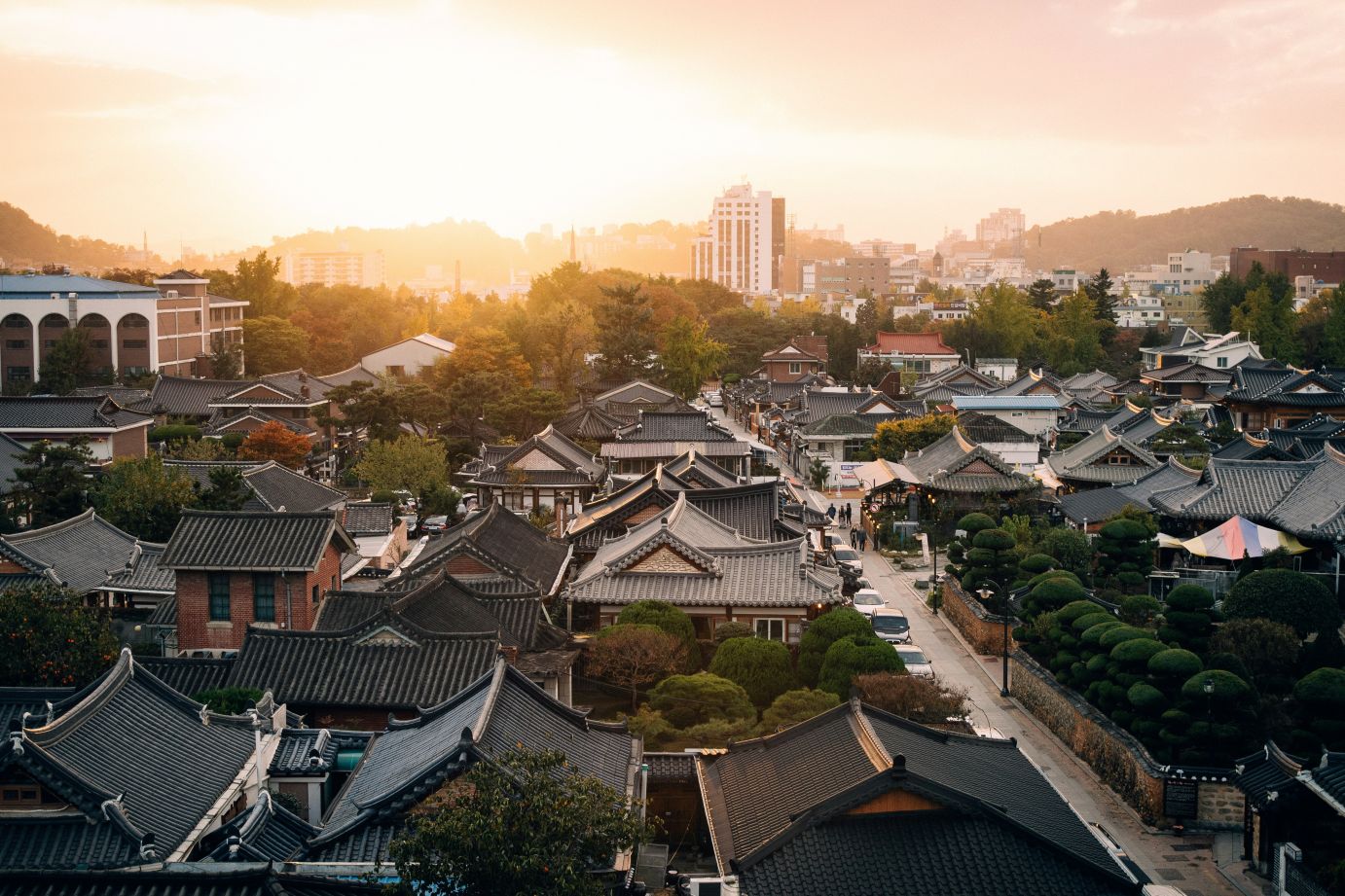
Travel beyond Seoul and you’ll discover more fascinating cities, different landscapes and cultural gems:
South Korean culture isn’t something you need to understand in its entirety before you arrive. The pleasure comes from gradually seeing South Korean daily life unfold in front of you. Ready to experience South Korea for yourself? Connect with our locally-based travel experts to start designing your ultimate itinerary.
Explore all featured destinations
Join our mailing list for travel inspiration, trip recommendations, and insights from our local experts.