Exploring New Zealand through the seasons
October 28, 2026
Not far off the combined size of the 48 neighboring states of the USA, Australia is a biggie. With its upper reaches in the tropics and its toes reaching towards chilly Antarctica, there are significant disparities in climate from north to south and east to west. Deciding on the best time of year to visit Australia depends on which part of this vast country you’d like to explore, and how long you have. With plenty of time on your hands, you could easily spend several seasons roaming the coast and interior. For most of us, though, we’ll have a more finite window of time. This is when the question of the best time to visit Australia takes center stage.
The Northern Hemisphere seasons are flipped down under in Oz. Christmas barbecues and New Year beach days are on the agenda here, with winter at its height in July and August. However, these familiar seasons only apply to certain parts of the country, with other regions experiencing desert or tropical climates instead. Each has its own seasonal characteristics, which should be carefully considered when deciding on the best time to go to Australia for you.

Read more: Tips for experiencing tropical Australia
If you can, sneak into Sydney and along the New South Wales coast during springtime. This is definitely the sweet spot for travel in Australia’s most popular region, combining great weather with fewer crowds. Once December and January kick in, domestic travel will be at its peak, ramping up prices, filling restaurant tables, and clogging up beach space.

Another very popular region for travel in Australia, Melbourne is a lot of fun in summer, but it’s also a very busy time. Head there during the Southern Hemisphere spring and fall for the best ratio of good weather and fewer crowds. Winter can be rather cold and gloomy, so it’s best avoided.
Up top in Queensland, the rainy season makes travel trickier and kicks up the seas and sediment around the Great Barrier Reef. If you’re road tripping along the coast road, you’ll want to dive in and experience this incredible underwater world. Aim for the June-October dry season for clearer waters and drier rainforest tracks for hiking.
Deep in the desert heart of Australia, the Red Center and the wilds of the Outback are only really viable to visit during the cooler winter months. Even so, the heat is fierce by day and surprisingly cold by night, so go prepared with plenty of protection against both extremes.
To make the most of tropical Darwin and its surrounds, a dry season visit is paramount. The epic landscapes of Kakadu National Park will be at their best during early dry season (May-July) when the lakes, rivers and waterfalls are full, and the landscape is lush and green.
Except for the far north, Western Australia is at its best during late spring, summer, and early fall. As always, avoiding December and January if you can will mean fewer crowds and more favorable prices. Perth is in southern Western Australia, so experiences temperate weather with plenty of spring and fall sunshine.
Surrounded by tumultuous ocean currents and dramatic weather patterns, Tasmania is one wild island. Battered by wind and rain for a good portion of the year, this is one region where the high season months of December through February are definitely the best time to visit.
Read more: A beginner’s guide to Australia
The all-round best time to travel to Australia for just the right amount of sunshine in most regions is September to November. Make it epic and take all three months to explore if you can!
Low season travel comes with its downsides, but the sweet spots of spring and fall (avoiding the Easter break) offer the holy trinity of fair weather, fewer crowds, and slightly lower prices. If you’re flexible on time, these are the best months to visit Australia across most regions.
Again, spring and fall come out on top here. If you’re heading to the tropical north or the Red Center, then the dry or winter season of April to September works well.
In general, fall (March-May) is the ideal time for many water sports in Australia. The sea is warm, and the swell is picking up for surfers. For serious surfers, the big waves roll in during winter, but wetsuits and a lot of nerve are required. Diving the Great Barrier Reef is best during the dry season (June-October) for calm waters and good visibility.
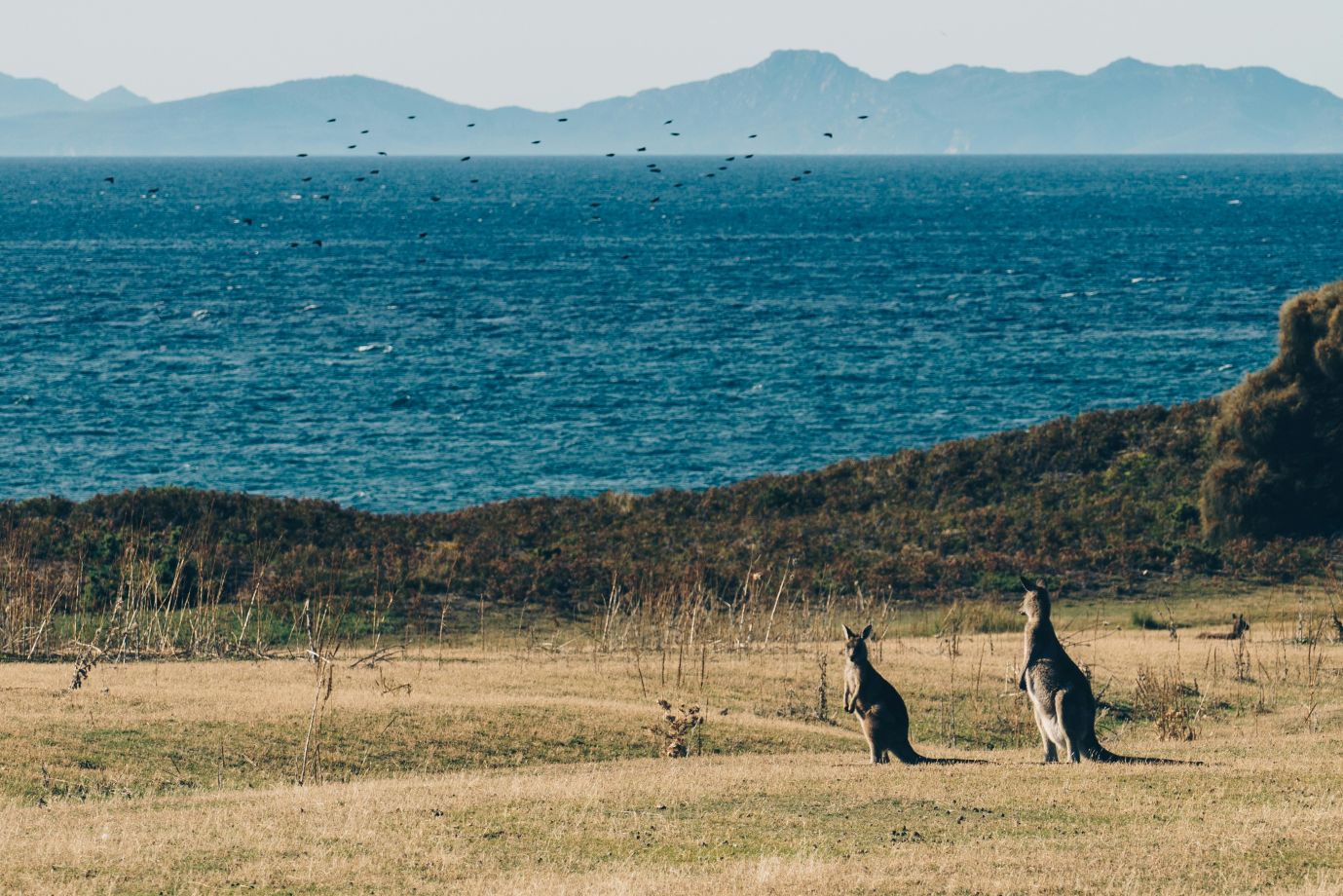
The best time of the year to go to Australia for wildlife spotting is probably springtime when most birds and land mammals are more active. The dry season brings Outback beasts, such as kangaroos and crocs, to watering holes. Along the coast, several species of turtle nest and hatch in summer, while whales migrate during the winter months.
Read more: Local expert tips for planning a trip to Australia

Find out more about the best time to visit Australia, alongside travel recommendations and tips personalized to your interests and budget, by reaching out to our local experts: based in the destination and with years of experience behind them, they’re ready to help you plan the trip of a lifetime.
Explore all featured destinations