
A beginner’s guide to Patagonia
October 23, 2026
Stretching 4,300 km north to south yet never more than 350 km wide, Chile is naturally a place of astonishing extremes. Here you can find the driest desert on Earth, the icy fjords of Patagonia, and a remote island of ancient stone figures far out in the Pacific. Looking for tips and suggestions of what to do in Chile? In this article, we recommend just 20 of the best sites and experiences in Chile, each one combining to form a spectacular South American adventure.
Key takeaways:
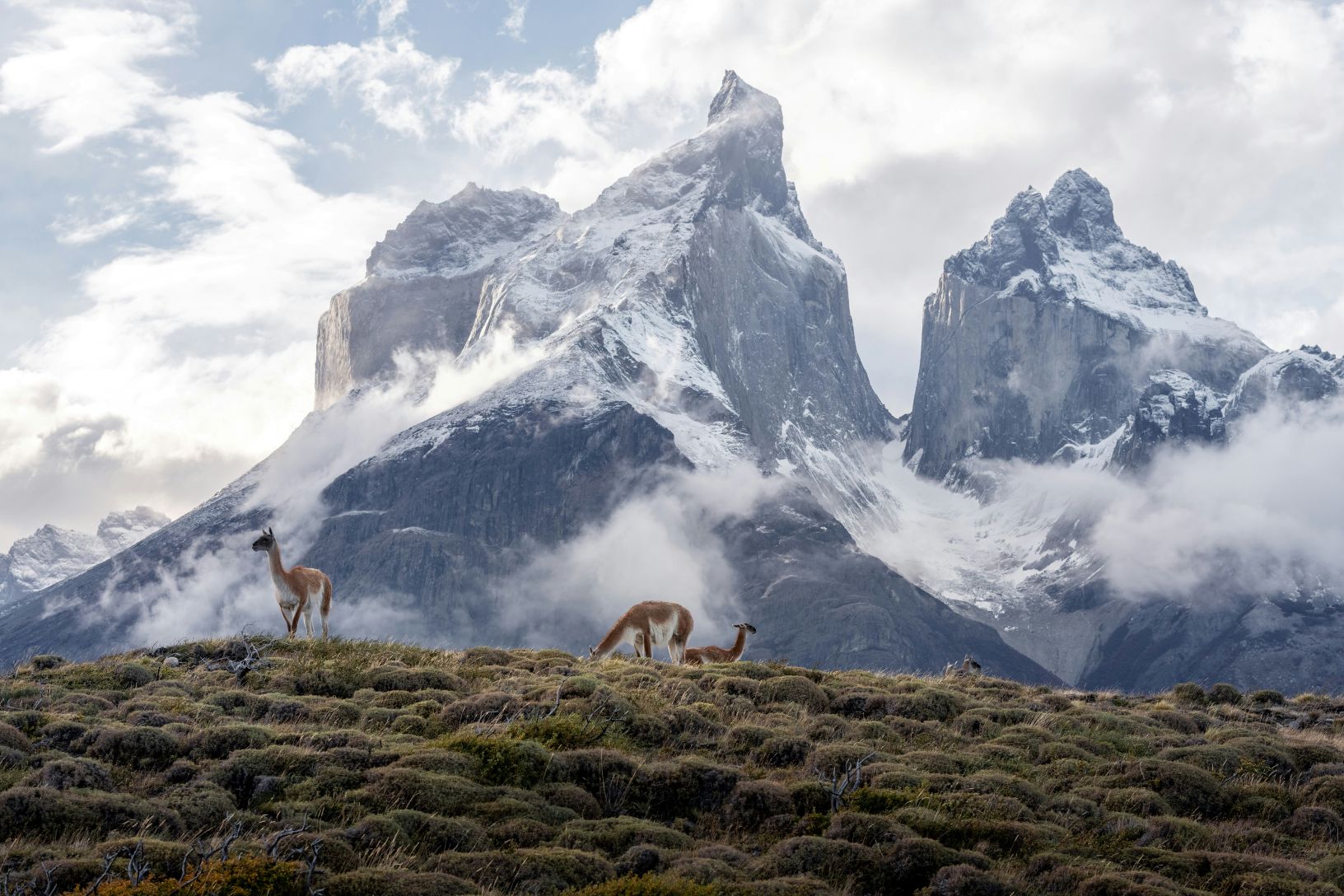
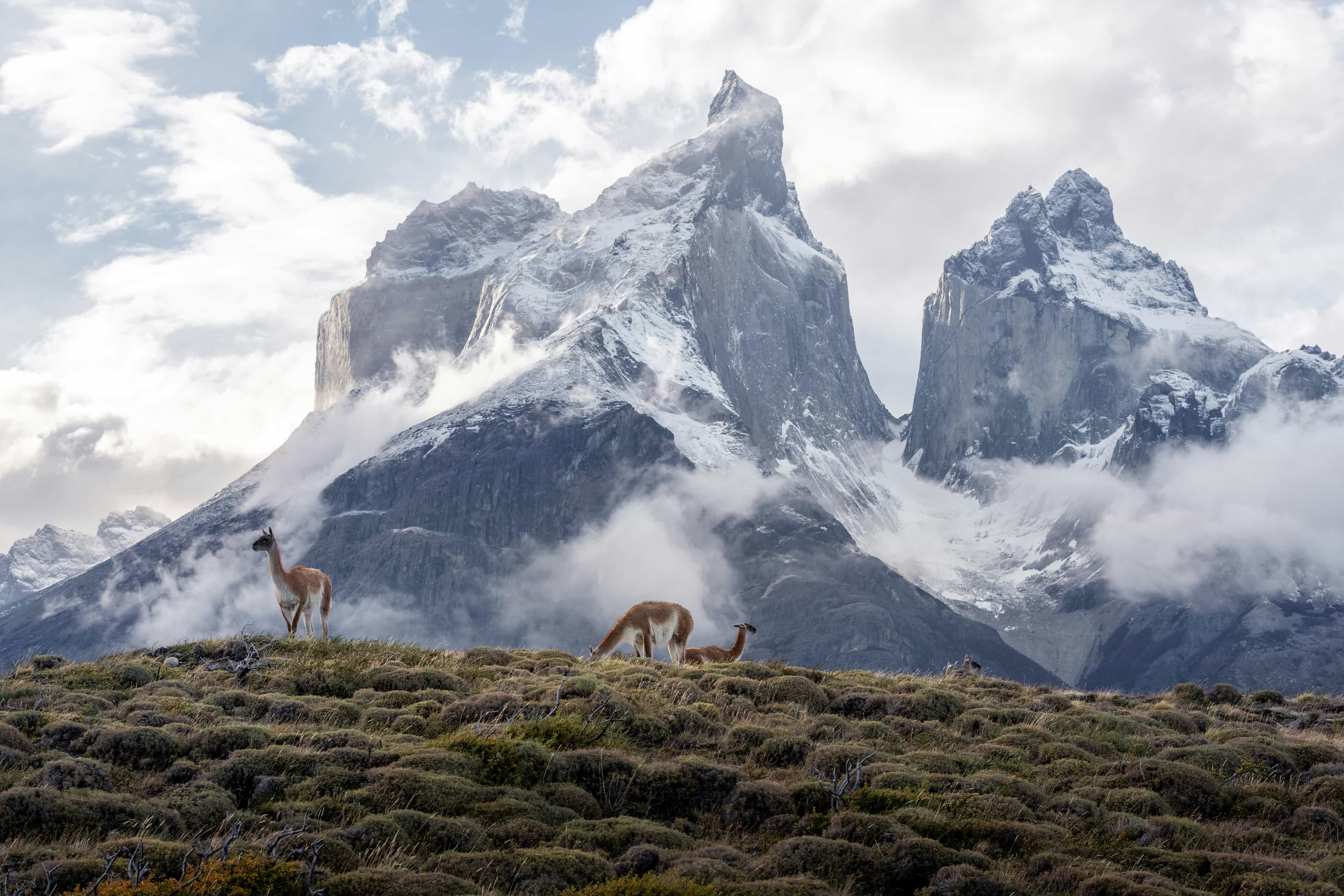
Patagonia’s beloved national park, Torres del Paine, is named after three soaring granite towers that rise 2,500 m above the windswept, golden steppe. It’s the crown jewel of Chile’s national parks and the gateway to the region’s wilder side.
To uncover the spectacular scenery of Torres del Paine on foot, most hikers follow the W (named so for its ‘w’ shape) over four or five days. This route connects three wondrous sights: the base of the granite spires (torres), the dramatic French Valley, and the ice-blue face of Grey Glacier in the Southern Ice Field. The Full Circuit covers these sights and more, for at least a week of remote landscapes, wilderness immersion and solitude.
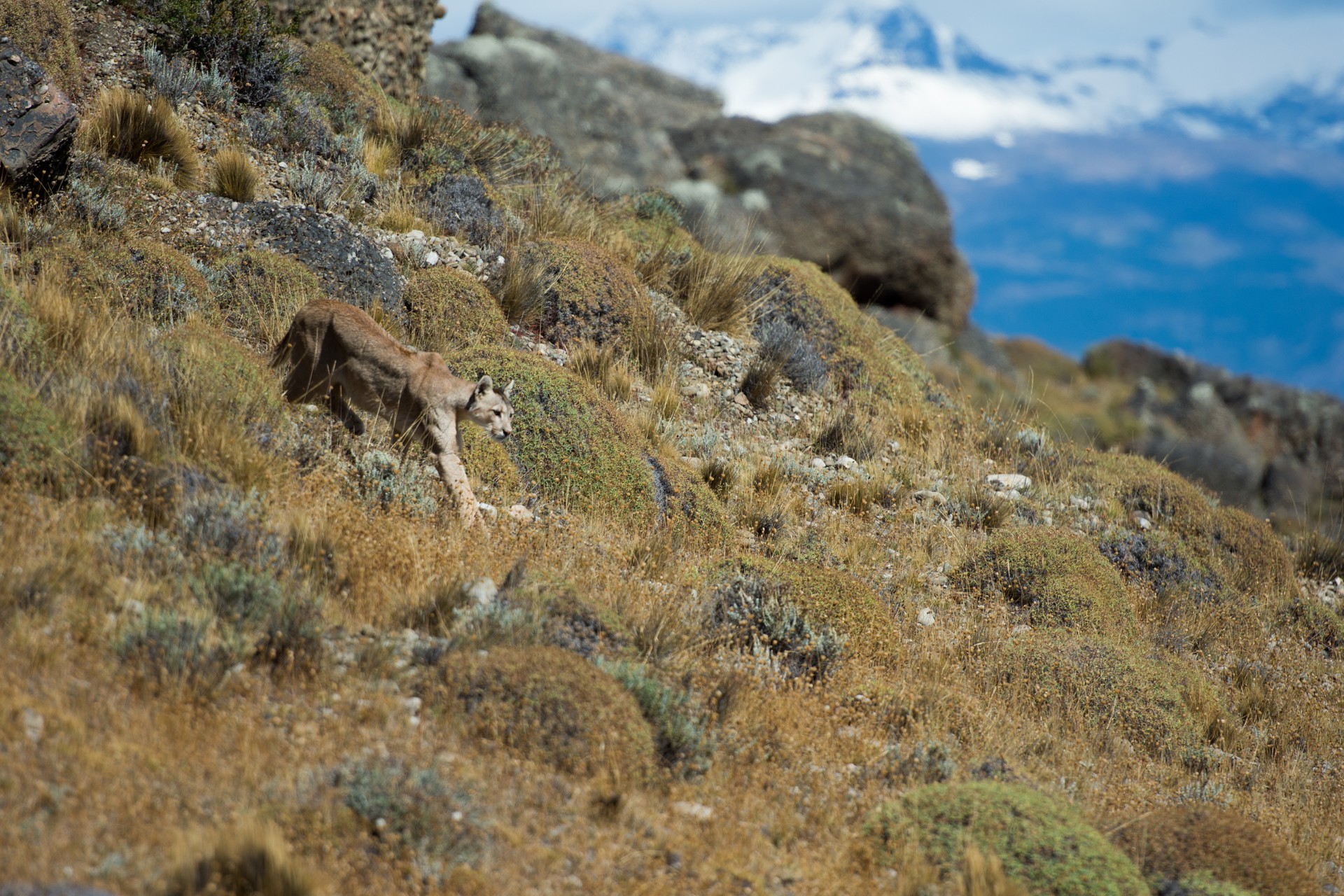
Along the trail, you’ll likely come across herds of guanacos (cousins of the llama) grazing right beside the path, while huge Andean condors with 3m-wingspan circle overhead, patrolling the ridgeline. Pumas are harder to spot, slinking through the landscape at dawn or dusk—sightings are ideally supervised with a local guide!
Traveling south of Torres del Paine, the Patagonian landscape becomes wilder still; a topographical wonderland of fjords, caves and islands.
Taking a ferry along the Patagonian fjords is a trip-maker for some. Over three or four days you sail through the winding Pacific channels that separate Chile’s mainland from its hundreds of islands. The scenery feels untouched and otherworldly as you sleep aboard the ship, stopping off at historic fishing villages and absorbing the vast ocean views. Check in advance, as this ferry runs seasonally—usually October through March.
Further inland in the Aysén region of Chile is General Carrera Lake, a glacial lake with a shimmering network of marble caves. From either a kayak or motorboat, you can travel through the 6,000-year-old caves to admire the stunning rock formations that swoop and curl overhead, streaked with neon yellow and dappled by watery beams.
This legendary highway is 1,240 km long, and runs from Puerto Montt to Villa O’Higgins where the road simply ends at the Andes peaks. Most rent a car and drive the Carretera Austral as far as time allows—stopping at the many highlights en route like Pumalín’s volcano views, Futaleufú’s whitewater rapids, and Queulat’s hanging glacier. A relaxed road trip would take around 10-14 days; the full highway with ferry crossings could be much longer—but either is a fantastic road adventure.

Futaleufú is a northern town with sensational, glacier-fed rapids, a favorite for adrenaline seekers who like to vacation at a faster pace. White-water rafting here is made even more memorable because the waters are turquoise and beautifully clear, and the Andes, sitting on Argentina’s border, looms as your backdrop.
Magdalena Island becomes much noisier each summer with a charismatic colony of over 100,000 Magellanic penguins. These mid-sized penguins burrow into the coastlines of southern Chile and Argentina each breeding season, around October to March. To catch them, it’s a short and pleasant boat ride from Punta Arenas.
Read more: Family-friendly wildlife experiences in Chile
One of the driest places on Earth, the Atacama Desert is also one of the most strikingly beautiful places in Chile.
The clarity of the skies in the Atacama is a stargazer’s dream, in fact world-class observatories such as ALMA and Paranal carry out essential research here. An overnight stay in the Atacama can also include guided stargazing sessions, where you can observe the Milky Way and other star clusters through provided telescopes.

At an elevation of almost 4,300 m, El Tatio is a dramatic geothermal field where more than 80 geysers hiss and erupt among the desert landscape. Seeing the plumes of steam spurt into the dusky pink sky feels like visiting another planet. Nearby, the famed Atacama Salt Flats (Salar de Atacama) are breathtaking; a vast, cracked lakebed of dazzling white salt with mirror-like lagoons—amazing for photography.
There’s nothing like getting a shot of adrenaline in such a vast, eerie space—and taking to a sandboard is a truly thrilling way to experience the desert dunes in the late afternoon sun. Snowboarders will feel right at home—but even total beginners can have a go with full instruction from your guide.
Chile’s Lake District has as many volcanoes and peaks as it does lakes…
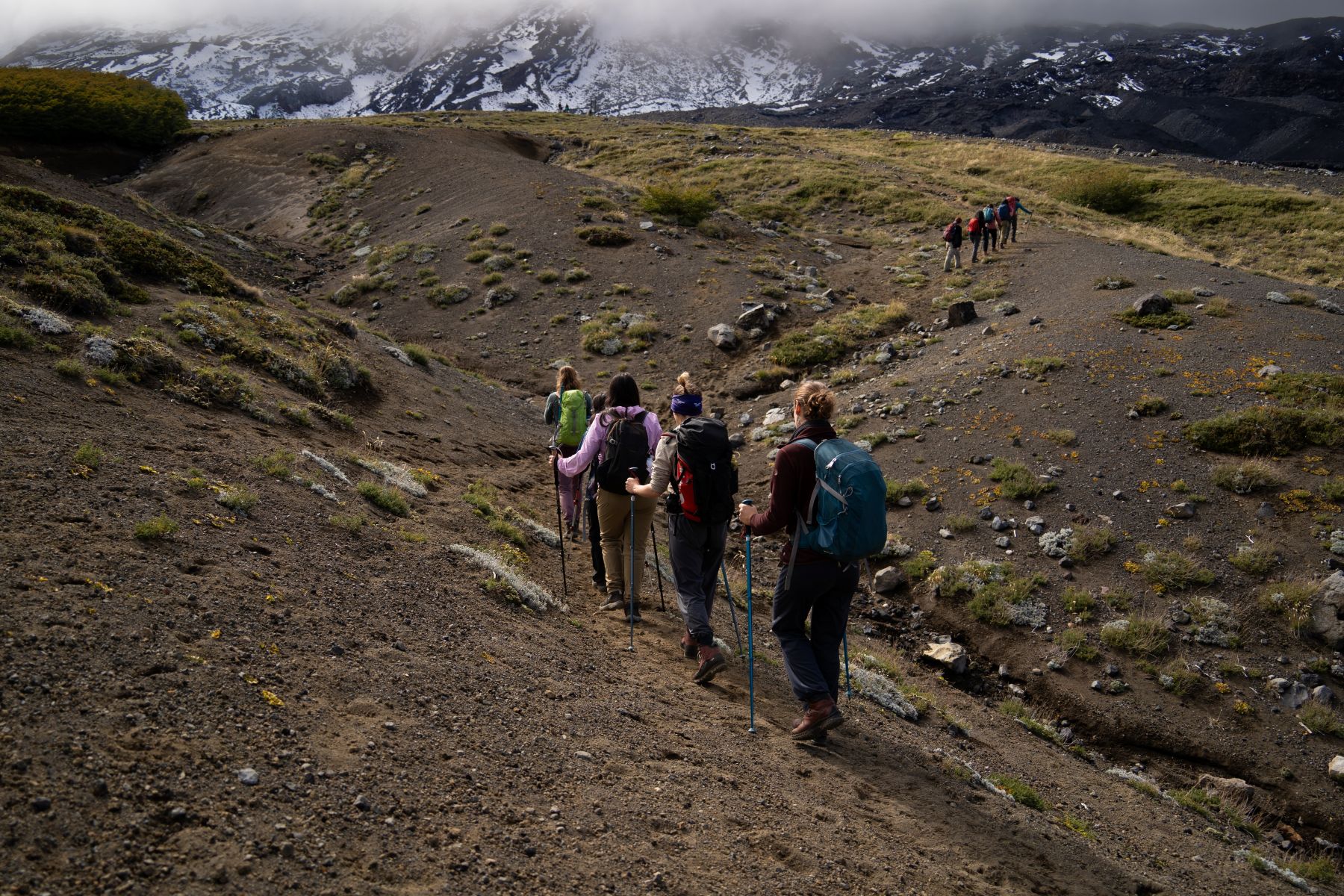
Villarrica is one of only eight volcanoes on the planet to have an active lava lake within its crater—hard to see, but you may catch sight of lava spray or spewing steam if you’re lucky. This magnificent volcano is 2,847 m above the town of Pucón, and makes for an adventurous full-day climb—if you’re willing to use crampons!
For those who prefer to relax at ground level, the volcanic geology in Chile’s Lake District forms a glut of natural hot springs called termas. They are scattered within an hours’ reach of Puerto Varas and in the surrounding countryside—some as spa-like retreats, others as more rustic forest pools (Termas Cochamó is a great spot).
Read more: Your trip to Chile: top tips from a local expert
Take a break from wild activities to hunker down with some culture in Chile’s cities and wine regions.
Valparaíso has a wild spirit and is similarly chaotic in aesthetic; with its steep barrios (neighborhoods), stitched together with historic funicular elevators. Its UNESCO-listed old town is a photographer’s party, with tiered, colorful houses and open-air street art around every corner.
Chile’s effervescent capital Santiago is a treat for culture and history lovers. As well as a cluster of colonial-era landmarks like the Plaza de Armas and Santiago Metropolitan Cathedral, the Museum of Memory and Human Rights documents the military dictatorship from 1973–1990. For a change of pace, La Chascona, home of the Chilean poet Pablo Neruda (and named after his red-haired mistress), is full of eccentric collections of glass bottles and figureheads from ships.

Within an hours’ drive of Santiago, the Casablanca Valley and Maipo Valley are two of Chile’s most celebrated wine regions. Taste a cool, refreshing Chardonnay or Sauv while overlooking the breezy, coastal valley in Casablanca; while Maipo’s sunny interior produces a bold Cabernet Sauvignon.
With 6,000 km of coastline, why wouldn’t you indulge in sea-based adventures in Chile?
Surfers flock to northern Chile for the breaks at Arica and Iquique—two sun-soaked cities blessed with consistently powerful swell, as well as warmer water than the central or southern coasts. Arica in particular is home to El Gringo, a legendary left-hand point break that attracts surfers from across the continent.
For a magical ocean activity to include in any coastal itinerary in Chile, humpback and blue whales tend to feed in the rich waters around Chiloé, and the Gulf of Corcovado further south, between December and April. Join a boat tour to spot glorious fin breaches and tail-splashing, fingers crossed.

The diversity of Chile never stops—with Chiloé, a uniquely cultured archipelago off the southern coast; and the famously remote Polynesian outpost, Easter Island (Rapa Nui).
Easter Island is on so many peoples’ bucket lists for a reason—it’s one of the most remote places on Earth at 3,700 km off mainland Chile. The huge-headed statues of past ancestors, called Moai, are fascinating to behold; it’s still a mystery as to how these 900 art pieces were carved and scattered in such a remote place with no modern tools.
A 1960 earthquake sank parts of the Chepu Valley in Chiloé, flooding an entire forest with seawater. Now guided kayak trips glide you between the skeletal trunks that eerily protrude from the water. An atmospheric experience, soundtracked with lots of birdlife.
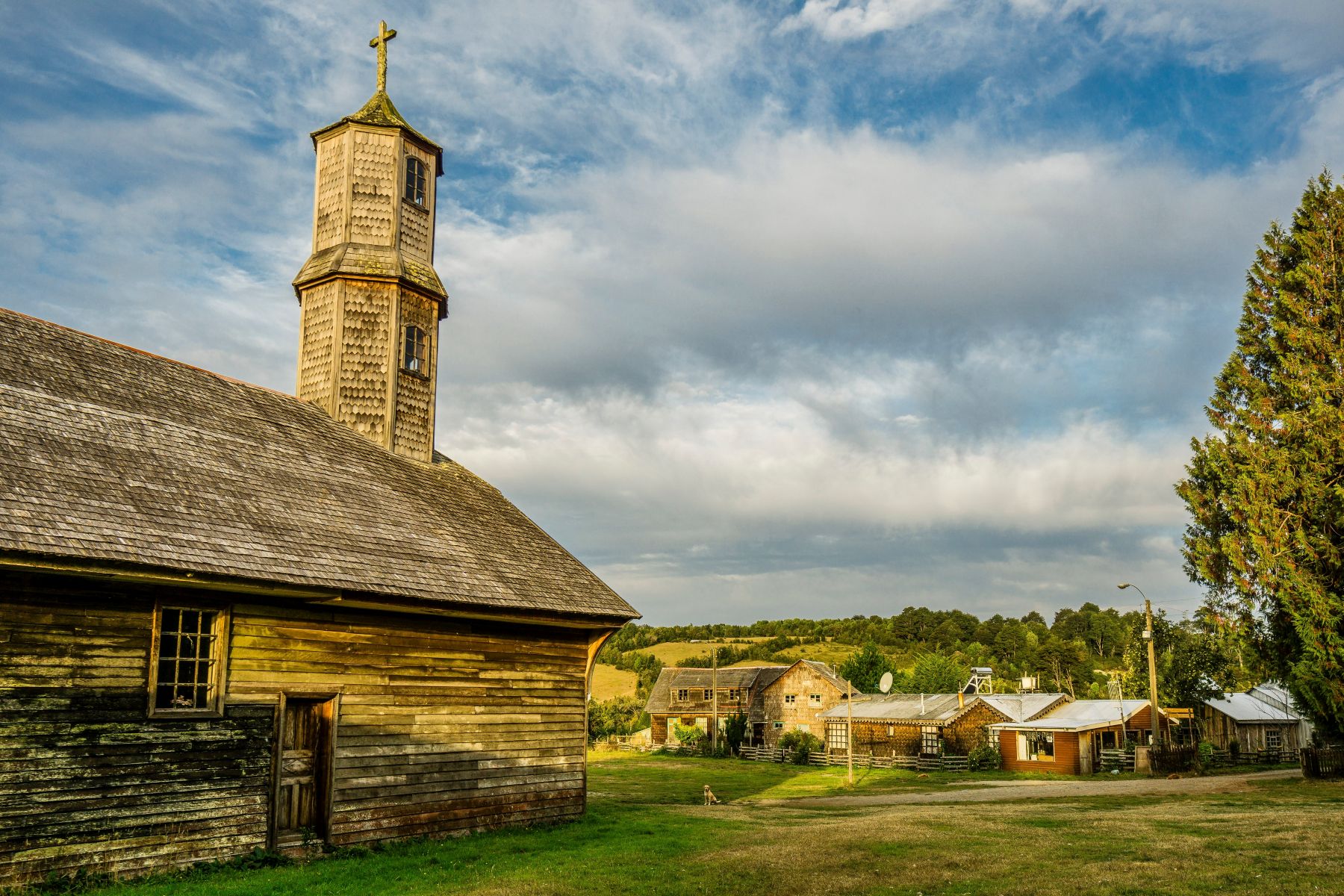
Also on Chiloé are over 150 incredible wooden churches, built by missionaries throughout the 18th-19th centuries. Only 16 of these structures gained UNESCO-protected status as they’re constructed using no nails, only carved wooden pegs and joints from indigenous boat-building techniques—with brightly painted interiors.
Read more: The secrets of Easter Island: Rapai Nui’s culture and traditions
To start building your bucket list in Chile, get in touch with our local travel experts. They’re based on the ground, within the destination, and have all the in-depth knowledge you’ll need to create your dream trip to Chile.
Explore all featured destinations