Where to go on safari (and when): the world’s best destinations
17 June 2026
Cambodia’s tropical rainforests, rivers and wetlands are alive with a unique array of wildlife. From pangolins to primates, the creatures encountered here are diverse, surprising, and often endangered. It is heartening, though, that right across the country there are organizations on a mission to protect these threatened species. Through responsible tourism and by mindfully supporting these initiatives, visitors can help protect the precious animals of Cambodia. In this article, we offer some tips and guidance to help you plan your wildlife-spotting adventure into this underrated gem of Southeast Asia.
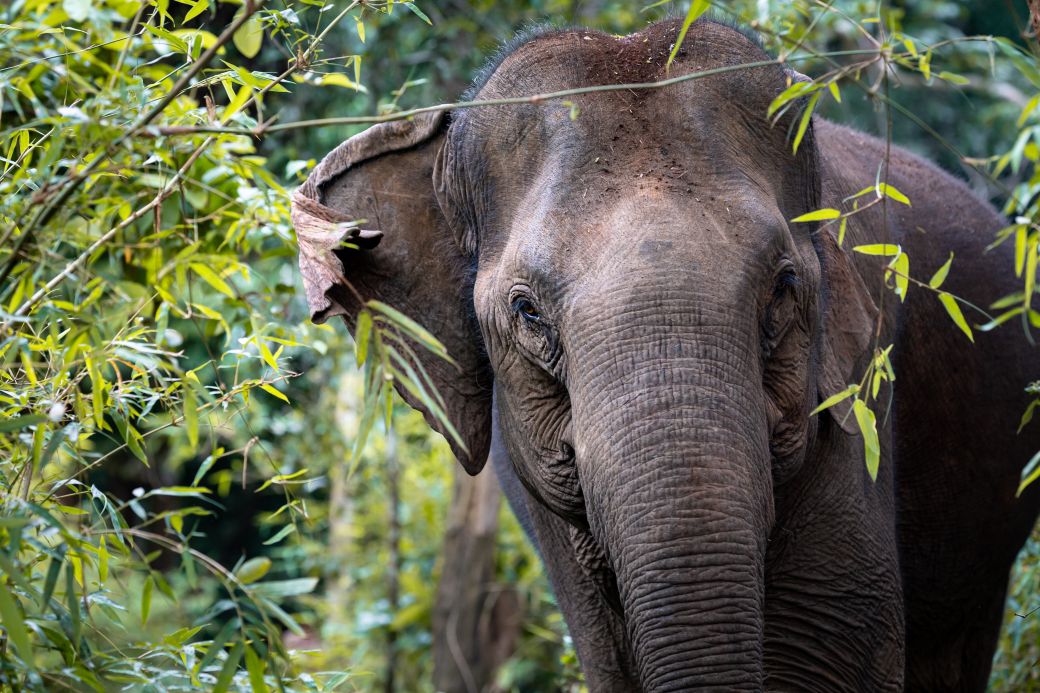
The largest land mammals in Asia, these plant-eating giants are vital to the whole continent’s ecosystems. Elephants range far and eat often, spending around 18 hours a day snacking on grasses, roots and leaves. In doing so, they disperse seeds across a large area and help to create pathways for other Cambodia wildlife. Seeing these animals in the wild is a remarkable experience and very possible.
One of the most iconic Cambodian animals, these endangered, forest-dwelling bears are around half the size of a black bear and have a distinctive circular marking on their chest. Also known as the honey bear, they are agile tree climbers that feed on sweet fruits, honey, and termites. Cambodia has several reserve areas where critically endangered sun bears are protected from hunting and habitat loss.
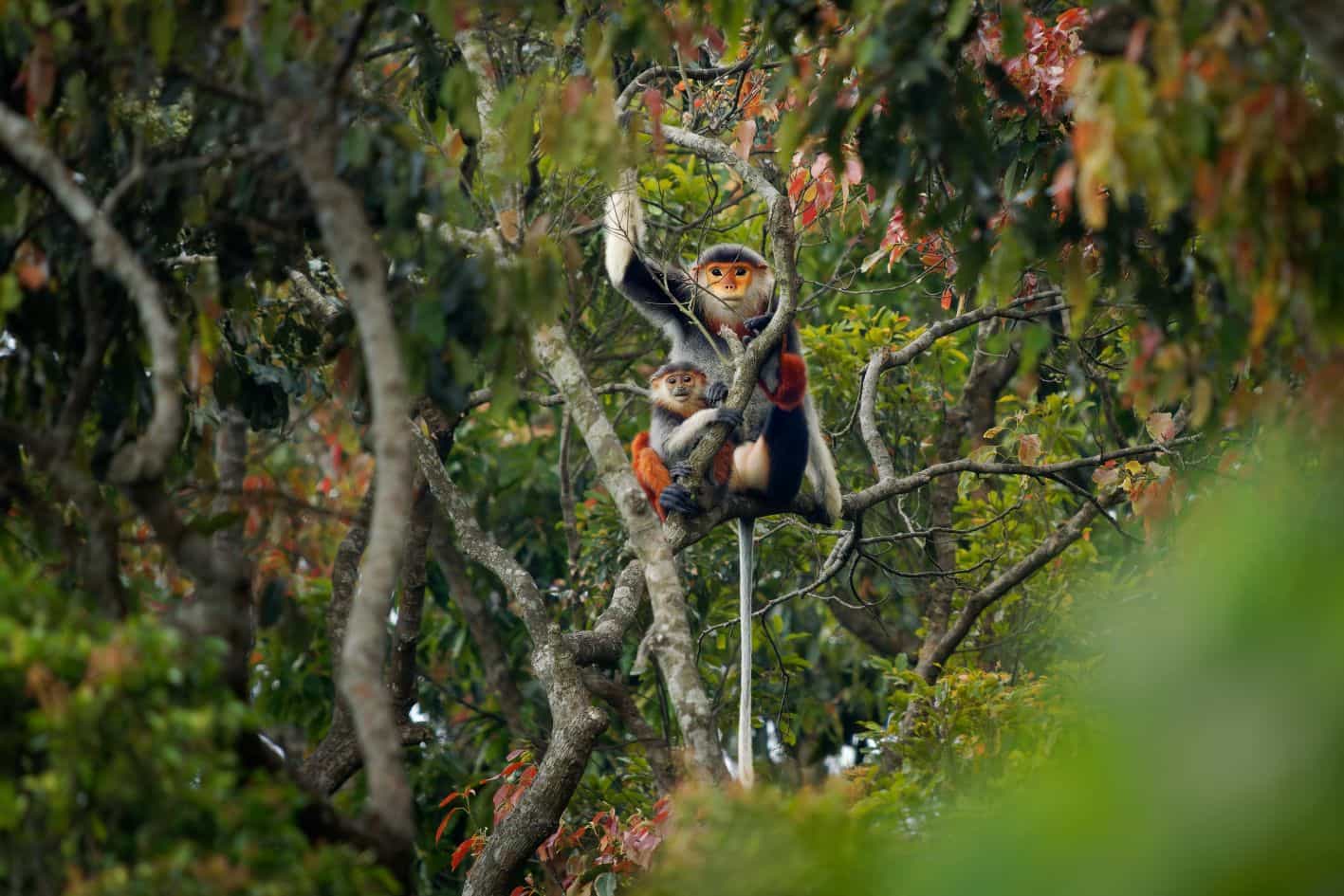
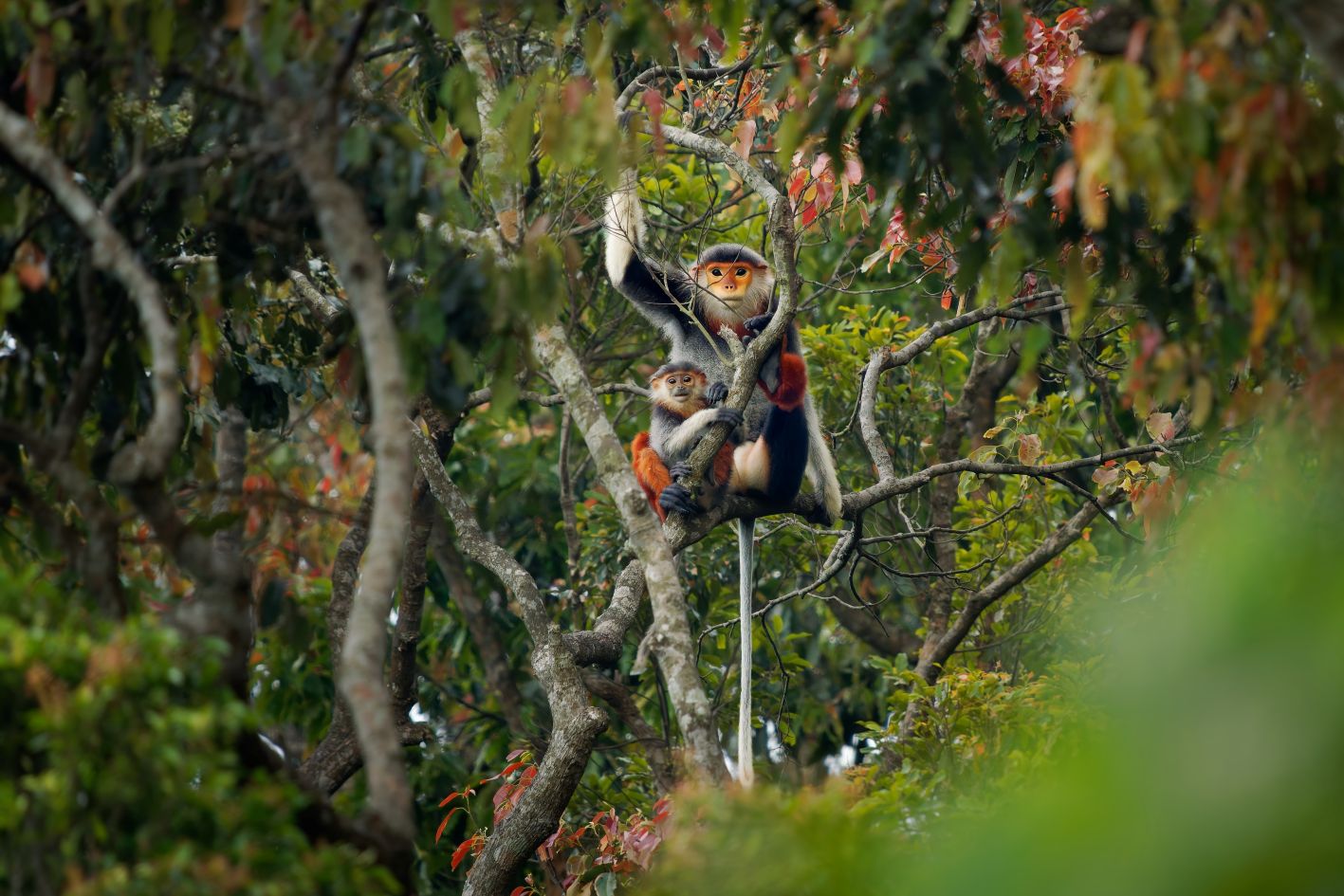
Cambodia’s jungles are a natural habitat for a whole troupe of primate species, including endangered langurs (like a slender monkey in appearance), gibbons and lorises (a rare, venomous, nocturnal primate). All three of these species are under threat from habitat loss and poaching, but conservation efforts are in full swing to help protect them.
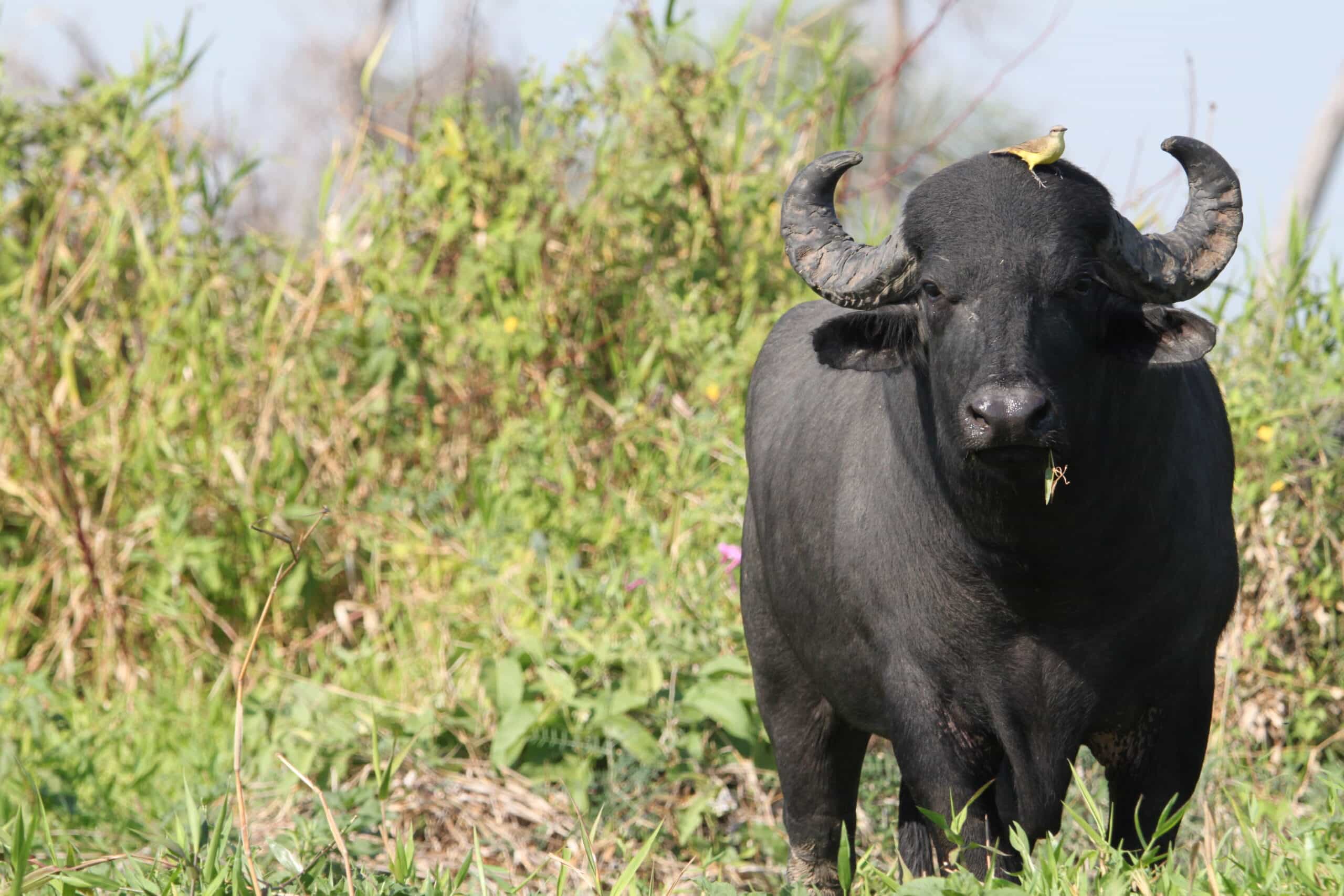
Roaming Cambodia’s forests and plains, dholes are a species of pack-hunting wild dog. You’re unlikely to spot these highly elusive carnivores in the wild, but their populations are closely monitored in the country’s protected areas. Banteng wild cattle are more easily spotted browsing Cambodia’s grasslands with their long, graceful horns and docile temperament.
Sadly, tigers and other wild cats are scarce in Cambodia. There are small populations of the elusive clouded leopard within the national parks, and a tiger reintroduction program is underway.
The Sunda pangolin is one of the most endangered animals in Cambodia. Prized by poachers for their scales, there are strict laws in place to deter poaching, but enforcing them is difficult. These are highly elusive creatures that spend much of their time in trees, but there is strong evidence that a small population is currently surviving in Cambodia’s national parks.
Read more: Interview with one of our local partners in Cambodia
Hundreds of bird species live in and visit Cambodia’s wetlands and forests, from colorful hornbills to the giant ibis (Cambodia’s national bird). Within its biodiverse forests, the endangered Siamese crocodile has been rediscovered, along with the weirdly wonderful Cantor’s turtle, a giant soft-shell river turtle.
The short-beaked Irrawaddy dolphin swims in some Southeast Asian coastal regions, and also along a handful of rivers, including Cambodia’s Mekong River. They are scarce and of vital importance to the river’s ecosystem, as well as to local people who rely on the income from organizing wildlife-watching river excursions.
The Cardamom Mountains are a vast expanse of pristine rainforest, the largest in Southeast Asia and of incalculable importance for biodiversity. The name itself evokes lush landscapes and exotic creatures, and this is very much the case. The wildlife of Cambodia thrives here, with the Cardamom National Park and its surrounds home to over a dozen critically endangered animals, including all of those mentioned above.
There are kilometers of uninterrupted elephant corridors snaking through dense forest, and rushing rivers where Irrawaddy dolphins and Siamese crocodile swim. The clouded leopard stalks the thickets, while pangolins move through the branches above. Visiting the park is to encounter one of the planet’s last truly wild places, but it’s not always easy to spot the wildlife. Instead, come to visit the locals, experience the magic of the forest firsthand, and cross your fingers for some special sightings.
Sparsely populated Mondulkiri Province lies on the eastern border with Vietnam and is a land of low hills and lush tropical forest. Connected by a fast road from the capital and home to around a quarter of Cambodia’s elephants, this is the place to come to see these extraordinary creatures in the wild. There are also numerous bird species to spot, as well as rare primates.

Tucked away in the forested northeast, the Virachey National Park is of vital importance for the wildlife and animals of Cambodia. It is home to endangered species, such as the clouded leopard, the Asiatic black bear, and the yellow-cheeked gibbon. The park is remote and much of it is unexplored, but intrepid explorers can visit with a licensed guide.
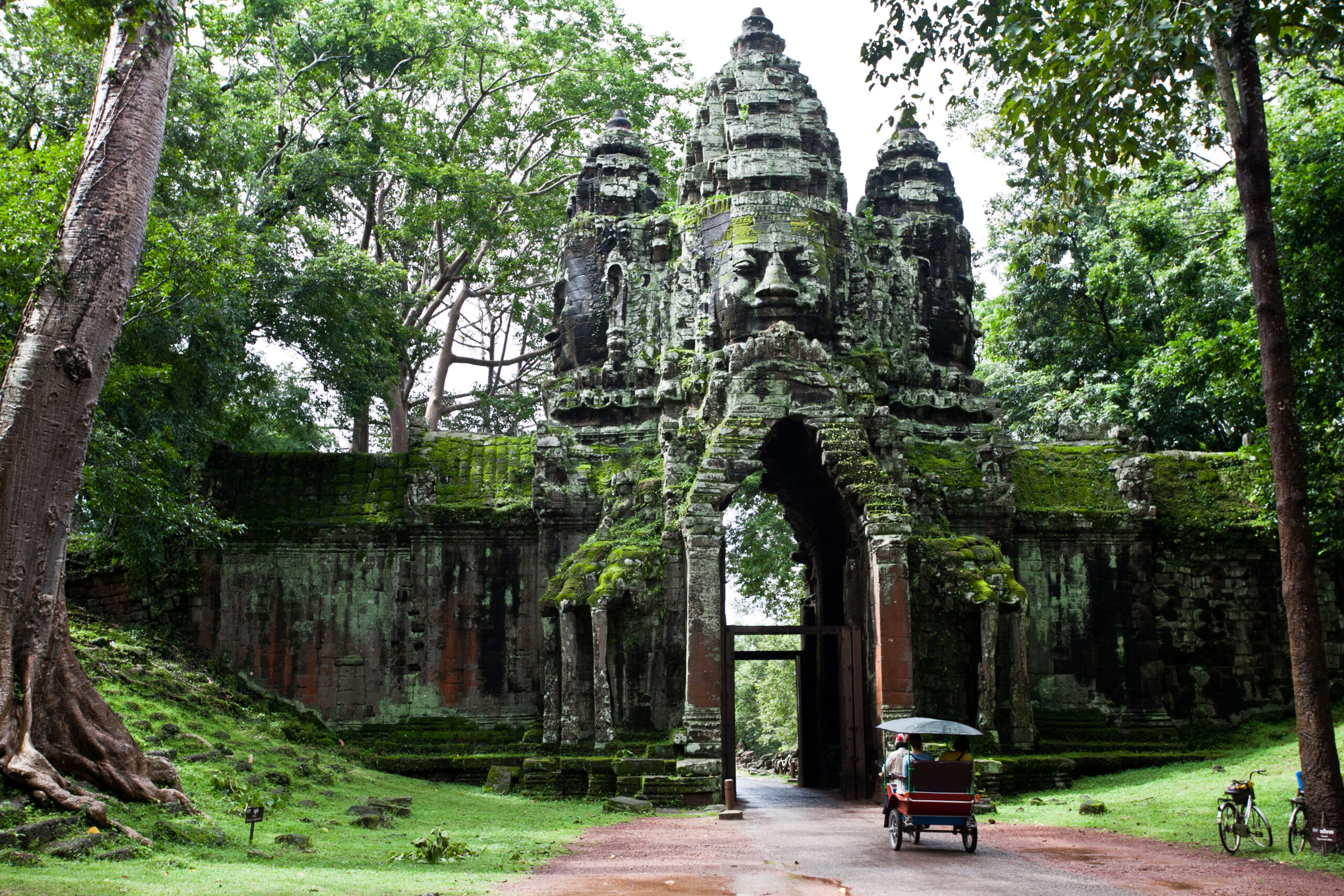
The largest freshwater lake in Southeast Asia, Tonle Sap, is a UNESCO Biosphere Reserve with a highly biodiverse ecosystem. Over 100 types of birds can be spotted here, including several endangered waterbird species. Its proximity to Angkor Wat in the northwest means it’s easy to combine a trip here with a visit to the temples.
Low-key but lovely, the small riverside town of Kratie makes a great base for seeing the wildlife of Cambodia’s Mekong River. Irrawaddy river dolphins play in the rapids, and there are lots of opportunities for birdwatching.
Read more: The road less traveled: exploring uncrowded Kratie, Cambodia
As in many places in the world, nature in Cambodia is under threat. Habitat destruction from development and logging, along with illegal poaching, are some of the most pressing concerns. Many conservation initiatives are working hard to address these challenges in ingenious ways.
There are several successful reintroduction programs underway, such as bringing gibbons and other primates back to the forests around Angkor Wat and returning tigers to the Cardamon Mountains. Initiatives to retrain former poachers as wildlife trackers and guides have proved successful, along with other forms of community engagement and eco-tourism.
The dry season, from around November to May, is considered the best time of year for spotting wildlife in Cambodia. For lush landscapes and full rivers, plan your trip to Cambodia for just after the rainy season from around October to December. June to August and into September are the rainy season; this is still a good time to visit and see wildlife, but flooding can disrupt travel.

One of the great thrills and privileges of world travel is seeing animals in the wild, but for most species, this comes with limitations. The majority of wild animals avoid human contact, and in Cambodia, they are often very difficult to spot. When and if spotted, always keep a safe distance and never attempt to touch the animals. The general rule of thumb is to avoid any wildlife experiences that offer the chance to interact with the animals, as these are nearly always problematic.
Though many animals in Cambodia are hard to spot, there are exceptions. Birdwatching is one of the safest, least obtrusive, and most fruitful wildlife-watching experiences. There are also several conservation-focused sanctuaries and excursions where you can see the animals of Cambodia at closer quarters, such as Irrawaddy dolphins, elephants in Sen Monorom, and many other animals at the Phnom Tamao Wildlife Rescue Center near the capital Phnom Penh.
Keen to meet the animals of Cambodia for yourself? Plan a responsible wildlife-watching expedition with help from our in-destination travel experts, who know the many ins and outs of the country they call home. Get in touch with them today to get started.
Explore all featured destinations
Join our mailing list for travel inspiration, trip recommendations, and insights from our local experts.