An insider’s guide to Split, Croatia
5 October 2026
Sitting between the Pacific and Caribbean Seas, Panama is a compact nation with so much to see packed within its ocean-locked borders. Here is where the jungle straddles the beach, where a glut of cultures and peoples exist in one sun-splashed space, and where coffee grows alongside coconut palms, bananas, and thousands of colorful orchids. Whether you have a handful of days or a few weeks for your first trip, here’s what we would include in the perfect Panama itinerary…

Before you go, get to know what makes the ideal trip to Panama…
Though Panama is tiny, it’s incredibly diverse in terms of landscapes, with regions unique from one another. The frenetic urban hub, Panama City is full of history, culture and the world famous Panama Canal, while in the cool highlands around Boquete and El Valle, you can explore coffee farms, hike volcanoes, and enjoy lush mountain scenery.
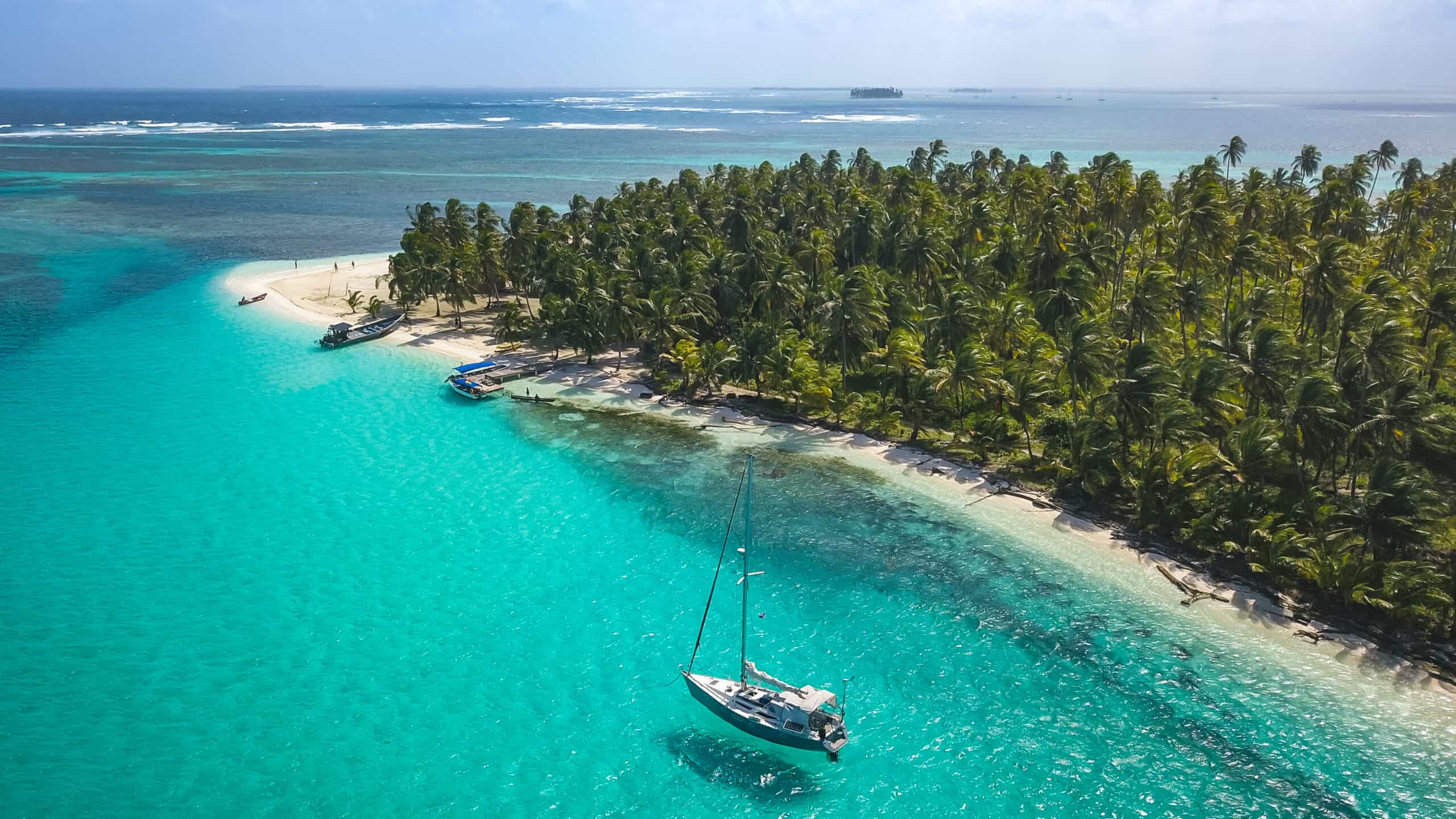
Meanwhile, the stunning Caribbean islands of Bocas del Toro and San Blas boast turquoise waters, pristine beaches and rich indigenous culture, perfect for a tropical wind-down after the adventure of the jungle trails. There’s really something for everyone in Panama; it’s just a case of how much you want to fit into your time.
Panama’s climate is split into the wet and dry season. The dry season of December to April is ideal for beaches and outdoor adventures. The wet, or green season in May to November is quieter in terms of visitors, but the heavy rainfall in certain regions brings lush, spring-like landscapes.
The shoulder seasons are the transitional months: November and May. During these times, rainfall is increasing or tapering off, and there are fewer tourists, lower prices, and still plenty of sunshine for sightseeing.
Depending on how relaxed you want to be, a short trip of five days works for the sights of Panama City, the canal, and perhaps exploring one coastal destination. One to two weeks or more lets you explore further, so you can include the highlands, the clusters of islands, and Panama’s wilder side for a fuller experience.
Read more: Between continents and cultures: a Panama travel guide

In a pit-stop tour of Panama, there are a few highlights you won’t want to miss—whether you want to include a couple or attempt to see them all in one trip…
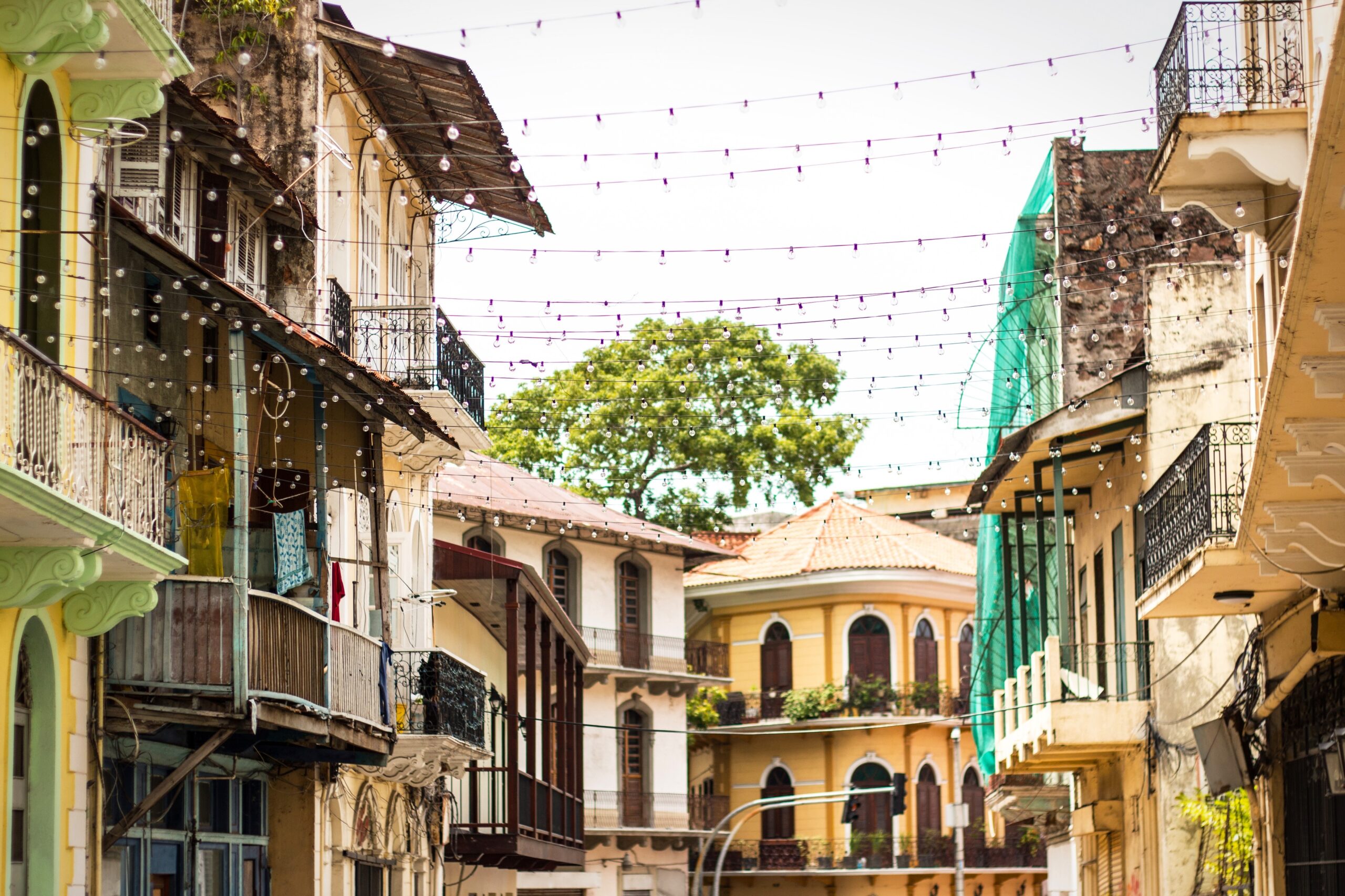
Panama City is the country’s urban hub, and though it’s fast developing, its former colonial neighborhoods make an intriguing contrast with the skyscrapers. Casco Viejo’s cobblestone streets are peaceful and historic alongside the buzzing rooftop bars and street-side cafes.
The real star, however, is the famed Panama Canal—a marvel of human engineering that reshaped global trade. Watching the massive vessels glide through the locks is mesmerizing, and nearby museums and viewpoints make it easy to soak up the significance.
A jaunt to the rainforest and you’ll come across the Emberá people, whose colorful body paint, handcrafted baskets and traditional dances give added depth to Panama’s history. They’re used to these visits, and interactions are immersive rather than voyeuristic; you’ll paddle along rivers in dugout canoes, hear stories from the village elders, and learn how the community lives in harmony with the jungle.
Panama makes for a glorious beach getaway, as Bocas del Toro will prove. This cluster of Caribbean islands is all about turquoise waters, white-sand beaches, and a laid-back vibe that will have the stresses of home a distant memory. Watch the surf and the colorful stilt houses from a sleepy shore café, or take a boat ride to the coves in search of wonderful snorkeling spots teeming with coral and marine life.
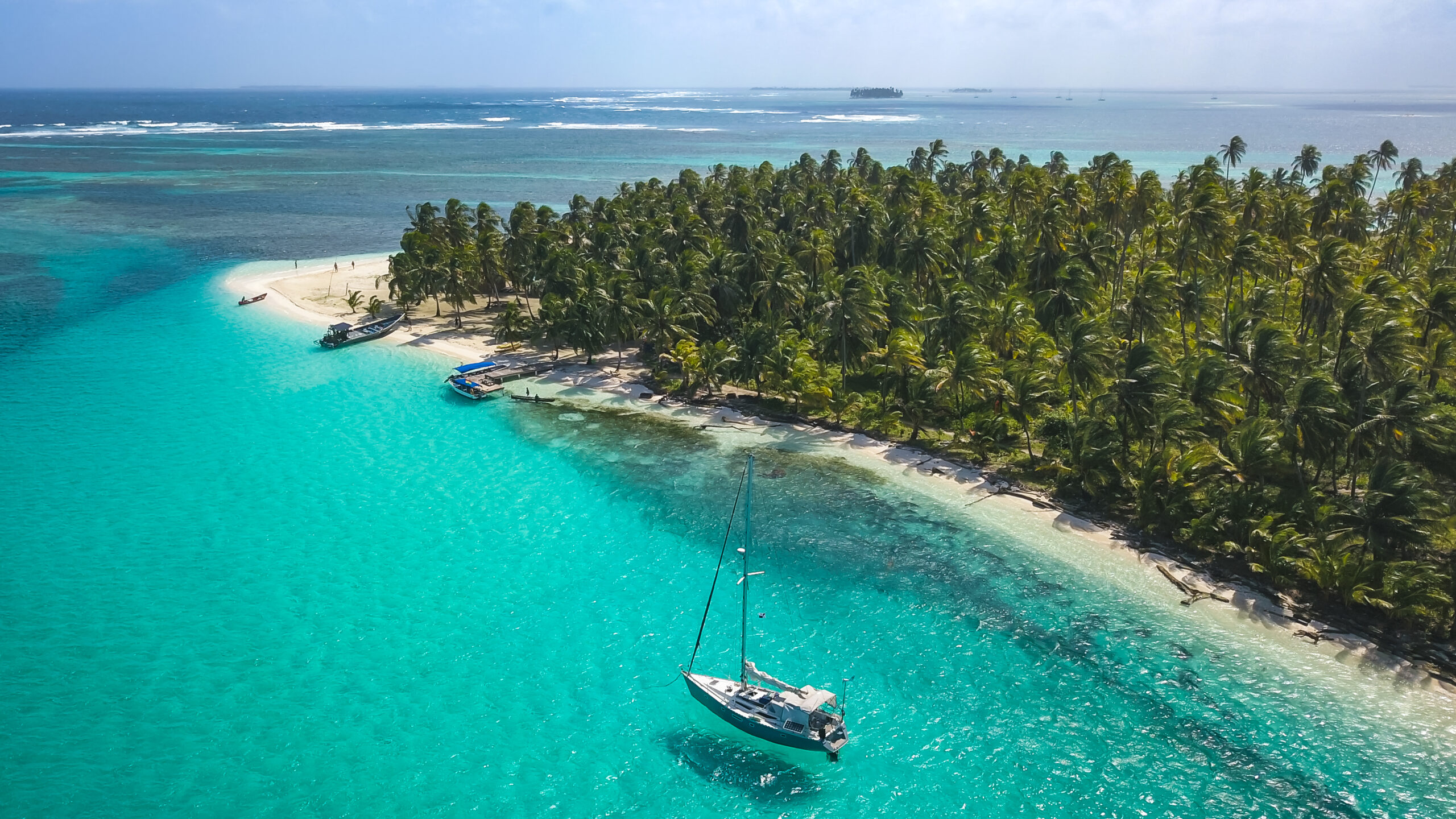
For a more remote feel, the islands of San Blas emit the essence of the Caribbean in the original, local sense. These unspoiled idylls are scattered with hammocks and huts, and you’ll likely stay in simple cabins and basic amenities to truly embrace the beach life. The locals here are the Kuna people and the lifestyle is deeply community-led; perfect for a few days going off-grid.
Read more: Our guide to exploring the Panama Canal
If you have a week or even two weeks to spend in Panama, you can take your time to absorb everything this underrated nation has to offer. Here are a few ideas to add to your Panama itinerary…
This small town sits inside the crater of an extinct volcano, a beautifully fertile land scattered with waterfalls, hiking trails, howler monkeys and tropical flowers. The town itself is understated and relaxed, with artisanal markets and hot springs to soak in, but the natural wonder of El Valle de Antón is what makes it memorable.
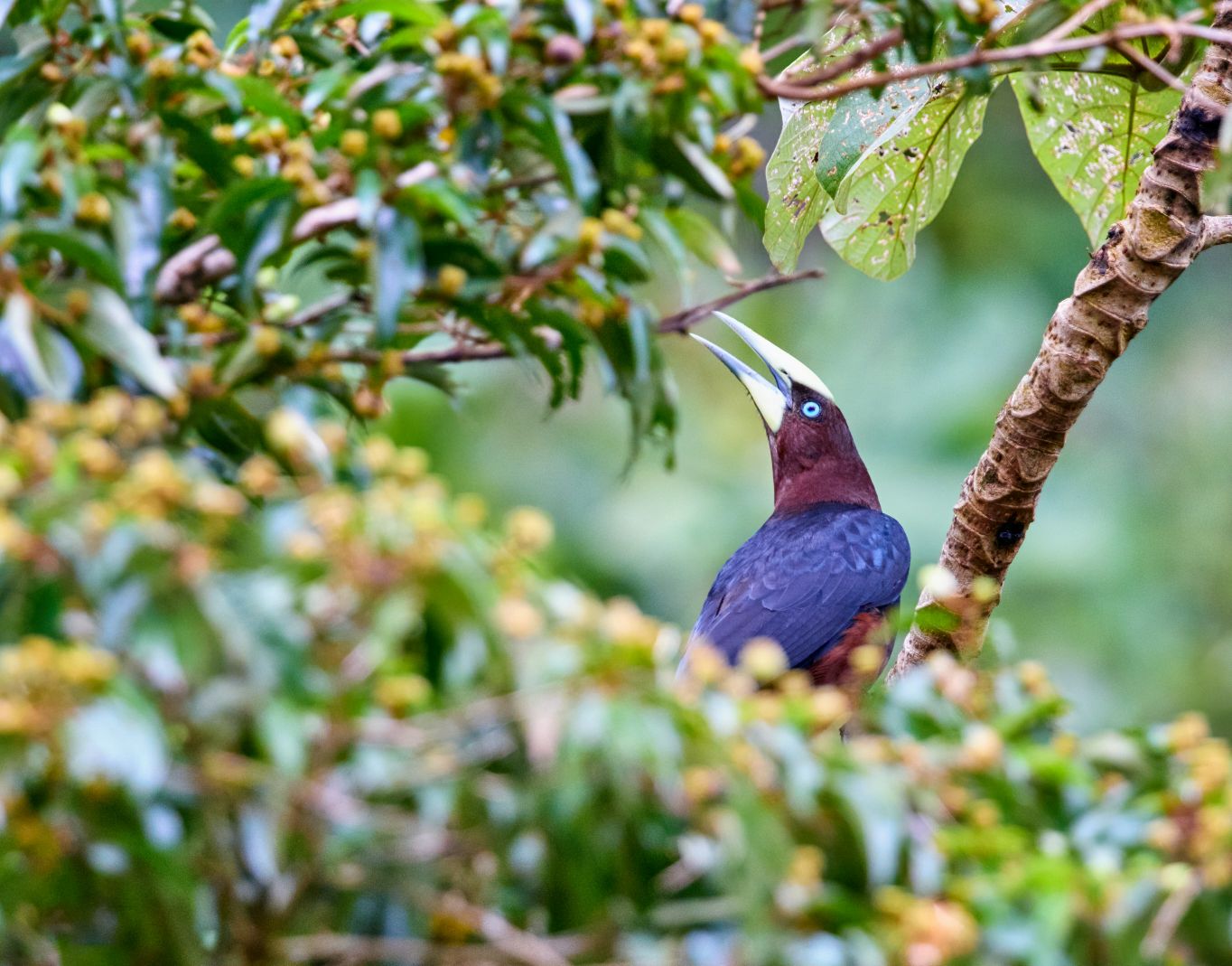
If your boots are packed, you’ll want to head to the Boquete Highlands for refreshing cool temperatures and nourishing views. Here is where Panama’s delicious coffee is grown and ground, and flashing resplendent quetzals and toucans inhabit the trees.
Take an all-day trek along the elevated terrain with the towering Volcán Barú as your backdrop—and stomp through cloud forests and past waterfalls—the perfect active antidote to sunbathing on the beach. In the morning or afternoon (or both!) stop in the local cafes here for a rich cup of Panamanian coffee, fresh from the hills.
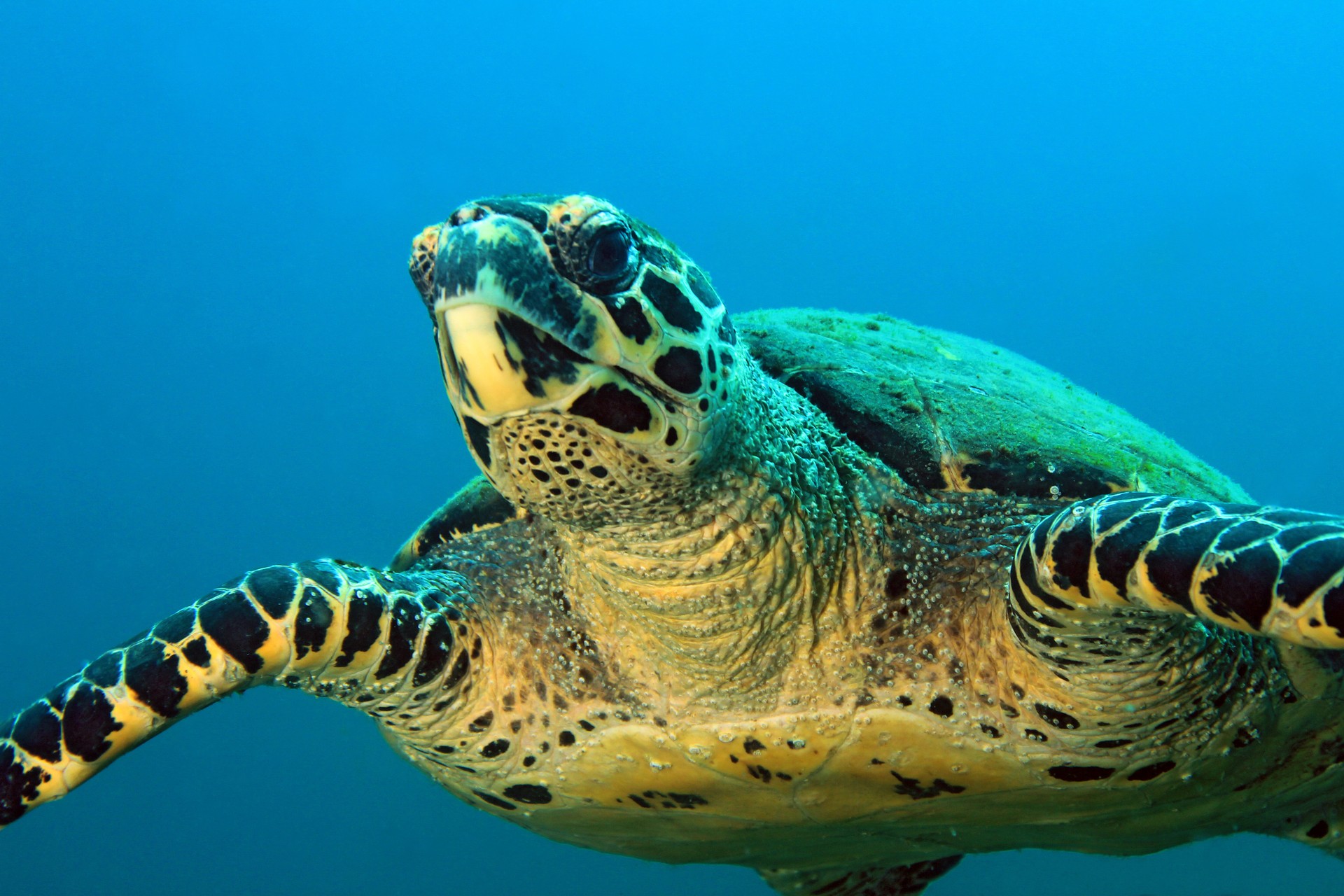
For water babies who long for snorkeling, swimming, boating or even a spot of fishing, head to the Gulf of Chiriquí. This cluster of islands are bursting with coral reefs and mangroves alive with wildlife, or if you’d rather stay above water you can spot humpback whales in the right season (July to October in this region). On dry land you can explore the quiet fishing villages which line the shore, and sample the freshest of local seafood.
Santa Catalina is Panama’s surf spot, a sleepy village with a laid-back air that attracts surfers and tourists alike. The surf is great, but the town itself is charmingly low-key, especially as it’s also a launchpad for Coiba National Park—a massive, ecologically rich area of the Pacific made up of Coiba Island and dozens of smaller islands.
Read more: Tales from TravelLocal: Stefan’s family trip to Panama
By now you’re surely excited to plan your ultimate Panama itinerary! Before you chat to our local Panama experts, here are some final tips to bear in mind…
Most international travelers arrive via Tocumen International Airport (PTY) in Panama City, the easiest gateway in and out of Panama. From the capital there are relatively direct transport links, with domestic flights, long-distance buses, and bus tours to connect you to beaches, the highlands and island regions. Within Panama City, taxis, ride-hailing apps and the Metro make getting around straightforward and affordable.
Panama is generally safe for travelers in tourist-friendly areas, but it’s important to stay aware of your surroundings, don’t flash valuables and avoid poorly lit areas at night. While healthcare is accessible in major cities, bring your own essentials such as sunscreen, mosquito repellent and painkillers.
This is a tropical climate, so breathable and lightweight clothing is a must. Comfortable walking shoes will make exploring much easier, but bring a light waterproof jacket if you’re heading to the cooler highlands, and especially if it’s the wet seasons. Don’t forget your swimwear—there are volcanic pools and azul oceans to dip into – and you’ll want to bring mosquito repellant, sunscreen and basic first aid.
Read more: Interview with one of our local partners in Panama
If you’re ready to book your vacation to Panama, get in touch with our local travel experts. They’re based on the ground with all the in-depth local knowledge required to build the Panama itinerary you’ve always imagined.
Explore all featured destinations