A beginner’s guide to Patagonia
23 October 2026
Tuscany – Italy’s central region of golden, abundant countryside – has inspired locals, visitors and artists for generations. Exploring this beloved part of the country is nourishing in all the best ways possible; the rolling landscapes, the medieval hamlets, the fresh local produce and the world-class wine, will surely give you the taste of Italy you’ve always imagined. Our local travel experts are based in Italy, and have all the in-depth knowledge required to help you build the perfect tour of Tuscany. For now, let’s delve further into the rural heart of Italy, so you can get the most out of your Tuscany itinerary…
Before you rush to book your Tuscan adventure, there are a few considerations. Ask yourself how long should you spend in Tuscany? What’s your budget? Also, have a think about what season is most suited to your vision, and how you’d prefer to get around.

You’ll be glad to know, every time of year brings a new Tuscan experience – from fiery fall colors to spring blooms, to the outdoor dining of warm summers. Even wintertime (November to February) provides the chance to sip locally-sourced wines in cozy surroundings and to take some crisp walks through the quiet vineyards. Though operating hours may shorten for winter, during Christmas the cities in Tuscany are atmospheric and a joy to wander around.
The summer months of June to August are considered peak season; for clear, sunny skies, and long evenings sipping and snacking as the sun sets. Of course, there are also more visitors and higher prices. The spring and fall months (March to May and September to October) make the shoulder seasons and some may consider it the best time to visit. The warming of spring brings lush views, blooming wild flowers and fresh air, while the fall harvests bring seasonal local produce, including wine, in abundance.
To focus your tour in Tuscany, many fly into Florence, which is central but not a large airport; or Pisa, a bigger airport but further out from the interior of Tuscany. If you begin your tour in Rome, it’s about 1.5 hours from the capital to Florence via direct train.
Driving takes longer, around 3-4 hours, though driving is the best option when it comes to getting around the interior of Tuscany, especially when it comes to remote accommodations and visiting smaller towns. Trains are direct, frequent and reliable, but only really link the major cities, whereas local buses can be intermittent.
If you’re wondering ‘How long do I need in Tuscany?’, it depends on your priorities.
To focus your stay in one local spot or estate, and enjoy the food and scenery your accommodation provides, you might only need a long weekend in Tuscany (3-4 days). A tour of the highlights of Tuscany would be best fit into a full week. But to explore the region and take your time (always recommended), it’s easy to spend anything from a week to 10 days or more. This allows plenty of space to meander remote local towns, cycle through vineyards, indulge in slow dining, and fully explore numerous Tuscan cities such as Florence, Siena and Pisa (coming up below).

Your budget for Tuscany is really up to you – it’s possible to keep it relatively low-cost if you’re up for staying in local homes or on farmstays (called agriturismos), eating food at local markets and small trattorias, and using public transport where possible. There are some excellent mid-range boutique accommodations, right through to all-inclusive castle estates at the luxury end, which often cover wine tastings, cooking classes, and perhaps a pool with views.
Speak to one of our local travel experts about your ideal budget and they can arrange an itinerary with activities and accommodations to suit you. Next, let’s get inspired with Tuscan highlights and lesser-known gems to add to your tour…
Read more: Italy for foodies: top bucket list experiences
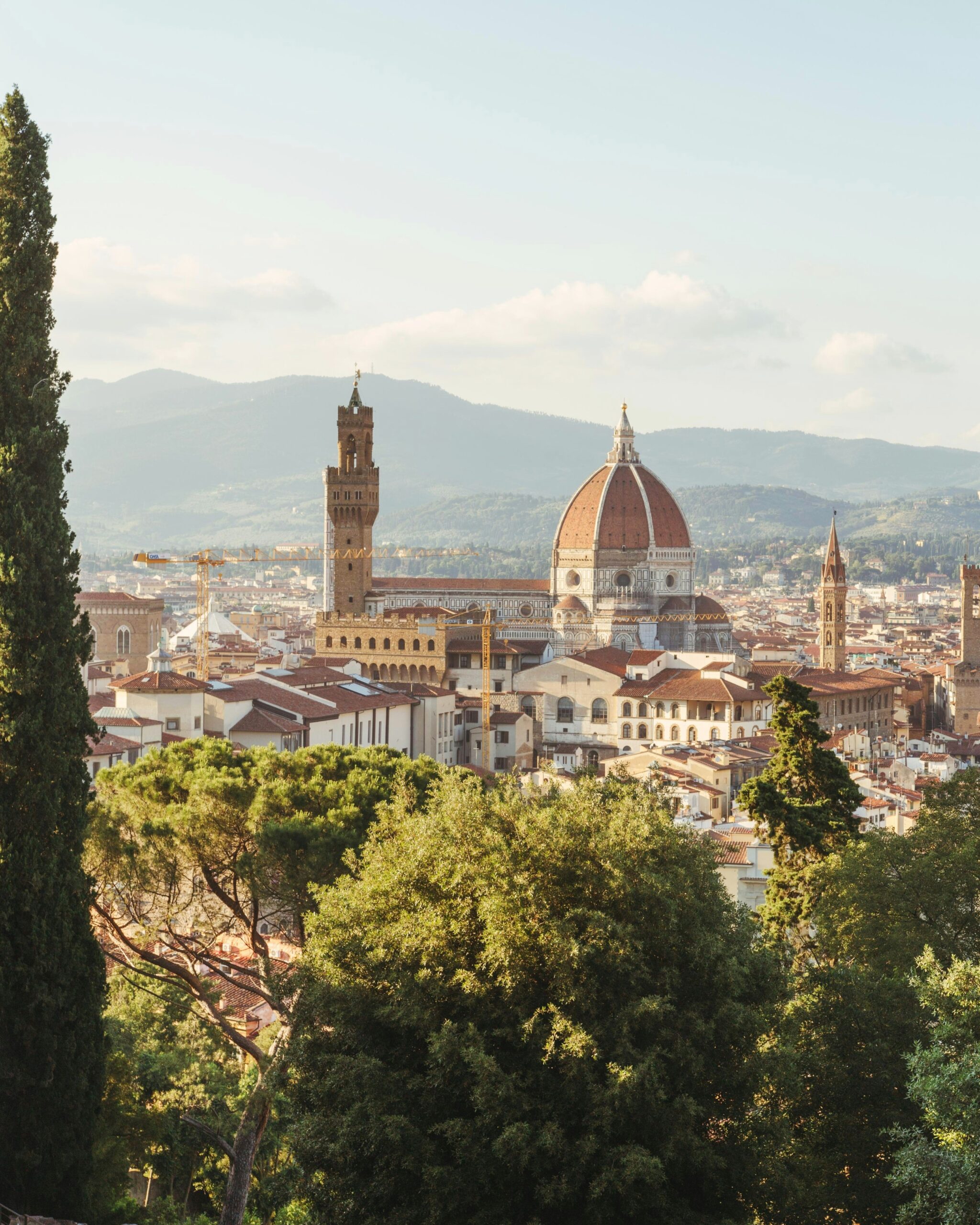
On a trip to Tuscany, Florence is a must-see; one of Italy’s glittering jewels, and the capital of Tuscany, it’s known for its sublime architecture, peaceful riverside walks, delicious, locally-sourced food and its world-class Renaissance art. To sum up Firenze, it’s truly a feast for the senses.
The stunning Duomo is something you can’t miss, quite literally, as it’s the centerpiece of the city – glorious from all sides, but the ornate facade of the front Cathedral is something to behold. Queuing early for the Uffizi Gallery is also well worth it, home to iconic pieces including Botticelli’s The Birth of Venus and Primavera; while a short walk away you can also observe Michelangelo’s David. Afterwards, wander the city’s artisanal markets with a gelato in hand.
Nearby there’s the city of Pisa, renowned for its Leaning Tower (and hundreds of tourists pulling the ‘push against it’ pose, which is a sight in itself). It’s a beautifully scenic river city, with a relaxed atmosphere along the Arno, and plenty of architectural gems in the Square of Miracles (Piazza dei Miracoli) alongside the Tower.

If you’ve time, you can include the underdog, Siena, with its scenic hodge-podge of medieval red-roofed buildings, is a city which feels authentic and historic, yet timeless. There’s a Gothic Duomo, full of art by Donatello, Michelangelo and Bernini; and a central, shell-shaped square, the Piazza del Campo, where you can settle down for a pasta lunch after a morning of chilled exploration.
All of the above are worthy of a visit, but if you’re short on time and you haven’t been before, Florence is likely the Tuscan city you’ll want to prioritize on your trip.
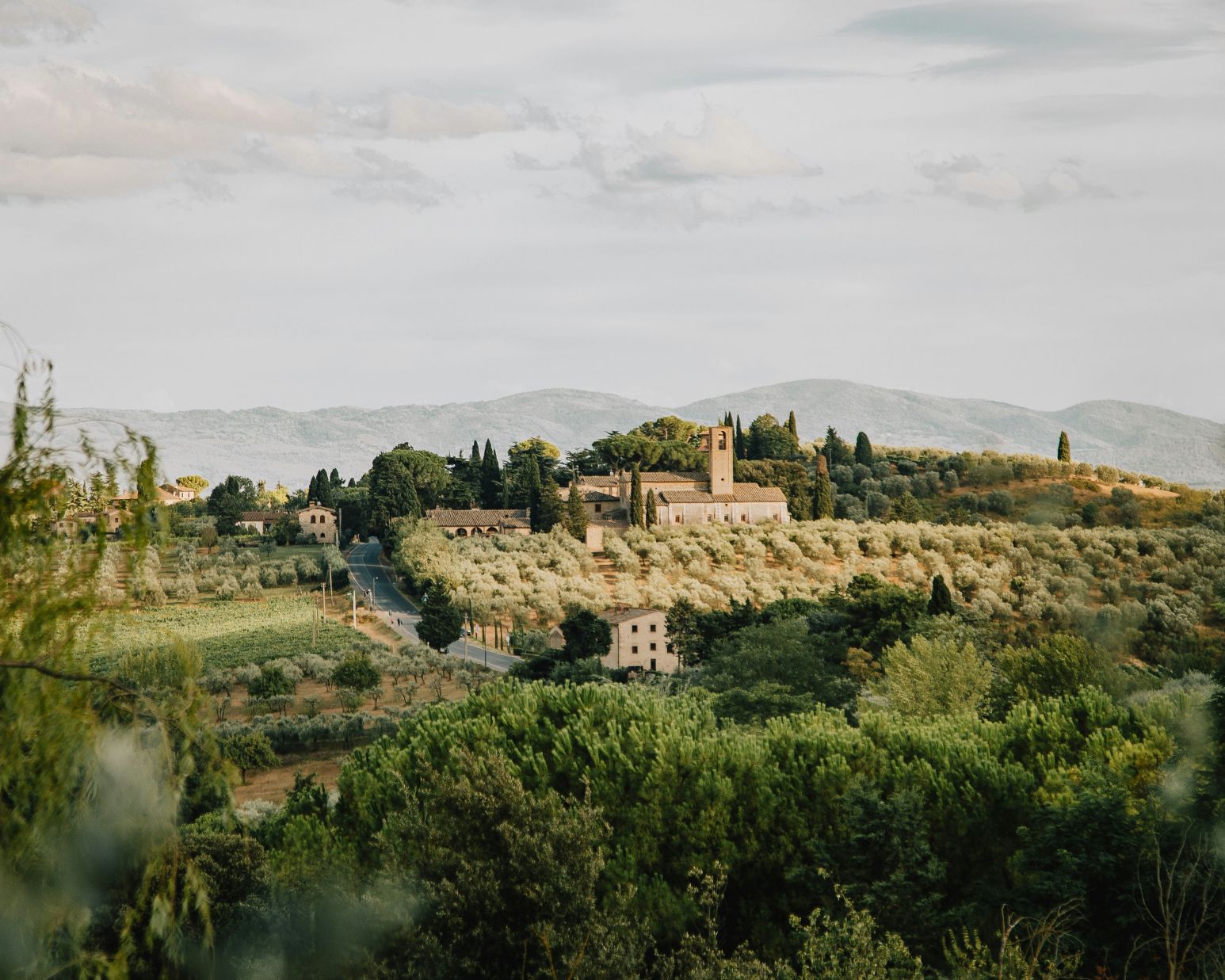
The rolling hills of Tuscany are legendary, and as you travel into its rural meadows you’ll soon find yourself in wordless admiration. This region of pastoral landscapes isn’t only visually stunning but bursting with some of the world’s highest-quality produce. Olives and olive oil, grains and breads, Tuscan beef and cured meats, grapes and wines, cheeses, plump vegetables and fruits; it’s all here, ready to be savored.
Chianti is a sun-kissed, fertile region of countless Sangiovese grapes, and home to one of Tuscany’s most renowned exports, Chianti wine. This charming stretch of vineyards sits in between Florence and Siena, and is a mosaic of vineyards, winding roads, small medieval hamlets and historic, scenic wine estates.
Chianti Classico is its most prestigious wine zone, indicated on bottles by its exclusive emblem, the black rooster seal (Gallo Nero). Exploring this area is about savoring deep flavors in glorious scenery, as you enjoy a glass of complex red along with a plate of prosciutto and pecorino.
The history here is part of its charm: Chianti is one of the most historic wine regions in the country, having produced the beloved bottles since at least the 13th century. With more time to really delve into the region, take a bike tour of the Chianti Classico Wine Route, visit medieval fortresses like Castello de Broglio, or pick up souvenirs in local towns like Greve in Chianti.
Read more: The best time to visit Italy: a seasonal guide

These are the picturesque scenes you’ve seen in Renaissance paintings; the rolling hills and golden wheat fields of the Val d’Orcia. This UNESCO World Heritage Site is honored for its evocative vistas, dappled with vineyards, cypress trees and farmsteads, but also for its abundance of crops and produce – grains, wines, cheeses, succulent meats.
Traditional Tuscan farming practices that have been honed over centuries have made this area a region of enduring pastoral traditions that continue to bear sustenance year after year. Step into this region like it’s a living piece of art; you can cycle or drive along its winding roads, pulling over to take photos; or if you have time, take a break in villages such as Montalcino and Pienza, where you can talk with locals and stop for an espresso or a sip of vino.
If you’re spending more than a week here (and we recommend it, if you can), there are plenty of lesser-known places to add to your itinerary to while away the days.
Walking the streets of San Gimignano feels like stepping into a living history book, with its huge medieval towers which were a symbol of the affluence of wealthy families (there were once 72; now just 14 towers remain). The town is especially pleasant in the mornings, when it’s quiet and local artisans are opening up, selling Vernaccia wine and craft leather goods in tucked-away shops.
Lucca feels very much like a locals’ spot, a fantastically preserved city with medieval walls and sprightly town squares. Around every corner you’ll find a small piazza with a church or a café, where locals congregate and chat. The town of Volterra feels similarly authentic, with local life going on around Etruscan ruins, and a strong craft tradition of alabaster carving that’s still very much alive.

Between the towns of Montepulciano and Pienza lies a stretch of countryside that’s easy to zip past, but for those with time to pause, you’ll find a place where history and gastronomy ring clear. Montepulciano is a humble walled town, most prominent for its stunning wines – Vino Nobile, for instance, which is a deep red with dark cherry and plum notes. Wandering these maze-like streets will likely bring you to a no-frills trattoria, where you can smell the food before you see it.
For the freshest pecorino cheese that’s sharp and satisfying, Pienza is your next stop. Intriguingly, the layout was designed by 15th-century Pope Pius II, as his idea of “the perfect town”. It’s a chilled, village-like place that, like Montepulciano, doesn’t attract huge numbers of tourists; what you’ll find are good food, wine, and local experiences at every corner.
Read more: The highlights of Italy: top tips from a local expert
To start designing your ideal Tuscany itinerary today, get in touch with our local experts. They’re based on the ground in Italy, and are equipped with the in-depth local knowledge needed to build your perfect tour of Tuscany, Italy – whatever your budget or time constraints.
Explore all featured destinations