Visiting Sweden through the seasons
16 November 2026
No matter what time of year you visit, Denmark is one of those countries that will have you thinking, ‘I could live here.’ The summer days are long and bright with endless opportunities to embrace nature and the outdoors, while the Danish hygge culture is about candlelight, warming food, coziness, and feeling gratitude for time spent indoors with loved ones. If this Scandinavian nation is on your travel list, consider when might be the best time of year to visit Denmark, with our seasonal guide for beginners.
Key takeaways:
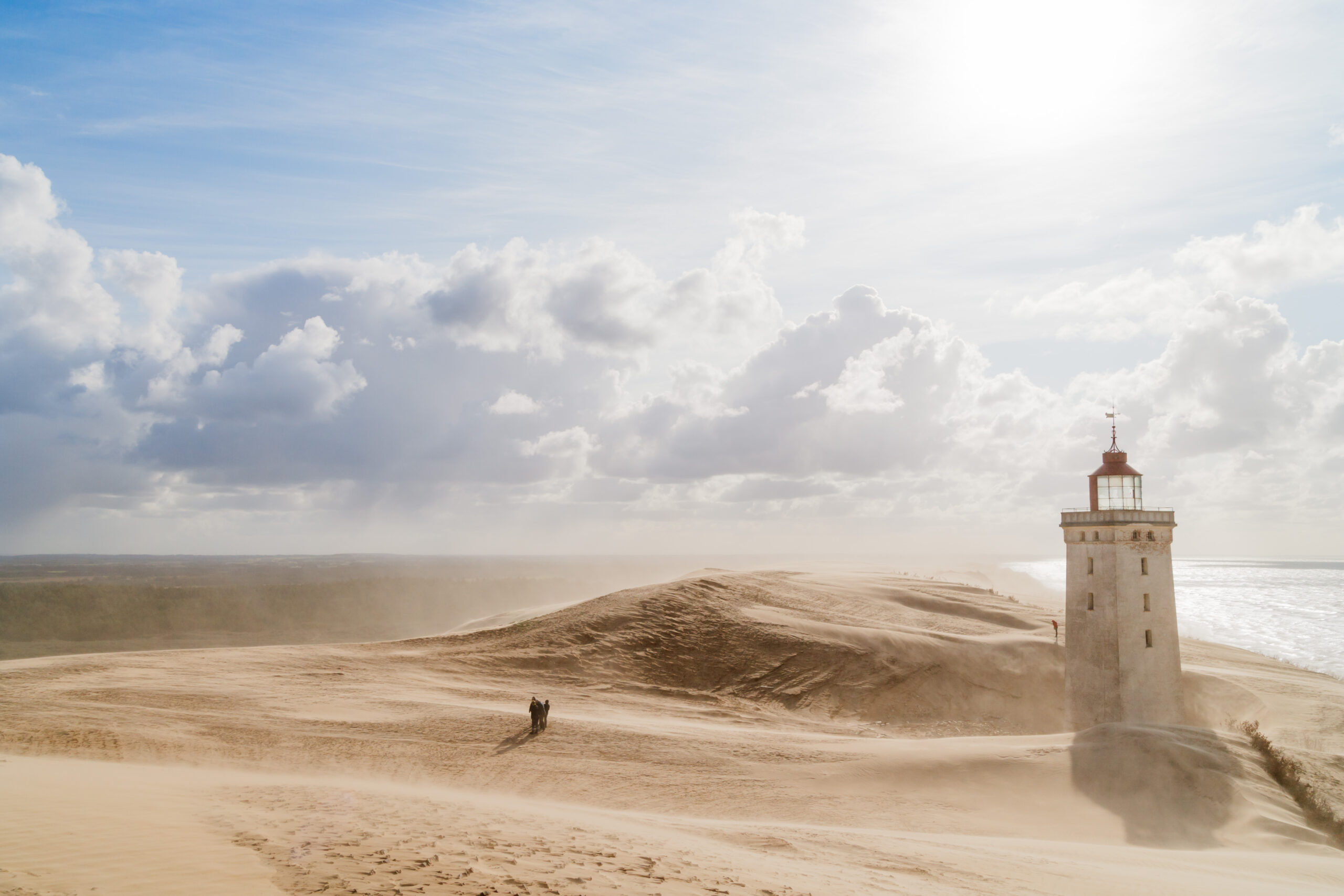
With its position in northern Europe in the Baltic sea, Denmark can be chilly! Here’s how its climate and weather changes throughout the year…
Denmark doesn’t see extreme weather conditions; what marks the most striking seasonal difference is the amount of daylight. If you visit during June the days stretch as long as 17.5 hours, with ‘darkness’ only reaching a dim twilight; while in the winter months of January and February, days shorten to only seven hours as sun sets around 4pm.
Though it’s rare you’ll experience snow or ice in Denmark, temperatures drop to around 32-36 degrees Fahrenheit (0-2 degrees Celsius) in December to February and there can be frequent rain showers—which is why the Danish have embraced coziness as a lifestyle, and a waterproof coat is carried as standard!
In the warmer months (June-August), days can be bright, long and sunny, but not exactly bikini weather, peaking at around 68 degrees Fahrenheit (20 Celsius).
As you’d expect, what to pack for a trip to Denmark will vary depending on when you visit.
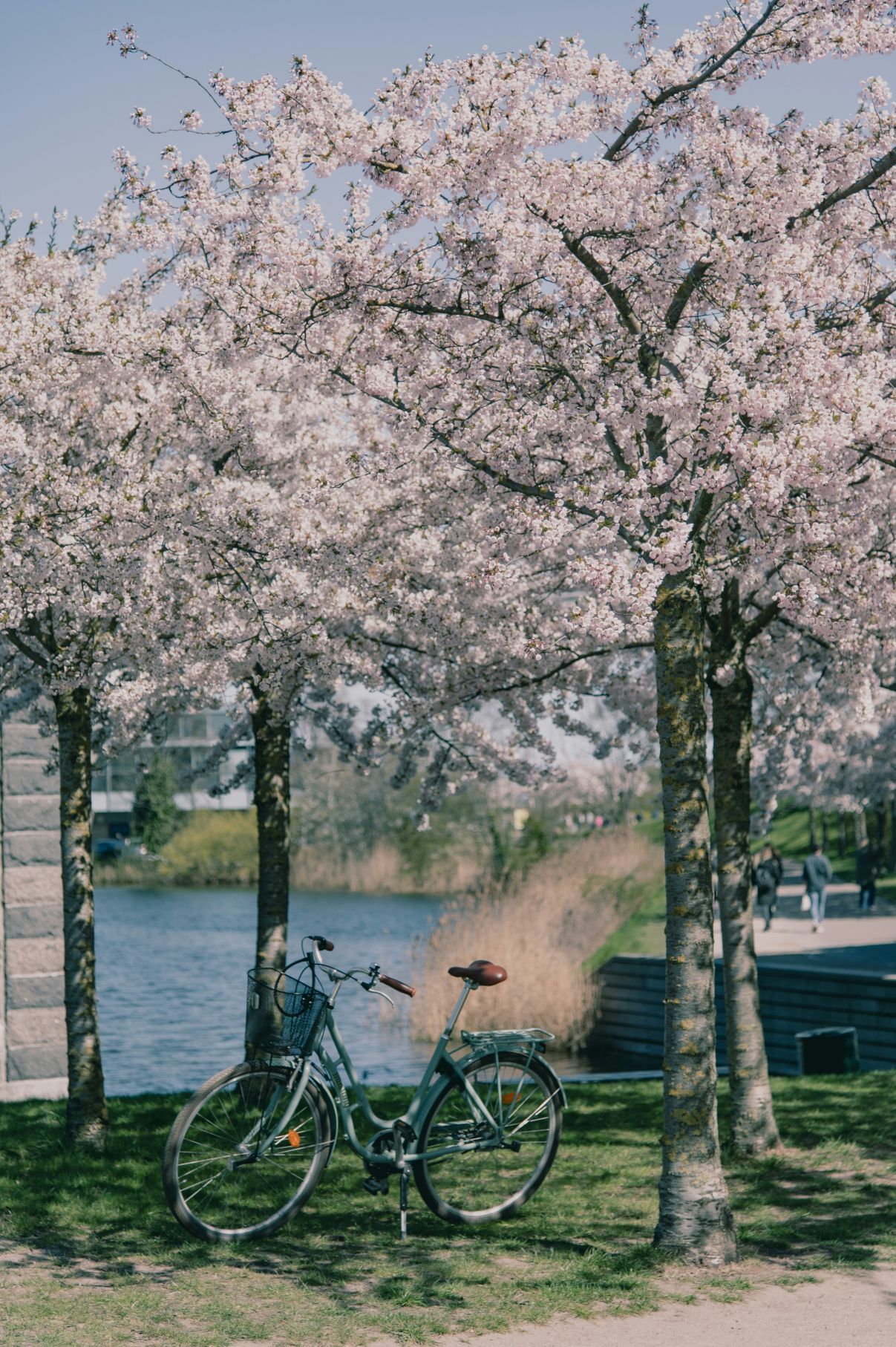
Like much of central and northern Europe, spring is when locals become more energized and the streets come to life again after a cozy winter. That said, it’s not busy like the peak of summer, so it’s a great time to visit if you like spaciousness and freshness.
In Copenhagen, the cherry trees at Bispebjerg Cemetery and around Langelinie come into full bloom in April, and the sublime Tivoli Gardens reopen after closing for the cold season. North of the city, the beech forests of Dyrehaven turn a luscious green, and deer start wandering in droves.
So long as you bring waterproofs for the occasional rain shower, it’s a great time to explore by bike, taking your time to stop into shops, cafes and craft beer joints, and snap photos.
Summer is a glorious time in Denmark, with long daylight hours bringing a social, fun-loving air to the cities and outdoor spaces. It’s also the busiest season, with beaches, harbor baths, beer gardens and festivals all drawing crowds, and for good reason.
Swimming in harbor baths is a quintessential activity in Copenhagen; try Islands Brygge Harbor Bath for a dip, then cycle as the locals do, out to Amager Strandpark.
Just outside of the capital, Roskilde Festival is an incredible week-long event with music, talks, food demonstrations, and community activities; while the famed Skagen Music Festival in northern Jutland is also a beloved asset to Danish culture.
If festivals aren’t your thing, a quieter summer escapade welcomes you in Mols Bjerge National Park, where hiking trails wind through scenic hills and past gorgeous coastal landscapes. For outdoor lovers, visiting Denmark in summer is a no-brainer.
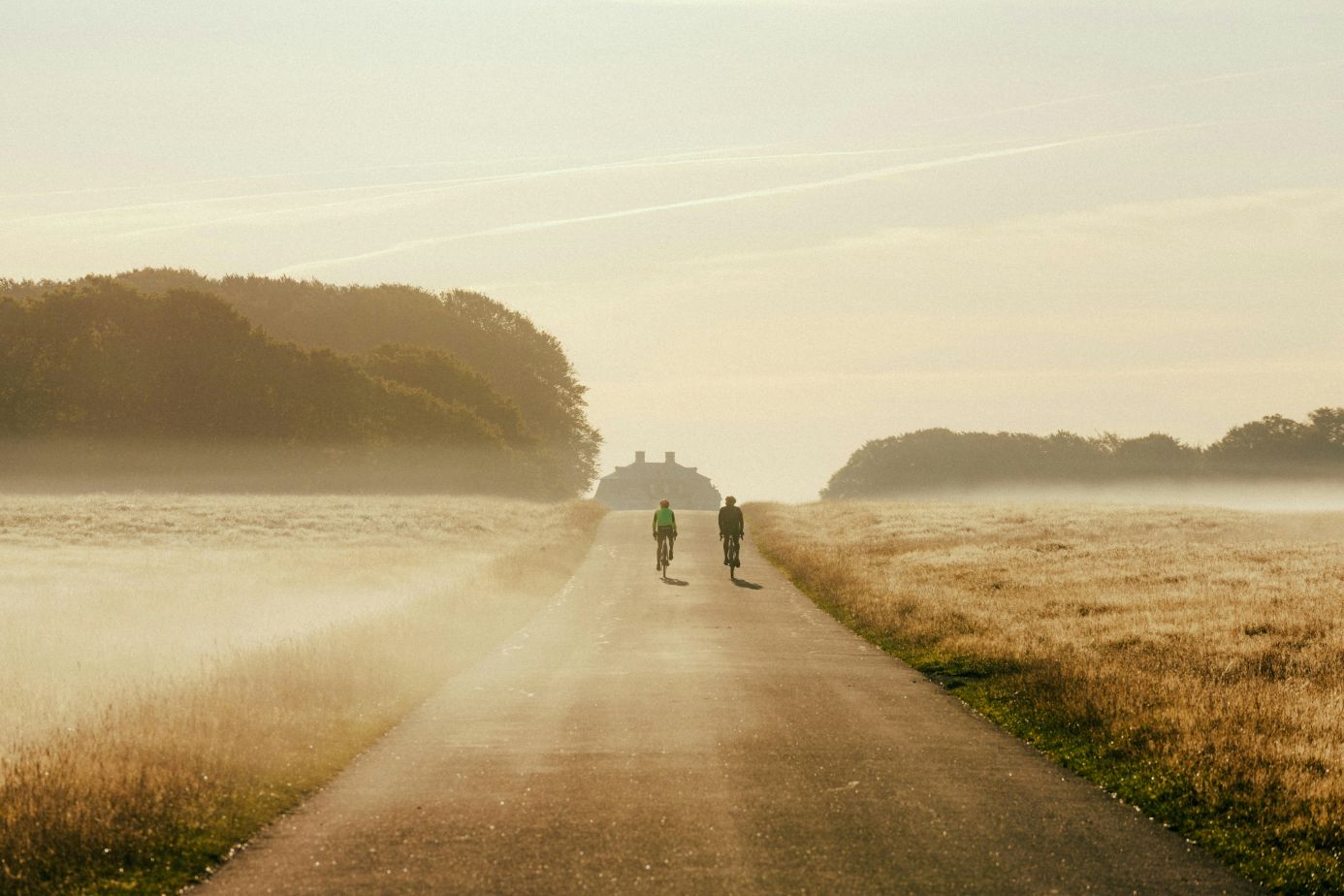
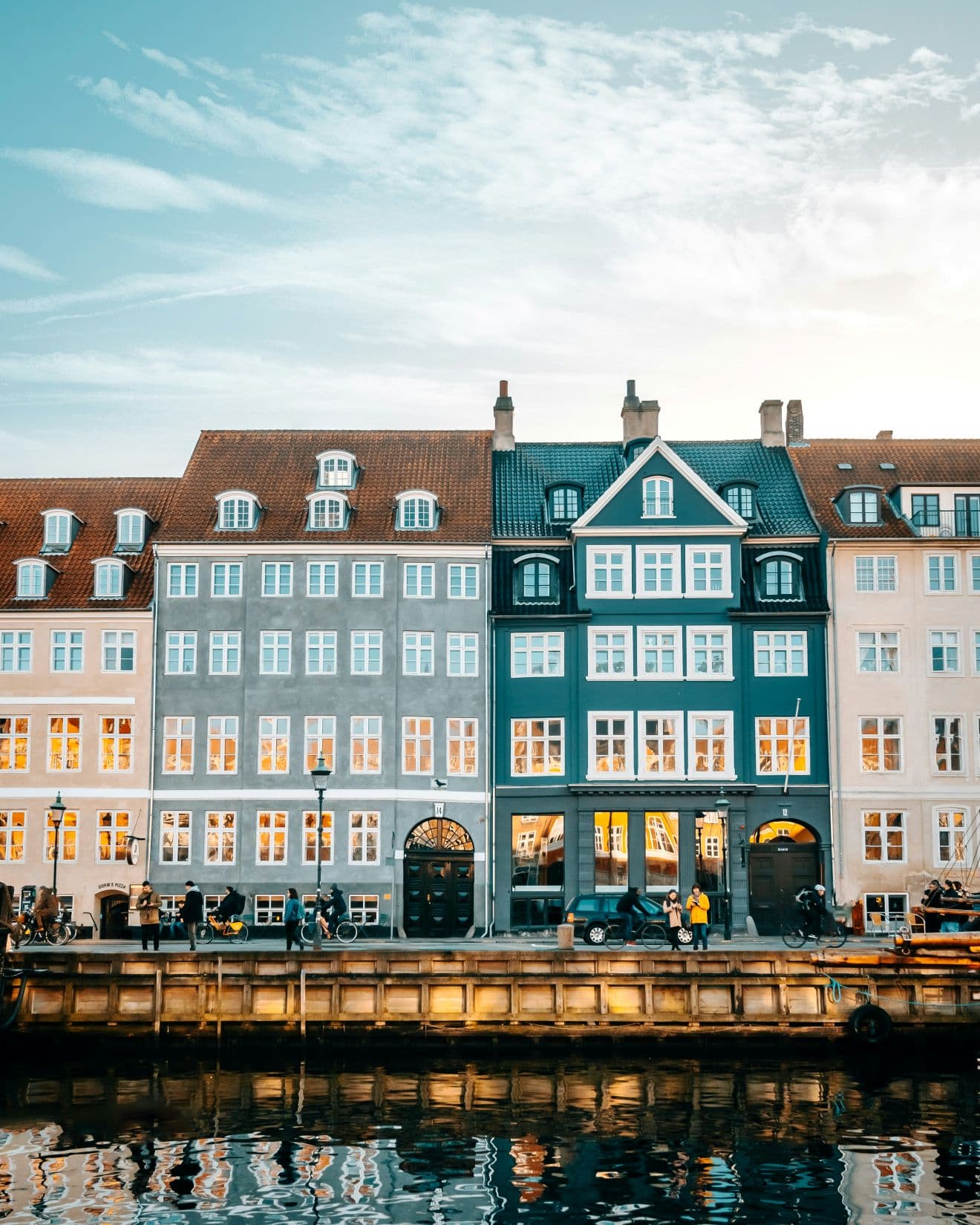
The autumn months are a particularly cinematic time for visiting Denmark, as the leaves turn and crowds thin out after peak tourist season. Crisp, fresh days are perfect for exploring Copenhagen and stopping into cafés or the city’s many museums, and it can still be mild enough for wonderful days outside wandering the Nyhavn canal front, particularly in September.
Dyrehaven (in Copenhagen) is particularly beautiful at this time of year, when its ancient trees turn golden and herds of deer roam the former royal hunting grounds. Further north, walking the woodlands of Rold Skov is quiet and atmospheric, while Odense has a peaceful, literary energy and Hans Christian Andersen’s House; a great place to reflect and take it slow with a book and coffee in hand.
The brisk chill of winter brings with it a wash of coziness, and you’ll feel the true meaning of hygge if you visit at this time of year. Candlelit reading nooks, open fires, snug cafes and sauna culture come into their own in the months of December to February.
The lead-up to Christmas is awash with warm glogg to sip and festive markets to explore—like the renowned Tivoli Gardens Christmas Market in Copenhagen; or in Aarhus, where roaming actors wear period dress.
The post-Christmas months are lower cost as days are short, but it’s still a great time to meander Copenhagen’s museums and boutiques, or even try a cold-plunge and sauna for an adrenaline-fueled day activity.
Read more: Introducing Denmark: top sights for first-timers
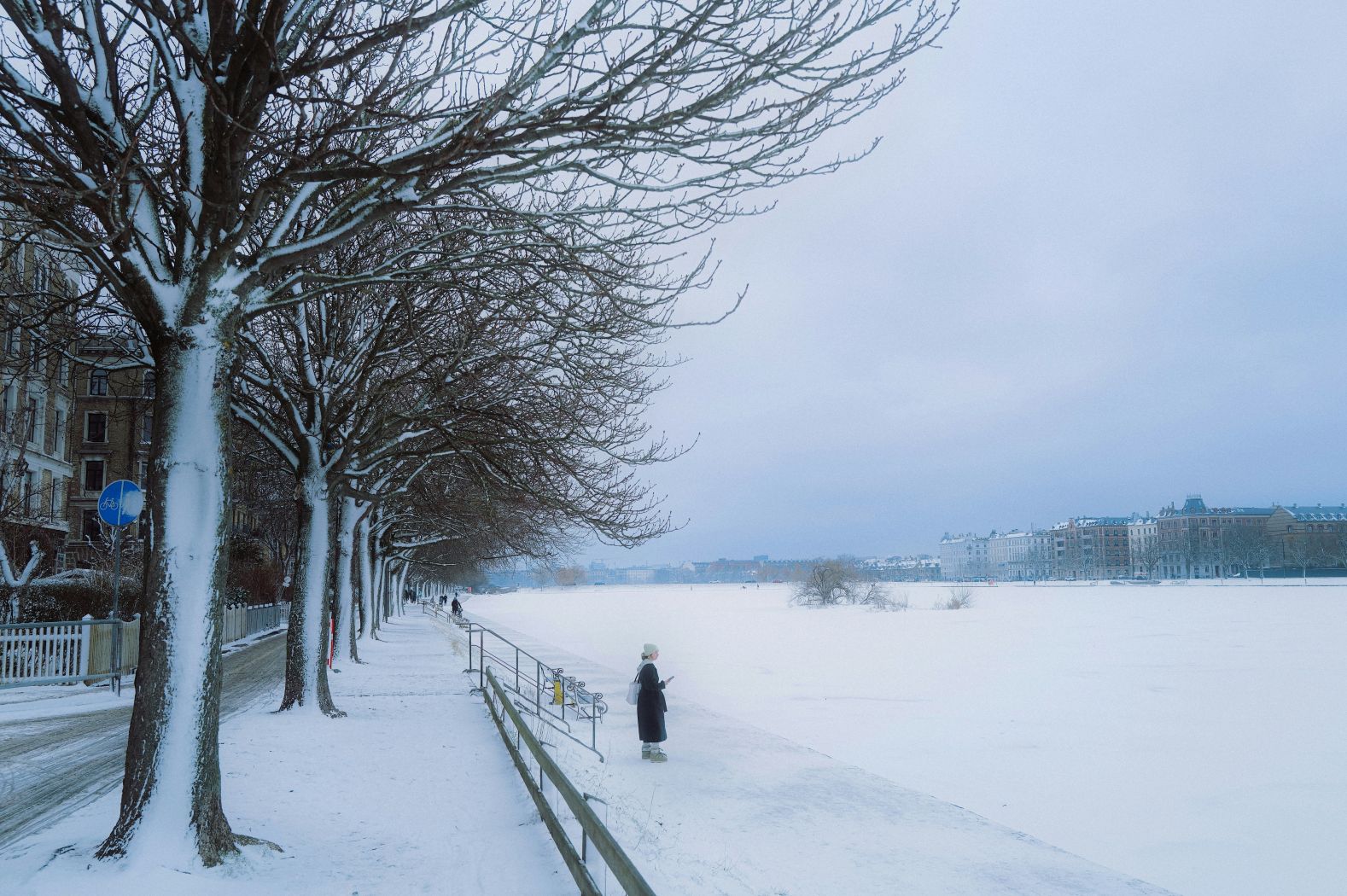
To embrace Denmark’s outdoor beauty in pleasant weather, at a cheaper cost than peak season, April and September are the best budget months. The post-Christmas winter months of January to March are the cheapest, overall—but there are trade-offs. It’s a dark, damp time of year, but you can still experience the indoor delights of Copenhagen, duck into museums during a rainstorm, and squeeze into a sauna.
Summer is king for festivals in Denmark—the aforementioned Roskilde Festival is a Danish favorite, and usually falls in late June and lasts a week; while Copenhagen’s Distortion Festival (June), Jazz Festival (July), and classical Summer Festival (August) dominate the summer months, as do traditional Midsommar parties (June) and Pride Week (August).
That said, September is a great time for food and drink events, as Aarhus’s Food Festival and Copenhagen’s Beer Festival bring a roster of locally-sourced cuisine, beers, and wines to try.
If festivals are a priority for you, be sure to secure tickets well in advance, as some of them can sell out fast!
The spring months of April and May are a lovely time to visit if you’re craving spaciousness. Expect fresh temperatures and longer days than winter; where you can brave a chilly dip followed by a sauna, and enjoy the cozy, candlelit vibes when night falls.
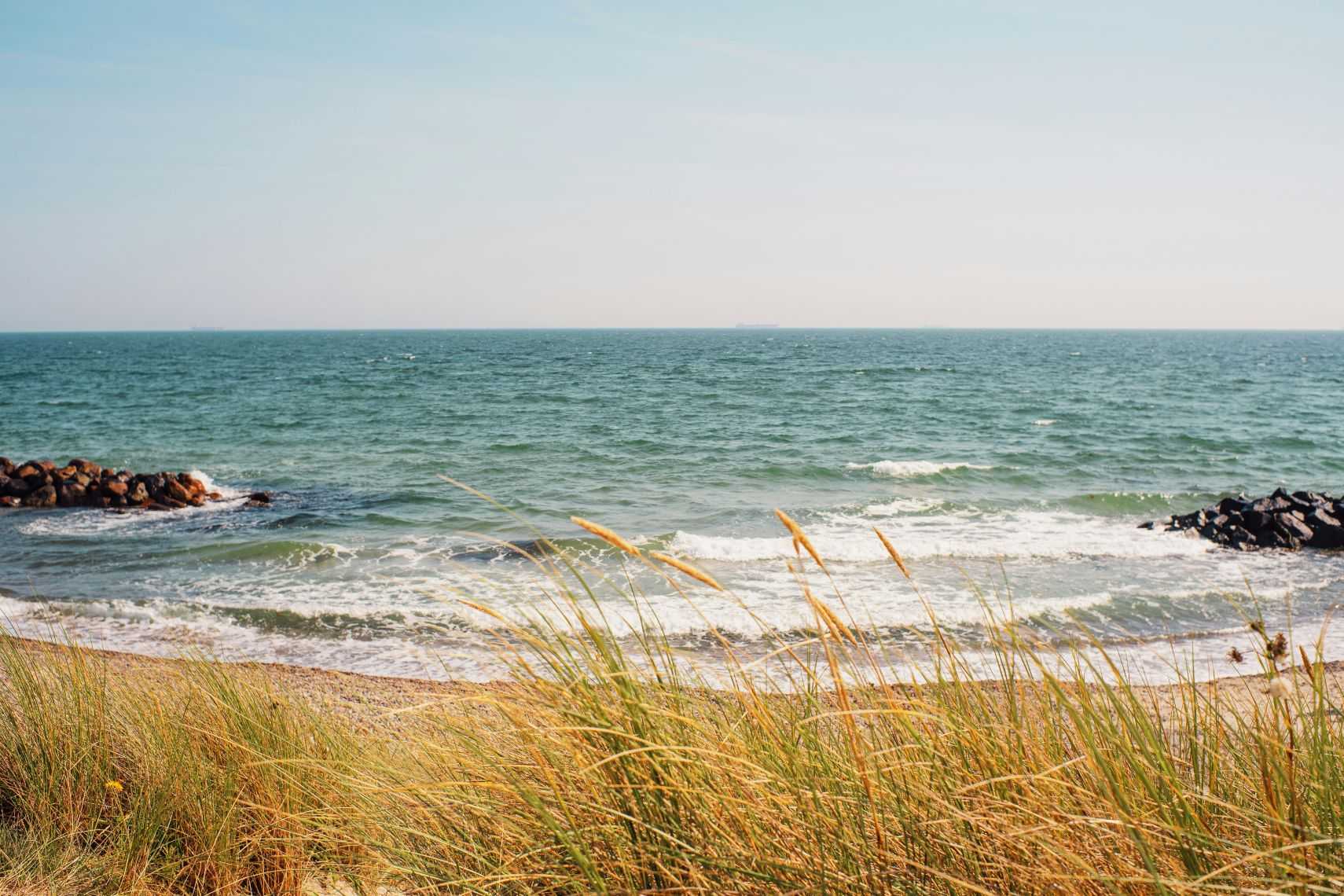
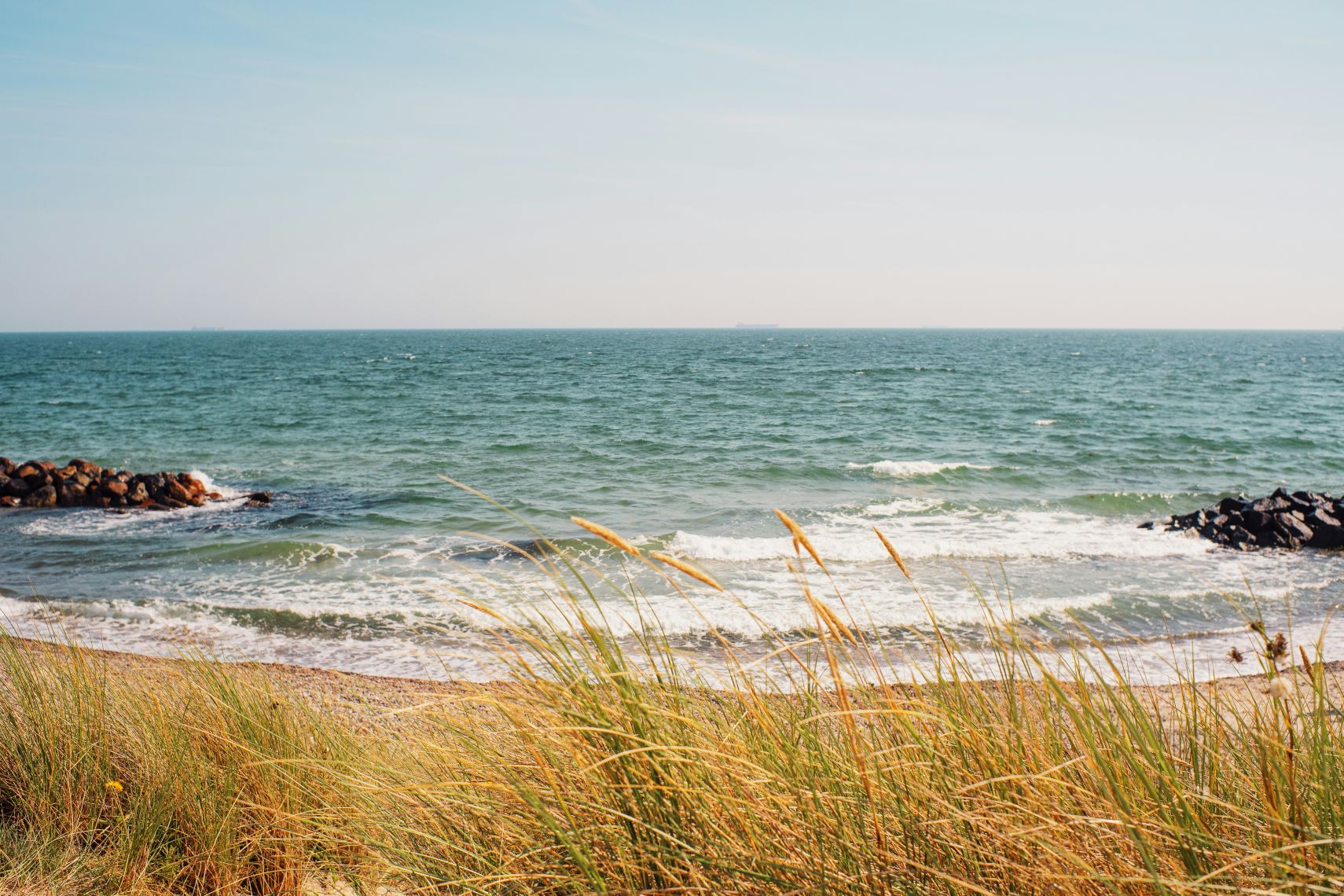
Sitting in the Baltic, Denmark rarely reaches the tropical climes of its European peers down south, but it does see sunny days where a beach day with a sea swim is pleasant and refreshing. Head there from mid-June to August for the most heat, when temperatures peak in the high 60s to low 70s Fahrenheit (20-23 Celsius) and the sun sets from 9pm.
Copenhagen is a travelers’ favorite for a city break: it’s stylish, progressive, friendly, and full of character. The peak times for visitors are between June and September, when local events fill the streets, the energy is high, people eat and drink outside, and busy parks are a joy to mingle in. Temperatures average around 66-68 degrees Fahrenheit (19-20 Celsius) and the sun sets from around 9pm, so you can make the most of your days.
To experience Denmark’s wonderfully shifting seasons for yourself, get in touch with our local travel experts. They’re based on the ground within the destination, with all the in-depth local knowledge you’ll need to build the Denmark vacation you’ve always imagined.
Explore all featured destinations