
A guide to Ecuador’s weather: when to visit for top activities
11 November 2026
If there’s ever a place to truly experience the shift of the seasons, it’s Sweden. Here the winters are steeped in crisp snow and coziness, while the summer days are endless—quite literally—as the sun shines on past midnight for days at a time. In this sense, the best time to visit Sweden depends on your vision for the trip. Read on for our guide to Sweden’s seasons and what not to miss throughout the year, so you can make the call yourself.
Key takeaways:
Sweden follows the rolling four-season cycle, in line with the rest of the Northern Hemisphere—but this far up north, conditions ramp up to 100.
Sweden stretches from the Baltic coast up to the Arctic Circle, so seasons present differently depending on what region you’re visiting.
Read more: Unmissable winter experiences in Scandinavia and the Nordics
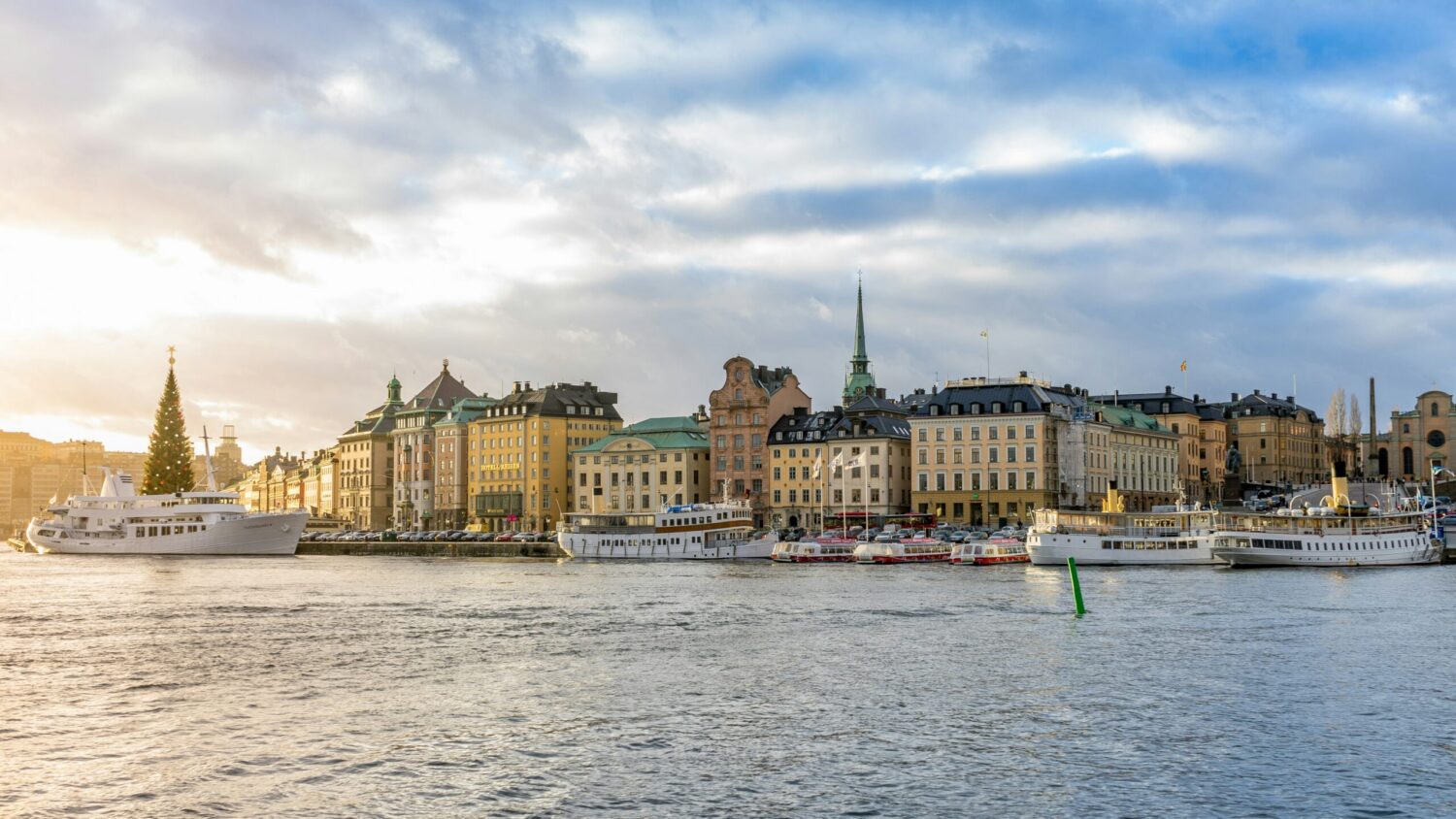
The summer hits Sweden between June and August, and locals welcome it with open arms. Arguably the most popular time of year for locals and visitors alike, it’s a glorious period of lake swimming (there are thousands), beer gardens, outdoor hikes and wild camping.
Sweden’s Allemansrätten, meaning ‘right of public access’, means exploring nature is a big part of Swedish life. Stockholm and the Stockholm Archipelago makes for a perfect Swedish summer trip; while Gothenburg and Dalarna each offer a more artsy, traditional mood.
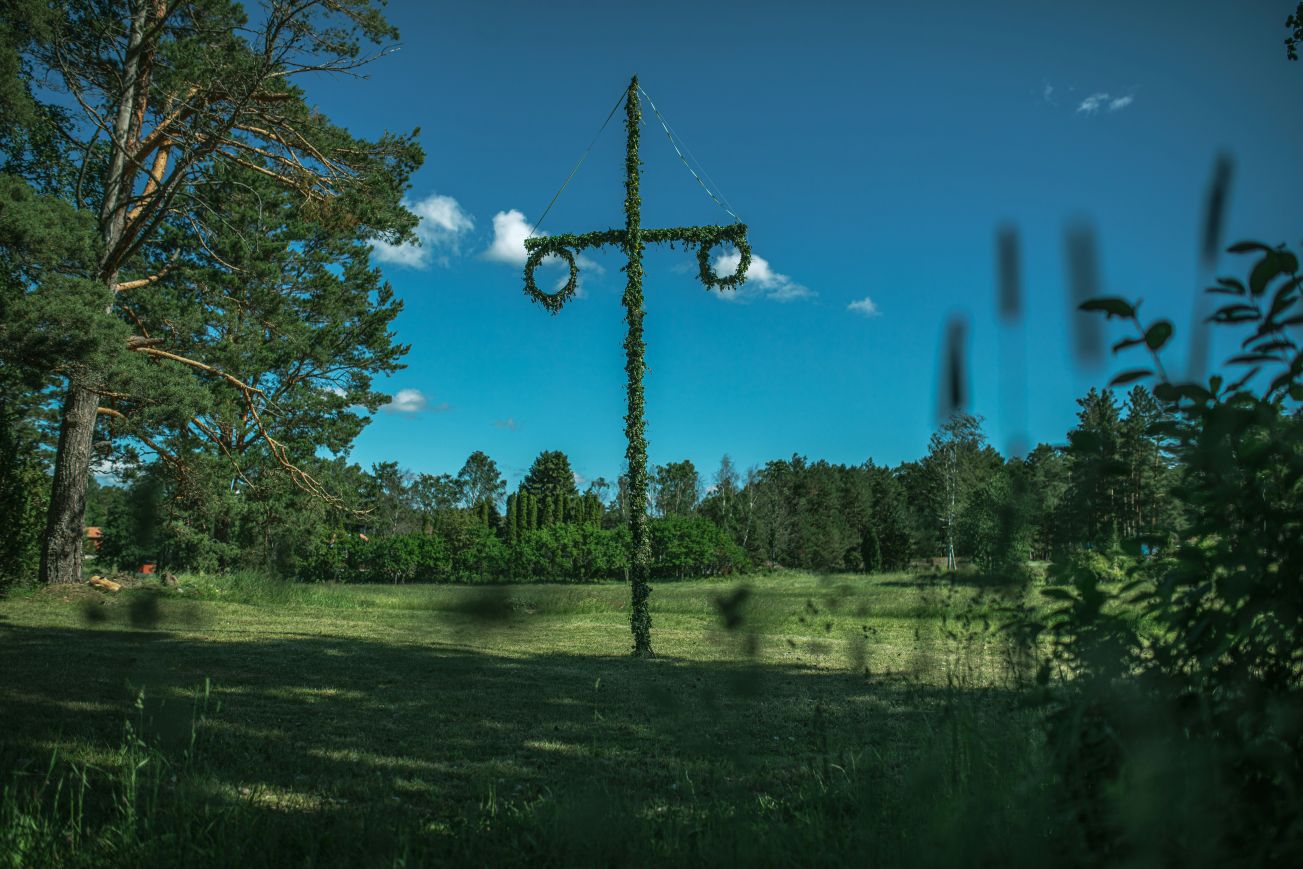
Midsommar is a big celebration in Sweden, where people come together to wear flower crowns and eat strawberries and cream, children dance around a maypole, and street parties stretch into the night. It lands on the Summer Solstice, usually around June 21st.
If you’re visiting the far north of Sweden, late May to mid-July is peak time for the midnight sun phenomena—a truly once-in-a-lifetime experience for many. The Earth’s tilt this far above the Arctic Circle means the sun doesn’t dip below the horizon, meaning days of bright sunshine that feel utterly surreal. There’s nothing quite like kayaking across a sunlit lake at 2am!
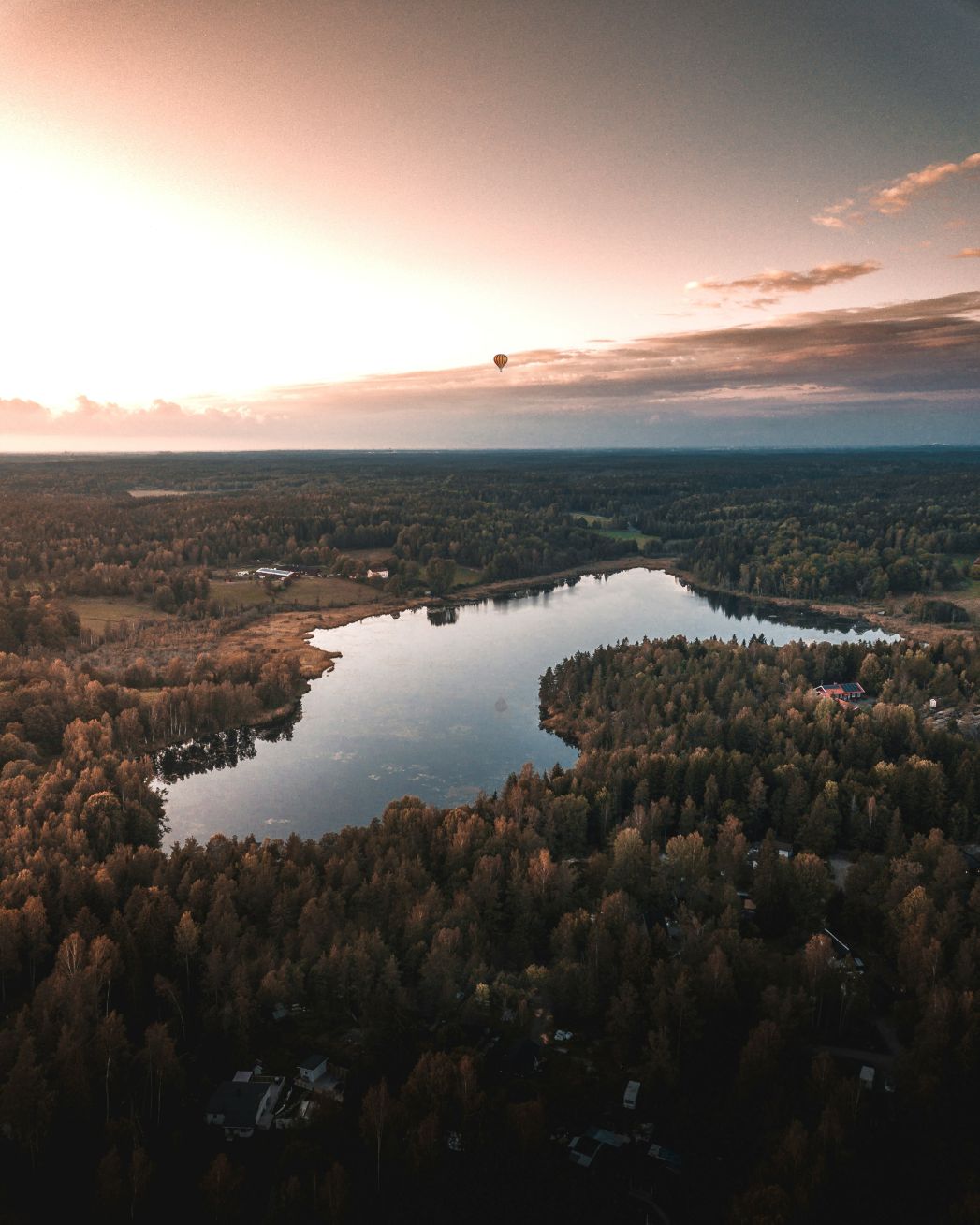
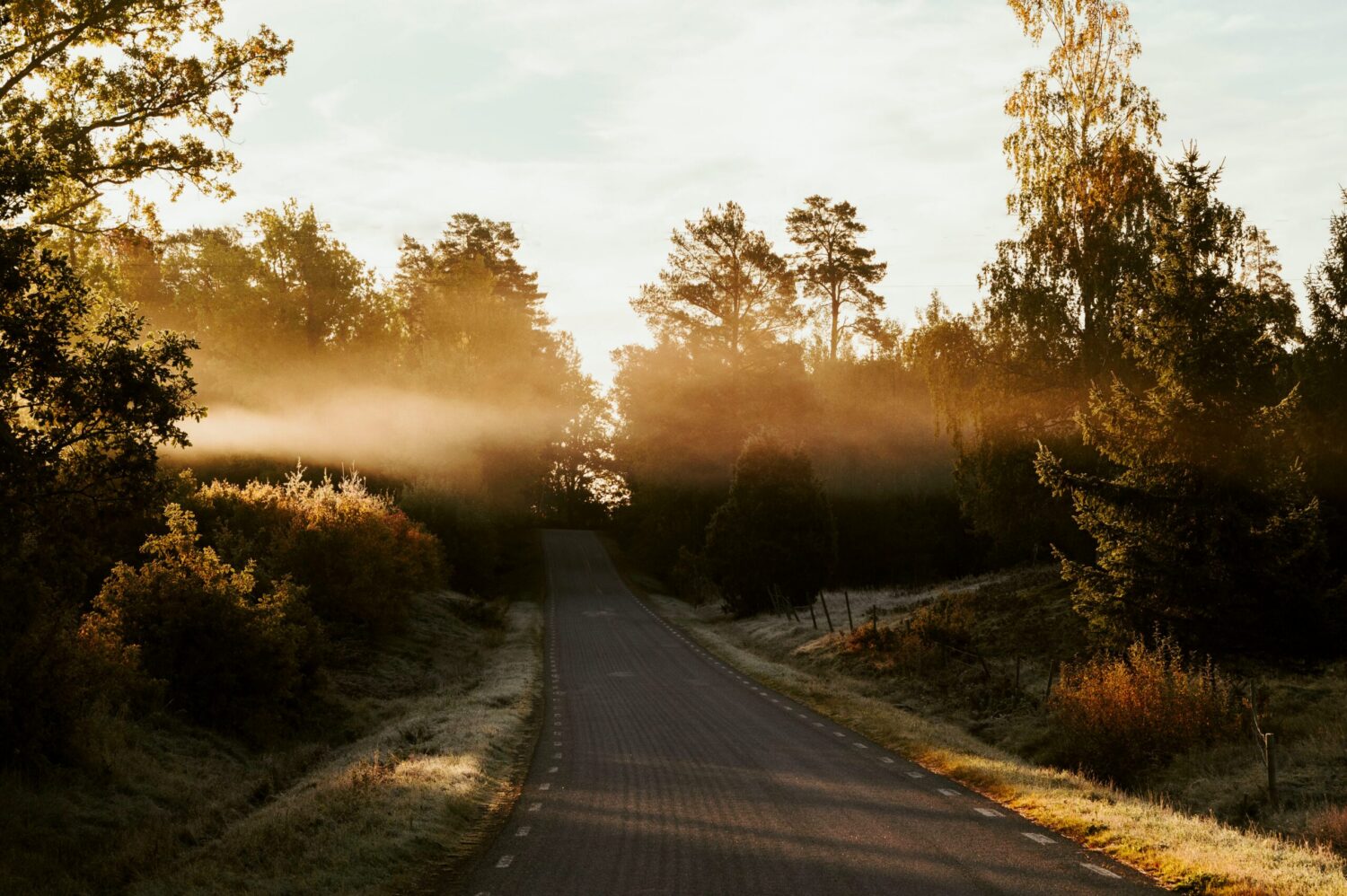
Sweden’s fall season occurs from September to November, and it’s a real treat. The long-lit riot of Swedish summer becomes a much quieter affair, as the forests rust from green to amber and tourist crowds diminish. Visit Sweden during autumn for refreshing walks through birch and maple woods, cabin stays over still lakes, and those first sensations of fireside bliss.
Stockholm’s parks and green spaces have their fair share of fiery foliage, but there are lesser-known spots in Sweden that put on a real show. Dalarna‘s forested hills or the lake-studded province of Värmland are flourishing around late September; while Skåne‘s beech forests, especially around Söderåsen National Park, turn a deep, coppery red by early October. You can combine with a stop in medieval Malmö or Ystad for a wonderfully historic fall excursion.
If you’re patient and heading to the far north of Sweden, early sightings of the northern lights start to flicker from late September, especially the skies over Abisko and Swedish Lapland.
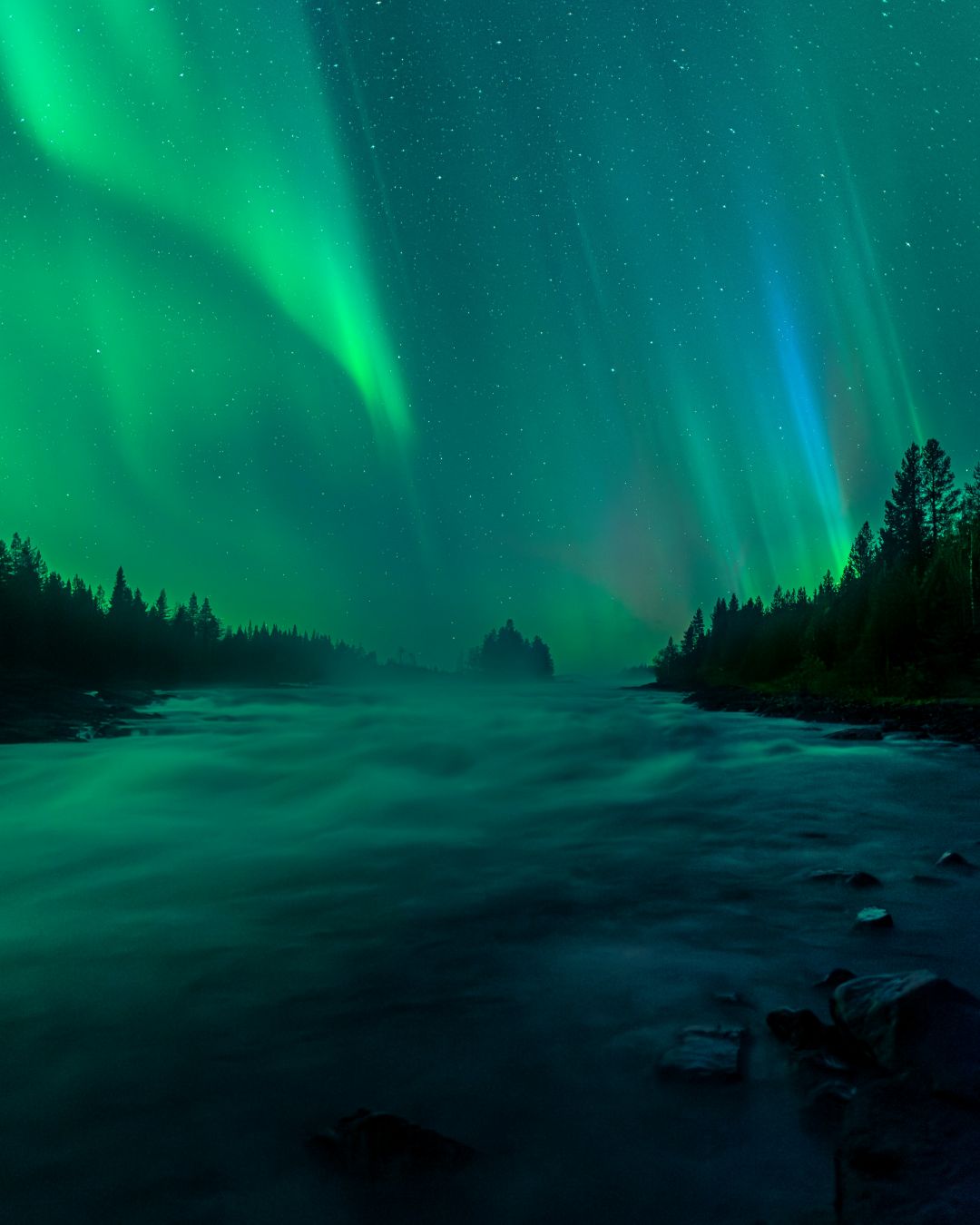
The winter hits from December through March in Sweden; a starkly frosty period when coziness ramps up. If your ideal vacation in Sweden features skiing or snowboarding you’ll be more than pleased, as thick powder covers the north, particularly in the popular ski resort of Åre. The darkness really draws in, with only six hours of daylight in Stockholm during mid-December, and a dusky ‘Polar Night’ in the far north (Kiruna is the northernmost city) where the sun never truly rises.
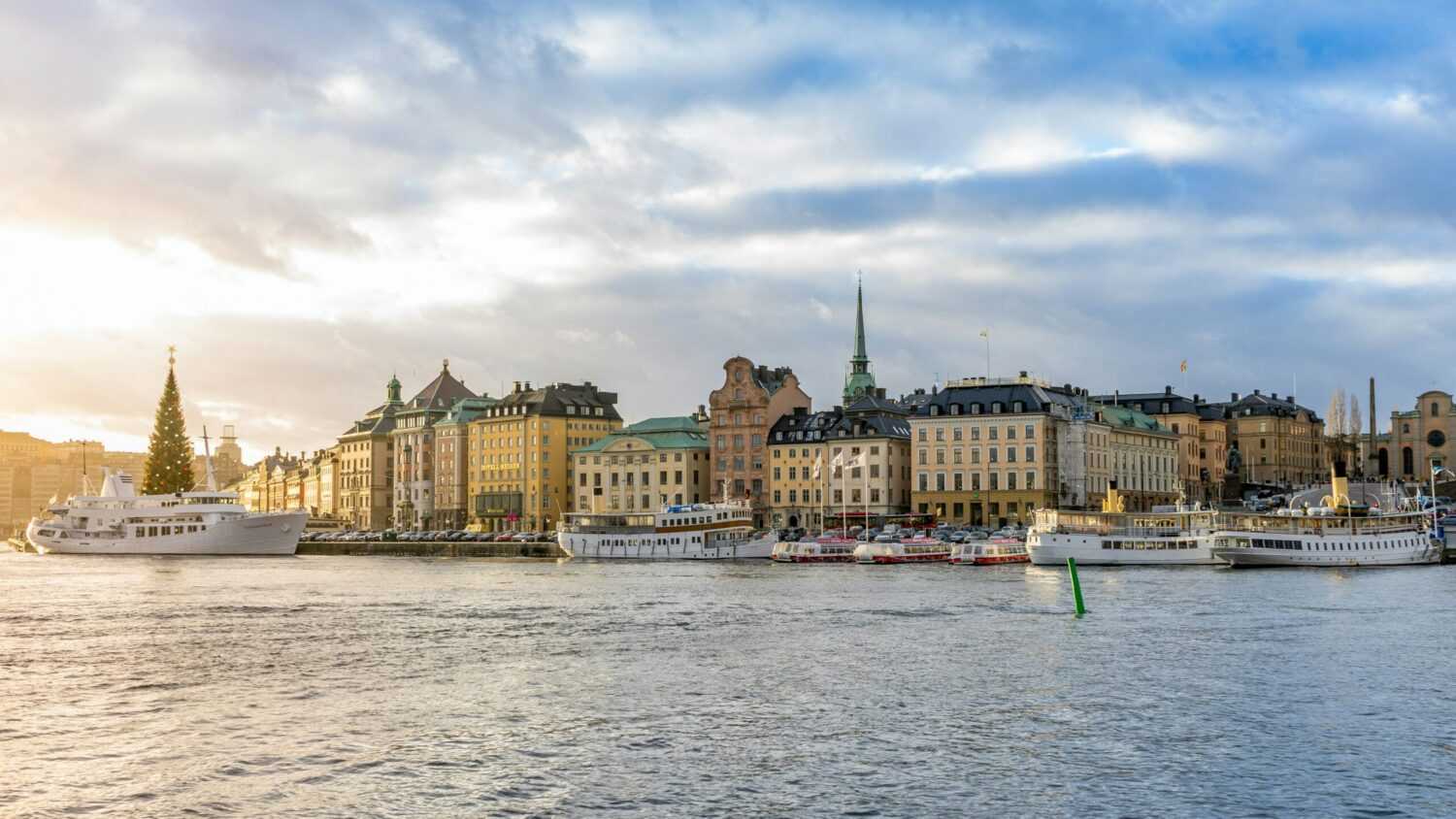
Most visitors come to Sweden in winter for festive fun and the northern lights. Swedish Lapland comes into its own this season, with atmospheric ice hotels, husky-pulled sledding, reindeer-spotting and unbelievable Christmas markets. Then again, all of Sweden is twinkling with winter magic at this time of year—nothing quite beats the wooden stalls and mulled glögg of a traditional market in Stockholm‘s Gamla Stan.
To watch the green dance of the northern lights in Sweden, Abisko National Park is a classic choice. With its famously clear ‘blue hole’ sky, it’s widely regarded as one of the best aurora-viewing spots on Earth. For fewer crowds, try Riksgränsen or the forests around Jukkasjärvi—you might have the skies to yourself, as the glow flickers over snowy pine trees.
Sweden’s springtime in April to May is a glorious period of emerging blooms, longer days, and a scattering of local festivals as energy returns after winter. The days lengthen dramatically from May for lovely sunlit evenings, but weather can be unpredictable, so expect everything from heavy rain showers to cool and bright, sunshine days, and pack accordingly.
On 30th April, Valborg, also called Walpurgis Night, is celebrated across the country. Expect evening bonfire parties and atmospheric choral singing as local communities welcome the official start of spring. Head to Lund and Uppsala as the students there mark the occasion in a big way, with boisterous boat races on the river. From around the same time, cherry blossoms and magnolias decorate the green spaces of Stockholm, particularly glorious in Kungsträdgården, which even holds its own Japanese-themed Cherry Blossom Festival.
Read more: Things to do in Sweden: top picks and hidden treasures
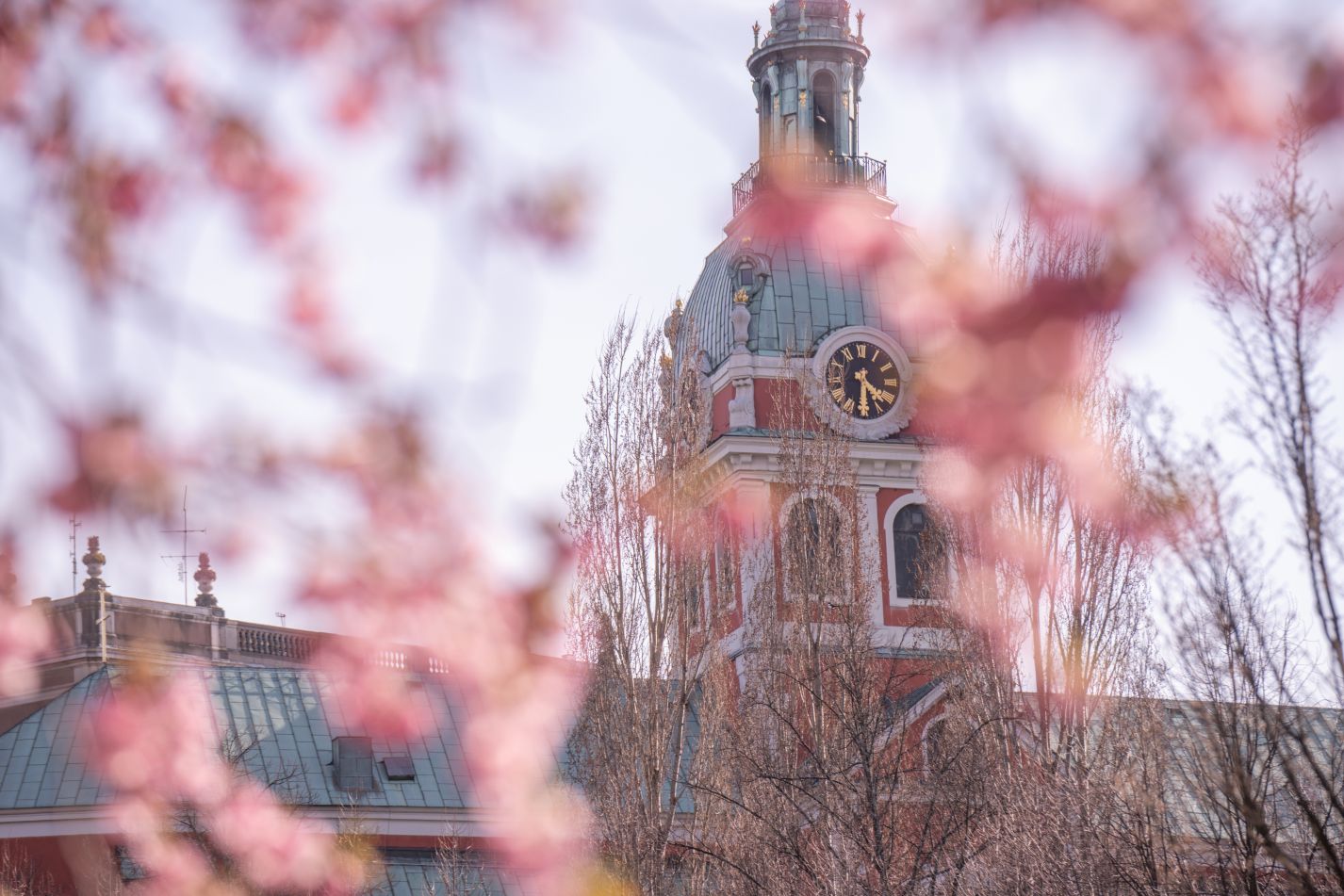
If you’re planning a city break to Stockholm, many find the shoulder season of late spring and early summer is hard to beat. May and June is when the Stockholm Archipelago comes alive, café terraces fill with revelers enjoying the first of the year’s true warmth, and locals stay out longer into the evenings without the peak season crowds of July.
If you’re up for a winter adventure in Sweden, the months of November, January, February, and March are generally the cheapest (outside of Christmas and New Year, which get more expensive). It’s still worth booking northern lights tours early, however, as these tend to stay at a premium cost.
For a first visit, you can pack a lot into a week in Sweden; starting in Stockholm and adding one other region such as Swedish Lapland, the Stockholm Archipelago, or a cultural city such as Gothenburg. For a short city break to Stockholm, around three days is enough to cover the main sights.
Sweden’s summer season is almost otherworldly, with long summer days perfect for outdoor living and getting into nature. Book a cabin weekend on one of Sweden’s thousands of lakes, go hiking in beautiful forests, and stay up all night in the beams of the incredible midnight sun.
Ready to book your trip to Sweden, whatever season suits you? Browse our trip ideas or get straight in touch with our local travel experts. They’re based on the ground in Sweden, with all the in-depth local knowledge you’ll need to build your dream trip and figure out the best time of year to visit Sweden based on your interests.
Explore all featured destinations