A beginner’s guide to Copenhagen
23 November 2026
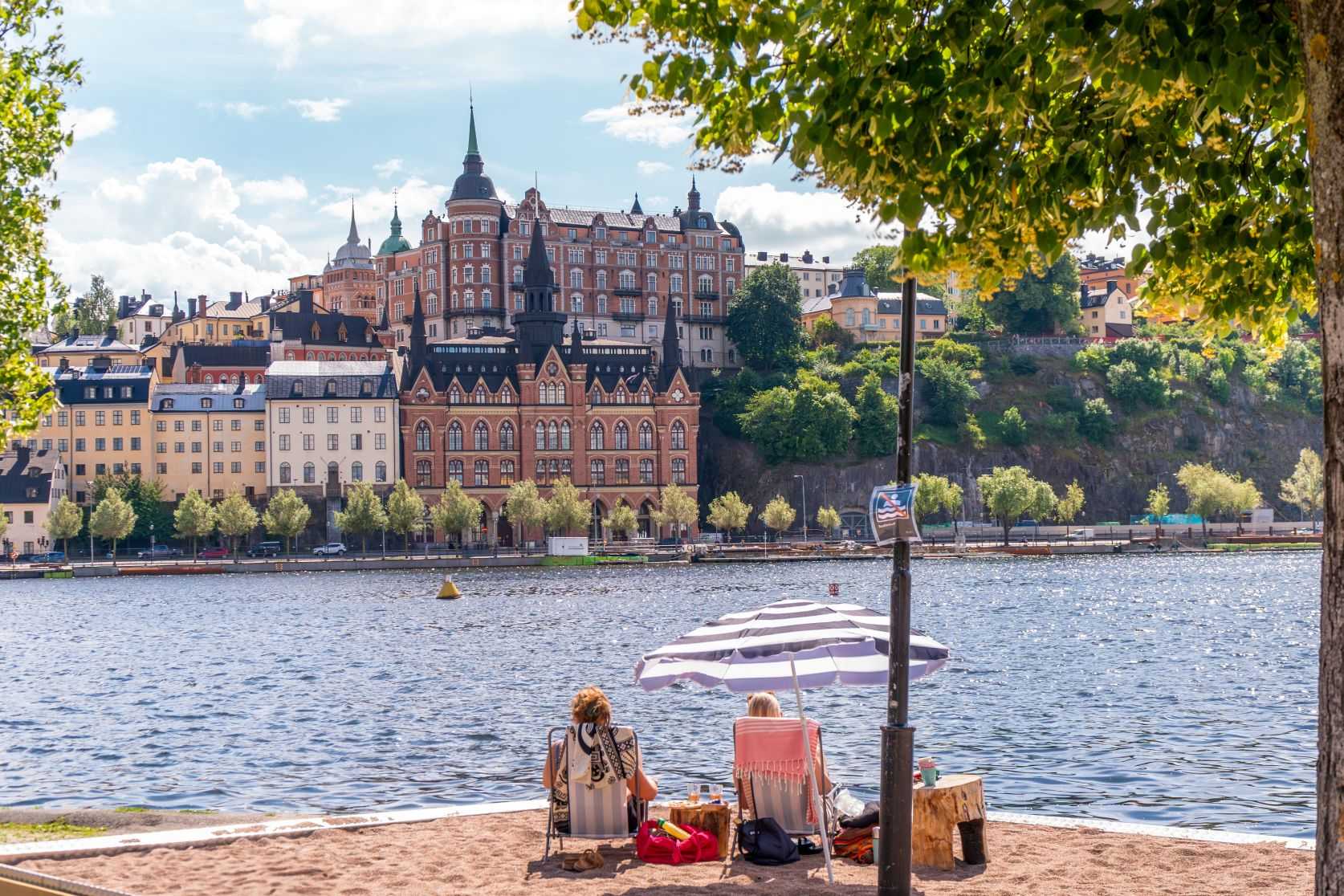
Stockholm is often named as one of Europe’s most livable capitals, due to its scenic positioning on Sweden’s east coast, its air of sophistication, its historic treasures scattered across 14 islands, and its green culture. If you’re a curious traveler who likes exploring rather than ticking off bucket-list sights, this Scandinavian gem could be your ideal city break. Get to know its modern, historic and natural wonders with our beginner’s guide to the best things to do in Stockholm.
Key takeaways:
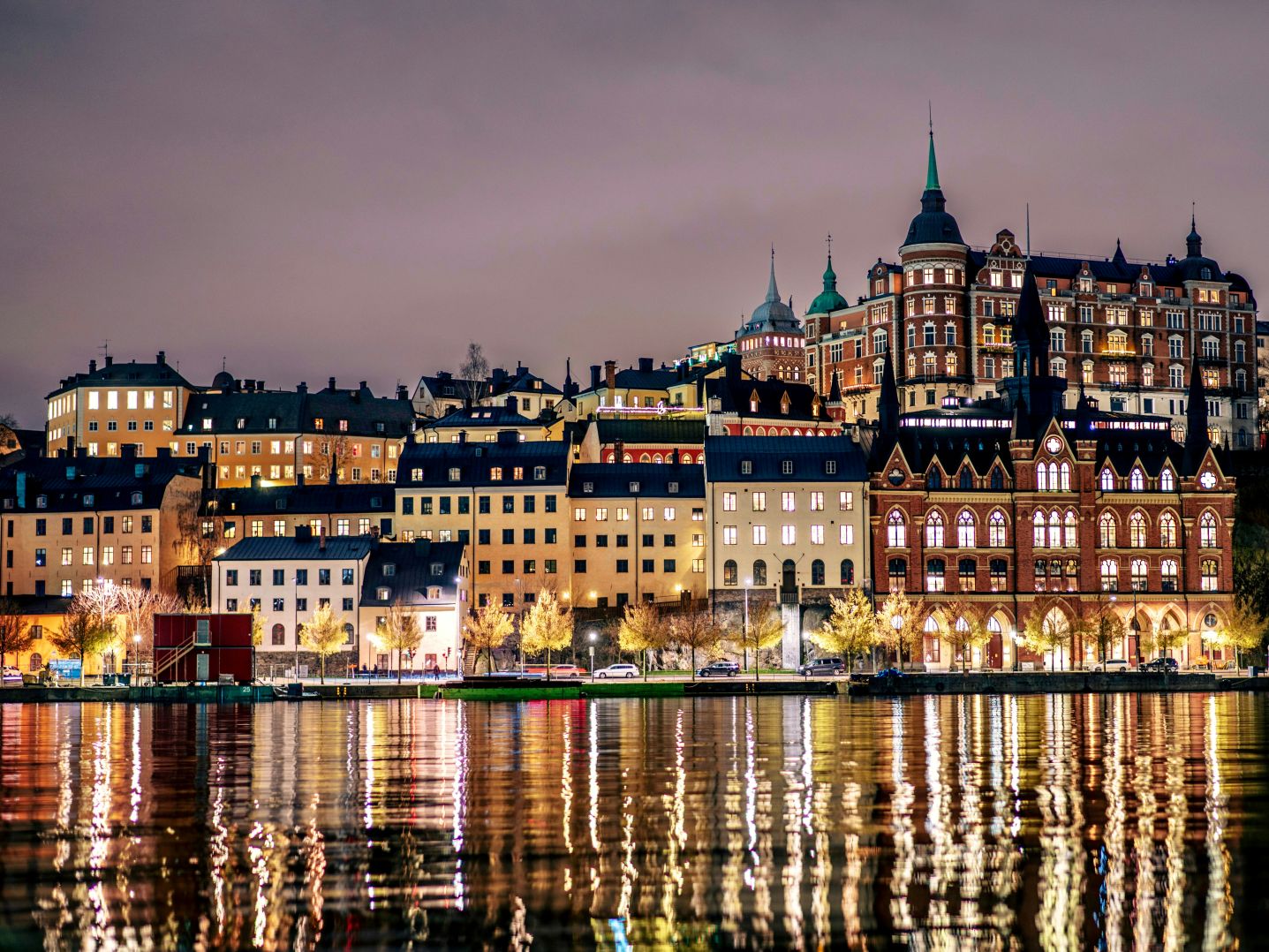
Start with the must-sees of Sweden’s capital, the places and experiences that will have you understanding the essence of Stockholm.
Stockholm is centered around its stunning historic Old Town, Gamla Stan; a district of cobbled streets and medieval townhouses once inhabited by 13th-century merchants and clergymen, but now a resplendent square of cafes, buskers and artisanal shops.
Nearby, the Royal Palace is one of the largest still-lived-in royal palaces in the world. It’s a striking building, dominating the eastern edge of Stadsholmen, the small island where Gamla Stan also sits.
Best known for hosting the annual Nobel Prize banquet, Stadshuset (City Hall) is a striking, red-brick building with a monument-topped tower. It’s not a walk-in scenario, but a booked tour can guide you through its gilded halls with high ceilings—of particular note is the Golden Hall, adorned with 18 million gold mosaics and stunning blue tiles. Climb to the top of the tower itself for sensational scenery across Lake Mälaren and one of the best panoramic views in the city.
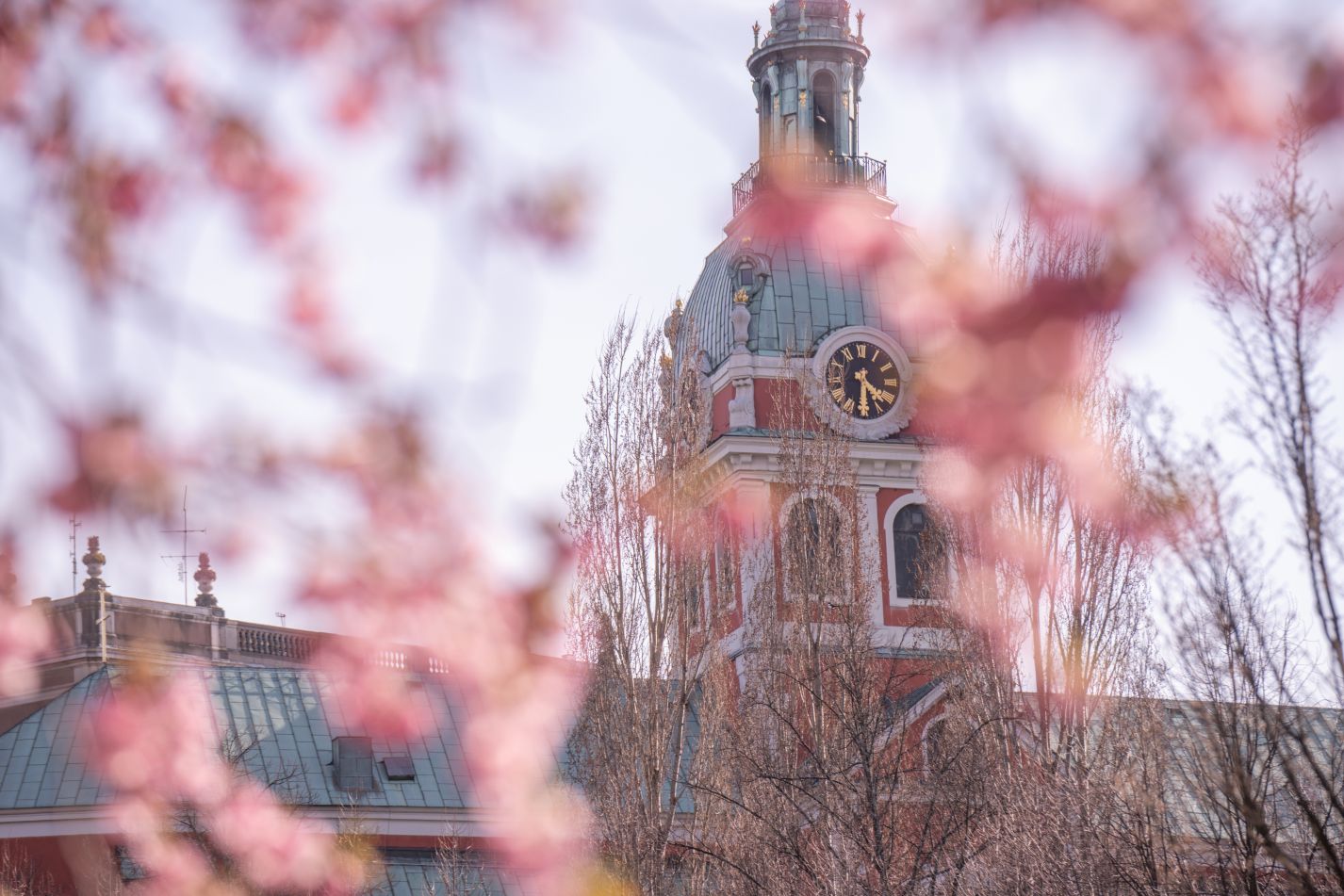
Stockholm is all about its nature-filled spaces—around 30-40% of the city area is made up of parks, forests and lakes. The biggest, Royal National City Park (Ekoparken), is actually the world’s first city park, at a massive 6,600 acres that spreads in all directions over the city. Kungsträdgården (which locals shorten to ‘Kungsan’) is at the center, hosting stunning cherry blossom trees that flourish in the spring, a winter ice rink and live music in the summer. For a quieter time, Skeppsholmen is home to several great museums such as the Moderna Museet.
Lovers of history, kitsch and tchotchkes will be entertained for days in Stockholm, as it’s a treasure chest of museums in a relatively compact place. The best-known is arguably Skansen, on Djurgarden island, the world’s oldest Open-Air Museum. Here, costumed actors wander about historic buildings and demonstrate age-old craft-making and trades; while visitors can also observe native Nordic wildlife such as moose, wolves and bears (not roaming free but in naturalistic habitats).
On the same island, the Vasa Museum houses an almost perfectly preserved 17th-century warship, the Vasa, which sank in 1628. For a jubilant alternative, ABBA: The Museum is an interactive shot of nostalgia celebrating Sweden’s most famous musical group. Elsewhere, contemporary art galleries and photography exhibits abound—such as Fotografiska, where you can observe world-class photography in an industrial building overlooking the water.
We all love pausing for coffee and a sweet treat, but the Swedes even created a name for this beloved ritual: fika (as in, ‘Time for fika?’) Luckily there are bountiful independent bakeries and coffee shops in Stockholm to make the most of this tradition; many tucked into historic 17th- and 18th-century buildings in Södermalm and Gamla Stan. Be sure to stop into Sundbergs Konditori, the city’s oldest bakery which opened in 1785.
Read more: Unmissable winter experiences in Scandinavia and the Nordics
The great thing about Stockholm is the opportunity for discovery. There is so much to see and do if you wander off the central roads—from a viewpoint most would miss, to an ornate secret greenhouse.
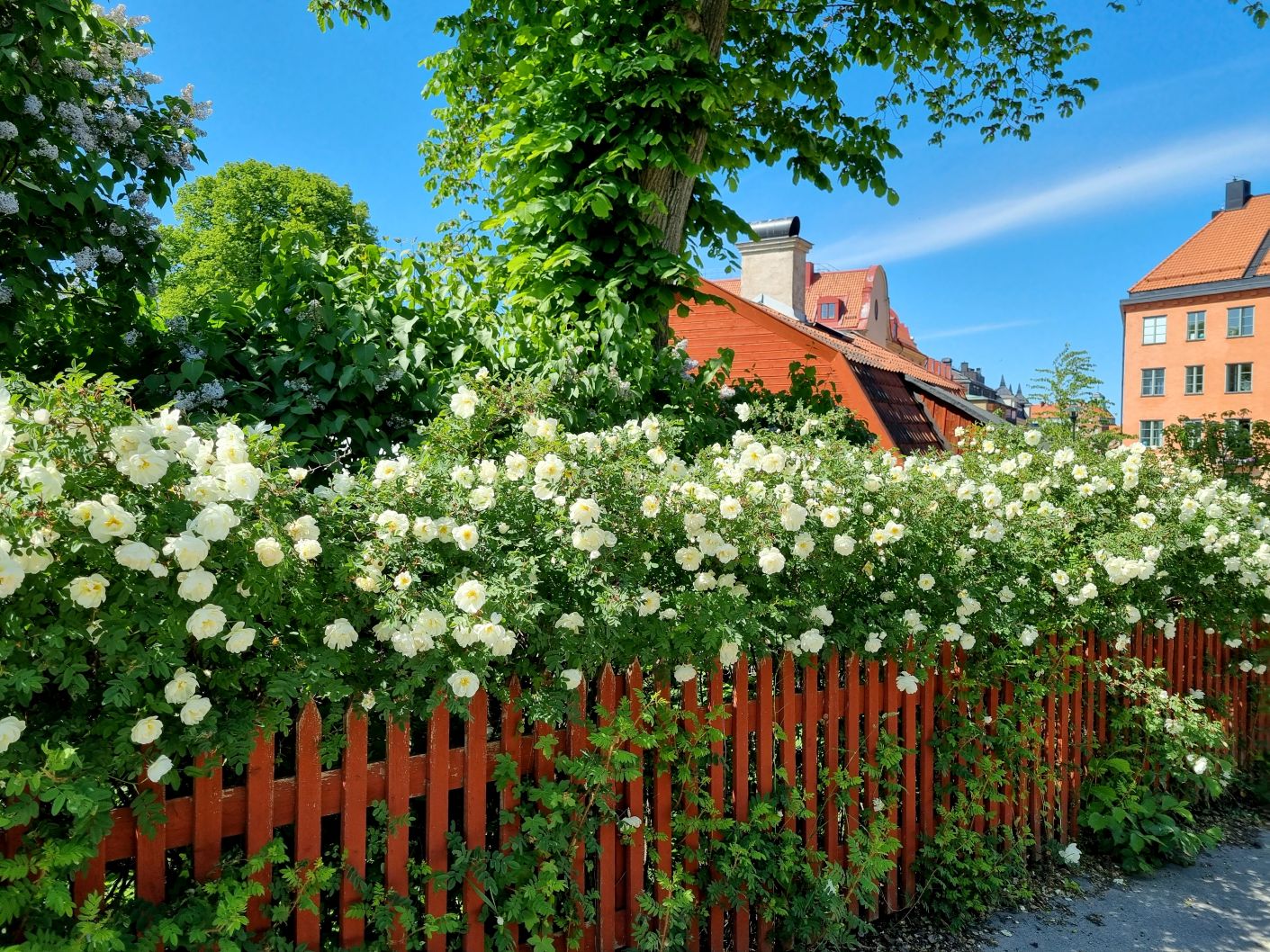
Vitabergsparken is a hillside park with exceptional views, ringed by red wooden cottages that date back to the 19th century. It’s a great spot for picnics and a favorite for locals, but much less-visited by tourists. If it’s the right time of year, check out its community-driven Open-Air Theater, which puts on summer performances.
This domed 1900 greenhouse in Bergianska Trädgården was built to house the giant Victoria water lily—and they’re still in there, with aesthetic green pads that decorate the internal pond. Victoriahuset is a charmingly ornate structure completely overlooked by most tourists, and open seasonally from May to September.
The locals actually use a quiet stretch of pavement through Fjällgatan as a shortcut, but it also offers the same incredible views of the city as the better-known Monteliusvägen, but without the crowds.
As it’s so easy to get around, exploring Stockholm by neighborhood, or island, is a great way to split up your itinerary. Simply visit the areas that most appeal, or you could ask your local travel expert in Sweden to build a guided city tour, incorporating Stockholm’s highlights with your interests. Aside from Gamla Stan (mentioned above), here are some of Stockholm’s notable neighborhoods…
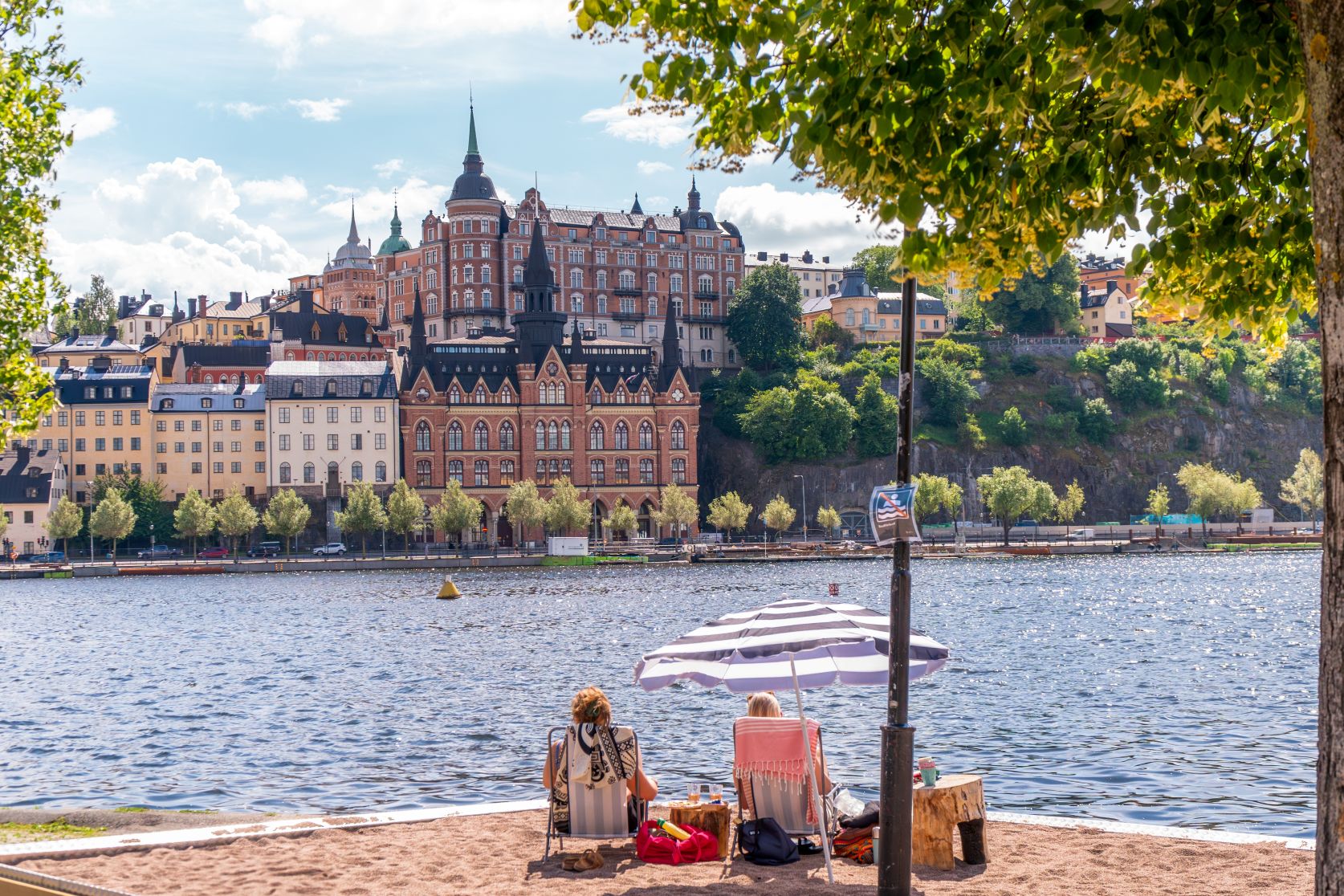
This bohemian district of Stockholm has an expectantly artsy edge, with vintage thrift shops, some great independent cafes, and Fotografiska, the aforementioned photography museum with excellent views of the lake. It’s a great neighborhood for mingling with young Stockholm locals and creatives.
This is the city’s upmarket neighborhood, with upscale boutiques and designer stores, elegant 19th-century architecture, and an air of affluence. If you’re in this area, don’t miss Östermalms Saluhall—it’s an historic food hall with delicious meatballs and herring.
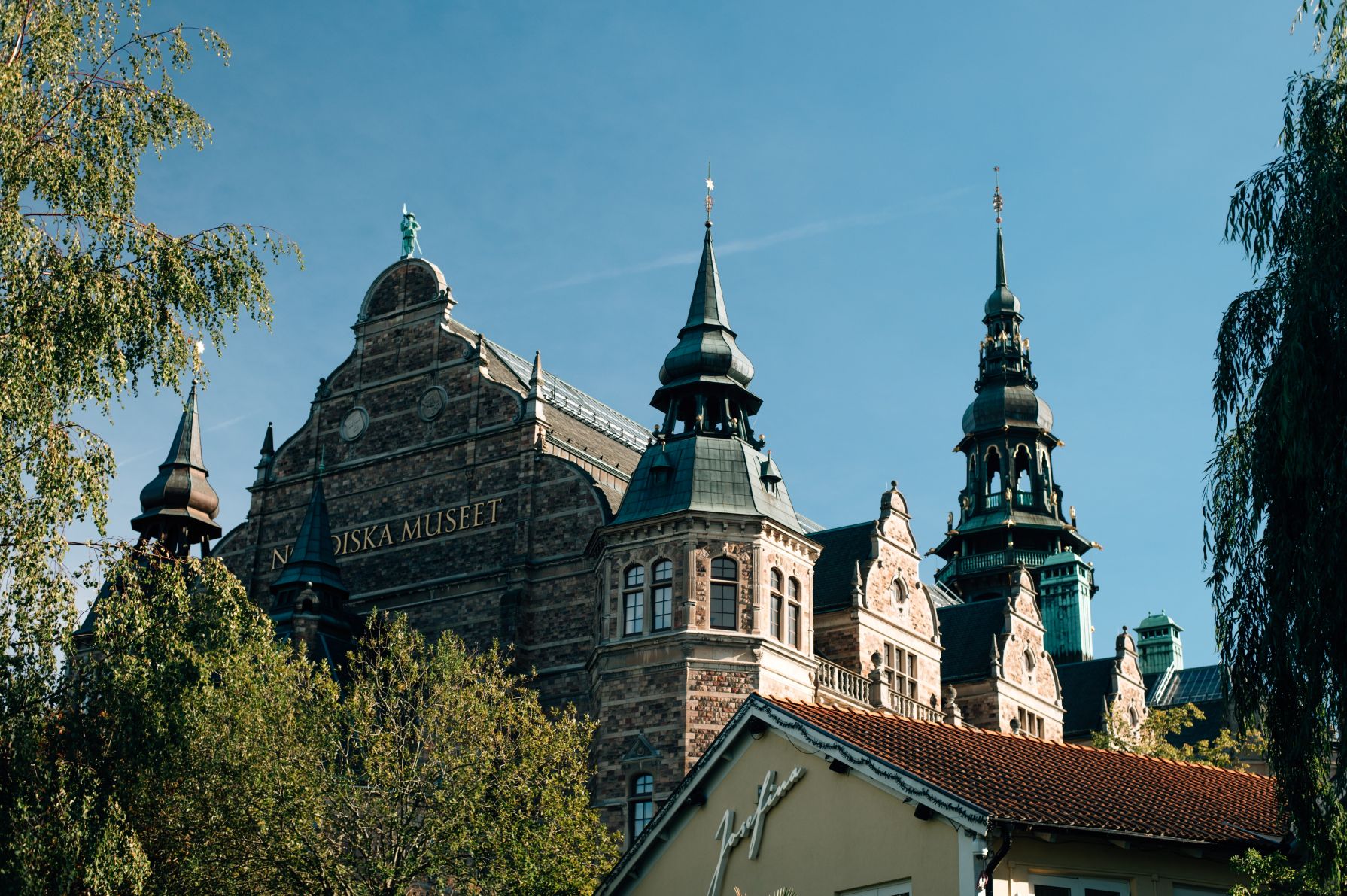
An island district, home to the whole Djurgården park; a vast green space and royal hunting ground, dotted with museums (such as the Nordic Museum and the sunken ship, Vasa Museum), monuments, and pristine gardens.
This is the ‘downtown’ area, with commercial stores and restaurants, busy shopping centers, and Central Station—a great place to stock up on supplies and get a sense of the mainstream Stockholm vibe.
A peaceful, literary neighborhood centered around the Stockholm Public Library, a beautifully grand building with a drum-shaped hall. It’s a lovely option for when you crave the quiet of a residential area, with good restaurants and cafes but fewer tourists than in Gamla Stan.
If you’re looking to extend your trip into the surrounding areas of Stockholm, the following places in Sweden make for easy day trips:
Read more: Things to do in Sweden: top picks and hidden treasures
You’re surely eager to book by now, but first, here’s some need-to-know information about your trip to Sweden and its capital…
It really depends on what you envision for the trip, as Sweden is deeply seasonal. From late May to August, the summer months bring long daylight hours—great for outdoor dining and island-hopping boat trips. September is the start of the shoulder season, and a lovely period where the air freshens and crowds thin out. If you’re keen on Christmas markets and making the most of fika and festive coziness, the winter months of December to February are atmospheric and perfect.
A relaxed city break with ample time for wandering can easily fill three to four days, though you could do a quick-stop tour in two days.
After landing into Arlanda Airport, the Arlanda Express can take you straight into the city center in about 20 minutes. From there, the city is very well connected via regular trams, buses, ferries between the many islands, and an excellent metro system. Stockholm is also very walkable, if you’d rather take it slow and exploratory (and we recommend doing so).
If you’re ready to tick Stockholm off your city bucket list, get in touch with our local travel experts. They’re based on the ground in Sweden, with all the in-depth knowledge needed on the top things to do in Stockholm, to help you arrange your perfect trip.
Explore all featured destinations