Spiritually alive and deeply human: Nepal travel tips from a local expert
21 July 2026
For a deep and significant cultural experience, few destinations can compare to India: from its big, modernized cities into the heart of its most remote villages, layer upon layer of customs and traditions come alive, breathing spirituality and thousands of years of history into the modern day. We caught up with Priyanka, one of our local experts in India, who shared with us a wealth of advice and suggestions—so that as you’re planning your tailor-made trip into Indian culture, you can be sure it’s an authentic, enchanting and memorable journey.
I am a travel specialist with extensive experience designing personalized journeys across India. Over the years, I’ve had the pleasure of creating a wide range of tailor-made programs that reflect the unique interests and comfort levels of my guests.
I also love working on thematic trips and have organized several specialized programs such as vegan-friendly tours, archaeology-focused itineraries, retreats, and trips designed specifically for elderly travelers. My goal is always to ensure that every guest feels comfortable, well taken care of, and deeply connected to the destinations they explore.
Whether someone is looking for cultural immersion, relaxation, culinary experiences, or something completely customized, I’m always excited to craft a journey that feels meaningful and memorable.

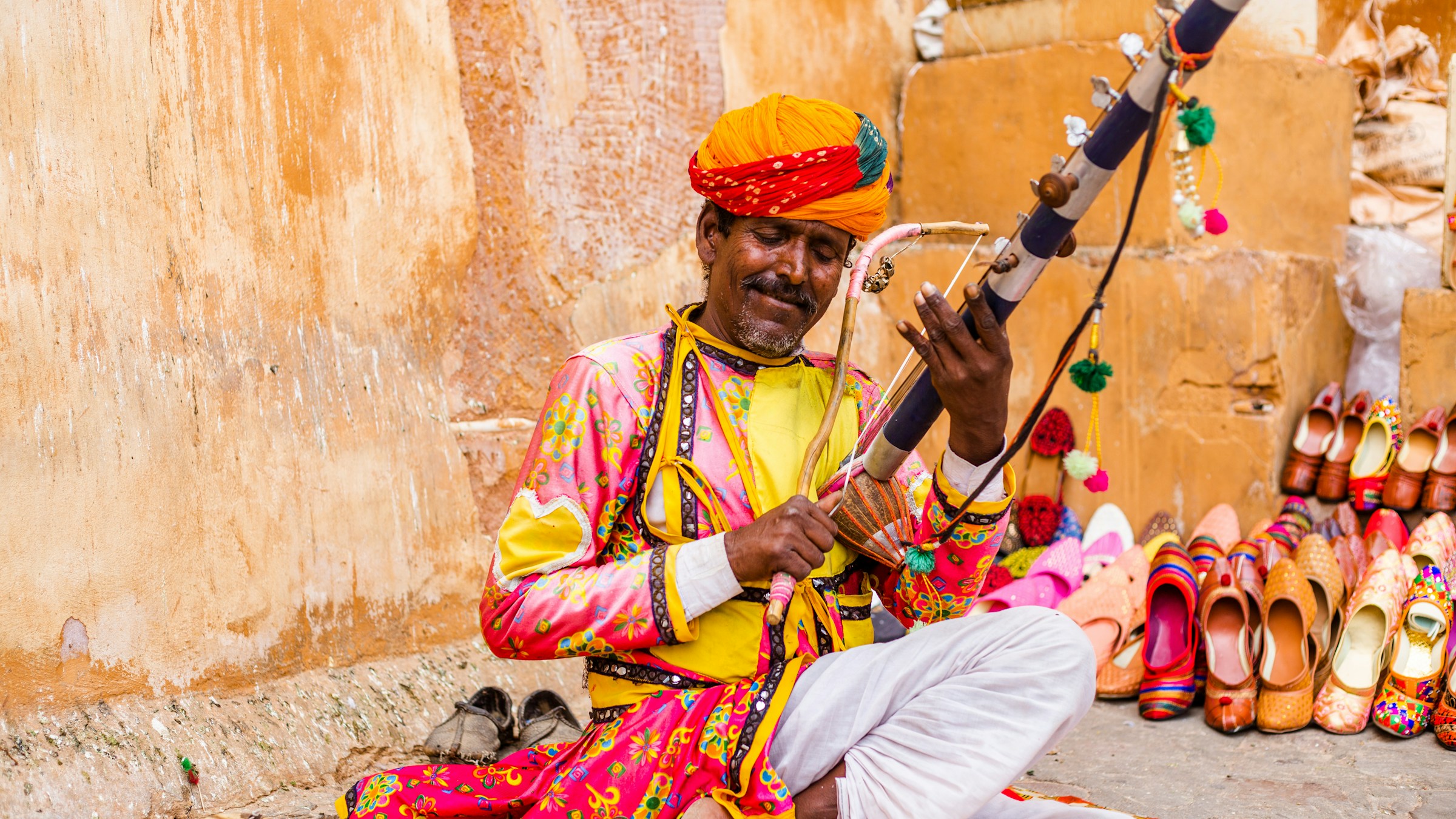
What inspires me most about Indian culture is its incredible richness and warmth. Everywhere you go, you’re surrounded by vibrant colors from the clothes people wear to the markets, festivals, and temples. There is something deeply comforting about the way families live, especially the tradition of staying connected with elders, which creates such a strong sense of respect and belonging.
I’m always touched by the effortless smiles you receive from people, even in the simplest moments. The spiritual energy of temples, the beauty of fresh flowers used in daily rituals, and the diversity of food all add layers to the cultural experience. And of course, the hospitality, the genuine desire to welcome and take care of guests makes India feel like home for so many travelers. Atithi Deva Bhavo or the Guest is God; India’s heartfelt welcoming mantra is a living tradition that resonates even more deeply for its all-embracing inclusivity.
Even the elegance of the sari, with its colors and textures, reflects the grace and creativity of Indian culture. Altogether, these elements create a way of life that is both inspiring and deeply human, and this is what continues to draw me to India and its traditions.
An integral part of India’s cultural allure is the deep rootedness of its culinary traditions and its regional diversity. The beauty of this ageless connectedness between the land and the people lies in its ability to provide visitors a plethora of memorable sensory adventures.

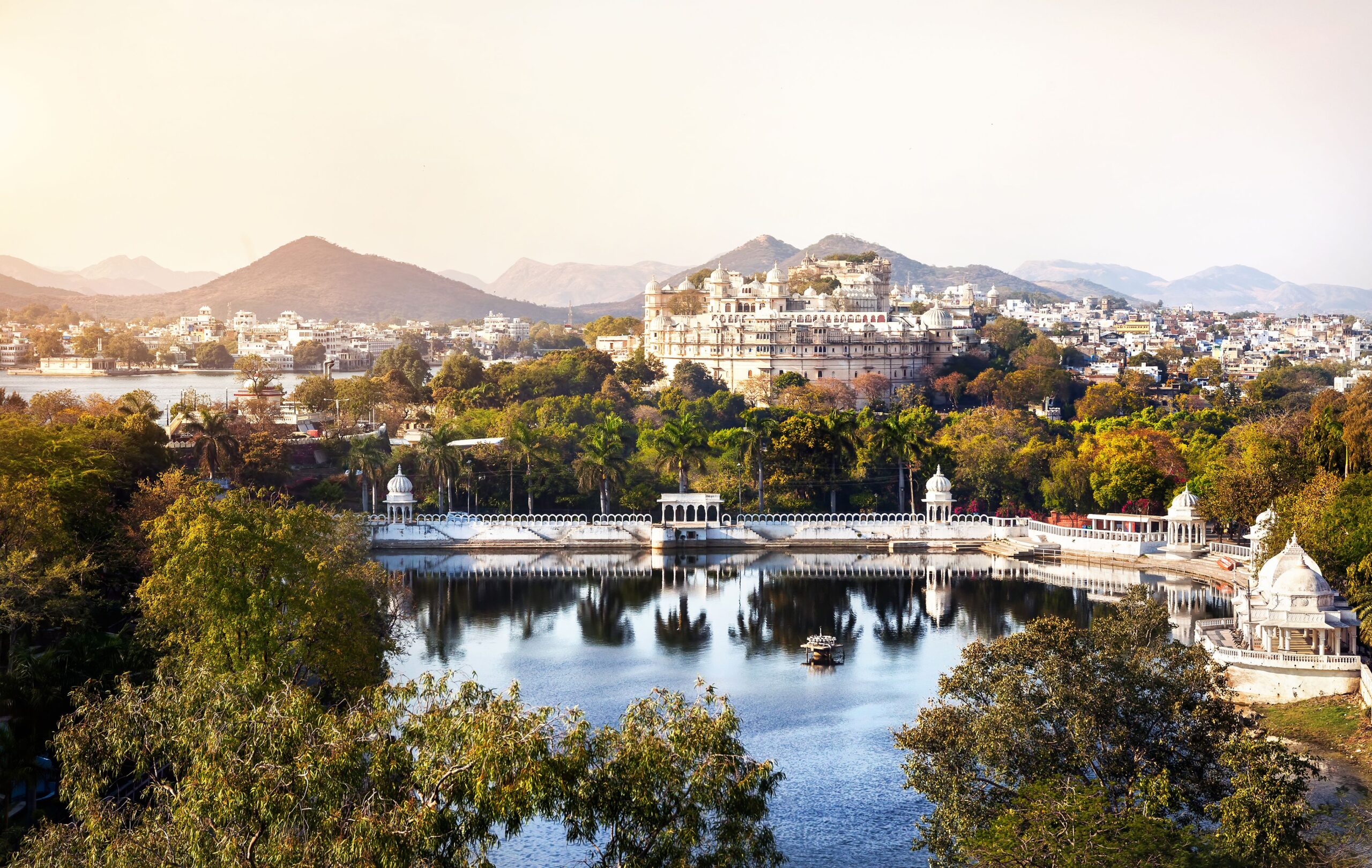
For a first-time visitor to India, I usually recommend beginning with Rajasthan, as it beautifully captures the country’s colors, heritage, and warm hospitality. If your trip is shorter, starting with the Golden Triangle (Delhi, Agra, and Jaipur) is an excellent introduction, offering a wonderful balance of iconic monuments and cultural encounters.
But India is much more than its historic sites. It’s about living each moment and immersing yourself in the rhythm of everyday life.
I always encourage travelers to spend time in local temples, observe festivals, share a homemade dinner with a local family, wander through spice markets filled with vibrant aromas, and experience the charm of travelling in a rickshaw. These simple, authentic moments often become the most cherished memories and offer a deeper understanding of India’s true spirit.
Read more: India’s Golden Triangle: highlights and hidden gems
For travelers looking to go off the beaten path, India has some wonderful cultural gems that offer immersive and authentic experiences. Peeling back the layers of shadows and light that embrace its people, places, and culture rewards you with new narratives that lead on to fresh discoveries and new interpretations in a contemporary context. I urge my guests to discover the beauty of India with no full stops, to abandon preconceived notions and savor the heady joy of chasing endless horizons that beckon you on…

These places offer a deeper, more personal look at Indian culture; ideal for travelers who want to connect with the country beyond the usual tourist routes.

Some of my personal favorite cultural aspects of India are the simple, everyday moments that reveal the heart of the country. I love the vibrant colors that appear everywhere; on saris, in markets, during festivals, and even in the spices arranged beautifully in small shops. I’m deeply moved by the way people maintain close relationships with their elders, showing a level of respect and togetherness that is truly special.
I’m always inspired by the effortless smiles you receive from people, whether you’re in a busy city or a quiet village. Visiting temples is another highlight for me, especially the Govind Dev Ji Temple inside the City Palace in Jaipur. The energy during the aarti, the devotion of the people, the sound of chanting, and the fragrance of fresh flowers create an atmosphere that is both uplifting and unforgettable.
Read more: The ultimate India travel guide: how to plan your trip
Most travelers are familiar with Diwali, which on a moonless night people all over India celebrate triumph of good over evil, light over darkness. But very few know that in the holy city of Varanasi Diwali is celebrated twice. Dev Diwali is the celebration of Diwali by the gods. Ten days after Diwali the deities descend from the heavens on a full moon night to celebrate the destruction of evil and embrace the salutations of their devotees. It is a magical sight with the ghats, and riverside structures illuminated with thousands of clay lamps, candles and fairy lights that light up the path for the deities to the holy Ganga.

Pandal hopping during the festival of Durga Puja was a truly unique experience for guests we had set up with a local Bengali family in Kolkata. They got to visit the idol makers at the riverside potters village by the Hoogli, took a quick ride on a local nauka on the river, then tucked into the traditional familial camaraderie of the festival as they were swept into the round of Durga Poojo rituals, Bengali meals and then, decked in all their finery, the exhilarating race to visit the best pandals in which the beloved Goddess was enshrined.
One thing that often surprises visitors about Indian culture is the way small everyday behaviors create big memories. For example, many travelers are amused—and sometimes flattered—when locals ask them for a selfie. It’s a very friendly gesture, and people genuinely enjoy capturing the moment with visitors.
Another charming cultural detail is the famous Indian head-nodding, which can mean “yes,” “maybe,” “I understand,” or even “don’t worry” all at the same time. It can be confusing at first, but once you get used to it, it becomes one of the most endearing parts of interacting with people here.

And then there is chai, which is almost a way of life. People enjoy chai at any moment of the day—morning, afternoon, evening, or even several times in between. It’s a symbol of hospitality, warmth, and connection, and visitors quickly learn that sharing a cup of chai is often the start of a wonderful conversation.
The best time to visit India for an unforgettable festival experience is late February to late March, when the country celebrates Holi, the Festival of Colors. If your goal is to immerse yourself in vibrant culture, joyful chaos, and deep tradition, Holi is truly unmatched. This period is one of the best for traveling across India; warm days, cool evenings, and clear skies, ideal for combining festival fun with sightseeing.
The celebration of Holi in different ways is a wondrous showcase of India’s unity in diversity. In the Mathura-Vrindavan region it is a noisy color play and ecstatic spiritual mayhem. At Shantiniketan near Kolkata and the Dargah of Nizamuddin in South Delhi it is a dignified fiesta, celebrated with yellow flowers by guests clothed in yellow, a color which also heralds the arrival of spring. In some elite homes it is an elegant eco-friendly affair celebrated with chandan (sandalwood) powder and petals, while partaking of traditional ladoos elevated with a mild touch of bhang (cannabis), topped off with a lavish lunch!
Read more: India’s festival highlights

Feel yourself swept away by Indian culture on a trip that’s entirely personalized to your budget, needs and interests: reach out to our local experts today, to get the ball rolling and plan a dream adventure.
Explore all featured destinations
Join our mailing list for travel inspiration, trip recommendations, and insights from our local experts.