The 15 best national parks for a Sri Lanka safari tour
22 June 2026
With a unique Afro-Asiatic culture and 90% of its wildlife endemic, it’s no wonder that some refer to Madagascar as ‘the eighth continent’ — it truly seems a world all its own. This island nation off the southeast coast of Africa is a naturalist’s dream; home to the baobab tree, Malagasy tree frogs, vanga birds, humpback whales, aye-ayes, fossas, and of course, the ring-tailed lemur. In this piece, we explore how to go on safari in Madagascar in style, for a sense of wonder and discovery that is hard to find anywhere else.
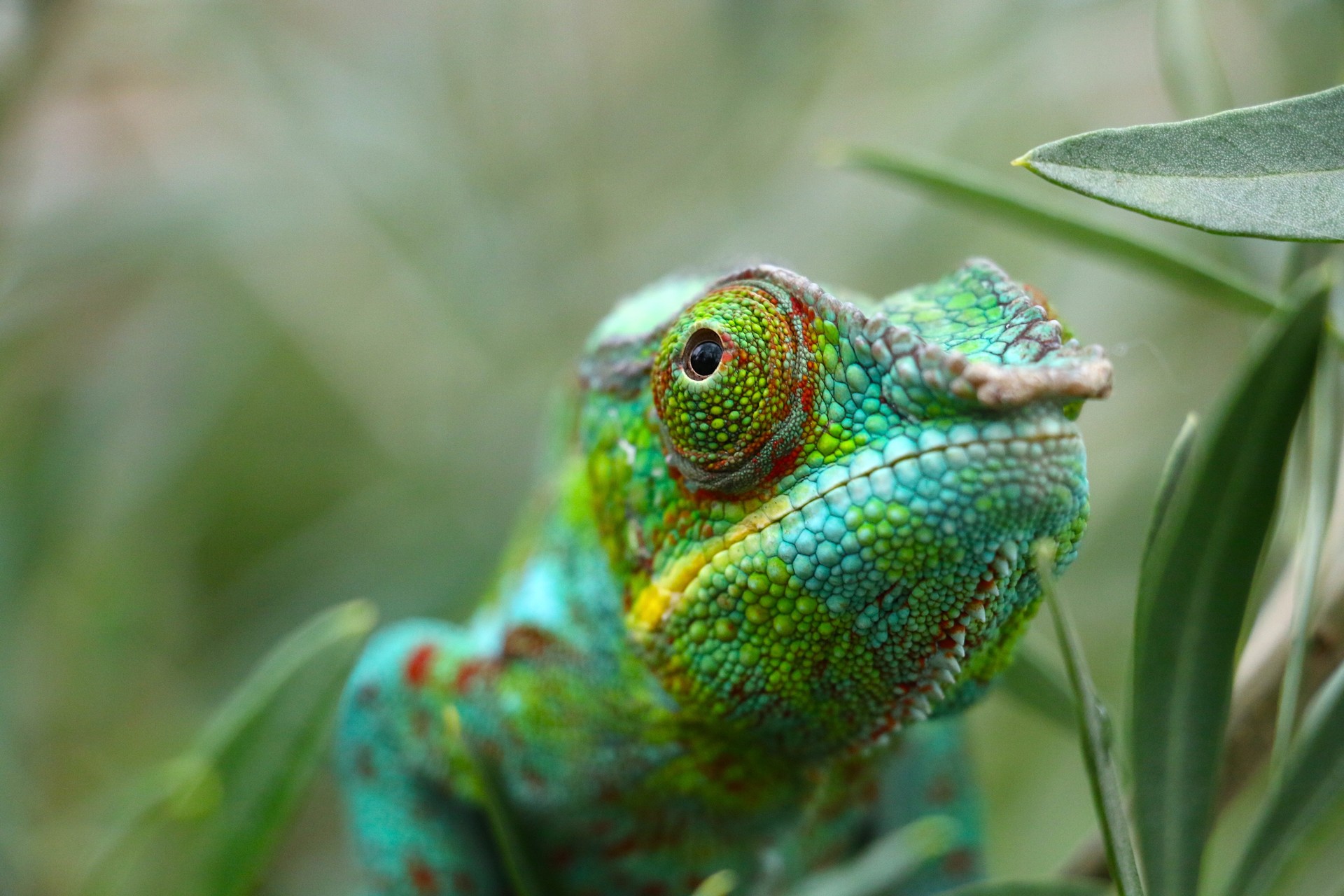
Madagascar’s isolated island topography has produced some of the most fascinating creatures, the likes of which are found nowhere else on Earth. The natural habitat is sprawling and diverse, combining rainforest, arid desert, and coastal ecosystems in close proximity to each other.
Unlike other safari big-hitters in Africa such as Kenya, South Africa and Tanzania, Madagascar is relatively untouched by international tourism, meaning camps are small and uncrowded, and the sense of exclusivity almost feels like a luxury.
Here are just some of the reasons so many wildlife-lovers are drawn to Madagascar’s magic…
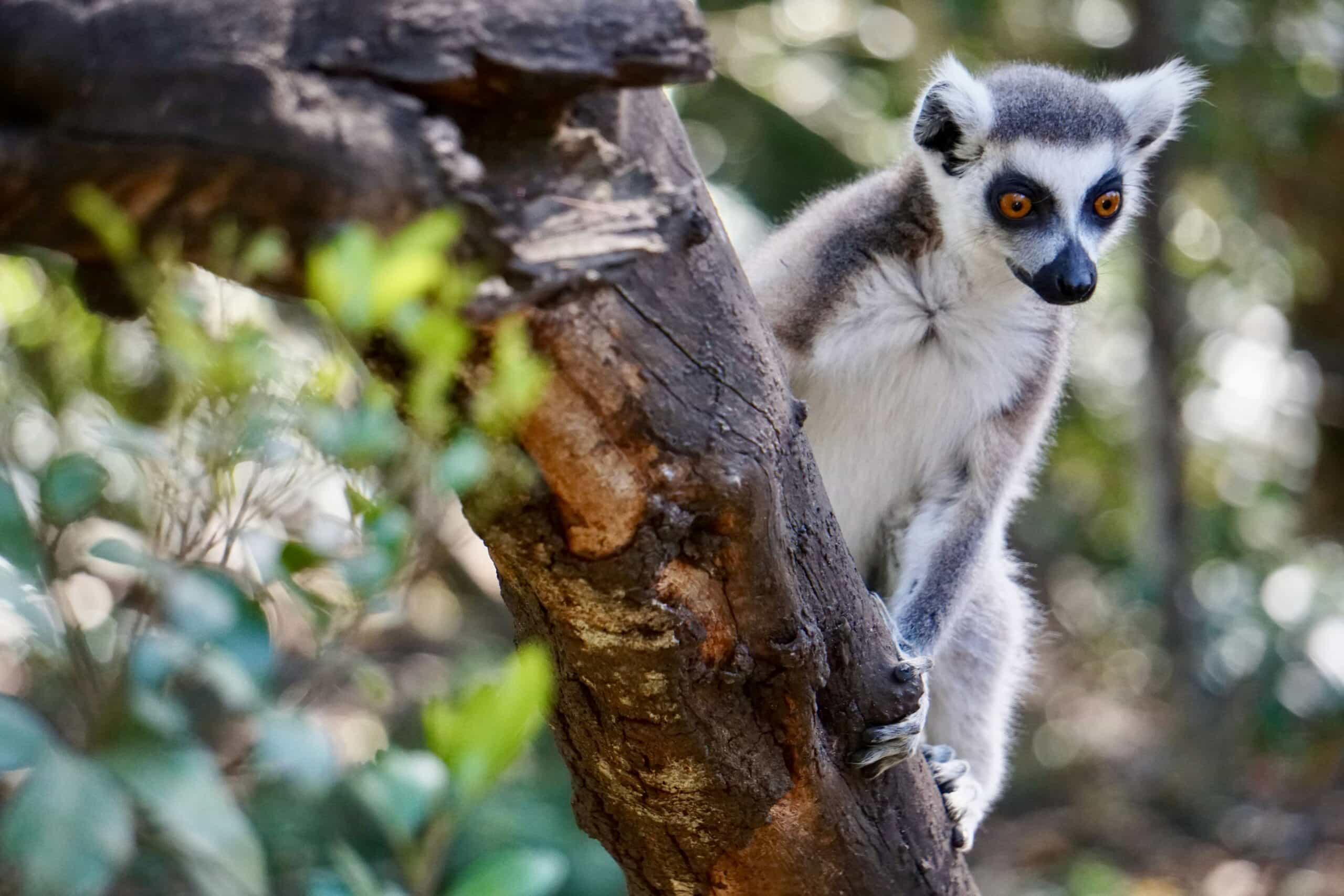
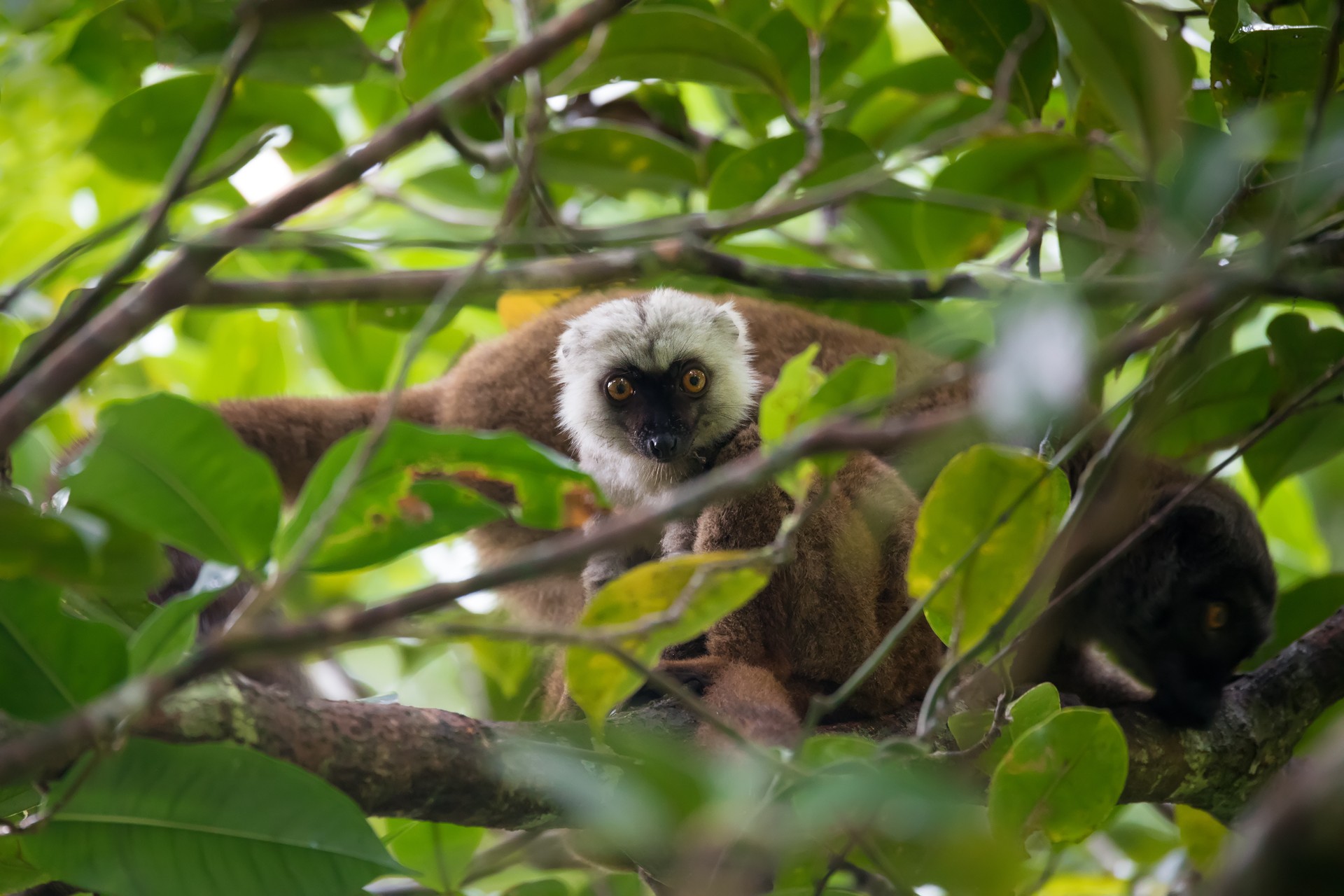
The instantly recognizable ring-tailed lemur is most famous to Madagascar, but there are over 100 lemur species to see here. The Anja Community Reserve in the south-central highlands is perfect for ring-tailed lemur sightings, but for more elusive species such as the silky sifaka or bamboo lemurs, try hitting the trails of Ranomafana National Park in the southeast, with a local wildlife expert to point them out as you go. Elsewhere, Andasibe-Mantadia National Park in the east is a hotspot for indri, the island’s largest lemur.
Birdwatchers are spoilt for sightings in Madagascar, with over 300 recorded bird species, around 100 of which are endemic. Some of the most exciting include the Madagascar fish eagle, velvet asity, blue coua, and several species of vangas and ground rollers. Many of these birds are highly localized, thriving only in specific forests or regions — such as Montagne d’Ambre in the north, Andasibe-Mantadia in the east, or Kirindy in the west.
A glorious reptile lineup also scrambles among the leaves and branches here, from multicolored geckos and whip-tongued chameleons, to elusive tree frogs and snakes.
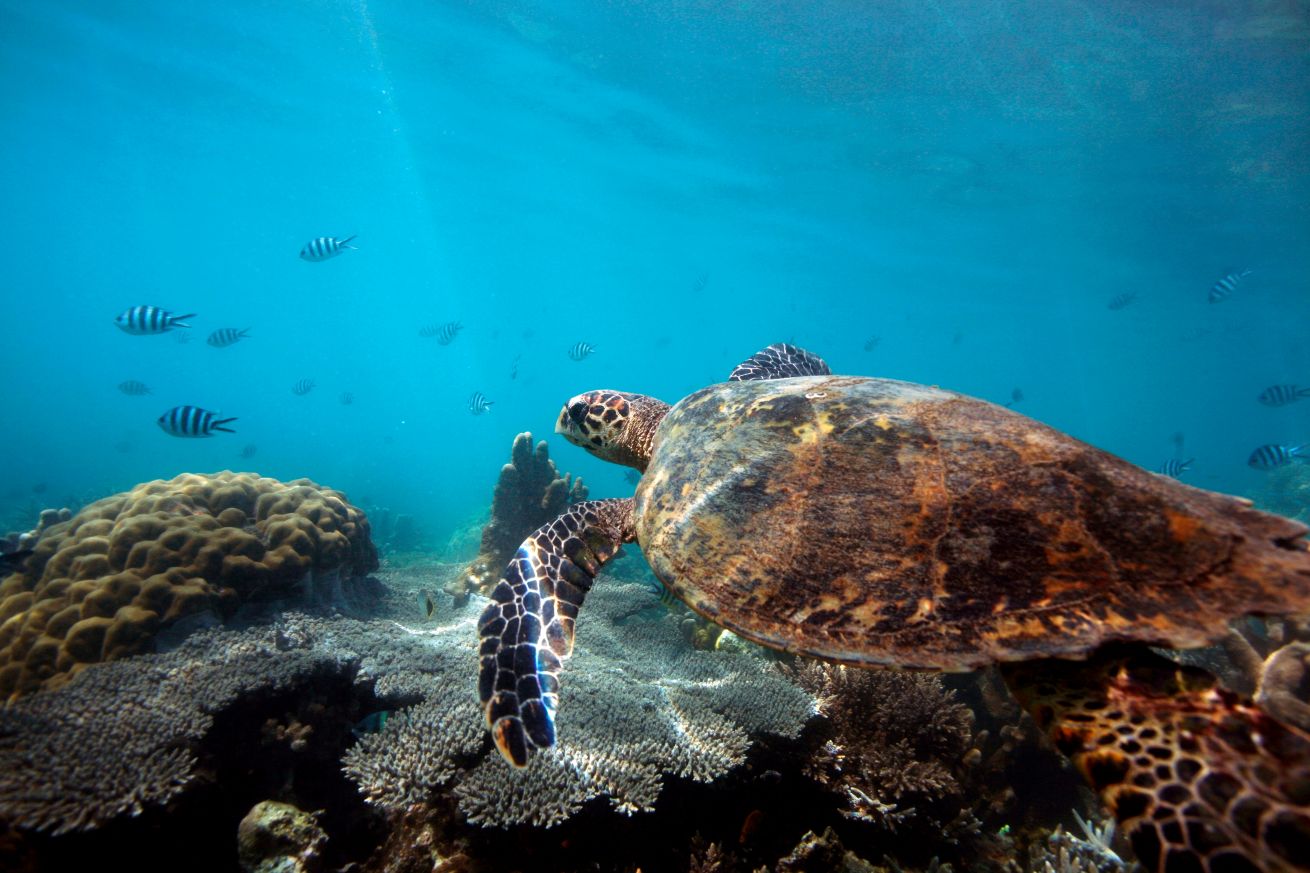
It’s not all above ground: Madagascar thrives with abundant underwater wildlife. Nosy Be and the surrounding northern islands are teeming with turtles, reef sharks, angel and clown fish, amid wonderful coral reefs. On the southwest coast is the Great Reef of Toliara, Madagascar’s largest barrier reef; quieter than Nosy Be but packed with wondrous fish, crustaceans and marine creatures, for immense diving and snorkeling adventures.
Meanwhile, Île Sainte-Marie is the epicenter for breathtaking sightings of humpback whales, most often seen between July and October when mothers and calves migrate close to shore.
Read more: The wonderful wildlife of Madagascar

Along with the sense of discovery that this island nation offers in spades, there are ways to make your Madagascar safari experience extra special…
Embarking on a privately guided rainforest trek is one of the most rewarding ways to spot wildlife without the crowds, and adds a discreet sense of luxury. In wildlife-dense Andasibe-Mantadia National Park and Ranomafana National Park, having a thoughtful, private guide means you can move at your own unhurried pace while tracking mammals, rare birds, and camouflaged reptiles. There are also night walks, for the chance to see incredible nocturnal wildlife such as the shy mouse lemur, leaf-tailed gecko or tomato frog.
Today’s Malagasy people belong to 18 different ethnic groups, each with their own traditions, languages and customs. For the chance to connect with real locals, community-led experiences include homestays, farmstays and guided village visits, where locals take you on exclusive safaris, tours of plantations and rice fields, and welcome you to group meals and artisanal workshops.
Some coastal accommodation options around Nosy Be have their own boats, dive centers, and private beaches, for effortless access to high-end snorkeling and diving activities around the islands. Many luxury eco-lodges offer impressive outings for guests; the likes of private beach picnics, sunset cruises, and exclusive boat trips to remote, secluded lagoons.
Where you choose to stay goes a long way in enhancing your safari experience in Madagascar, as being close to nature doesn’t have to mean waylaying comfort.
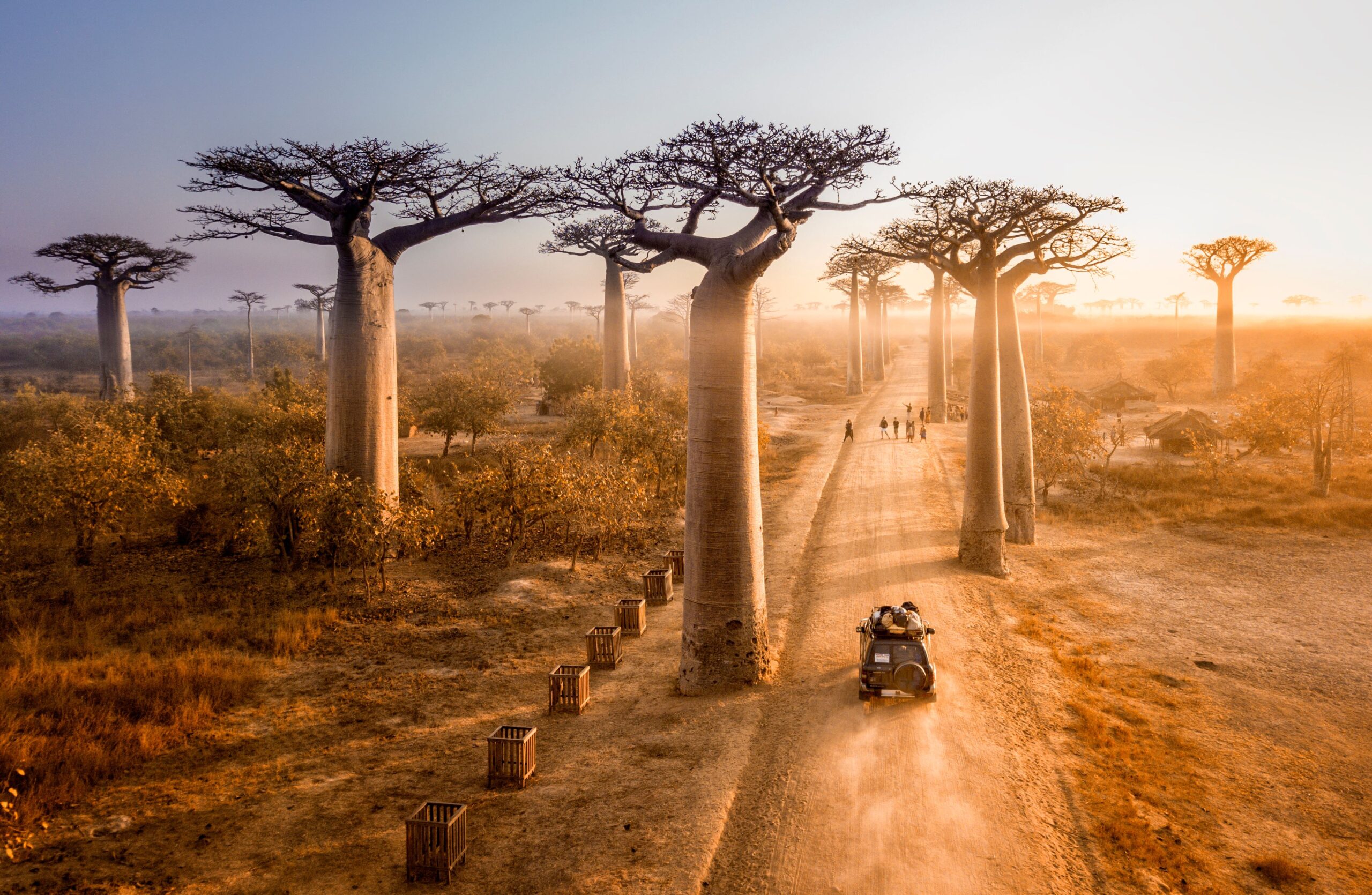
Luxury wildlife lodges in Madagascar are often deep in the wilderness — private bungalows overlook sprawling savannahs, or forests of baobab trees, and guests can share drinks and meals on lovely open-air decks. The higher-end lodge experiences feel private and personalized, as you can book your desired safaris from the doorstep, explored at your own pace.
Gateway cities such as capital Antananarivo, Toamasina (for eastern rainforests), or Antsiranana (formerly Diego Suarez, for Montagne d’Ambre National Park) act as great bases for venturing into the wild. Boutique hotels in these hubs often feature elegant rooms and slick transfers, so linking between regions is seamless. Chat to one of our local travel experts to arrange exactly your preference of accommodation in advance.
Read more: A beginner’s guide to Madagascar
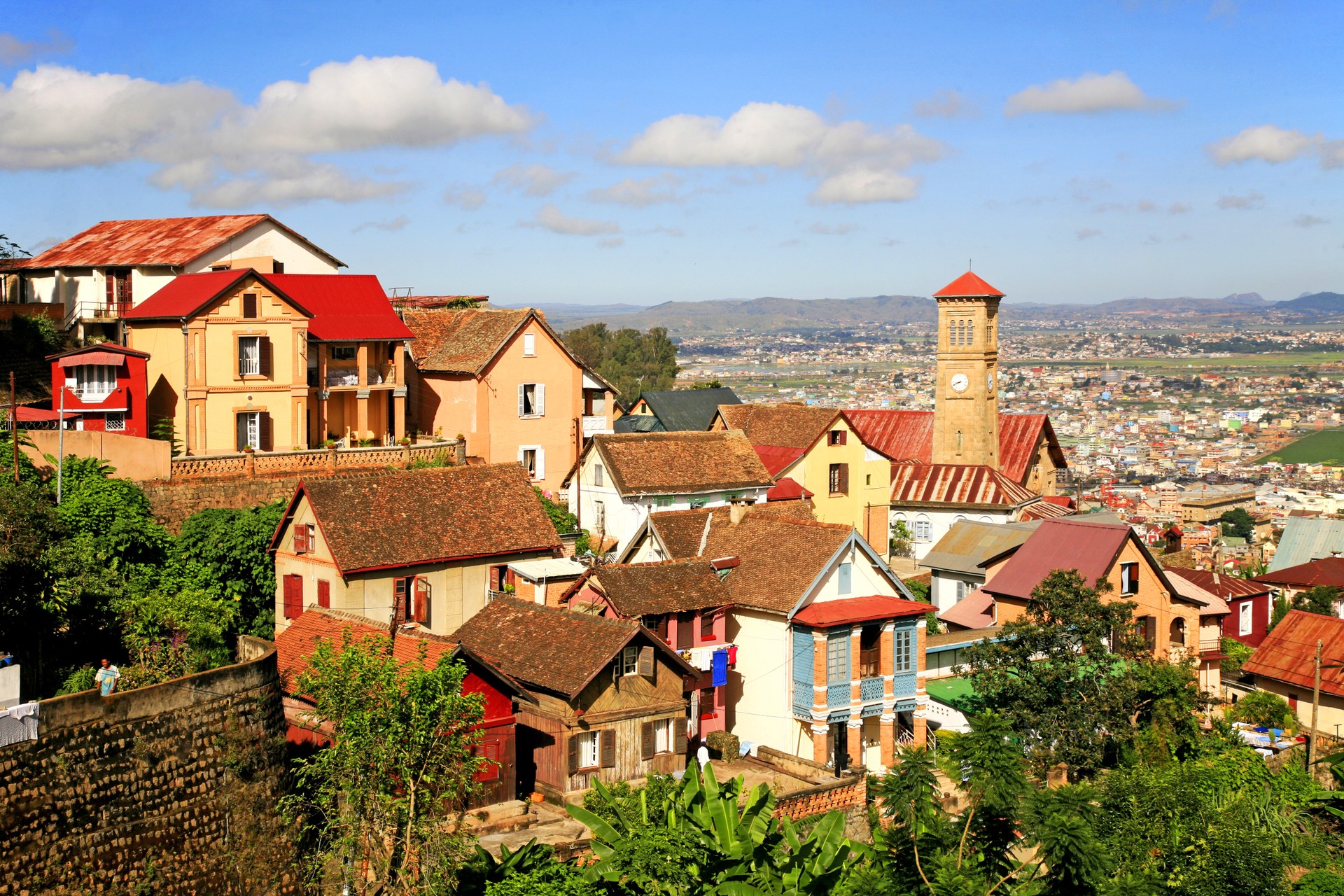
Madagascar is so regionally distinct; here is a quick guide to what you can see in each…
Here are some quick-fire questions on what you need to know before you go to Madagascar…
The dry season (April–October) is the best time for wildlife viewing and traveling on forest and desert trails. The wet season (November–March) brings lush landscapes, but some roads may be impassable. Whale-watching season is July—October.
If booked independently, often your accommodation can provide private guides and direct access to safari areas, but alternatively, our local travel experts based in Madagascar can arrange and book your entire, customized itinerary, so it’s all organized before you arrive.
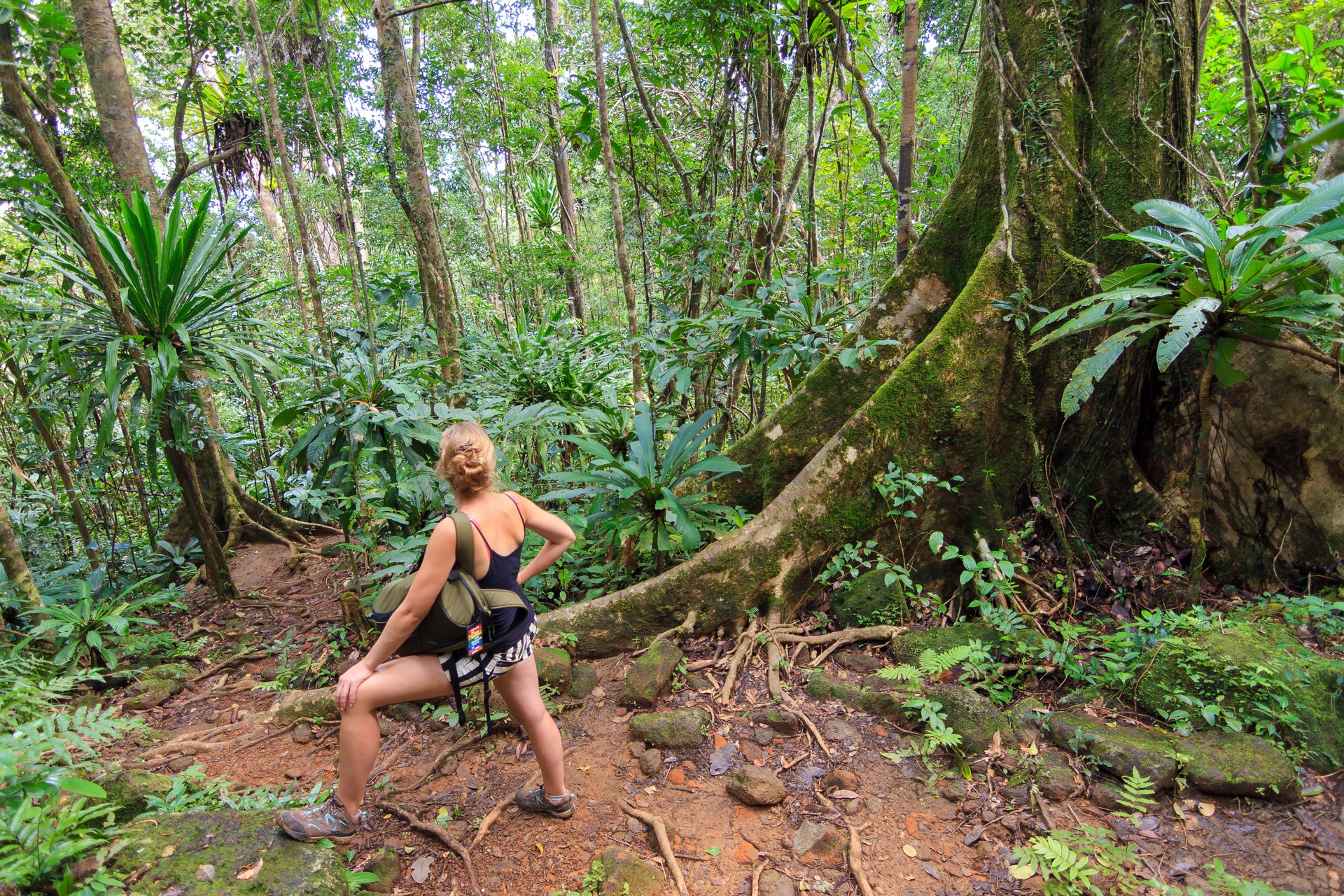
Most travelers require a visa on arrival for stays up to 30 days, but always check current requirements before booking, as rules can change.
Recommended vaccines usually include hepatitis A and typhoid; yellow fever is sometimes required if you’re arriving from a high-risk country. Protection from mosquitoes and malaria is strongly advised if you’re venturing far into the rainforest.
Read more: What to do in Madagascar: local expert tips
For a luxury safari experience in Madagascar, browse our trip ideas or get straight in touch with our local travel experts. They’re based within the destination with all the local knowledge you’ll need to create a special and customized Madagascar vacation.
Explore all featured destinations