
14 unique things to do in Jordan
11 September 2026
From charming coastal towns to small fishing villages, the islands in Italy offer more than just postcard-perfect beaches to soak up the sun. They reveal a slower, more relaxed side of the country where fresh-from-the-boat seafood takes center stage and cobbled streets dotted with outdoor cafes lead to the sea. Whether you’re drawn to Sicily’s volcanic terrain, Capri’s glamour, or the laid-back vibes of Elba and Ponza, there’s an island in Italy for every kind of traveler.
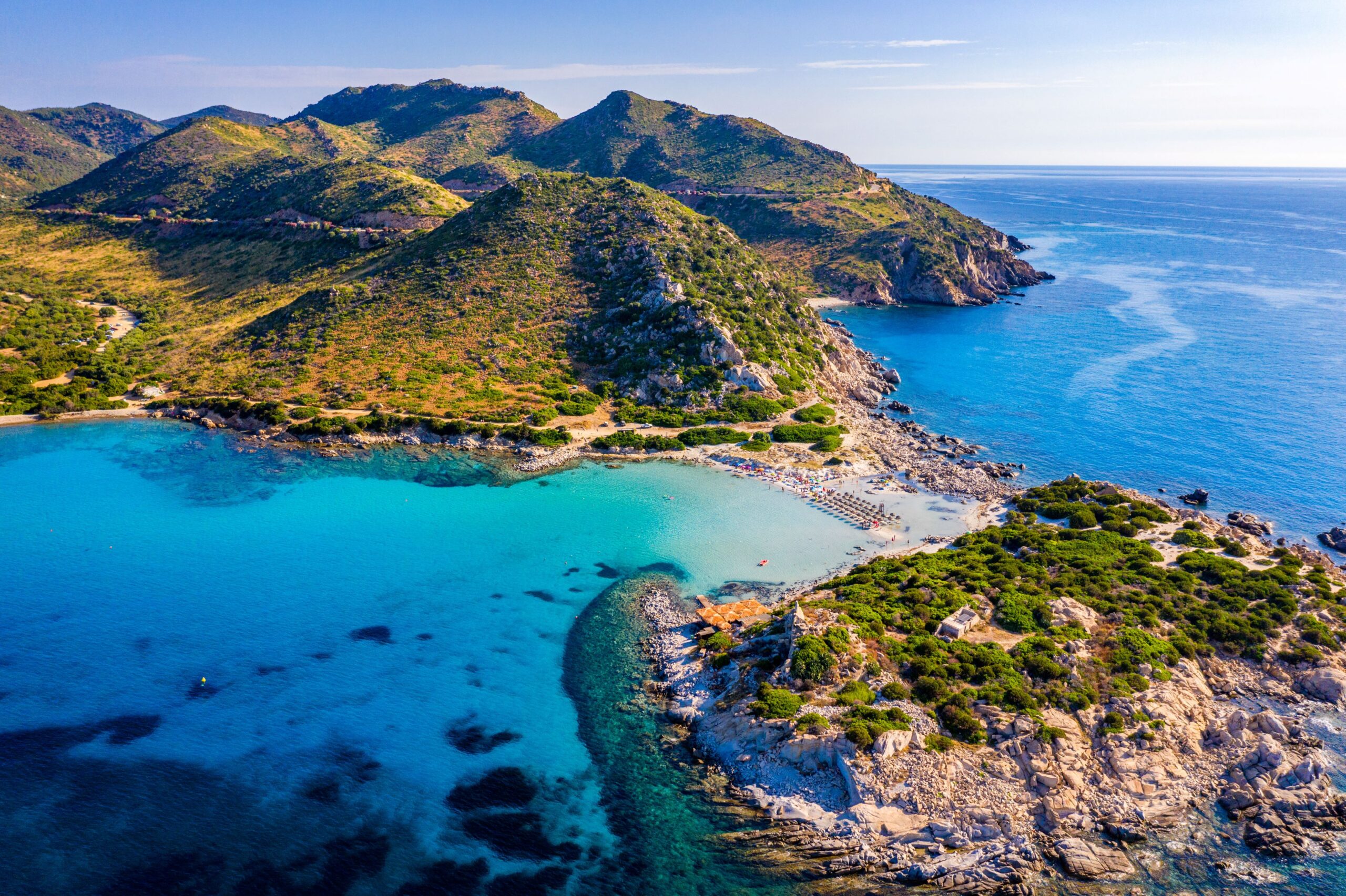
With over 400 islands spread across the Tyrrhenian, Adriatic, and Ionian seas, Italy’s island landscape is as diverse as it is scenic. Some of the more popular islands in Italy are well-developed with bustling ports and resort towns, while others are remote and crowd-free. Some are so off-the-grid that they’re only accessible only by boat.
Italy’s islands are grouped into seven main archipelagos. The Aeolian Islands, north of Sicily, are known for active volcanoes and dramatic coastlines, while the Pontine Islands near Rome offer a laid-back setting where you can unwind. The Tuscan Archipelago offers incredible scenery near the mainland, but if you’re after seclusion, you can’t beat the Pelagie and Tremiti Islands, which boast clear waters away from the crowds.
The terrain on the islands vary, from the granite cliffs in Sardinia to the black sands of Stromboli. Some archipelagos are a hotspot for outdoor adventures, such as hiking, diving, and boat rides, while others are known for their photogenic villages and charming piazzas that offer a true glimpse of island life in Italy.
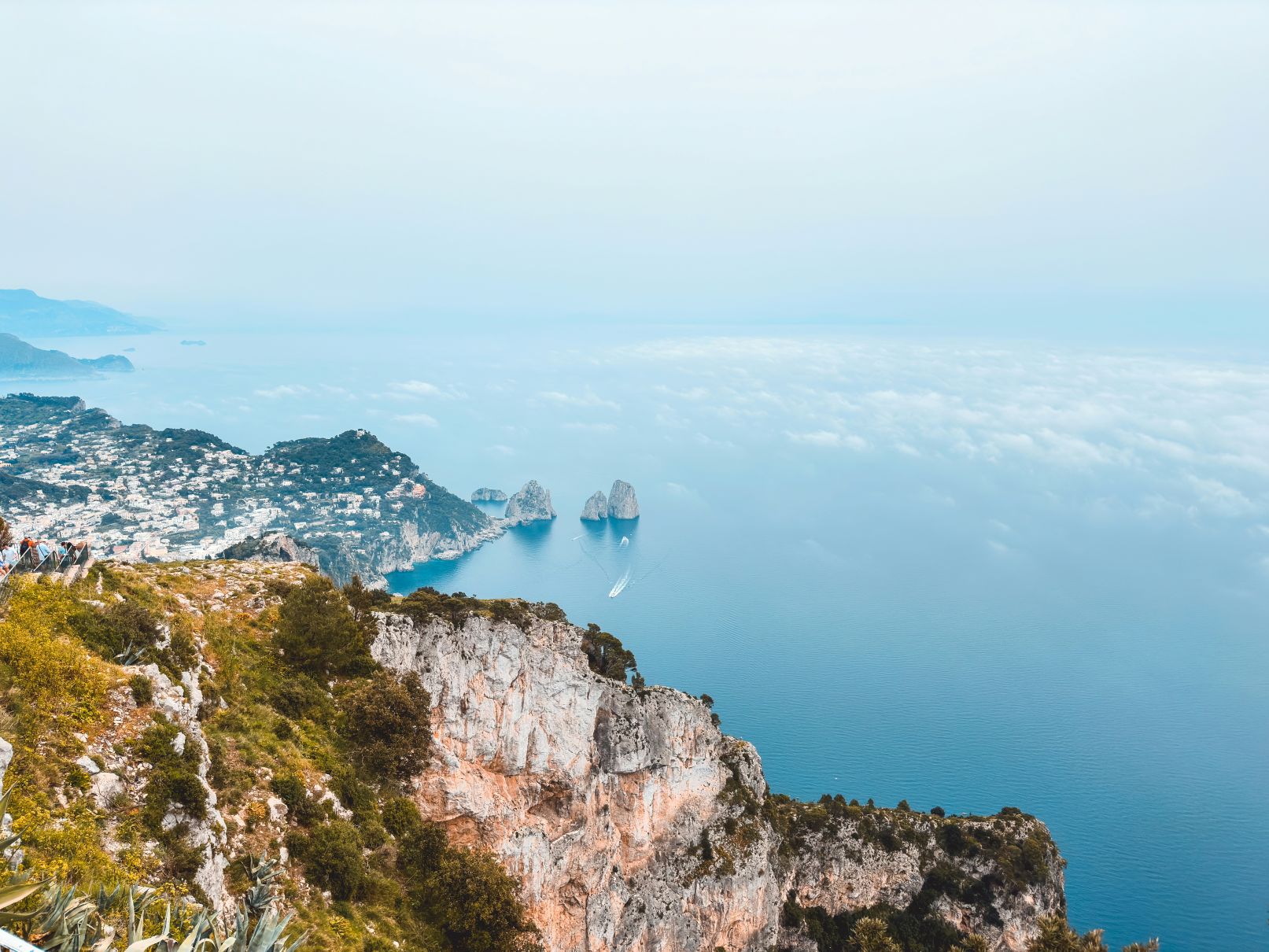
Capri is the most glamorous of the Italian islands, offering a perfect balance of natural beauty with a luxury setting. Located in the Bay of Naples, it attracts travelers for its upscale ambiance, boutique-lined streets, and chic cafes serving sparkling aperitivos with a view. The Blue Grotto is Capri’s most famous attraction, but don’t miss the cliffside Gardens of Augustus or chairlift to Monte Solaro.
While the main town of Capri gets busy, the township of Anacapri offers a more peaceful alternative. Stay overnight to avoid the daytime ferry crowds, then explore the region’s ancient Roman villas or hike to hidden coves.
Only a few miles from mainland Italy, Sicily is the biggest island in the Mediterranean. Adventure seekers come here to enjoy volcanic exploring, island and beach hopping, and ancient sites, while foodies flock to dine on renowned local specialties like arancini and seafood couscous. You’ll also find bustling local markets that reflect the island’s diverse culinary roots.
Along the coast, endless sandy beaches offer warm, clear waters for swimming and the undeveloped Torre Salsa is a great spot to don a mask and explore underwater marine life. On the eastern side, Mount Etna (Europe’s most active volcano) offers hiking trails, cable car rides, and sweeping views over the island and sea.
Read more: A beginner’s guide to Sicily

Sardinia is Italy’s second-largest island, and to many, its natural beauty is unrivaled. In summer, beachgoers head to the Costa Smeralda, the northern stretch known for luxury resorts and white-sand bays. Other popular destinations for beachgoers include the southern coastline near Cagliari and the picturesque shores of Stintino. For some of the best beach views, pack your camera and head to Cala Goloritzé and La Pelosa.
Sardinia is also beloved for its rocky terrain, which features sheep-dotted hills, hiking trails once used by shepherds, and UNESCO-listed nuraghi (stone towers left behind by a Bronze Age civilization). Visit the buzzing markets in Cagliari, try local pecorino sardo, and then explore the surf towns and flamingo-filled lagoons on the west coast.
Ischia is seen as Capri’s more relaxed and accessible neighbor. Located in the Bay of Naples, this “green island” boasts thermal springs, lush landscapes, and sandy beaches. The ancient Greeks were among the first to soak in its mineral-rich waters, and today, wellness culture remains a big part of life here with indulging in spa treatments a popular past-time.
You can also visit the natural rock pools at Sorgeto, where hot spring water meets the sea. History enthusiasts will want to explore Castello Aragonese, a medieval fortress set on a rocky islet, while outdoor lovers can hike the trails around Mount Epomeo for incredible aerial views.
Read more: Explore the natural wonders of Italy
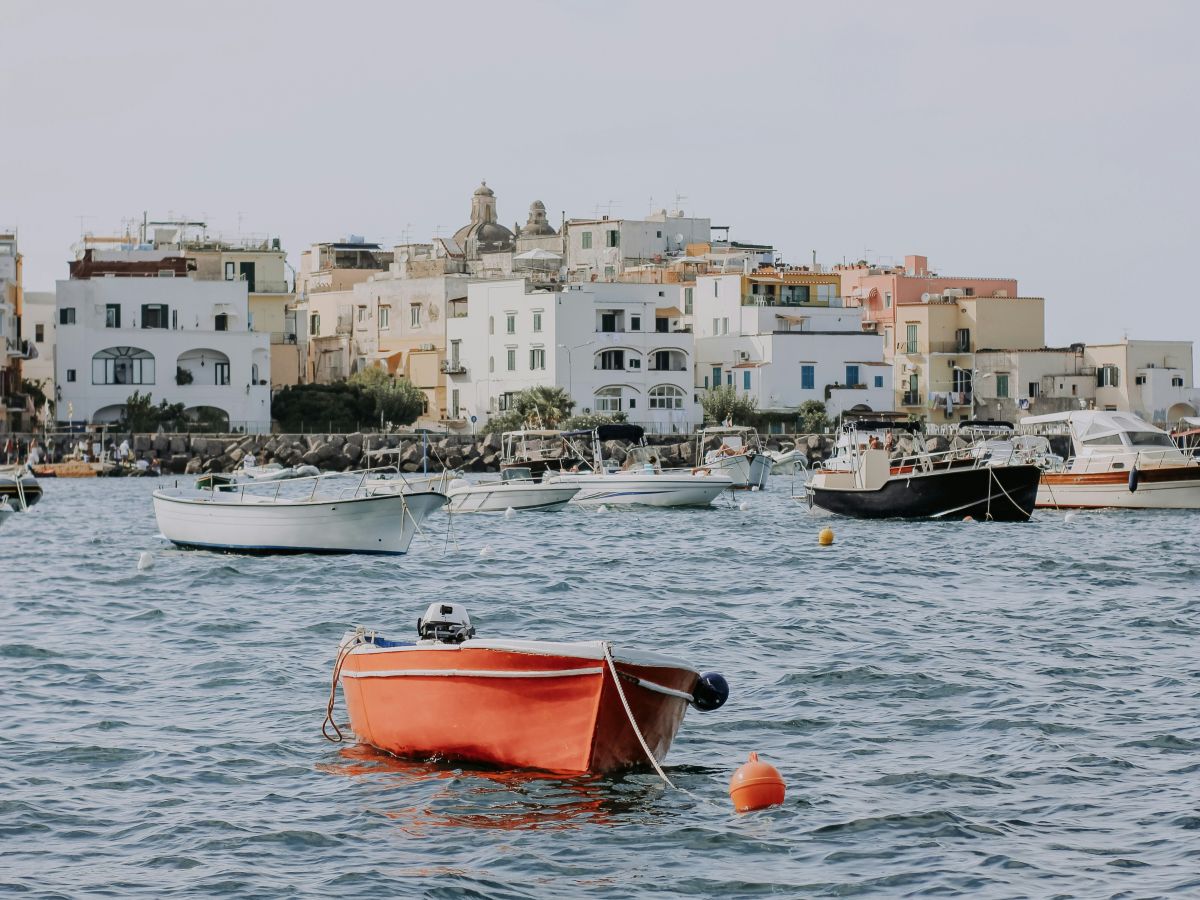
Off the northern coast of Sicily, the Aeolian Islands form a chain of seven volcanic islands scattered across the Tyrrhenian Sea. A favorite summer getaway for Italians, the islands feel remote enough to disconnect from the outside world. Stromboli puts on a fiery show with regular eruptions, while Panarea attracts a stylish crowd with its whitewashed cottages and boutique hotels. Salina is known for its hiking trails and sweet Malvasia wine, and Lipari is the largest and often used as a base for island-hopping.
You can ferry between the Aeolian Islands, climb the crater of Vulcano for sweeping views, or cruise the water at sunset as smoke rises from Stromboli’s summit.
Just off Sicily’s western coast, the Aegadian Islands offer a peaceful getaway with clear turquoise coves, limestone cliffs, and a slower pace of life. Favignana, the largest island, is perfect for cycling along flat coastal roads and swimming at Cala Rossa. Levanzo is quieter, home to the Grotta del Genovese, where prehistoric cave paintings are a must-see for history fans. Marettimo is the most remote island, known for its hiking trails, sea caves, and boat tours.
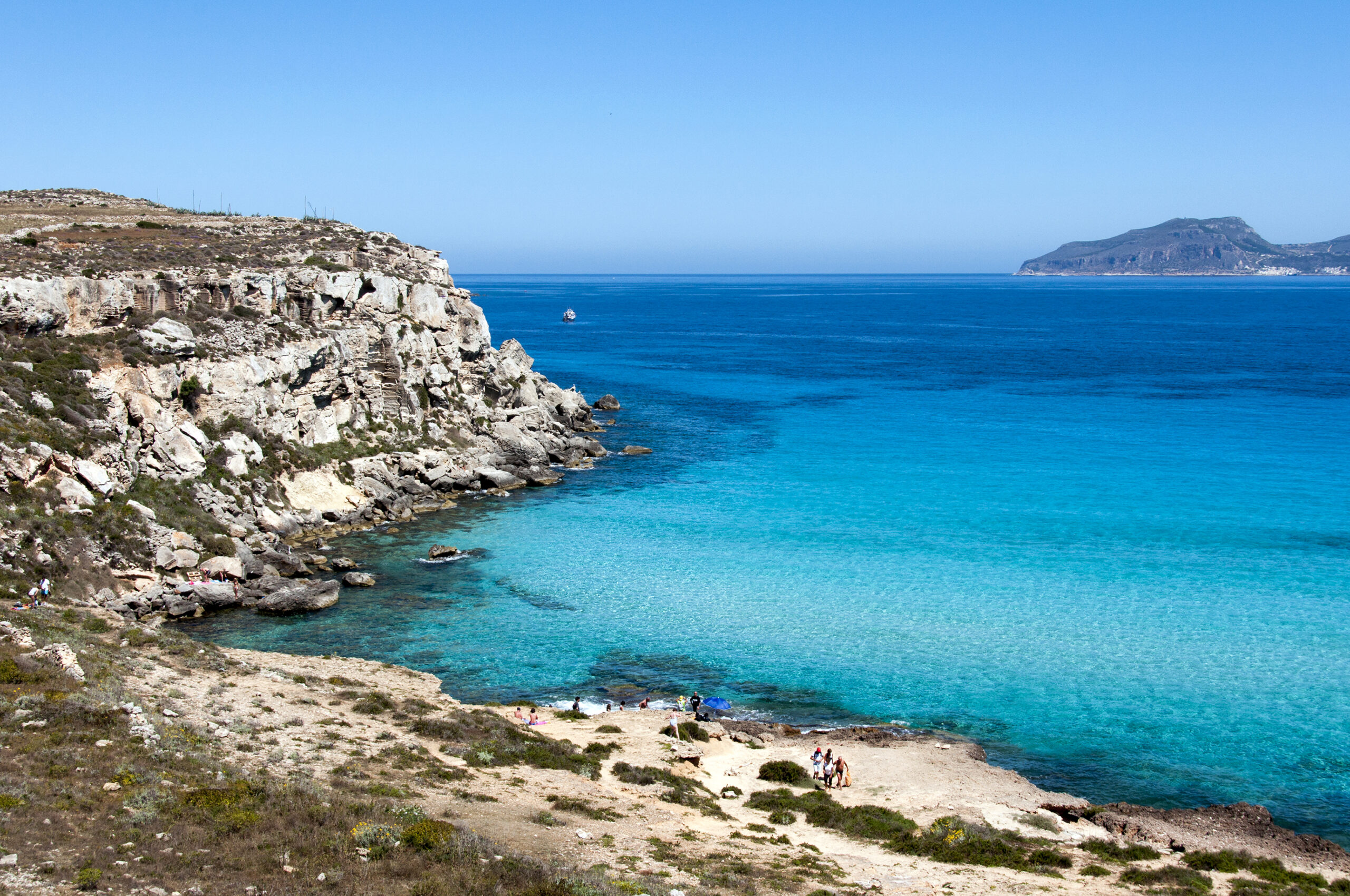
Nestled between Sicily and North Africa, the Pelagie Islands feel like a true, off-the-grid getaway. This small trio includes Lampedusa, known for its picture-perfect white sands and bright-blue sea; volcanic Linosa, with its black beaches and low-key charm; and Lampione, an uninhabited rocky island accessible only by boat.
Rabbit Beach on Lampedusa often ranks among the world’s best, and Linosa’s coastline is popular with snorkelers and divers. Few travelers make it this far south, but those who do are rewarded with incredible scenery that rivals the Mediterranean.
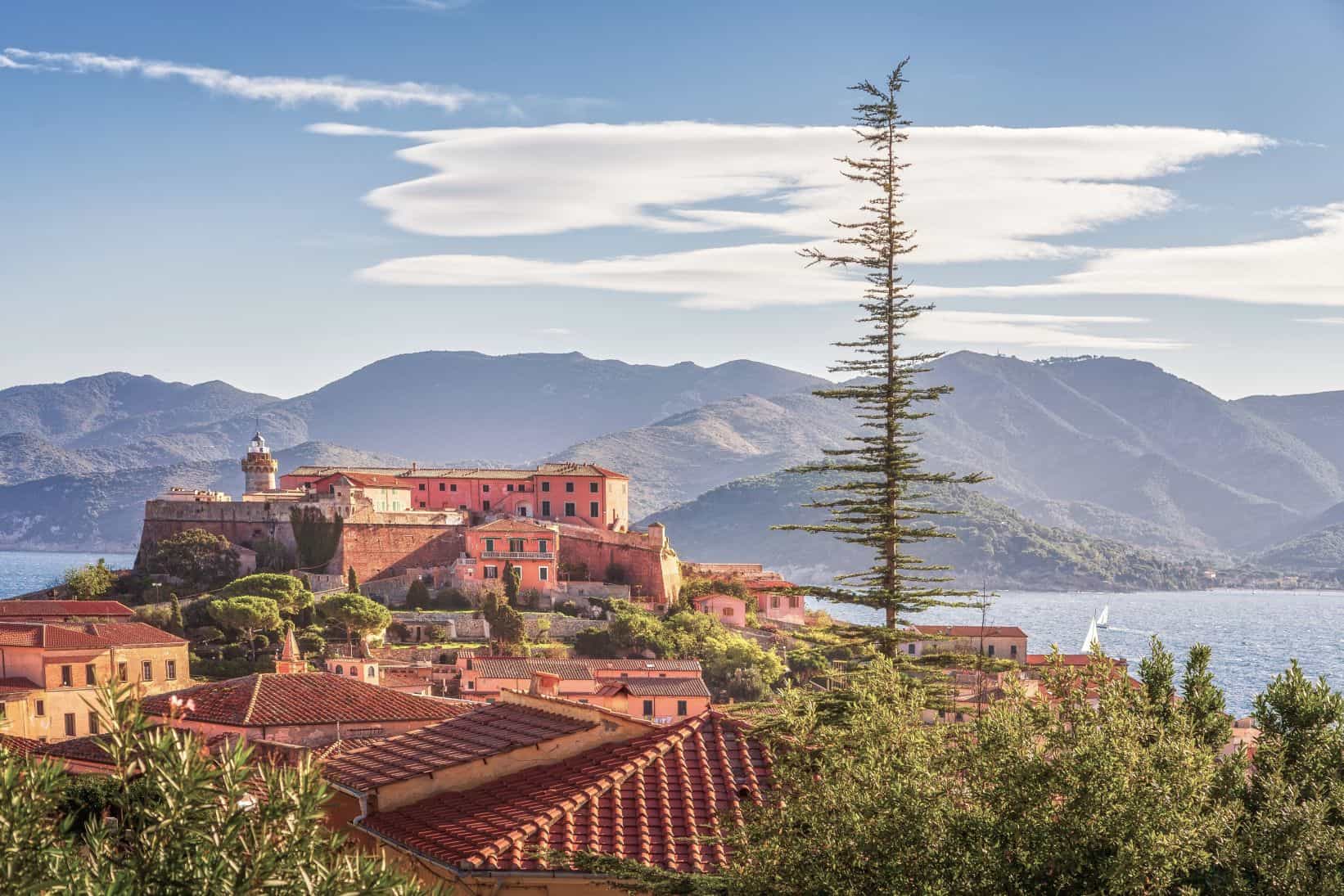
Tuscany isn’t just vineyards and hill towns. Off its western coast are seven islands that are said to have formed from jewels that fell from Venus’s crown. The largest island is Elba. Once home to Napoleon in exile, it’s a favorite for hiking trails, beautiful beaches, and excellent diving opportunities.
Other islands include Giglio, known for its clear water and small-town charm, and Capraia, with its scenic hiking paths. Pianosa and Giannutri limit visitor numbers and allow access only to certain areas, making them ideal for snorkeling or coastal walks. Gorgona and Montecristo are even more protected, with access strictly regulated to safeguard local wildlife.
Read more: Exploring Tuscany: top itinerary planning tips
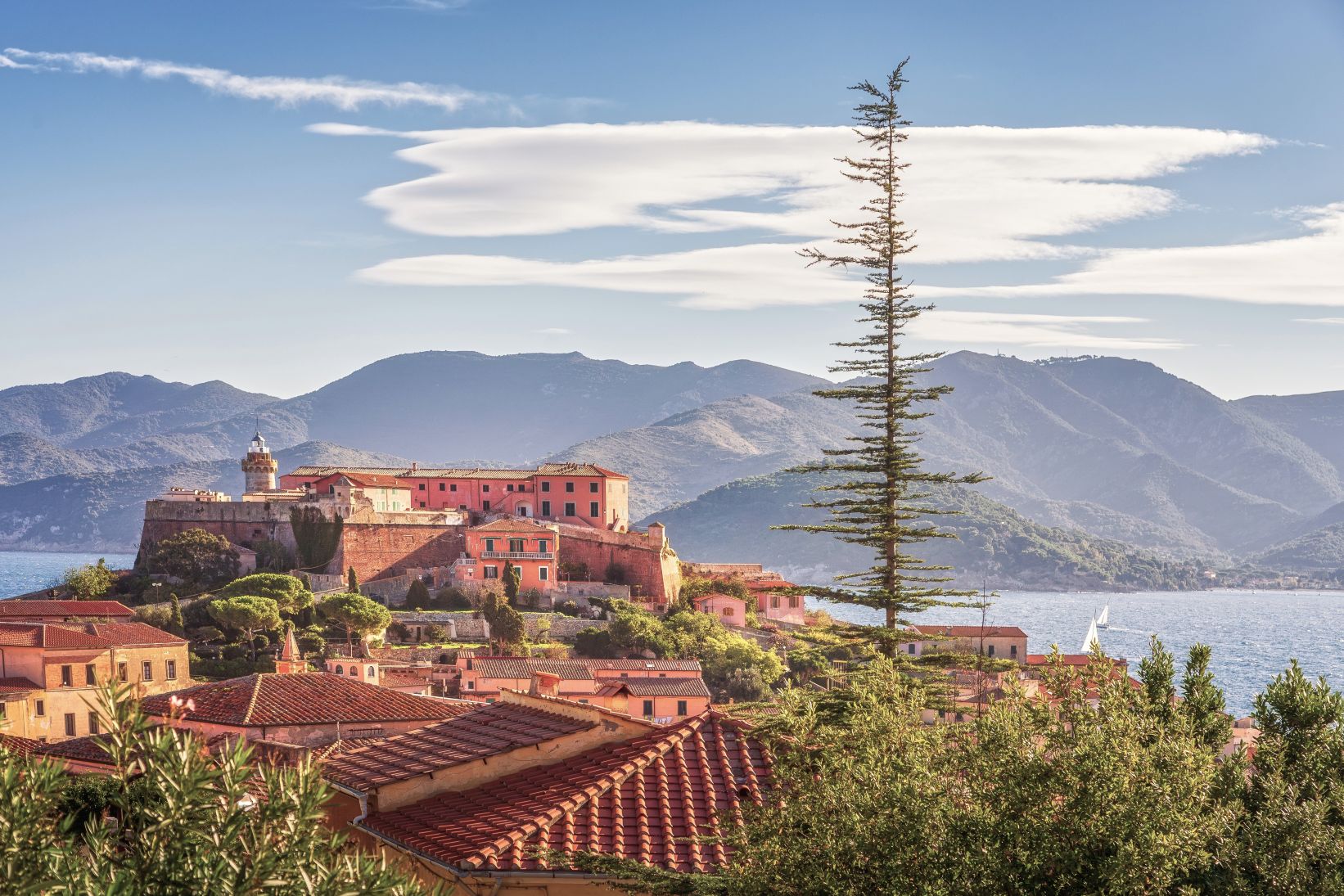
Set halfway between Rome and Naples, Ponza is a summer favorite for locals. It’s a postcard-worthy destination with pastel houses, rugged cliffs, and boat-access-only beaches. Rent a boat to explore hidden grottos and coves, including the Grotta della Maga Circe and Chiaia di Luna Beach. After sunset, you can enjoy the island’s nightlife at open-air clubs and waterfront bars.
Ventotene is quieter. Spend your days exploring the island’s Roman past at ancient cisterns or snorkel in the crystal-clear marine reserve. Both islands are reachable by ferry or hydrofoil, with day trips to the uninhabited island of Palmarola available from Ponza.
Off the coast of Puglia, the Tremiti Islands are part of a protected marine reserve and offer some of the clearest water in Italy. San Domino is the largest island, with the sandy beach of Cala delle Arene a highlight for sun-seekers. San Nicola is rich in history, home to the medieval Abbey of Santa Maria a Mare and remnants of a former penal colony.
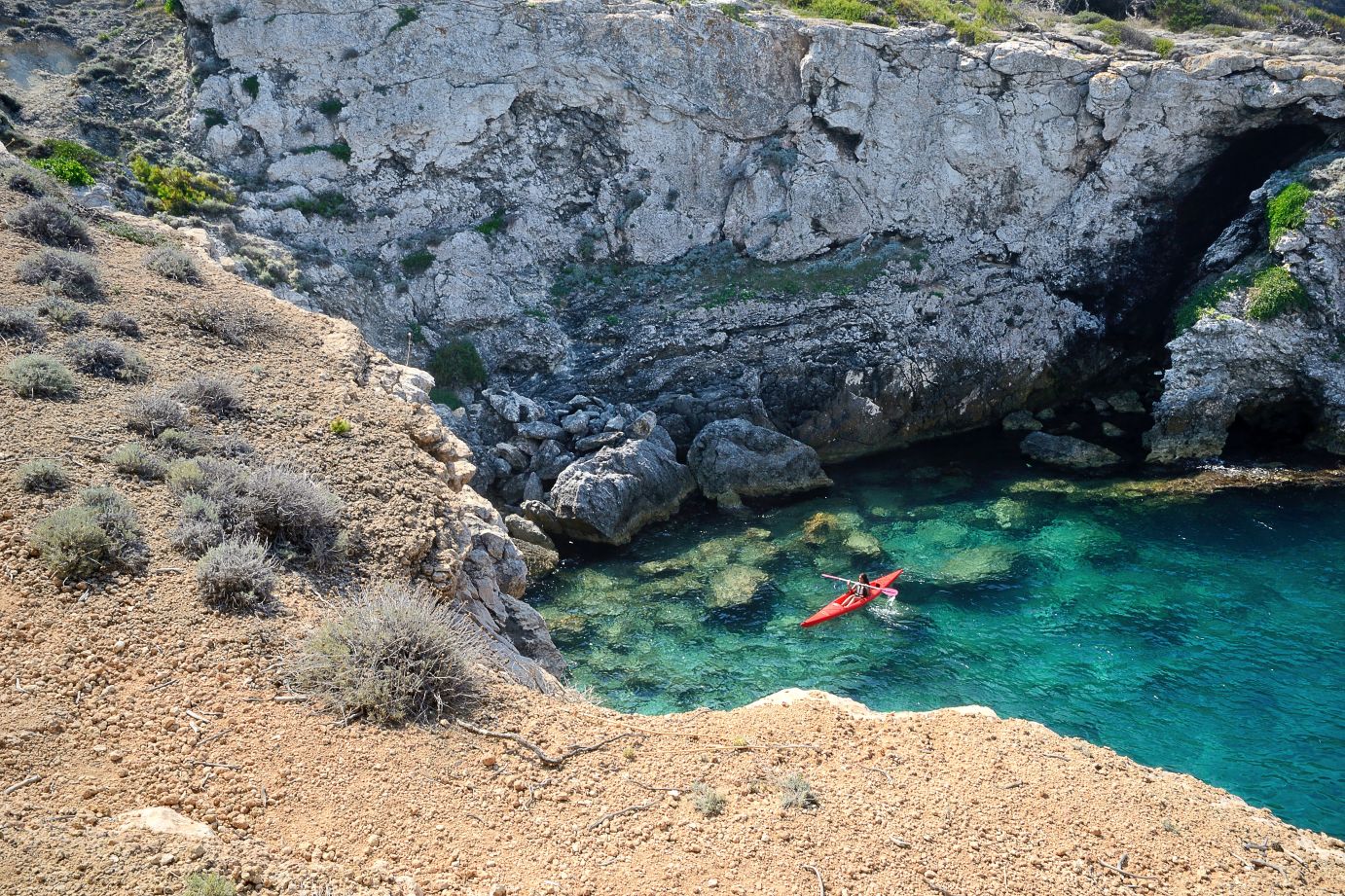
Summer (June to August) is peak travel season in Italy’s islands, with plenty of hot, sunny days and larger crowds. It’s also when ferries run most frequently and beach clubs are the liveliest. Spring and early fall are quieter, with mild temperatures and fewer crowds that make it ideal for outdoor excursions. But many of the smaller islands reduce services in the off-season, so always check before booking. Winter is very quiet on the islands, with a lot of local businesses shutting down completely. However, on larger islands like Sardinia and Sicily, big cities stay active year-round.
May, June, and September are considered the best months to plan your visit to Italy’s islands in regards to weather and accessibility. They offer the perfect mix of pleasant weather and manageable crowds.
Read more: The best time to visit Italy: a seasonal guide
Ferries and hydrofoils are the primary way to travel between Italy’s islands, with major departure points in Naples, Palermo, Milazzo, Livorno, and Piombino. It’s advised to book your tickets in advance during peak season, especially if you’re heading to popular destinations like Capri or the Aeolian Islands.
Once there, smaller islands such as Procida, Venice Lido, and Ponza are best explored on foot, by bike, or by scooter. On larger islands like Sicily or Sardinia, renting a car gives you more flexibility to explore. If you plan to island-hop, check the weather forecast because strong winds can delay or cancel boat services, even in summer.
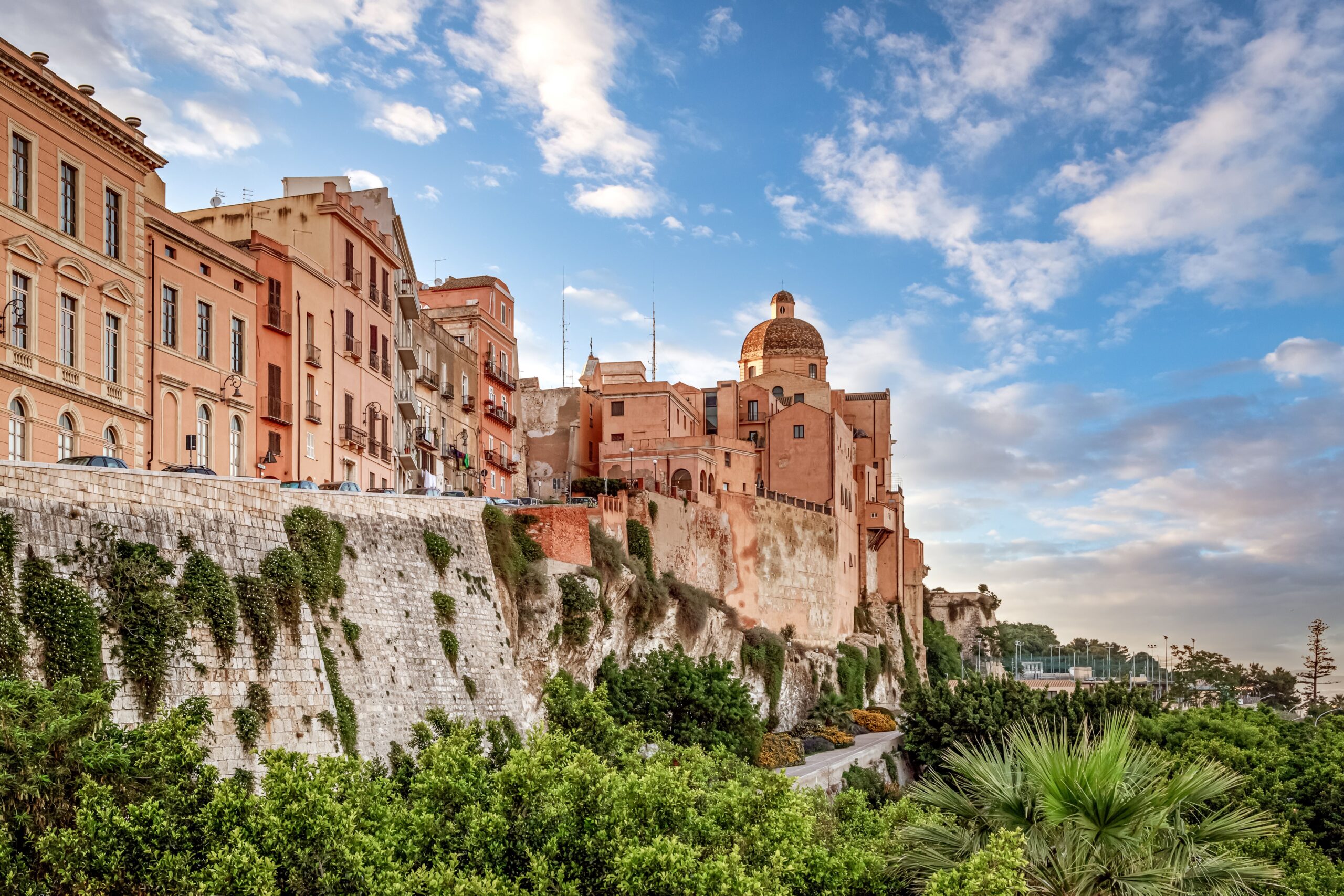
For the best chance of exploring a selection of islands in Italy at their finest, craft a personalized itinerary you’ll remember forever: get in touch with our local travel experts, who’ll help you plan to your needs and budget.
Explore all featured destinations
Join our mailing list for travel inspiration, trip recommendations, and insights from our local experts.