A guide to exploring Brazil through the seasons
3 August 2026
Tens of millions flock to Japan each year (almost 43 million in 2025, for example) and revel in the many joys of the singular archipelago. You can find natural wonders, cultural astonishments, culinary delights, and various combinations of the three by visiting at virtually any time. But what time of year offers the very best climate, festivals and activities for you? This guide delves into the best time of year to go to Japan and highlights what you can expect during each period.

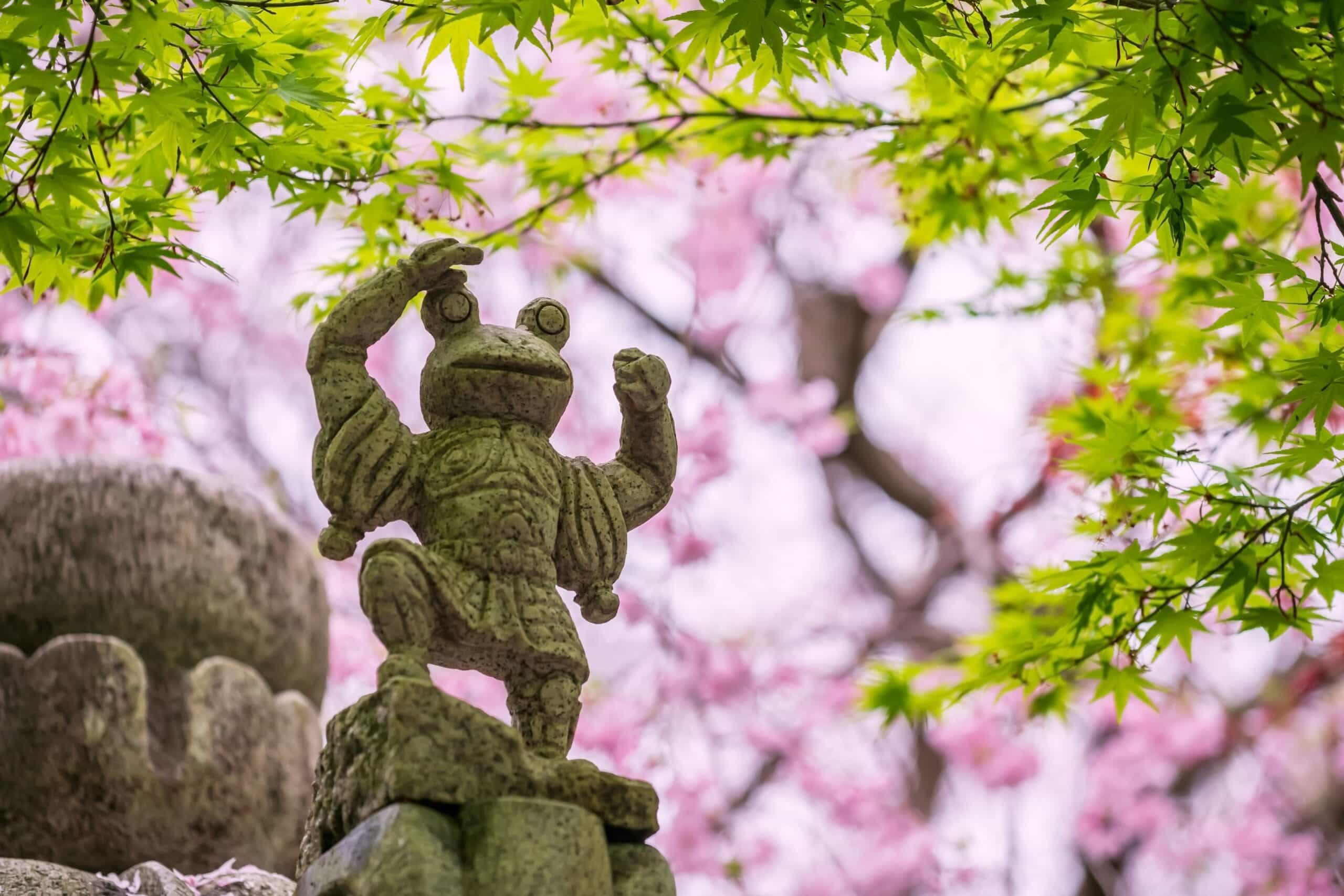
So much is said about viewing the cherry blossoms at Japan that if you’ve never been, it can be tempting to wonder if there’s been some overrating of the experience. Rest assured: there hasn’t been. The blossoms begin to flower on the southern end of the country in mid-March and make their way north throughout early April, exploding in violet splendor.
While Kyoto (Higashiyama district) and Tokyo (Ueno Park) are two of the country’s most famous spots for flower-viewing (hanami), you may have a better experience in Kobe during late March. The crowds are a bit thinner at Shukugawa and Ikutagawa parks, and a little more local than international.
Early to mid-March also marks a key point for visiting Japan on a (relative) budget, sandwiched as it is between winter adventures and the international attraction of the cherry blossoms. Though the temperature in Japan in March is low-50s Fahrenheit (circa 10 degrees Celius), it may be worth it for experiencing oft-packed parts of Tokyo like Shibuya (or Asakusa, on the other end of the spectrum) with somewhat reduced costs and crowd volume.
Read more: Blooming beautiful: the cherry blossom of Japan

Virtually all of Japan vacations during Golden Week, positioned at the turn from April to May. While there’s something to be said for experiencing Constitution Memorial Day and the week’s other three public holidays among the Japanese, it’ll be extremely crowded, with hotels being all but unbookable save long (long) in advance.
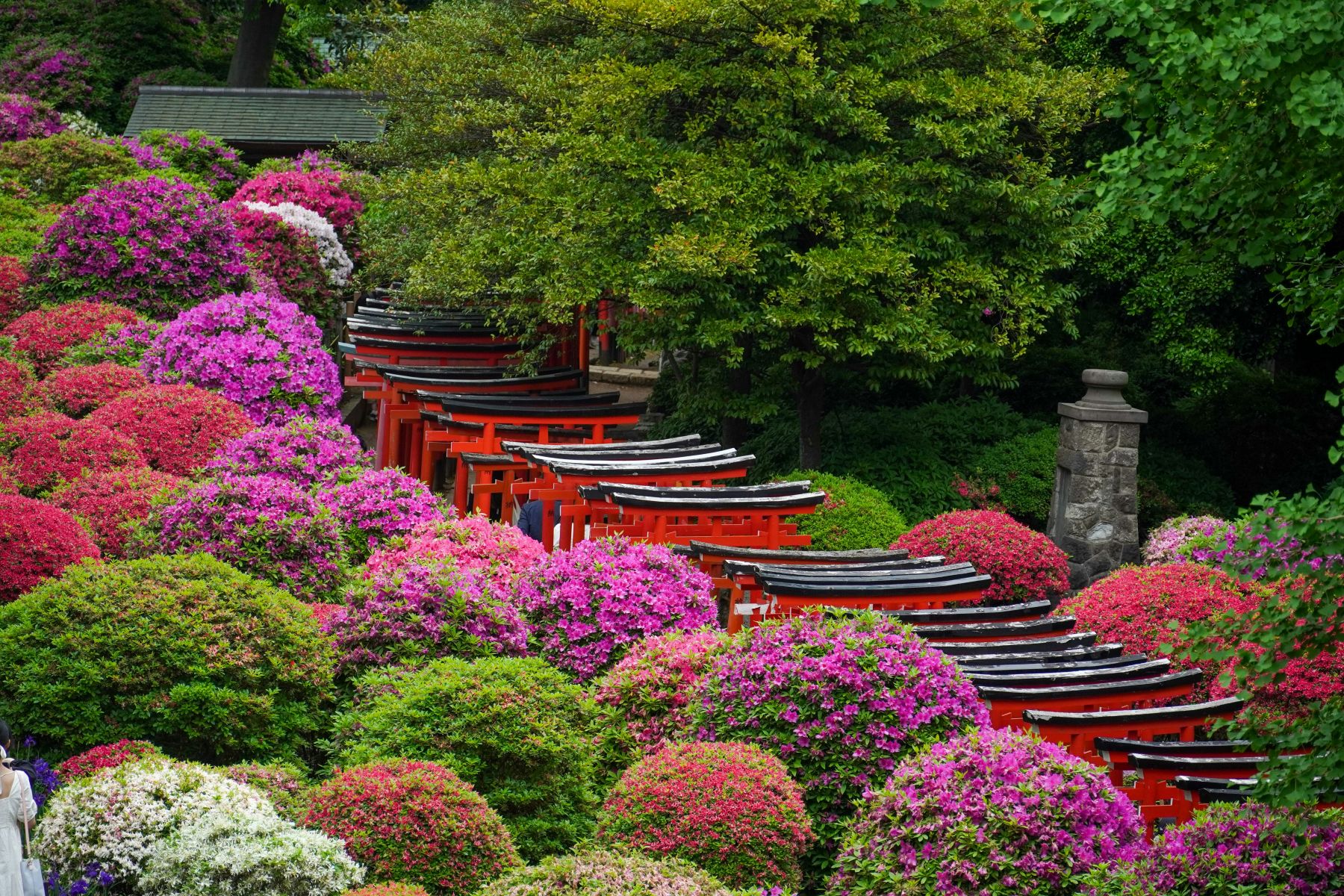
Avoid the festivals specifically associated with Golden Week holidays and instead consider more tranquil events. For example, the Bunkyo Azalea Festival at Nezu Shrine in Tokyo is more likely to attract the spiritually-minded than casual tourists, and thus may be less crowded. Later, in mid-May, Kyoto’s Aoi Matsuri festival offers a trip back in time to early medieval Japan (the 8th-12th centuries) through the costumes worn in the festival’s grand parade.
May also marks a great time to visit hidden gems along the coastline of Japan. From the shoreline of Ito to the more remote northern beaches of Hokkaido, you’ll experience the grandeur of Japan’s coast without the immense tourist traffic. You’re also likely to get the freshest possible seafood.
During the summer, when Japan isn’t raining, it’s sweltering hot in most regions except the north, and the rainy season affects the entire archipelago. The rainy season lasts for about a month and a half (from June through mid-July) and drives many casual visitors away.
This makes it the best time to visit Japan if you want to get a bargain. If you’re budget-minded and pack appropriate apparel and gear for the time you spend outside, you can end up spending far less on iconic indoor Japan activities in major cities: everything from kabuki performances and iconic Tokyo museums (such as the National Museum of Nature and Science) to the unique cuisine and late-night vibes of Ginza. (Alternatively, adventure travelers will enjoy the hiking opportunities along Mount Fuji or in the Japanese Alps — the Kiso, Hido, and Akaishi ranges.)
You also want to prepare for the possibility of a typhoon. These actually are most prevalent outside of the rainy season (in August and September), but it never hurts to be careful. Make sure your rain gear is truly strong (good boots, an all-weather coat and hat, etc) and keep an eye on local news if the reports regarding the event start taking on a more serious tone.
Read more: Get to know Tokyo
If you consider yourself a festival lover, powering through the heat of July and August is essential. These months contain some of the most important cultural celebrations that Japanese society observes:

The start of autumn is hard to distinguish from summer heat at first, but not for long. Cool temperatures make their way down from the north, and before you know it, you’ll need at least a light jacket anywhere south of Hokkaido. (There, you may need a winter jacket as early as October.)
Because it’s not yet the foliage season, international travel and domestic travel are at a fairly low ebb. This may make it a good time to visit the cities that are often overrun by tourists. You could catch the historic grandeur of Kyoto, the music scene of Osaka or the, well, everything of Tokyo without excess company, to name just a few examples. Alternatively, while it’s still warm, you could check out the beaches of Okinawa or snorkel on Ishigaki Island.
Read more: Off the beaten track in Japan
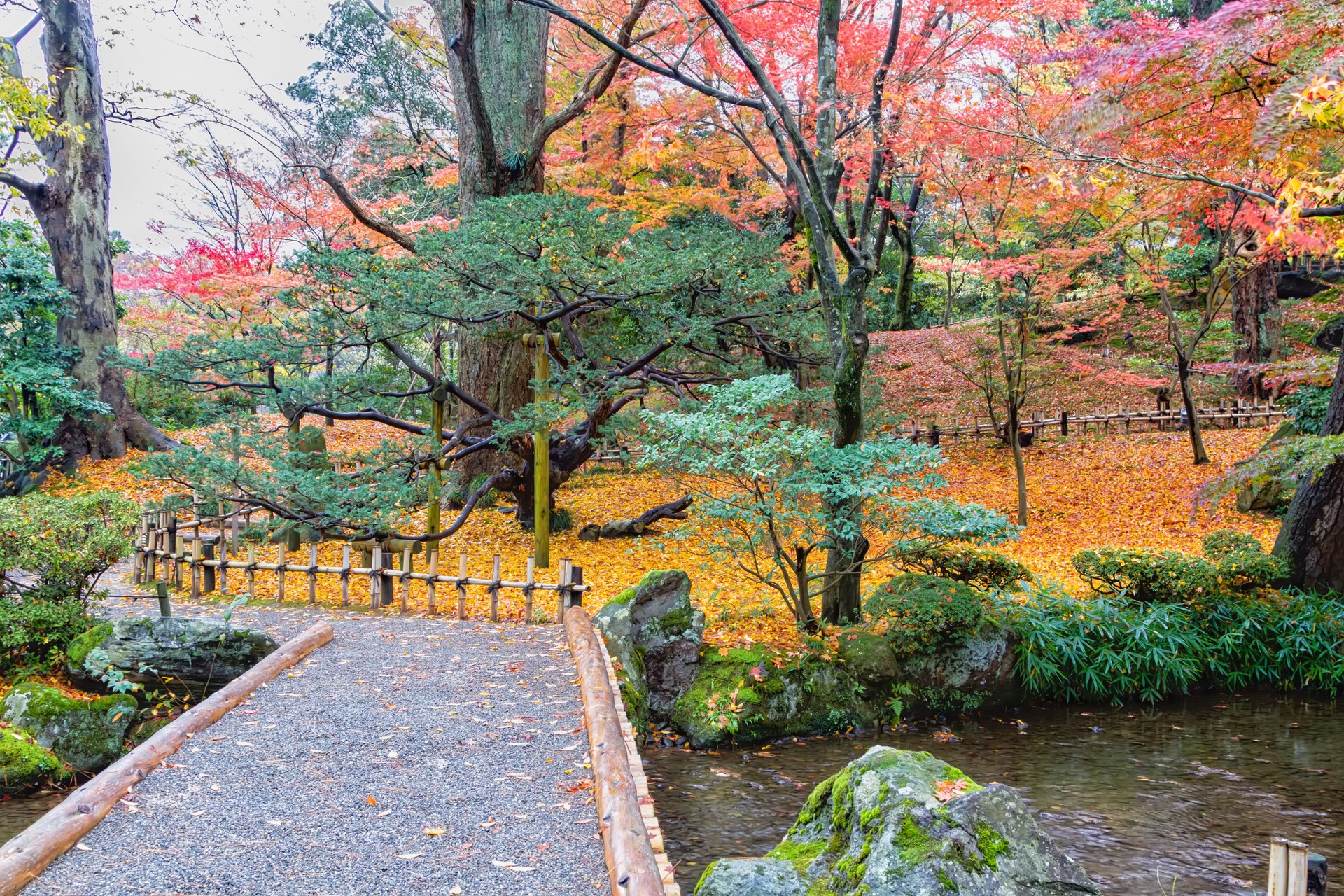
The leaves’ turn starts in the north in mid-September and reaches its kaleidoscopic peak of color in late October, unless you’re as far south as Kyushu, when the change comes in late November. It doesn’t draw as many visitors as its spring counterpart, but you’ll still want to book reasonably in advance.
Notable spots for fall foliage (some popular, others more underrated) include:
Many of the most high-profile attractions — museums, national parks, etc.— are closed during the tail end of December into January. Shopping centers are open every day except January 1 (so cities like Tokyo and Osaka get packed), but banks and even ATMs aren’t open in the days before the 1st.
As such, this might be a time to consider less traditional lodging destinations in rural Japan if you can get out there — like the ryokans and inns in towns associated with onsen hot springs. These may or may not be open, and you’ll want to have your cash ready in advance, but it offers a nice alternative to the hustle and bustle. Onsens of note include Dogo in Ehime, one of the oldest still-operating bath houses in the country, and Kurokawa in Kyushu, both of which are highly traditional in their operations.
Read more: Travel to Japan: what to know before you go
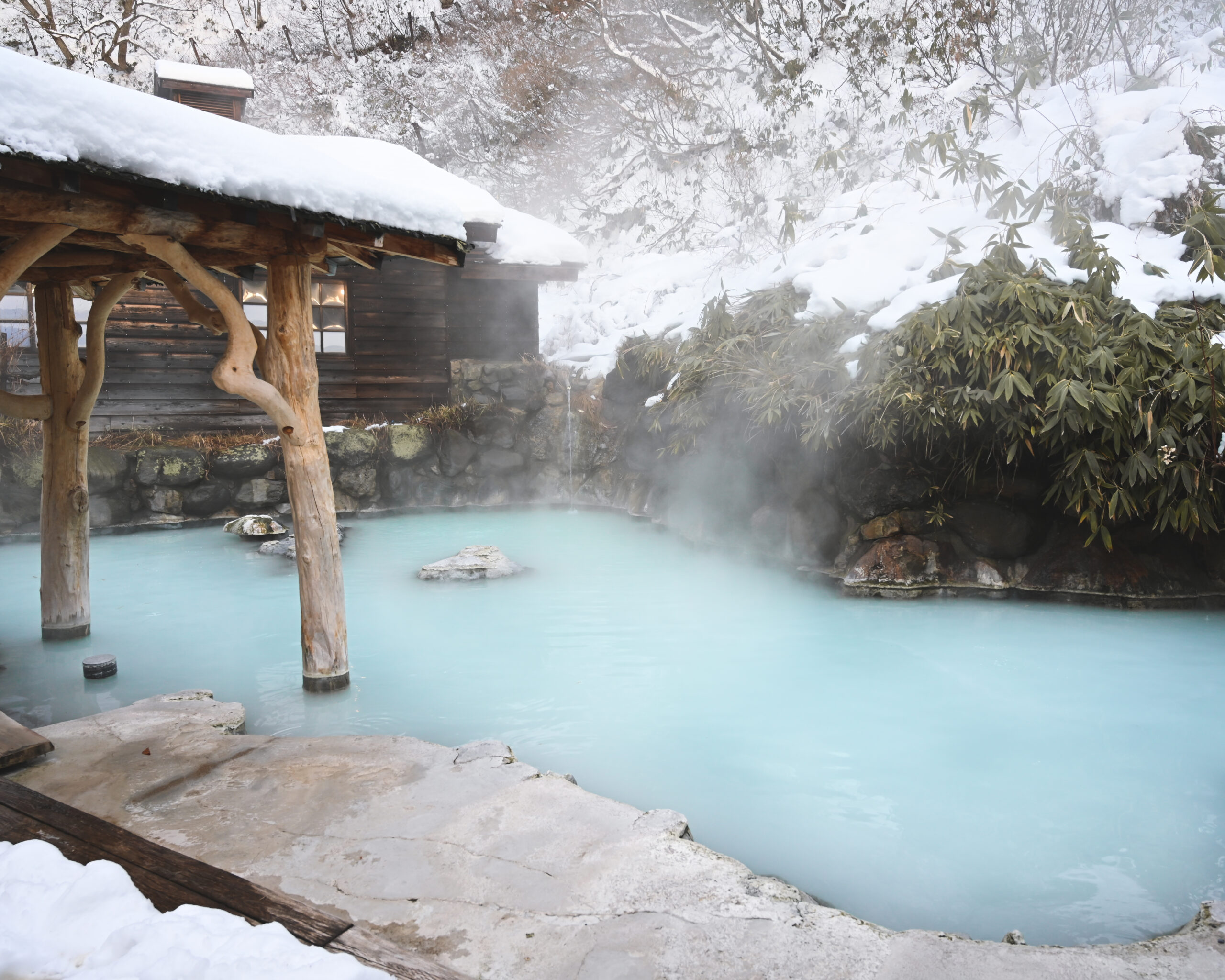
In the northern and most high-altitude areas of Japan, skiing and snowboarding are quite popular. But these areas, such as the Japanese Alps and cities like Nagano or Akita, aren’t very tourist-packed aside from those keen on adventure activities. Prices can thus be a little lower.
Many say you’ll find the best snow for slope sports in Niseko, Rusutsu, and Hokkaido, while Biwako Valley (and Lake Biwa within it) may be better for a more relaxed winter vacation. Also, in early February, consider catching the Sapporo Snow Festival, which showcases intricate ice sculptures to audiences that (over the course of the multi-day event) swell to two million people.
As we’ve now seen, Japan is a nation worth exploring at any time of year. You just need to make sure you plan an itinerary that maximizes the best attractions — and our locally-based experts can help you do just that. Whether you want to see urban bustle, majestic mountains, Great Gardens, or something else entirely, they’ll help you devise a vacation that satisfies your wanderlust. Reach out to them today to get the ball rolling.
Explore all featured destinations
Join our mailing list for travel inspiration, trip recommendations, and insights from our local experts.