<Home/Articles/Silk Road tours: top destinations and travel tips

Silk Road tours: top destinations and travel tips

|

For more than 1,500 years, the Silk Road connected large swathes of Asia as it went through many geopolitical, cultural, and economic shifts. While the original 4,000-plus-miles of road it once encompassed don’t exist today, the nations that grew along its path are home to some of the world’s most intriguing destinations. In this guide, we’ll explore some of the locales that Silk Road tours may bring you through, plus practical considerations for such a trip.

Daily life in Bukhara, Uzbekistan, a top place to visiting when traveling the Silk Road

Iconic Silk Road destinations (and what to expect)

Uzbekistan: Samarkand, Bukhara, and Tashkent

While Uzbekistan as a whole doesn’t always show up on lists of travel hotspots, it’s home to three cities that were once pivotal to the Silk Road:
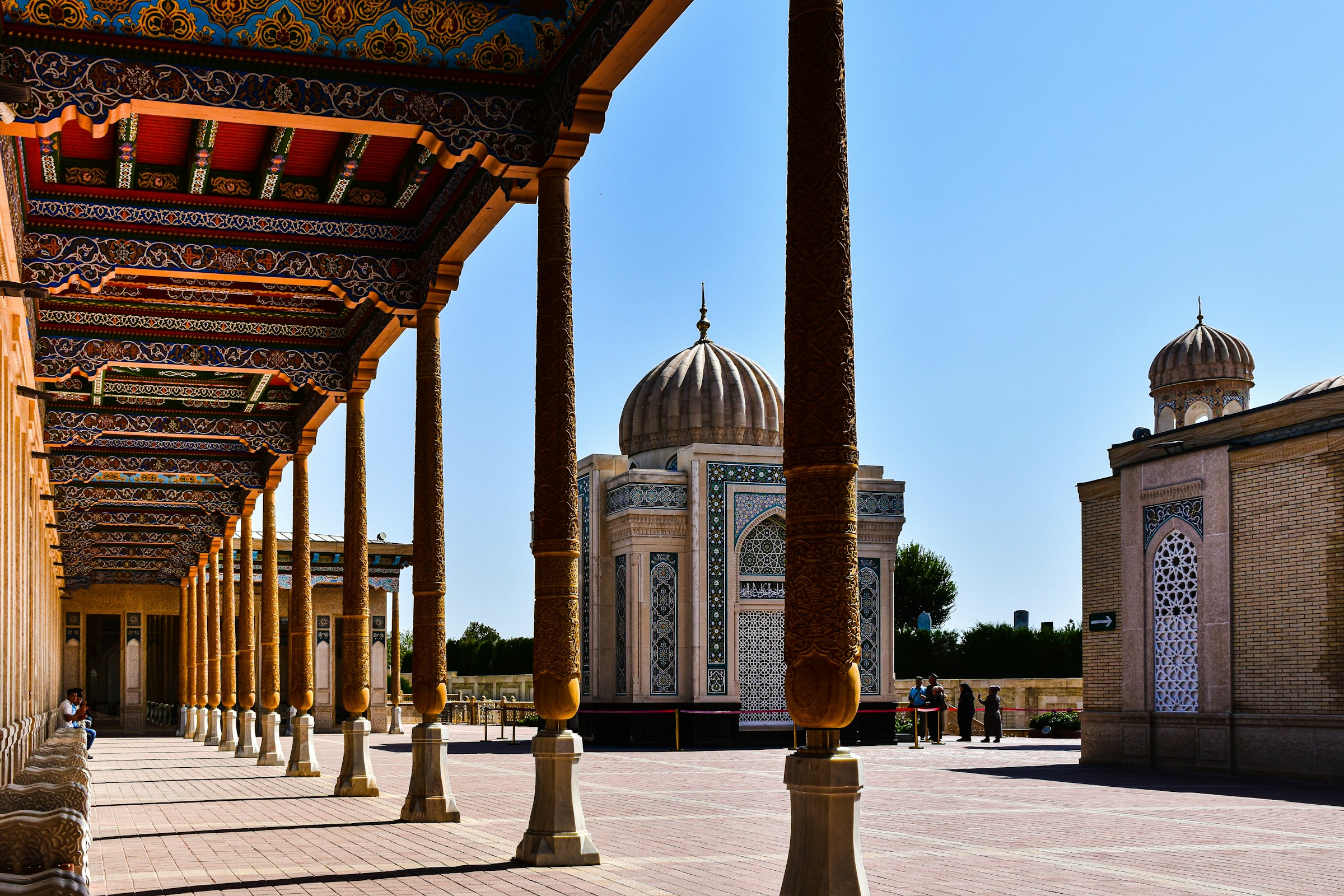
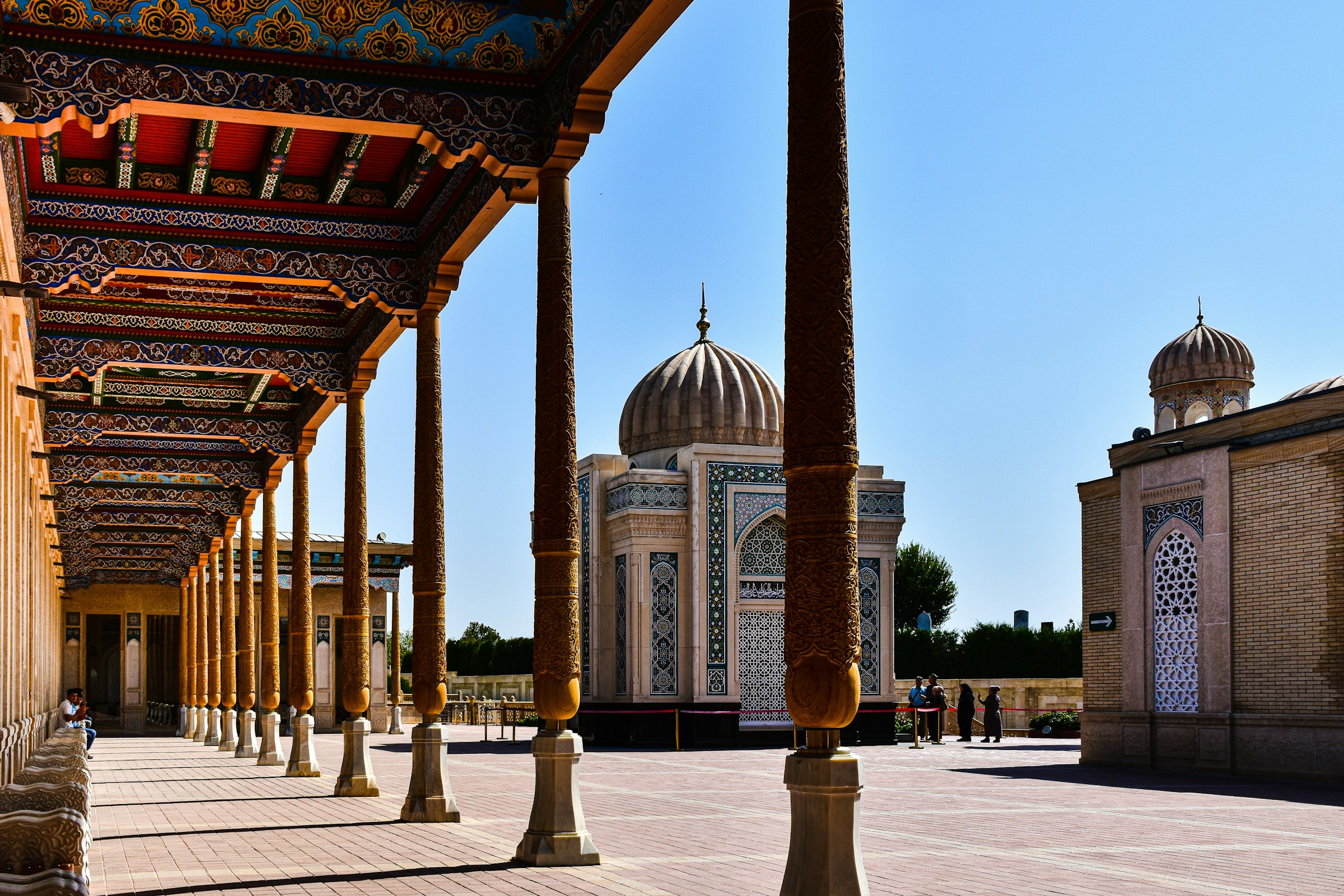
  • Samarkand justifies a trip to the country all on its own. Sites like Shah-i-Zinda, the Bibi Khanum mosque, and the Registan mosque and madrasas showcase intricate Muslim architecture covered in calligraphic designs of rich blue. Also, the Eternal City square partially recreates the trading-center atmosphere of the city at its Silk Road heights, and the shining gold of the Gur Emir mausoleum must be seen to be believed.
  • Bukhara: The Po-i-Kalyan mosque/madrasa complex is a key attraction of a city many locals consider holy, known for its 150-foot minaret tower. But the entire city center (also UNESCO-listed) can be a highlight of Silk Road travel. And a visit to the grand Ark of Bukhara and the museums within allows you to learn about the many cultures that ruled Uzbekistan before the modern day, from the Persian Achaemenids to the Mongols.
  • Tashkent: The capital city features several attractions that give an impression of what the Silk Road was like. Chorsu Bazaar is perhaps most famous of these, where vendors gather under a great dome and sell everything from meat and spices to clothing and modern essentials. For some more history, visit the Hazrati Imam Complex, which features the world’s oldest Koran manuscript.
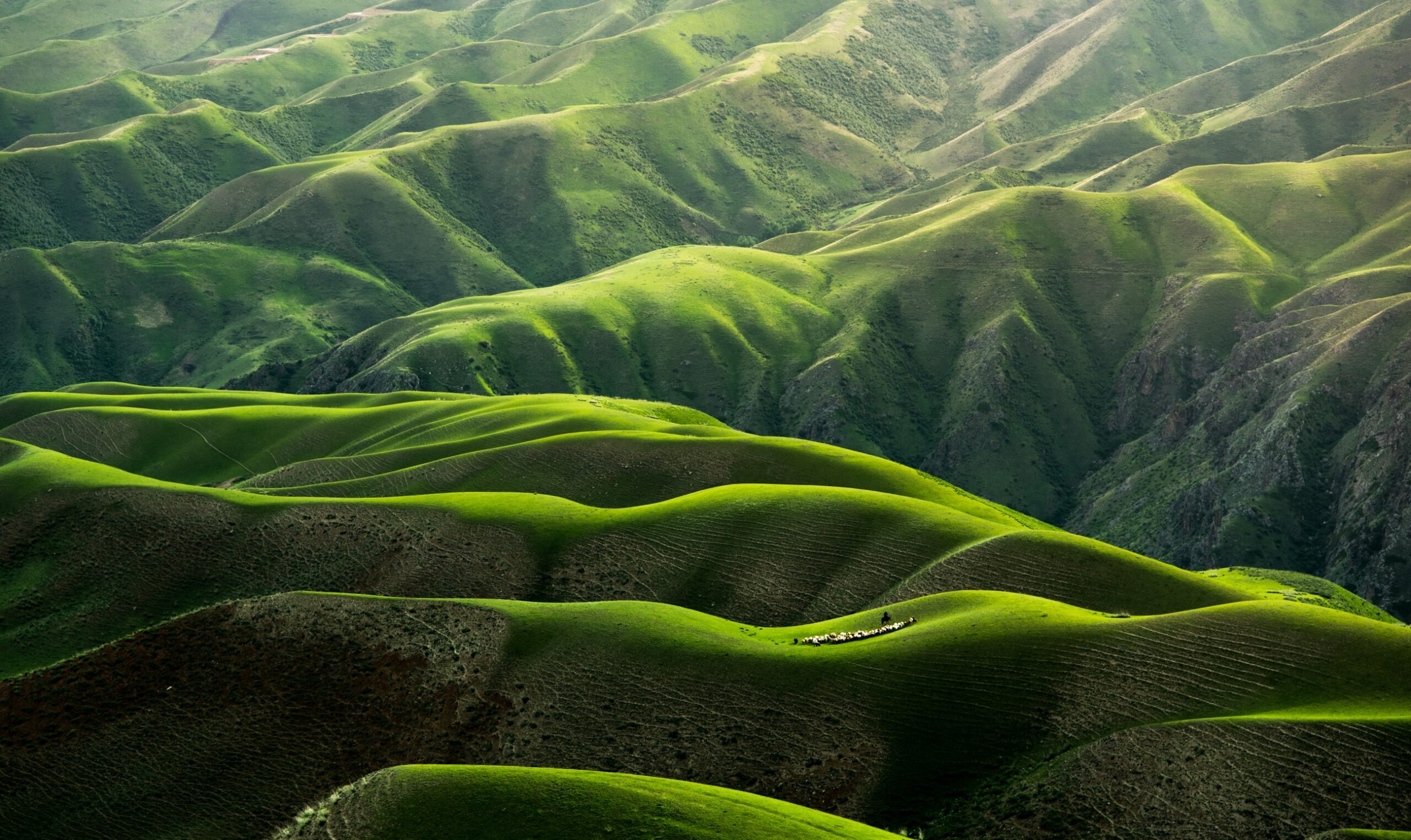
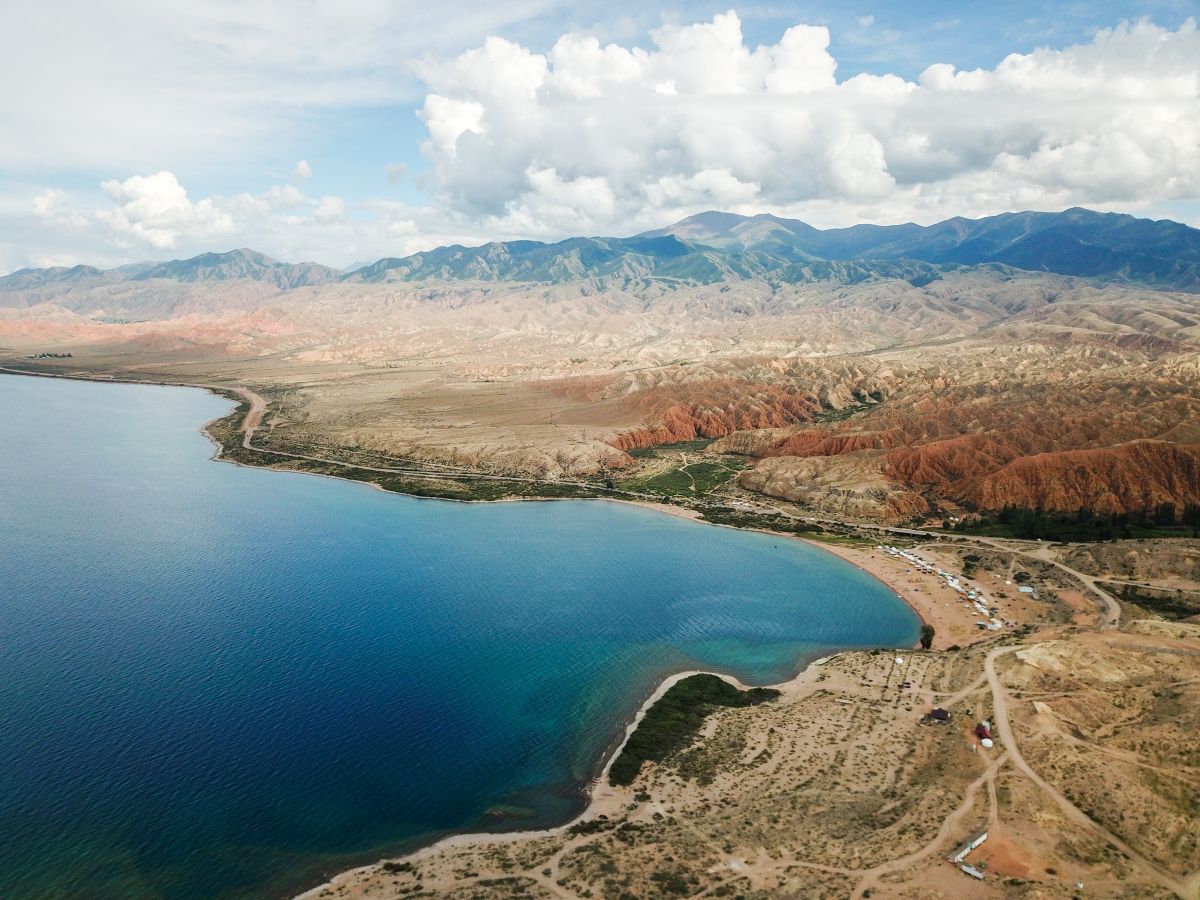
Issyk Kul lake aerial, Kyrgyzstan

Kyrgyzstan: mountains, nomadic culture, and wilderness

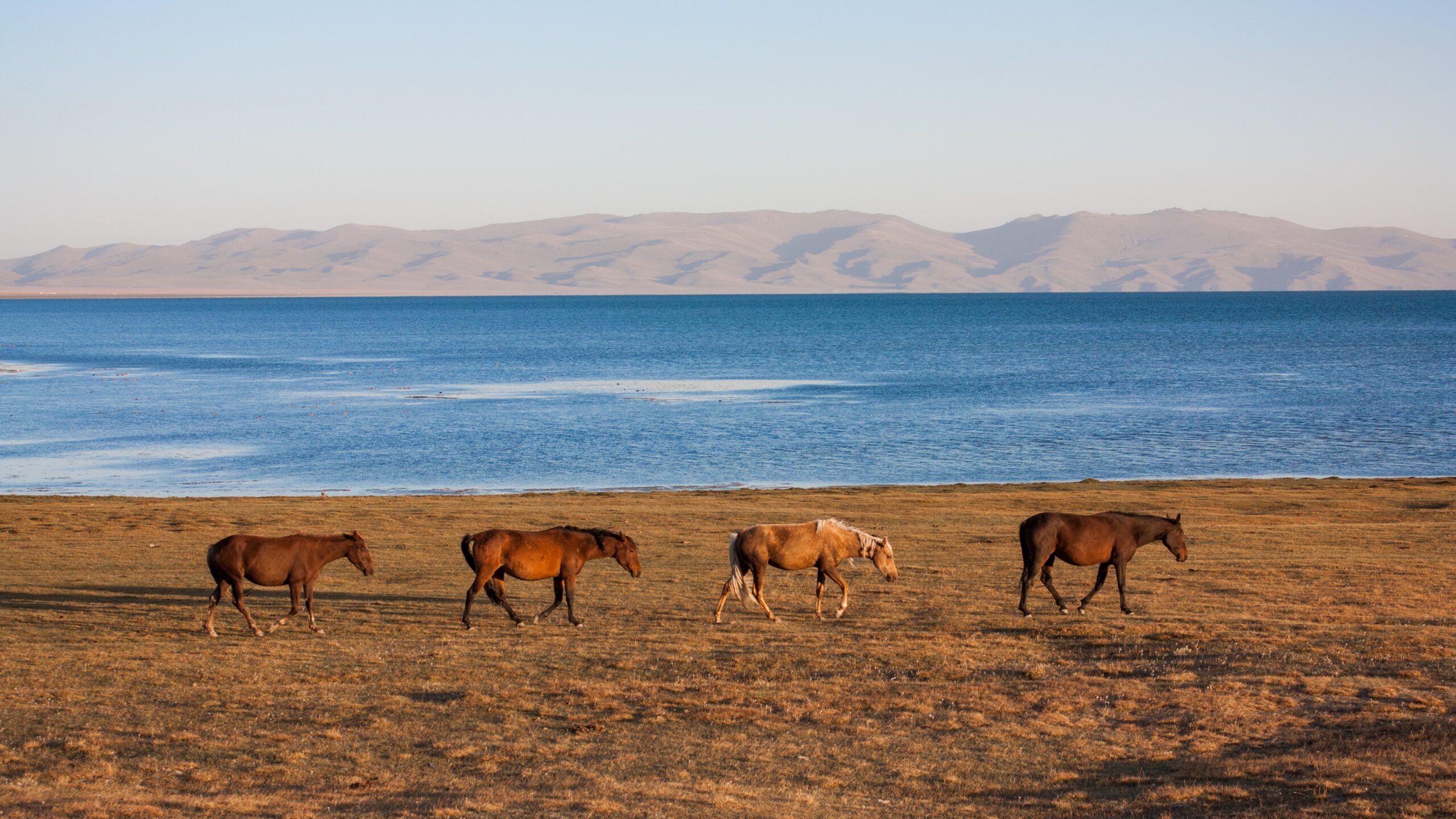
Despite Kyrgyzstan’s mountainous terrain, which adds difficulty to travel, the Silk Road brought trade (and, unfortunately, domination) by many nations, ranging from the Mongols and China to Uzbekistan and czarist Russia. Today, it’s an independent nation that, in many places, functions not that differently from its nomadic past.

In the mountain villages, it’s hardly uncommon to see large groups travel by horseback, and technology is accessible but not a major focus. For a view of unparalleled natural beauty and the chance to learn about a notable Silk Road stop, Lake Issyk-Kyul is a must-visit.

Tajikistan: Pamir Highway and the Roof of the World

While it’s the smallest Central Asian nation in terms of area, Tajikistan looms large as a spot for sightseeing and historical significance. Much of it is accessible via the Pamir Highway, which is famous in its own right: it reaches 15,272ft (4,655m) at the Ak-Baital Pass, making it the world’s second-highest motorway after India’s Mig La Road. (Tajikistan as a whole is sometimes called the “Roof of the World.”)

While the country contains several Silk Road stops, specifically along its portion of the Zarafshan-Karakum Corridor, Panjakent is the must-visit. The ruins on the outskirts give impressions not only of the Sogdian era (a thriving time for the Silk Road, circa the 4th-8th centuries) but also the early Bronze Age. In town, the Panjakent Bazaar puts a modern spin on an ancient marketplace, while the Rudaki Museum and mausoleum respectively showcase wonders from the era and the resting place of one of Central Asia’s finest poets, Abdullah Mohammed Rudaki.
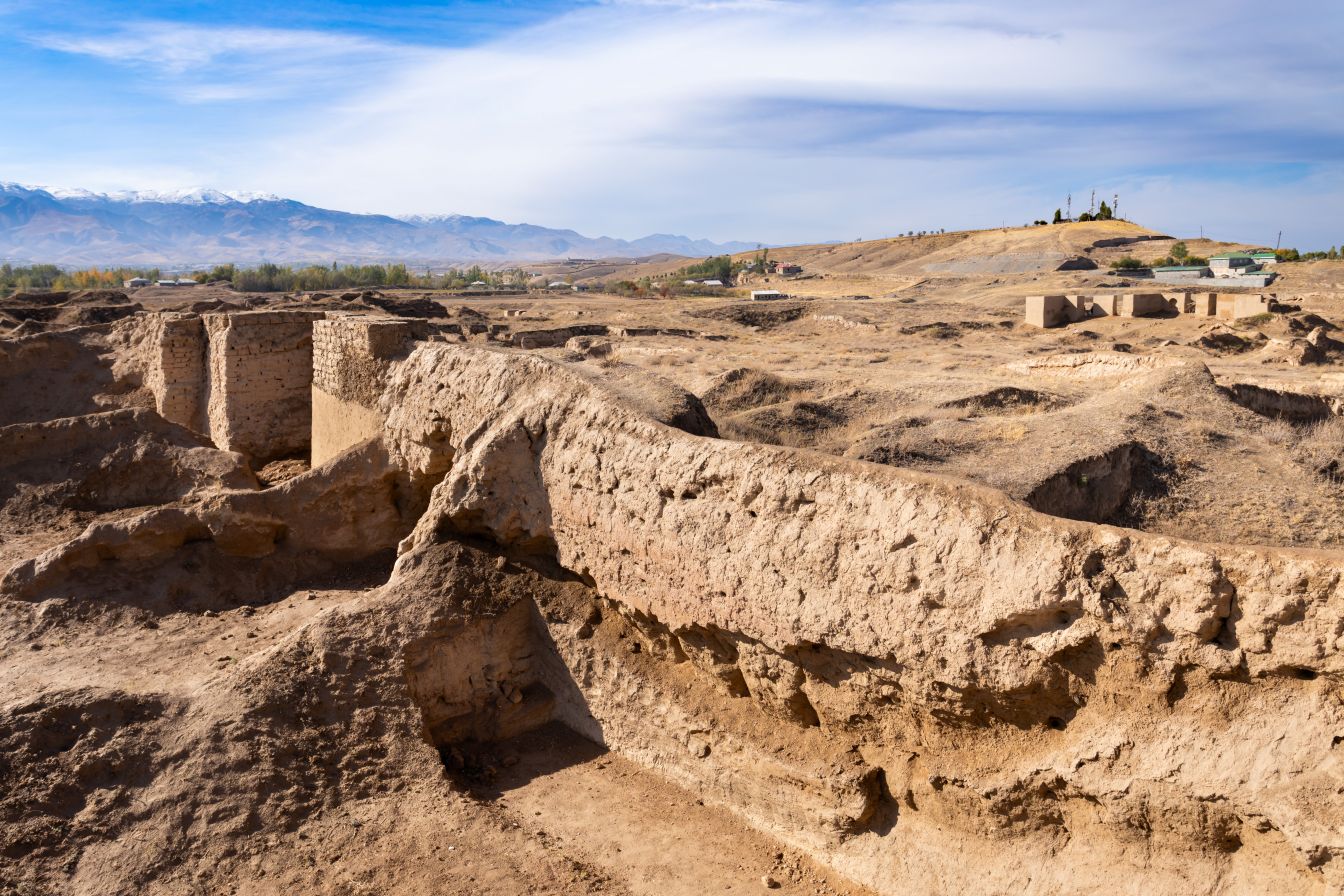
Ancient city ruins in Panjakent, Tajikistan, one of the best destinations to explore on Silk Road tours

Kazakhstan and Turkmenistan

Kazakhstan and Turkmenistan are two other key destinations to add to your Silk Road itinerary. In the former, Taraz is arguably the most important place in that nation to stop for a Silk Road journey. It’s certainly one of the oldest Kazakh cities, first settled in the 1st century BCE. Get a sense of its former lives by visiting the Ancient Taraz Archaeological Park and Museum, which preserves many of the ancient city’s artifacts, and sites like the Aishi Bibi and Babaji Khatun mausoleums. (The latter is distinguished by its peculiar pyramidal dome.)

Turkmenistan, meanwhile, features some particularly crucial Silk Road destinations despite its fairly small size:
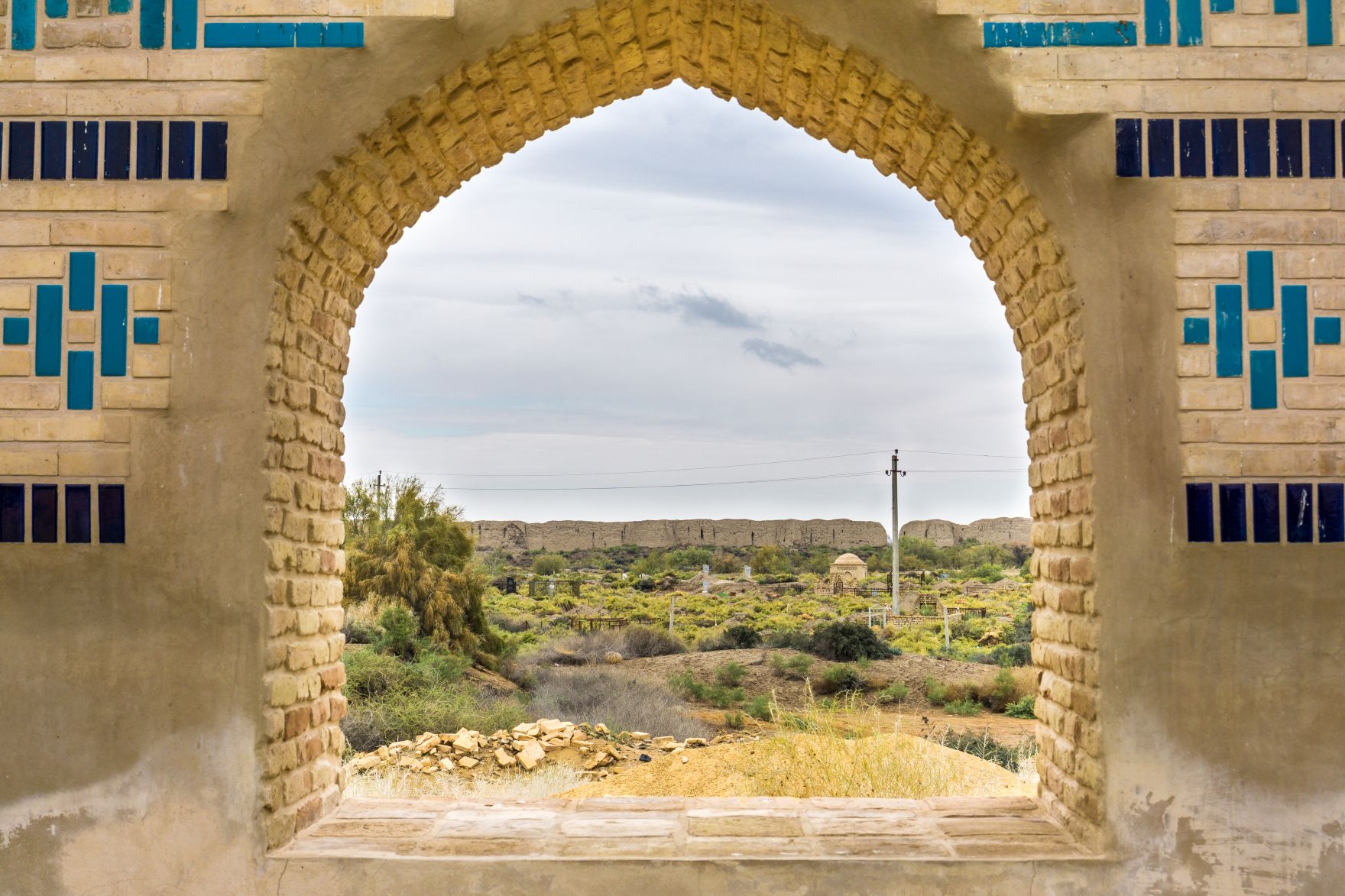
  • Mary: Known in its Silk Road heyday as Merv, this city housed up to one million at its 11th/12th-century peak as a hub of Islam in Central Asia. The Mary Museum of History collects many little pieces of ancient Merv, some dating back up to 5,000 years.
  • Ashgabat: This modern city’s outskirts feature ruins like Nisa Fortress (well over 2,000 years old) that protected the Parthian civilization until the Mongol attacks of the 13th century.
  • Annau: Not far east from Ashgabat stands Annau, whose modernized hotels belie its 7,000-plus-year-old history. It features several beautiful medieval-and-younger mosques, but the ruins of Seýit Jemaladdin Mosque and sites that date back to prehistory are the real attraction.
Exploring Central Asia on Silk Road tours: Askhab Mausoleum overlooking the old city of Merv in Turkmenistan

China’s Silk Road: Kashgar, Dunhuang, and more

Critical though they were to old-world commerce, northwestern China — and key cities on the Silk Road — don’t get as much tourist attention as the nation’s major metropolises far to the east and south. For our purposes, we’ll focus on:
  • Dunhuang: This northwestern city’s heyday came between the late 6th and early 10th centuries. Sogdian, European, Middle Eastern, and South Asian traders made it a community of trade, with the latter having the most influence. Today, the Mogao Caves (Cave of 1,000 Buddhas) give evidence to Buddhist influence on Dunhuang through their network that connects 500 temples.
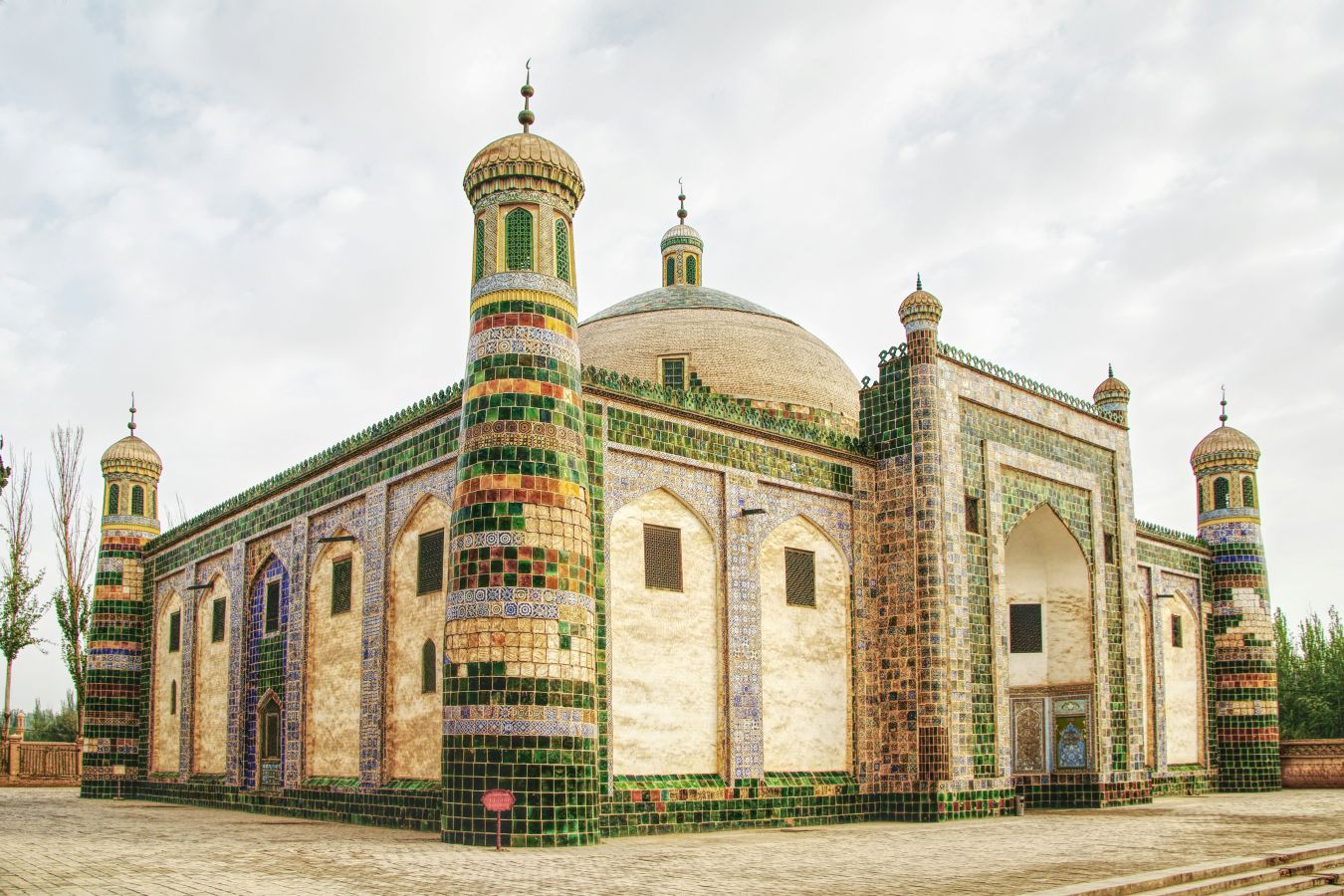
  • Kashgar: The pockets of Muslim presence in China are perhaps best represented in Kashgar, its presence on the Kyrgyz/Tajik border all but guaranteeing strong influence from (and imperial dominance by) Turkic and Arab cultures. This shines through in beautiful mosques like the yellow-spired Id Kah and the narrow Byzantine streets of Kashgar’s Old City. (The latter has been partially demolished in recent years; you may want to see what’s left sooner rather than later.)
Afaq Khoja Mausoleum in Kashgar, an important destination in China for Silk Road tours

Turkey’s Silk Road gems

If you stop in only one of Turkey‘s cities on your Silk Road tour, make it Istanbul. This grand old metropolis could easily overtake the entire article, so we’ll focus here on sites critical to the ancient trade route:

  • Grand Bazaar: Arguably, no present-day market echoes the hustle-bustle of Silk Road heydays quite like Istanbul’s Grand Bazaar. It’s also among the most visited tourism spots in the world, so you may want to visit when the average traveler would find it too warm (early June or September, for example). Over 4,000 shops congregate here across 61 covered routes, and there’s no telling what you’ll find.
  • Hagia Sophia: As a church (and later a mosque), this site served as one of the key meeting points for Silk Road traders. It’s a testament to the grandeur of Byzantine architecture, and has stood in much the same condition since its construction in 537.
  • Bursa: Though not in the city limits (it’s just across the Sea of Marmara), this city was the end of the Silk Road for many merchants. The remnants of the Koza Han market, crucial to this trade route, still make for a fascinating sight.
Decorative plates hanging at the Grand Bazaar in Istanbul

Georgia’s Silk Road cities

Last but not least, Georgia is noteworthy as the unofficial barrier between Europe and Asia. Two cities are of particular note:
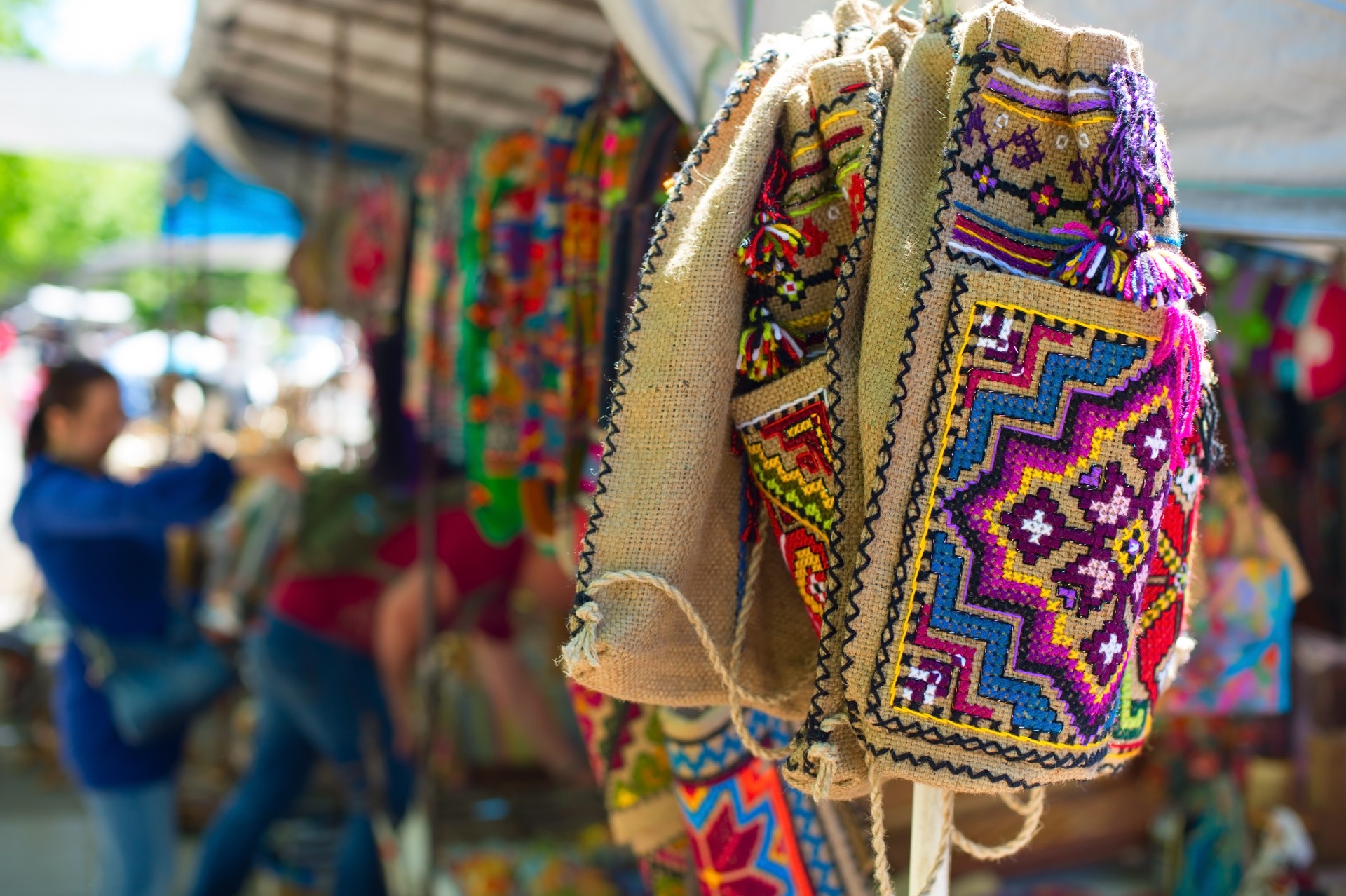
  • Mtskheta: Chock full of UNESCO World Heritage Sites, this riverside city gave traders a place to sell their wares and practice their faiths. Sites such as Samtavro Monastery contain craft workshops producing textile goods not unlike those once sold across this route. For pure sightseeing, you can’t beat Jvari Monastery, which offers a spectacular view of the converging Mtkvari and Aragvi rivers.
  • Tbilisi: As a stop on multiple trade routes, Tbilisi (Georgia’s current capital) once held great wealth, and powerful echoes of that opulence remain. The city’s Old Town still bears the cobblestone streets of centuries past while also housing more modern structures, and the open-air markets sell jewelry, curios, and everything in between. For some historical perspective, be sure to visit the National Museum and take a hike up to Narikala Fortress.
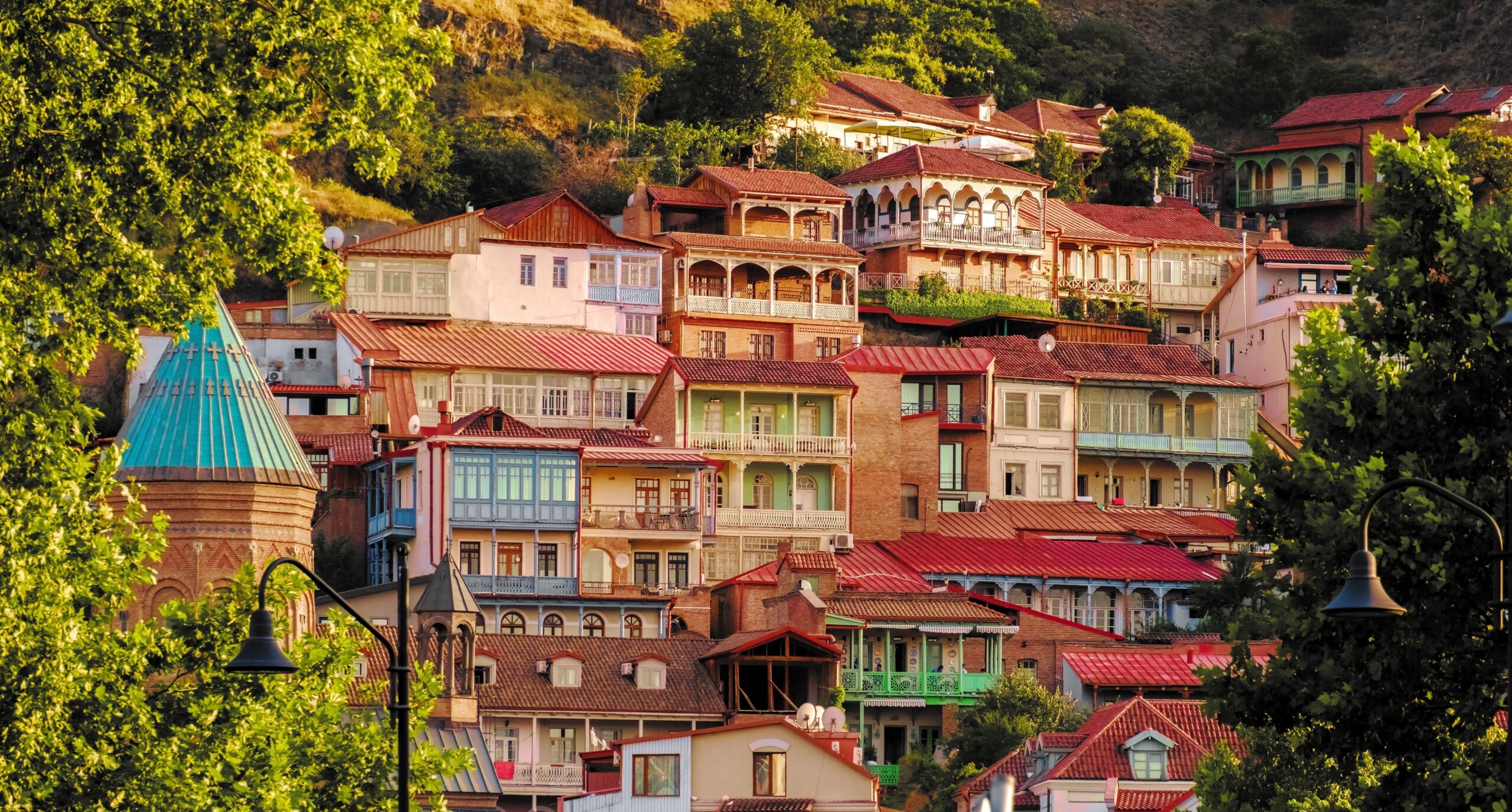
Crafts hanging at a flea market in Georgia's Tbilisi

Silk Road itinerary trips: choosing your route and other practical advice

Planning your trip length

How much of the Silk Road do you plan to see? If the answer is “all” or “most,” you’ll likely need 10-14 days. By contrast, if you simply wanted to travel the Five Stans, that might only take 5-7 days.

Physical demands across different routes

Most areas of the Silk Road contain at least some rough terrain, with Tajikistan and Kyrgyzstan especially notable in this regard. In fact, some areas are only accessible on horseback.

Visas and entry requirements for Central Asian countries

These vary significantly by country, and a valid passport is required in all cases.
  • Kazakhstan: Enter without a visa if you’re from an EU or OECD country for 30 days, obtain a visa on arrival if staying under 15 days, and get an advance visa for longer stays or for those from other nations.
  • Kyrgyzstan: No visa required for anyone from most EU countries, Switzerland, Australia, Canada, United States, or New Zealand if staying under 60 days.
  • Uzbekistan and Georgia: No visa required for a stay under 30 days if visiting from most countries.
  • China: You need a 30-day advance visa or a 60-90 day visa if traveling from China into Kyrgyzstan. A basic itinerary is also needed.
  • Tajikistan: Advance visa and basic itinerary required, valid for 30 days for tourism.
  • Turkmenistan: Not only is an advance visa required, but you can only obtain one if traveling with a group.
  • Turkey: Advance visa required, but the entire process is online.
Samarkand, Uzbekistan

Safety and insurance considerations

You’ll want reliable travel insurance and travel health insurance. It’s not so much that a Silk Road travel itinerary exposes you to guaranteed risks; in fact, Central Asia generally has low crime. But at various points on your trip, you’ll be in many mountainous or remote areas far from quality medical care. You must also be cognizant of local customs and laws, which can be stricter than those you’re used to.

Packing essentials for Silk Road tours

You’ll want clothing that can handle rough terrain and weather. Waterproof sturdy boots, a weatherproof jacket, breathable long-sleeved (and -legged) clothing, sun protection, and a universal power adapter are all musts. Also, if visiting certain religious sites, head coverings are required for women.

Frequently asked questions about Silk Road tours

How expensive is it to travel the Silk Road?

Multi-week Silk Road tours will get you into the thousands per person. On the other end of the spectrum, backpacking tours can add up to just $50 a day. With that said, backpacking in unfamiliar territory can mean encountering expenses (and safety risks) that a guide could help you avoid. You can also chip away at the cost of a guided trip if they have partial-board options or self-driven portions.

What is the best Silk Road tour for a first-time trip?

Due to their close proximity, a trip through the “Five Stans” might make for an interesting and mostly convenient odyssey through key Silk Road outposts, but the options for a first-time trip are varied and plentiful. Narrow down your preferred destination to start with, and connect with our on-the-ground travel experts, who can help craft your ideal Silk Road tour based around your budget, needs and preferences.
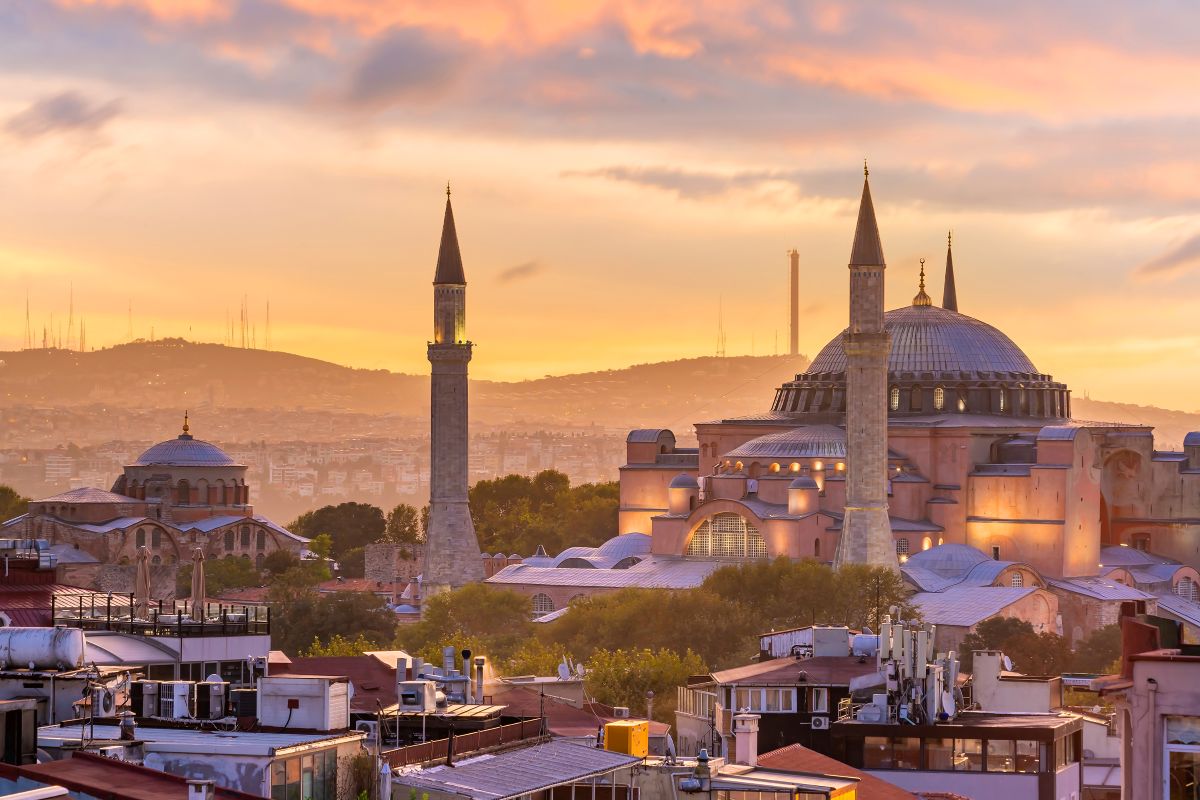
Hagia Sophia at sunset in Istanbul

What is the best month to travel the Silk Road?

Late spring (May) and mid-fall (September through October) offer the best combination of pleasant weather and scenery visibility. The shoulder season months surrounding these times of year might be even better if you’re on a budget, as long as you can stand a little heat or a little cold.

Make it happen

The Silk Road is limitless — it can be the focal point for so many wildly different travel experiences. With that in mind, you’ll need local expertise no matter where you end up going. With TravelLocal, you’ll have just that in any Silk Road nation we operate, thanks to our esteemed in-country travel experts. Get in touch with us to start planning your itinerary alongside a local who knows each region best.

Book with confidence