The 15 best national parks for a Sri Lanka safari tour
June 22, 2026
An African safari is the best type of adventure travel there is. Yet, it’s the sort of trip that you could dream about forever, endlessly read about and research, and still feel wildly underprepared to plan by yourself. It’s understandable that you would want to pack as much wildlife tracking, big game viewing, birdwatching and more into your trip – this is once-in-a-lifetime, bucket list-ticking contender, after all. But there are more than a few points to keep in mind when considering how to plan a safari in Africa.
Thankfully, our local experts have all the knowledge and insights to help you put together a wonderful itinerary – one that lives up to your childhood dreams and that will strike wonder in both your heart and those of your travel companions – whether you’re going with your partner, friends, or family. Read on for our essential tips, and reach out to our experts directly for more in-depth advice about your chosen destination.
What this article covers:

Like the big game hunters of the olden days, you must first scout out your trip. Do you know what kinds of animals you would like to see, and where those animals can be found? As far as providing you with tips for booking an African safari, this one is arguably the most important…
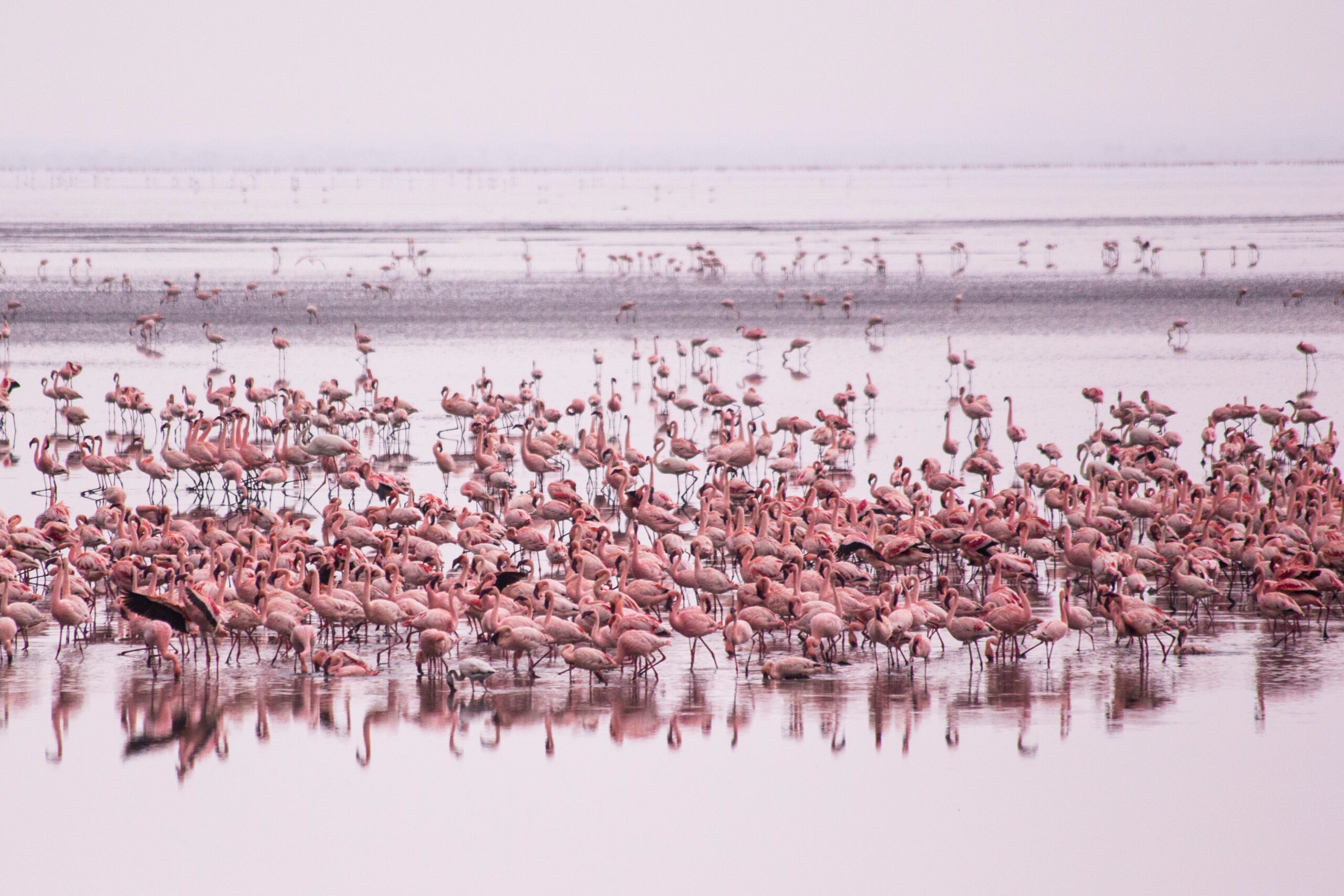
The time of year you choose to go on safari is also critical. While most of us are used to having a summer and winter season at home, central Africa is a whole different story. Don’t make the mistake of thinking that they enjoy a permanent summer, however. In reality, there’s a big difference in the seasons, and going at the wrong time of year could either leave you high and dry or down and damp.
Aside from determining your packing checklist, the wet and dry seasons each come with other important considerations. Driving times are affected, with some parks inaccessible at certain times of year, and the types of animals you’ll see will vary. The dry season lasts between April and October, and the driest months are when game concentrations are at their highest. The rainy season can start as early as September, when you’ll see great flocks of birds moving through the region. It’s important to note that many accommodation lodges close during this time, as large parts of the park become inaccessible.
Despite what the tourist brochures lead you to think, Africa is not a zoo. You can’t always count on the animals to stay where they are, but you can plan on where they might be. Take for instance, the annual migration of animals in the Serengeti. Between July and October, over two million animals, mainly wildebeests and zebras, go in search of greener pastures from the Serengeti National Park to the savannah grasslands of Kenya. To do so they must cross thousands of miles of predator-infested grasslands, and rivers teeming with Nile crocodiles and hippopotamuses. Quite an impressive display.
Read more: Where to go on safari for incredible wildlife

As excited as you may be to see all the animals, this might not be the most enjoyable or practical of strategies. Many of the national parks are spread out across countries and borders, and sometimes the parks on your travel bucket list are situated on opposite sides of the continent.
If spending eight hours bumping over rutted dirt roads in Tanzania sounds like the ideal vacation, this can easily be arranged. However, it’s far more practical to concentrate your vacation days in one area, to maximize the amount of time you have actually viewing animals, and minimize the time spent traveling between wildlife-viewing locations.
Focusing on just one or two parks within the same country is also the best way to truly get to know an area, the animals that live there, and the conservation challenges they face. Most importantly, you’ll lower your environmental impact by reducing your travel time.

As we’ve already mentioned, with any adventure vacation it is always advisable to speak with a local expert for further advice on how to plan a safari – after all, they’re equipped with years of experience and in-depth knowledge of the area. They can help you figure out the best time of year to spot a particular animal, and where, and take you off the beaten track for truly special experiences.
Many of them have been roaming the African savanna in search of big game for almost their entire lives, and have strong ties with local tour guides and lodges, so you can rest assured that every aspect of your trip will be well taken care of. You may even find your itinerary will exceed your expectations, as it can be filled with unexpected surprises along the way; quality, authentic experiences which only a local expert can recommend.
Read more: The seven best safari adventures in Africa
Now that you’re clued up on how to plan a safari in Africa, simply decide which country you’d like to explore next and chat to one of our local experts for their advice and recommendations. A wild and wonderful world awaits…
Join our mailing list for travel inspiration, trip recommendations, and insights from our local experts.