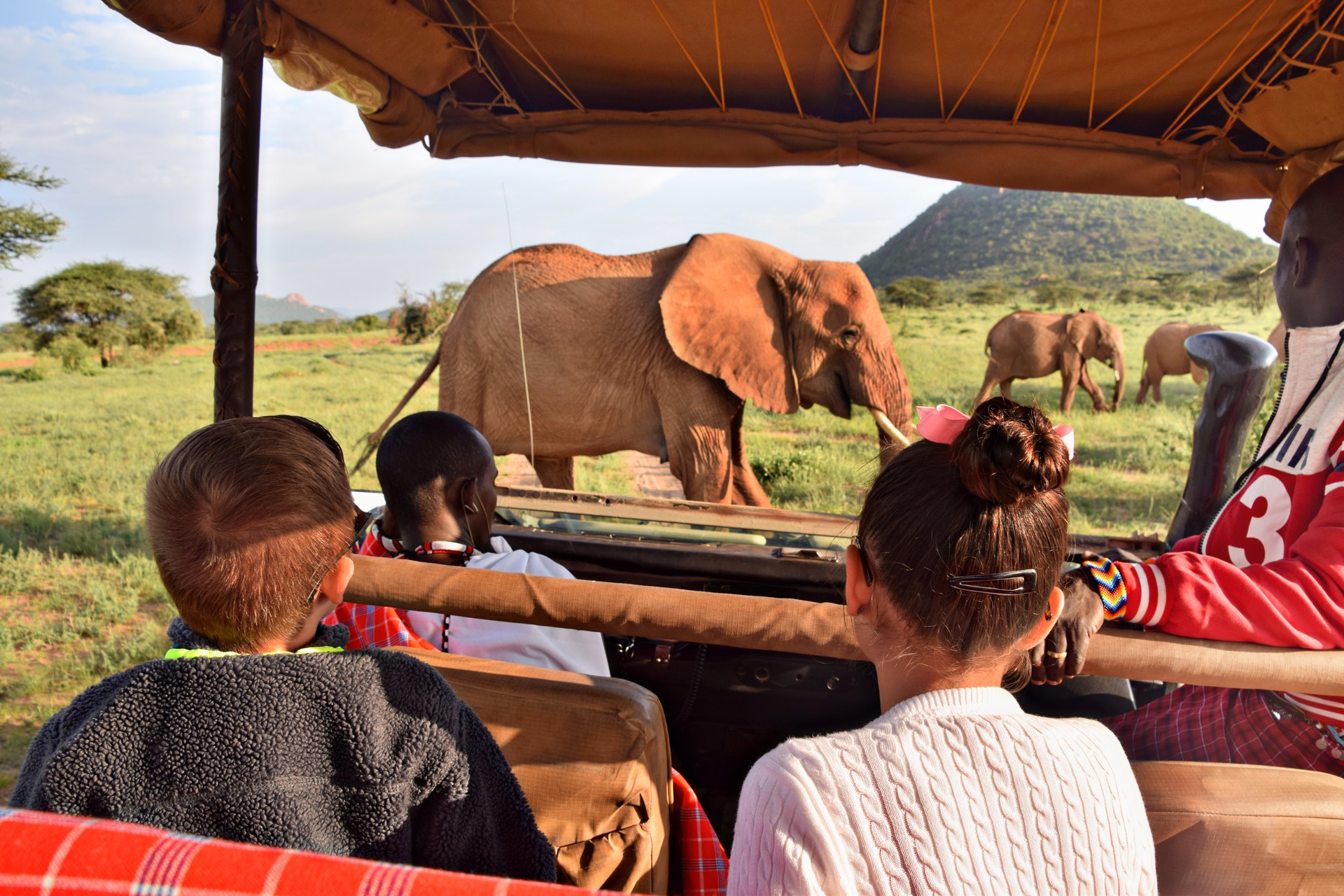
Top tips for booking an African safari
July 9, 2026
Sri Lanka is a wonderland of tea plantations, palm-fringed beaches, warming cuisine, and a captivating array of wildlife. With the chance to spot enchanting leopards, herds of Sri Lankan elephants, and bird species from peacocks to herons, going on a safari in Sri Lanka will make your time infinitely more memorable.
There are 26 national parks in Sri Lanka, but we’ve picked the 15 we’d recommend for an experiential safari—grouped into which are best for elephants, birdwatching, getting off the beaten path, and more…
Here are 15 of the best national parks in Sri Lanka for a safari adventure…
Let’s start with Sri Lanka’s star safari locations—the places most recommended to first-timers, the most family-friendly, the classic all-rounders that everyone mentions when you say you’re going to Sri Lanka.
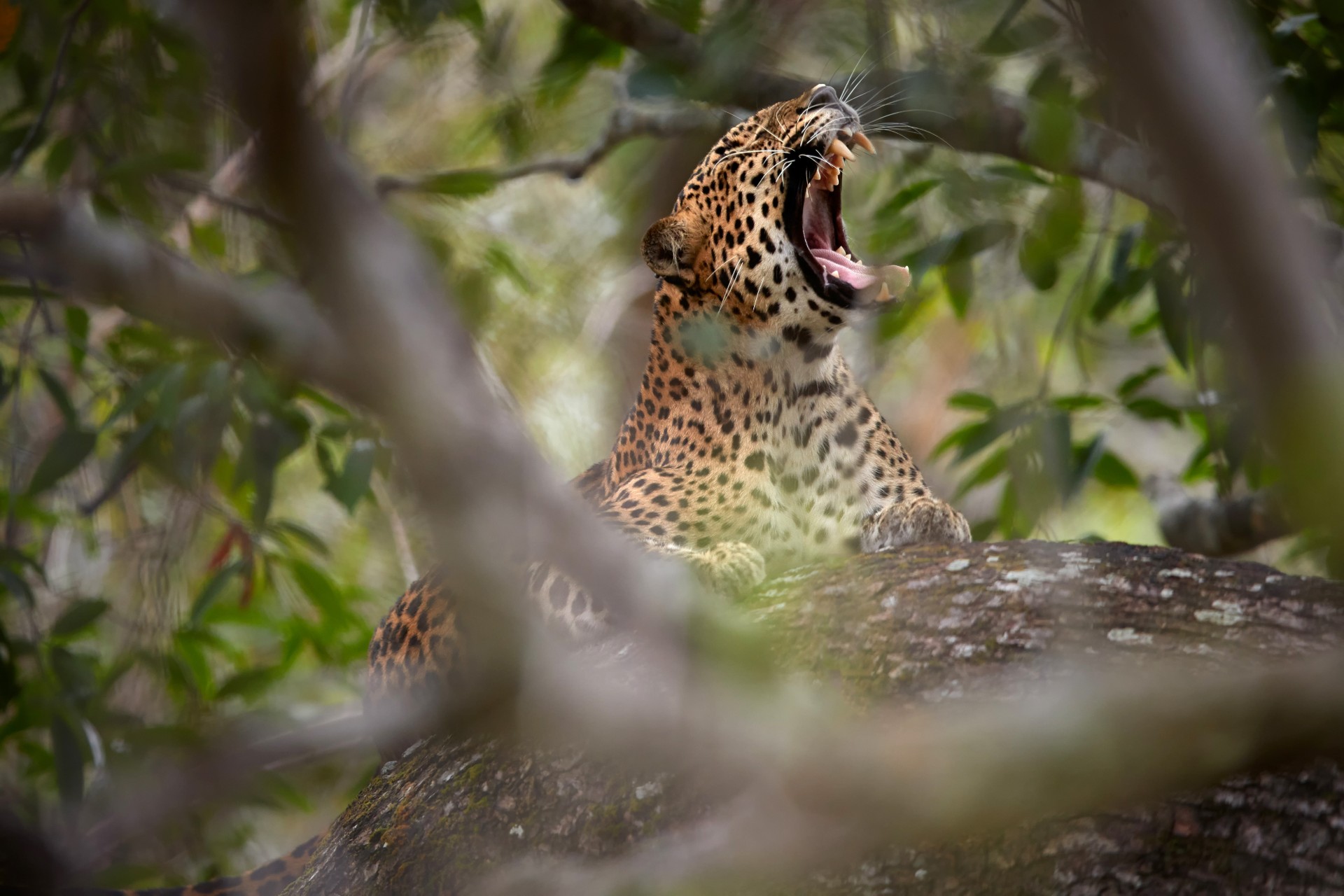
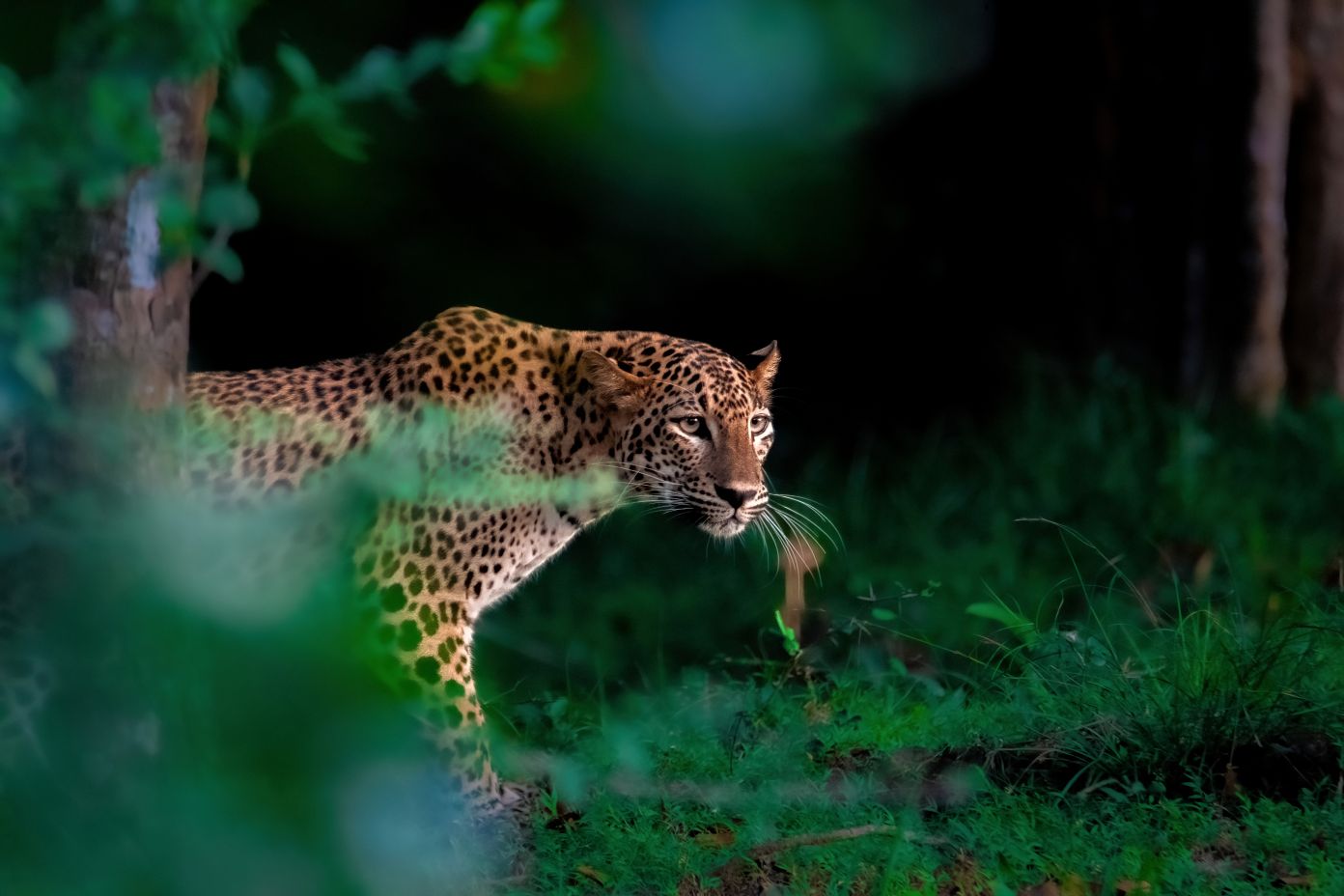
First up, Yala National Park. This scenic reserve of dry monsoon forest, grassland and lagoons has wondrous ecological variety, with elephants, sloth bears, water buffalo, crocodiles, monkeys, and hundreds of bird species roaming the landscapes. But foremost, Yala is known for its leopards—there is a higher density here than almost anywhere in the world. It’s never guaranteed, but if you’re hoping to spot majestic leopards in Sri Lanka, head here.
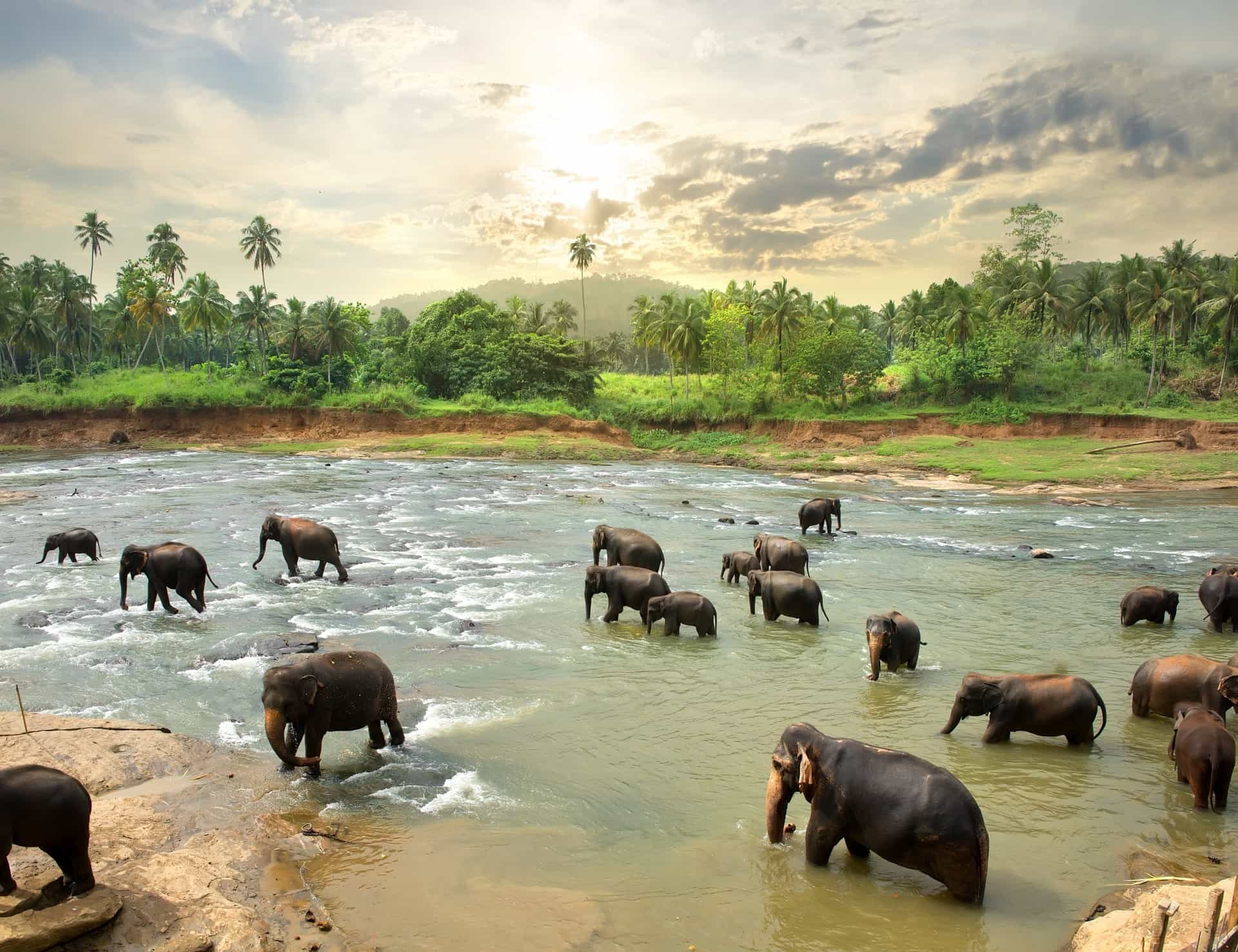
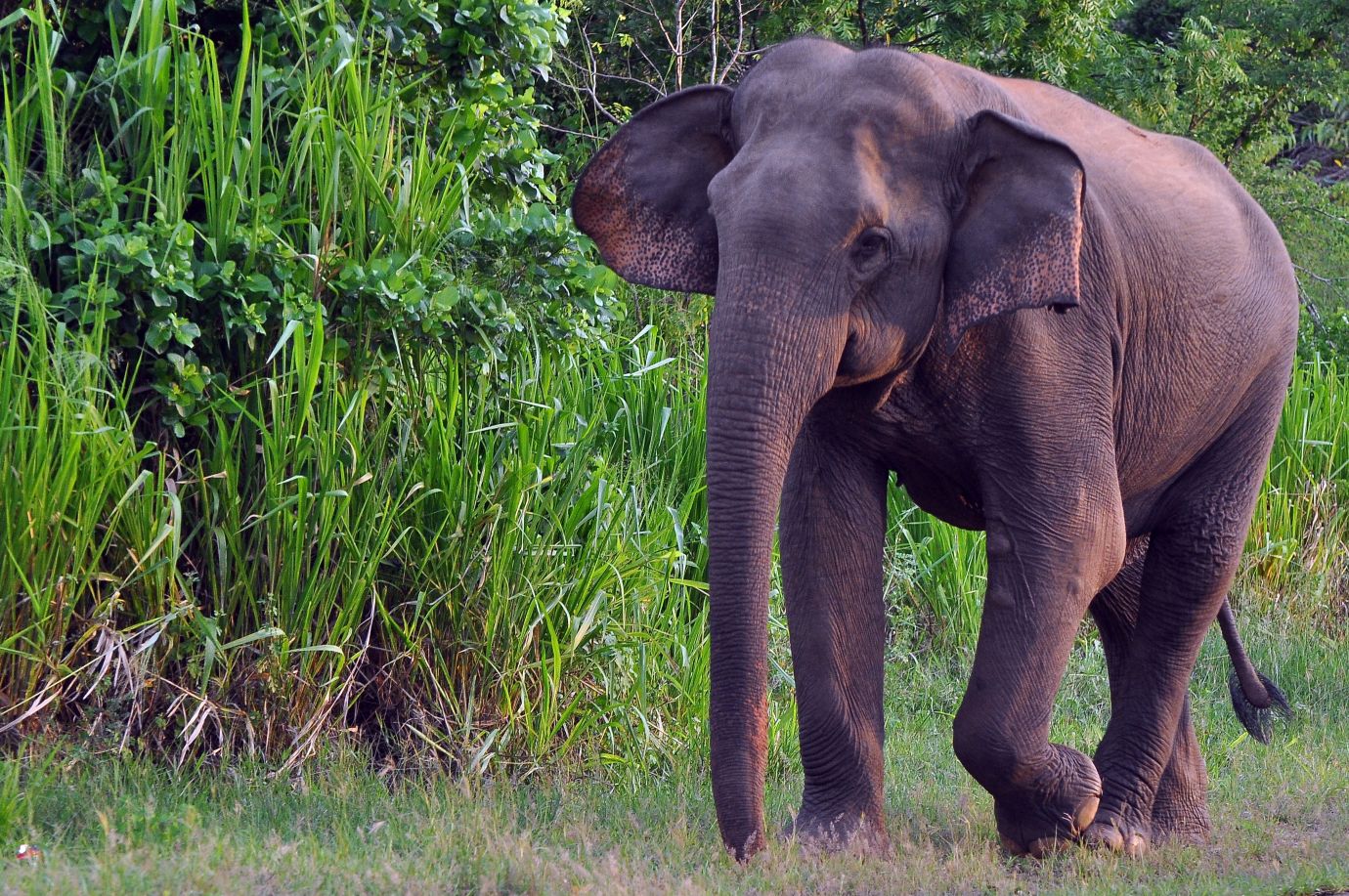
For stunning savannahs that are home to over 500 wild elephants, there’s the beloved Udawalawe National Park. Udawalawe is iconic in Sri Lanka; an airy, open park with animals visible near and far, so bring your binoculars and cameras with zoom lenses. Jeep safaris are best in morning and late afternoon, where you can spot herds of elephants at waterholes, deer, leopards, bears, and over 260 species of birds. Basically, it’s the perfect park for safari first-timers.
Another park where leopards stalk the fringes is Wilpattu National Park. It’s the largest national park in Sri Lanka, yet quieter than Yala, which is part of the appeal. You can really feel like an explorer out here. The park is named after its seasonal lakes, called villus, which attract elephants, deer, sloth bears, raptors, and the occasional leopard at their banks, congregating to bathe and drink in full view.
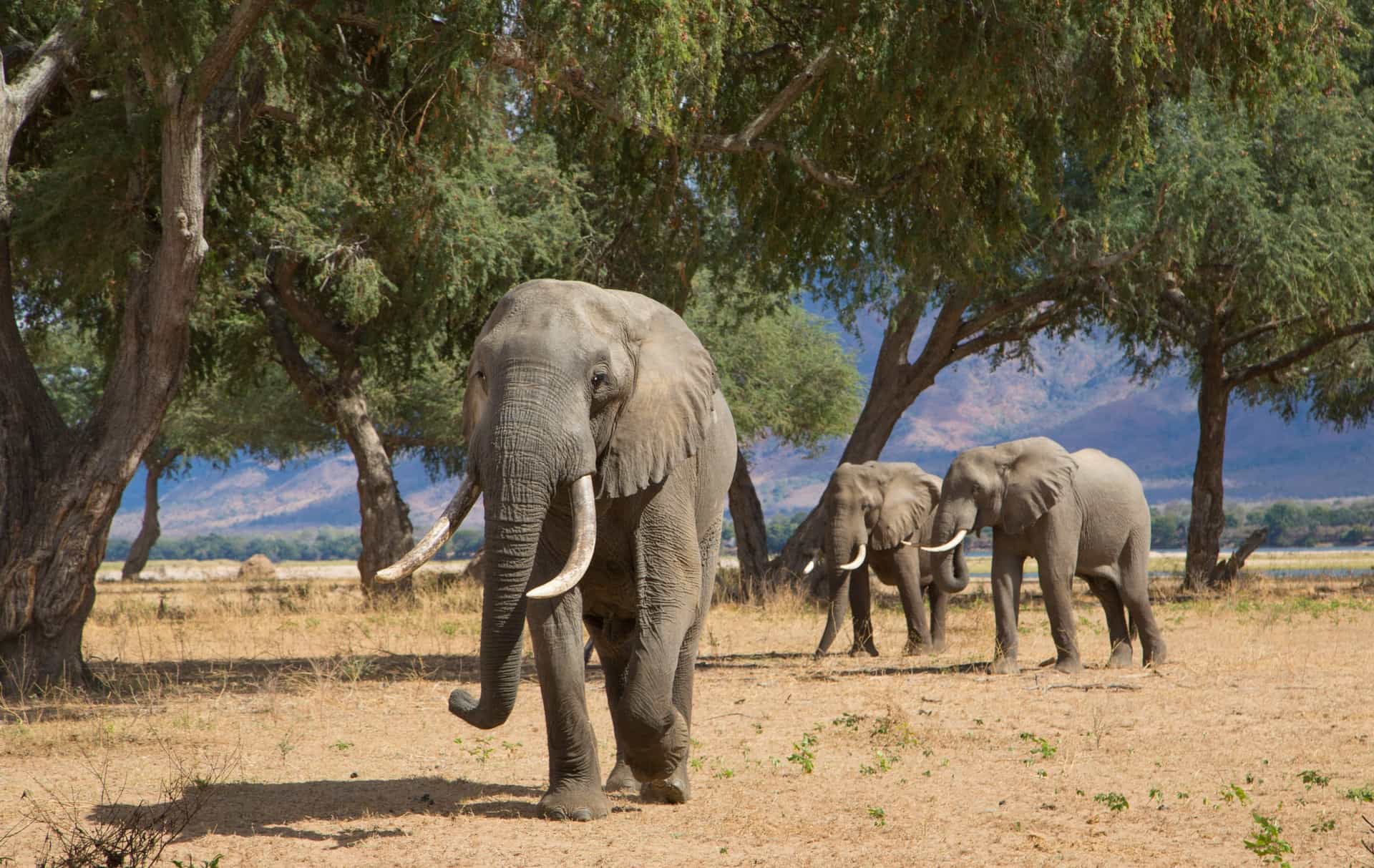
Many travel to Sri Lanka for elephant encounters alone; and with around 7,500 wild Sri Lankan elephants living here, you’re guaranteed to have your wishes granted. Elephants are present in many of the national parks, including those mentioned above—but the following are also notable places to witness these trumpeting, gentle giants…
Minneriya National Park is the place to see not just a few elephants, but hundreds of them at once. This park is renowned for its ‘Gathering of Elephants’ that congregate in their hundreds around the Minneriya Tank, a vast and ancient reservoir that’s over 1,000 years old. Even outside of peak season, elephants are everywhere here—you might see up to 300 here in one day!
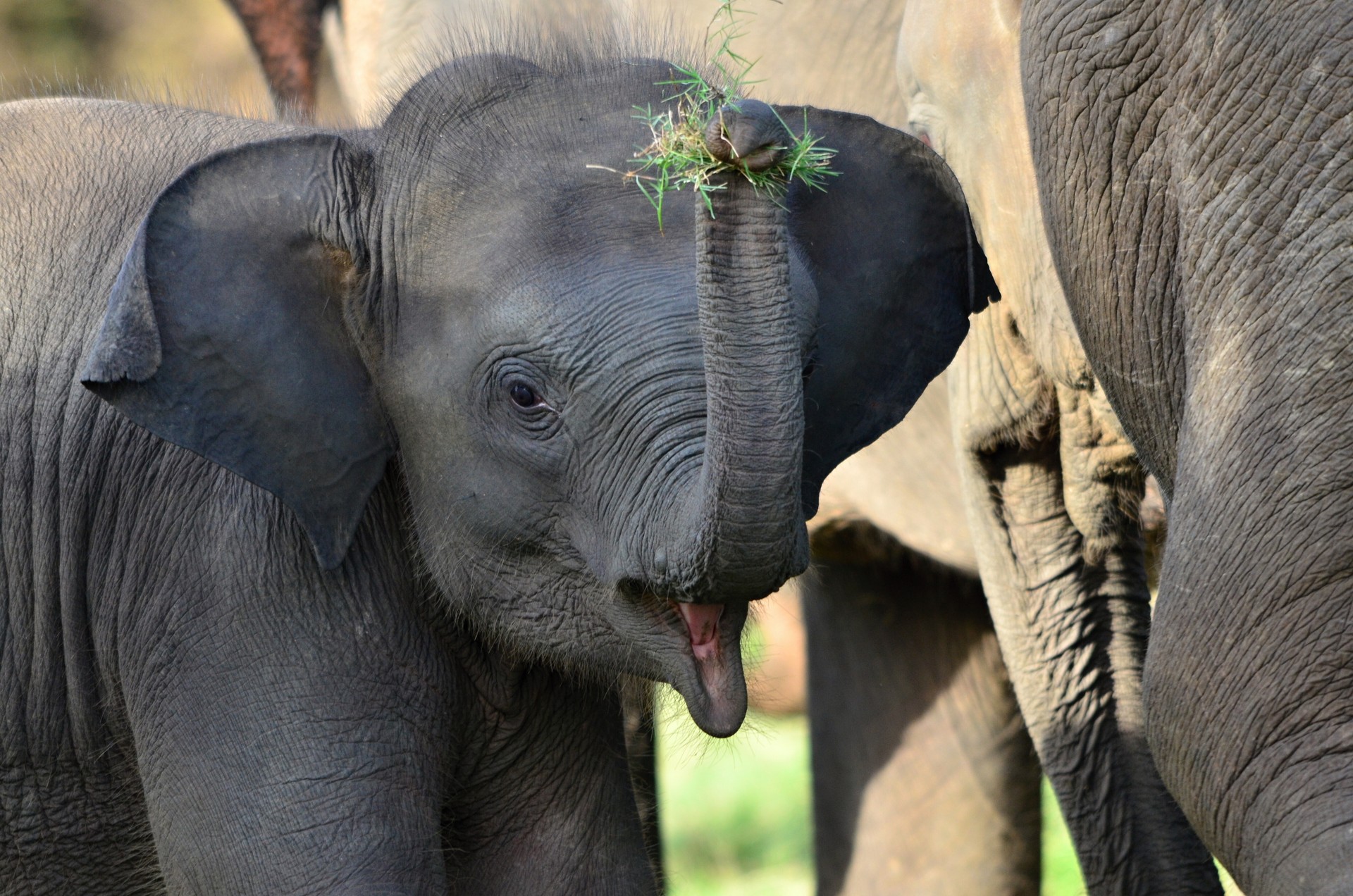
Another important elephant landmark is Kaudulla National Park. Just as in Minneriya, elephants gather around the local reservoir (this time, Kaudulla Tank); in fact, it’s likely the same elephants moving along their migratory route. As it’s lesser-known than Minneriya, it’s likely you’ll get a similarly wonderful elephant-viewing experience, just with fewer crowds and more peace and quiet.
Finally, Wasgamuwa National Park has clusters of elephants that wander its peaceful grasslands and congregate at water sources. Another park that isn’t widely known alongside the bigger names, Wasgamuwa provides a quieter, more exclusive safari experience as there aren’t hordes of Jeeps following the elephants around. There is also a significant population of bears here, as well as monkeys, deer, and a handful of leopards.
Read more: Across land and sea: Sri Lanka’s spectacular wildlife
If you crave a sense of reward each time you spot birds and animals, get off the beaten track in Sri Lanka with the following national parks. Here, the surroundings are rugged and wild, just the ticket for activating your inner safari explorer.
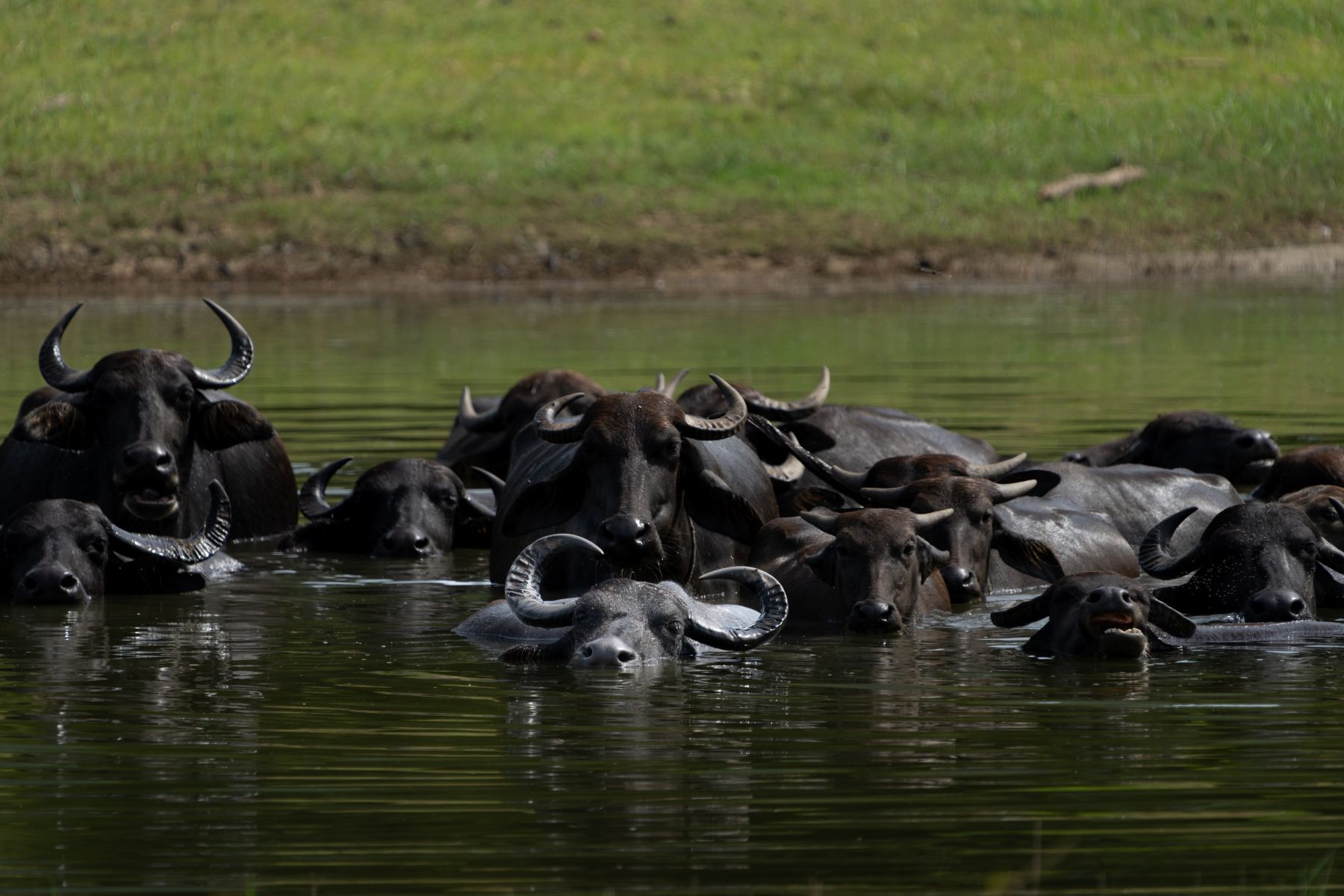
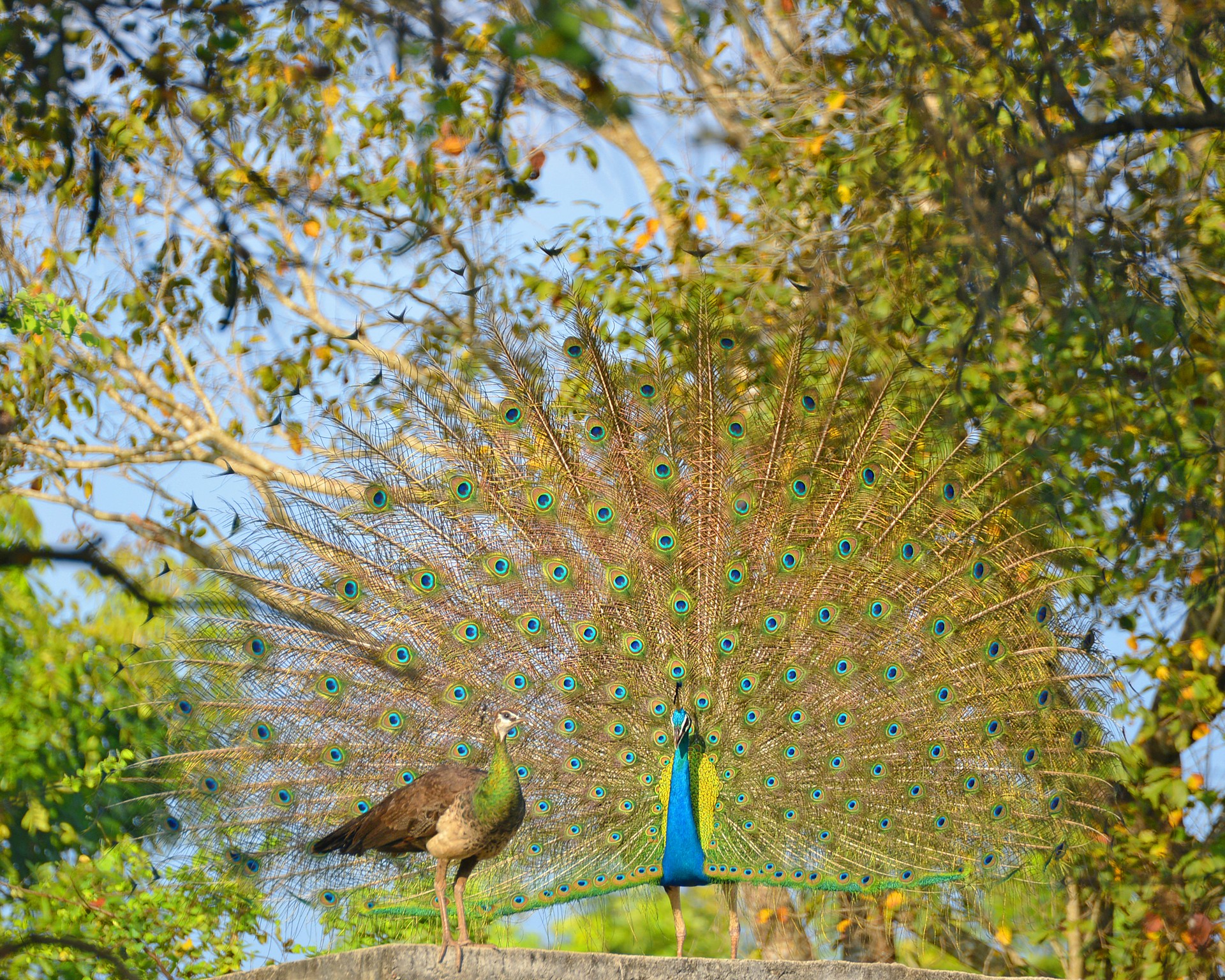
Gal Oya is a gorgeous park with a special feature: boat safaris along the Senanayake Samudraya. This is Sri Lanka’s largest reservoir, and is scattered with jungle-covered islands which animals swim between. You’ve a good chance of seeing elephants and crocodiles immersed in the waters, buffalo on the banks, and abundant birdlife such as peacocks, bee eaters, storks, spot-billed pelicans, white-bellied fish eagles, and cormorants. You can safari via Jeep, too, if boating isn’t for you.
Another park with a difference is Maduru Oya National Park—it’s remote, quiet, and sees low visitor numbers, so you’ll feel off-grid here in a way that lends itself to slow exploration. Set in Sri Lanka’s eastern interior, it’s a landscape of dry forest, open plains and large reservoirs, forming a wilderness that feels expansive and untouched. Enjoy the peace on safari out here, with the chance to spot elephants, deer and (more rarely) sloth bears and leopards.
Lahugala Kitulana is a natural feeding ground for elephants, whereas Lunugamvehera is known as the ‘elephant corridor’, where herds migrate between the bigger surrounding parks. These parks sit in the quieter south and southeast, away from the main tourist loop that runs through popular Yala and Ella. It’s peaceful in this region and animal sightings are rarer, however it’s the ecosystems and the natural elephant network that are intriguing.
One for the walkers, this is your chance to hop off the safari vehicles and delve into nature on foot. Horton Plains sits at high altitude, with expansive scenery of rolling grasslands, mist-covered valleys, and cool cloud forests—a refreshing treat compared to the heat and humidity on lower ground. The hiking trails lead to breathtaking cliffs and views, and you can spot sambar deer, endemic birds, and rare flowers.
We haven’t forgotten you, bird fans! Sri Lanka draws legions of peacocks, eagles, storks and kingfishers which settle across the whole country—and its wetlands, lagoons and waterways attract a plethora of other wildlife, including elephants. Here are Sri Lanka’s best national parks for birdwatching…
Bundala is one of the country’s prime birdwatching sites—a stunning mosaic of lagoons, marshes and sand dunes, framed by scrub forests and wetlands. The shimmering tidal waters here attract over 200 bird species for migrating and nesting, including flamingos, pelicans, painted storks and herons. Stay until the evening for a dramatic sunset over the lagoons, as the sound of hundreds of bird calls rounds off your day.
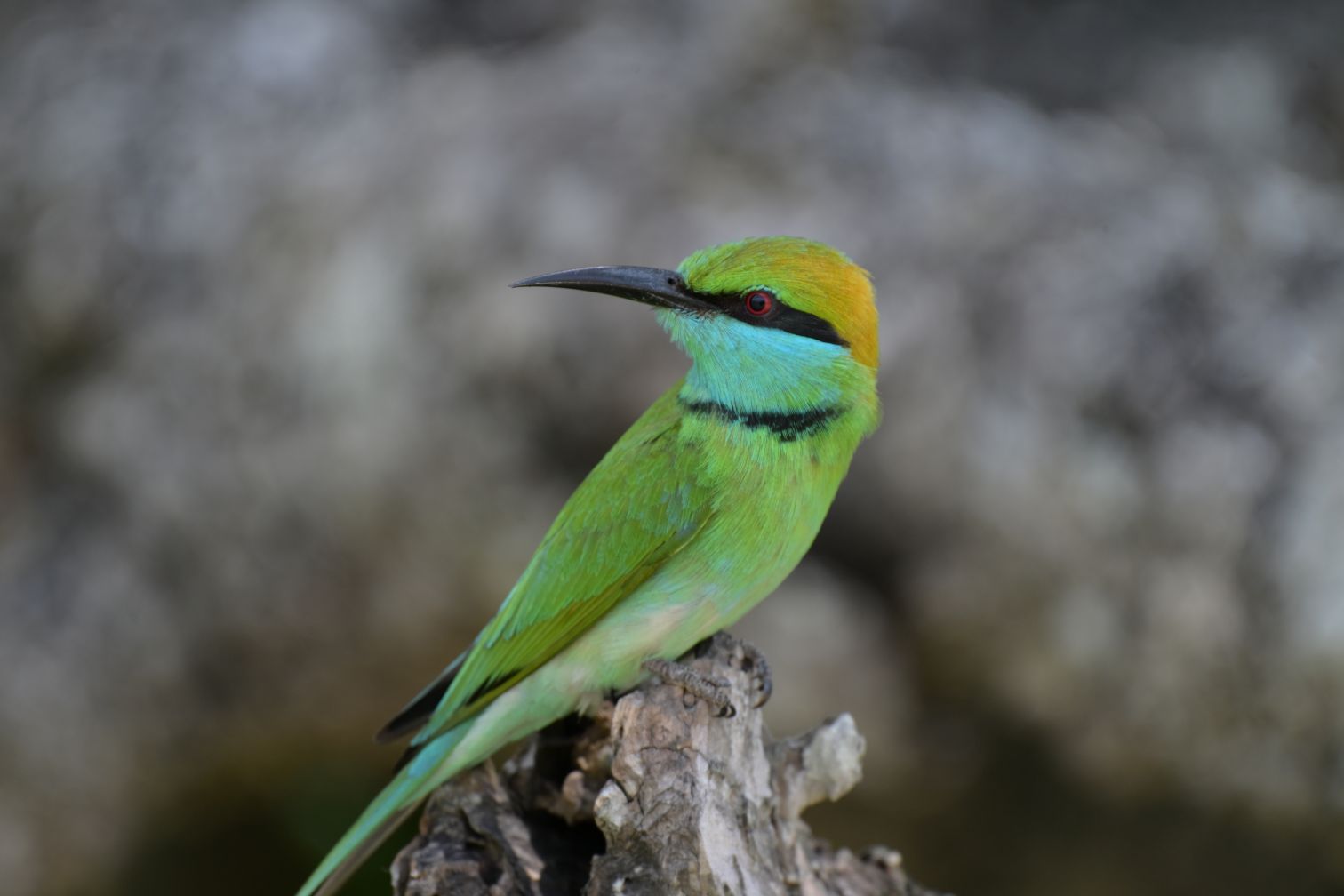
Stretching across southeast Sri Lanka, Kumana is a haven of lagoons, seasonal tanks, river channels, and dry monsoon forests. Over 200 bird species are here, from pelicans and painted storks to migratory sandpipers and terns. To tick off one of Sri Lanka’s endemic bird species, Kumana is the home of the Sri Lanka whistling thrush which shelters in its patches of forest.
Somawathiya lies along the Mahaweli River, a combination of riverside forests with grasslands and wetlands that fill up in the seasonal monsoons. The river and forests are truly atmospheric, home to spot-billed pelicans, kingfishers, hornbills, and the endemic Sri Lanka guineafowl. There are also crocs, macaques, pythons and water snakes—a truly wild river land. Despite this, the interplay of rivers, floodplains, and pockets of woodland gives the park a serene and remote mood, perfect for quiet contemplation or photography.
Also focused along the Mahaweli River, Flood Plains is open and less forested than Somawathiya. Waterbirds are the main event here, which gather in huge congregations, while larger wildlife is present but spread out. You can spot sandpipers, stints, plovers, herons, cormorants, storks and egrets, as well as animals such as elephants, wild board, deer, crocodiles, monitor lizards, and frogs.
Read more: Why you should go to Sri Lanka

Before you get packing, here are some final tips for your safari vacation in Sri Lanka…
The best time to go on safari in Sri Lanka depends on where you want to go, as the dry season months differ across the country as the monsoons travel. Generally, May to September is the best time for southern and eastern national parks, December to April for the north and north-central parks, and January to April for the highlands. This is usually when wildlife is most active, conditions are comfortable, and roads are most accessible.
Pack light, breathable clothing for a safari, in neutral tones so as not to attract attention. You’ll need reliable shoes, sun protection, insect repellent, and a light jacket for the cooler highlands. It’s a good idea to bring binoculars, along with a decent camera if you want photos that will last a lifetime. If you have a telephoto lens, all the better—but remember it’s not all about the photos, but just being in the moment.
Safaris in national parks are usually done in open-top Jeeps or 4x4s, with local expert guides who know the best routes to find the animals. Morning and evening drives set off when wildlife is most active, and it’s the most atmospheric time to boot.
While on safari, always stay in your vehicle, and keep your voices down, especially when watching the animals. Follow the park trails, respect distance, and never feed them. Safari is a way to protect these animals and preserve Sri Lanka’s delicate ecosystems, and being a respectful visitor is all part of the experience.
If you’re ready for that big Sri Lanka safari trip, get in touch with our local travel experts. They’re based on the ground in Sri Lanka with all the in-depth local knowledge required to build the perfect safari experience for you.
Explore all featured destinations
Join our mailing list for travel inspiration, trip recommendations, and insights from our local experts.