

 Kalahari Desert



Highlights of Namibia self-drive
12 days
from £2,550 per person
See a different side to Namibia on a trip built just for you, by someone who lives there.
 Custom itinerary planningHandpicked local experts
 Complete peace of mindABTA membership, financial protection & 24/7 local support
 A fairer way to travelBenefiting local communities

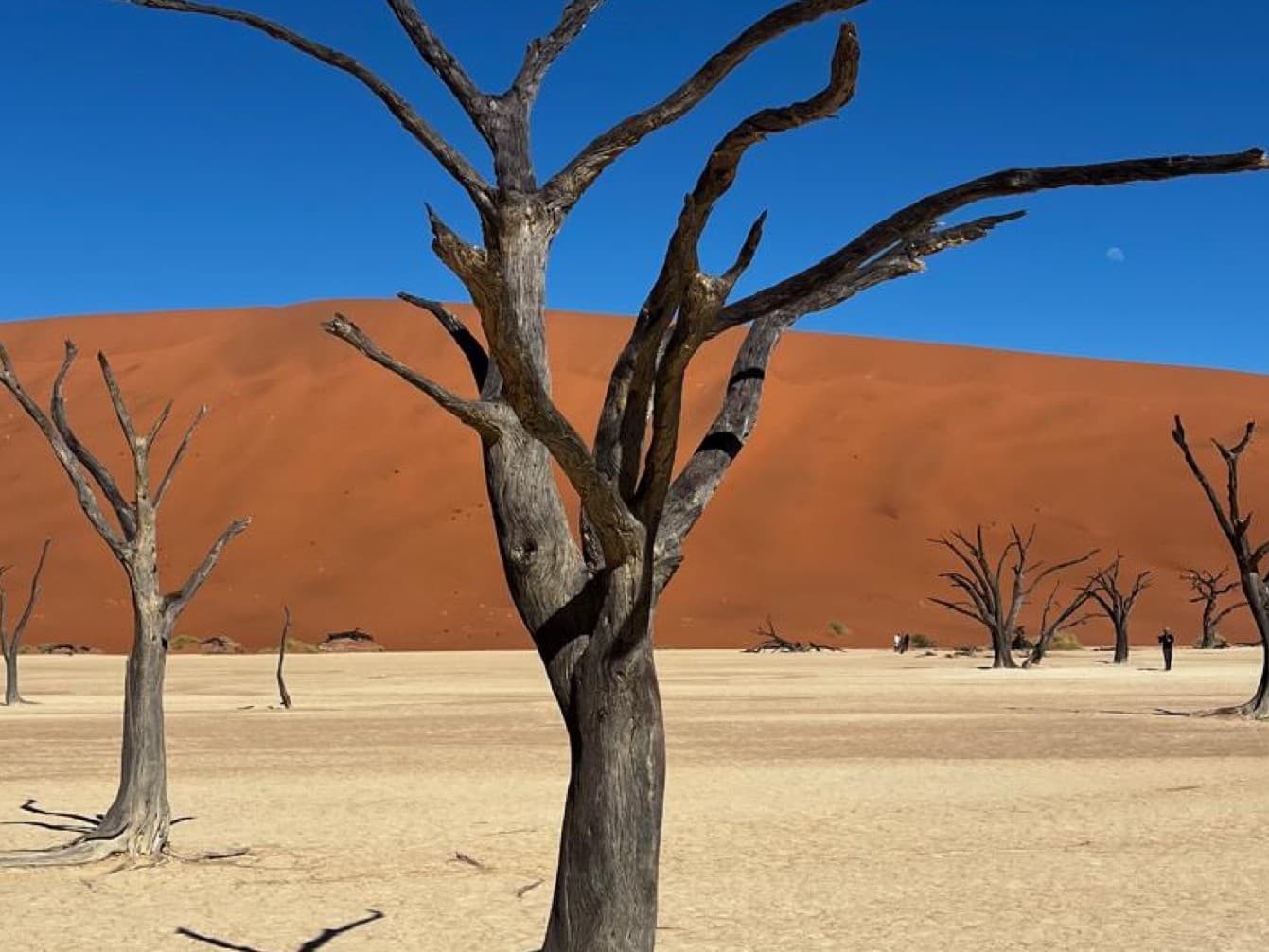
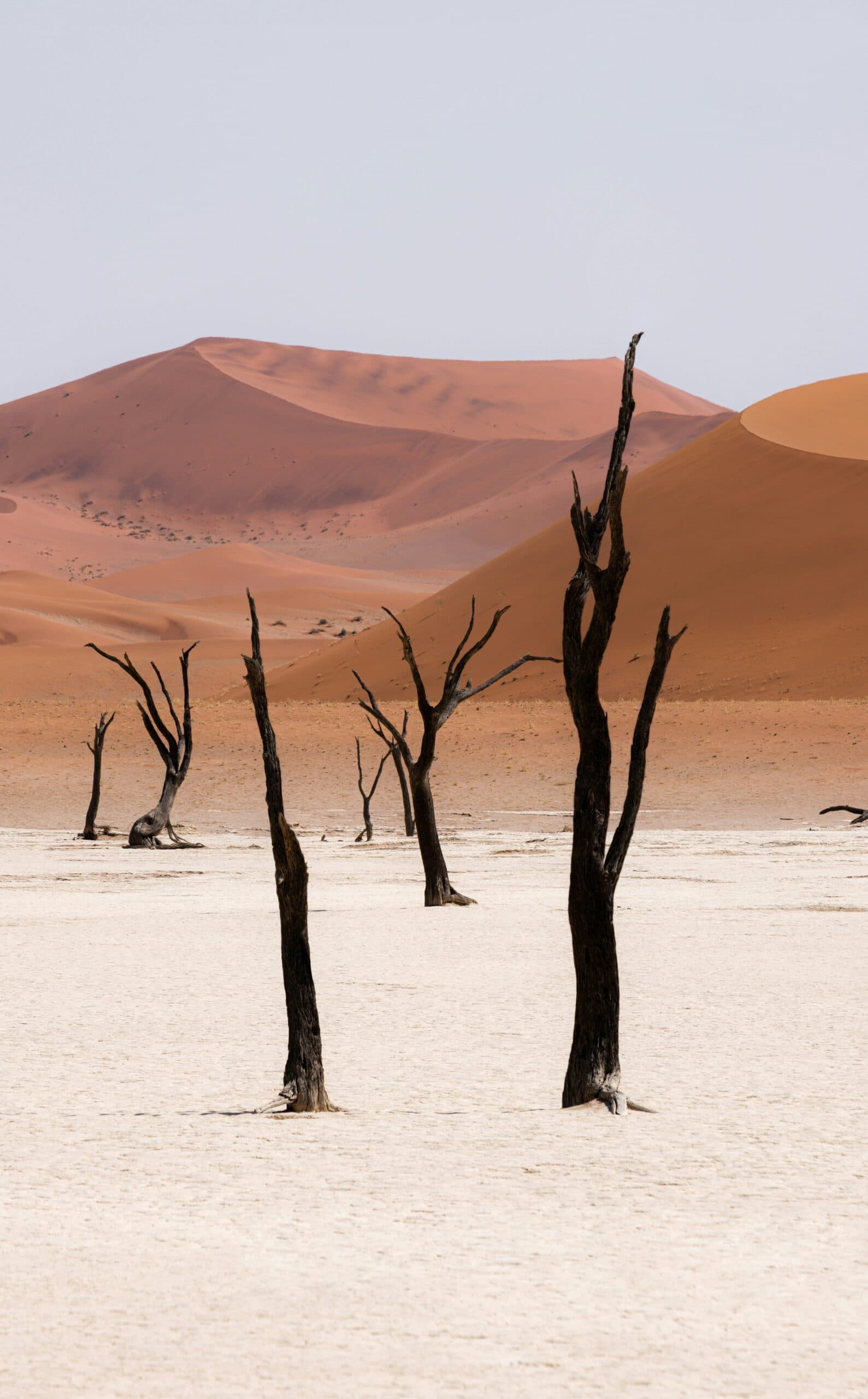
Namibia is a country of huge, quiet spaces. The Namib is often called the oldest desert on earth, and at Sossusvlei its red dunes rise above the white clay pan of Dead Vlei. On the coast, Swakopmund keeps its German bakeries, while Damaraland hides ancient rock engravings at Twyfelfontein. In Etosha, wildlife gathers at the waterholes in the dry months. Namibia was also the first country in Africa to write environmental protection into its constitution.
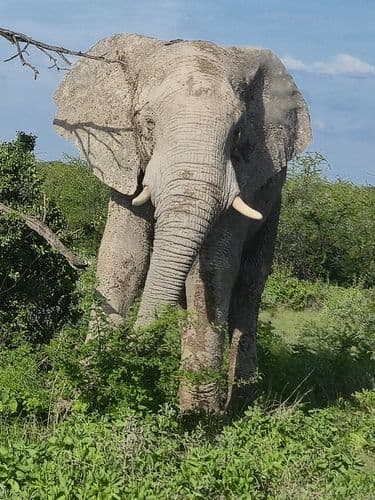
Our local experts will tell you not to overpack your itinerary, and they plan self-drive routes with time to stop. They can add a guided journey into Kaokoland with conservancy guides, tracking desert-adapted elephants and meeting Himba families. Arranged directly with our experts, your trip pays the community conservancies, Himba guides and family-run lodges that protect these landscapes.

Dry season for wildlife: May to October
Green season for birdwatching: December to February

Climb Big Daddy above Sossusvlei at dawn, then spend a night on a sky bed in the Namib Desert, one of the darkest skies anywhere. Explore the shipwrecks and seal colonies of the Skeleton Coast, track desert-adapted elephants in the Hoanib River valley and finish with game drives in Etosha. Add a few nights in the red dunes of the Kalahari Desert on the way back to Windhoek.

£1,500 - £2,000+
All of our tailor-made trips can be 100% customised to your style—from budget stays to higher-end escapes. Prices are per person, based on a 7-day trip.
How it works
Build a trip from scratch with a local Namibia expert, or pick a curated itinerary as your starting point and customise it until it's yours.
 Share your preferencesTravel dates, budget, experiences and more
 Connect with your local expertReceive your first itinerary within 48 hours
 Refine your trip togetherFull flexibility and a hassle-free, personal service
 Book with confidence24/7 support, secure payment, ABTA protected
 Free to plan. No commitment until you book
Trip ideas
from £2,550 per person
from £5,620 per person
from £3,350 per person
from £2,670 per person
from £3,120 per person
from £4,420 per person
Meet your local experts
Our local experts aren’t travel agents working from a brochure. They’re people who live locally and know the destination like the back of their hand. Alongside them, you’ll craft an authentic and immersive trip, filled with intimate knowledge and passion for the place they call home.
Start planning your trip Bianca
There’s nothing like a sunset on the edge of Etosha, where golden light spills across the salt pan. People gather at waterholes — tourists, guides, trackers, residents — all drawn in hushed communion by the shared awe of watching wildlife come to drink.
BiancaSpend a night under the stars in the Namib Desert: lie back under a blanket, with only the sounds of the desert wind and distant barking geckos, and watch the Milky Way in breathtaking clarity - it’s humbling and deeply grounding.
BiancaWith TravelLocal we direct more business to family-run lodges, community conservancies, and local guides, ensuring tourism revenue reaches the people who protect our landscapes and cultures every day. It’s helped us keep Namibia’s soul at the heart of every journey.
Traveller stories
Bianca put together an amazing trip for us to Namibia. The TravelLocal platform was safe and easy to use.
We had a fantastic 12 day break. Even before the trip Bianca had been so helpful in discussing options and planning something magical.
Fabulous accommodation, great plan, great experiences. all easily organised through travel local.
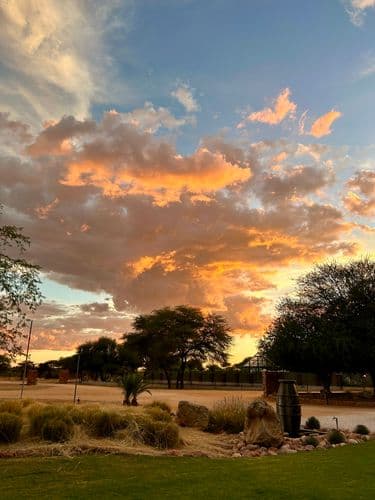
This was our second trip to Namibia, and unlike the first time, when we booked through another German Africa specialist, we felt completely taken care of!
+78k78,000+ travellers have had a more authentic, tailor-made holiday
Places & highlights
 Featured story
Explore the best trails for hiking in Namibia, from desert treks to canyon climbs, with expert tips and itinerary ideas.
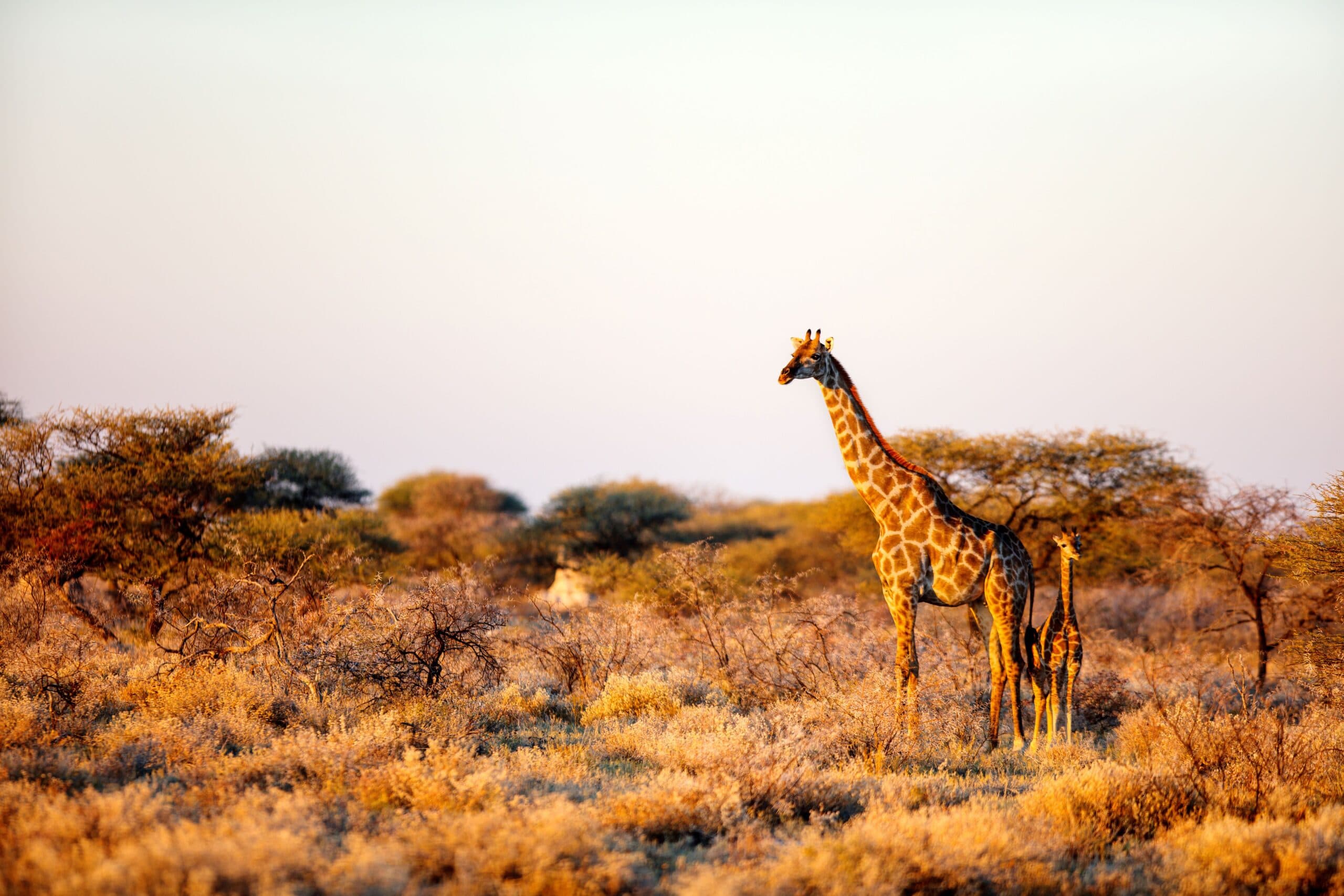
Read our Namibia travel tips from a seasoned expert, whose love for the local landscapes and wildlife inspires soul-stirring adventures.
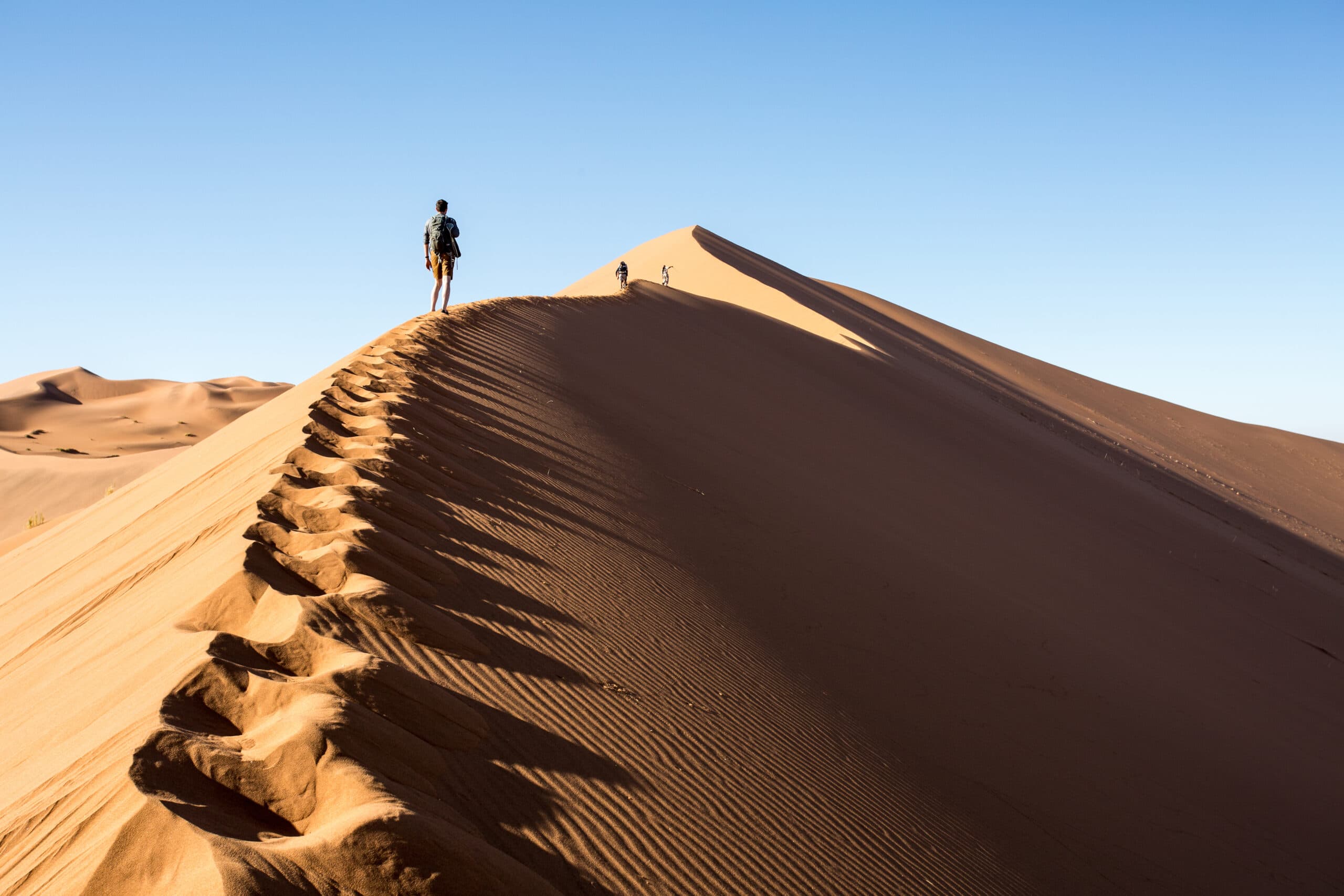
We've picked out the most photogenic Namibia landscapes to fuel your wanderlust. Plan an otherworldly trip today!
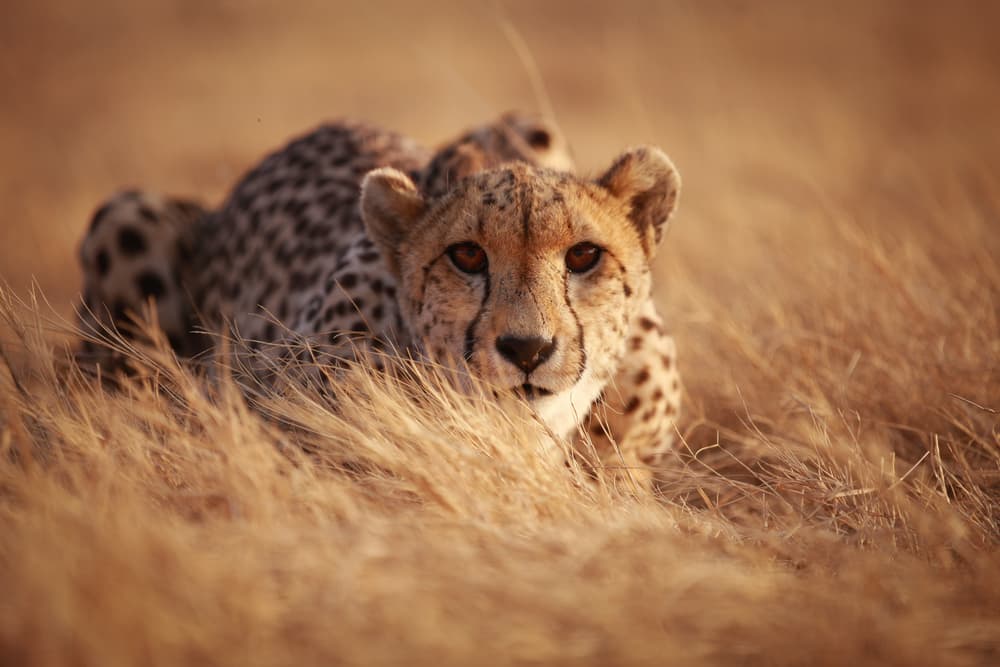
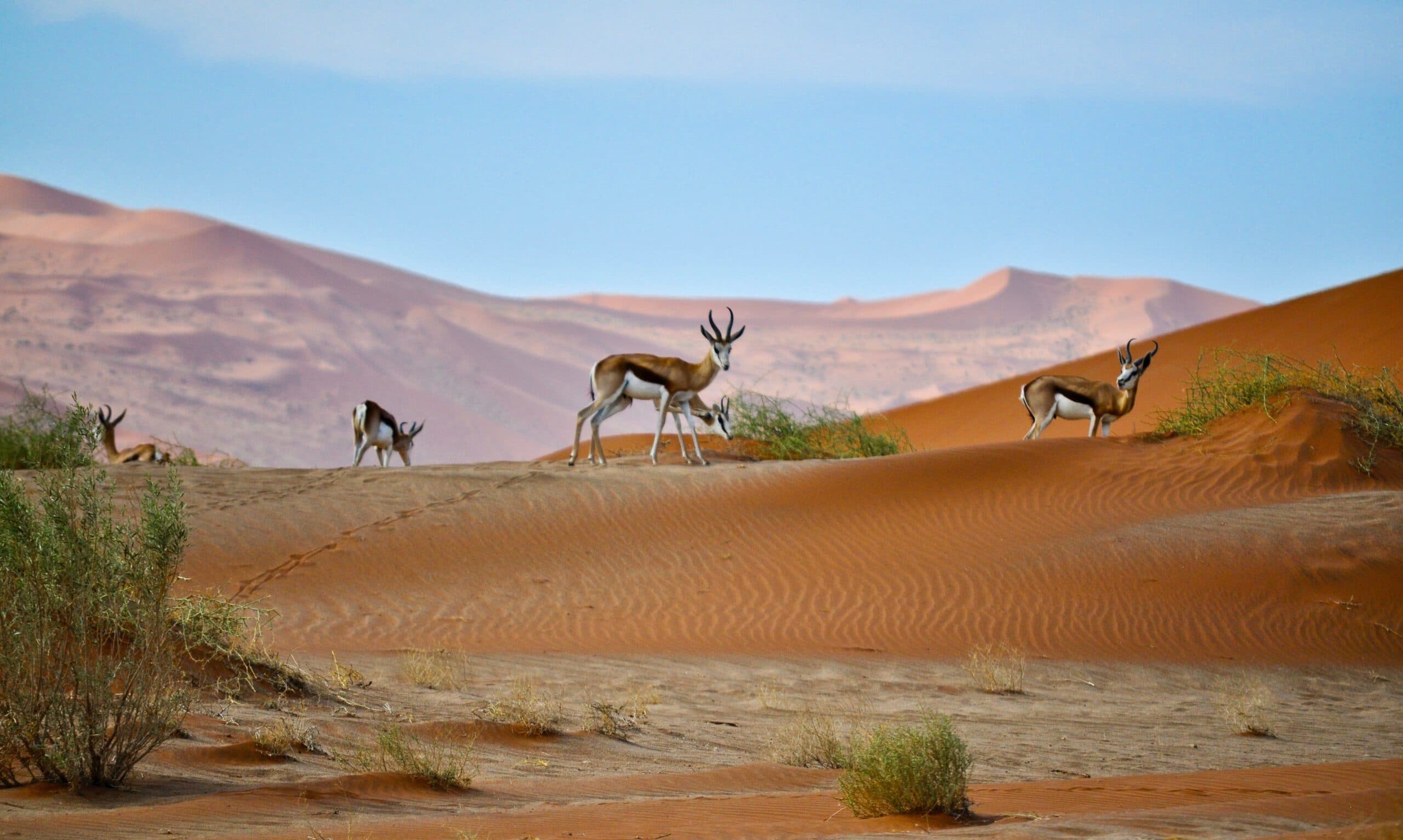
The wildlife of Namibia is as varied as its landscapes. Spot gemsbok on sand dunes, elephants at waterholes and giraffes as they roam...
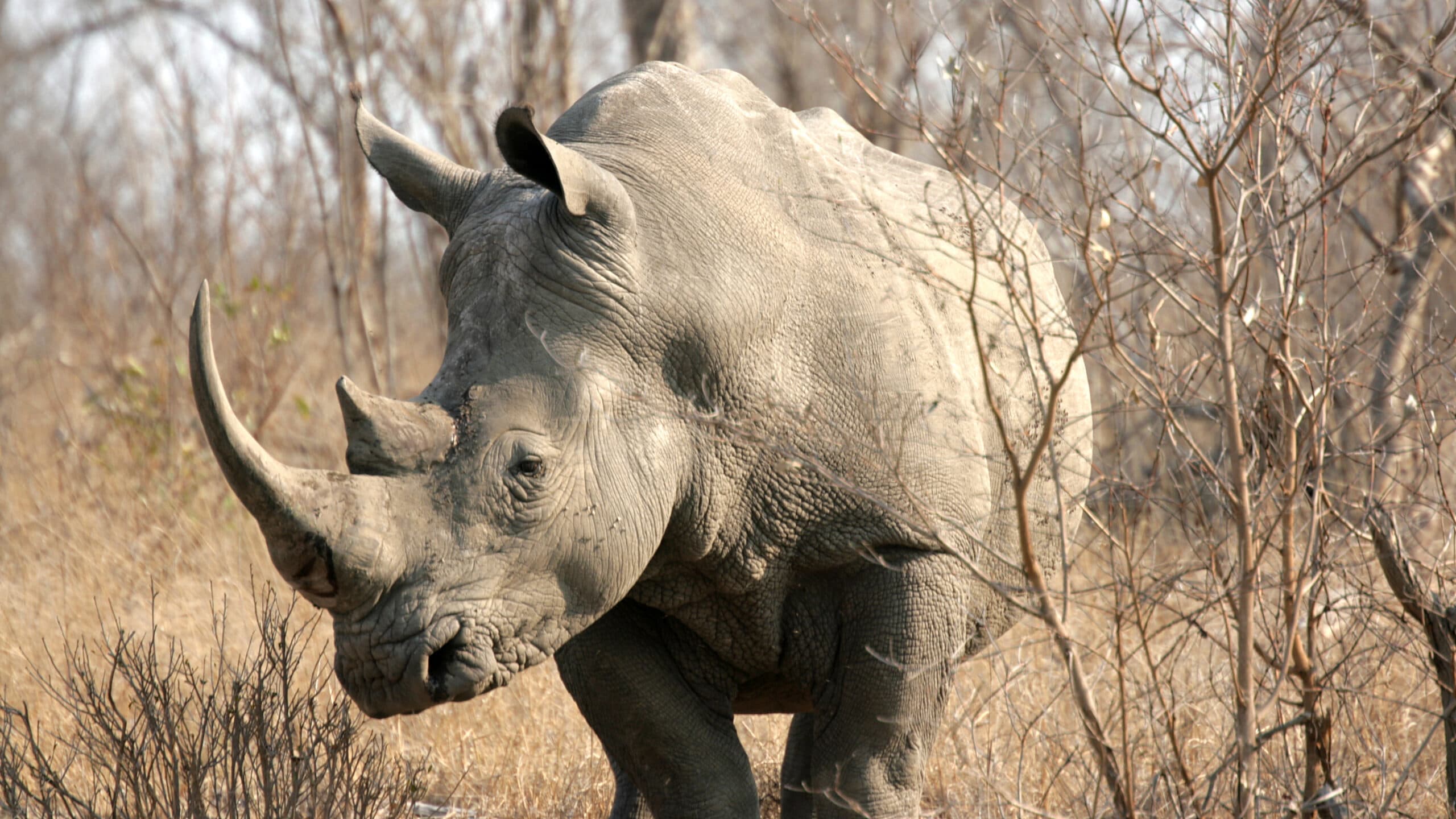
The iconic black and white rhinos of Africa are a must-see. Here are the top destinations where to see endangered rhino in Africa.
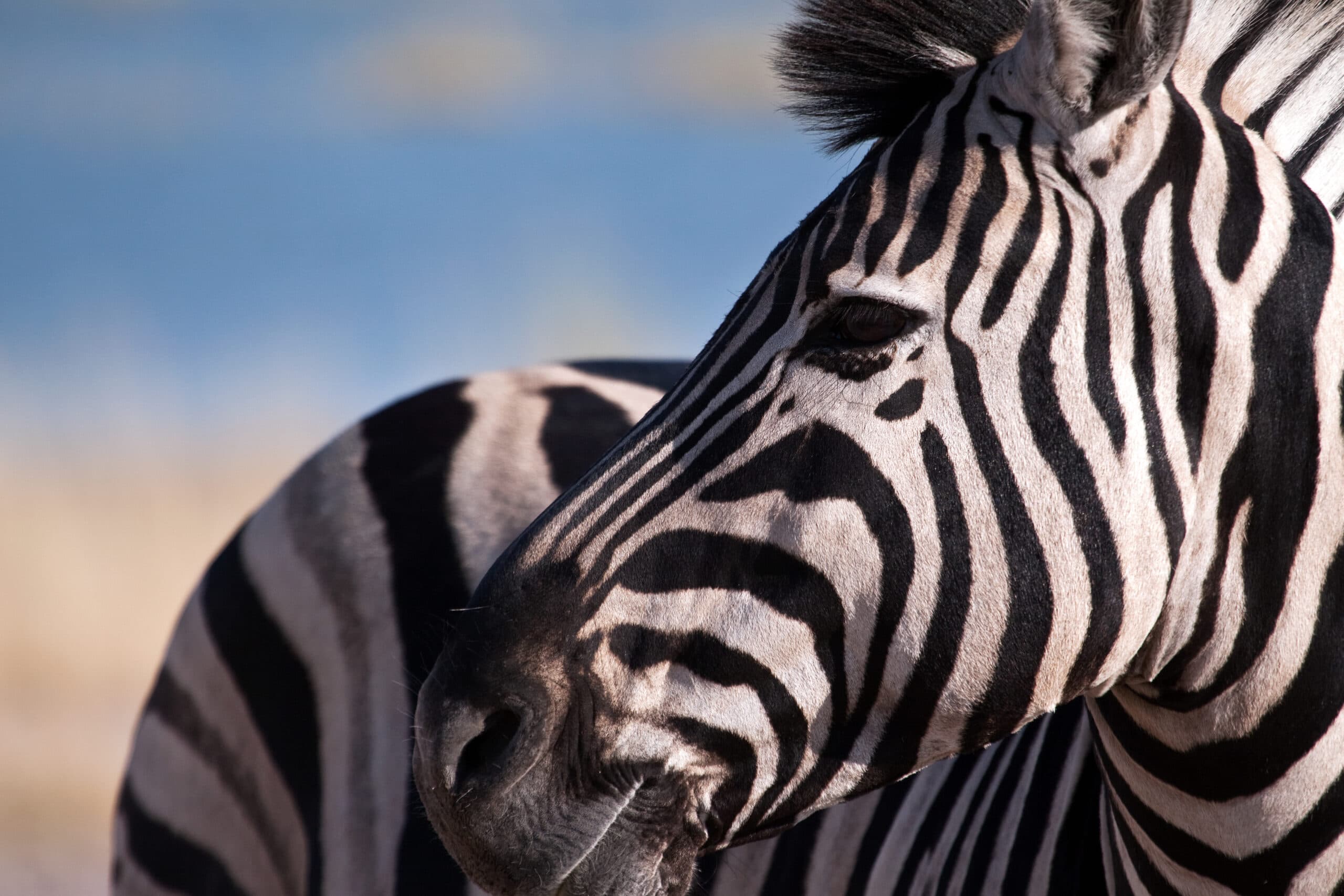
The zebra migration of Botswana and Namibia is the longest land migration of zebras through Africa - even longer than the Great Migration.
Good to know
The dry season, May to October, is best for wildlife, especially in Etosha, where animals gather at the waterholes. Days are warm and nights can be very cold in the desert. June to September is ideal for a first visit. The summer rains from November to April bring green landscapes and excellent birdwatching, though some remote roads become harder going.
English is the official language and is widely used in tourism, though few people speak it as a first language. Oshiwambo, Afrikaans and German are common, along with many other local languages. Greetings matter a great deal here, so always say hello before asking a question.
Yes. Since 1 April 2025, British citizens need a visa to visit Namibia. You can get a visa on arrival or apply online for an e-visa before you travel. Your passport must be valid for at least six months after you arrive, with three blank pages. Children need full birth certificates. Check the latest entry requirements before you travel.
Namibia uses the Namibian dollar (NAD), and the South African rand is also accepted. Cards work in most lodges, hotels and larger shops, but carry cash for fuel stations, craft markets and tips in rural areas. Cash machines are found in towns but can run out of cash.
Namibia is in south-west Africa, with a long Atlantic coastline. It borders Angola, Zambia, Botswana and South Africa. Windhoek, the capital, sits on the central plateau, and most international flights arrive at Hosea Kutako International Airport.
Namibia is a welcoming, well-organised country for travellers, including on self-drive trips. Petty crime happens in towns, so keep car doors locked and valuables out of sight. The biggest risk is the gravel roads: drive slowly and avoid driving after dark. Check the latest FCDO travel advice before you go.
Next steps
Tell us what you’re looking for and we’ll match you with a local expert who knows the destination inside and out. It’s free to get a quote.


