Eight things that define Ecuador, a South American gem
16 October 2026
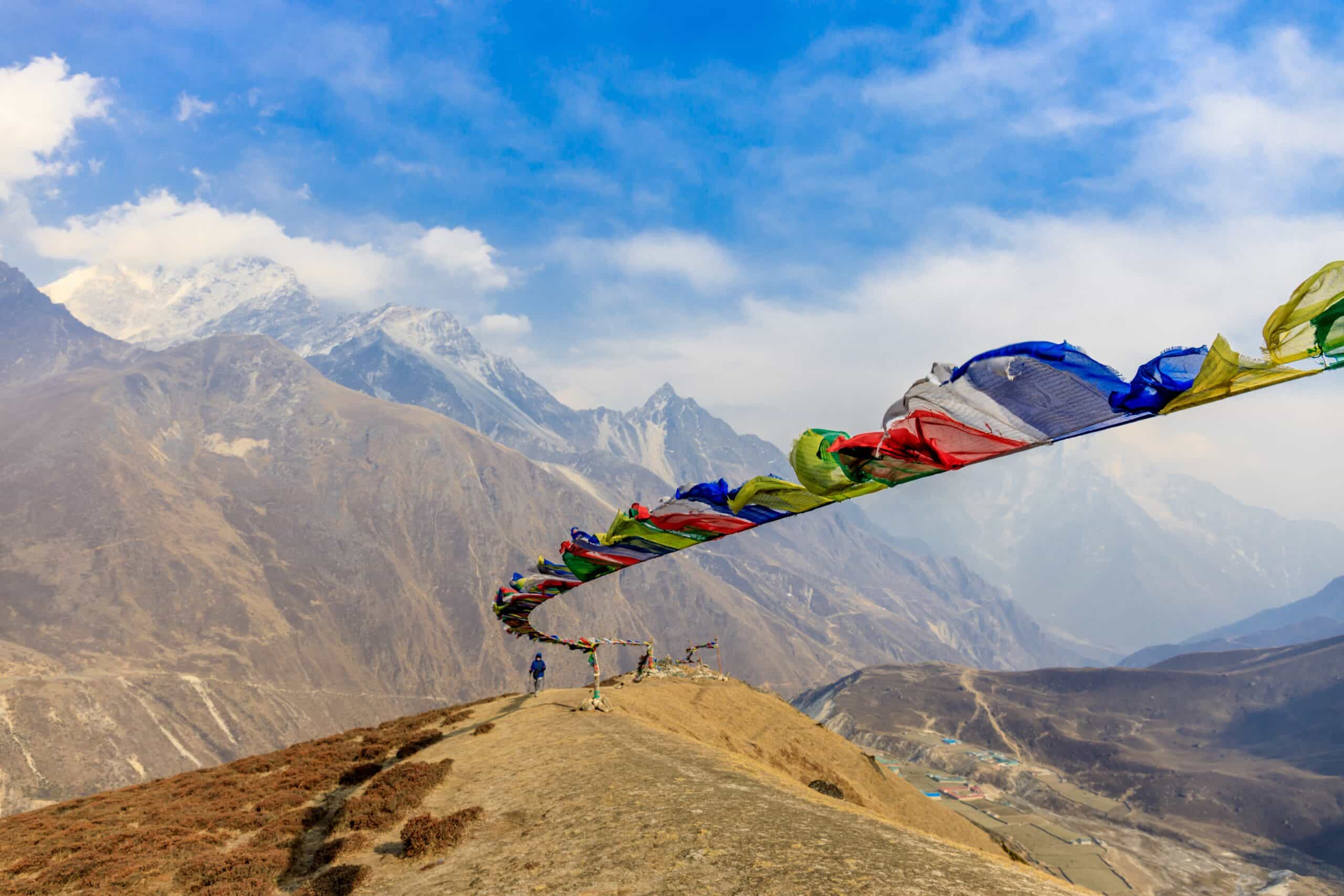
People are often drawn to the high places of the world, and Nepal’s Himalayan peaks exert a powerful pull. Eight of the planet’s highest peaks (over 8,000m) bristle within its borders, and dazzling mountain landscapes abound. The dizzying heights and intense natural beauty draw hikers from around the world, and walking within these incredible mountains is the main reason most people come. Timing makes all the difference on a trip like this, and the Nepalese weather is a crucial consideration when planning your trip. If you’re wondering about the best time to visit Nepal to make the most of its outdoor landscapes and beyond, take a read through this introductory guide…
The climate in Nepal follows a reasonably predictable four-season cycle. Summers are hot and humid with drenching monsoon downpours. Autumn days are generally clear and bright. Winter brings cold weather and plenty of snow, then spring warms and reawakens the land.
In simple terms, spring and fall are the most popular travel seasons in Nepal, but there are some nuances. Here we look in more depth at the Nepalese weather and other seasonal factors that could impact your decision on when to travel.
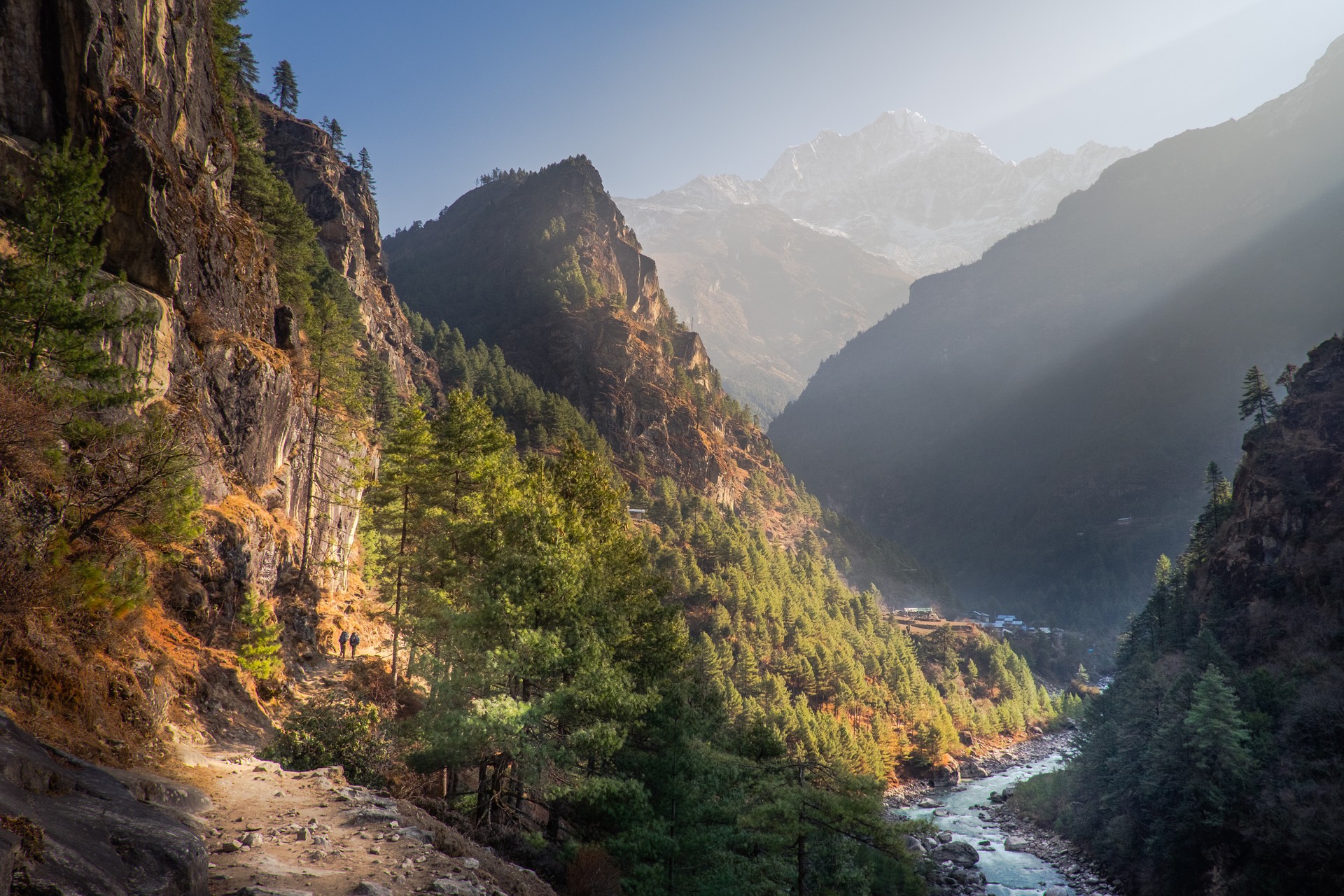
This is by far the best time to visit the mountains for multi-day treks into the Himalayas. The Nepalese weather will be settled, consistently dry, bright, and comfortably cool. Views of the mountains are largely clear, and autumn colors begin to paint the forested lowlands in fiery hues. There’s plenty of daylight for long days on the trail, and your kit will likely stay dry. Mild nighttime temperatures make sleep more comfortable.
The only downside of visiting Nepal at this time of year is its popularity. Prices are higher, and the trails are busier. You will need to book well in advance, be happy to share the trail, and enjoy a lively atmosphere at mountain tea houses and camps.
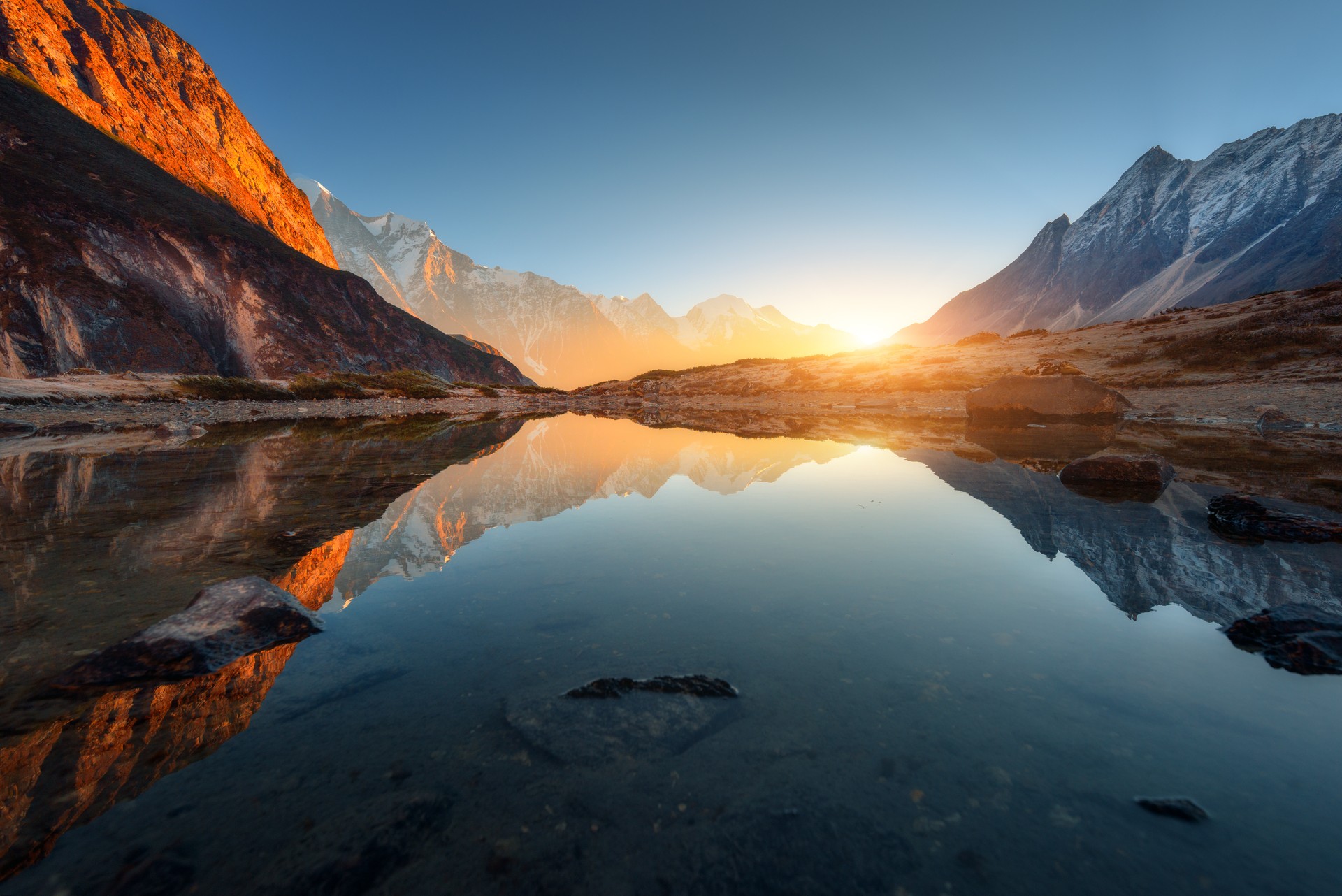
Winter in Nepal brings plummeting temperatures and swirling snowstorms. The mountains gradually close their trails and retreat into the quiet realm of winter. Hiking at altitude is off the agenda at this time of year, with high passes impassable and snow shutting off many routes and roads. Many mountain tea houses and hotels will also shut up shop for the season.
However, winter usually sets in gradually, offering a last window for hikers early in the season. December, especially early to mid-month, can be an excellent time for hiking low-altitude routes. Yes, it’s chillier, but nothing a few extra layers and a little early morning grit can’t remedy. In return, you’ll enjoy bright, crisp days, outstanding views, quieter trails and lower prices. There’s always the risk that winter will kick in a little faster, but if the gamble pays off, this can be a magical season in Nepal.
Beyond the mountains, the winter climate in Nepal is ideal for wildlife-watching in Chitwan and Bardiya National Parks. Both parks are within Nepal’s southern, sub-tropical lowlands, where dry, pleasantly warm temperatures prevail from around October to early February.
Bengal tigers roam the forests, alongside elephants, rhinos, and sloth bears. Hundreds of bird species dip in and out, and aquatic wildlife, including crocodiles, freshwater dolphins and turtles, can be spotted in rivers and wetlands.
Read more: The national parks of Nepal

Trekking and climbing conditions in spring are excellent, especially early-mid season from March to April. Days grow longer, the snows have melted away, and temperatures pick up (though it’s still chilly at night, especially at the start of the season). Spring flowers bloom in the valleys and rhododendrons light up the mountainsides in shades of red, pink and white. Hiking at high altitude means you can rise above any low-lying cloud that may still be lingering.
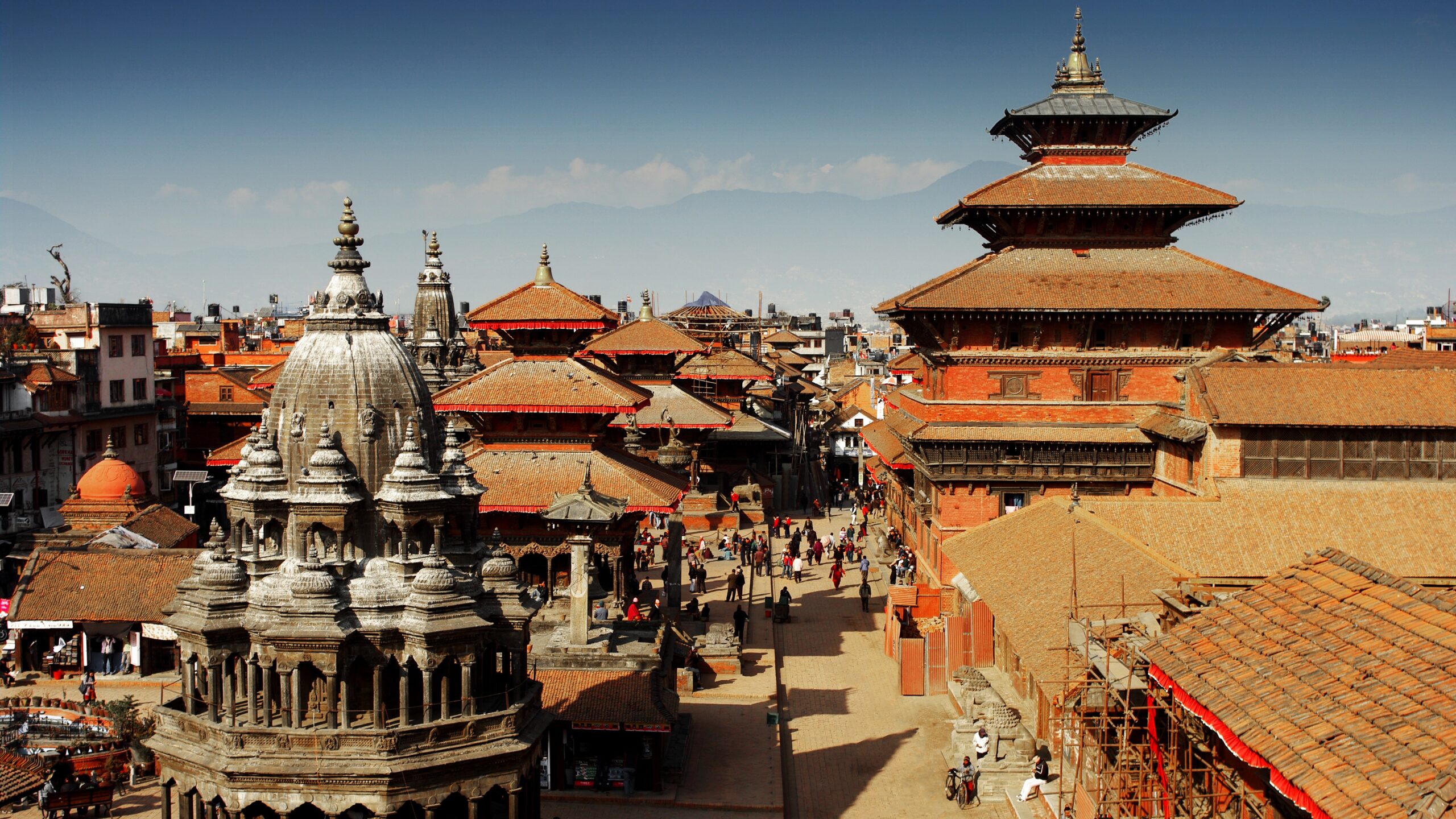
Along with fall, spring is the best time to visit Kathmandu for clear skies and comfortable temperatures. This is also a prime time for wildlife-watching in the southern national parks. Early in the season is best, as temperatures climb quickly in the lowlands.
As May marches on, heat sets in, and conditions become more mixed throughout the country. Pre-monsoon showers and haze make visibility poor, so if you’re hiking or sightseeing, those all-important views can be regularly obscured.
This is the rainy season in Nepal, which is hot and humid with daily, drenching downpours. Flooding and landslides close off many roads, making both hiking in the high mountains and wildlife-watching in the lowlands impossible.
However, low-altitude travel in the foothills of the Himalayas is still on the agenda. Here you’ll see vibrant rice paddies glowing almost neon green in the morning sunshine, and farming life will be in full flow. The rains generally fall in the afternoons and at night, so mornings are often bright and beautiful. This is the low season for travel in Nepal, so prices are lower and there are fewer other visitors around.
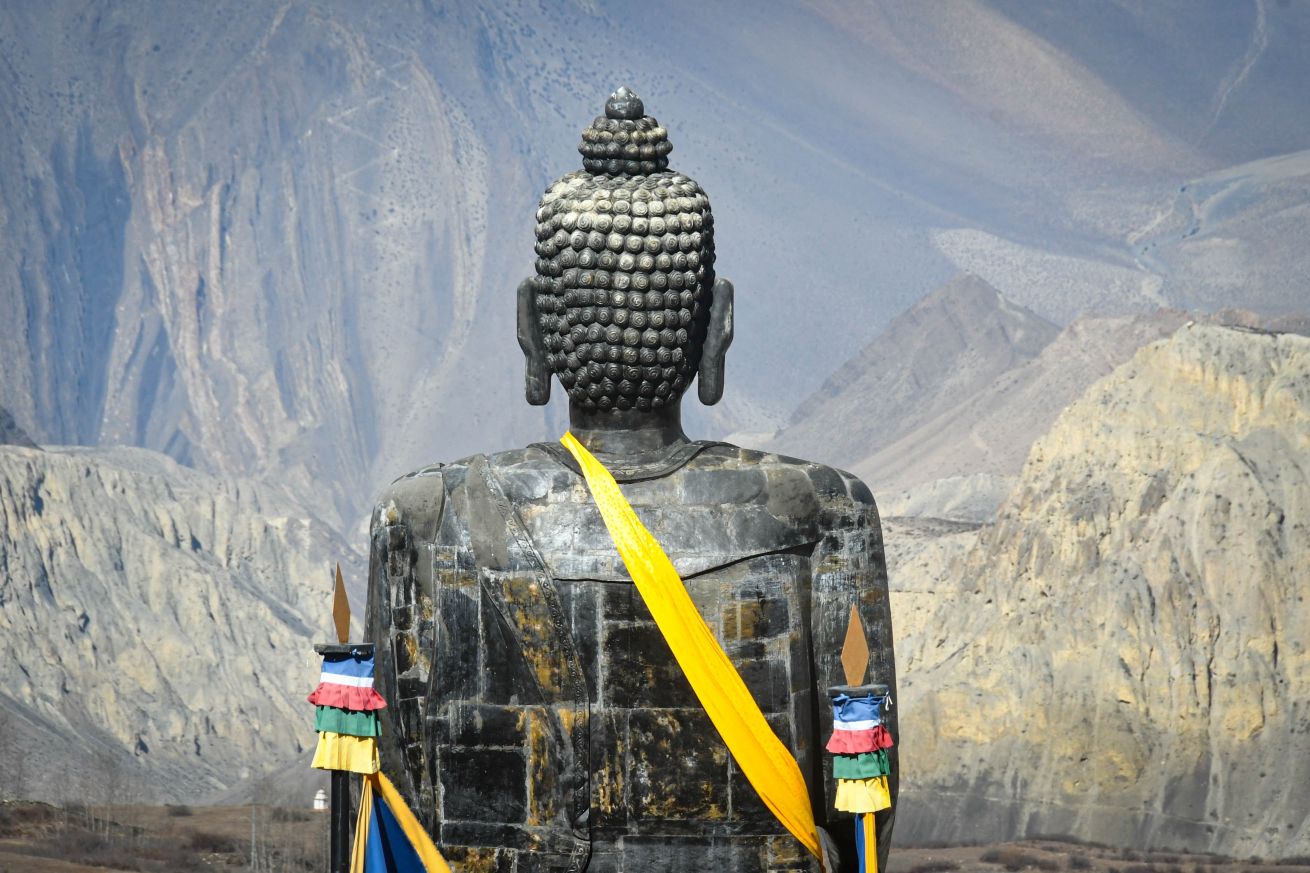
The Nepal monsoon season doesn’t quite inundate the entire country. The far northern regions of Upper Dolpo and Upper Mustang fall within what is known as the ‘Rain Shadow’ and remain dry most of the year.
Rugged and remote with a unique Tibetan-influenced culture, these regions are much less visited than the rest of the Nepalese Himalayas. Visitor numbers are restricted to preserve the landscapes and culture, and hiking here is a true privilege.
Read more: The hidden gems of Nepal
Our local experts can provide plenty more information on the best time to visit Nepal and key activities to enjoy based on your travel style and preferences. Reach out to them today to start planning your tailor-made Nepalese journey…
Explore all featured destinations