Indonesia is simply incomparable. Of its over 17,000 islands, 6,000 are inhabited — full of breathtaking natural phenomena, distinctive peoples and cultures, endemic wildlife and world-renowned beaches. If you’re planning a trip to Indonesia, you may understandably wonder, where should you even begin? To take the decision-making out of your hands, we’ve compiled this list of where to go and the best time to visit Indonesia.
Indonesia’s two seasons
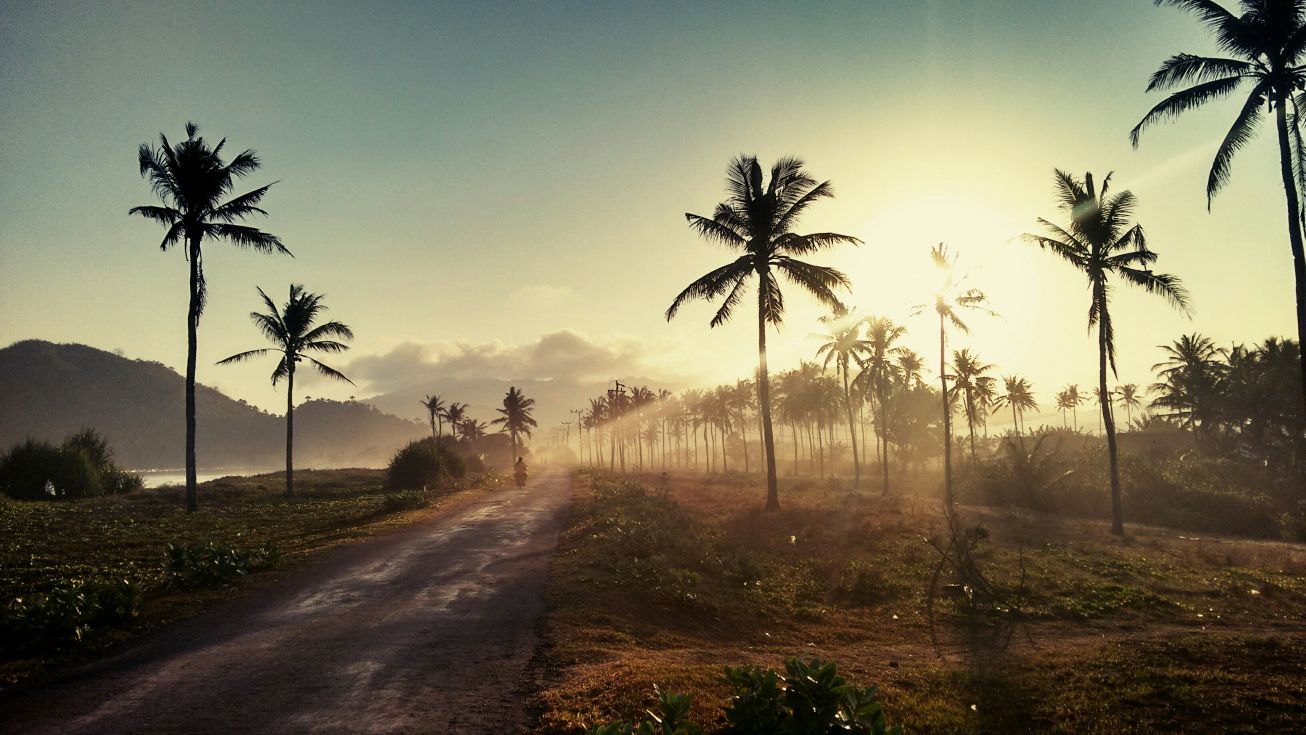
Indonesia sits on the equator with a tropical climate — meaning it’s hot and humid, with monsoon-style rain. At sea level it stays warm, but gets cooler in the higher elevations.
- The dry season (April–October) is when most people visit. Long, sunny days and calm seas are perfect for beaches, diving, surfing and exploring; and temperatures typically fall between 77-95 degrees Fahrenheit (mid-20s to mid-30s Celsius).
- The wet season (November–March) brings regular tropical downpours, though they’re usually short and intense, and clear quickly. It’s quieter and more affordable at this time of year, without the crowds of the dry season.
It’s also worth remembering: Indonesia spans thousands of islands, and weather patterns vary depending on where you go.
Indonesia weather by region: how each island differs
- Bali — Dry season April to October: sunny, 80-86°F (27-30°C). Wet season November to March: humid, 82-88°F (28-31°C) with short, heavy showers.
- Java — Hot year-round, averaging 82-90°F (28-32°C). heaviest rain in November to March, especially in Jakarta.
- Lombok & the Gili Islands — Dry season May to October: bright and breezy, 80-88°F (27-31°C). Wet season November to April: humid with bursts of rain, around 82-88°F (28-31°C).
- Sumatra — Rainy most of the year. Temperatures average 79-86°F (26-30°C), with wetter spells and frequent tropical showers in October to April.
- Sulawesi & the Maluku Islands — Variable seasons. It’s around 79-88°F (26-31°C) year-round, with some areas getting wetter in May to August and drier in November to March.
- Raja Ampat & West Papua — Hot and humid, hitting 80-88°F (27-31°C) all year. The best sea conditions are October to April, with showers possible at any time.
- Komodo & Nusa Tenggara — Dry season April to November: sunny, 82-91°F (28-33°C). Wet season December to March: greener, humid, around 80-88°F (27-31°C).
Dry season: the best time to visit Indonesia for…
Here are some of Indonesia’s most thrilling dry season activities and experiences, and our top recommendations for where to enjoy them…
Beaches and island-hopping
The best time for tanning and beachgoing in Indonesia tends to be the driest, hottest months: July to August, and May to June. From popular picks to less-crowded gems, below are some of the best coastal spots to try out if you’re visiting during this time of year…
- Bali, an all-rounder for beaching and surfing: Bali is Indonesia’s tourism jewel, evolving over the years from one of Australia’s favorite beach getaways, to one of the world’s. The beaches here are easy to get to, with trendy restaurants and bars, world-renowned surf breaks, and glorious sunsets. To escape the crowds in hubs such as Kuta, it’s worth getting a car and exploring the coastline independently, to just outside of Canggu, for example, or the Bukit peninsula in the south. There are peaceful coves to be found which seasoned surfers have long traveled to — or you could catch a ferry to the stunning Nusa Islands, or Lombok.
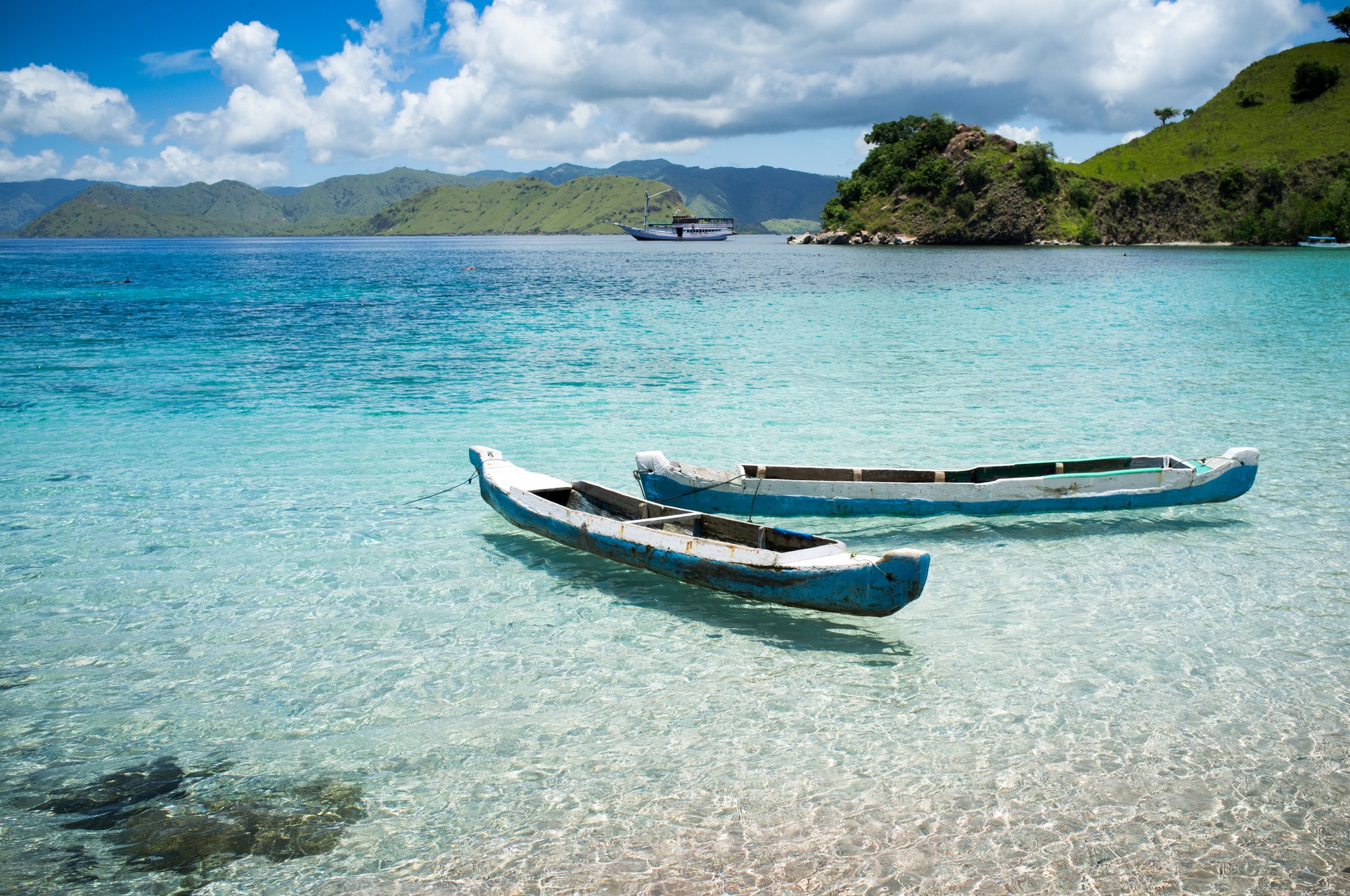
- Gili Islands, for car-free strolls and turquoise waters: This trio of car-free islands sit between Bali and Lombok, each with its own unique personality. Gili Trewangan is for partygoers, a top spot for young travelers; Gili Air is much quieter, with lapping shores, open-air restaurants and hut-style accommodation. Gili Meno has a more remote mood, perfect for couples craving that ‘all to ourselves’ atmosphere.
- Flores, for boat trips to remote coves: The west coast of Flores has developed more infrastructure over the past decade, mostly due to its proximity to Komodo Island. On a boat trip from Labuan Bajo on the mainland, you can visit simply stunning tropical idylls such as Pink Beach (crushed coral gives the sand a pink hue), Padar Island or Kanawa Island.
- See also: Lombok, Derawan Islands.
Diving and snorkeling
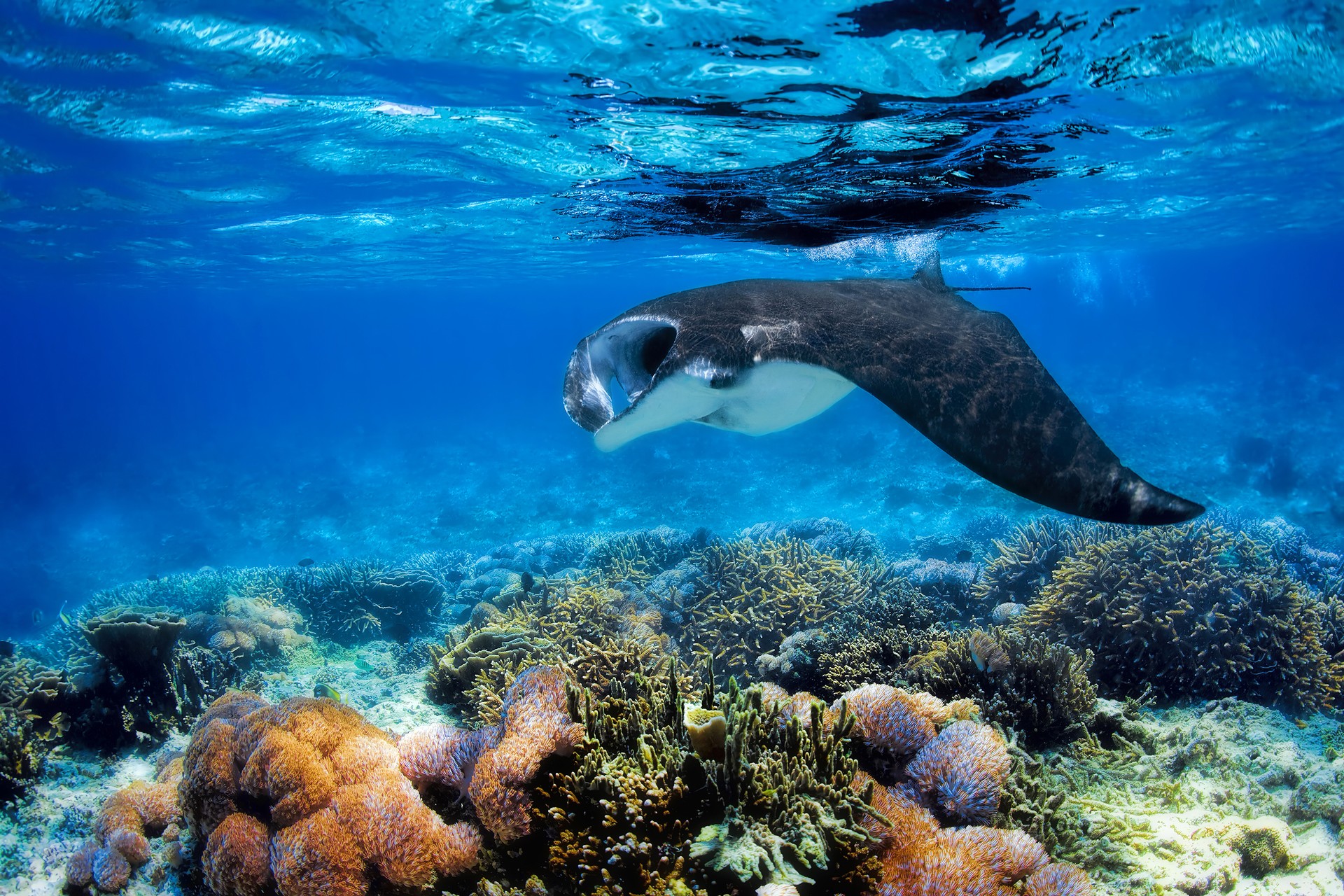
Indonesia has some of the most scintillating dive sites in the world. Here, the Indian and Pacific Oceans meet, creating a home for everything from tiny marine critters to majestic manta rays.
In most regions, your best bet for enjoying clear skies and calm seas is to plan your visit between April and November; in Raja Ampat, however, keep in mind that sea conditions are better from October to April.
Some of our favorite places for experiencing underwater magic in Indonesia include:
- Raja Ampat, a world-class diving vacation: Off the mainland of New Guinea sits Raja Ampat, revered by seasoned divers as an ultimate diving destination. While the coral in more high-traffic areas is often damaged, the vivid reefs of Raja Ampat are largely untouched, with spectacular marine diversity. Expect manta rays, reef sharks, vast schools of fish, and kaleidoscopic coral that appears almost pristine.
- Komodo National Park, home to sublime manta rays: Live-aboard boat trips from Flores to Komodo Park often include snorkeling with manta rays — one of the most spectacular experiences you can have in Indonesia. These otherworldly creatures are found gliding through shallow waters at a few spots the locals know well — Manta Point and Manta Alley, among them.
- Sulawesi, for stunning coral walls: The coast off of Sulawesi promises pristine diving spots which are rarely crowded. Bunaken National Park was one of the first protected marine areas in the country, home to immense coral walls and stunning biodiversity. Around 70% of Indonesia’s marine life exists here, including sea turtles, sea snakes, dolphins, dugongs, pygmy seahorses, frogfish, and around 390 species of coral.
- See also: Wakatobi, Gili Islands, Alor.
Volcanoes and trekking
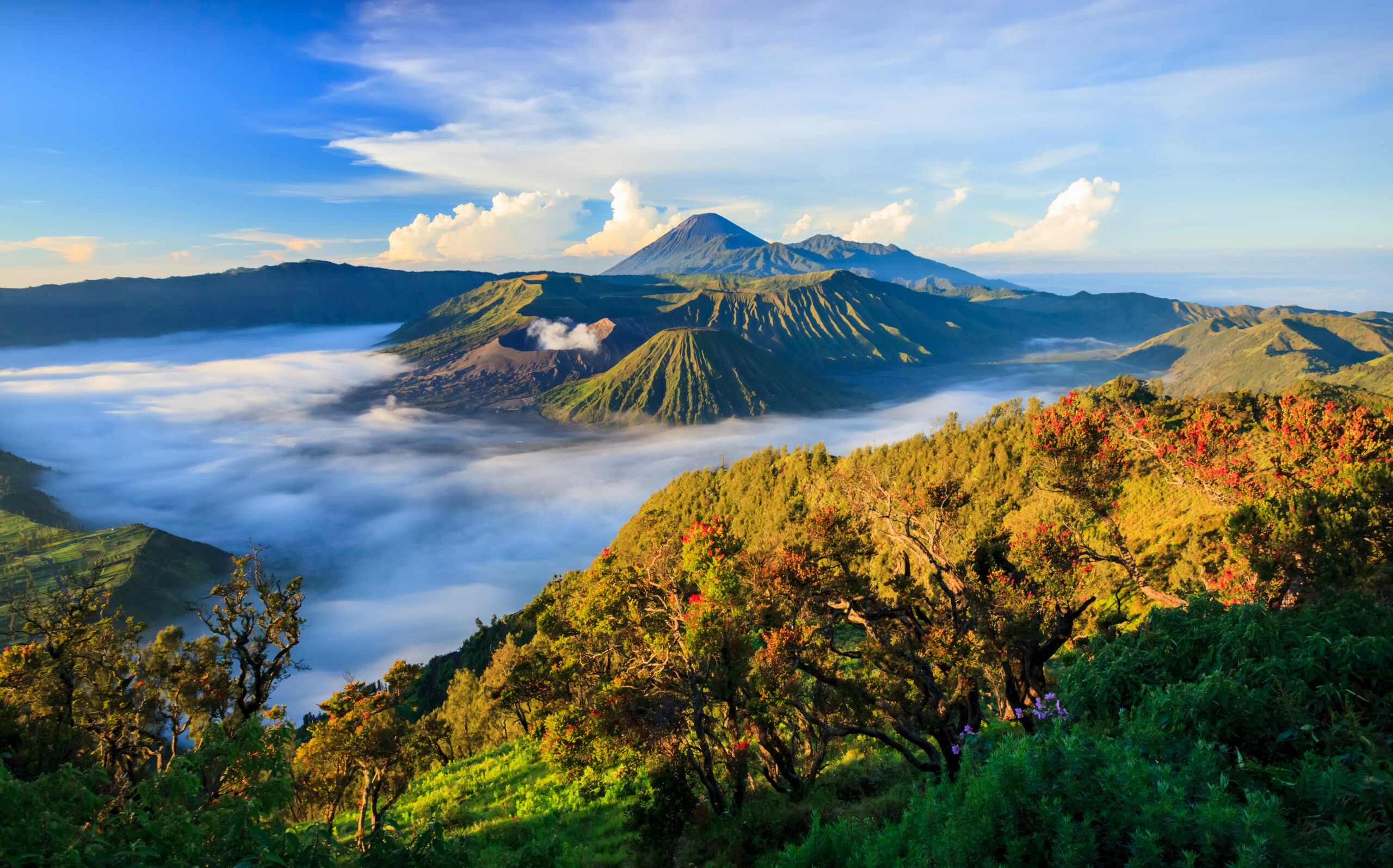
Indonesia is a volcanic paradise; there are an incredible 130 active volcanoes here, more than anywhere else in the world. Broadly, the dry season’s weather conditions are most suitable for conquering volcanic trails, with July to September offering the driest and most stable weather.
Here are some of the best places to go volcano trekking in Indonesia…
- Mount Bromo, Java: Some of the country’s best sunrises can be witnessed here at Mount Bromo. This 2,329m (7,641ft) volcano sits within the vast Tengger Caldera, where a ‘Sea of Sand’ is ringed by stark peaks. At sunrise, the silhouettes of the peaks, Semeru and Batok, rise through the mist. The sunrise view is reached by Jeep, making it accessible for all.
- Mount Rinjani, Lombok: More challenging is Rinjani, which peeks through the jungle landscape at a height of 3,726m (12,224ft). The multi-day ascent moves through rainforest, alpine meadows and stark ridges, so it’s not for the faint of heart. On clear days, views stretch across the central crater lake to the coastal edge of Lombok, all the way to the Gili Islands in the far distance.
- Kelimutu, the Flores highlands: The highlands of Flores are truly beautiful and seem untouched by tourism — a sweeping landscape of volcanic plateaus, patchwork fields and traditional villages. A highlight is Kelimutu volcano in Moni, with three distinctly colored crater lakes. On the way you can stop at coffee plantations and megalithic sites; but infrastructure becomes sparse the further inland you go, so bring a private guide with you.
- See also: Mount Ijen (Java), Mount Kerinci (Sumatra), Mount Batur (Bali).
Wildlife sightings
Wildlife-lovers flock to Indonesia for good reason: iconic flora and fauna abound in its diverse island habitats. Visit during the dry months (May to October) for the best visibility.
If the country’s wildlife is your main reason for visiting, we suggest a few of the best places to try for your best chance at spotting…
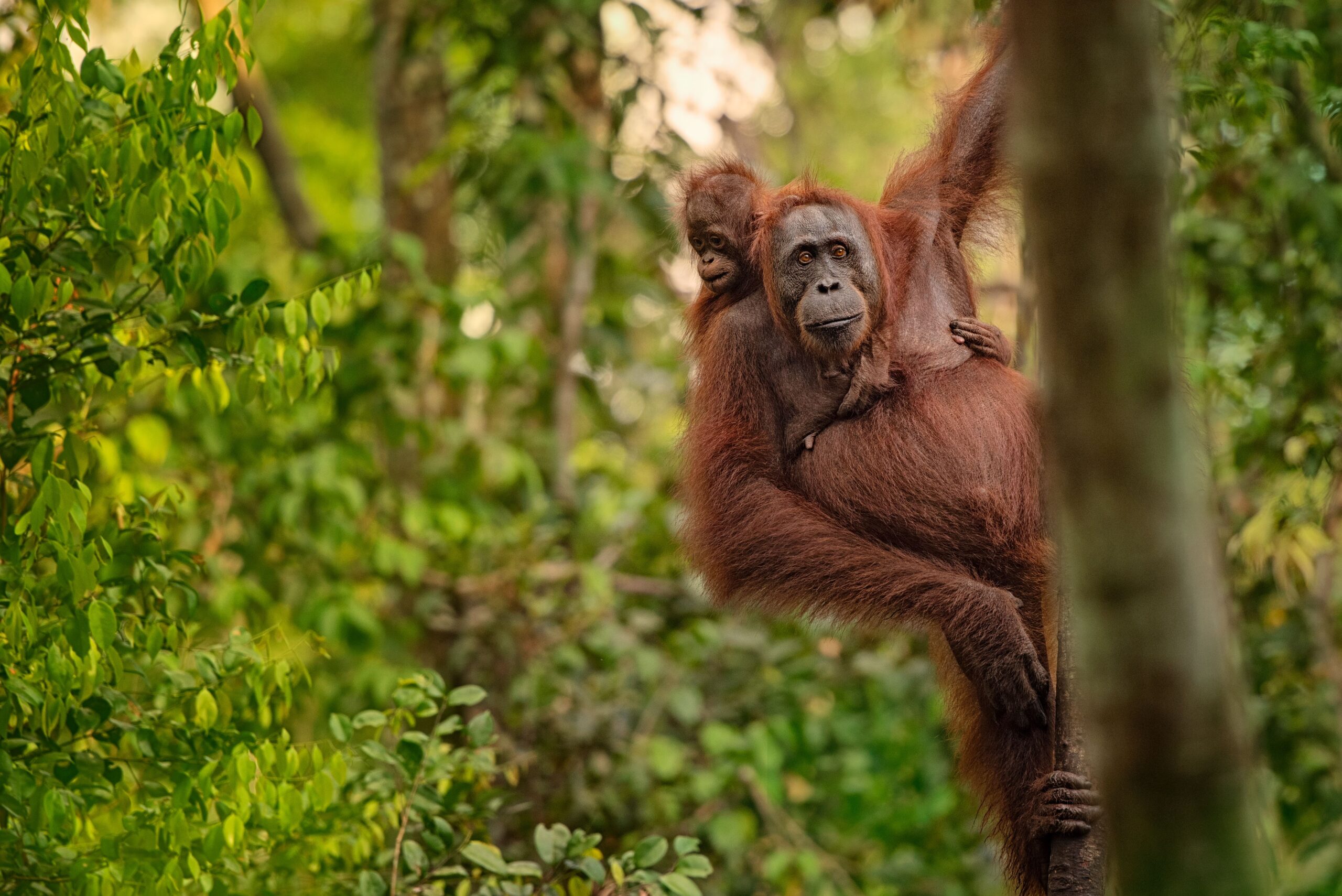
- Orangutans: Borneo (Kalimantan) is one of the last places on earth to see these lovable primates, whose name means ‘old man of the forest’. Highly threatened due to deforestation, sightings in the wild are rare — but a private reserve at Tanjung Puting is your best bet of seeing semi-wild orangutans swing into view, especially at feeding stations.
- Komodo dragons: Komodo Island (and neighboring Rinca Island) are the only homes of the dinosaur-esque Komodo dragon. They’re pretty relaxed here on the island, where they’ve been protected for decades. Have a local guide shepherd you around island trails and you’re very likely to see them up close.
- Birds of paradise: The rainforest of West Papua is considered a global hotspot for bird enthusiasts. Around 40 unique birds are concentrated across New Guinea, including multiple birds of paradise, their kaleidoscopic plumage flashing across the jungle landscape. Potential sightings include red, greater, wilson’s, king and twelve-wired bird-of-paradise, as well as the rare, flightless cassowary.
- See also: Sumatra (Gunung Leuser Rainforest), Sulawesi (many endemic species).
Wet season: the best time to visit Indonesia for…
Arts, culture and spirituality
Across its thousands of islands, Indonesia’s varied peoples have created an astonishing cultural tapestry. The dry season is of course a great time to witness these cultural arts, but so is the wet season from November to April, when afternoon showers mean you’ll likely want to spend a bit more time indoors.
Interested in a culture-packed journey to Indonesia? Below are some unique places to add to your itinerary:
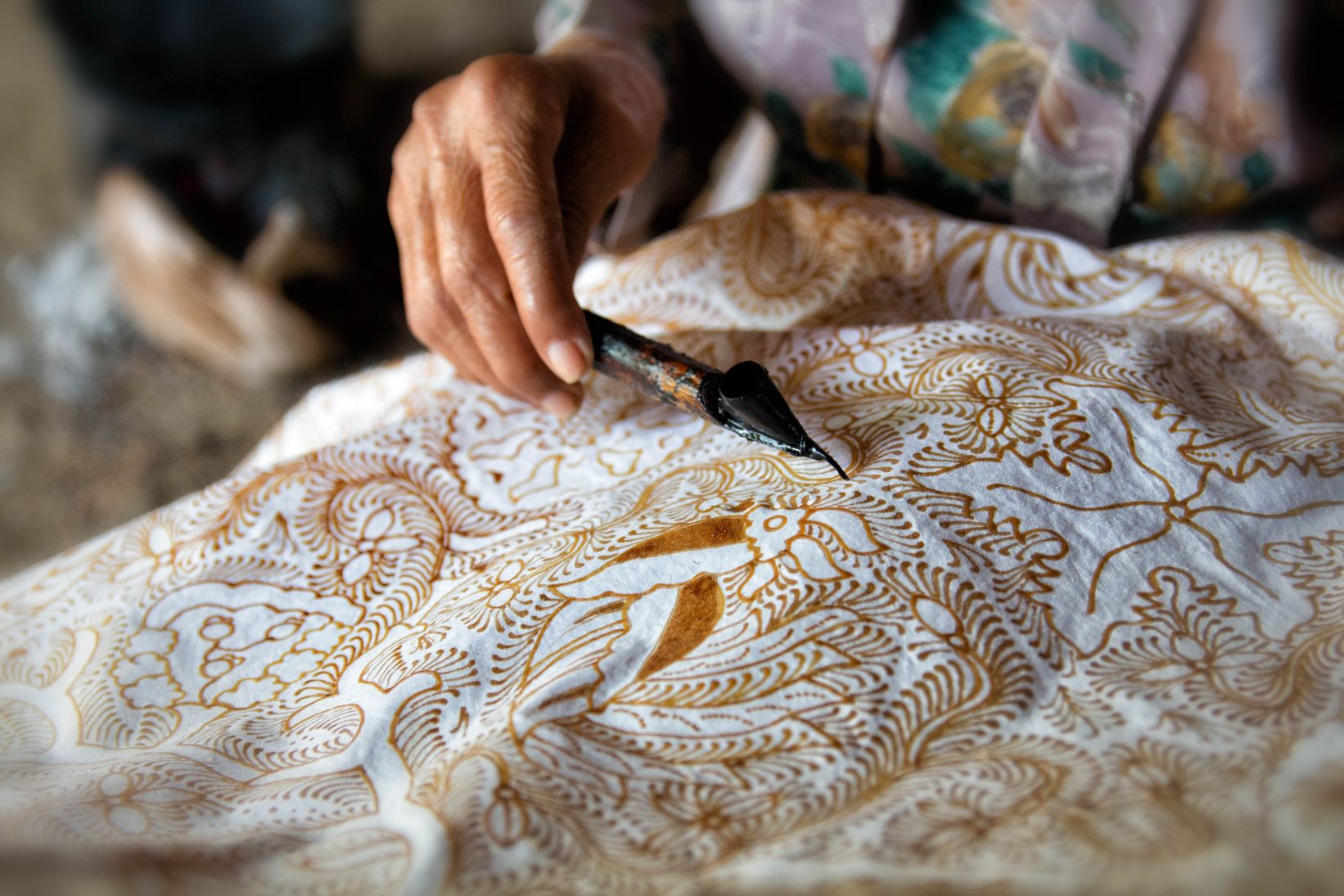
- Yogyakarta, Java: Those who seek arts in Indonesia are usually drawn to Yogyakarta, often referred to as the country’s ‘cultural heart’. Court traditions, batik workshops, and classical arts are still actively practiced here — including beautiful wayang kulit shadow puppet shows, and hypnotic gamelan performances.
- Tana Toraja, Sulawesi: Well known for its unique funeral rites traditions, Sulawesi is where you can witness its deeply revered Aluk To Dolo (‘way of the ancestors’). Funerals are multi-day events where communities gather, and effigies and burial sites are displayed on cliffsides, balconies and rockfaces.
- Ubud, Bali: Ubud is the center of Balinese arts and spirituality, where temple ceremonies, traditional dance, and gamelan music are part of daily life. Visitors can regularly see processions, offerings and dance performances representing the Hindu-Balinese faith of the locals; the Kecak is particularly memorable, as a rhythmic daily chant involving no instruments at all. These days, Ubud is quite touristy with lots of yoga houses and coffee shops, but visiting in the wet season means smaller crowds and a chance to enjoy these activities for yourself, alongside immersive cooking classes to learn about local culinary flavors and traditions.
- See also: Lombok (Sasak people), Flores (Roman Catholic culture), Sumba (Marapu beliefs).
Immersion in lush landscapes
While the dry season is ideal for outdoor exploration, it goes without saying that periods of rain come with even more vibrant green scenery for you to enjoy. If you time your excursions right, and plan your outdoor activities in the mornings, you can be treated to some excellent natural displays across the country.
If you’re up to the challenge of experiencing Indonesia’s great outdoors in the wet season, below are some of the best activities to try:
- Birdwatching: From November to March, increased rain and humidity make for more difficult hiking and viewing conditions, but this shouldn’t deter passionate birders in search of unrivaled wildlife experiences. After all, this is the time of year when birdlife is at its most active, so you can heed the never-ending calls of diverse bird species as they breed, particularly across North Sulawesi and West Papua.
- Chasing waterfalls: Marvel at the sheer force of waterfalls that swell up during the rainy season, an especially wondrous opportunity for adventure-seekers and nature photography enthusiasts. Enjoy having Bali’s Tegenungan to yourself: typically a tourist hotspot, it is thunderingly loud and powerful in the wet season months, though do take care as hiking conditions are slippery.
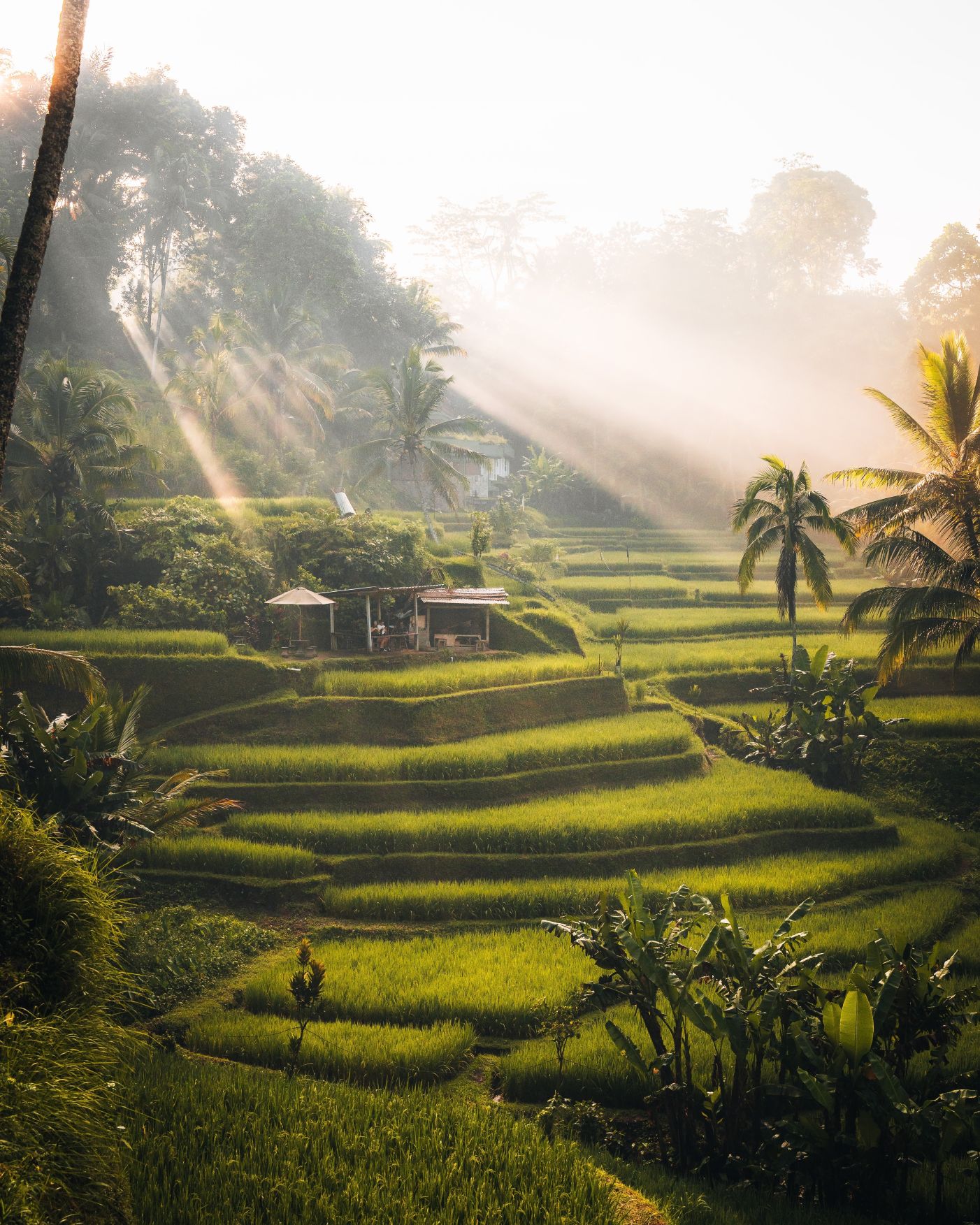
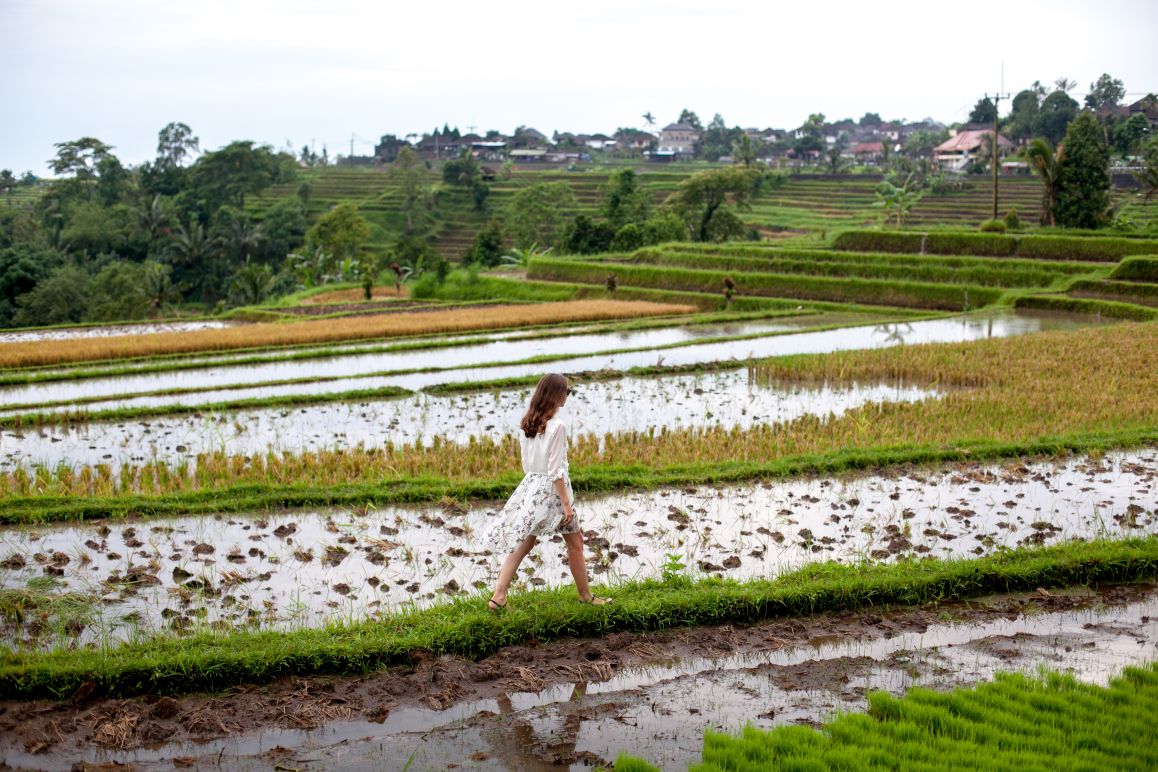
- Visiting rice terraces: In Ubud and Jatiluwih, Bali, flooded rice terraces offer an especially cinematic display for photographers and those simply keen to admire the island in a different light, without the usual crowds.
- See also: Sumba Island, Sumatra (Bukit Lawang).
Budget travel and fewer crowds
Visiting during the wet season doesn’t just ensure that the crowds are smaller and the overall cost of your trip is more affordable; it makes for a wonderful time of year to experience Indonesia authentically and intimately.
If you’re up for facing some unpredictability and heavy (yet short) downpours, you’ll be treated to landscapes and activities that are all the more enriched and relaxing, respectively. With some careful planning and preparation, and a mind to embrace the unexpected, you’re bound to have a trip that’s just as special as one you’d make during the dry season.
For those seeking the ultimate secluded getaway, and wanting an alternative to the typical hotspots no matter the time of year, there are plenty of choices for an off-the-path experience…
- Lombok, for quieter beaches than Bali: Positioned next to Bali, Lombok offers a quieter pace of life, with long, quiet stretches like Selong Belanak, Tanjung Aan and Mawun Beach dotted along the south coast; where clear waters and coconut palms meet. The surf is great and scenery is expansive, retaining that sense of untouched terrain that Bali once had.
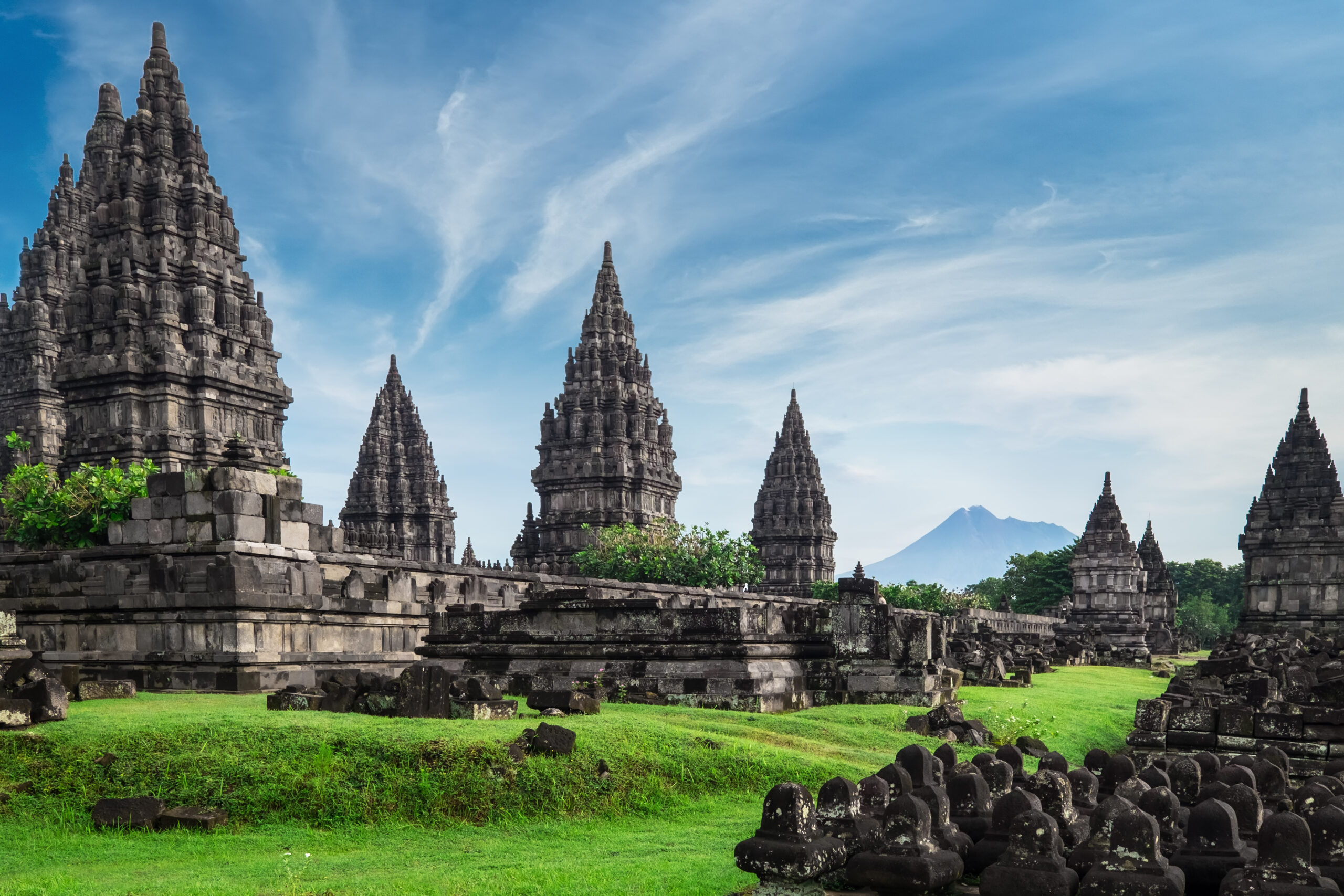
- Java, an overlooked cultural gem: Java is where local life and culture reign supreme. Yogyakarta is the cultural heart, where you’ll find UNESCO-protected gems, Borobudur and Prambanan. You can also hike Mount Bromo at sunrise, or head to the south coast for wild beaches like Timang and Wediombo that are still relatively under-visited.
- Sumba, for an off-radar paradise: Sumba could be one of Indonesia’s last true frontiers for travelers seeking space, solitude and untouched landscapes. It’s an adventure to travel here, lending itself to slowness — but you’re rewarded with rolling savannahs, dramatic limestone cliffs and breathtaking beaches such as Walakiri, Tarimbang and the Nihiwatu area.
- See also: Flores, Sulawesi, Kalimantan.

Make it happen
If you’re ready for that once-in-a-lifetime trip to Indonesia, chat to one of our local travel experts. They’re based on the ground within the destination, and possess all the in-depth local knowledge on the best time to visit Indonesia, to help build you the itinerary you’ve always imagined.