
Unique cultural festivals around the world
3 September 2026
Brazil isn’t merely the largest country in South America, or the most populous — it’s also one of the most vibrant and varied places in the world. From the polyrhythmic sounds of samba and baile funk to the unparalleled paradise of its seemingly endless coastline (and so much more in between), virtually all travelers will find something to love here. The key, of course, is finding the right time for your ideal experience, considering Brazil’s massive area and widely disparate geography. Let’s take a look at the ins and outs of the country’s seasonal shifts, and find the best time to visit Brazil for an unparalleled trip.
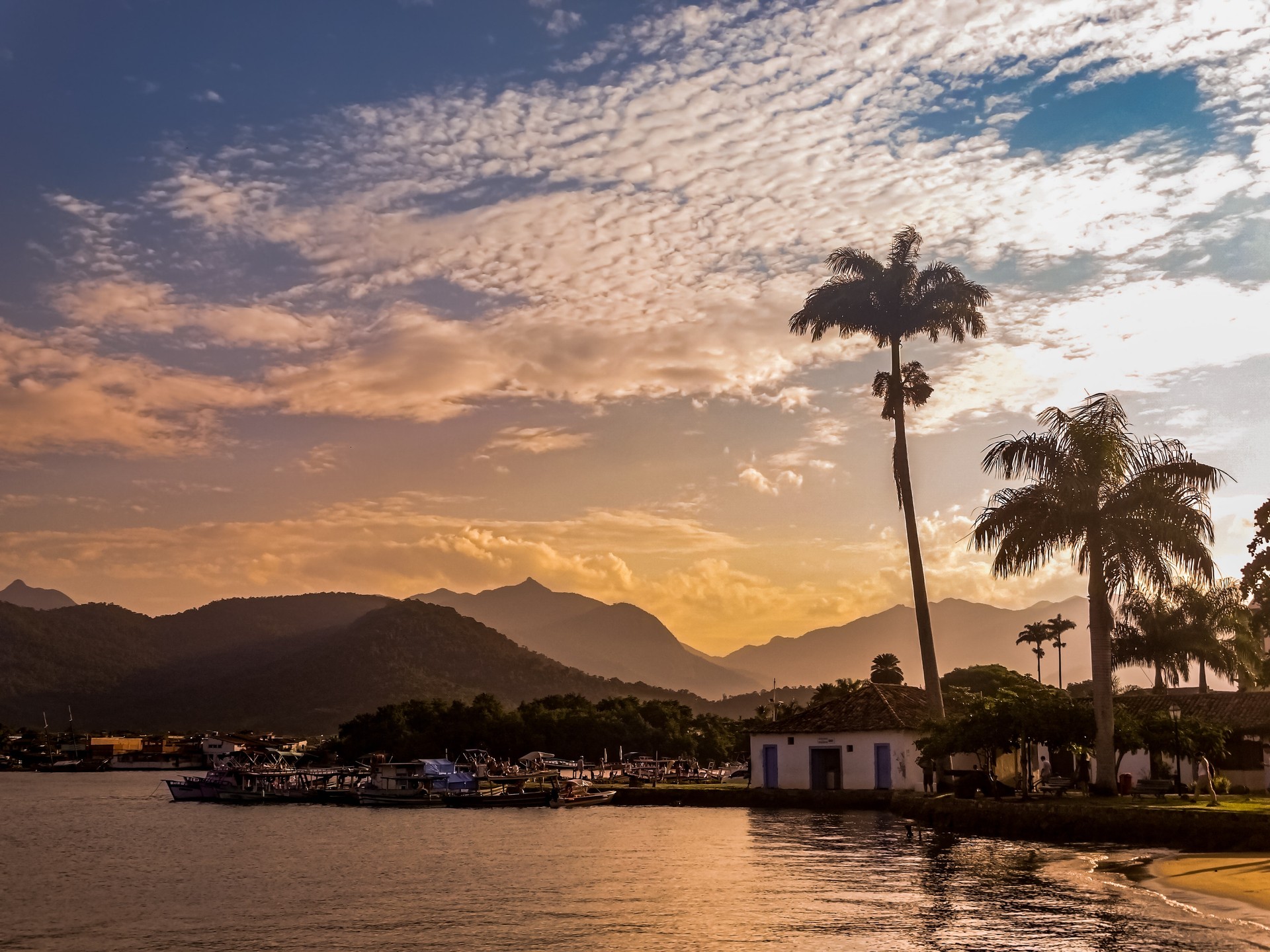
For many areas of Brazil, this period begins and ends as a warm shoulder season, with pleasant temperatures in the 70s Fahrenheit (from 2o degrees Celsius) and fairly low humidity. In between, it can drop as low as the 50s (circa 10 Celsius), especially at night or during July, though averages are closer to 65 (18 Celsius).
This can make for an ideal time to explore cities like Rio de Janeiro and Sao Paulo that grow extremely crowded between November and March. If you want to be on the other end of the spectrum in terms of experience, this is also a good time to visit either the Amazon or the Pantanal wetlands, as both are in their dry phases.
The bookend months of this period (October and April) are both warm but not scorching (around 80 Fahrenheit/27 Celsius on average for much of the country), humid but not drenched.
As for the period in the middle, that’s Brazil’s peak tourism season. December and February-March attract massive crowds because of New Year’s Eve and Carnival celebrations, respectively, in spite of heat that often reaches the mid-90s (circa 35 Celsius) and regular rain showers in the afternoon or evening.
During these periods, you don’t want to be visiting the Amazon or Pantanal unless you’re planning to explore them by canoe. On the other hand, if you wanted to visit the mountainous areas of Rio Grande do Sul in Vacaria or Caxias do Sul, this would be an excellent time.
When trying to figure out the best time to visit Brazil, the biggest determining factor in the local weather is where you are. Although more than half of the country in its large central region is tropical (or savanna if you follow Köppen climate classifications), the rest varies widely. The north and south have the most stark differences. For example, the former contains the Amazon rainforest and the erratic, semi-arid Northeast, while the latter is marked by varying subtropical climes.
There are also more obscure “microclimates” that stand out — interestingly in some cases, unappealingly in others. For instance, the Pantanal is the world’s largest concentration of tropical wetlands, home to countless animals well worth seeing (more on them later). On the other hand, consider a place like Quixeramobim in the Northeast. Though it’s near a notable wildlife conservation area, it’s also the hottest single area of Brazil, reaching up to 100 Fahrenheit (38 Celsius) for half the year (May to November).
There are also variations within microclimates: areas near the Amazon but north of the equator, like Boa Vista, will have rainy seasons for all but four months of the year (December through March). Most of the rest of the region is rainy from January to June.
Read more: Six of the best places to visit in Brazil
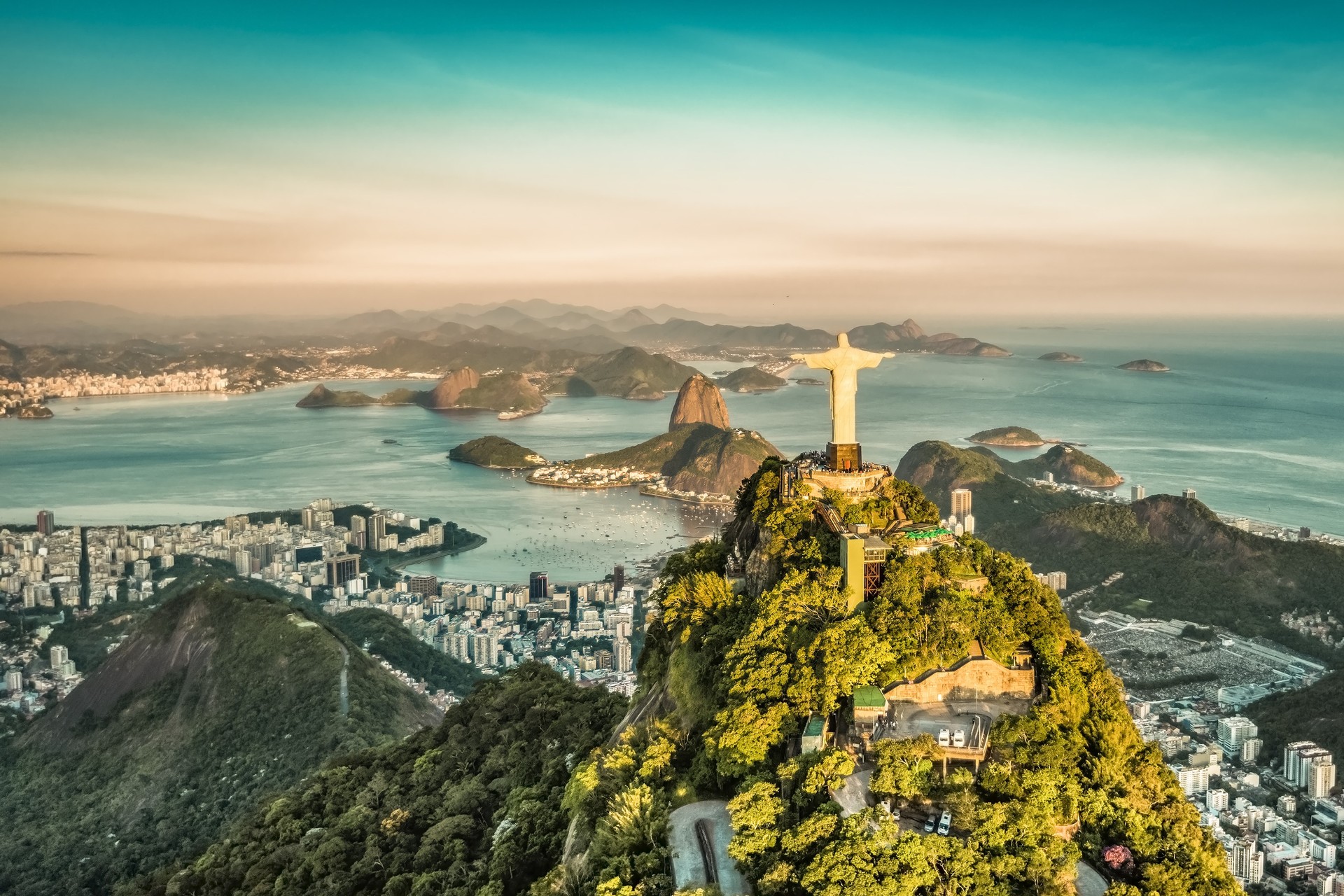
The sheer population density of Rio de Janeiro means it’s impossible to experience with “no” crowds. But by visiting in a month like May, you get the perfect combination of excellent weather (75-80 Fahrenheit/24-27 Celsius) and a lower concentration of tourists.
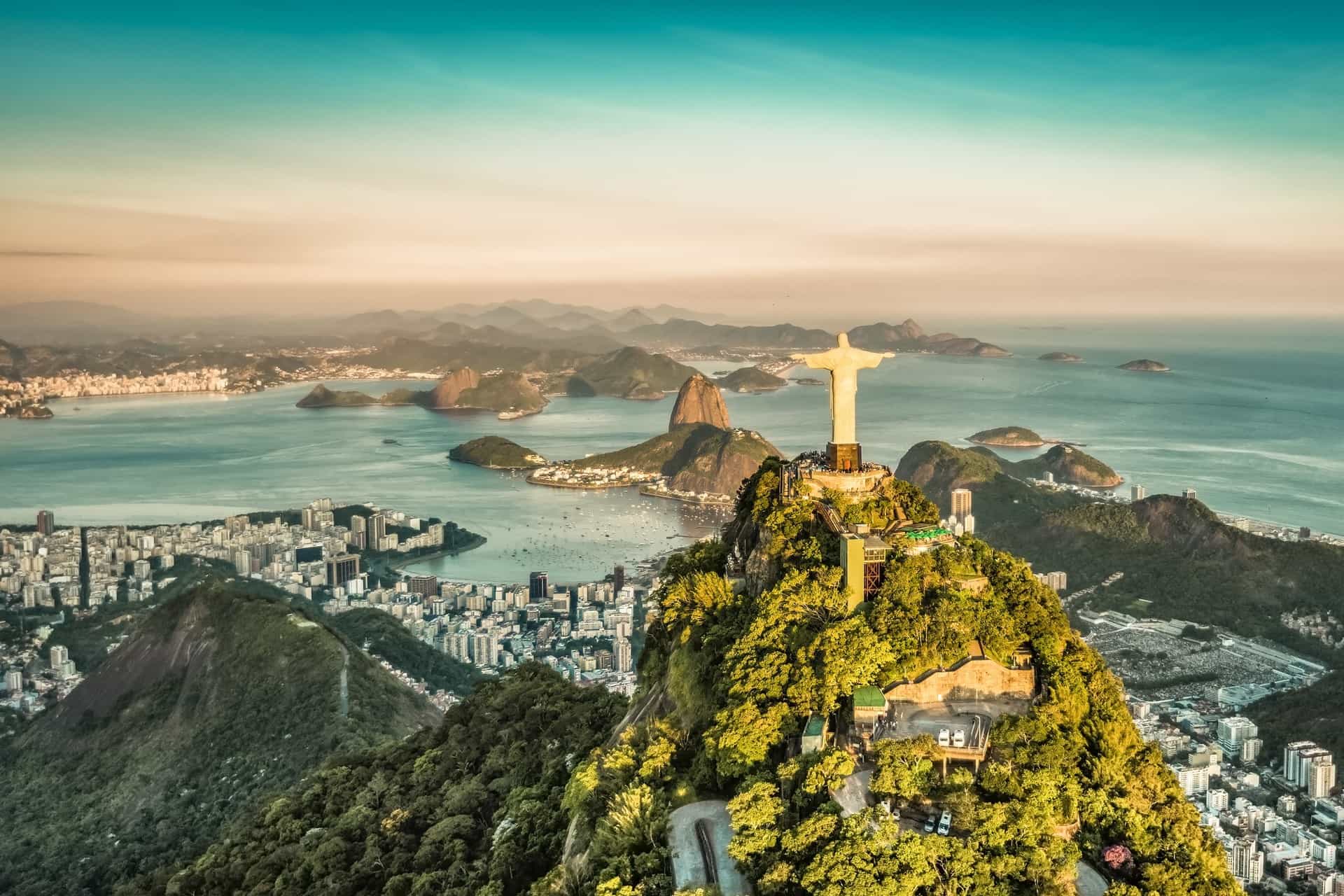
You can marvel at the Redeemer statue, view the UNESCO-distinguished Parque Bondinho Pão de Açúcar by cable car, take a (carefully guided) tour of the vibrant favela, and so much more without being blinded in a sea of tourists’ flash cameras. Beaches like Ipanema, Copacabana, Leblon, and Praia Vermelha will also offer much more laid-back leisure opportunities.
This same logic applies to Sao Paulo as well. The weather will be a little warmer (closer to 80 Fahrenheit/27 Celsius), but not uncomfortable. Places like the Avenida Paulista that bustle with musicians and artists, or the acclaimed Museu do Futebol (a must-visit in a country where footy is an article of faith) are much more manageable in the May-August window.
Generally speaking, you want to visit the Amazon — and cities focal to it, like Manaus or Para — outside of the rainy season. This makes July through September an excellent window for sojourns into the world’s most famous (and largest, and most biodiverse) rainforest.
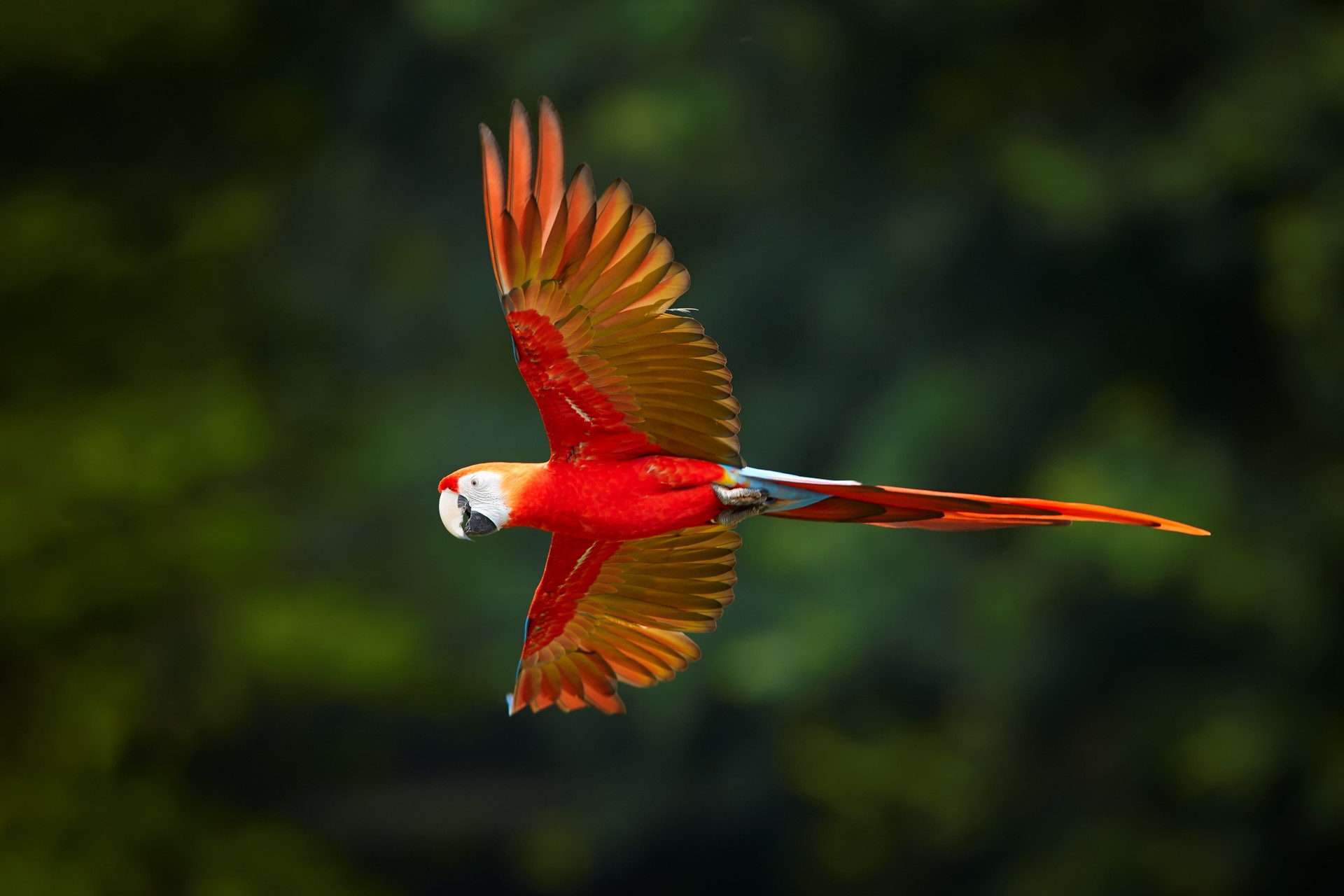
A summary of what you’d see there would require its own article, but in short, you have a chance to see everything from rare tree frogs in a cornucopia of colors to a bird population that represents one in five of all avian species on Earth.
There is one notable exception to the “visit during the dry season” rule, and that’s if you want to rent a canoe and explore the singular river that way. Water levels reach their highest in April, making it the easiest month for boat travel. (Granted, “easiest” is a relative term here.)
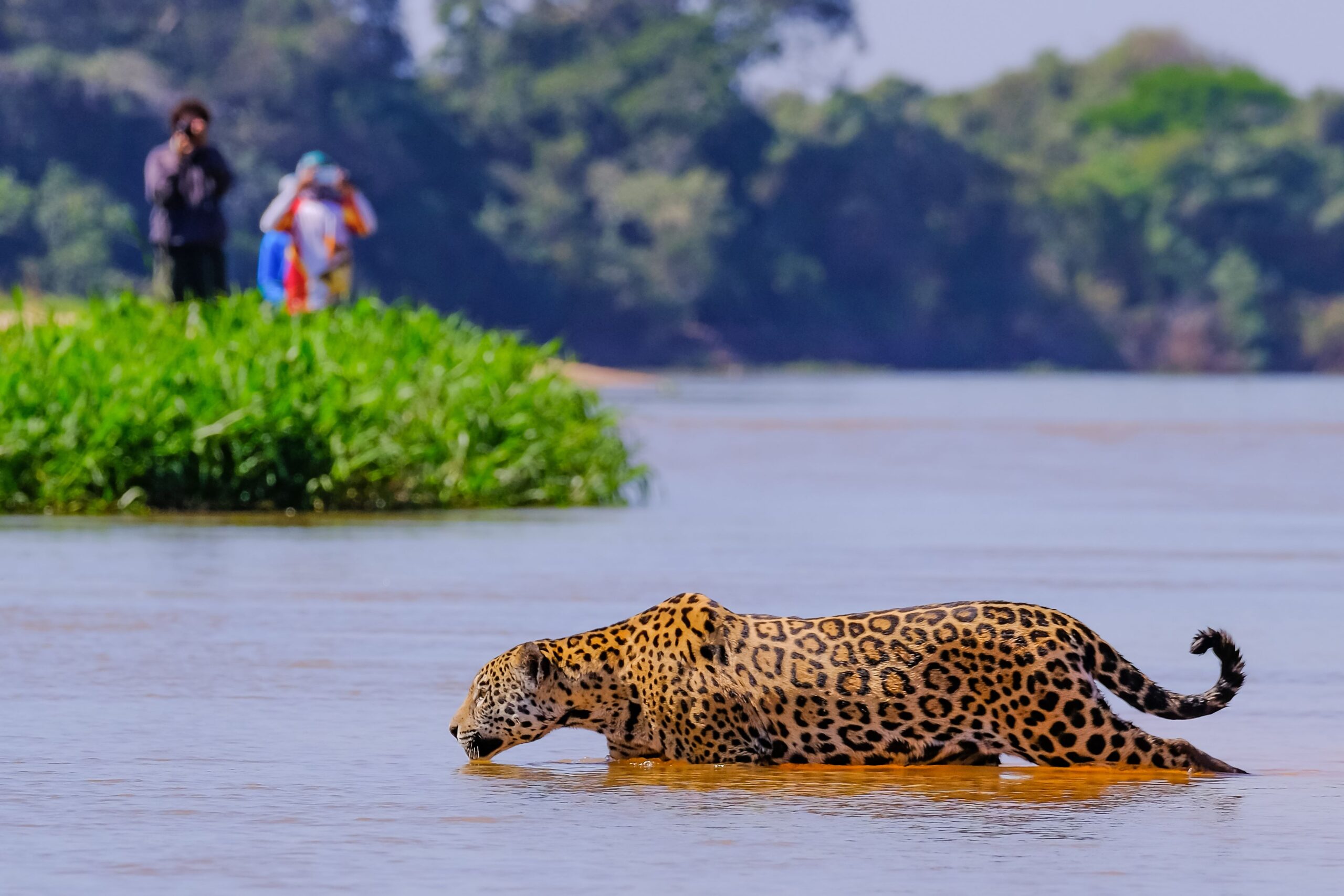
The dry season for this flooded grassland region in southwestern Brazil begins in April. And as the months progress, water levels drop and it becomes easier to spot wildlife as animals congregate at the remaining water sources.
This area, which gives the Amazon a run for its money in terms of biodiversity, features large jaguar, caiman, capybara, and ocelot populations. And you’re much luckier if you spot a maned wolf, South American tapir, giant anteater, giant river otter, or marsh deer.
Read more: Where to see the wildlife of Brazil
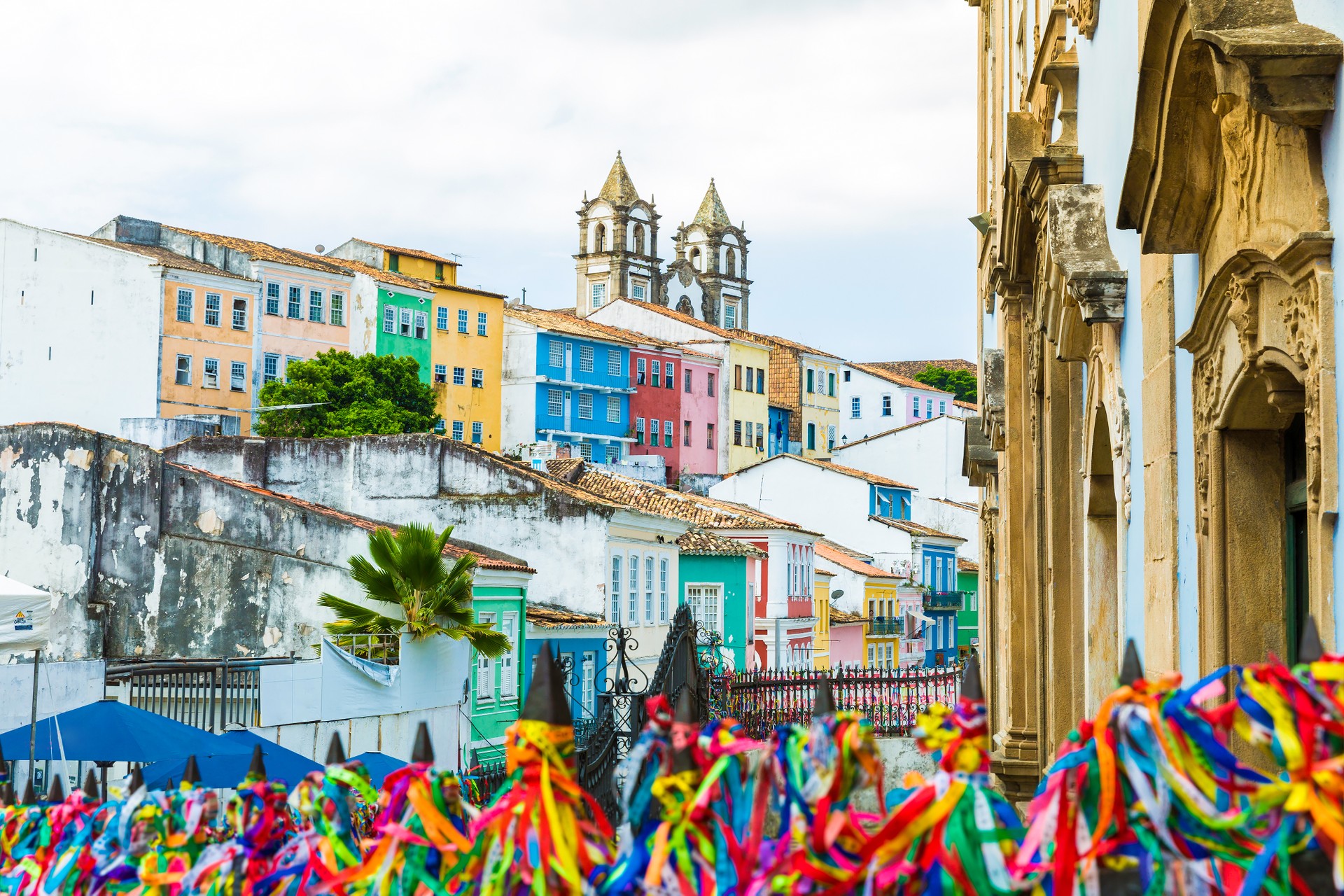
As much as the massive cities of Rio and Sao Paulo are known for their Carnival celebrations, Salvador is just as alive with culture. One could argue the capital of Bahia state is more intriguing due to its blend of classical architecture and thoroughly modern Afro-Brazilian art and cuisine. It’s also home to a Carnival that’s sometimes larger than those in its more famous counterpart cities.
Unless you want to catch Carnival in February/March, the best time to visit Salvador is between September and November. The weather is just the right level of dry and warm, and tourists are busy elsewhere, so landmarks like the Barra district, Mercado Modelo, and Porto da Barra are much easier to enjoy.
On the edge of Parana state — one of the notable border areas between Brazil and Argentina — sits Iguazu National Park, home to the legendary waterfalls of the same name. The plural “falls” has rarely been more accurate, as this New Wonder of the Natural World actually comprises 275 individual waterfalls.
The best time to visit the falls is between December and March. By this time, the summer rains have filled the Iguazu River to bursting, so the water comes cascading down at 700 million liters per second in a whooshing, rushing roar. While tourists are heavily present during this period, the volume of visitors drops somewhat in March, so you may want to visit then. (You’re also slightly less likely to get rained on in March.)
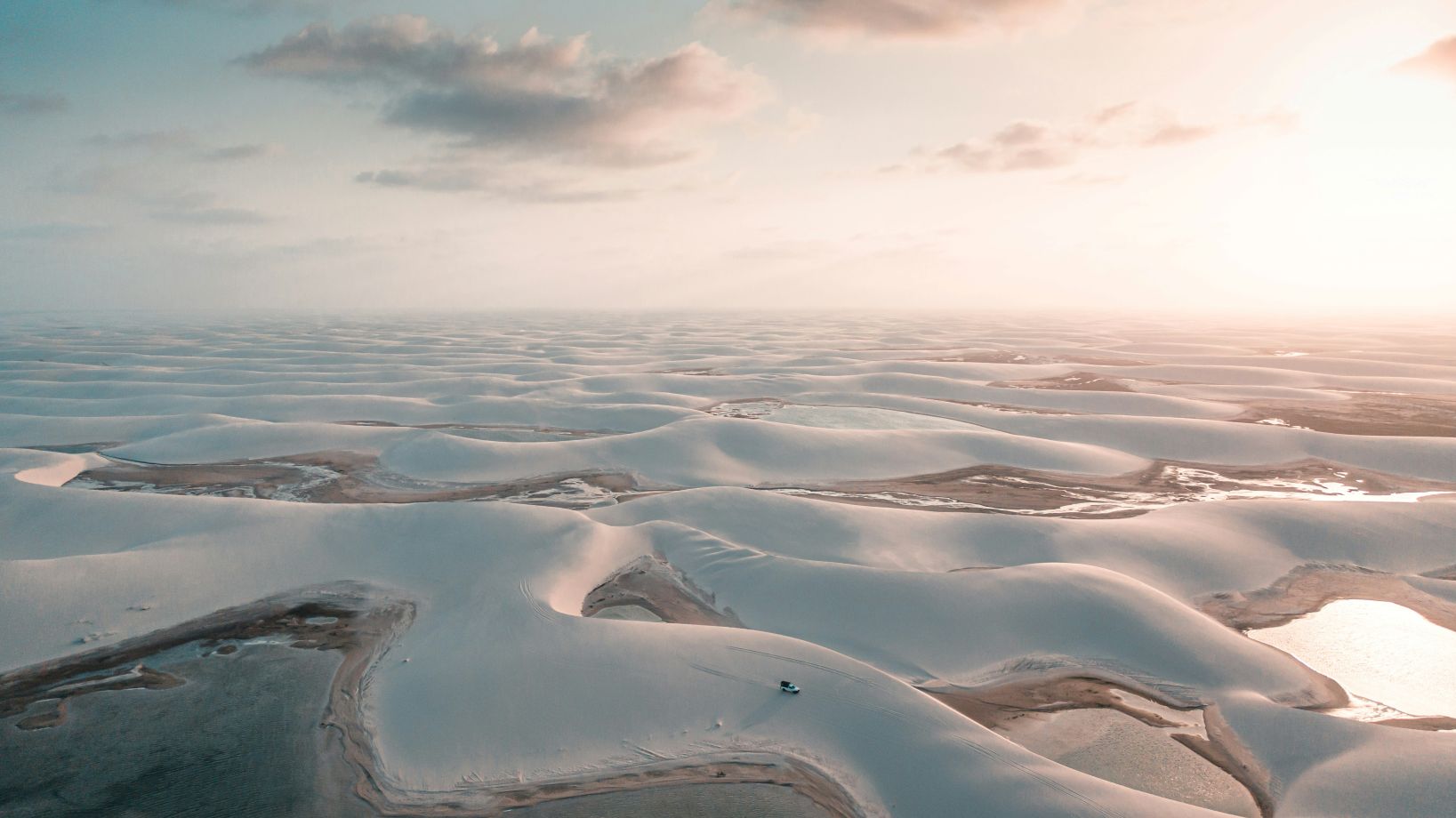
Located along Brazil’s far northeastern coastline, Lençóis Maranhenses National Park is best known for its unique rolling sand dunes and the valleys between them. From above, they look almost unnaturally terraced, especially after the rainy season has filled the valleys and turned them largely into lagoons.
You’ll want to visit when the water levels of the valleys are highest, between May and September. This affords you the best opportunities for swimming and diving in the lagoons, hiking along the colossal dunes, or both. Crowds at Lençóis Maranhenses will be moderate compared to a site like Iguazu, due to the former’s more rugged nature.
Read more: The highlights of visiting Brazil
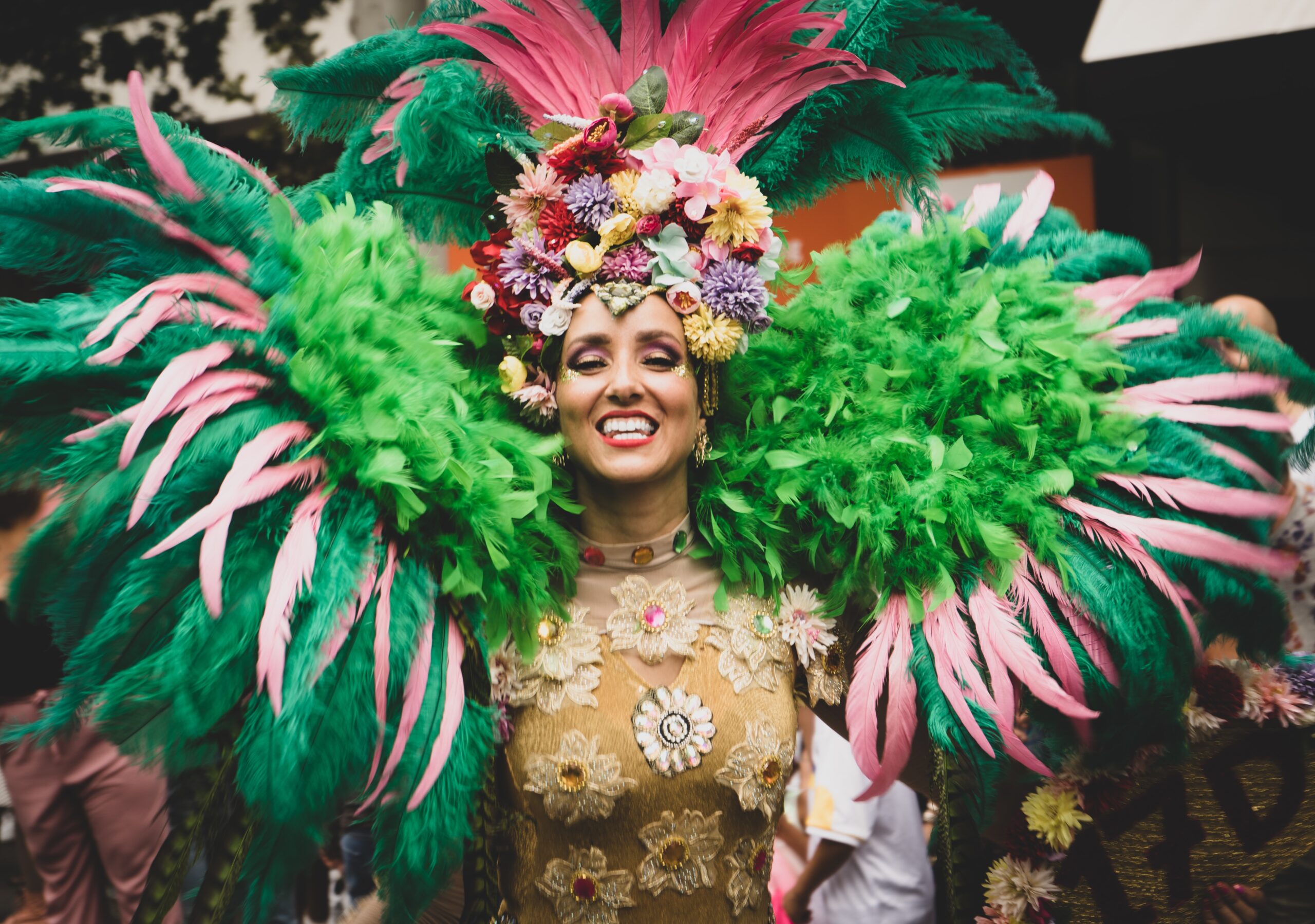
To visit either of the biggest Carnival celebrations in the world, you need to figure out when the beginning of Lent falls, as Carnival always takes place five days before then. This is almost always sometime in February but sometimes crosses into early March. Fortunately, you can generally do this at least a year, and sometimes two, in advance — which is good, considering how thoroughly packed Carnival will be.
This weeks-long period of feasting, also known as the festas de São João, begins June 1 and continues until the 24th. This is a time of year that’s ordinarily low(er) on tourism. However, if you’re visiting cities where Festa Junina is especially important, like Campina Grande or Caruaru, you may want to get there in early May to prepare.
Known to locals as the Festival do Boi-Bumbá, this unique event in late June involves two “teams” (Boi Garantido in red, Boi Caprichoso in blue) competing to tell a fable about the resurrection of an ox. Each squad attempts to outdo the other’s telling of the tale through elaborate musical, dance, and theatrical routines.
Festival do Boi-Bumbá (in Parintins, Amazonas) has become famous in recent decades, and the venue where it takes place only seats 35,000 people. You’ll want to make your bookings well in advance of late June, even if you plan on simply visiting Parintins and observing the festival tangentially.
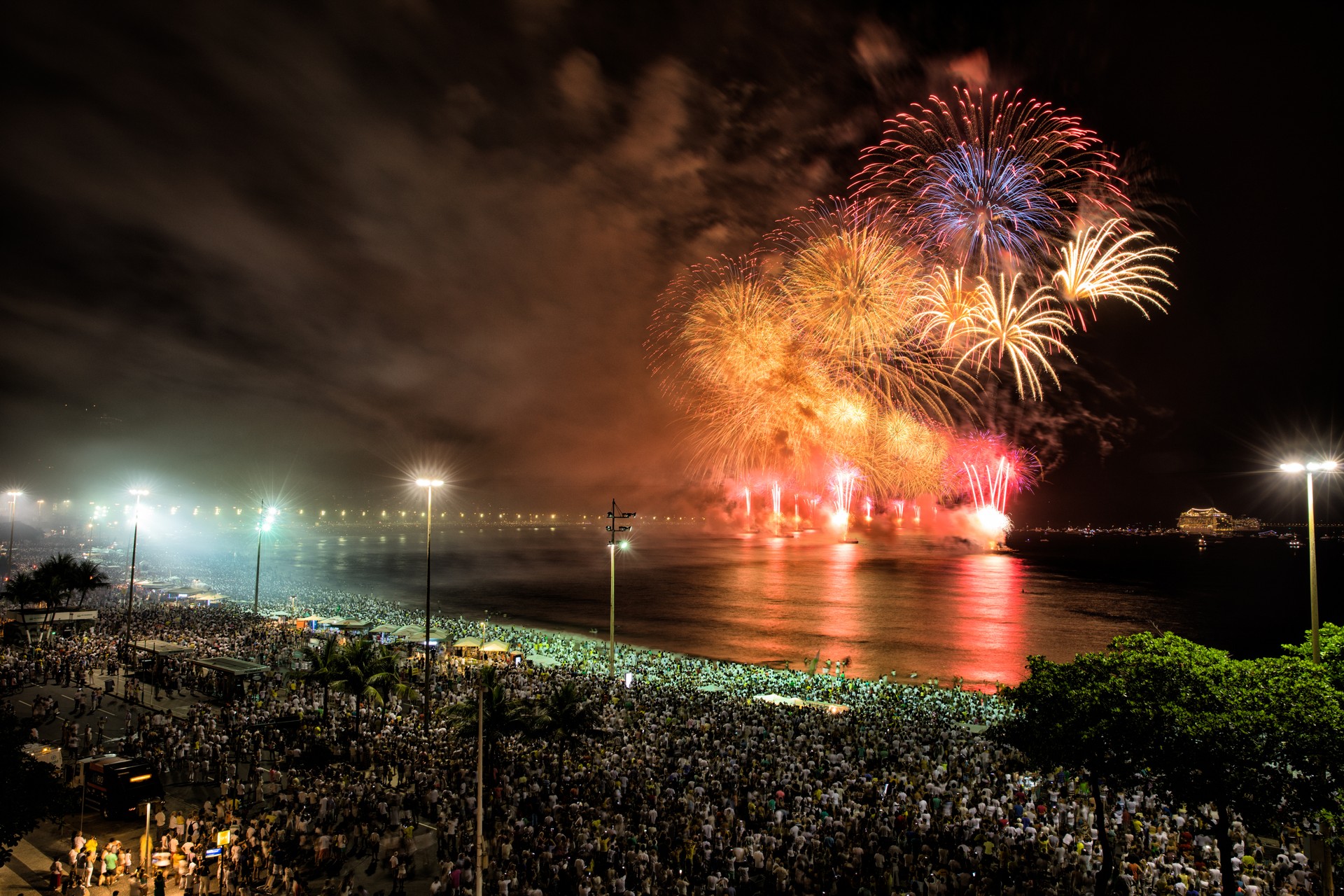
Although it’s one of the most beautiful beaches in Brazil (and South America) by any standard, Copacabana Beach is world-renowned for its New Year’s Eve celebration.
Traditionally, Rio citizens and visitors from across the globe dress in white to ring in the new year, packing millions into a stretch of coastline that’s under three miles long. Fireworks (and, in recent years, drones) fill the night sky as samba, baile, and electronic music booms from multiple stages.
Advance preparation is of the utmost importance if you plan on attending this legendary party. This is also a situation in which assistance from a guide is essential.
Read more: Get to know Rio de Janeiro
Brazil contains multitudes — but chances are, you’ll need local expertise to help unlock its secrets on your ideal vacation. Enjoy having the benefit of our esteemed in-destination experts, no matter when or where you travel in the country. Get in touch today for more tips on the best time to visit Brazil, and to start planning your Brazil trip itinerary alongside a local guide.
Explore all featured destinations
Join our mailing list for travel inspiration, trip recommendations, and insights from our local experts.