Tales from TravelLocal: our most unique culinary travel experiences
9 September 2026
When’s the best time to go to Europe on vacation? There are so many glorious memories to be made in this diverse continent, filled with world-renowned history and culture. However, with such distinct seasons, and differences between northern, central and southern nations, where you go and when will really have an impact on your experience.
To make it easy for you, in this article we’re breaking down what to expect from a trip to different parts of Europe, month by month. You can also chat to one of our local travel experts who can help you plan a well-timed itinerary that works around your preferences.
Let’s get into how the monthly and seasonal shifts affect traveling in Europe. When countries are mentioned they’re meant as examples, rather than an exhaustive list.
The deep winter months after Christmas are usually the quietest season for much of Europe, with short, cold days. This is ideal for slow travel, with tourist sites to yourself and a frosty, atmospheric mood. It’s milder in southern countries (Italy, Portugal, Spain) than central Europe (Austria, Germany, the UK), which have a more wintry feel.
The Nordic destinations such as Iceland, Finland and Norway are in full winter mode in January to March, and covered in snow — the ideal time for seeing the northern lights, embracing snow sports, and getting cozy by a fire.
Read more: The most romantic places in Europe

The spring rears its bright, daisy-chained head come April, and conditions in Europe significantly improve. It’s a month of rising temperatures and blooming life, as lambs are born in the countryside, and the Netherlands sees the turn of the tulip season. The southern nations start to really warm up, while in the north, the snow starts to thaw. In central Europe the weather is mild, with some sunny days. It’s still unpredictable, however — they’re called ‘April showers’ for a reason!
Easter parades and holiday events hit many countries throughout April and into May (Easter can bring a spike in prices and crowds, particularly over Semana Santa, Holy Week, in Spain).
Everything brightens up across Europe in May and June. The Mediterranean nations usually see temperatures hitting highs of 77-86 degrees Fahrenheit (25-30 degrees Celsius), ideal for swimming and long beach days; the northern countries see melted snow transform into grassy hiking trails and flowers in the fields; and in central regions, the spring brings longer, sunnier days, and even the occasional scorcher for picnics and al fresco coffee. Inner-city temperatures aren’t uncomfortably hot, and the schools haven’t broken up, making it a perfect season to sightsee in the big capitals.
Destinations like Slovenia, Hungary and Poland are especially underrated in early summer, with far fewer crowds than Western Europe’s hotspots.

July brings the school summer holidays in Europe, so it starts to get busy. In southern Europe the sun is strong and shines most days, for exceptional beach conditions and beautifully-lit evening activities. In central countries the sun is never guaranteed, but temperatures hover between 71-45 Fahrenheit (22-27 Celsius). Crowds at beaches and tourist sites will be your main obstacle, as queues are usually longer and prices higher than the off-peak and shoulder seasons.
Meanwhile in the far north (Scandinavia and the Nordics) July is the month of the midnight sun, a surreal phenomenon where darkness doesn’t fall for a number of weeks.
August is summer at its hottest and busiest across Europe. The days can be uncomfortably hot, particularly in the south (Spain, Italy, Portugal, Greece) where inland it can hit up to 93-108 Fahrenheit (34-42 Celsius). Capital cities are crowded, with international and domestic travelers making the most of their holidays, while locals tend to escape elsewhere.
Despite high prices, temperatures and crowds, there’s a hazy, intense mood to August which some find addictive. Be prepared to bring strong sunscreen, wherever you go.
Read more: Nine refreshing European summer break ideas
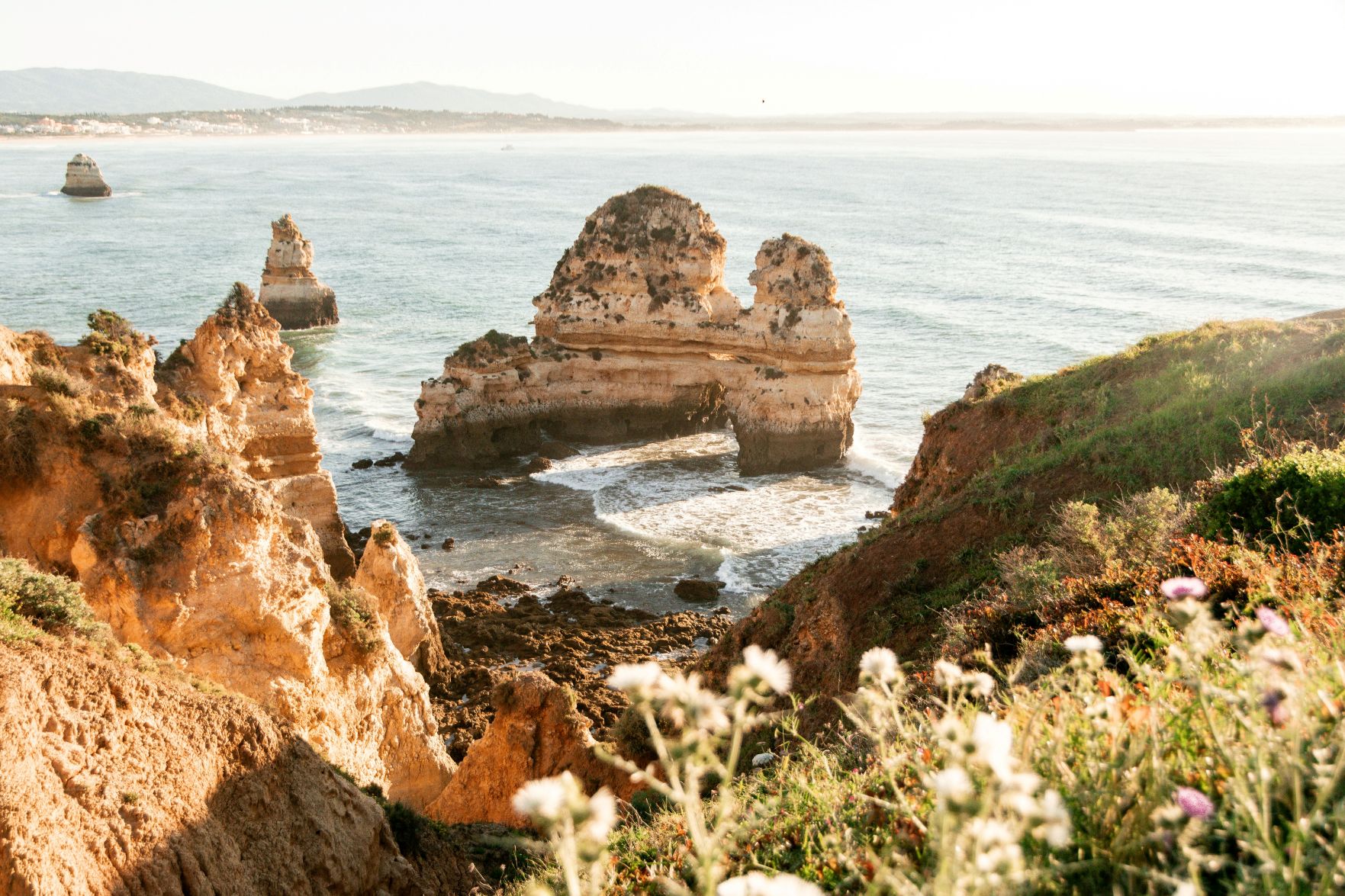
September is one of our favorite months to travel at TravelLocal — as this time of year gifts the perfect balance of warm but not hot temperatures, fresh breezes, and the physical breathing space that accompanies the back-to-school season. Prices are lower, tourist attractions are still open, and daylight still lingers into the late evening.
It’s the perfect time for a September escape to Greece’s lesser-known islands, Croatia’s crystalline Adriatic coast, inland gems like Hungary or Slovenia, or Austria’s crisp alpine lakes.
As the blanket of fall cools and rusts the natural landscapes, October and November in Europe are all about slow travel, harvests, and local flavors. There are vineyard tours to join in Bordeaux and Tuscany, truffle hunting in Croatia and northern Spain, and autumn harvest festivals across Germany and Austria. Fresher air, golden sunsets, ripened grapes, and hearty local food make this the perfect time for wine tasting, wandering, and dinners that span hours.

As Christmas approaches, the coldness brings a crisp, festive atmosphere across most of Europe. By December, the northern countries have a blanket of snow and the clarity of the northern lights is reaching its peak; central Europe is embracing festive lights and late-night shopping, and even those in the southern countries are donning winter jackets. This season is primed for twinkly Christmas markets in Austria, Germany, Czechia and more, but bear in mind it’s busier and more expensive at this time than the rest of winter.
Read more: Europe’s most magical Christmas markets to visit this year
Whether you’re swayed by budget, weather or having as much space as you can get, here is the best time to visit Europe based on what’s most important to you.
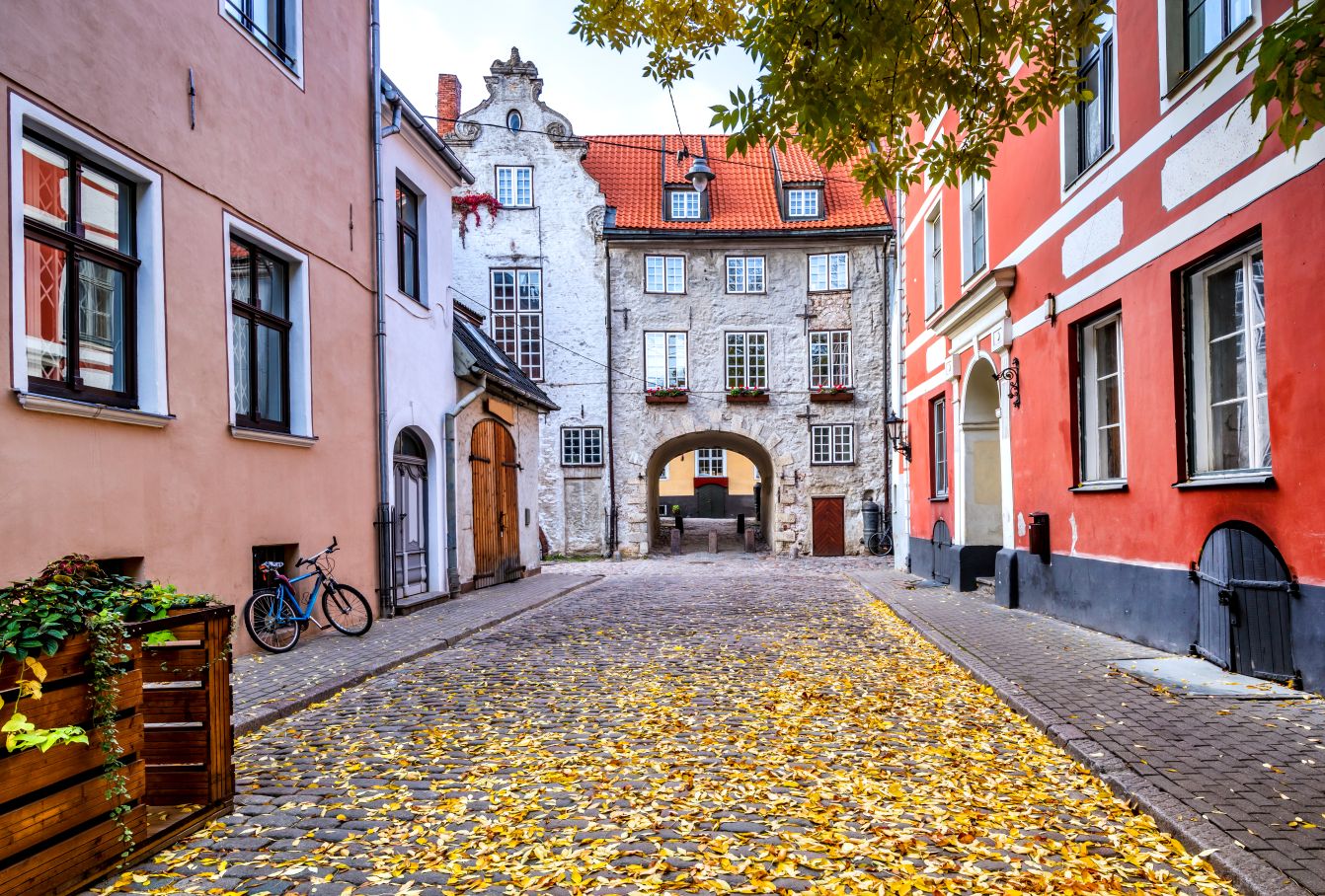
Though July and August offer the best weather and temperatures across Europe, these months can also be hectic. May, June and September offer the best balance of sunshine, pleasant weather, and comfortable sightseeing across cities and coasts.
At these times, you can explore cities like Rome or Barcelona without the intense heat, or head to the beaches of the Algarve or the Greek islands for lovely beach days before the crowds ascend.
So much of European travel is about getting out into the great outdoors, but conditions matter:
Read more: Five of the most beautiful hikes in Europe

Here’s a quick guide to how the seasons shift in European hotspots…
Late spring and September are the ideal times to visit Southern Europe. The sea is at its warmest, days are still long, but there are fewer crowds than the peak of summer. October is also lovely for city breaks, wine tasting and food-focused trips.
May to September is the most reliable time for good weather, long days and outdoor café culture — though be aware July and August see more crowds and higher prices, as schools break for summer. September through October is an excellent time for food, wine regions, and city exploration.
The summer (June to August) is ethereal in the north of Europe, with midnight sun, excellent hiking, stunning fjords, and full access to the more remote landscapes. Winter (November to February) is a completely different draw, with dark skies, crisp snowscapes, sauna culture, and excellent sightings of the northern lights.
Late spring and early autumn are ideal for walking the cities and countryside of Central and Eastern Europe, without intense heat. September in Croatia is wonderful; still warm but calmer and more relaxed than summertime. Slovenia and Romania offer spacious natural surroundings with few crowds. If you want to ski, head to Austria between December and February.
Read more: Discovering Eastern Europe: highlights across the region

Are you ready to book your dream trip to Europe? Get in touch with our local travel experts to plan your vacation today. They’re locally-based within the destinations, and are primed and ready to build a bespoke itinerary based on your vision.
Join our mailing list for travel inspiration, trip recommendations, and insights from our local experts.