

What to do in Chile: 20 adventures for your next trip
23 October 2026
All the way down on the wild southern tip of South America, Patagonia comprises a vast stretch of land reaching across Chile and Argentina. Both regions share spectacular mountain scenery and sublime national parks, making them a mecca for lovers of the wilderness and outdoor adventuring. But which is best to choose for your itinerary, or how might you go about exploring both on the ultimate outdoor adventure? Read on for our ultimate Patagonia travel guide, complete with essential Patagonia trip itinerary tips to help you get started.

Cleaved in two by the Andes Mountain Range, the slimmer slice of land lies in Chilean Patagonia, and Argentina is home to a much larger expanse. Sculpted by glaciers, the region is largely characterized by flat grassland plains and soaring mountains. Chile has a deeply fjord-riven coastline punctuated by temperate forest, glacial lakes and expansive glaciers. While in Argentina, northern Patagonia is dominated by endless grassland, known as pampas, with lakes curved around the foothills of the Andes and sparkling glaciers further south.
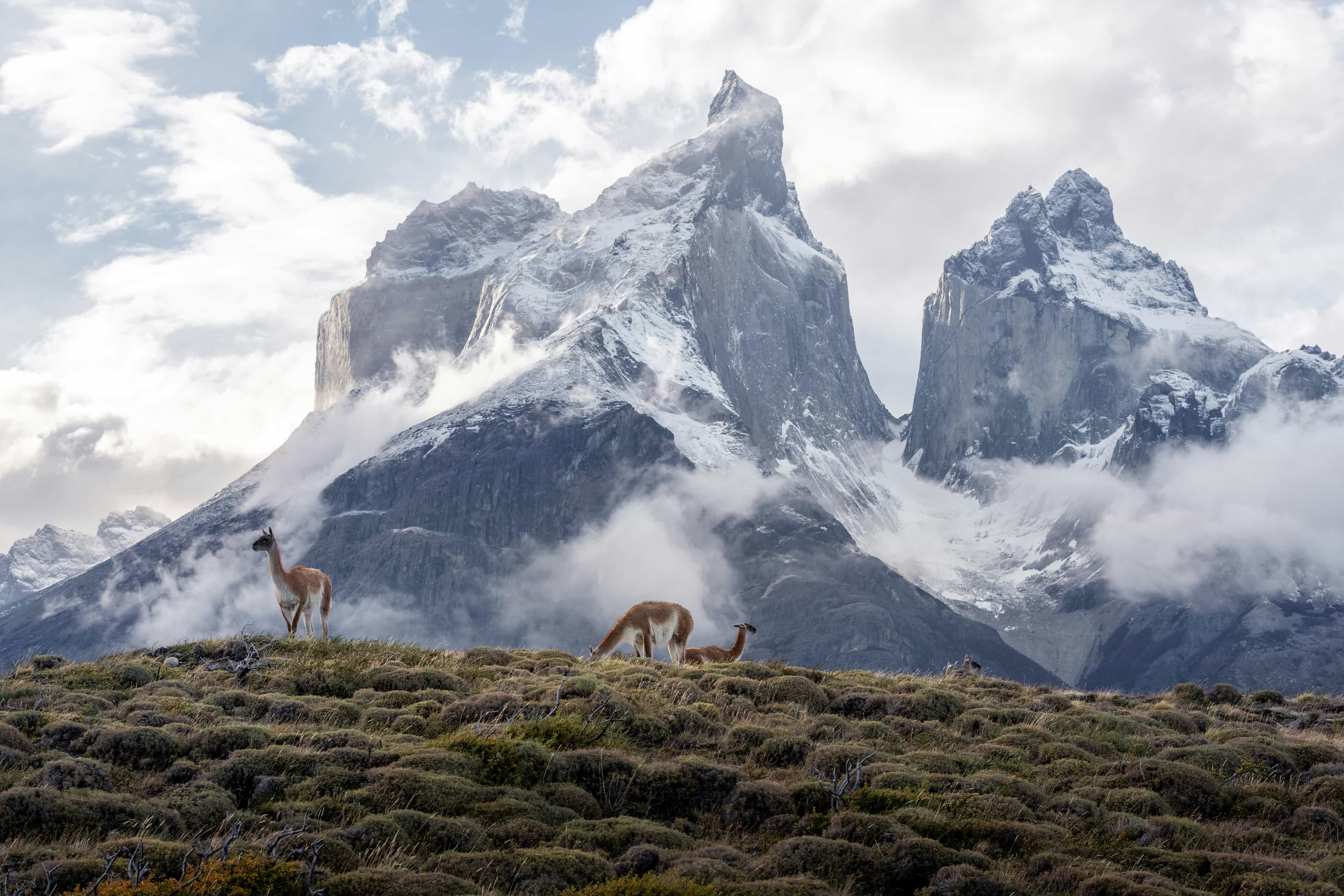
Chile’s UNESCO-listed Torres Del Paine National Park is one of the great wonders of the world. This is Patagonia at full force; windswept and wild with the mighty granite towers (torres) of the main range piercing a moody sky. It’s a monumental landscape and profoundly beautiful. The flipside is that it does get busy. For those who prefer their wilderness empty of people, it can be frustrating to share the trails and viewpoints with other visitors.
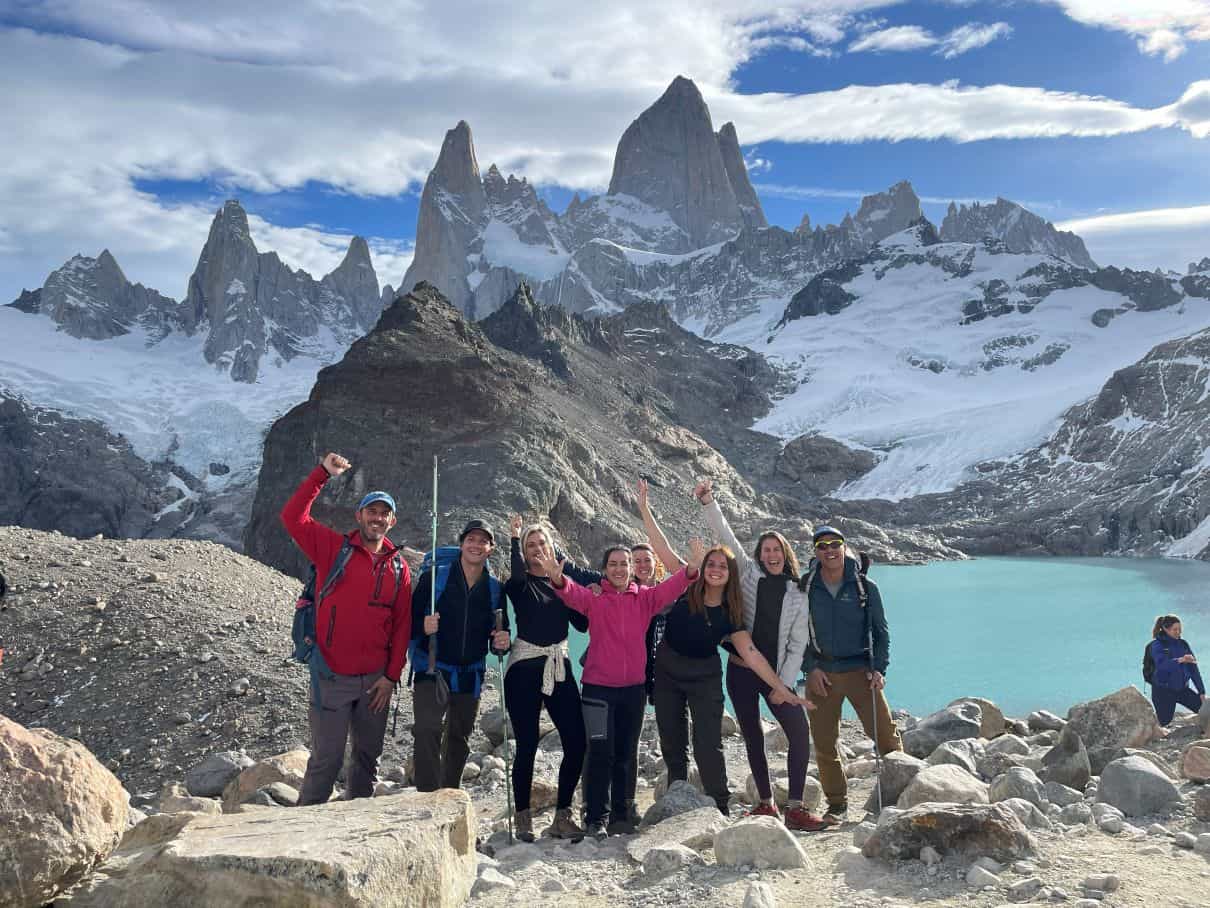
Argentina also offers show-stopping beauty, and for many, the Fitz Roy Mountains are equal to Chile for dramatic views. The trails here, although still popular, are generally quieter than in Torres del Paine, so it feels more intimate and peaceful, with fewer pairs of hiking boots tramping by. There is more to Patagonia than mountain trails, though, and both Chile and Argentina have other factors that could sway you, both in Patagonia and beyond.
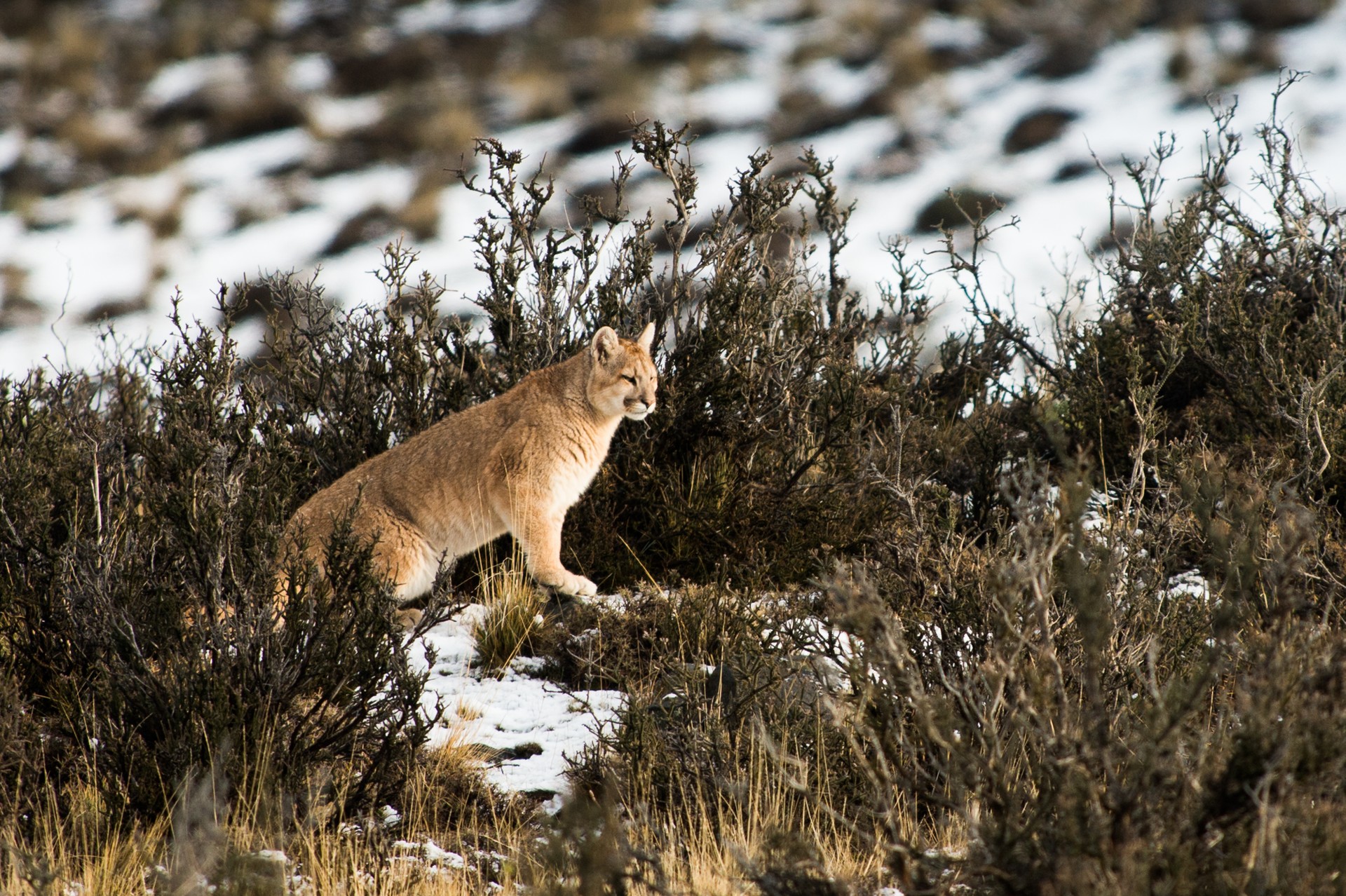
There’s much to consider when planning a Patagonia trip. The distances involved are great, both in reaching this far-flung part of the world and in traveling between destinations once arrived. This is not a destination for a quick visit, and ideally, you’ll spend at least two weeks in the region, preferably more. In two weeks, you could comfortably visit parts of both countries, but a one-week Patagonia itinerary should stick to just one.
The Southern Hemisphere seasons of late spring, summer and early fall are the ideal times to travel to Patagonia. This means from October to April, with December and January being the busiest months. In summer, the weather is generally fine and dry with long hours of daylight, making it ideal for sightseeing and hiking. It can be quite windy at this time of year, and extra care should be taken to apply regular sunblock.
Spring is also a good time to travel, and it is slightly quieter. Temperatures will be cooler, but there’s still plenty of sunshine, and the wild flowers are in bloom. In March and April, fiery fall colors will light up the forests and foliage, but expect more frequent showers and cooler temperatures.
Getting to Patagonia begins with an international flight into either Santiago, Chile, or Buenos Aires, Argentina. With the distances involved, most travelers opt for an internal flight to Patagonia, at least one way, either into Punto Arenas in Chile, or El Calafate in Argentina.
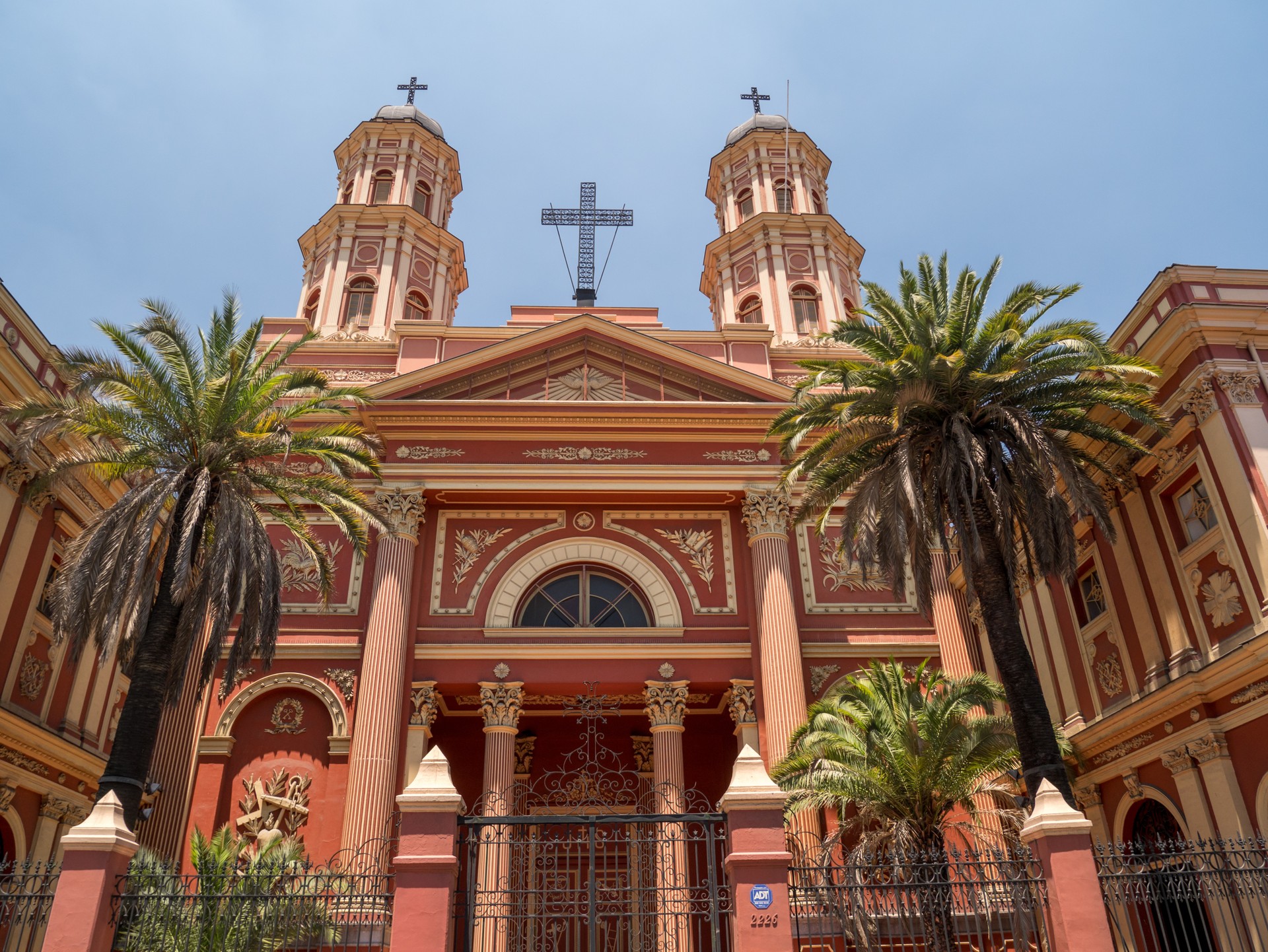
With more time, it is possible to travel there by bus. Argentina is most suitable for long-distance bus journeys between Buenos Aires and other Patagonia destinations, such as Bariloche or Puerto Madryn on the Atlantic Coast. Traveling the length of Patagonia in Chile is trickier and requires a mix of boat and bus journeys with frequent changes.
Once in Southern Patagonia, it’s easy enough to cross between Argentina and Chile. When planning a two-week Patagonia itinerary (or longer), many travelers opt for a loop between Santiago and Buenos Aires, traveling down one side and up the other.
Read more: Into the wild: exploring Patagonia
Puerto Natales is a well-connected town in the heart of Chile’s Southern Patagonia region. Geared up for trips into Torres del Paine National Park and journeys on into Argentina, it’s a busy town with plenty of hotels, restaurants and outdoor gear shops. Punta Arenas is the largest city in Chilean Patagonia and home to the region’s main airport. From there, it’s a scenic three-hour road journey to Puerto Natales following Route 9.
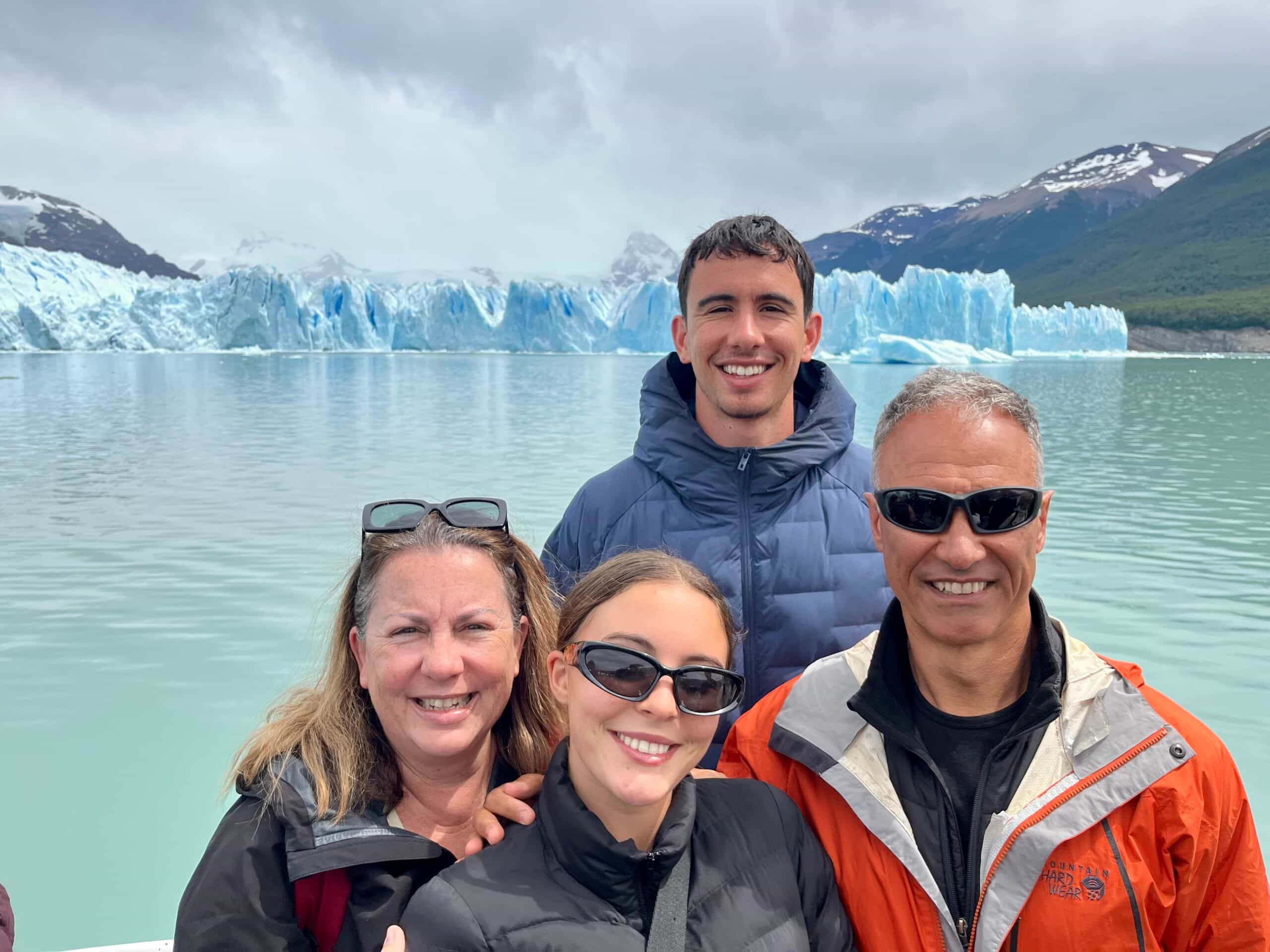
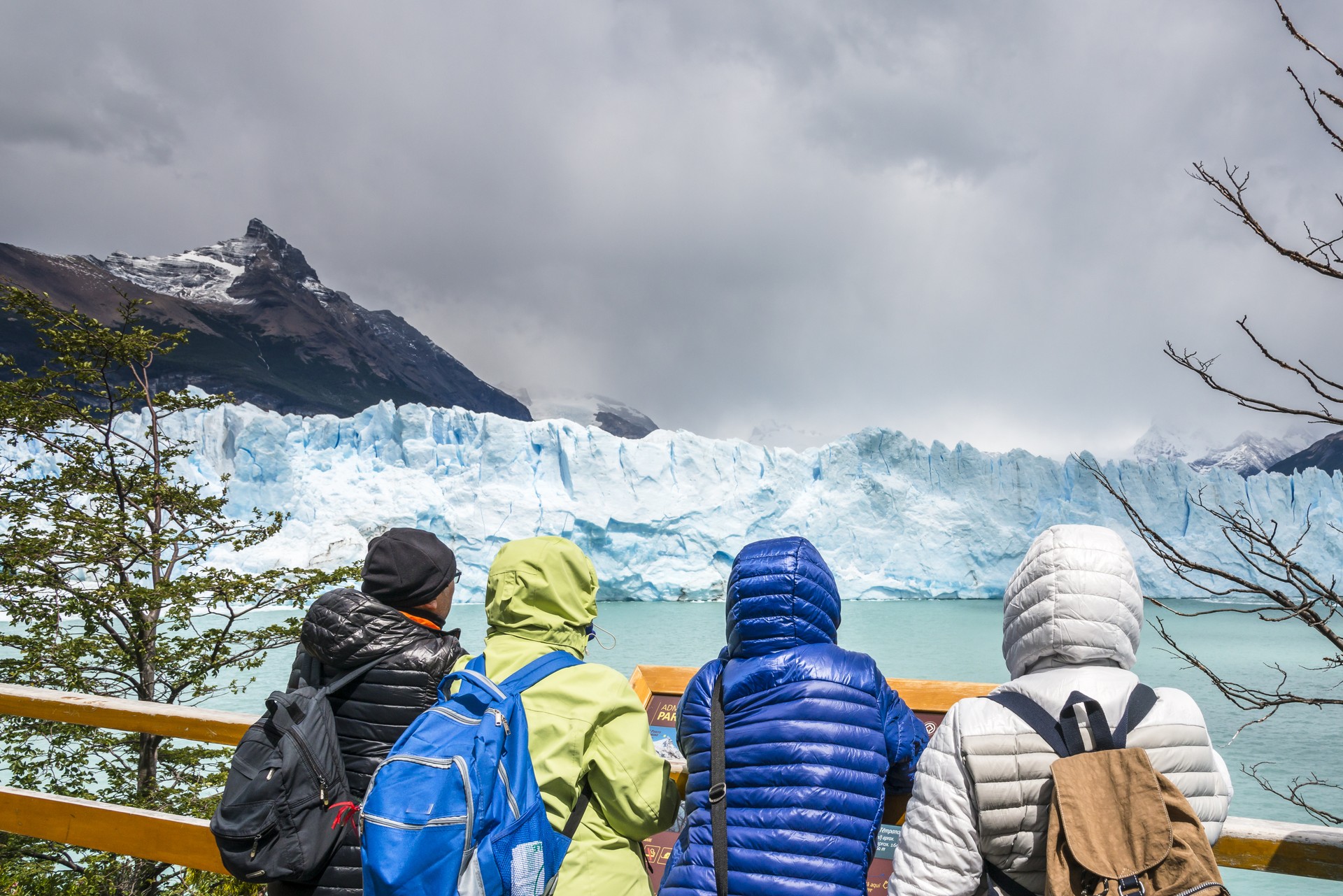
Sleepy El Calafate has transformed into a lively hub for visitors to Patagonia, thanks to its proximity to Argentina’s stunning Los Glaciares National Park. Stylish hotels and restaurants abound, and it’s a fun place to spend your evenings between excursions into the park to gape at the views. The star of the show is the Perito Moreno Glacier, a pristine expanse of ice reaching into an expansive lake bobbing with icebergs.
El Chaltén has remained pleasantly low-key with a clutch of hotels, inns and restaurants gathered along the main street. Purpose-built in the 1980s as a mountain hub for hikers, it provides a laid-back base for downtime between expeditions. Several all-star routes set out directly from the village into the immense beauty of the mountains. Wherever you wander, views of the dramatic Fitz Roy and Cerro Torre peaks dominate the horizon.
If you’re planning a trip to Patagonia, it’s just a hop, skip and a jump to Antarctica. Well, sort of. It’s actually a two-day expedition across the often-tumultuous Drake Passage to reach the frozen Antarctic Peninsula. There are wonders aplenty to experience, and you’ll need to add on an extra 10-15 days to your Patagonia itinerary to do Antarctica justice.
The Land of Fire (Tierra del Fuego) is the southernmost outpost of Patagonia, often referred to as the ‘End of the World’. It’s a bleak, wind-chilled place with a stark beauty all its own and a frontier mentality. Ushuaia is the main town, hunkered down behind a snow-capped mountain range, facing the Beagle Channel.

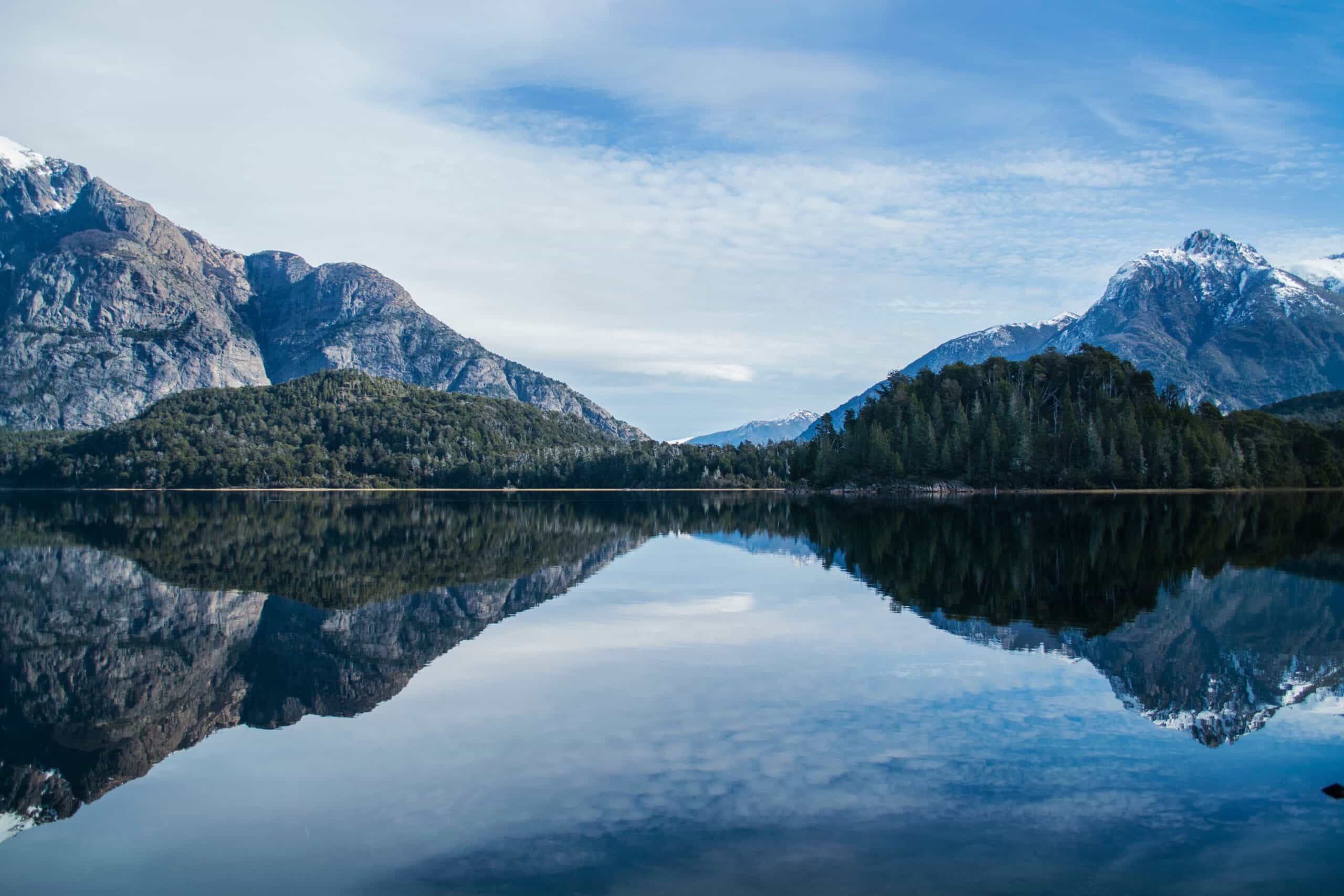
Further north, and enjoying a gentler climate, Bariloche is the gateway town to the lake district. This string of lapis lazuli lakes stretches between the Andes in Chile and Argentina, creating a wonderland for adventure sports and sightseeing. There’s skiing in winter and biking, boating, and hiking to enjoy in summer.
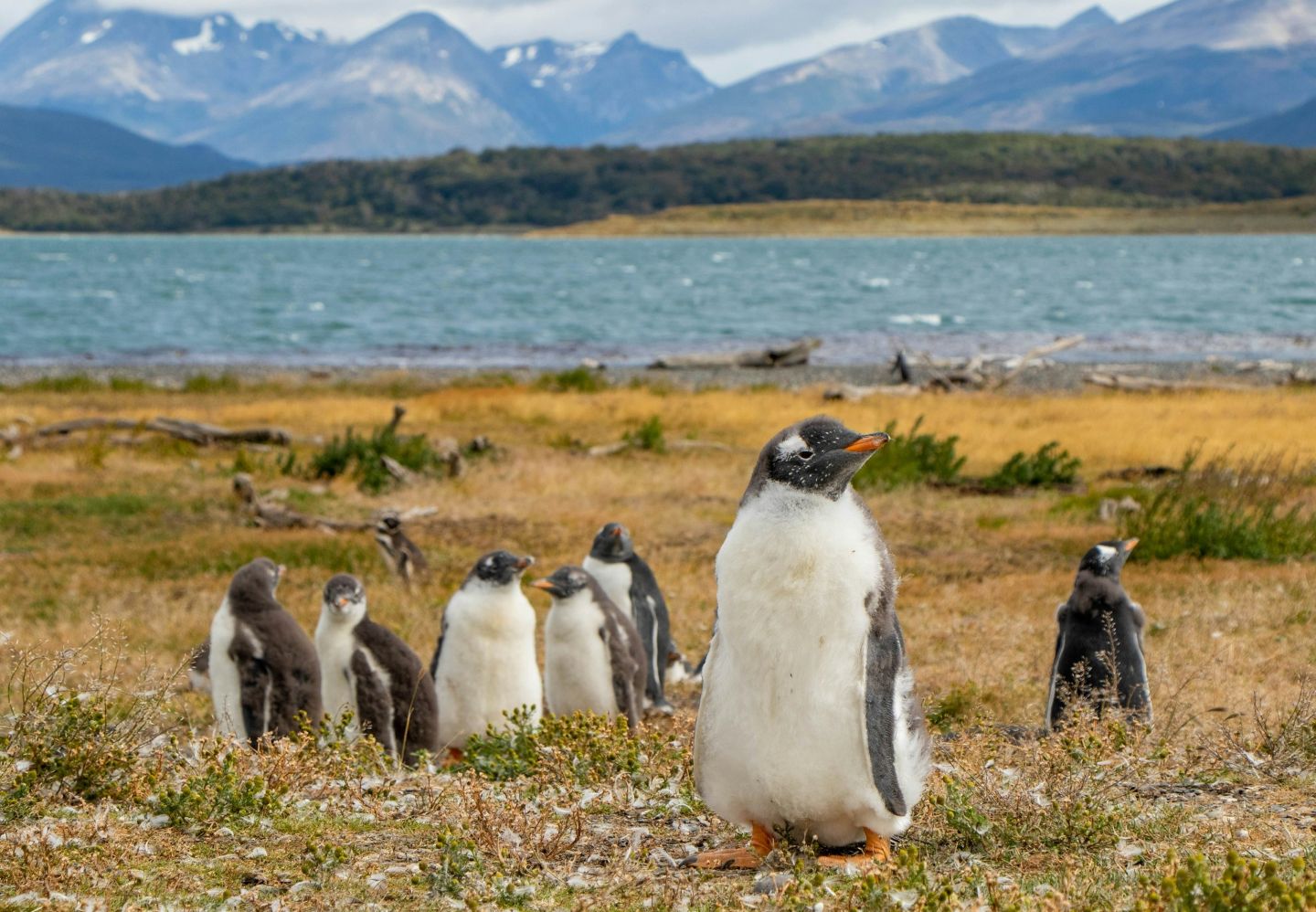
On the Atlantic Coast of Patagonia, the town of Puerto Madryn is an oasis in the desert-like landscapes of this arid, windswept region. Although the land may seem stark, the ocean here is rich in marine life. This is the place to come to see whales, orcas, colonies of Magellan penguins, and dolphins dancing through the waves. Several nearby villages were settled during the 1800s by a passionate Welsh community, and you can still sit down to a Welsh tea in the local cafés.
Aside from its natural wonders, one of the most iconic images of Patagonia is that of the gaucho, South America’s answer to the cowboy. Experiencing the gaucho way of life in the open plains of Patagonia brings a deeper connection to the land and its traditions. Choose full immersion on a dedicated tour or dip a toe in with an overnight stay on an estancia (ranch), and feasting on the famous lamb asado (barbecue) by firelight.
Read more: Undiscovered Argentina

The majority of travelers can visit Argentina, Chile and Patagonia visa-free for vacations of up to three months.
Absolutely, you should exercise the same caution you would anywhere when traveling alone, but Patagonia is a safe, calm and friendly destination.
Yes, there are many options for short walks and trails, as well as sightseeing opportunities that don’t require lacing up the hiking boots at all.
Find out more Patagonia trip itinerary advice from our locally-based travel experts, whose years of firsthand experience in Chile and Argentina will help you shape the perfect journey, based entirely around your budget, interests and travel style.