
Famous palaces in India: an essential travel guide
21 May 2026
Colombia makes for a fascinating and multi-layered vacation, whatever the reason you travel—but those who love delving into history are in for a treat. This South American nation was built on the traditions of ancient indigenous peoples, the legacy of Spanish colonization, and the diverse cultural influence of all who have settled here since—so there is endless history to unpack. Read on for our guide to the most unmissable historical sites in Colombia…
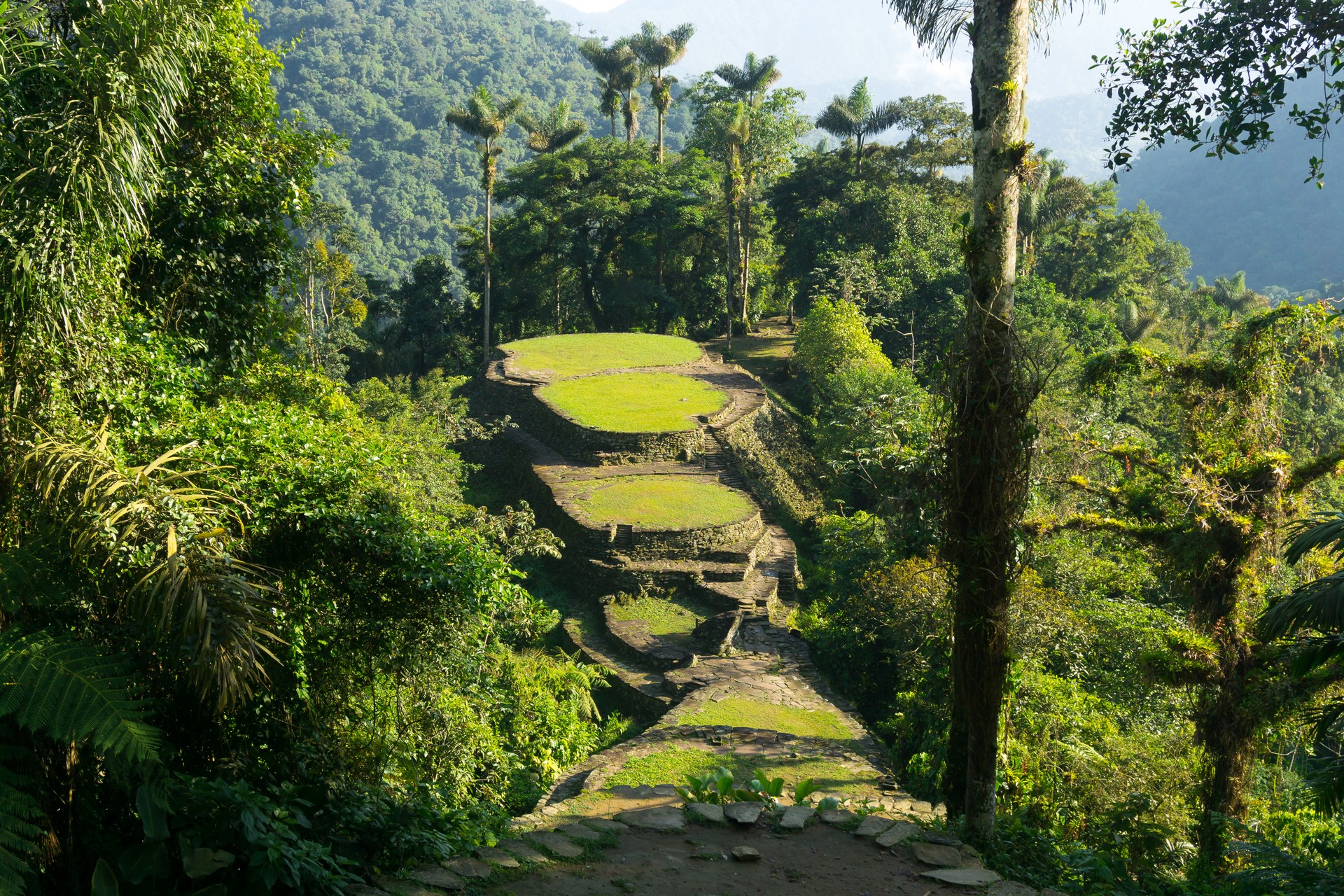
Start at the beginning with the storied architecture of Columbia’s indigenous civilizations…
Before Colombia as we now know it, ancient indigenous peoples built incredible, sprawling cities and dotted the land with monuments and sacred sites.
Ciudad Perdida (The Lost City) in the north of the country is one that truly fascinates. At 650 years older than Machu Picchu, it was built by the Tairona people in around 800 BC. As skilled builders and farmers, they developed the city deep in the Sierra Nevada de Santa Marta jungle, accessible only by a four to six-day trek.
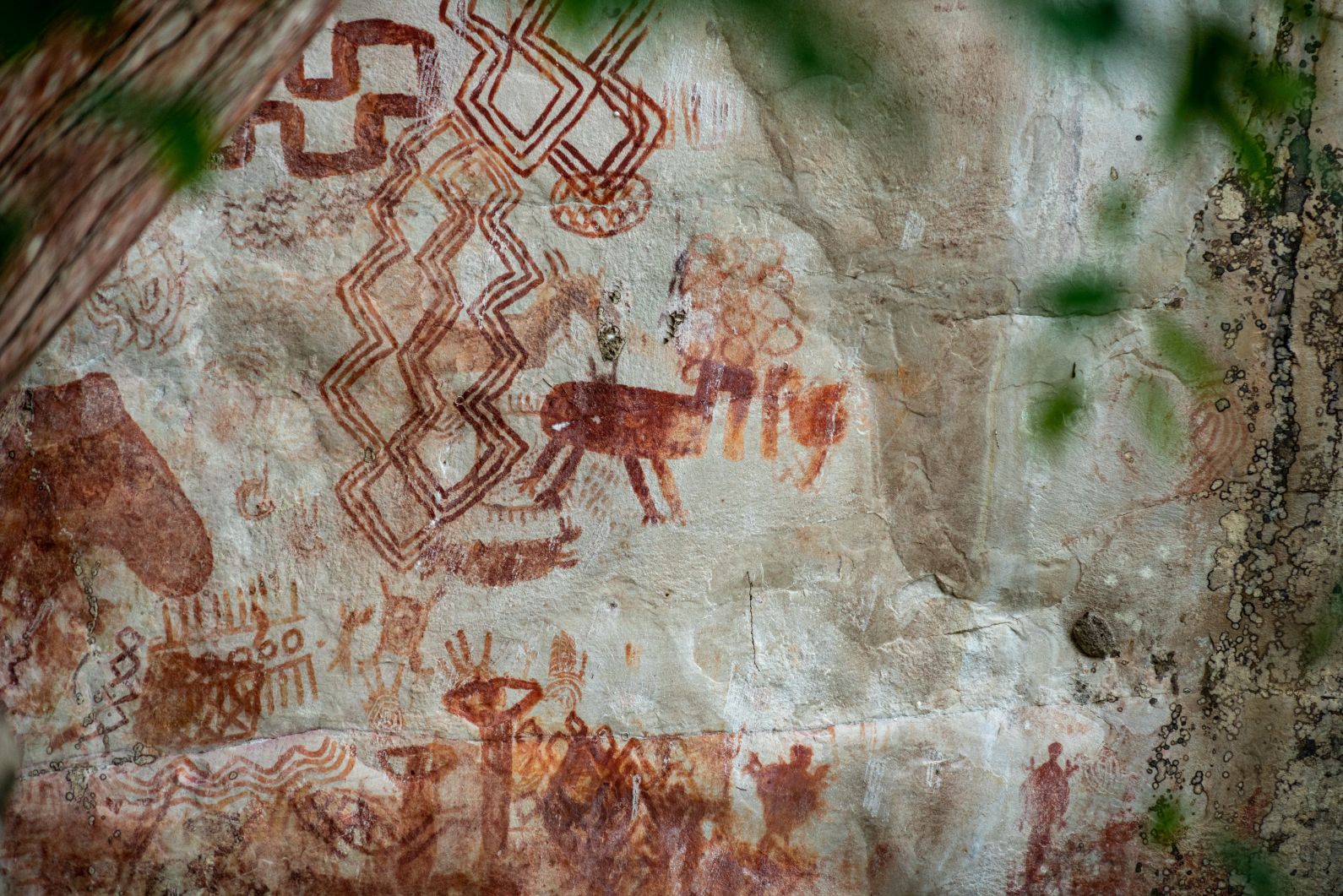
Also in the north are the Cerro Azul rock paintings, where icons and symbols of humans and animals are thought to have been made by early indigenous peoples (likely smaller, semi-nomadic groups), over a thousand years ago.
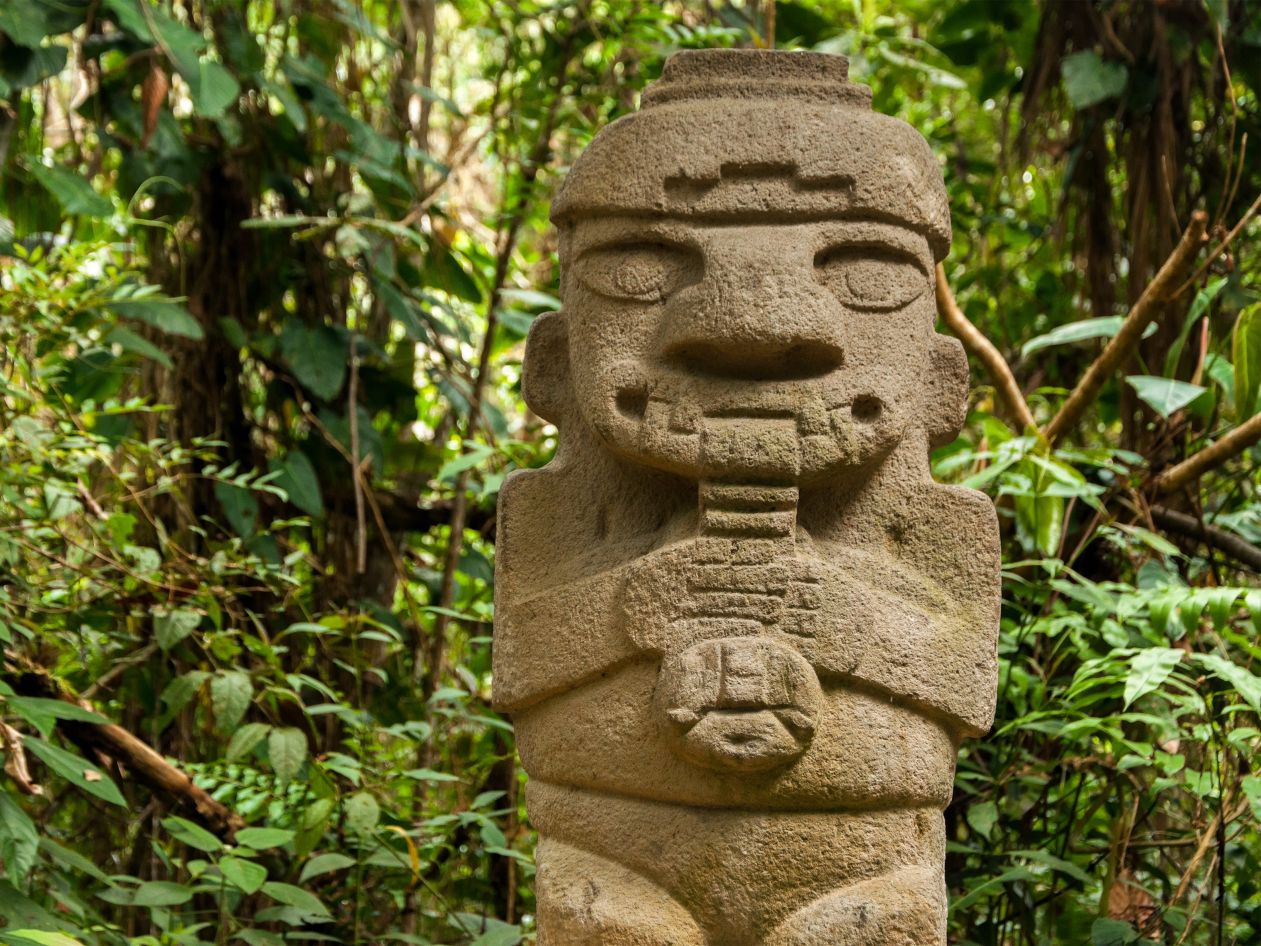
In the south of Colombia are ancient burial grounds and tombs, full of curiosities; the San Agustín Archaeological Park, for instance, is scattered with massive stone statues dedicated to the San Agustín culture, some up to 4m tall.
Below ground rather than above, Tierradentro Archaeological Park is renowned for its tombs, called hypogea, dug several meters down. These sacred graves are largely the resting places of the elites of ancient Andean cultures.
Read more: Cultural Colombia: the best festivals, food experiences, art and more
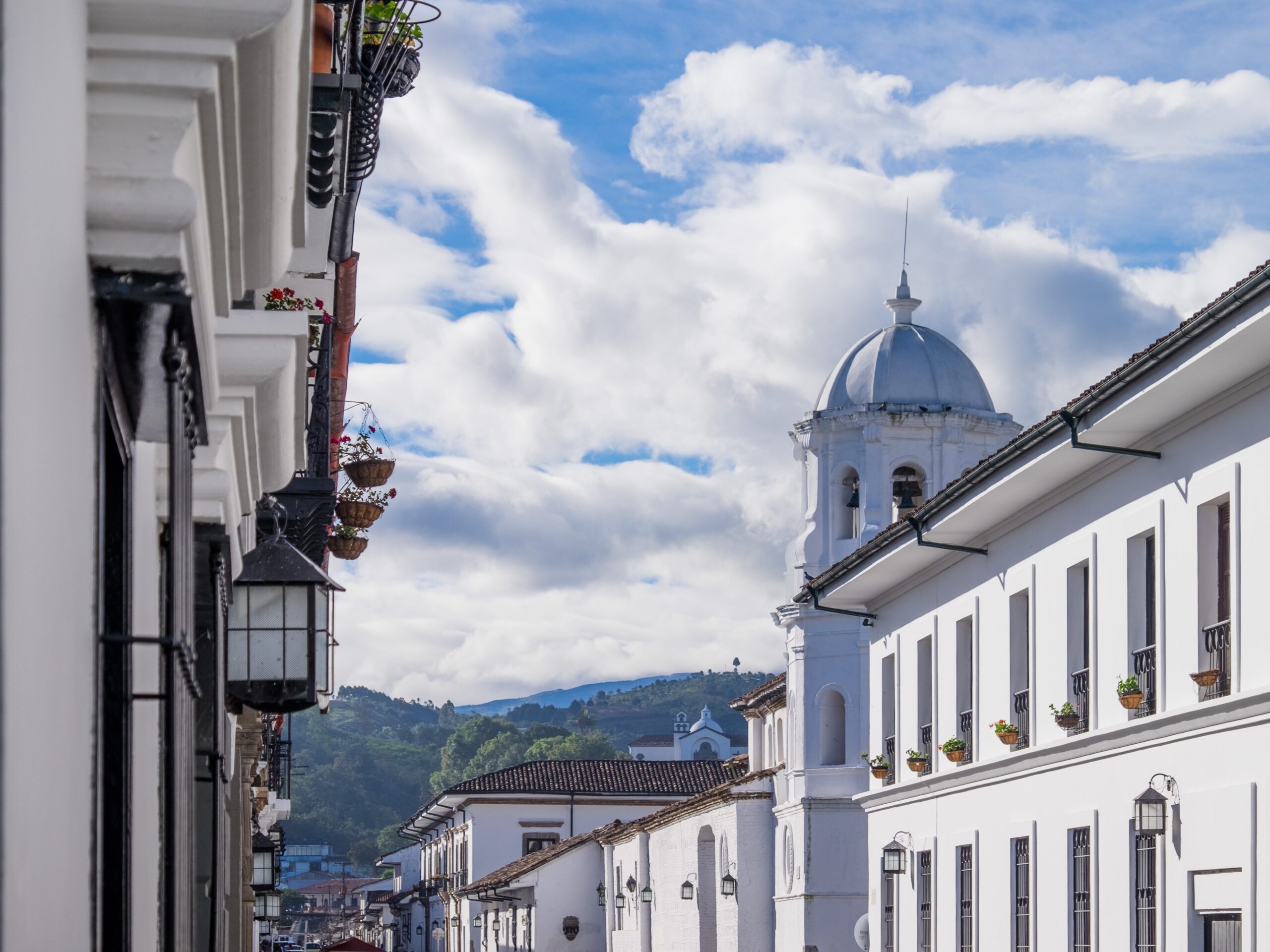
The Spanish empire had control of Colombia in the 18th century, and cities like Cartagena, Bogotá, and Popayán were grand colonial hubs, blooming with the resplendent Spanish architecture you can still see today.
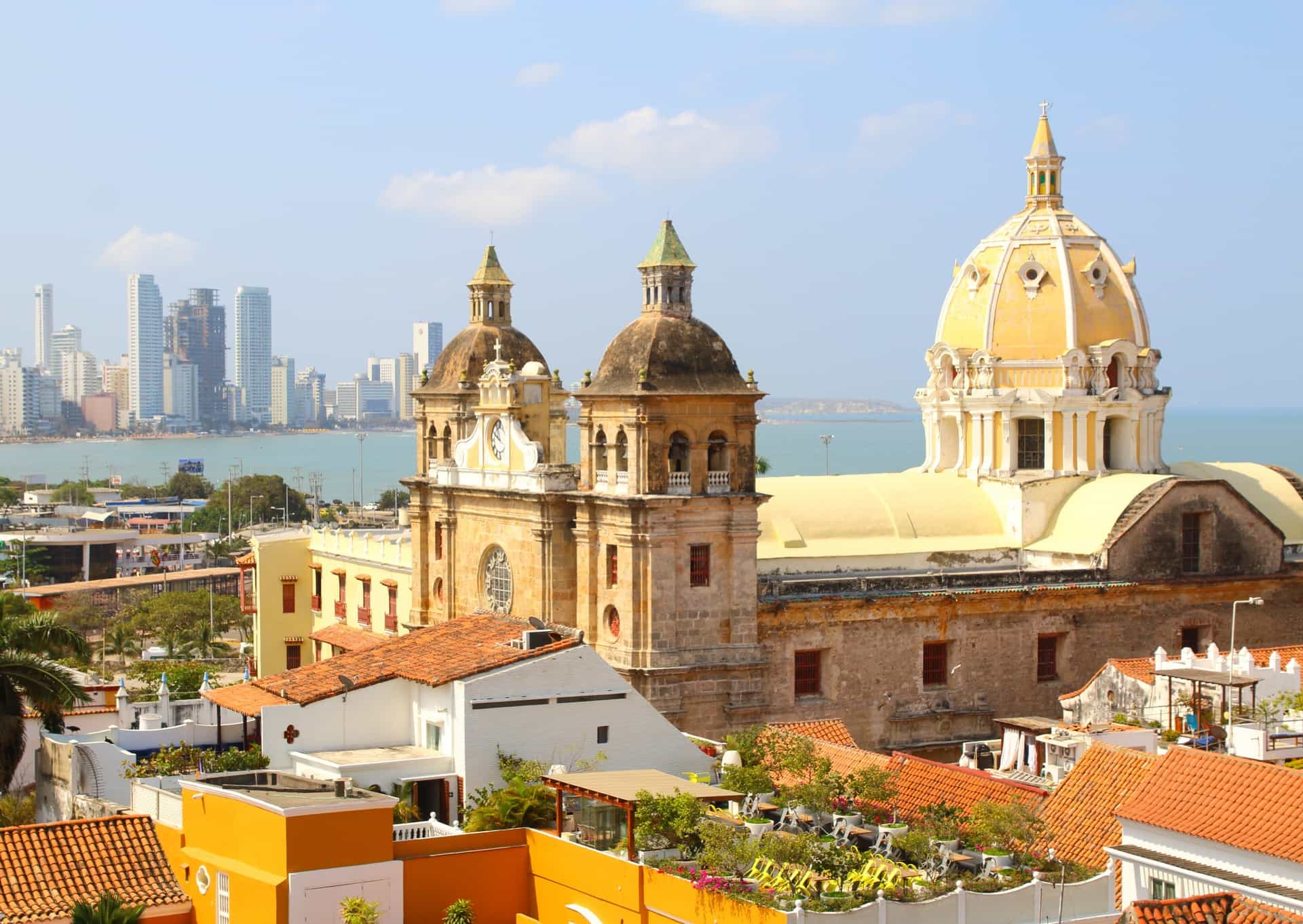
Cartagena is one of Colombia’s biggest draws, its ornate city walls and historic Old Town a photographable center of colonial heritage. The esteemed walls protected what was one of Spain’s most important Caribbean ports from pirates and rival powers; while inside, it’s a treasure trove of aesthetic street life, with painted houses and wooden balconies.
Overlooking the city, Castillo San Felipe de Barajas sits on the hill of San Lázaro; a symbolic fort of Colombian resistance that enjoys far-reaching views of the Caribbean Sea.
Though the Spanish Empire’s control of Colombia ended in the early 19th century, its well-kept colonial towns are full of old stories.
In northern Colombia, explore the riverside charm of UNESCO-protected Santa Cruz de Mompox. Perched along the Magdalena River, there’s an understated elegance to this old colonial town with its wrought-iron balconies, and many of the buildings are still used for their original purpose.
In the Andean highlands, Villa de Leyva is a peaceful town with an immense Plaza Mayor, striking whitewashed buildings, and close proximity to a fossil-rich desert and some stunning monasteries. More white facades and Baroque churches are to be found in Popayán, the White City, renowned for its memorable Semana Santa processions each Easter, as well as its classic, historic appeal.
With a largely Roman Catholic populus, some of Colombia’s most sacred religious structures have been built in spectacular locations.
The Salt Cathedral of Zipaquirá has vast underground chambers, carved into the tunnels of a working salt mine, hundreds of meters below the earth. At the other extreme, Las Lajas Sanctuary is a dramatic, neo‑Gothic basilica perched on a towering bridge, which soars across the deep canyon of the Guáitara River.
In Bogotá, the Santuario de Monserrate sits atop the Monserrate hill, rising about 3,152m above sea level and dominating the skyline. The church itself is in the picturesque, red-and-white colonial style with a central bell tower, with a small plaza outside for visitors to gather.
In Cartagena, don’t miss the 17th-century San Pedro Claver Church in the heart of the beloved walled city. It has a classic colonial and Baroque style, with an elegant bell tower and arched entrances.
Read more: Why you should travel to Colombia

Bogotá is one of Colombia’s most iconic cities, sitting at high altitude at 2,640m above sea level, and is crammed full of historic and political significance.
La Candelaria is Bogotá’s historic heart, an enticing neighborhood of colorful colonial buildings and winding streets, with an alluring, artistic atmosphere. This cultural hub is full of cafés, local food, and fantastic street art that honors indigenous, political, and contemporary stories.
Elsewhere in Bogotá, the Gold Museum (Museo del Oro) houses one of the world’s largest collections of pre-Columbian gold. Before the Spanish arrived, indigenous civilizations like the Muisca and Tairona used gold for rituals, offerings and status, believing it had spiritual power. Intricate gold artifacts fill the museum, evidence of how these ancient cultures developed a mastery in working with the metal.
For a taste of darker history, the Palace of the Inquisition once hosted trials and interrogations during the Spanish Inquisition. Today its dimly lit halls display weapons, torture devices and historical documents that tell the lesser-told stories of Bogotá’s turbulent past.
Nearby, the 400-year-old Plaza de Bolívar is Colombia’s largest and oldest town square—ringed with Neoclassical buildings like the Capitol and the Cathedral, and complete with a number of statues commemorating its political significance in history.
The tourist areas of Colombia are generally safe, but it’s worth keeping your valuables out of sight, don’t go off-route and avoid walking alone at night. If you have mobility issues (or you just get sore feet!), there are a lot of cobblestone streets and steep streets that may prove tricky, so bring a stick or walking aid if necessary, or at least wear comfy shoes.
When visiting historic or religious sites in Colombia, be wary of flash photography—it’s respectful to be unintrusive and quiet with your camera. It’s also recommended to wear modest dress, especially in monasteries and churches, and adopt a hushed voice.
As well as ample historic sites, Colombia is bursting with natural wonders and stunning wild landscapes, so it’s easy to build a diverse itinerary. If you’ve got time to spare, you can even combine a trip to Colombia with the Galapagos Islands. Get in touch with one of our local travel experts to create a bespoke vacation in Colombia that suits you.
Read more: Interview with one of our local experts in Colombia
Our local travel experts are based on the ground in the destination, ready to build you the vacation in Colombia you’ve always imagined. To learn more about these fascinating historical sites in Colombia and start planning your custom trip, get in touch with them today.
Explore all featured destinations
Join our mailing list for travel inspiration, trip recommendations, and insights from our local experts.