
What to eat in Croatia: 10 must-try dishes
9 October 2026
Austria is better known for its alpine scenery, imperial architecture and classical music than its gastronomy, but the country that lays claim to the oldest restaurant in Europe has much to surprise travelers who like to explore a country through its food. Austrian cuisine is shaped by centuries of history, regional diversity, and a deep respect for seasonal ingredients. The food is heartwarming and hearty, designed to fuel long days in the Alps. And with a strong emphasis on meat and dairy, not to mention the cakes and pastries, it’s not for the faint-hearted!
But there’s always another awe-inspiring mountain to hike, or a stunning lake around which to stroll while you digest your lunch. So, strap in as we guide you through what to eat in Austria.

Sharing a border with no less than seven countries, Austrian cuisine has influences from all of them, especially through those centuries when the Austro-Hungarian Empire stretched across much of Central and Eastern Europe. Food in Austria tells a story of place, climate and cultural exchange. Many traditional Austrian dishes, from goulash to filled dumplings and pasta-style pockets, reflect this shared heritage, adapted over time to suit local tastes and ingredients.
The mountainous landscape has shaped a strong alpine food tradition and in rural areas, cooking evolved around what could be grown, raised, preserved or foraged locally. This is why many traditional Austrian foods are filling, practical and rich in flavor, making use of potatoes, bread, dairy, cured meats and seasonal vegetables.
At the same time, Austrian food culture is more than comfort food. With talented chefs combining tradition and local ingredients with creative flair, you can now find gourmet menus showcasing the best of Austrian cuisine.
As you research what to eat in Austria, you’ll soon find that food experiences in Austria vary widely depending on where you travel. In cities, especially Vienna and Salzburg, you can sample famous Austrian food and traditional dishes in historic cafés, traditional taverns, high-end restaurants and bustling markets. Don’t miss Vienna’s iconic coffeehouses, social hubs where newspapers and long conversations are just as much part of the experience as the pastries.
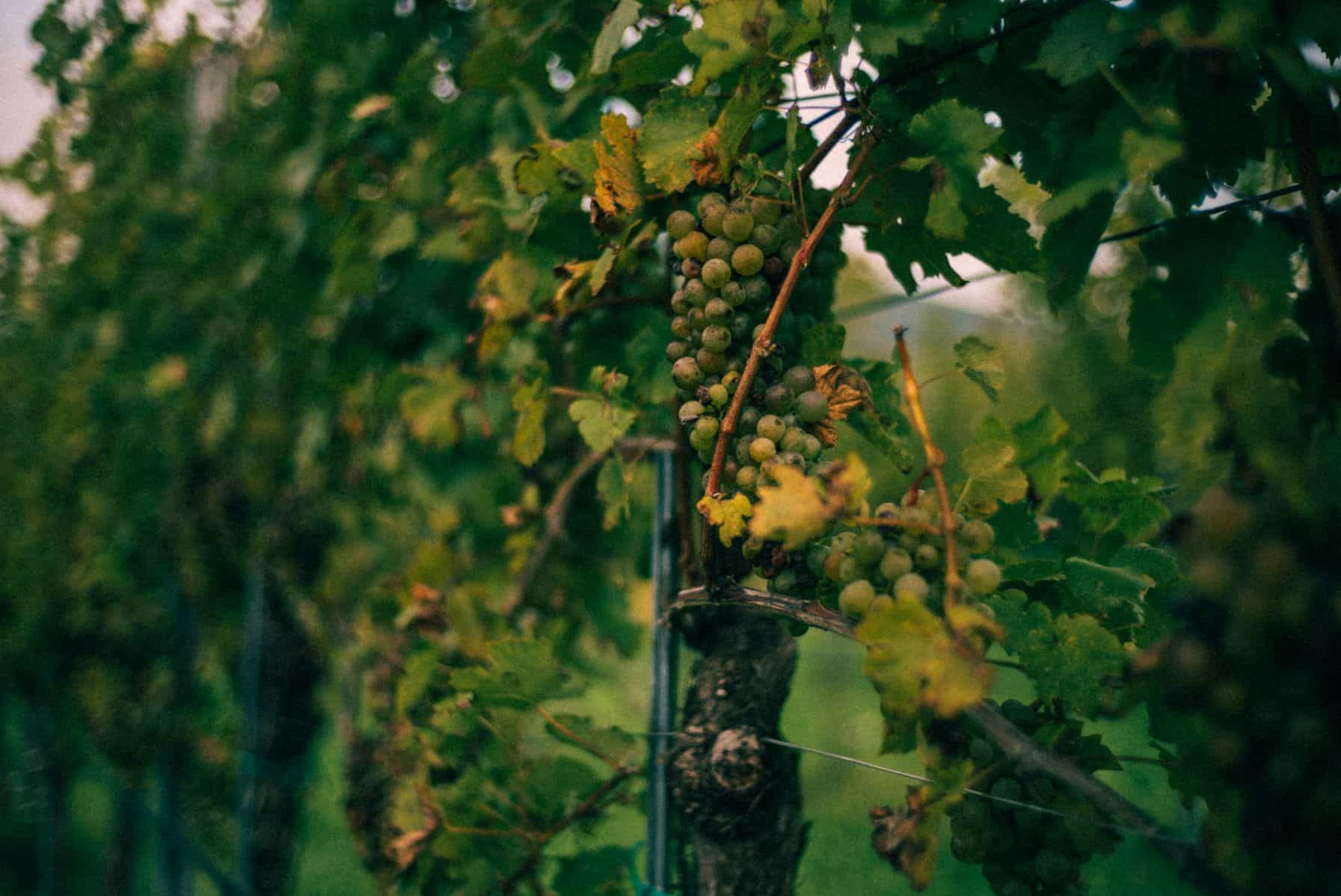
In alpine regions like Tyrol or Vorarlberg, you can hike between mountain huts and family-run inns serving traditional Austrian foods, with recipes passed down through generations. And in wine-growing regions such as the Wachau Valley or Styria, food and drink are closely linked. You’ll find simple seasonal dishes often served alongside local wines in local taverns known as heuriger.
Read more: An in-depth guide to Vienna, Austria’s capital

Austrian food is deeply seasonal, and what you eat often depends on when you visit. Spring brings fresh asparagus, wild herbs and lighter dishes after winter’s heavier fare. Summer is ideal for exploring markets, wine taverns, vineyards and alpine pastures, where fresh cheeses and dairy products shine.
But it’s fall that stands out as a highlight for food lovers, with harvest festivals celebrating wine, pumpkins and game meats. Dishes become richer and more robust as temperatures drop. Then in winter, Austria’s famous Christmas markets are perfect for sampling warming soups, sweet pastries, and traditional Austrian snacks to accompany the festive atmosphere.
Austrian meals often begin with small but satisfying starters that reflect the country’s love of bread, cured meats, and comforting flavors:
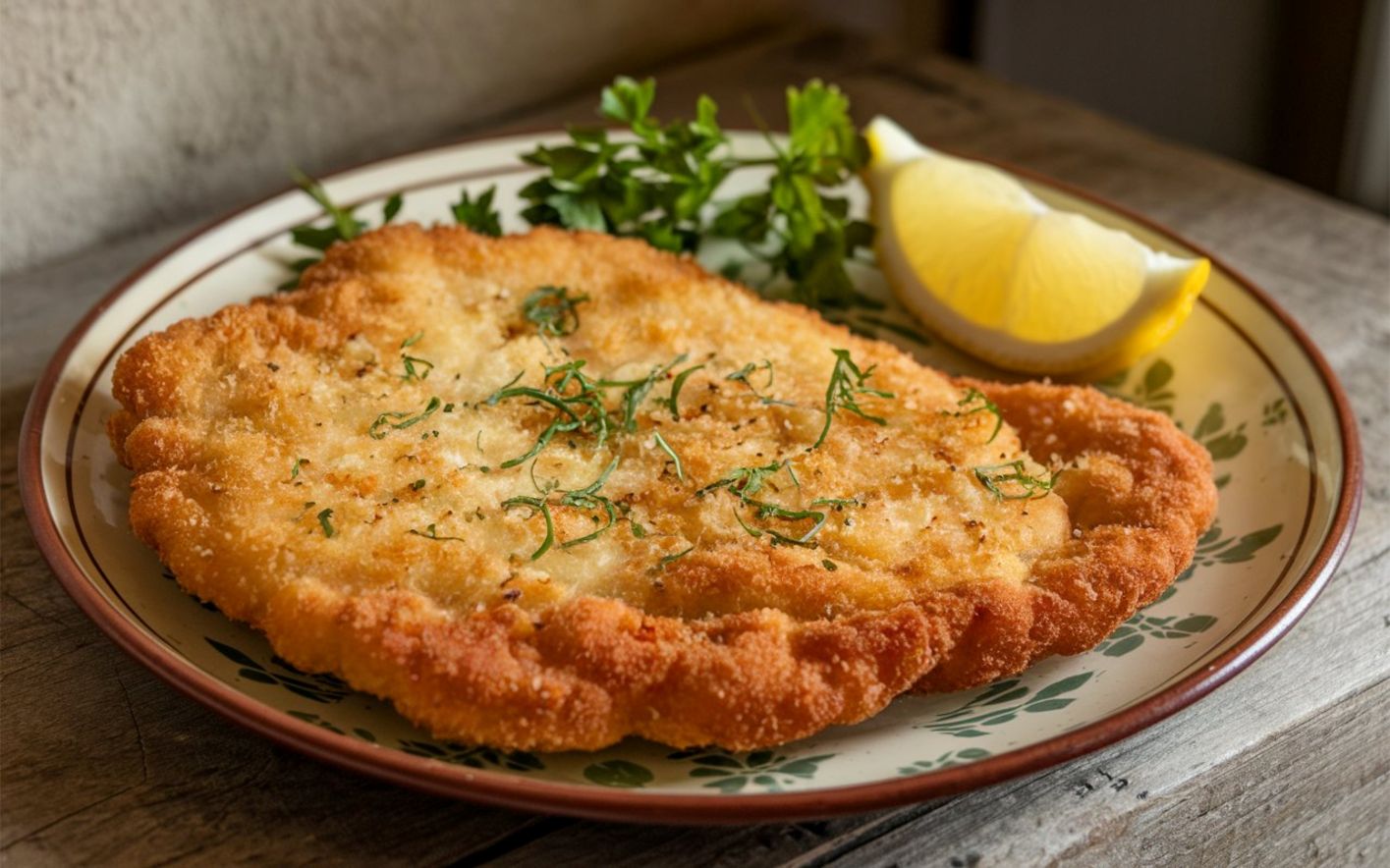
Austria is a country of meat-eaters, and meat forms the basis of some of its most iconic dishes. We begin with perhaps the most famous Austrian food of all, Wiener Schnitzel. Traditionally made with veal and coated in a crisp breadcrumb crust, it’s usually served with potatoes or a light salad. It’s simple, precise and deeply satisfying when done well.
Boiled beef served with broth, vegetables and classic accompaniments might not sound like a more refined experience, but Tafelspitz was once a favorite of Emperor Franz Joseph and reflects Vienna’s imperial past. Schweinebraten, a slow-roasted pork dish with crackling, is a staple of traditional inns and sometimes street food on a soft bun, while backhendl, fried chicken with a light, crisp coating, is popular throughout the country.
One of Austria’s most popular foods is Rindsgulasch, Austria’s take on beef goulash, reflecting the influence of neighboring Hungary. Spiced with paprika, it’s rich and warming, and often served with bread or dumplings.
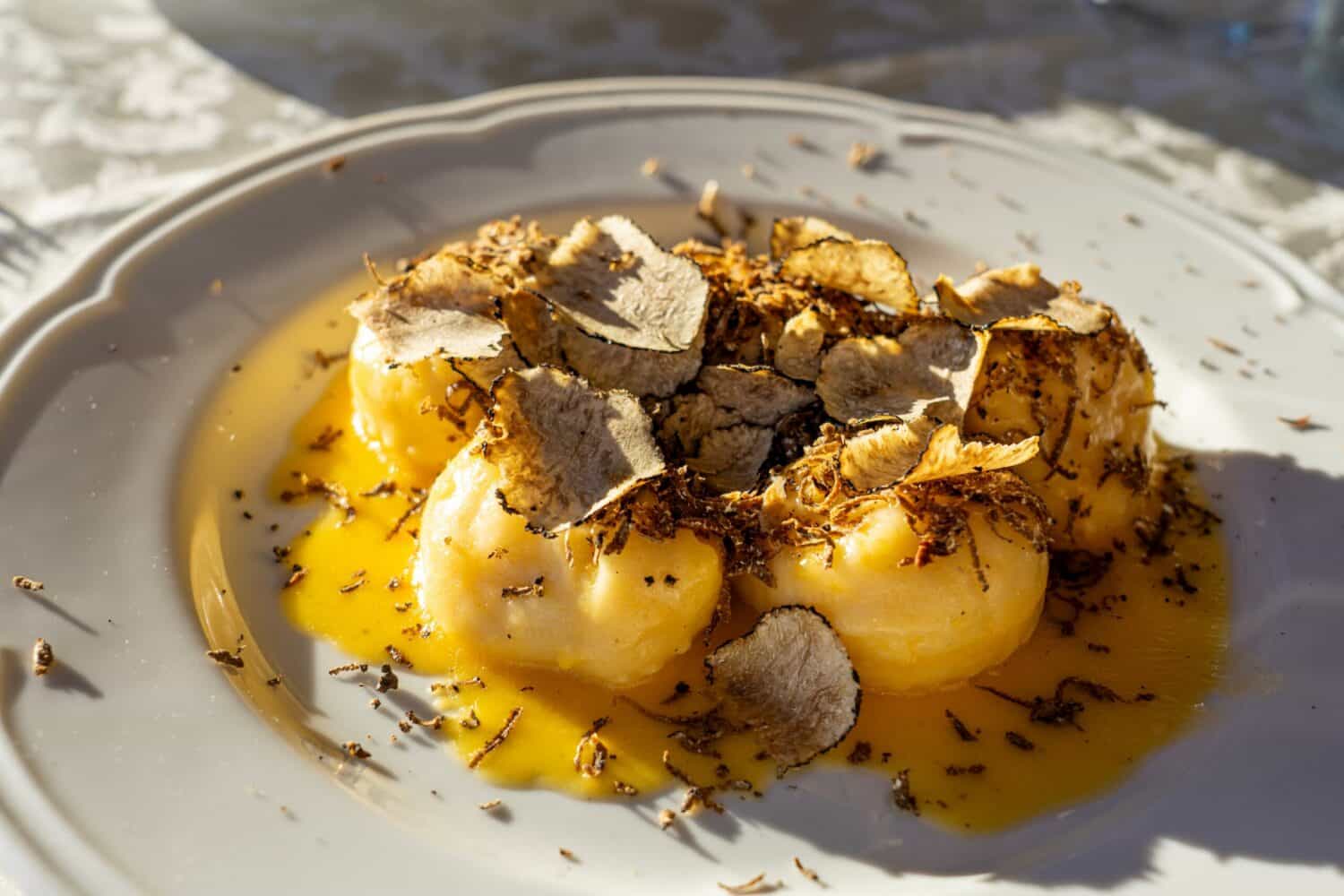
In Austria you’re firmly in comfort food territory, and dumplings are central to traditional Austrian cuisine, appearing in countless forms across different regions. Knödel can be made from bread, potatoes or cheese, and served as a side dish or a main course. Semmelknödel are soft bread dumplings often paired with roasts and sauces, while Speckknödel include bacon for extra richness. Spinatknödel, made with spinach, offer a lighter, herbaceous variation while pan-fried cheese dumplings, known as Kaspressknödel, are frequently served in broth or alongside salads.
In Tyrol, Schlutzkrapfen resemble filled pasta, echoing Italian influences from across the border. Stuffed with spinach or curd cheese and finished with butter and herbs, they represent a perfect example of how Austrian traditional foods adapt shared European culinary traditions.
Austria’s signature comfort food dish, particularly in alpine regions, is Käsespätzle, a noodle-like dish layered with melted cheese and topped with crispy onions.
Read more: Top things to do in Austria
Austria’s regional dishes reveal just how varied the country’s food culture can be:
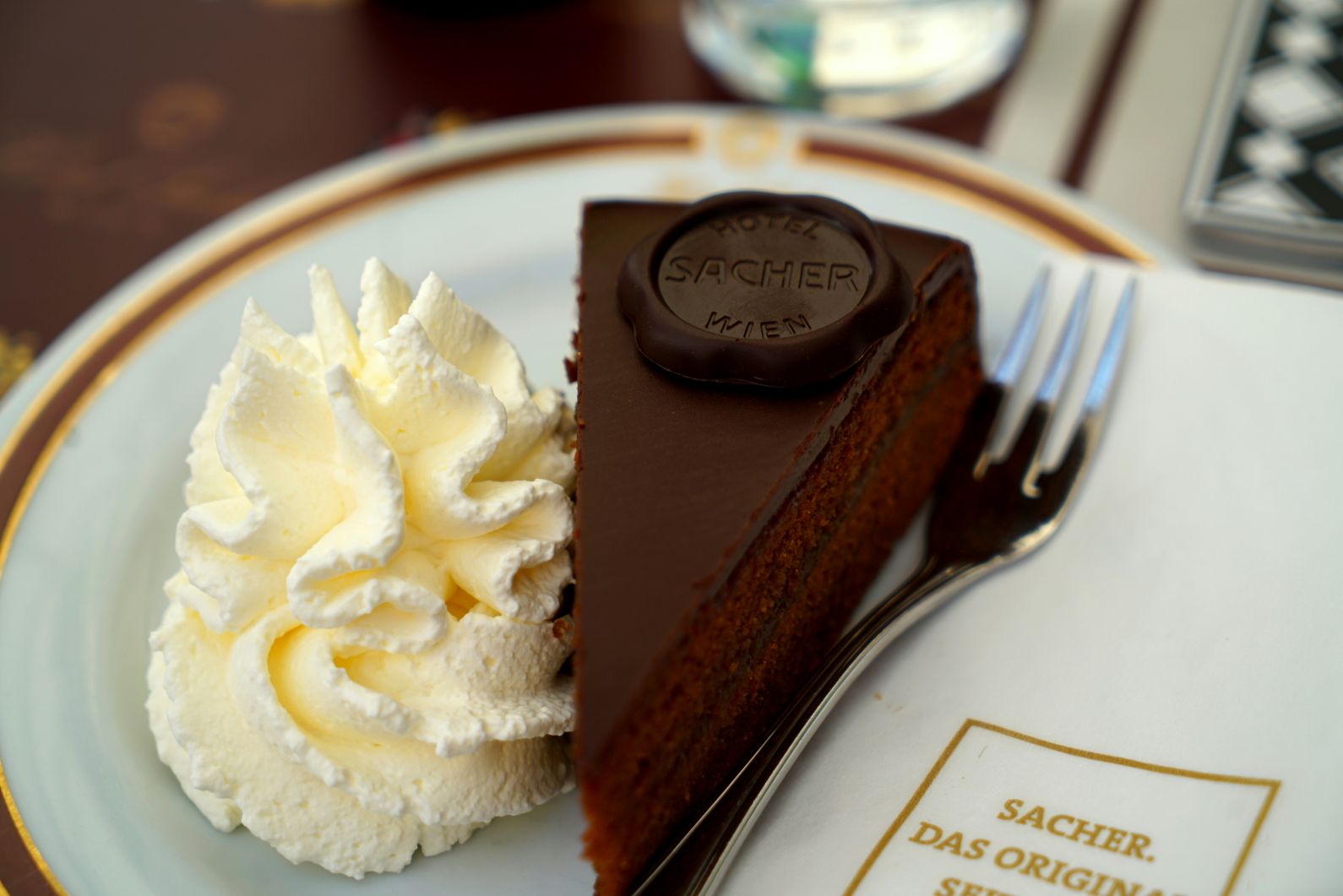
Austria’s love affair with desserts is legendary, and for good reason. It has a strong baking tradition, developed in imperial kitchens and refined in cafés over generations. Sachertorte is one of the best Austrian foods for visitors to try. It’s a dense chocolate cake layered with apricot jam, and darker, richer and less sweet than some chocolate cakes.
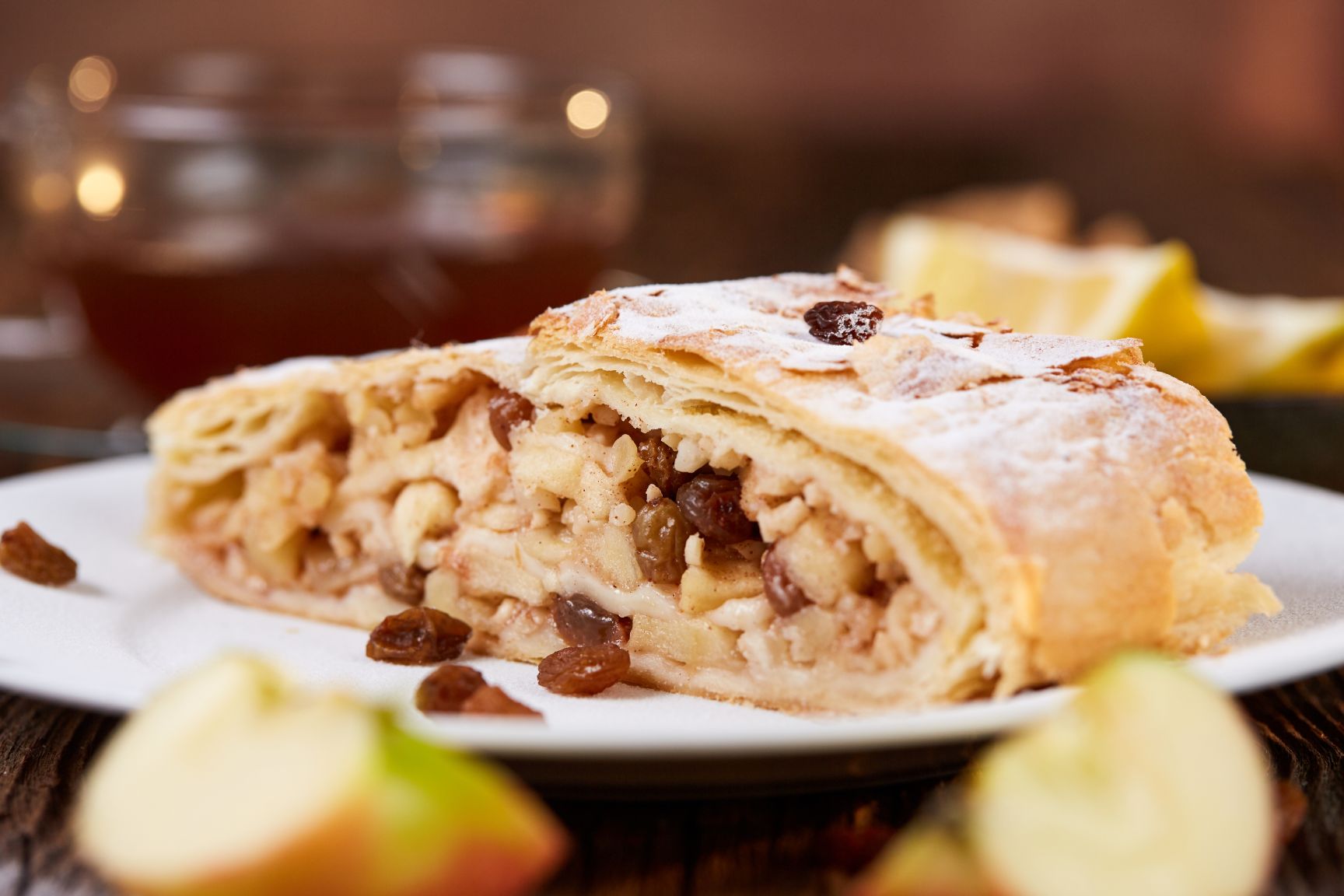
Apfelstrudel, with its paper-thin pastry and spiced apple filling, showcases technical skill and simplicity in equal measure. Kaiserschmarrn, a shredded pancake dusted with sugar and often served with fruit compote, is a comforting dish that also works as a sweet main course, particularly in mountain huts.
Topfenknödel, sweet dumplings made with curd cheese, and Buchteln, soft yeast rolls filled with jam, highlight Austria’s fondness for warm, indulgent desserts. Another traditional favorite is Linzertorte, considered one of the world’s oldest named cakes, and is a sweet tart filled with nuts and fruit compote.
Austrian drinks reflect a culture that values craftsmanship, tradition and conviviality. Coffee holds a special place in Austrian food culture and in daily life, especially in Vienna, where its iconic cafés offer an extensive menu of coffee styles served with a glass of water and no pressure to leave. Visit for the historic atmosphere as well as the caffeine.
Austria is one of the wine industries best-kept secrets, known for its quality-driven, small family producers. Go beyond Grüner Veltliner and explore indigenous grapes from regions such as Wachau, Burgenland and Styria known for high-quality whites and increasingly respected reds.
Beer and spirits complete the picture. Austria has a strong brewing tradition, and the beer is considered some of Europe’s finest. Meanwhile people have been making fruit brandies and herbal schnapps for centuries, particularly in rural areas where they are common digestive drinks.
Austria’s most famous for dishes such as Wiener Schnitzel, Apfelstrudel, Sachertorte and Kaiserschmarrn, all of which reflect the country’s balance of savory comfort and refined baking traditions. When compiling your shortlist of what to eat in Austria, these favorites aren’t to be missed.
Wiener Schnitzel is generally considered both the national dish and an Austrian favorite, although many regional specialties also hold deep cultural importance.
A typical Austrian breakfast is simple, usually featuring bread or rolls with butter, jam, cheese or cold cuts, usually accompanied by coffee or tea.
Popular foods in Vienna include Schnitzel, Tafelspitz, sausages and pastries, plus the sweet treats associated with the city’s historic coffeehouse culture.
Read more: Our guide to exploring Austria’s cities
To start putting together an unforgettable culinary adventure, get in touch with our local experts today: they’re based in the destination and are equipped with all the knowledge and passion to tailor-make your Austria itinerary. They’ll provide even more tips on what to eat in Austria, as well as the best activities and experiences for foodies to enjoy.
Explore all featured destinations