15 incredible places to visit in Mongolia
July 9, 2026
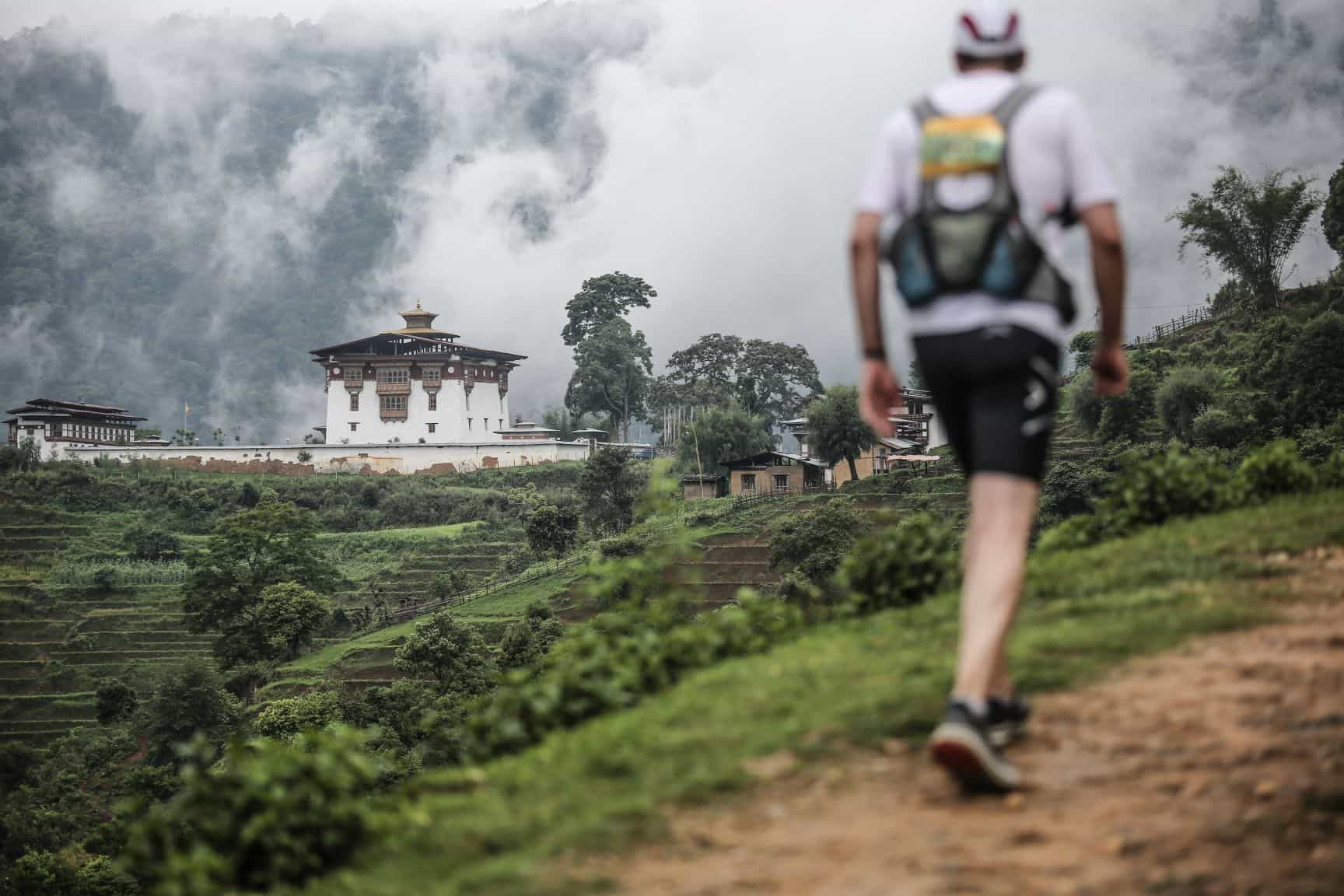
Spellbinding landscapes and quiet trails await in one of the world’s happiest nations. Yes, you’ll pay a little extra compared to other Himalayan hiking destinations, but trekking in Bhutan is extra special. Visitor numbers are limited, and hikers can only access the mountains with a licensed guide. This careful consideration for the land means that those who are lucky enough to visit will find a pristine, wild landscape of peaks and passes unsullied by commercialization. There’s so little to distract from the pure beauty of the mountains that hiking in Bhutan is truly a breath of fresh air.
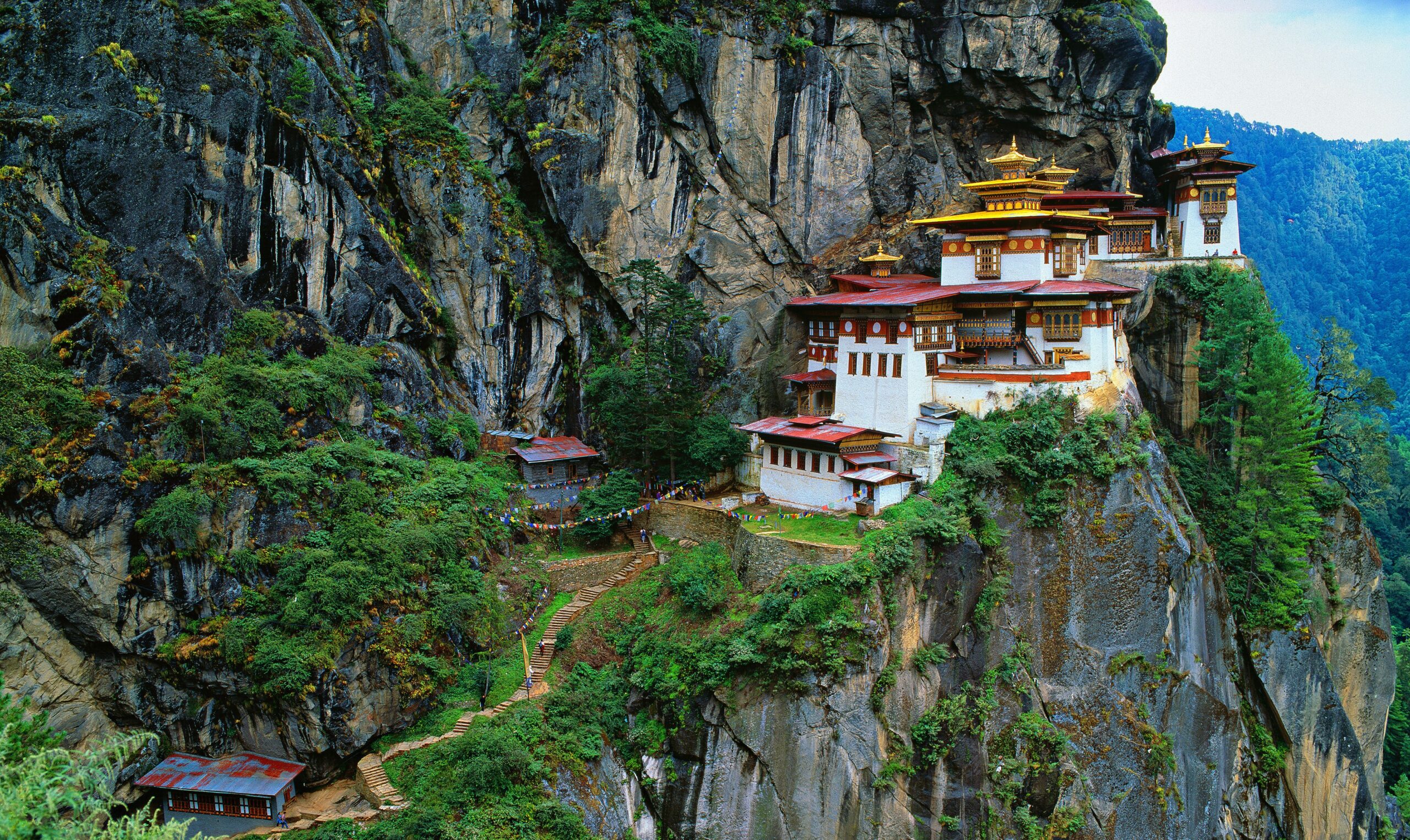
This is the most famous one-day trek in Bhutan, and one of the busiest routes. The intricately painted Tiger’s Nest Monastery, with its golden stupas, clings to the cliff face high above the Paro Valley. The monastery sits at over 2,500m above sea level, with over 500m in elevation gain to reach it from the trailhead. This hike can be taken without a guide, and there is a café partway up the trail for refreshment. However, it’s still a steep climb and pretty tough in parts. It takes around two hours to reach the monastery gates and a similar amount of time to descend.
Level of difficulty: Moderate. This is a one-day hiking trip with plenty of rest time, but it’s still a steep ascent.
Sheer, snow-dusted and glinting in the sunlight, the Jomolhari peak is a sight for sore eyes. Right on the border between Bhutan, China and Tibet, the landscapes here are wild and remote. If you’re used to hiking and are relatively fit, the Jomolhari Trek should offer just the right level of challenge. As you move through the mountains, you’ll chance upon nomadic yak herders, follow the winding path of ancient glacial rivers, and sleep under the stars in dramatically-placed campsites.
Level of difficulty: Moderate-Challenging. This varied Bhutan hike includes long days and some serious altitude. Expect a mixture of hiking hours per day (4-8), over seven days.
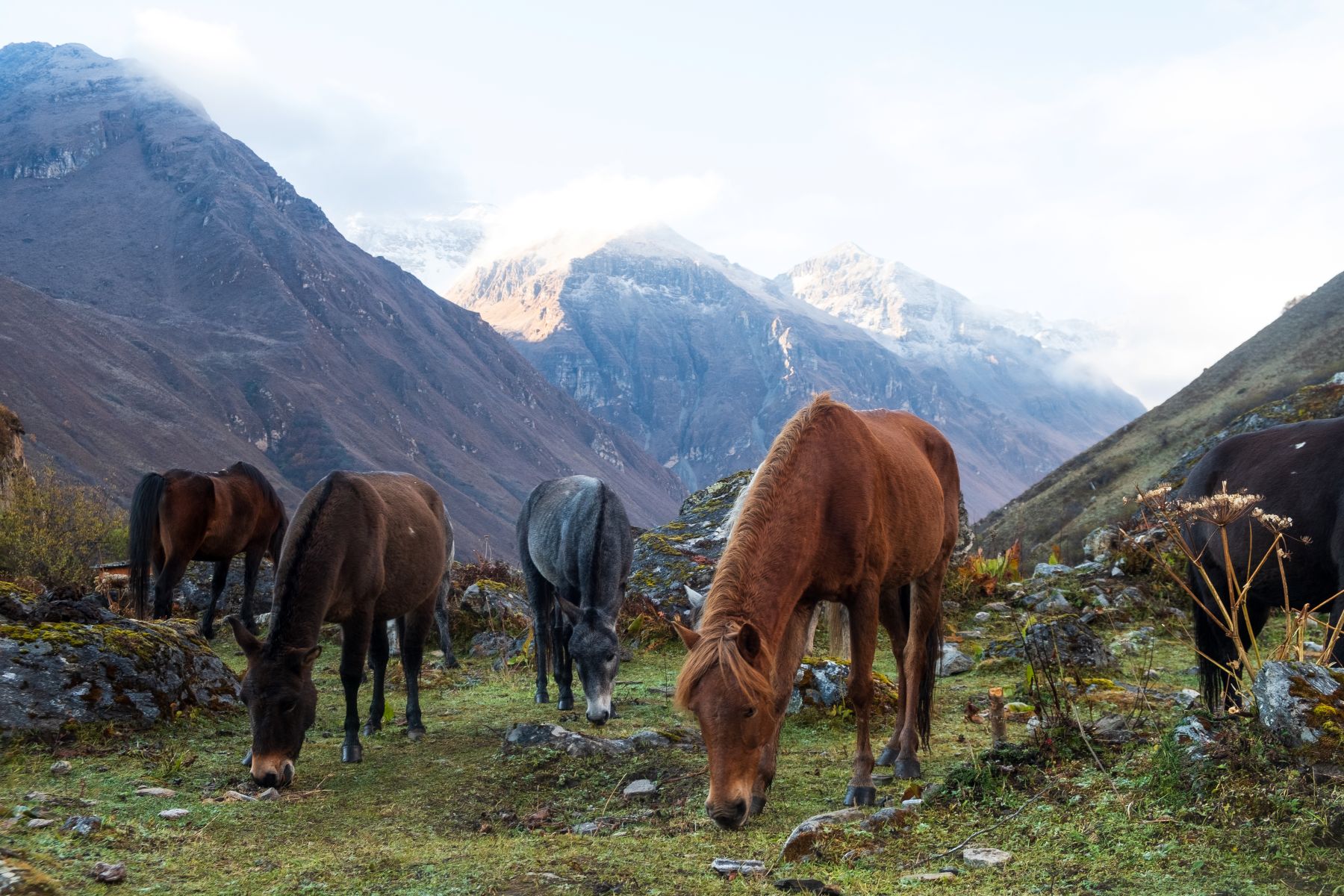
The Druk Path Trek is one of the most popular Bhutan treks, taking in classic Himalayan sights, from blooming rhododendrons to rugged ridge paths, cliff-hugging monasteries and soaring views. You’ll drink in the culture of Bhutan too, as you find out about monastic life among the mountains and meet yak herders in the meadows. Although this is one of the busiest treks in Bhutan, you’ll still find plenty of moments of calm. Sit a while and watch prayer flags flutter in the breeze, or wake early to gaze up at the morning stars at your campsite.
Level of difficulty: Moderate. This Bhutan hike is moderately challenging, with steep ascents at altitude and around 4 hours of hiking per day over five days.
This is a quieter trail than the Druk Path Trek, but similar in terms of duration and challenge. It’s a great alternative if you’d like to encounter fewer other hiking groups and just the odd yak herder. The glorious alpine scenery delivers at every turn, in a landscape dotted with glinting lakes, fragrant pine forests, and glorious wildflower meadows.
Level of difficulty: Moderate. Another moderately challenging trail, which includes hiking and camping at around 4,000m. Expect 4-7 hours of hiking per day over five days.
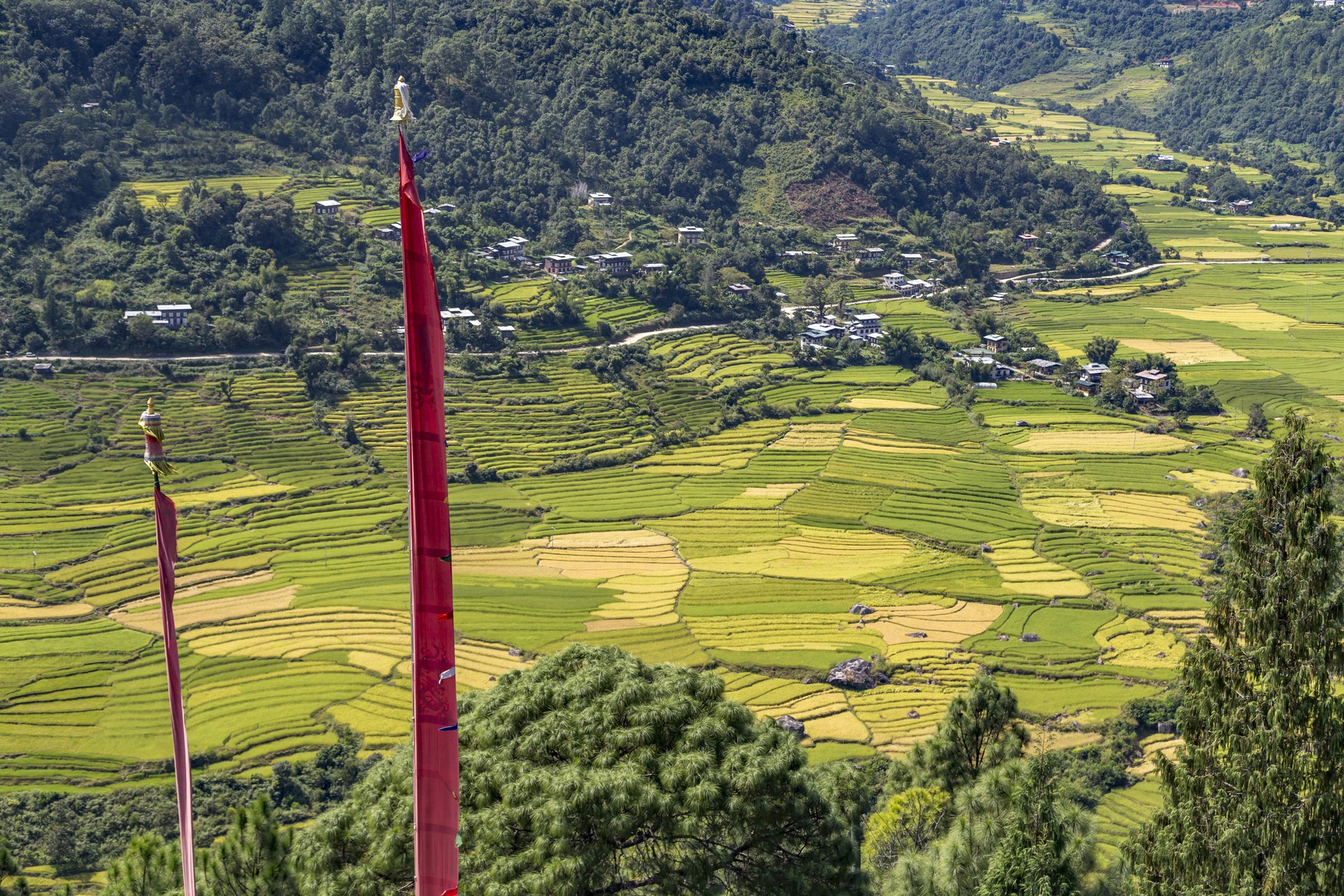
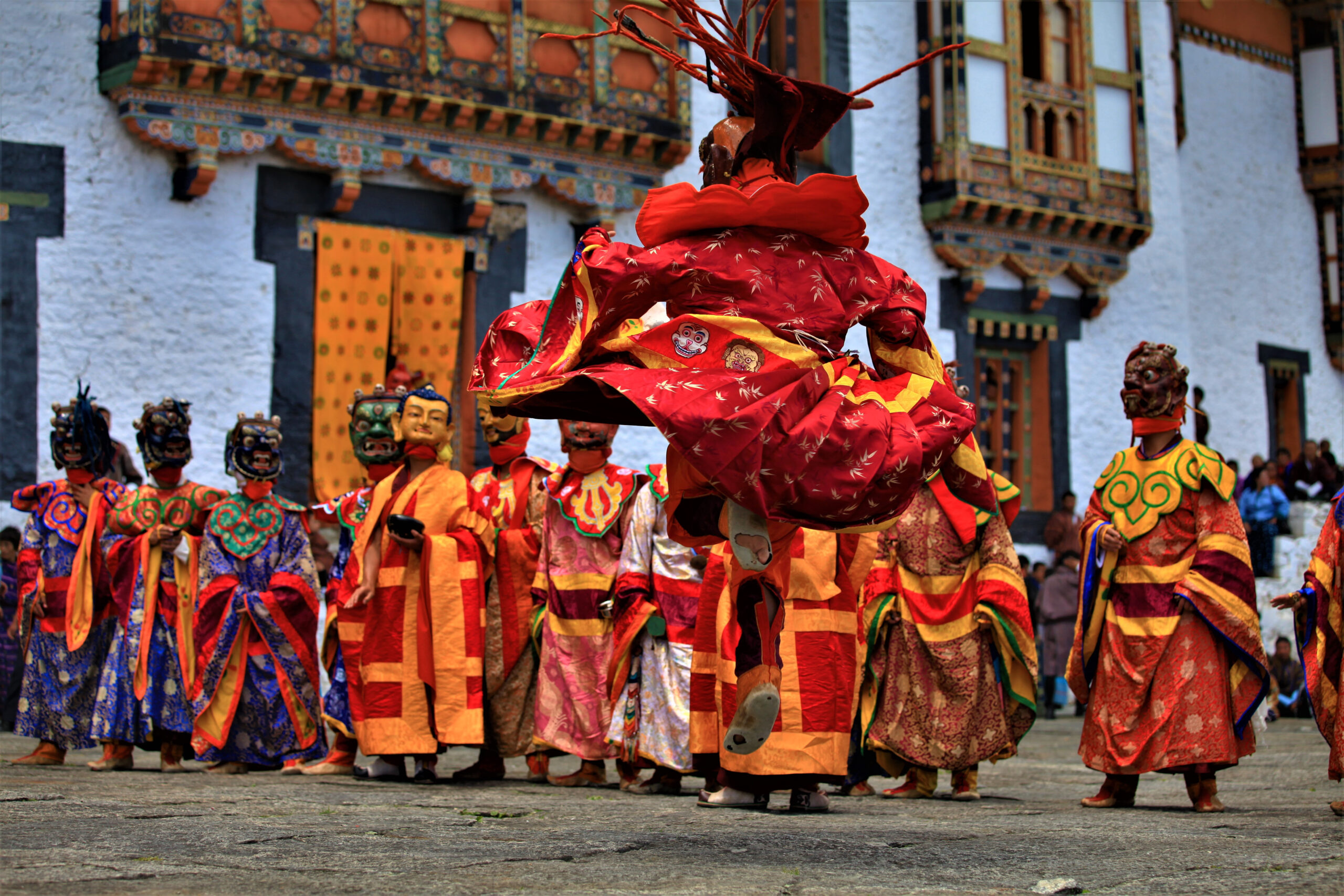
The Bunthang region is well-known for offering a range of accessible day hikes, and there’s something to suit almost anyone. Here you can find gentle valley treks through fertile farmland, orchards and forests, as well as longer one-day or two-day hikes that cover a little more ground and elevation. The region comprises four valleys, dotted with Buddhist monasteries, temples, and a handful of small towns and villages. With more people than peaks, this is a culturally vibrant area to visit, and there’s a busy calendar of religious festivals to plan your trip to Bhutan around.
Level of difficulty: Accessible. Pick from a range of low-level hikes or add in some more elevated views on a two-day trek.
This is a Bhutan trek like no other; long, high, remote, awe-inspiring, and very physically demanding. More of an expedition than a hike, the Snowman Trek takes around a month to complete, depending on weather and pace. The hard work and commitment will be rewarded with superlative alpine views as you pass through some of the most remote and lovely terrain in the Himalayas. With four weeks or more on the trail, sleeping in basic campsites and tackling challenging terrain, you’ll need plenty of pre-trip training and prep.
Level of difficulty: Very challenging.
Read more: Where to go in Bhutan

Bhutan differs from other Himalayan destinations in that solo hiking is not permitted. This is to protect the pristine nature of the mountains, and because there are no services, such as restaurants and hotels, along the trails. Hiking tour packages in Bhutan include all the support you need in the wilderness, including local guides, cooks and ponies to carry food, water and camping equipment. When it comes to sleeping arrangements, meals, and ablutions, expect basic, rustic and simple. If you’re not prepared to rough it a little, then a multi-day hike in Bhutan is likely not for you.
The potential effects of hiking at altitude cannot be overstated. If you’ve never experienced it before, err on the side of caution and opt for one of the shorter, lower and less challenging hikes. If you have experienced hiking on high, then you’ll have an understanding of how your body reacts under these conditions and can make a more informed decision. Whichever Bhutan hiking trip you choose, it’s recommended that you dial up your fitness routine beforehand to really make the most of your time.
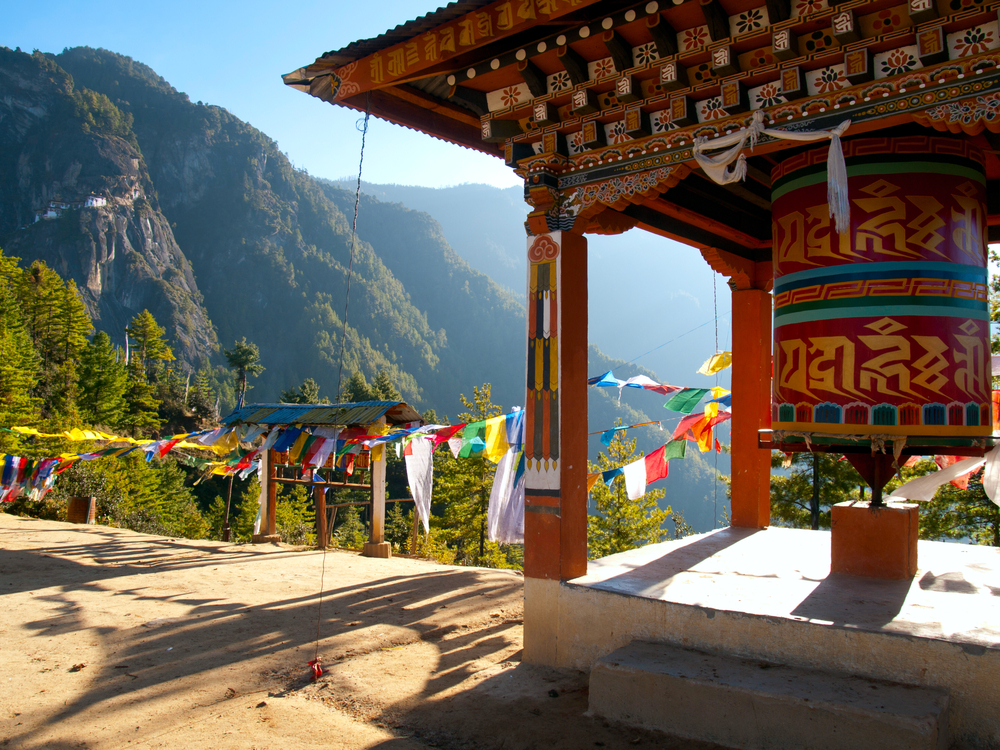
Trekking in Bhutan is similar in challenge to other Himalayan countries. The difference is the absence of amenities along the trails.
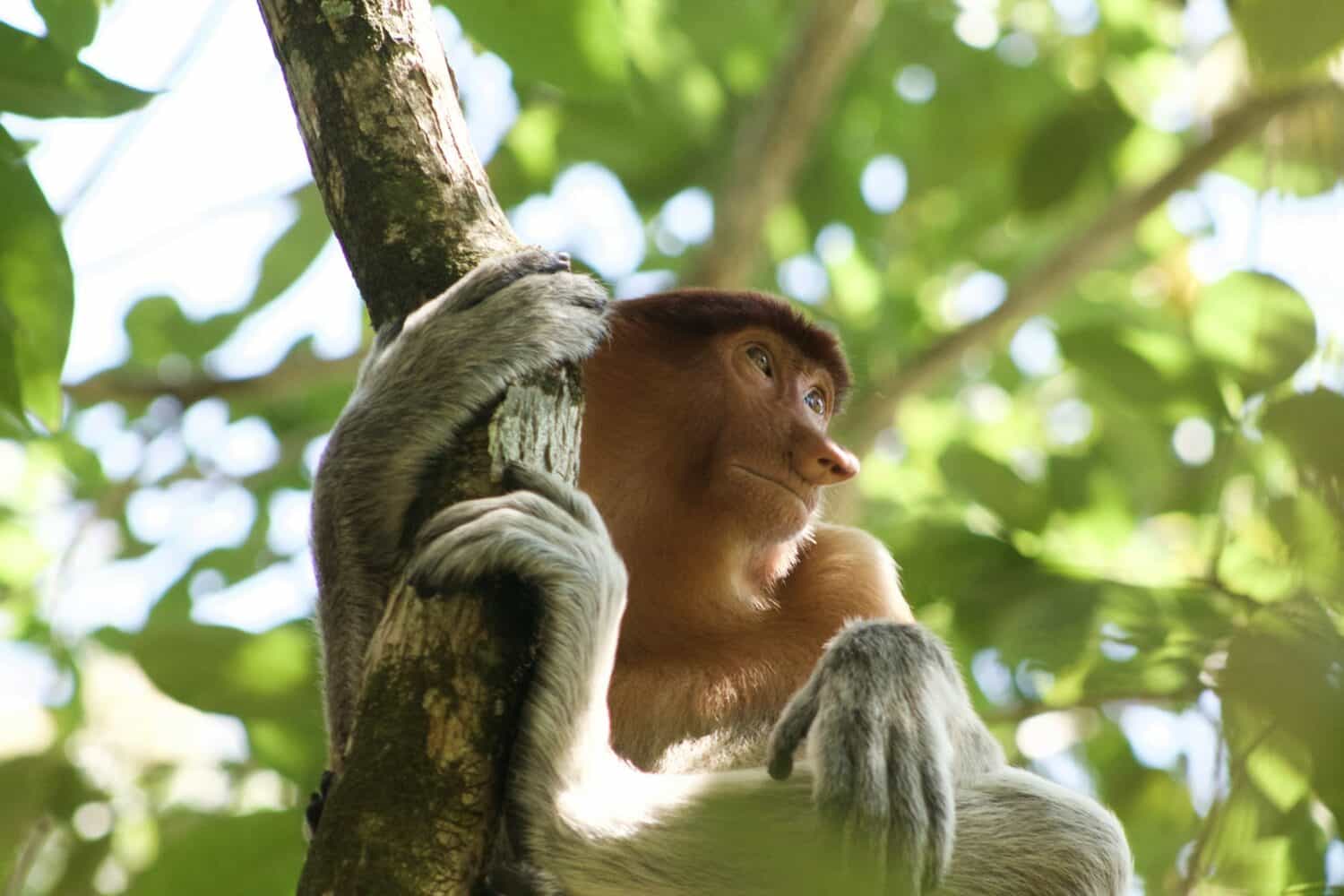
The most noticeable wildlife in Bhutan will be its varied population of bird species, including eagles and cranes in the mountains. At altitude, you could also spot the takin (a large goat-like animal) and, more rarely, the snow leopard. Lower down there are red pandas, deer and golden langurs, while tigers and Asian elephants roam the sub-tropical southern regions.
Absolutely, this is one of the friendliest and safest countries in the world. And because all hiking in Bhutan is done with a guide, solo travelers will rarely be completely alone.
Read more: Breathe, reflect, reconnect: expert Bhutan travel tips

Seek out thrilling active experiences and unspoiled scenery heavily protected by conservation efforts, by trekking in Bhutan across popular and unexplored trails. Our local experts in Bhutan know their home country like the back of their hand, and will help you plan an outdoor adventure that suits your style, pace, and budget; reach out to them now to get started.
Explore all featured destinations
Join our mailing list for travel inspiration, trip recommendations, and insights from our local experts.