Crafting lifelong memories: meet our local experts in Argentina
October 19, 2026
What Iceland has to offer is no secret, its attractions popularized over the years and immortalized on the travel wish lists of adventurers worldwide. But step aside from the well-worn path, venture deeper across this vast landscape where volcanoes and glaciers collide, and you can still expect to be swept away by emotional whirlwinds of surprise and delight. For this article, we asked our local expert Preeti for her insider tips and perspective as a travel specialist in Iceland, where she and her team craft unique itineraries based around offbeat experiences. Read on for inspiration to plan an alternative Icelandic adventure of your own…
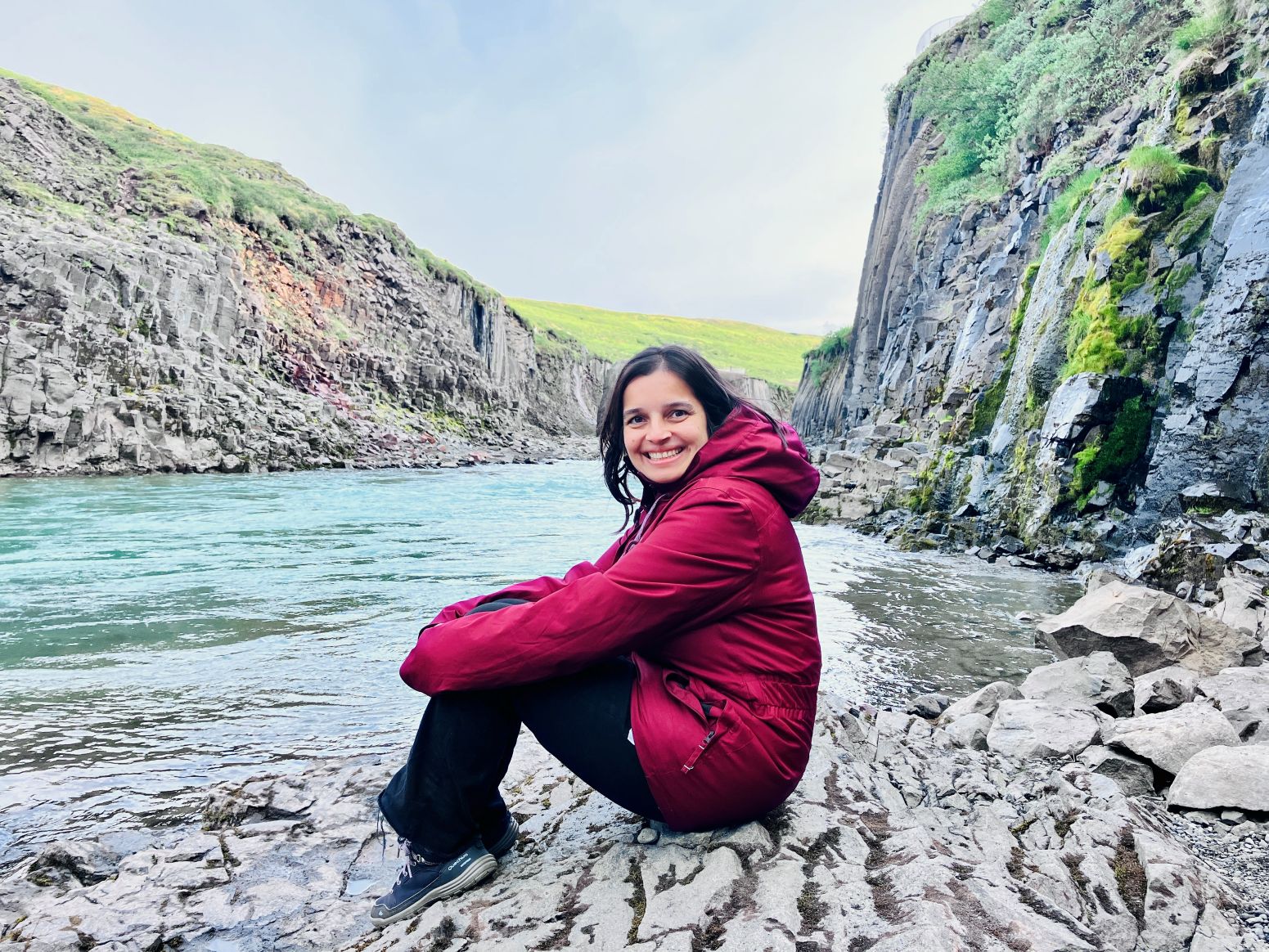
We started in 2011 and our home office is in Ísafjörður, in the Westfjords, one of the most remote corners of the country. We plan tailor-made trips around Iceland – self-drive, privately guided and group tours.
Every trip is designed by a specialist around the traveler’s interests and preferences. Our philosophy is depth over volume. We keep daily driving manageable, build in two-night stays wherever we can, and mix the well-known sights with places most visitors never reach. Offbeat isn’t just in our name, it’s how we like to travel ourselves.
For me, it’s the vastness. The openness, the silence, the feeling of being far away from everything, somewhere nature is still in charge. You feel really close to it here.
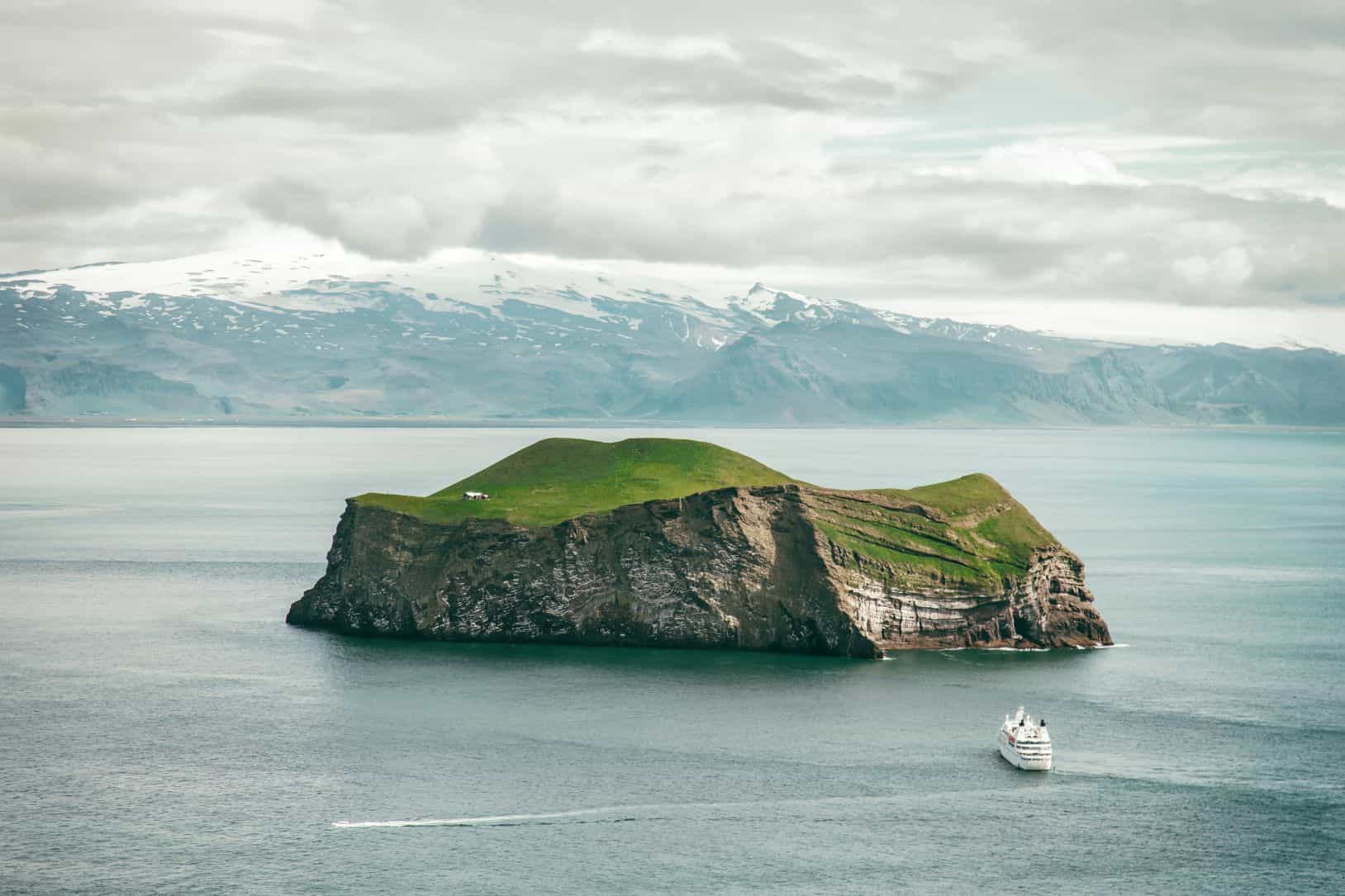
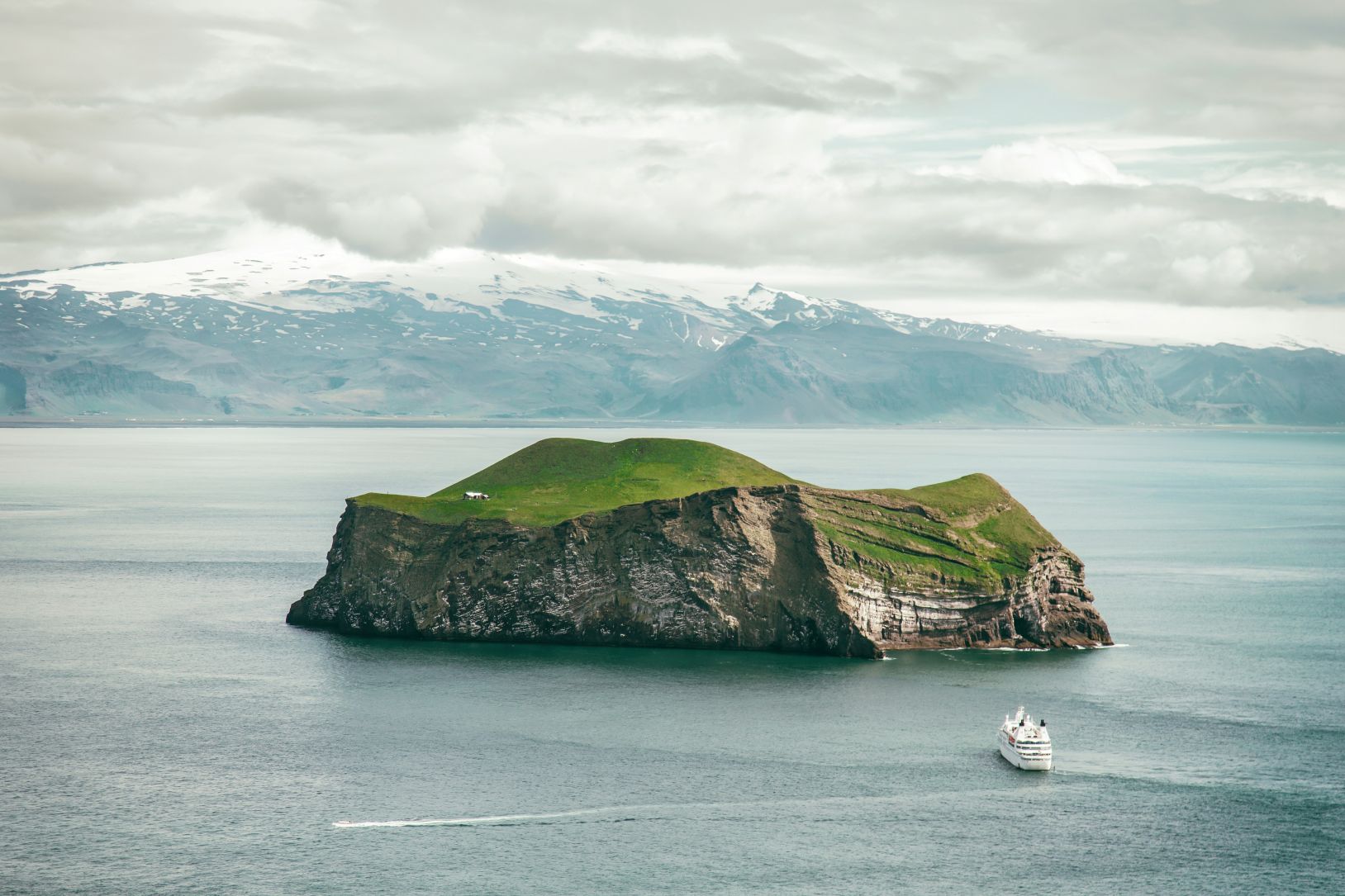
The Westfjords are of course Iceland’s best kept secret, and I’m lucky to call them home. The Westman Islands, just off the South Coast, have always been a favorite of mine but a more recent trip this summer to the remote North East was very special. It is one of the least visited regions of Iceland.
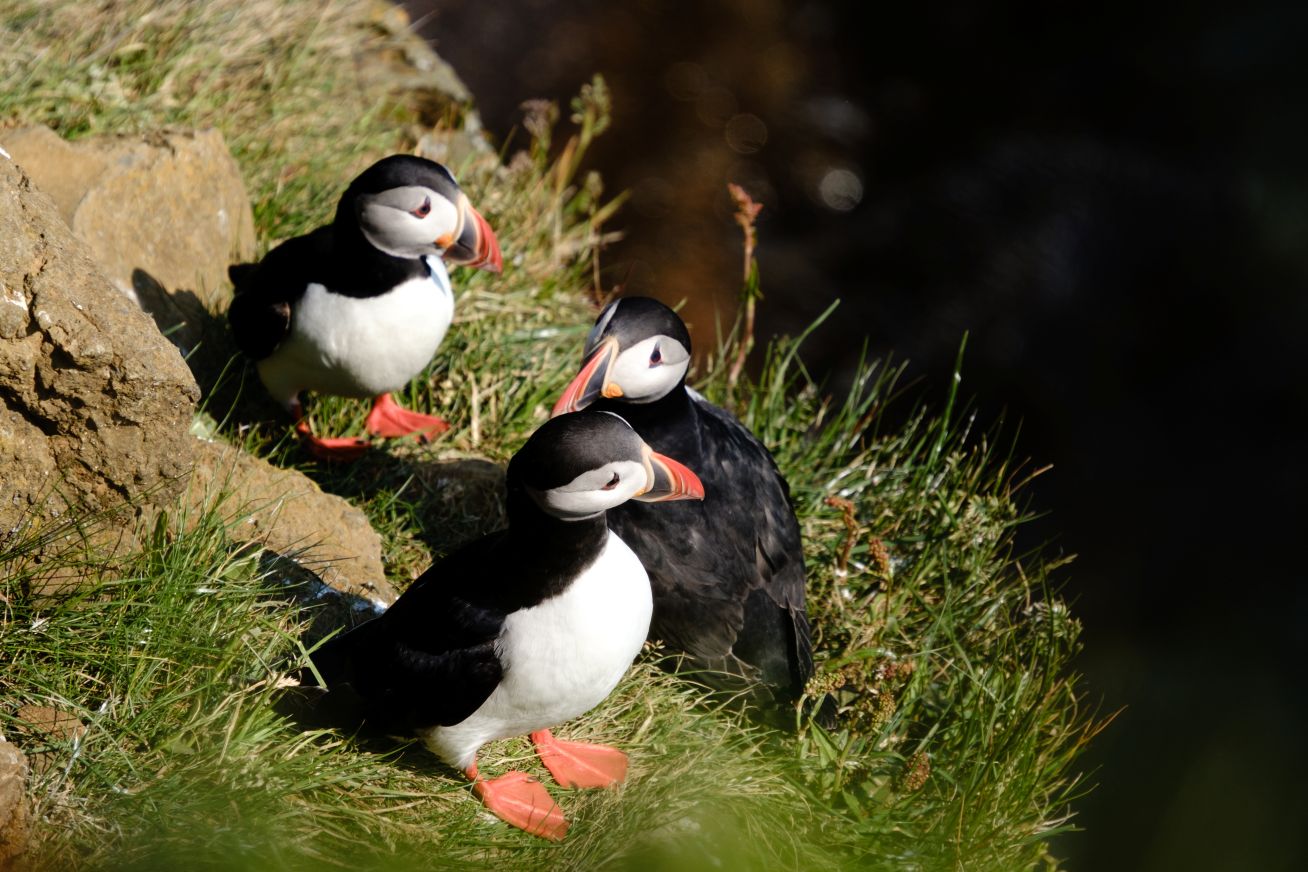
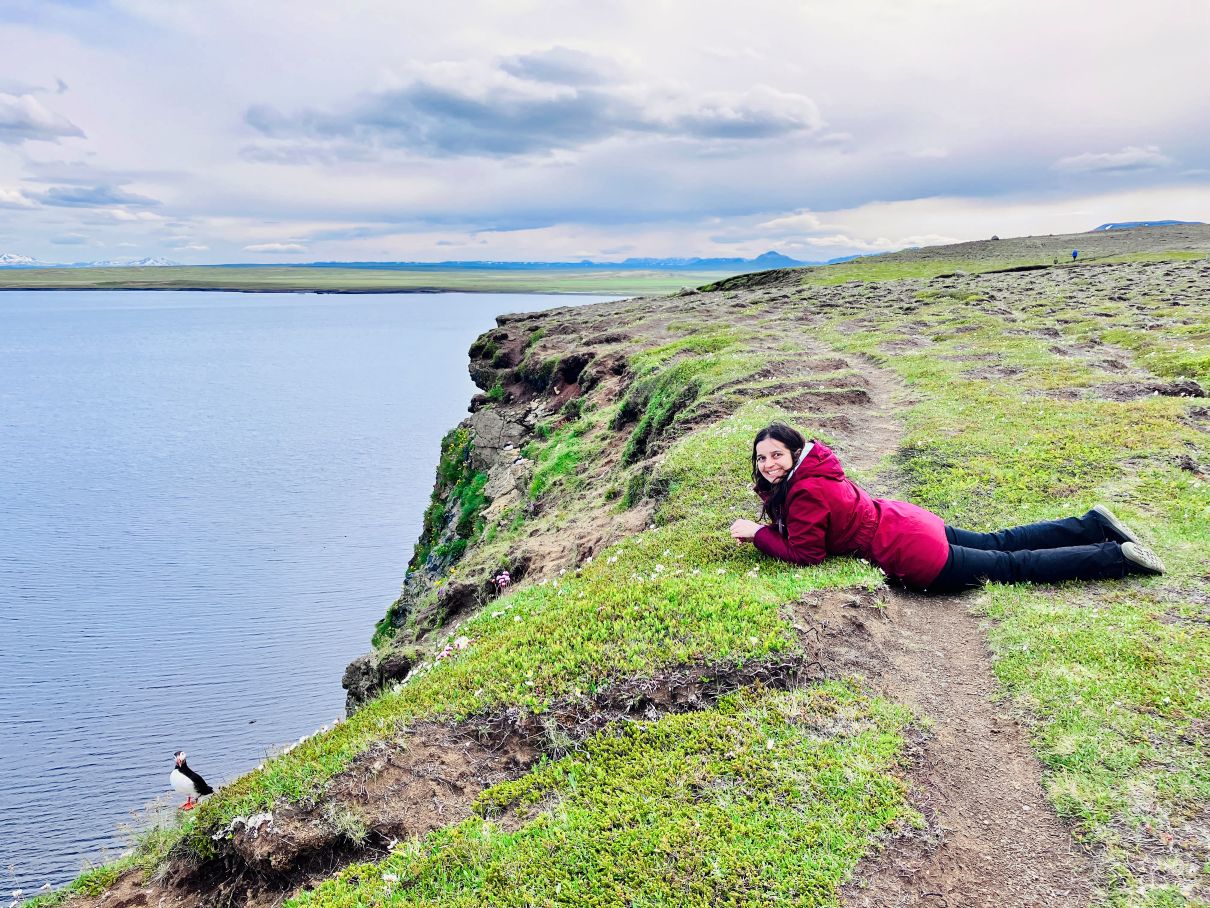
We spent time on Melrakkaslétta, with its saltwater lakes and coastal lagoons, and walked out to Rauðinúpur, the most northerly of Iceland’s gannet colonies, passing an Arctic tern breeding ground on the way. At Rauðanes we walked among puffins and didn’t meet a single other person.
Iceland really has no off season, just different seasons, and each one shows you a different side of the country.
Read more: Spending summer in Iceland
Spend an evening in a village swimming pool. It’s where Icelanders meet, and sitting in a hot pot while the locals chat about the weather is a truer piece of Iceland than any spa. For something completely different, look for a small natural hot pool in the middle of nowhere. Many are free, with nothing around you but mountains, sky and sea.
Stop at the small, locally owned cafés and restaurants along the way. Often the owner is the one baking the cakes or cooking the fish, and they’re happy to chat about life in their village. The further you travel from the main routes, the warmer the welcome tends to be. In remote areas, guesthouse owners and locals have time for you, and you’re treated more like a guest than a visitor.
Visit Glaumbær in the north, a turf farmhouse that shows you how Icelanders actually lived before the modern age.
And if you’re traveling in late summer, do as the Icelanders do and pick wild berries. Crowberries and blueberries grow all over the hillsides, and there’s nothing better than eating them straight from the bush.
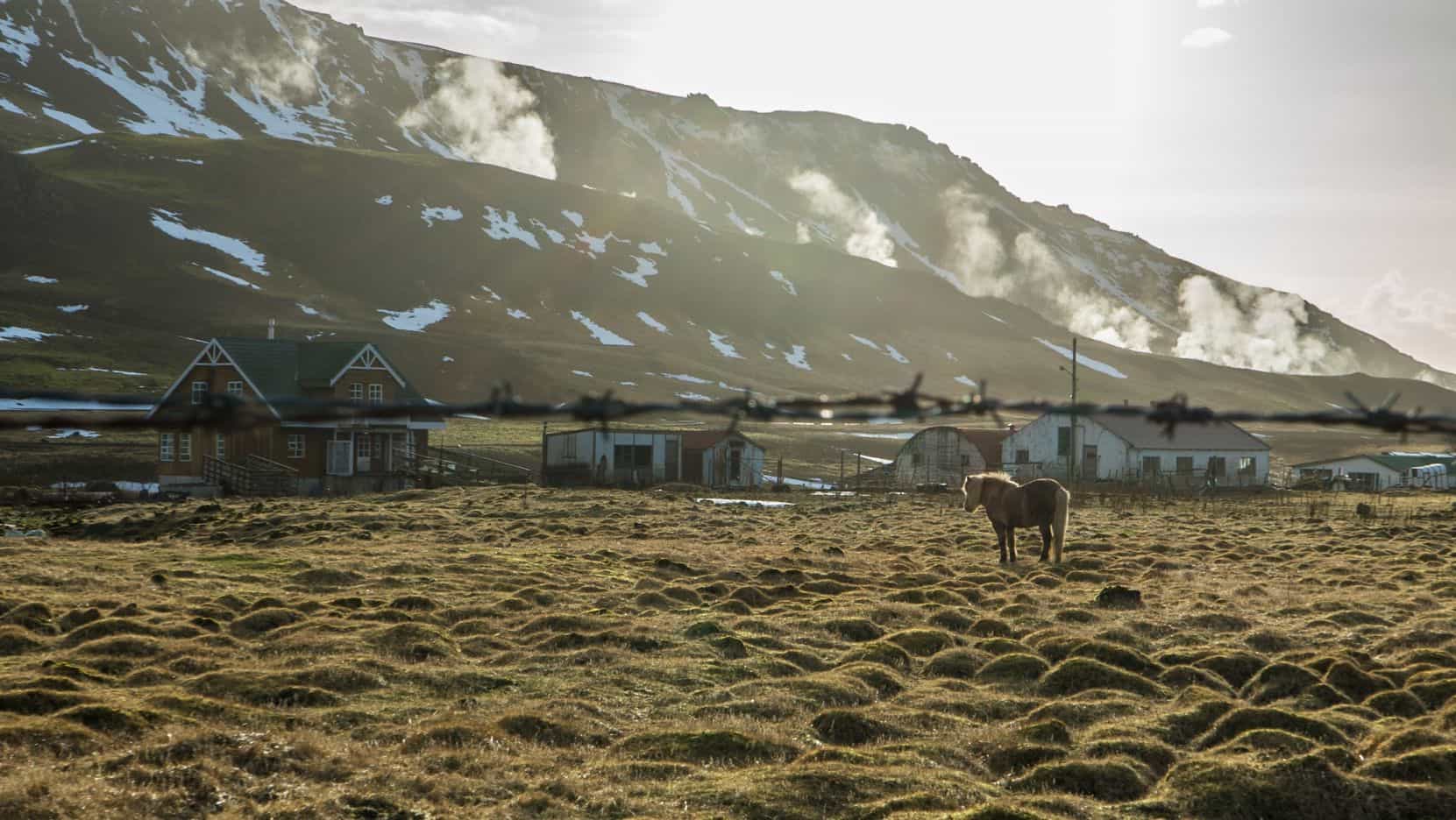
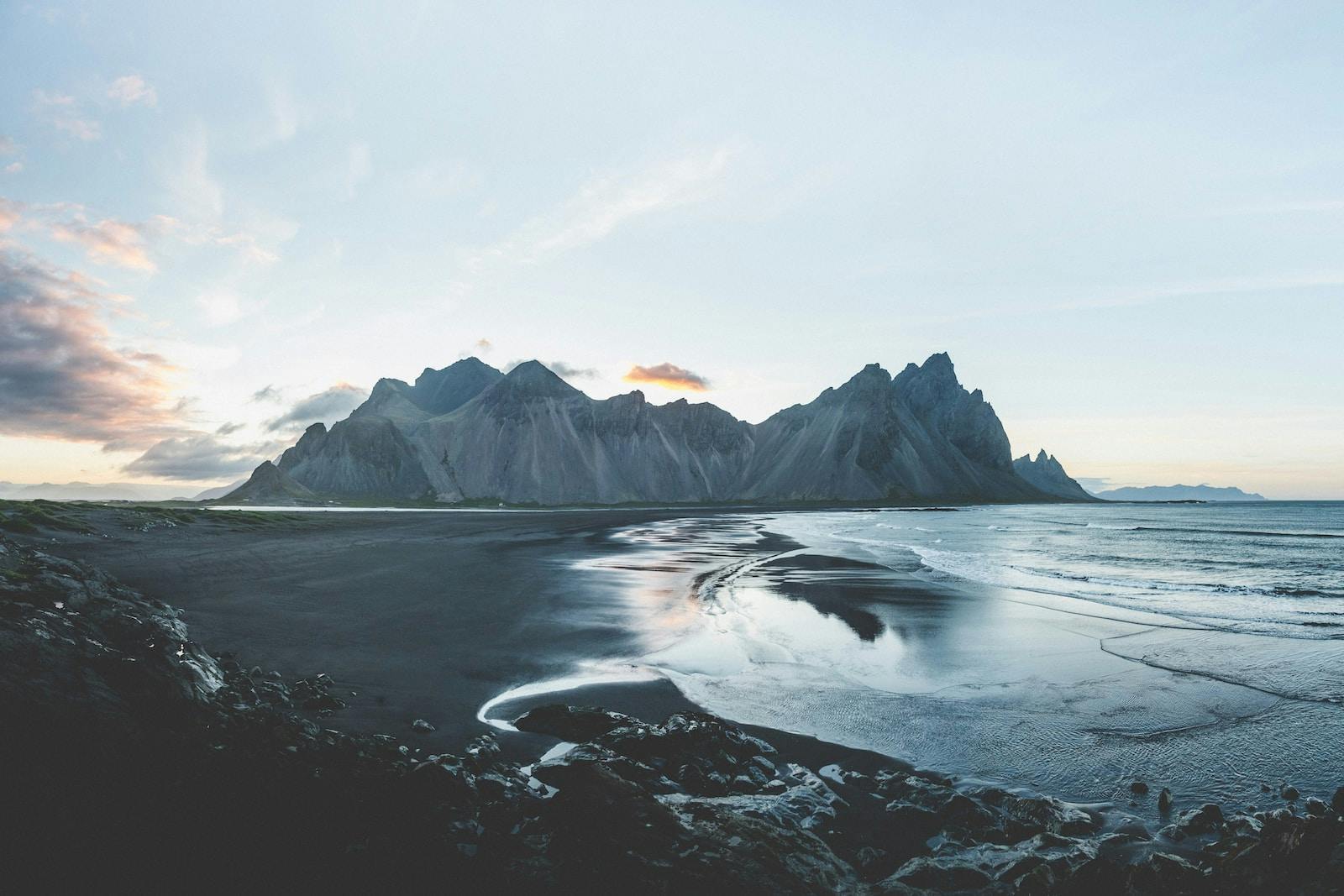
Get further away from the tourist trail. The Westfjords, the Arctic Coast Way along the north, and the North East coastline are wild, beautiful and still very quiet, dotted with small towns, fishing villages and islands that most visitors never see.
Slow down and stay longer in one place, two or three nights rather than one. Go to the local pool, eat where the locals eat, and ask your hosts what’s happening nearby. That’s often how you find the things that make a trip, whether it’s a village event, a walk only the locals know, or a boat trip with a fisherman.
And head into the Highlands in summer. The interior roads only open around June, and with a local guide and a proper 4×4 you can cross black lava fields, glacial rivers and colorful rhyolite mountains, and soak in hot springs with no one else around.

Pace is everything. Balance each day between driving, stops along the way and any activities. Stay two nights in a place wherever you can, without backtracking. There’s less packing and unpacking, and more time to enjoy where you are.
If you’d rather not drive and have the budget, a private guided trip is a wonderful option.
Plan to spend your last night or two in Reykjavík rather than starting there. Hotels don’t check in until the afternoon, so after an overnight flight it’s often easier to drive a little further into the countryside and stay two nights there to rest. You can then finish the trip with a relaxed city stay, close to the airport.
For packing, think layers, a good windproof and waterproof jacket that covers your neck, comfortable shoes with good grip, gloves and a hat that covers your ears.
Read more: Alternative Iceland: outdoor adventures off the beaten track
Many incredible, off-track adventures await you in Iceland: reach out to our local experts today for more Iceland travel tips and to start planning a journey that’s entirely based around your needs, wishes and budget.
Explore all featured destinations