Italy’s quiet coastal retreats you need to know about
August 27, 2026
For an all-round more relaxing journey into Thailand‘s cultural, natural and culinary depths, why not consider planning your trip during the shoulder season months? These do come with some more unpredictable weather conditions, yet they offer a wonderful opportunity to explore the country in a new light, enjoying not just lower prices, but also access to classic experiences at their least crowded and most immersive. We reached out to Tom, one of our local experts, for his unique insights and tips for making the most of Thailand’s shoulder season periods.
I’m a travel consultant who designs private, personalized trips based on each client’s interests and details, including dates, destinations, experiences, hotels, and dietary needs. My proposals usually cover hotels, suggested meals, private tours, custom activities, and all domestic transport.

I focus on building smooth, well-timed itineraries that combine Thailand’s classic highlights with meaningful local experiences. Most of my clients are families, couples, small groups and senior travelers who prefer tailored journeys over fixed packages. I have done this work for over 12 years.
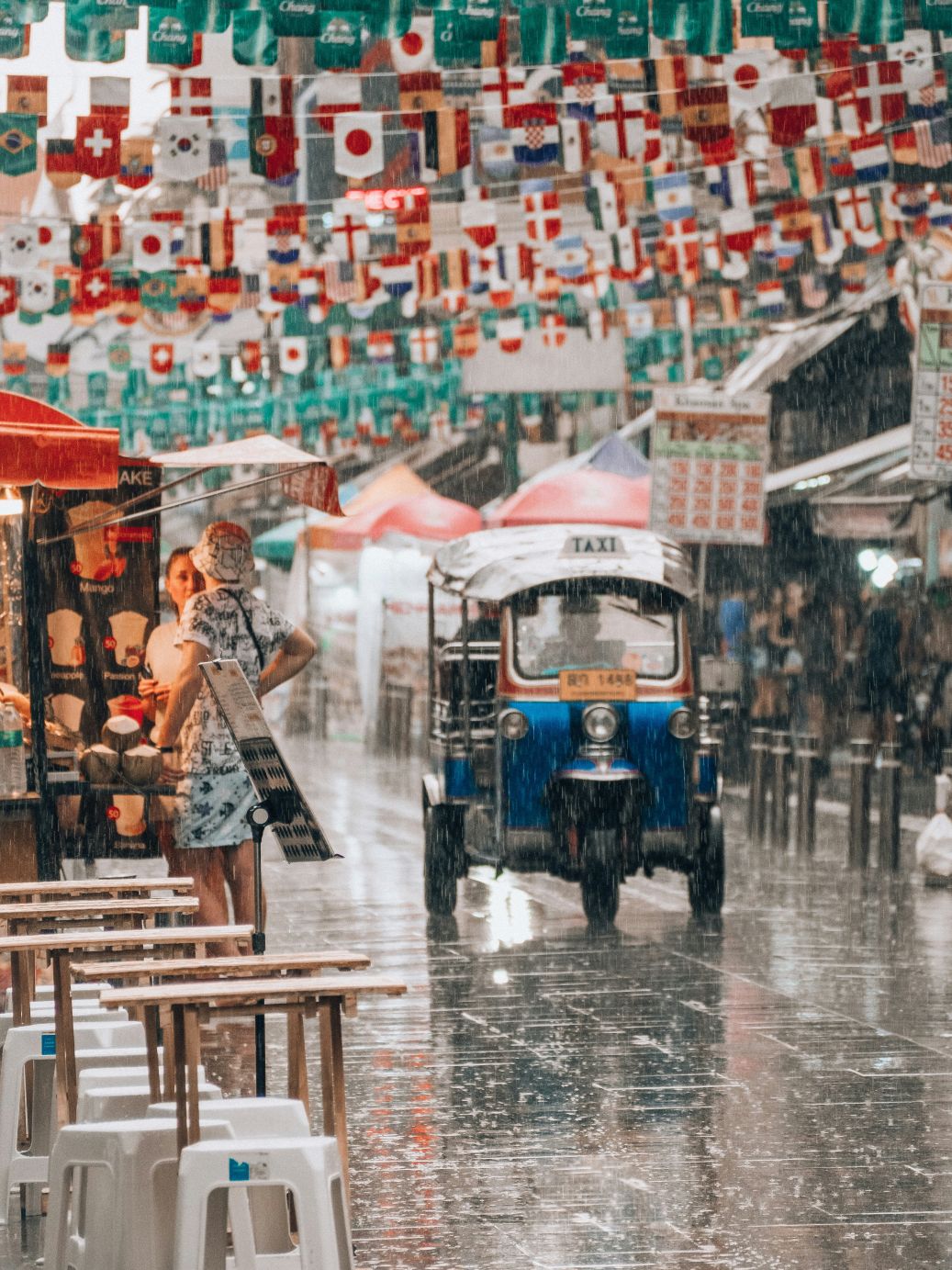
Shoulder season still brings some unpredictability. Boat tours may reschedule due to waves, and heavy rain can hit in short bursts. If you want completely calm seas or guaranteed clear skies, you may prefer peak season. Avoid remote islands during rough-sea weeks if you’re prone to seasickness.
Read more: Best places to enjoy peace and quiet in Thailand
You get better prices, fewer crowds, and a more relaxed experience in general. Hotels often offer nicer rooms or promotions, and guides have more flexibility with timing.
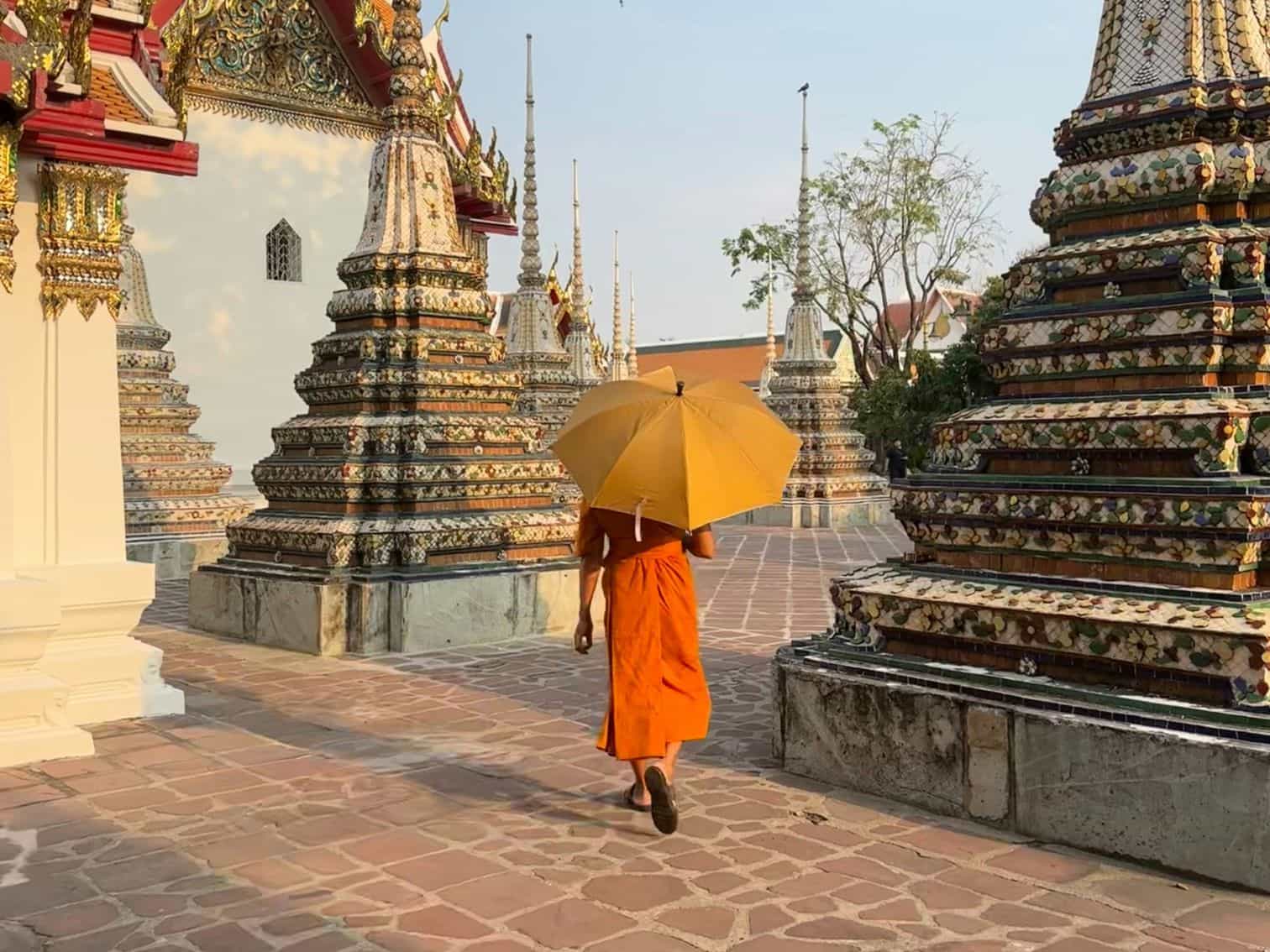
What surprises many first-timers is that the weather is still perfectly workable. Rain usually comes in short bursts rather than all-day downpours, and those rains often cool the air. Another perk is how peaceful beaches, temples, and national parks feel compared to peak season.
Beyond packing an umbrella, here are four key tips for first-time visitors:
I personally prefer late October and November. The rainy season is winding down, everything looks greener and fresher, and the temperatures are much more comfortable. In the north, the mountains start to cool and the skies clear. In the south, the sea settles and underwater visibility picks up. It’s a great balance of good weather, fewer tourists, and better value.

Northern Thailand is fantastic when it’s quieter. Chiang Mai’s old town, Doi Suthep and the surrounding countryside all feel calmer and more enjoyable. On the Andaman side, Khao Lak and Khao Sok are more peaceful and feel closer to nature. Trat Province (including Koh Chang) offers minimal tourists, pristine beaches, and magnificent waterfalls, perfect for travelers seeking seclusion.
Read more: Our regional guide to Thailand: explore Bangkok and beyond

Looking to experience shoulder season in Thailand for yourself? Our local experts are ready and waiting to help you plan the ultimate Thailand itinerary suited to your interests, budget and travel style. Reach out to them today with your trip details to get started.
Explore all featured destinations
Join our mailing list for travel inspiration, trip recommendations, and insights from our local experts.