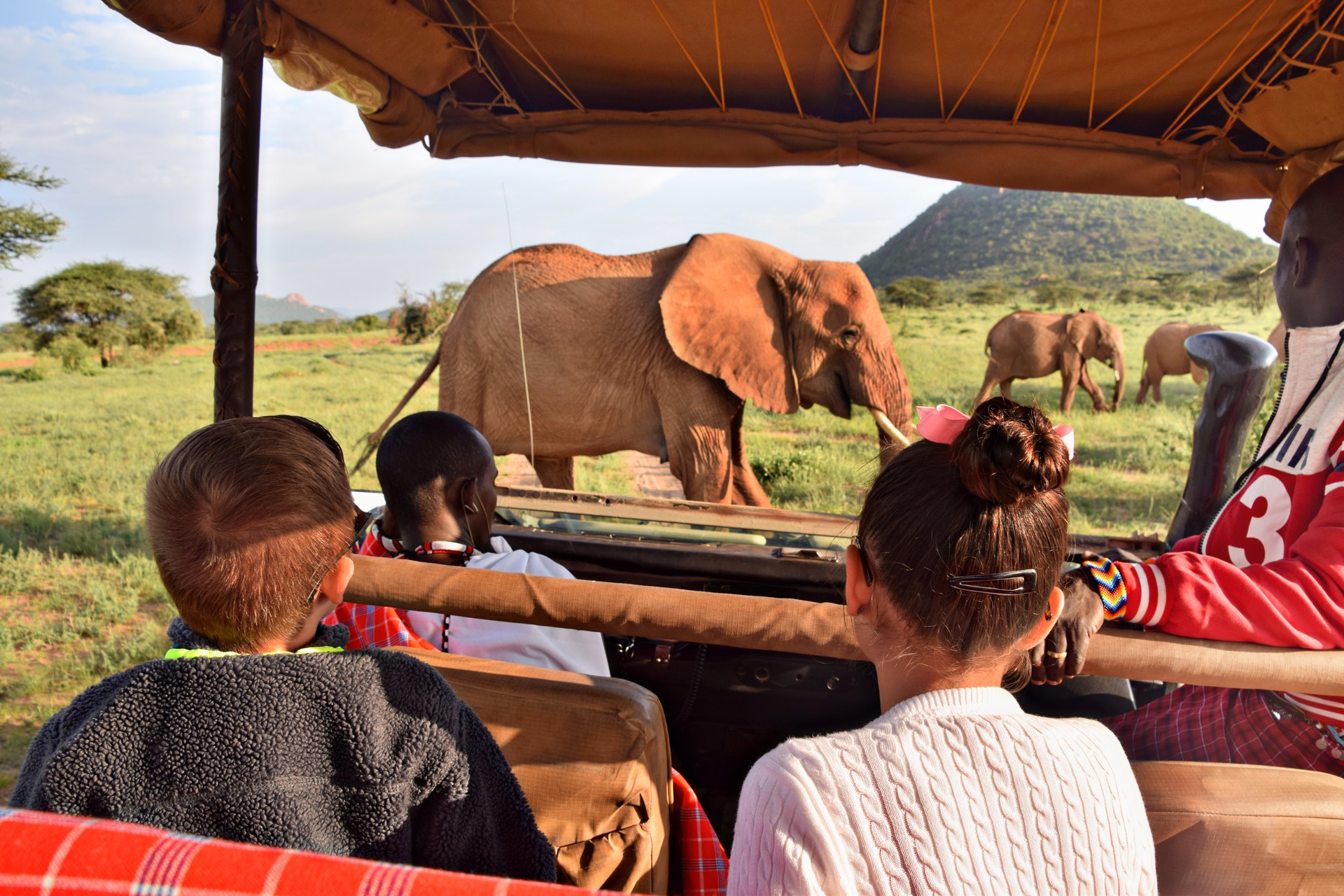
Top tips for booking an African safari
July 9, 2026
Imagine chasing across the savanna in search of herds of wildebeest, hearing the trumpeting of elephants in the distance, or meeting a whole troupe of scarlet-clad Masai Warriors. Experiences like these stay with you forever, and they make an especially big impression on young minds. On a family safari in Kenya, the whole crew will come home with amazing memories, from tots to teens, and parents too.
Kenya is the original safari destination, so rest assured you’ll be in safe hands here. From the Masai Mara to Mount Kilimanjaro, the locals have been welcoming and wowing visitors for years, and it really shows.
As well as being Africa’s top wildlife hotspot across its sprawling national parks and reserves, there’s a solid family-friendly infrastructure in place, fantastic guides, and a high level of safety and professionalism. Beyond the safari Jeep, there are all sorts of things to do, from cultural experiences with Masai tribespeople to all-out chillaxing on Indian Ocean beaches.
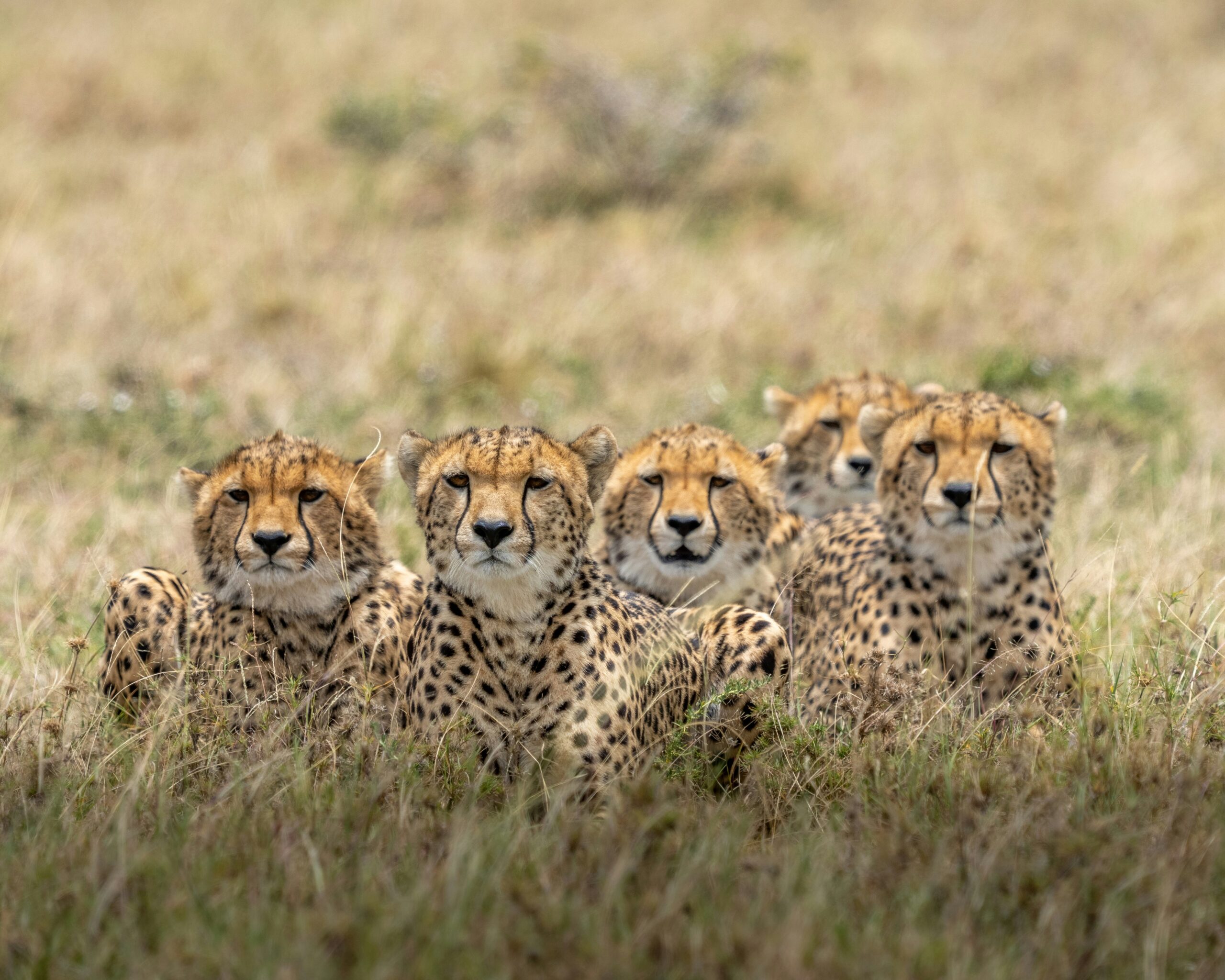
The grassland plains of the Masai Mara lie in southern Kenya along the border with Tanzania. Across these vast swathes of grassland, the drama of the Great Migration unfolds. Over a million wildebeest come thundering through in pursuit of the rains, along with tens of thousands of zebras and gazelles. Predators lie in wait on land and in the rushing rivers, including lions, leopards, hyenas and crocs. The Great Migration is the ultimate blockbuster spectacular for a Kenya family safari, and takes place from around June to September.
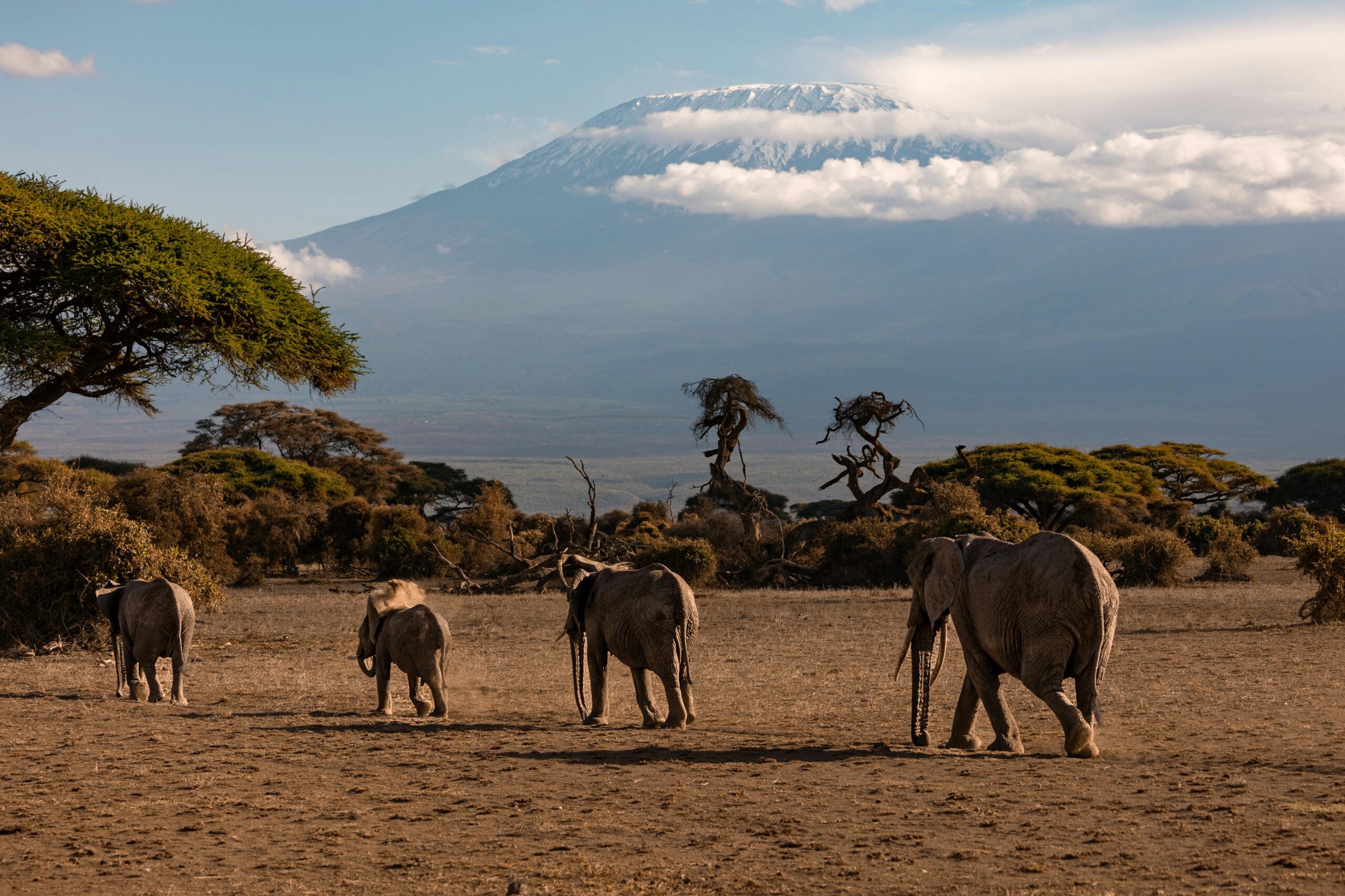
Although Kilimanjaro, Africa’s highest mountain, is in Tanzania, many agree that Kenya has the better view of its dramatic snow-topped peak. And it is Kenya’s Amboseli National Park on the Tanzania border that boasts this fabled view. Flat savannas stretch out, striped ochre and green and dotted with Acacia trees. Elephants, giraffes, and zebras roam through, and towering above it all is Kilimanjaro. Africa safari views don’t get much more iconic than this.
Read more: Kenya’s lesser-known wildlife
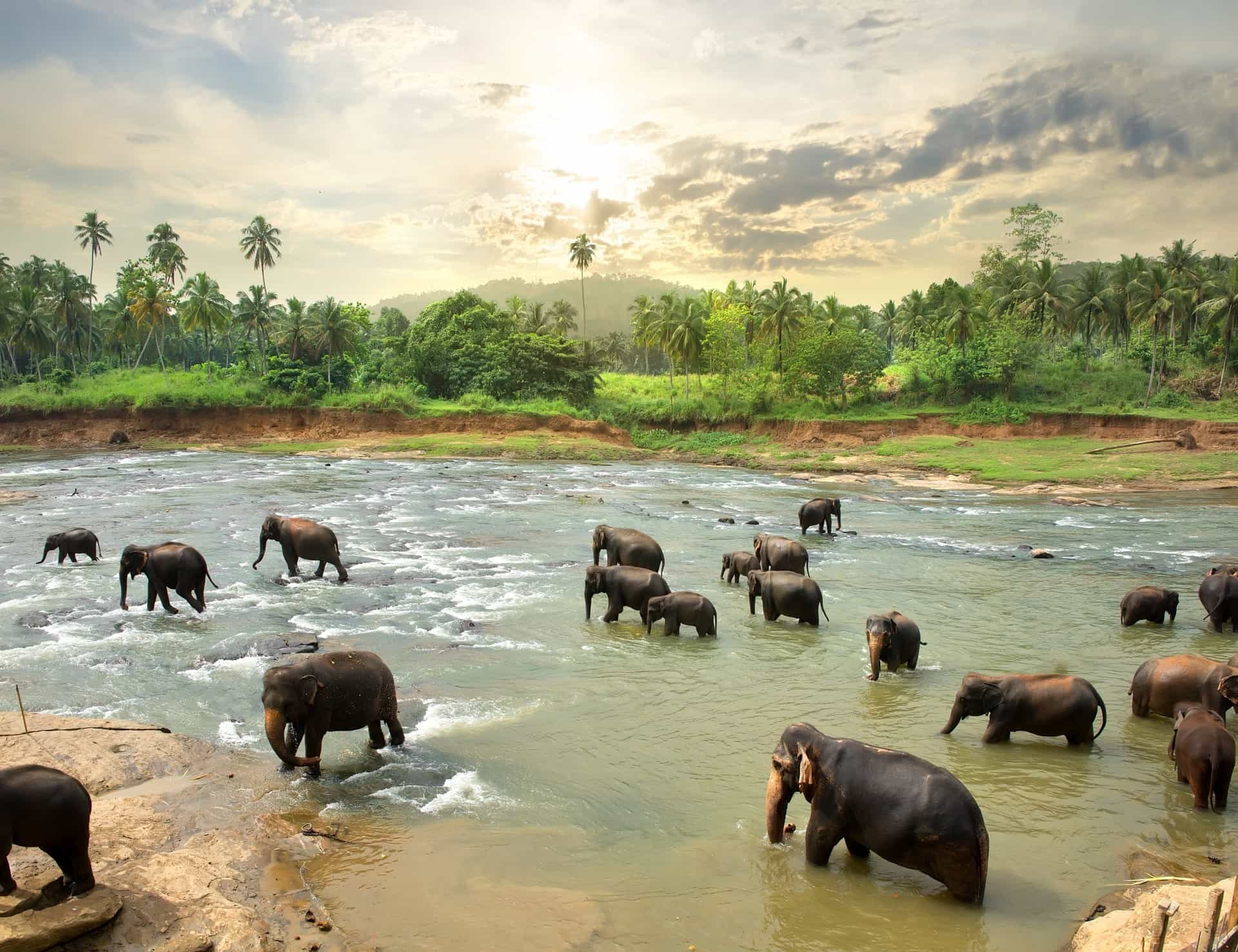
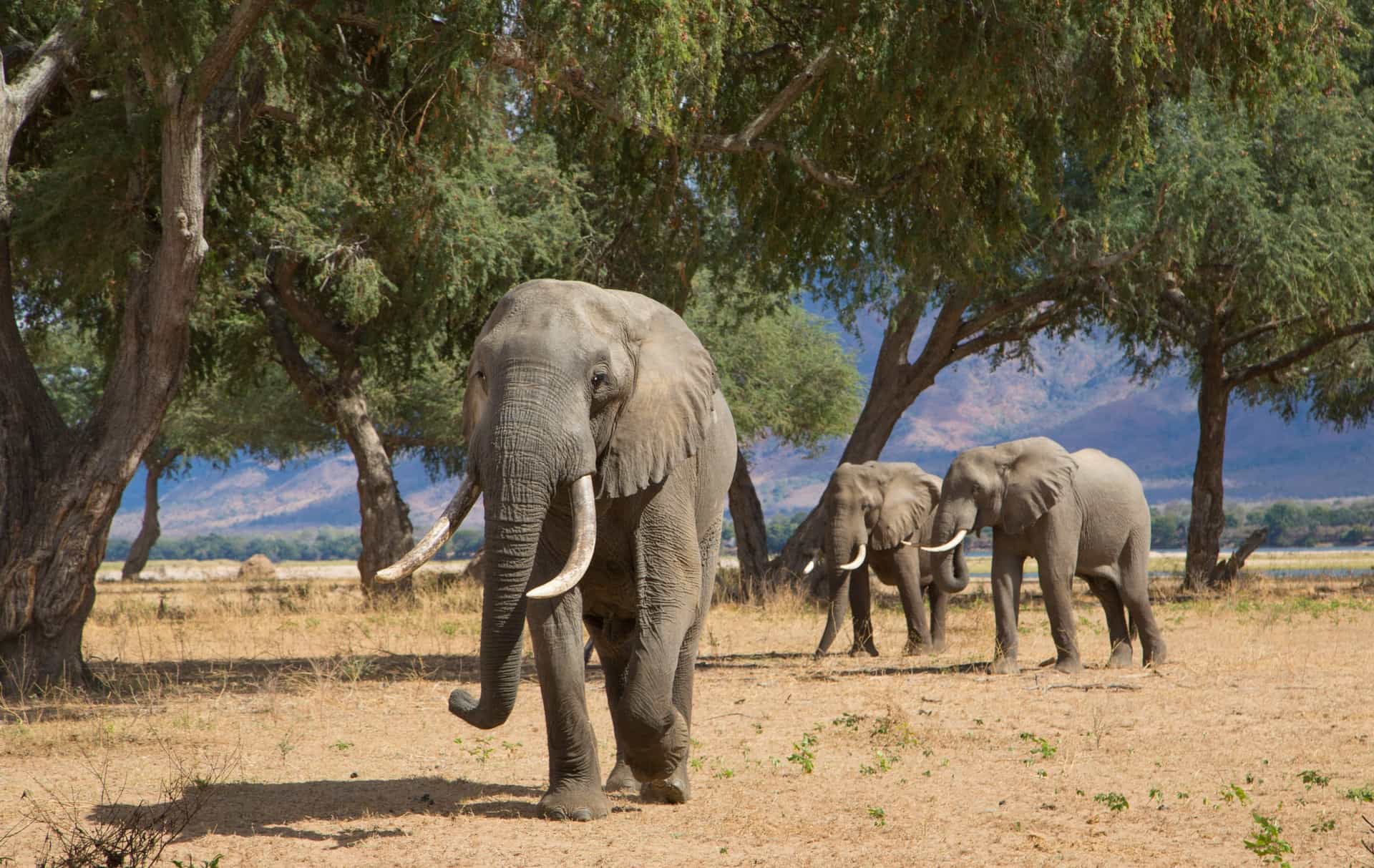
This national reserve lies in the less-visited north of the country in the Rift Valley region. The habitat here is drier than in the south, with scrubland, semi-arid plains and forest. The wide Ewaso Ngiro River snakes through, drawing wildlife to its life-giving waters. This means that many of the animals here are concentrated around the river, making them quite easy to find. It is especially known for its elephant population, but also has its very own Samburu Special Five, including giraffe gazelle, the blue-necked ostrich, and the strikingly patterned reticulated giraffe.

In the fertile Rift Valley, grasslands and acacia tree forests surround the glimmering Lake Nakuru. When viewed from a distance, this shallow, alkaline soda lake is a hazy candyfloss pink. As you approach, you’ll see that this powder pink hue is created by hundreds of rose-tinged flamingos that come here to feed. As well as these iconic avians, there are some 399 more bird species to spot within the park, along with bathing hippos, rare rhinos, and giraffe.
Deep in the Rift Valley, this unique national park feels ancient and wild, with near-vertical cliff faces, rugged rock formations, and narrow gorges carved by ancient waterways. These landscapes directly inspired the makers of The Lion King, with high rocky platforms presiding over sweeping views, much like Simba’s iconic Pride Rock. You won’t find any lions here, though; in fact, there are no large predators, making it a unique destination for safari holidays in Kenya. Without the big cats hunting them, the wildlife here is more placid, and visitors can go on safari on foot or even by bike.
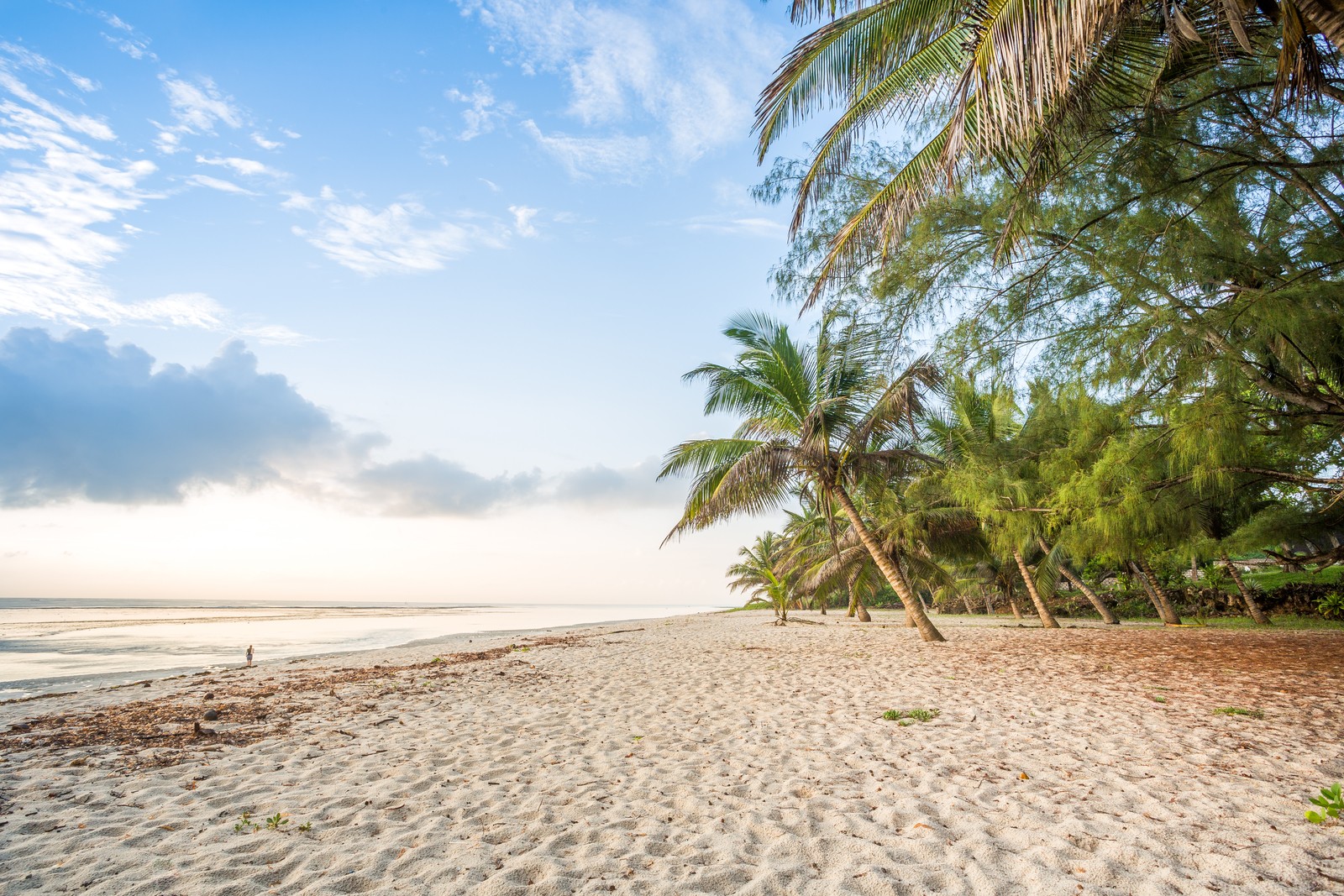
After all the excitement, balance your family vacation in Kenya with a few days on the coast. And what a coast! Kenya’s beaches are all powder-white sands, ultramarine waters and swaying palms. Beneath the gentle waves, there are sweeps of protected coral reef where you can spot green turtles and schools of multi-hued tropical fish. Laid-back beach destinations stretch along the Indian Ocean coast, with Diani and Watamu popular for a perfectly put-together Kenya family trip.
Read more: Exploring the beautiful beaches of Kenya
We’ve all seen the Big Five on the little screen, but encountering these awe-inspiring animals in real life will take a Lion King obsession to a whole new level.
Get closer to the detail on guided bush walks and nature trails, during which kids can learn how to track and spot animals. Local experts will share insights and answer all those inquisitive questions.
Stoke future passions with more in-depth safari adventures on a junior ranger program with knowledgeable local guides. Learn to identify animals from their tracks and scat, and how to survive and thrive in the wild with bush skills, such as making a fire and finding food.
Experience a whole other way of life with the Maasai and Samburu peoples. Young minds will be broadened as they learn about life in the tribe, traditional dance and attire, or have a go at warrior training.
Float dreamlike over the savanna, peeping over the balloon basket edge to see the landscape and wildlife below. A hot air balloon ride makes a dazzling finale to a family vacation in Kenya.
Read more: A family guide to Kenya

To get the best out of a big trip like this, family vacations in Kenya require careful planning and consideration. Our local experts will help you craft the best travel itinerary for your particular group, but here are a few tips to get started…
The peak season for a Kenya family vacation is from July to October and it coincides with the dry season. This means it’s the prime time for front row seats at the ‘Great Migration’. This is the most popular time to travel to Kenya, so it will be pricier and busier. However, it is busy for a reason. Seeing this wildlife spectacle will be an experience your family treasures for many years to come.

The rainy season begins in November and is a quieter time to visit Kenya, except for December and January. These are popular months, when the rains are short and sharp, landscapes are lush and green, and there’s the chance to see young animals at play. March to May sees the most intense rainfall and fewer visitors. The upside is that it’s much cheaper to travel, so a private Kenya safari will be more economical during the shoulder season.
Read more: The best time to visit Kenya: a month-by-month guide
Ready to embark on the Kenya family safari of a lifetime? Reach out to our local experts today: they’ll help you craft a wonderful and responsible adventure in Africa, to help you witness Kenya’s majestic wildlife up close alongside your loved ones.
Explore all featured destinations