

14 unique things to do in Jordan
September 11, 2026
The Philippines is truly a Southeast Asian sensation. With over 7,600 islands spread out across the western Pacific Ocean, any trip here can be ripe with the sense that there’s simply too much to see—and you’d be right. For a perfect winter sun escape, you may be asking yourself: what’s the weather in the Philippines like in December, January and February, and where should you go for some secluded warm-weather bliss?
Tourists tend to bunny-hop between a handful of well-known highlights in the Philippines: El Nido in Palawan, Bohol’s Chocolate Hills, the powdery-white sands of Boracay beach resort—and these are justifiably loved. For an experience that feels more authentically Filipino, however—like El Nido used to be before the tour boats moored up in their droves – then the following, lesser-visited alternatives might be just the ticket. Here are our 12 recommendations for off-the-beaten-track winter sun in the Philippines.
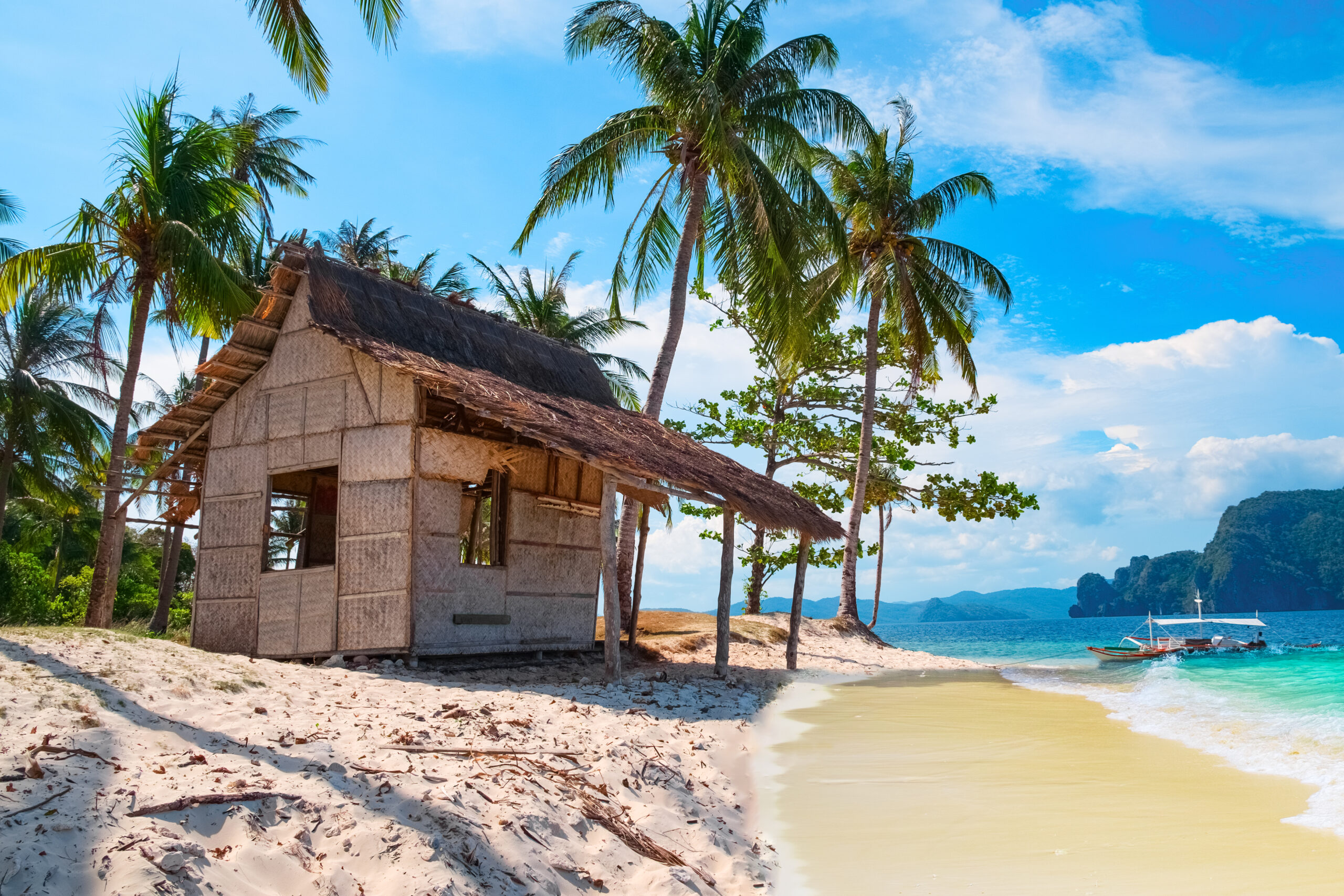
The weather you might experience on your winter trip to the Philippines depends on where you most want to go…
There are two separate weather zones that roughly separate the east and west in the Philippines:
It might be cold in much of the world, but December sees the most pleasant conditions in the Philippines for sunbathing, island-hopping, sea frolics and exploration.
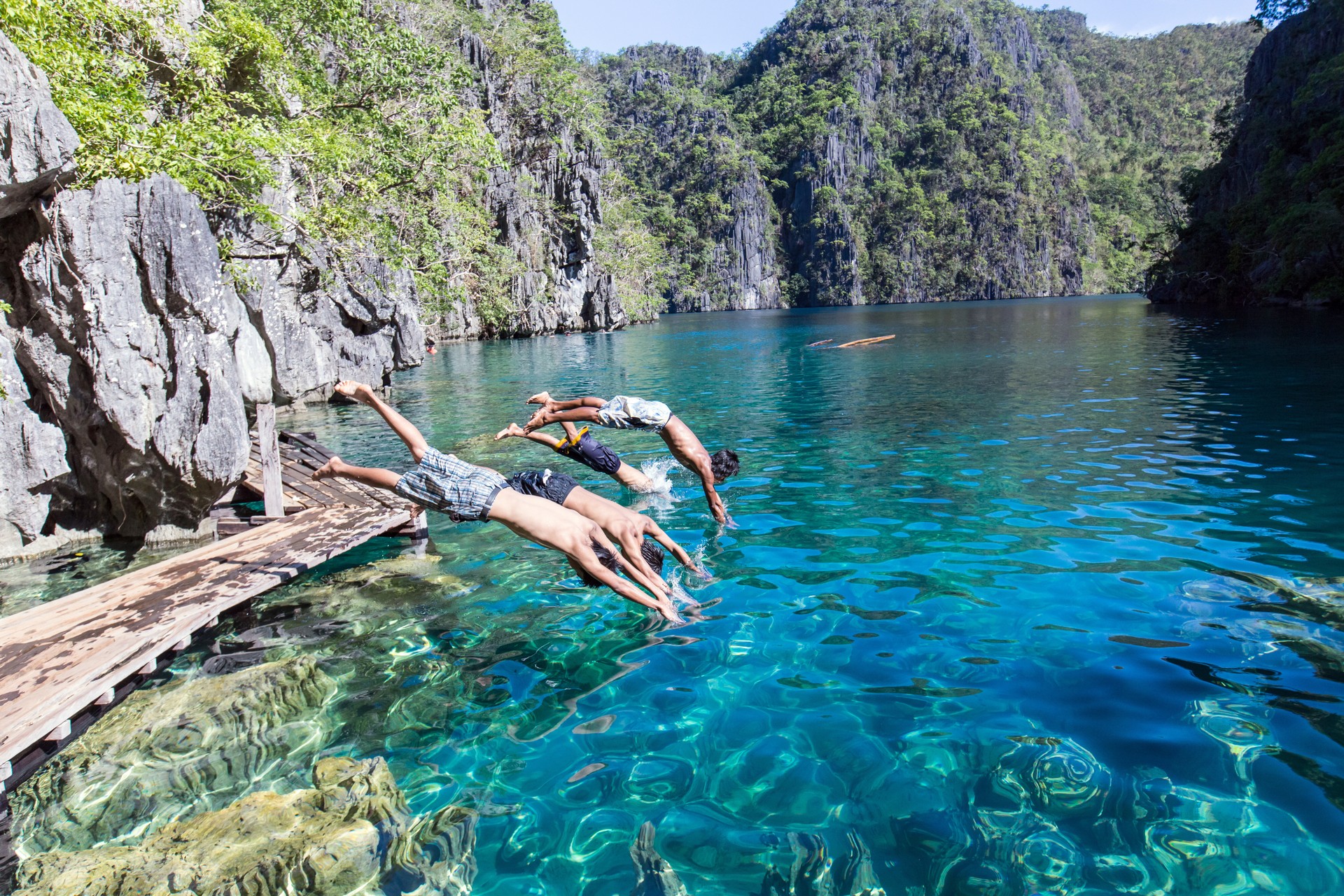
Places like Palawan, Boracay and Cebu are typically warm and sunny in December; however in the east-facing areas such as Bicol, weather is still unsettled with the chance of typhoons and rain.
January and February are close to peak season, but it feels spacious after the Christmas vacationers retreat—and there is still plenty of sunshine and warmth for fun vacation activities in the ‘dry zone’ of the Philippines.
Read more: A week in paradise: planning your Philippines travel itinerary
These overlooked islands in the Philippines may take effort to get to, but the reward is untouched scenery, spacious beaches and a more local experience.
Well worth the journey to the Philippines’ northernmost point, the 10 Batanes Islands are renowned for their highland-esque scenery. Sabtang is a historical highlight, for its traditional Ivatan villages such as Chavayan, complete with limestone houses built to withstand severe typhoons. The rolling green hills here, speckled with horses and boulders, almost make you feel like being in the Scottish Highlands on a warm day.

Hidden off the northeastern coast, Camiguin is known as ‘the island born of fire’—not surprising, once you find out that it has an immense concentration of volcanoes per square kilometer. Its cinematic volcanic landscapes are sensational, surrounded by clear, azure waters that offer wondrous snorkeling and marine adventures. The Sunken Cemetery is particularly notable—this former burial ground was swallowed by the sea in the 19th century, and is now marked by a poignant large cross out on the water.
Curb the boat tours ferrying tourists to Bacuit Bay in El Nido, and instead try Sibaltan, a laid-back fishing village hiding on El Nido’s rural eastern coast. Beaches aren’t crowded here but spacious, for that ‘still undiscovered’ feel the Philippines was once known for. There are two islands ripe for exploration, and a couple of locally-owned dive outfits that will take you to peaceful snorkeling spots. Again, this is a low-key part of the island, so bring a picnic.
For a real adventure away from the beaten path, Tawi-Tawi sits at the southernmost edge of the archipelago, close to the Sabah region of Malaysian Borneo. This is one of the Philippines’ earliest centers of Islam—Muslim communities settled in this area from around the 14th century—and the Sama-Bajau sea nomads still reside here in stilt villages built over the shallows. The beaches themselves are lovely, white-sand and clear waters, with visitors that are almost entirely local.
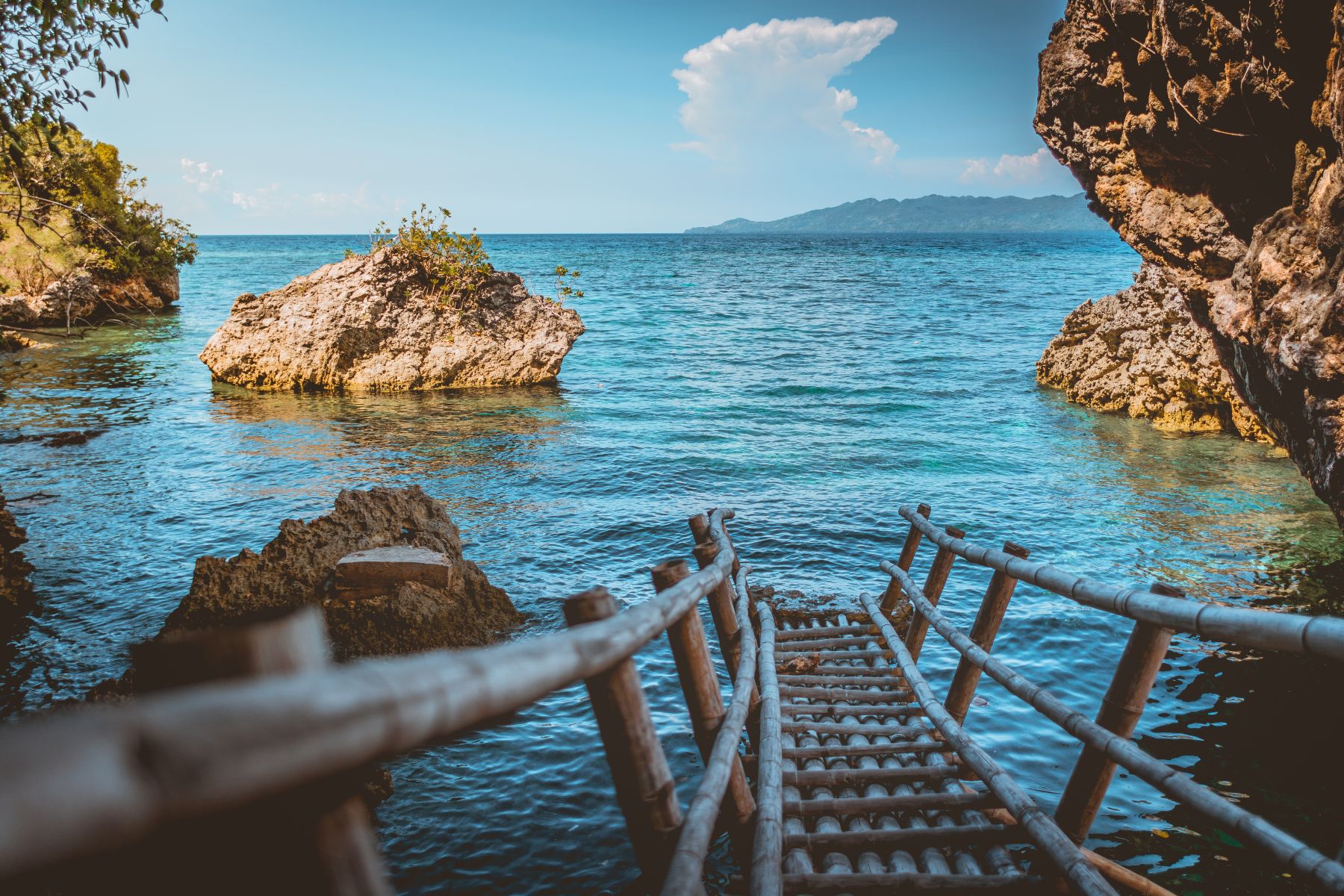
Visitor numbers are kept purposely low here at Danjugan, a marine reserve protected by the Philippine Reef and Rainforest Conservation Foundation. This is a nature-lovers’ haven that our local experts in the Philippines can book for you in advance. There are five lagoons, coral walls thriving with marine life, and a stunning array of bird life. Accommodations are rustic, but that’s all part of the wilderness appeal.
Read more: Philippines travel tips from a local expert
If you’re always going further to seek out that ‘secret’ beach, why not try these coastal alternatives to the Philippines’ top tourist spots?
While most visitors to Palawan make a beeline for the limestone vision of El Nido, Nagtabon Beach is a more peaceful, jungle-backed paradise, and only a 45-minute drive from Puerto Princesa. This gently scooped cove is a haven of soft sand and crystalline, swimmable waters, for relaxed toe-dipping between vacation reads. Again it’s rustic, with only a handful of locally-owned food huts and amenities, so pack provisions if you can.
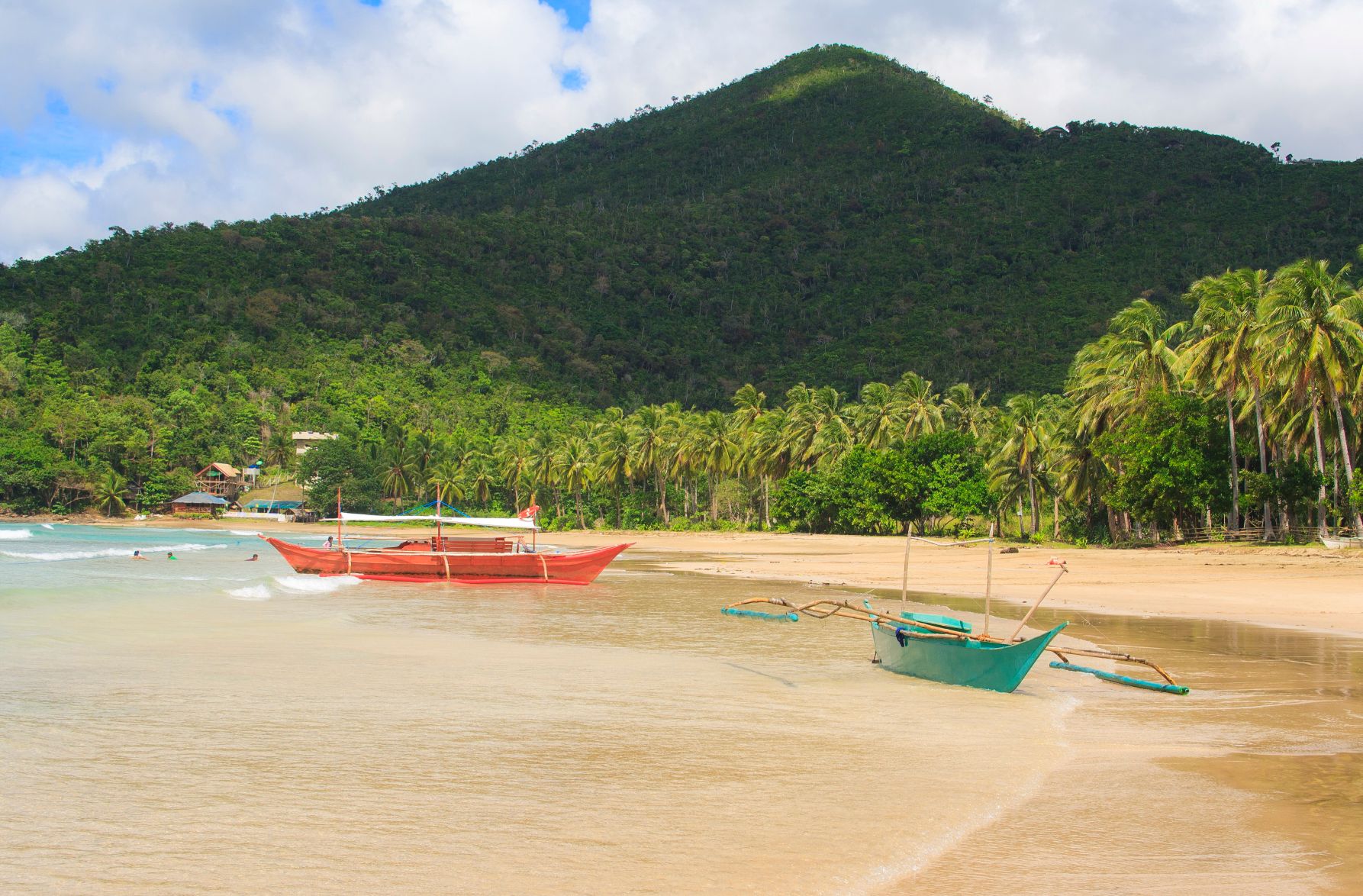
The world-class beach resort of Boracay sees a bulk of Philippines’ tourism (for good reason), but if you’re one to escape crowds, Bantayan Island is a shining pearl off the north coast of Cebu. There’s a laid-back, local mood here with local seafood eateries and markets, and the three main beaches—evocatively named Sugar Beach, Paradise Beach, and the town-based Santa Fe Beach—each have their own character. It’s around a five- to six-hour journey via bus and ferry from Cebu, but worth the effort if you’re committed to those off-the-beaten-path rewards.
Just north east of Bantayan, gorgeous beaches and an emerald lagoon await on Kinatarcan Island. Sitting in the Visayan Sea, this is more of a back-to-wilderness experience, around a 90-minute boat ride away. This is an island for active travelers; be prepared for climbing down a steep, rugged ravine to reach the heavenly La-aw Lagoon, hopping on the back of a motorbike to get between places, and bringing food along with you, as restaurants are sparse.
At Camarines Sur in the Bicol region, the Caramoan Peninsula has that rugged, untouched feel that El Nido may have once had. The protected karst landscape covers hidden coves, scattered islets and the same jewel-like waters, while the stunning Gota Beach is backed by similarly soaring limestone towers. Unlike El Nido, it’s mostly local tourists that come to relax here at weekends, rather than backpackers and international travelers.
Read more: The best beaches in the Philippines
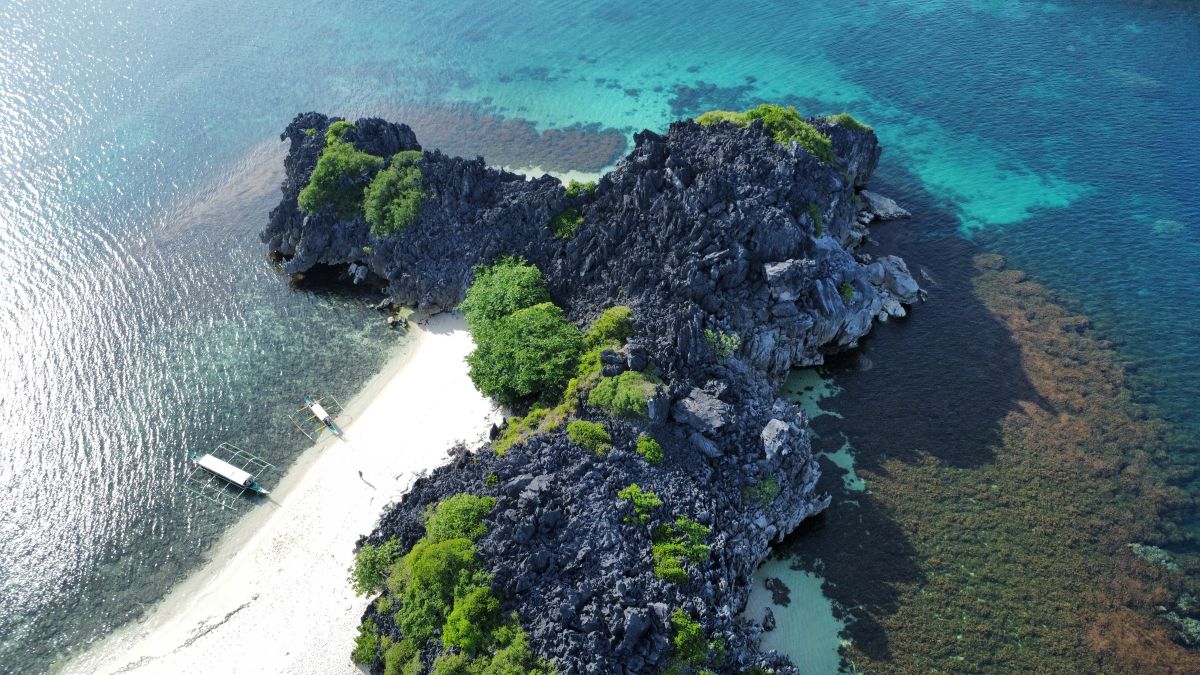
It’s not all about island-hops and ocean dips in the Philippines: there are forests, mountains and intriguing village life galore if you travel inland.
Sagada is a mountain town in northern Luzon that, at 1,500m, feels a world away from the trademark Filipino tropics. The misty pine-forested slopes are refreshingly cool, and the mood is mysterious and storied. Sagada is most often remembered for its traditional hanging coffins. It’s a somber sight—the Igorot people suspend the coffins of their loved ones down the side of the cliff face (particularly in Echo Valley), in the belief it brings them closer to ancestral spirits.
Sohoton Natural Bridge National Park covers an impressive stretch of karst landscape in the interior of Samar. These natural limestone arches and immense cave chambers are scattered along a river that weaves through the dense jungle. You access the caves by boat, enjoying a scenic ride underneath the vaulted roofs; a veritable cathedral entirely constructed by nature. The park is quite far from the trodden trail, involving an air crossing from Manila to Tacloban, then taking a bus and a boat, so you’ll only be joined by locals and very determined tourists.
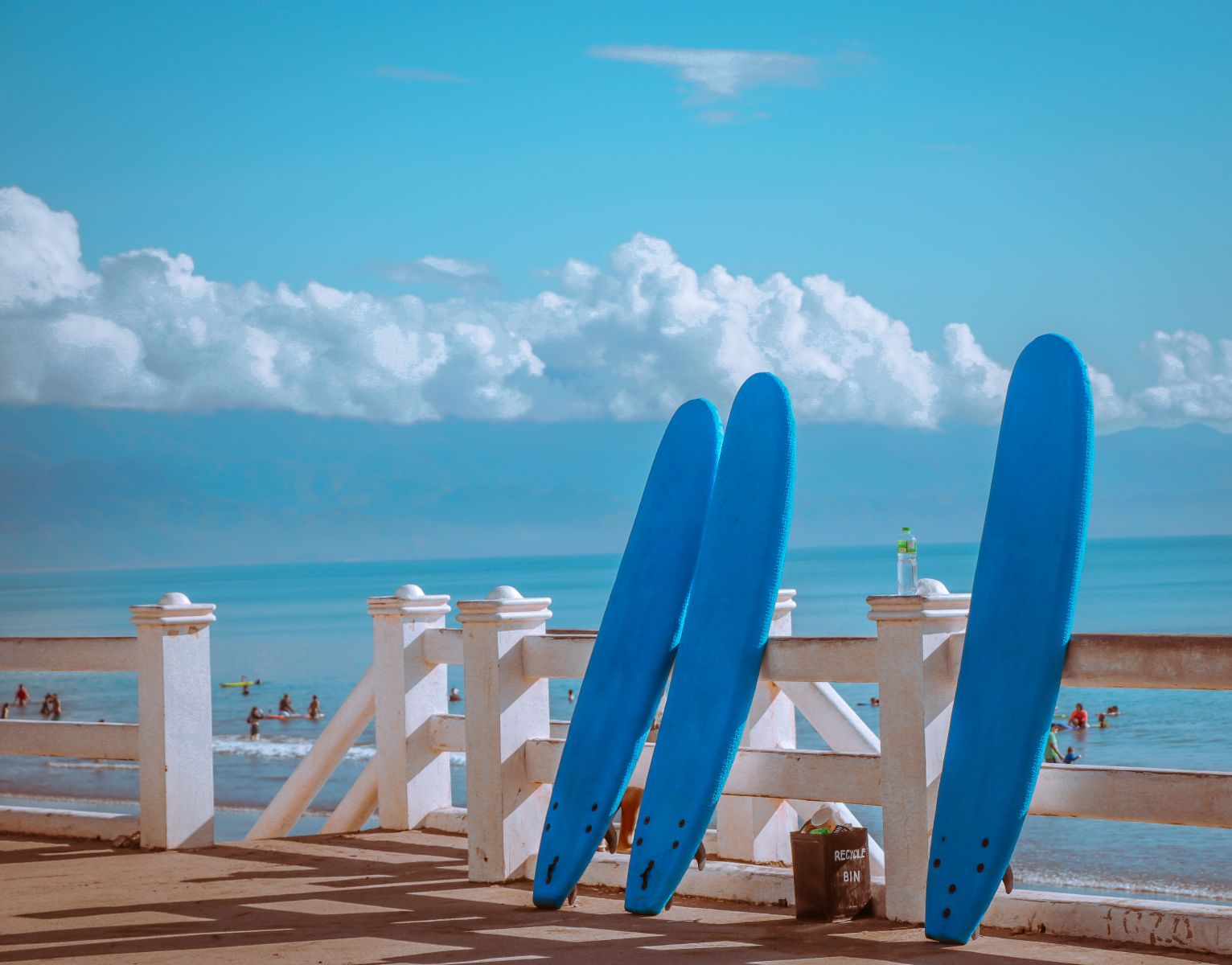
Baler has a memorable lore; many say surfing was introduced here in the 70s by the film crew of Apocalypse Now, who left their surfboards behind for locals to use. Whether true, the nostalgic surf town still carries that old-school coastal vibe. Sabang Beach has consistent waves for surf fans and beginners, and plenty of small surf schools to rent your own board and have a go. If you’re only here for the atmosphere, though, Aurora province itself is beautiful, laid-back and criminally under-visited, with jungle waterfalls and picture-perfect mountain scenery.
Read more: Take your family to the Philippines
If you’re ready to hit the Philippines for your next winter vacation, get in touch with our local travel experts. They’re based within the destination, and have all the in-depth knowledge about the weather in the Philippines in December, January and February, and more insights you’ll need to plan the trip to the Philippines you’ve always dreamed of.
Explore all featured destinations
Join our mailing list for travel inspiration, trip recommendations, and insights from our local experts.