
When to visit Indonesia: dry VS wet season experiences
August 19, 2026
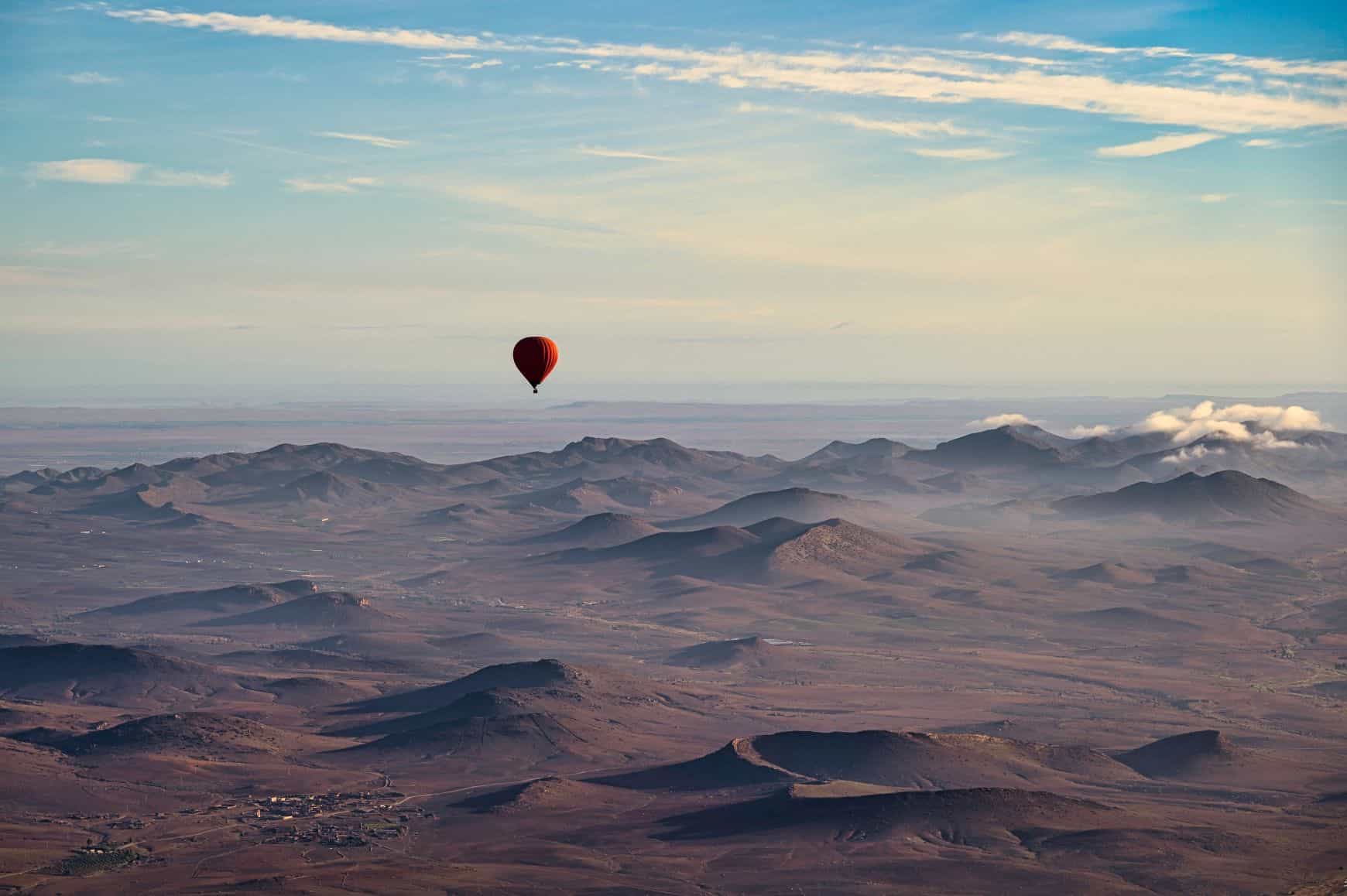
Morocco stands out as one of northern Africa’s most fascinating places to visit. Its bustling cities feature ancient palaces and lively medinas (bazaars) that have captivated visitors for centuries. In more remote areas of the Atlas Mountains — and the northern Sahara desert — Berber villages keep ancient indigenous traditions alive. And while Morocco’s fauna is less omnipresent than that of sub-Saharan Africa, the country’s wildlife preserves are all well worth visiting. So, when is the best time to visit Morocco?
Given that its climate is moderate (relative to most North African countries) summer is travel bedlam for the coastal cities of Casablanca, Tangier, and Agadir. Meanwhile, winter is often too rainy (along the coast) or too cool (in the desert) for your visit to be fun. Thus, spring and fall offer the best combination of reasonable weather and mild-to-moderate crowds. Let’s take a closer look at Morocco’s shoulder seasons…
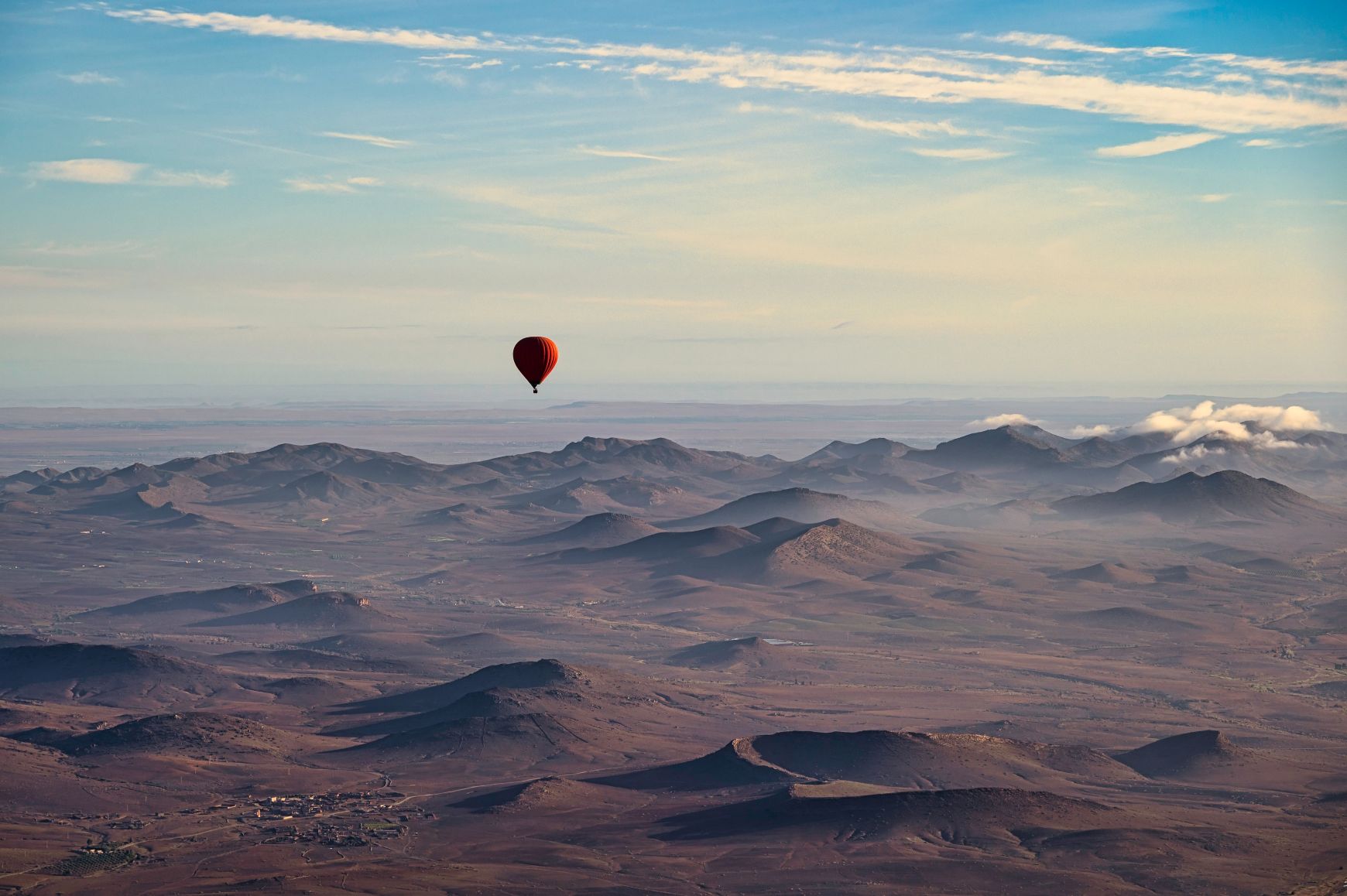
In much of the country except the far inland desert (generally hot) and the heights of the Atlas Mountains (pretty cold), spring is quite mild. You can expect average temperatures in the 60s and low-to-mid-70s Fahrenheit (around 15 to 24 degrees Celsius). As such, your attire and activity options are wide-ranging during this shoulder season.
Anything in your wardrobe that fits most climates (like lightweight or midweight pants, tops, and jackets), should be fine for the spring. Any hikes up to the mountains will demand a warmer jacket and sturdy boots. Also, no matter where you are, sudden winds from the desert can bring bursts of intense heat and dust. Linen and other light cotton fabrics will serve you well in such moments — and a bandana, scarf, or keffiyeh should be in easy reach when it gets windy.
Spring is an excellent time for hikers of all experience levels to visit the Atlas Mountains, located in central-northern and northeastern Morocco. They function as an unofficial barrier between the coastal areas and the northern Sahara — and the main location to see Morocco’s notable flora and fauna.
In most areas of the Atlas, the trees and skies are filled with fascinating bird species: Barbary partridges, spotless starlings, Maghreb green woodpeckers, Moussier’s redstarts, and many more. The biggest concentrations are in designated areas like the Haut Atlas Oriental and Tazekka National Parks, as well as the aptly named Paradise Valley. In the latter, the avian inhabitants are even more exotic, including the Algerian nuthatch, Bonelli’s eagle, and multiple kingfisher and dipper species.
Though a hike through the Atlas Mountains won’t showcase animals in the Big Five or their distant cousins (with the exception of hard-to-spot Barbary leopards), do keep an eye out for Barbary macaques. These are the only macaques of any kind outside Asia. Also, Paradise Valley contains remarkable reptile species like the saw-scaled viper, Atlas blunt-nosed viper, and Moroccan spiny-tailed lizard. But be cautious and let guides lead the way, as the snakes are notably venomous.
Springtime is by far the safest time of year to visit the majestic northern corners of the Sahara Desert. It’s neither too hot during the day (low-to-mid-80s Fahrenheit/26-29 degrees Celsius) or too cold (mid-60s Fahrenheit/18 degrees Celsius) at night, as is the case in summer and winter, respectively. Revel in the beautiful beige, orange, and red sands of the dunes in the day and the clear starry skies at night.
Adventure travelers will jump at the chance to ride ATVs through the desert or sandboard (exactly what it sounds like) along the steeper dunes. Those preferring a more leisurely pace can ride on camels or hardy Barb and Arab-Barb horses well-accustomed to the desert’s rigors.
Read more: Take the kids to Morocco for a family vacation

Spring is the best time to visit Morocco’s major cities that may be too hot, crowded, or rainy in other seasons. Marrakech and Fes are absolute must-sees.
Marrakech isn’t Morocco’s capital (that’d be Rabat), but feels like the country’s heart. The world-famous medina and its souks (individual markets) exemplify this perfectly. You’ll find spice, textile, leather, metalworks, and many other crafts, clustered around the Jemaa El-Fnaa public square.
The city is as beautiful as it is busy. Try to visit in the early morning or late afternoon to catch wonders of Islamic architecture like Bahia Palace and the Medersa Ben Youssef, known for their intricate tilework, wood painting, and marquetry. The flora of Marrakech’s famous gardens (Jardin Secret and the Majorelle) will also be in full bloom: palm trees, cacti, bamboo, orange trees, rosemary, imported jacaranda trees and yuccas, and much more.
Fes features its own legendary medina and souks — in fact, the market is a UNESCO Heritage Site. Cars are entirely absent from the medina and aren’t exactly common elsewhere, as they don’t fit on many of the streets. Being Morocco’s oldest city, the madrasas (schools) and mosques are similarly ancient. Some (especially the madrasas, like Bou Inania) can’t be entered by non-Muslims, but the exteriors and courtyard (especially the stonemasonry and zellij) are still worth the sight.
For a unique, broad view of the city and a sense of historical perspective, climb a small hill to reach the Marinid Tombs (but note that they’re sometimes temporarily closed for restoration work).
Morocco features notable festivals year-round, including these spring highlights:
If you visit early enough in spring, Ramadan may be taking place. Non-Muslim residents and visitors aren’t bound to the fast’s requirements, but it’s wise to be especially mindful of your public behavior during the day. (Be courteous and a little subdued, and you’ll likely have no issues.)
Read more: Experiencing the Festival of Roses in Morocco
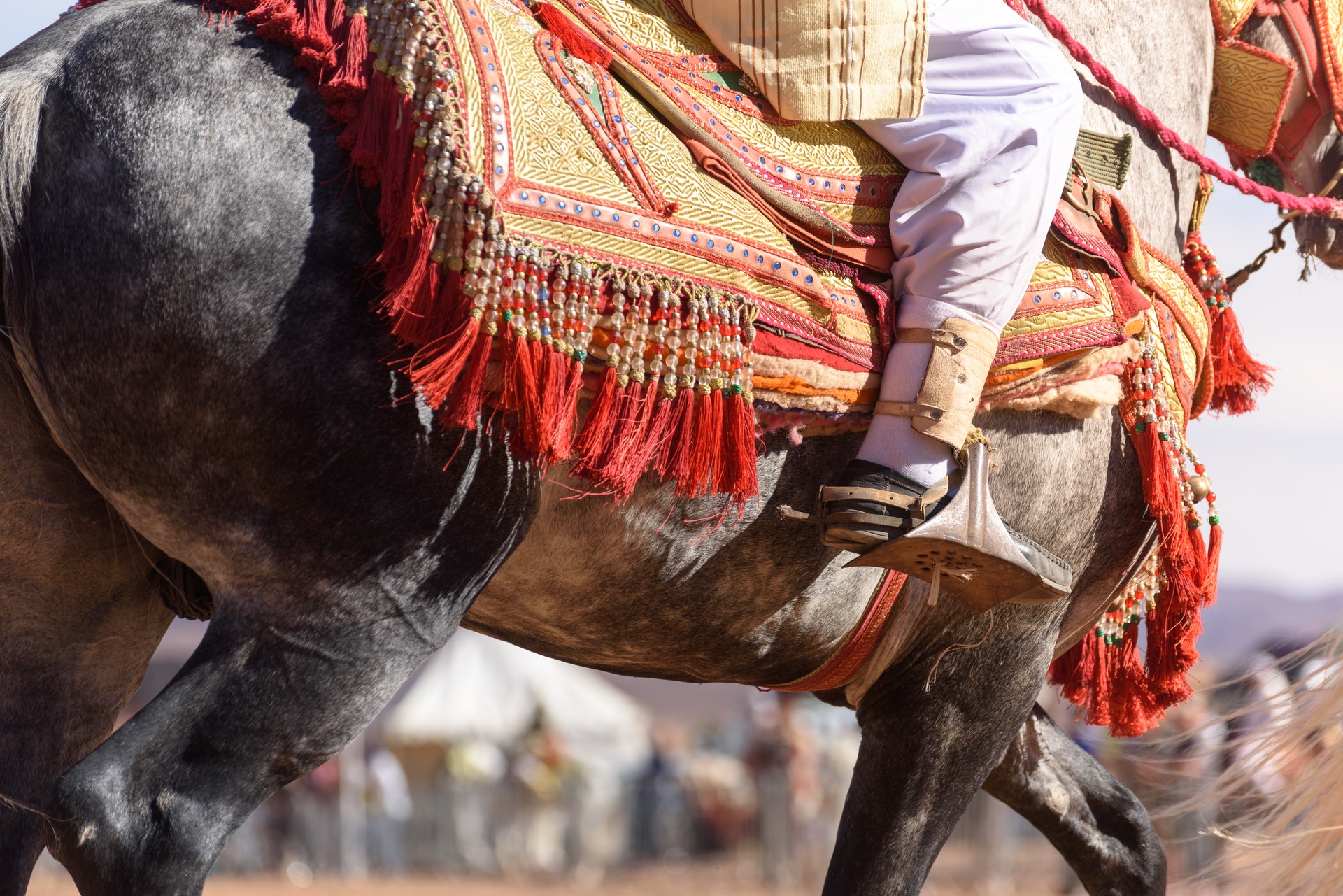
Spring does have Morocco’s best weather, but fall is a close second place. Temperatures are fairly similar, with averages for many cities being in the mid-to-high 70s/23-26 degrees Celsius (and sometimes low 80s Fahrenheit/around 26 degrees Celsius in early September). Like spring, sudden heat waves can get up to the 90s (around 32 degrees Celsius), but these grow fewer and further between after early September.
Morocco’s main fall weather differentiators are humidity and rain, in most of the country save the most arid areas. This rise isn’t always significant by percentage, but it always precipitates or accompanies … well, precipitation. Atlantic coastal areas and cities like Ifrane closest to the Atlas Mountains get the most rain (about two inches per month and at least three, respectively, in October).
Spring clothing will be fine when it’s dry out, but you’ll need at least some rain apparel to compliment your wardrobe in autumn. Footwear like multi-terrain hiking boots or strong rain boots are highly advised, as is a rain hat. But clothing should also be somewhat breathable to account for the humidity. A large-canopy umbrella — not one of those easily breakable ones from the grocery store — is another necessity.
September is a perfect month to visit the Atlantic coast just before the rainy season begins in earnest. Summer crowds will have dispersed from Casablanca, for example. So you won’t be cramped trying to visit ancient and modern landmarks Mohammed V Square, get a surfing spot at Bouznika beach, or snag a table for dinner at Rick’s Cafe.
For similar experiences that may be less crowded, consider the nearby city of Agadir. Though the local surf haven, Taghazout, is world-renowned, Agadir as a whole simply isn’t as well-known as Morocco’s hotspots. Thus, you can have similar experiences with reduced crowds and prices: merchant-haggling in bustling souks, marveling at ancient wonders (the painstakingly reconstructed Agadir medina), viewing ruins (Oufella and its Kasbah), enjoying the wonder of tagine (ceramic pot-cooked rich stew), and so much more.
Read more: The best cities to visit in Morocco

The central southern Moroccan city of Ouarzazate finally has an average temperature below 80 Fahrenheit in September (78 degrees Celsius) but won’t yet be catnip to most tourists as it is in late fall and winter. This makes mid-September perfect for a town that blends ancient and modern attractions.
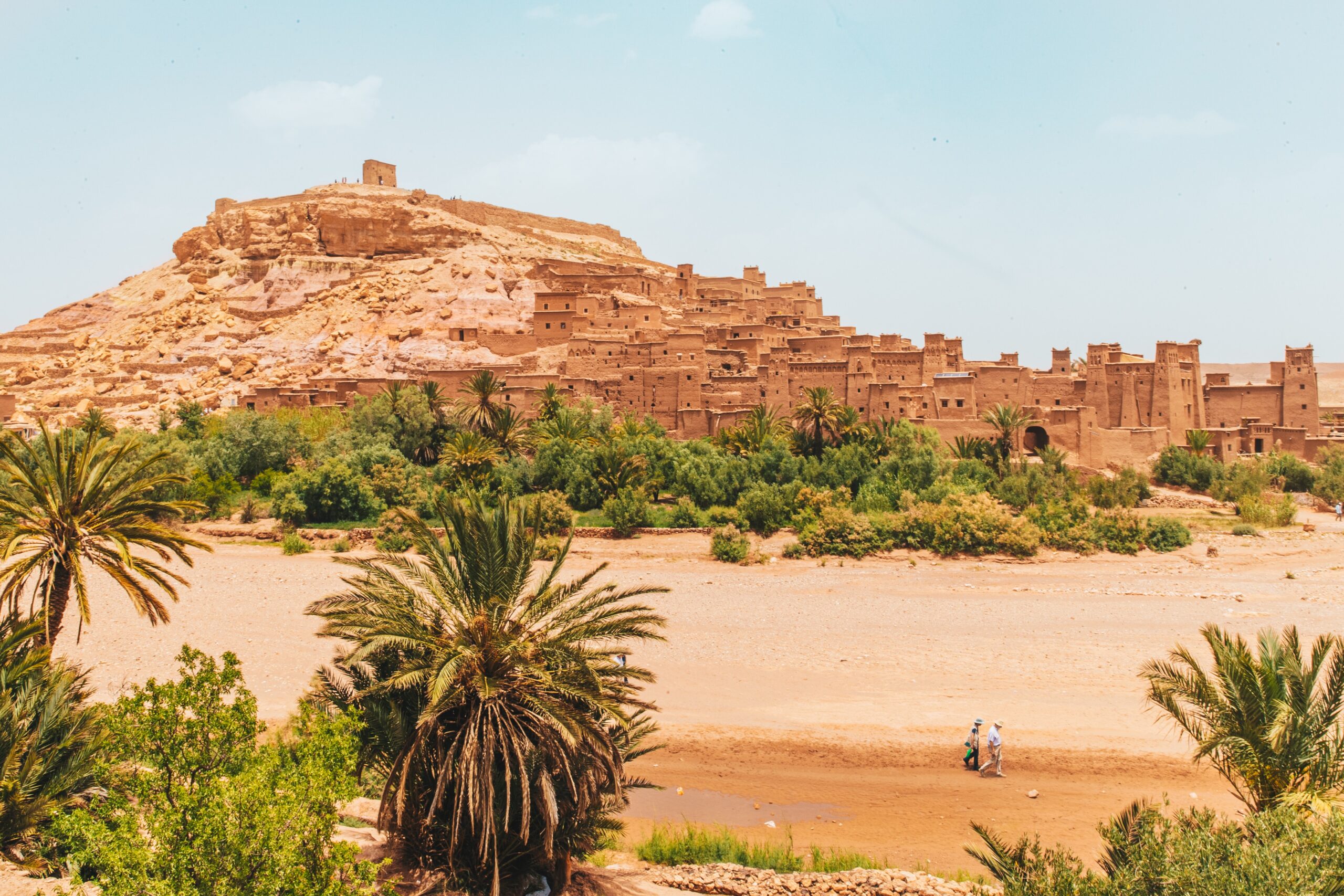
For example, World Heritage Site Aït Benhaddou dates back to the 11th century and epitomizes the excellence of Moroccan clay building methods, as does the much younger (19th-century) Kasbah Taourirt. Conversely, you can take a tour of Atlas Studios and find out how it’s been vital to the production of world-famous film and television ranging from Lawrence of Arabia to Game of Thrones.
Read more: A world of sensory richness: Morocco travel tips from a local expert
To some extent, the answer to this question depends on your individual priorities. (Also, for our purposes, we’re avoiding months like January or December that fall outside the shoulder-season range.)
If you’re looking to avoid heat as much as possible, March or November are your best options outside the peak period. Even regions that are frequently hot — like the inland deserts — cool down to varying degrees in these months. Meanwhile, coastal metro areas like Casablanca and Tangier are positively balmy in the day and fairly cool at night.
To lower your exposure to crowds even more, consider May or November. You will need heat-appropriate clothes, though the imperial cities generally don’t get warmer than the 80s Fahrenheit (around 26 degrees Celsius) until late spring and summer.
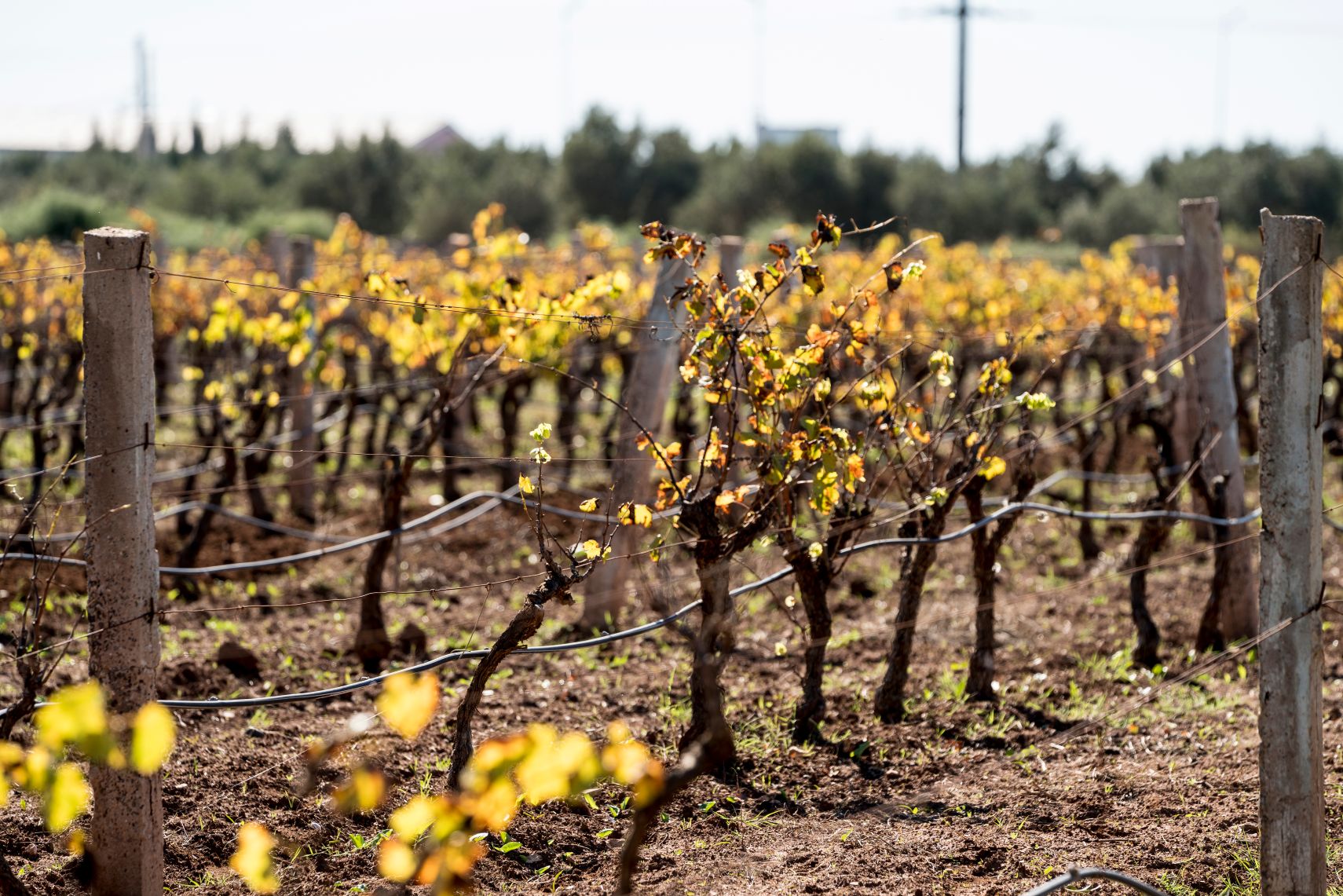
Winter is to be avoided unless you’re on a budget and don’t mind rain or crowds. Regular rains make the coastal cities difficult to enjoy, while lower temperatures in the inland urban areas attract big crowds.
Also, the most elevated areas of the western Atlas Mountains draw enough snow to have popular ski resorts like Oukaïmeden and Michlifen. If you’re an avid skier and want to make that part of your Morocco vacation, you’ll have to bear the crowds, though you may get lucky if you visit in the winter shoulders (very early December/very late February).
Summer, as we’ve alluded to, can get dangerously hot in the deserts and certain cities. Marrakech and Fes can reach the high 90s and sometimes even crack 100 Fahrenheit (around 38 degrees Celsius), as can desert-adjacent cities like Ouarzazate and Errachidia. Meanwhile, areas along the Atlantic and Mediterranean coast boast great weather, but this attracts massive crowds at the beaches and in city centers.
If you think the shoulder seasons are the best time to visit Morocco, don’t delay. Get in touch with one of our Moroccan travel experts, all of whom are native citizens or longtime residents. They’re ready and willing to help you work out an itinerary that takes advantage of spring or fall weather and ensures you have a fulfilling experience in this singular nation.
Explore all featured destinations
Join our mailing list for travel inspiration, trip recommendations, and insights from our local experts.