Going off track in Iceland: travel tips from our local expert
November 2, 2026
Malta doesn’t feel like anywhere else in Mediterranean Europe. It has the same pretty beaches and beautiful old cities as other destinations, but nowhere else packs so much human history into such a small landscape. Malta is positively ancient. You can move through a prehistoric landscape where temples were built before the Egyptian pyramids, and visit underground chambers and catacombs carved out of solid rock thousands of years ago. Then pass through the grand, fortified gates of a Baroque city built by the Knights of St. John, and eat slow-cooked rabbit while sat on candlelit limestone steps beneath towering stone arches. In five to seven days, you’ll have time to combine the best-known landmarks with some distinctive and unique things to do in Malta…
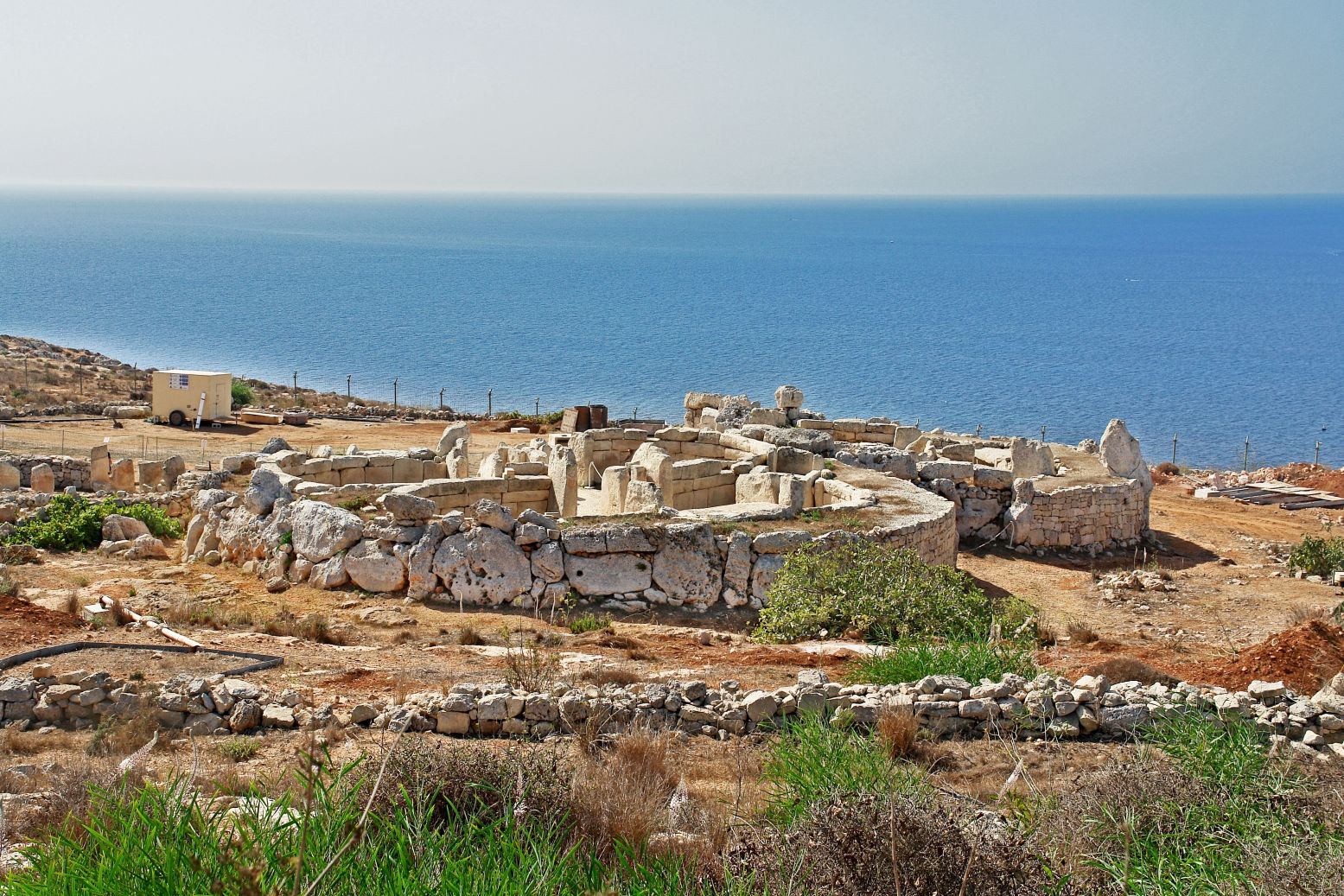
The Megalithic Temples of Ħaġar Qim and Mnajdra are some of the oldest free-standing stone structures on earth, predating Stonehenge by a millennium. A sophisticated culture living around 5,000 years ago built the structures using enormous limestone blocks, some weighing up to 20 tons. Try getting your head around this: when the ancient Athenians built the Parthenon, these Maltese temples were already older to them than the Parthenon is to us today.
Sitting dramatically above Malta’s southern coast, Mnajdra’s architecture is aligned with the sun, with light entering different parts of the temple complex at significant points in the solar year. Visit at dawn and see the temples framed by the sunrise over open coastline rather than crowds of visitors.
Malta’s Ħal Saflieni Hypogeum, an underground necropolis and temple complex, is quite simply extraordinary. Prehistoric builders working 5,000 years ago used primitive tools to sculpt the rock into buildings resembling above-ground temples, with doorways, pillars and ornate ceilings.
Part burial site, part ritual space where ancient ceremonies took place, its chambers are still decorated with prehistoric art, and one contains incredible acoustic properties that cause the human body to vibrate. It’s a must-see in Malta, and visitor numbers are limited, so should be booked weeks ahead. Combine it with a visit to the National Archaeology Museum in Valletta which displays some of the Hypogeum’s fantastic artefacts.
For an even stranger glimpse into prehistoric Malta, head to Għar Dalam, a prehistoric cave and the island’s ultimate subterranean time capsule. The cave yielded a treasure trove of bizarre animal bones and fossils from the Ice Age, when many mainland species arrived in Malta after sea levels dropped and temporary land bridges connected Malta to mainland Europe.
Stranded by rising seas, giant beasts shrank to the size of dogs, and small mammals became oversized, leaving an evolutionary graveyard of dwarf elephant bones, and the remains of gigantic dormice and massive Galapagos-sized tortoises embedded in the stone. While only part of the cave is accessible, the museum displays the creatures’ bones and fossils.
Can you solve the mystery of Malta’s mysterious cart ruts? These pairs of parallel grooves cut into the rock, crisscross parts of the islands, although exactly how and why they were made is still being debated. The channels are perfectly spaced – almost matching the standard gauge of a modern railway line – and the best place to see them is a barren rock outcrop near the Dingli Cliffs called Misraħ Għar il-Kbir.
Read more: Our top 25 UNESCO World Heritage Sites
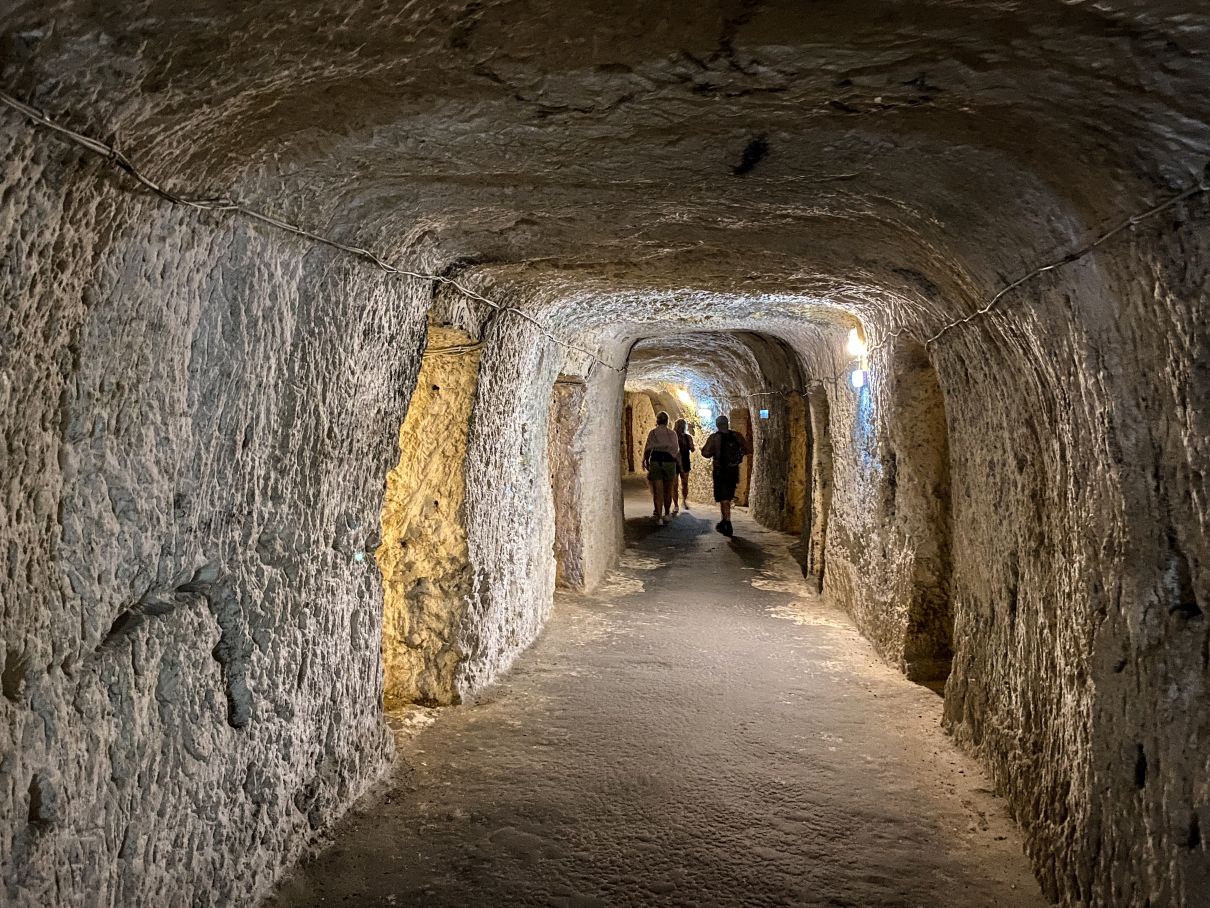
Descend deep beneath Valletta and discover a labyrinth of tunnels, cisterns, and hidden chambers originally carved by the Knights of St. John in 1566 as a fortified, self-sustaining stronghold. Nearly four centuries later, during the Blitz of World War II, these passages became a modern lifeline.
Locals heavily expanded the centuries-old network into massive air-raid shelters, saving thousands of citizens from relentless bombing while safeguarding the island’s vital water, drainage, and food supplies. It’s a popular Malta tourist attraction but a fascinating one that you can compare with the spooky Rabat catacombs.
St. Paul’s and St. Agatha’s Catacombs in Rabat are Roman cemeteries from the 3rd or 4th century BC. Each is a sprawling, subterranean necropolis, a series of rock-cut passages and burial chambers revealing a glimpse into early Christian history. St. Agathas includes more than 30 interconnected tombs and temples, and you can still trace the carved pillars and stone tables where families once gathered for ancient commemorative meals.
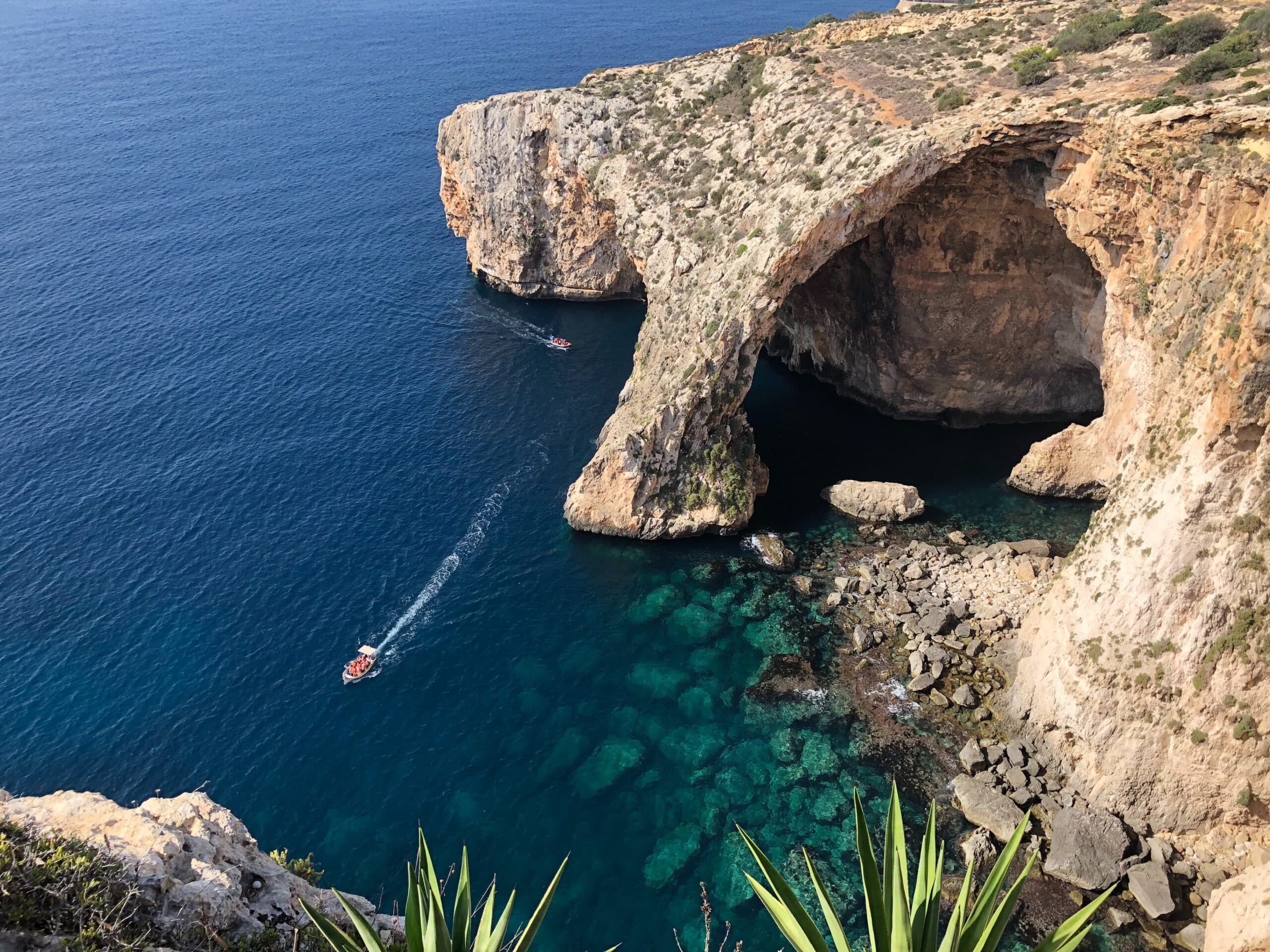
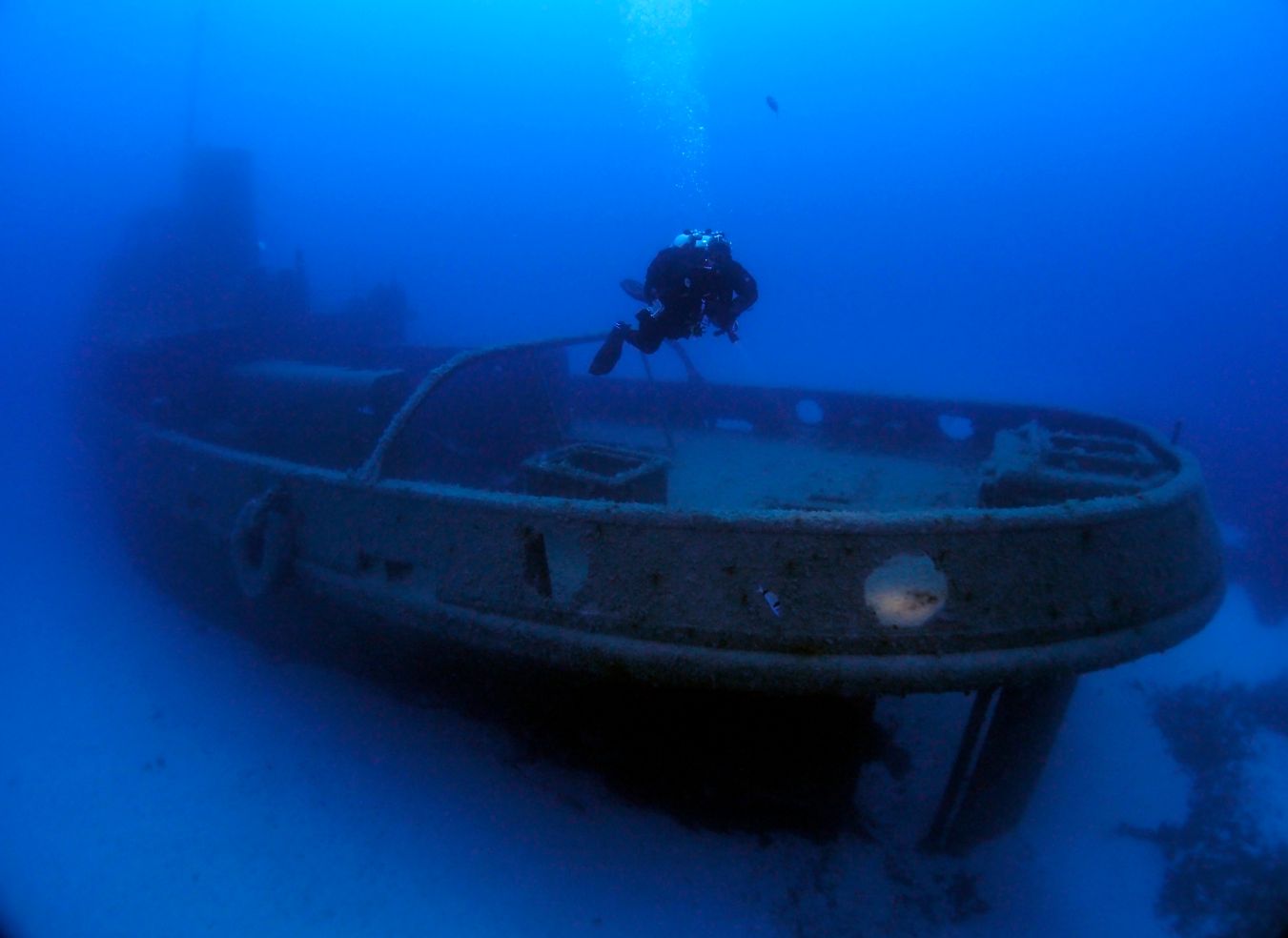
Swap the tunnels for a wetsuit and discover underwater Malta. There are over 120 dive sites across Malta, Gozo, and Comino, including caves, reefs, and wrecks accessible by both shore and boat dives. The island’s best-known site is Gozo’s Blue Hole, a vertical chute of limestone that channels divers down and out through a spectacular underwater archway; or choose from one of the dozens of underwater caves with sunken aircraft and wartime wrecks to explore.
Malta‘s dramatic coastline is a mixture of limestone cliffs, rocky inlets, and narrow valleys leading down to the sea. On the north-west coast, Għajn Tuffieħa Bay, also known as Riviera Bay, is a beautiful, wild, and unspoiled sandy beach tucked beneath steep, ochre-colored cliffs. It’s reached by a flight of 180 stone steps down a steep cliffside and this – or rather the steep trek back up – keeps the heavy resort crowds to a minimum. Make the effort and you can swim or follow the bay’s snorkel trail through the surrounding marine protected area.
Not wild enough? Explore Fomm ir-Riħ, a rugged bay beneath the Baħrija ridge where high cliffs surround a small stretch of shingle and sand, with no buildings or beach facilities interrupting the landscape.
One of the best ways to explore the island’s coastline is by kayak, which gives you access to hidden sea caves, natural limestone arches, and secluded bays that large tour boats cannot reach. While experienced kayakers can head off early, before the day’s boat traffic starts, guided sea-kayaking trips will show you the best of the coast and leave from several points around Malta, Gozo, and Comino, including taking you into caves, coves, and lagoons.
Top tip: don’t linger at the crowded Blue Lagoon, or swap it completely for the quieter water of the Crystal Lagoon.
Over on Gozo, the winding valley of Wied il-Għasri is one of the highlights of the Gozo Coastal Walk, ending at a beautiful ravine and tiny pebble beach surrounded by high limestone cliffs. Steps cut into the rock lead down to the water, making it a favorite with divers exploring the caves beneath the cliffs. You could hike or cycle inland through fields, dry-stone walls, and country lanes. Take note: Gozo is hilly and an e-bike is highly recommended!
Combine Wied il-Għasri with a pilgrimage to buy salt direct from Gozo’s salt pans, still harvested by the same family for five generations and highly prized by local chefs for its high concentration of sea minerals. The coastline here takes on an almost geometric appearance and at Xwejni, hundreds of rock-cut pools stretch for around three kilometers along the shore.
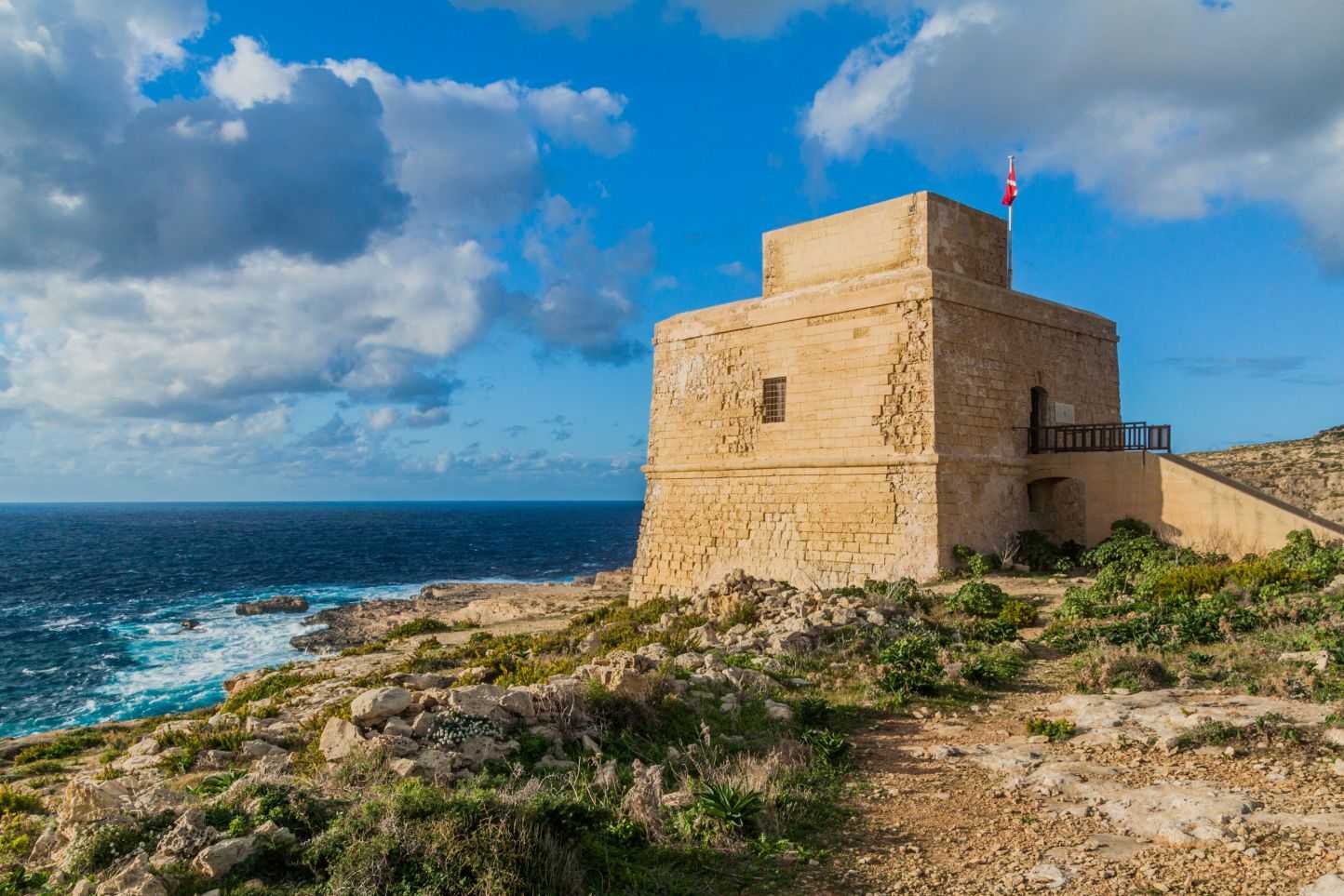
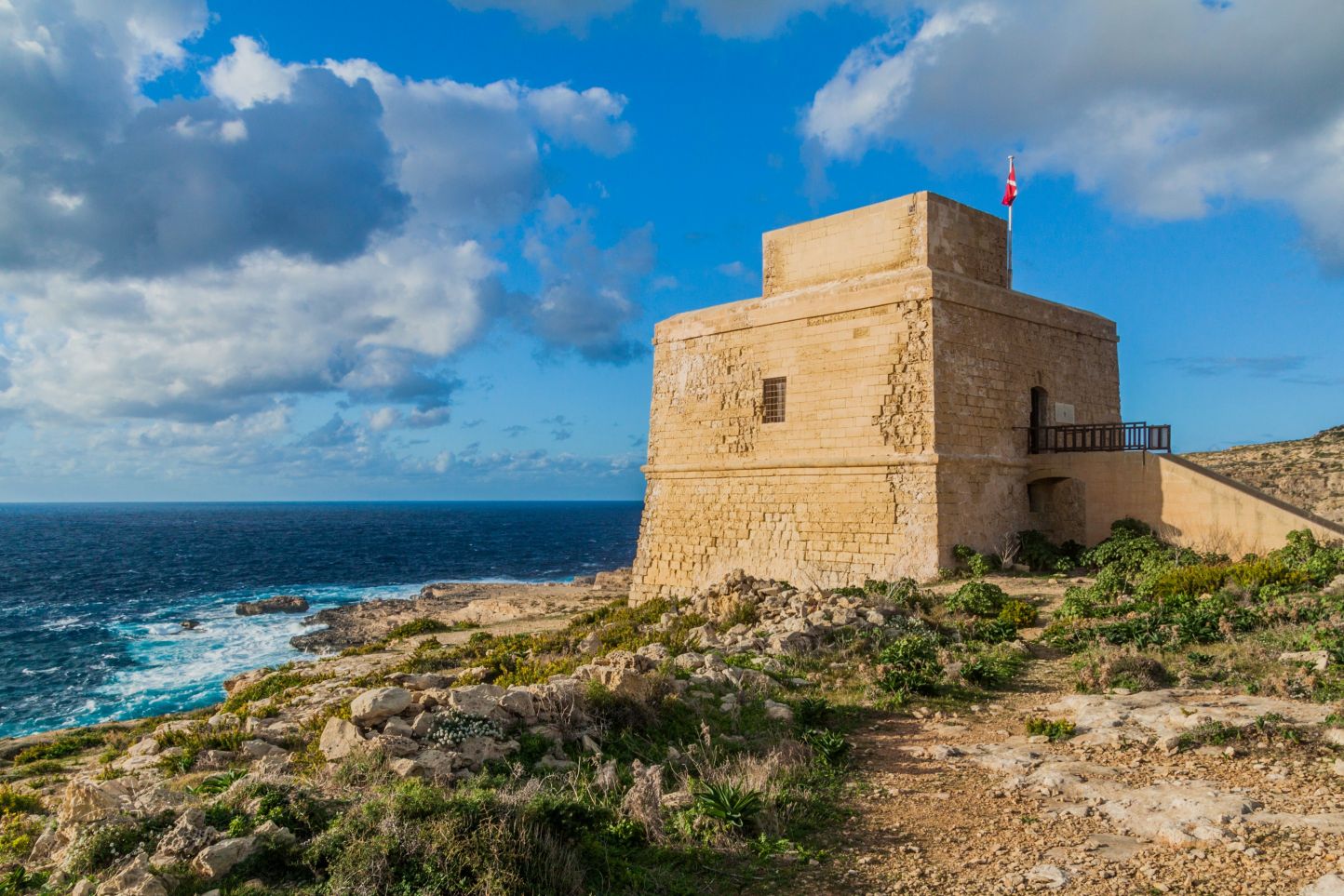
Stay overnight in Gozo and watch the sunset from Dwejra Watchtower. Built as part of the Knights’ coastal defense system, it sits above some of the region’s most dramatic landscapes of the rugged western coastline.
With a second day in Gozo you can add a couple of unusual and certainly unique things to do in Malta:
Read more: 10 must-visit places in Malta
Summertime on the islands is synonymous with the village festa. Nearly every town and village across Malta and Gozo celebrates its patron saint with an explosive, multi-day street party.
The formula is intoxicating: brass bands march through streets draped in towering damask banners, food stalls sell traditional nougat (qubbajt), and spectacular church processions take place alongside world-class fireworks. Visit between May and September and you are almost guaranteed to catch one; just check the local festa calendar before you arrive, choose a village, and turn up.
The name Malta derives from the Ancient Greeks who dubbed it ‘Melita’, from the Greek word ‘melos‘ meaning honey. And Maltese honey production is still going strong, thanks to the island’s Apis mellifera ruttneri – the resilient, endemic Maltese honeybee – which deliver a highly aromatic honey from a landscape packed with wild thyme and carob.
You could buy a jar from a souvenir shop, but an interactive apiary experience is one of the more unique things to do in Malta. The Maltese Honey Bee Foundation offers guided ‘Apicul-Tours’ where you don a protective suit and stand amid the hives, while local keepers explain the delicate ecology of the islands and lead a raw tasting session, letting you sample liquid gold harvested just steps from the wild flora.
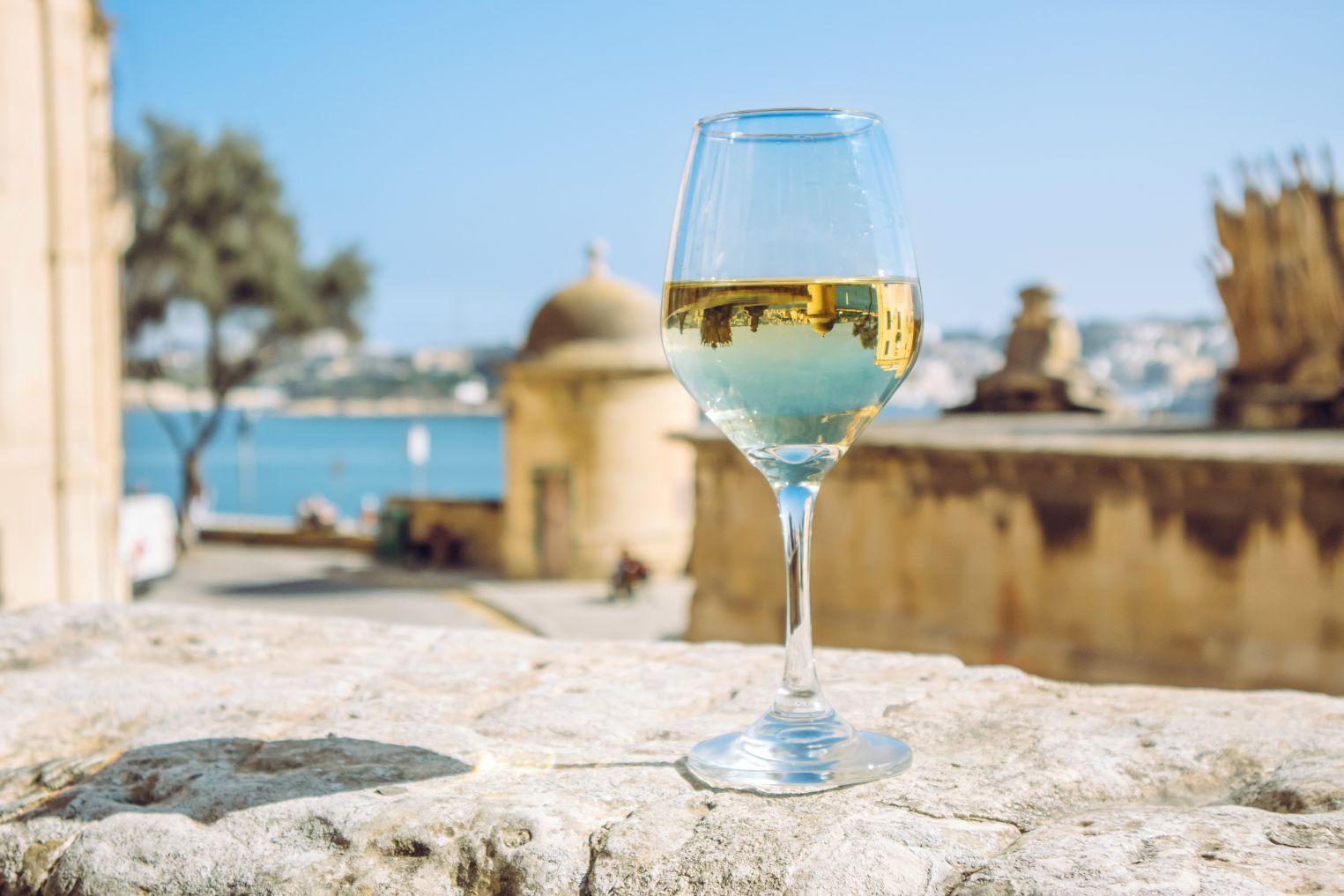
Malta’s wine scene is low-key and personal; mostly small, family-run estates full of authentic local island character. At the Meridiana in Ta’ Qali estate, walk through vineyards sunken into former airfield lands, and tour fermentation halls and cool underground cellars before stepping onto wide terraces to taste premium, sun-ripened white wines and robust reds.
At the boutique Tal-Massar Winery on Gozo, the owners share stories of cultivating vines in harsh, windswept limestone soil, pairing their vintages with traditional Gozitan platters of local sheep’s cheese (ġbejna), and charcuterie.
For more unique things to do in Malta, and to start planning a Mediterranean vacation of your own, reach out to our local travel experts today. They’re equipped with all the insider knowledge needed to help turn your trip into an unforgettable, highly personalized journey.
Explore all featured destinations