
14 unique things to do in Jordan
September 11, 2026
Most people’s daydreams of Greece are as white and blue as the Greek flag itself: whitewashed buildings with jewel blue shutters, and dazzling white sand against an azul ocean… and all of these visions aren’t far from the truth. There is more to Greece than the postcard scenes, however, and if you wander off to seek something different, you’ll be rewarded with experiences that feel more authentically ‘Greek’ than you’ve ever imagined. Read on to discover where to go in Greece to find lesser-visited idylls, so you can go off the beaten track on your next big trip to the Mediterranean.
What this article covers:
Santorini, Crete, Mykonos… these stars of Greece get all the limelight, but with over 200 visitable islands in this beloved archipelago, each with distinctive personalities, you won’t regret venturing a little further to uncover Greece’s hidden gems in all their glory.
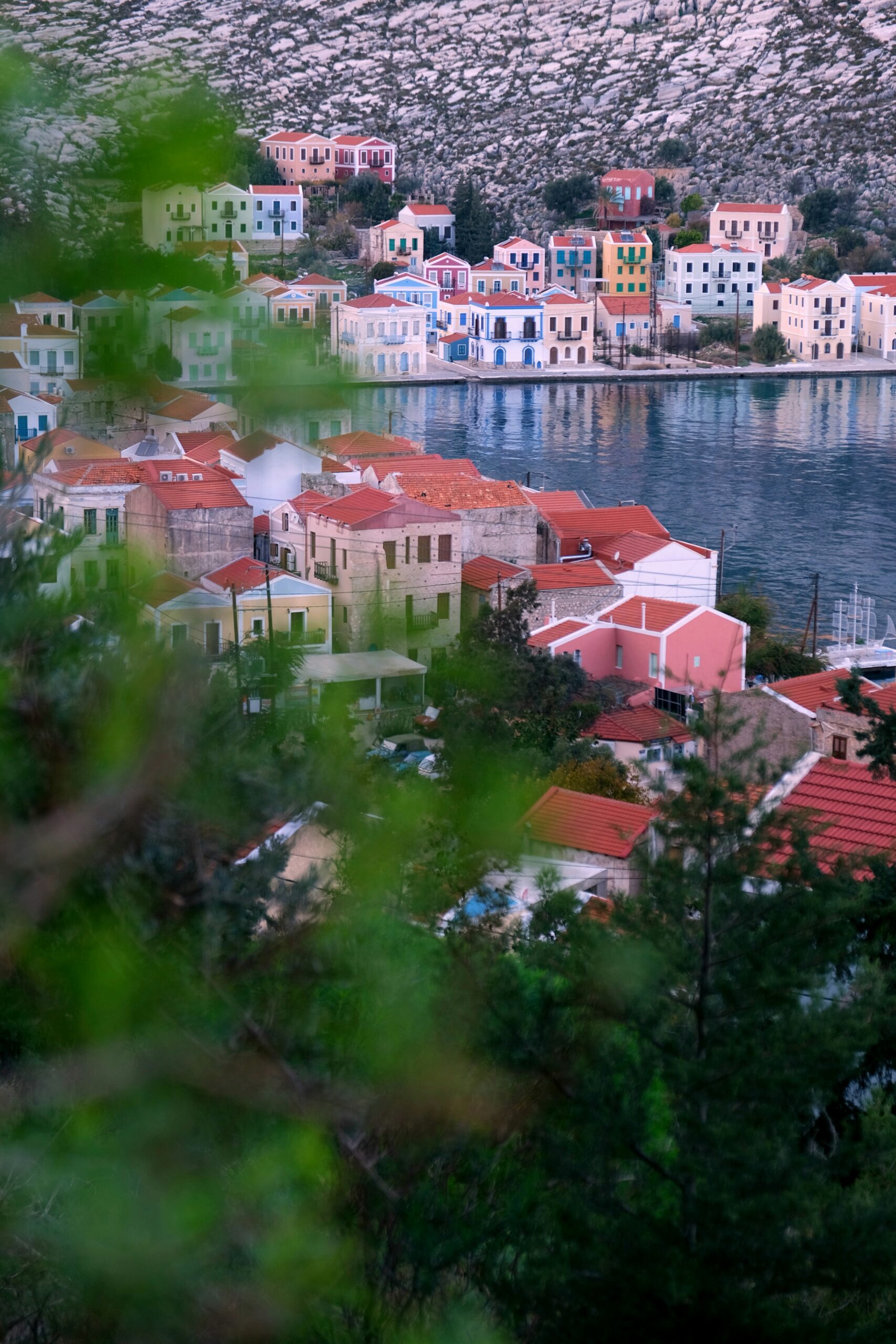
A sense of remoteness is lacking in Greece’s more glitzy islands, but it’s all there in Kastellorizo. This island is far-flung from the mainland (it’s geographically closer to Turkey than Greece) and doesn’t even have proper beaches. You won’t miss them, as you’ll soon uncover the magic of slipping into the Mediterranean waters from a warm rock face, or from the main pier at Madraki.
Afterwards, wander the spirited streets for fresh seafood, with barely any accompanying tourists. Don’t miss the Blue Cave, the beloved highlight of the island and only accessible by boat.
The 1988 movie The Big Blue was filmed here in Amorgos, and with the expansive ocean vistas at so many points on the island, you can understand why. Spend your time here exploring the fascinating remnants of ancient civilizations, not least the cliffside Monastery of Panagia Hozoviotissa, dating back to the year 812. Its striking white facade protruding over the water is reason enough to visit, for some. You could also while the time away in scenic villages of traditional whitewashed houses, or hit the island’s rewarding hiking trails.
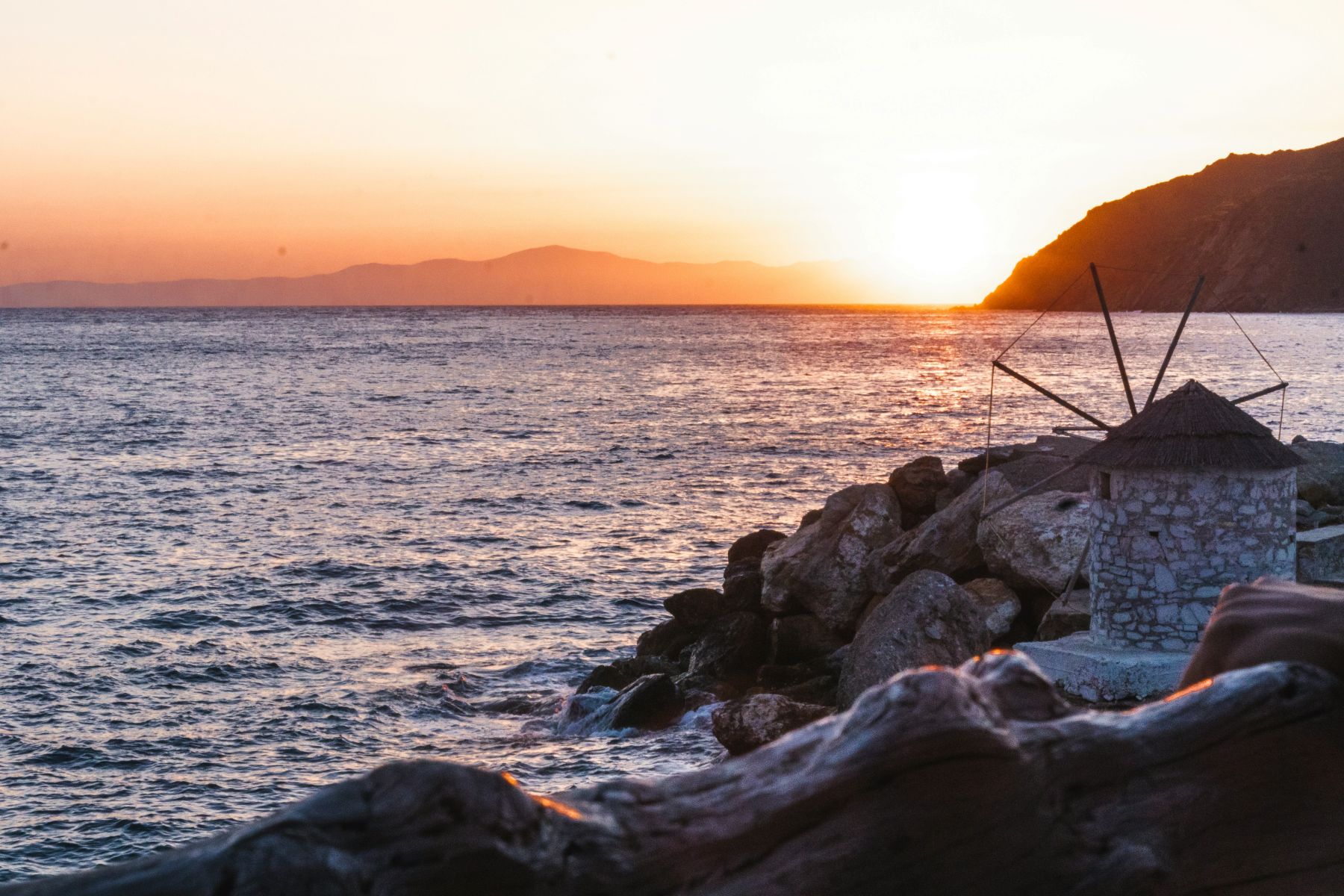
The second biggest of the Dodecanese islands is Karpathos – a long, narrow island between Rhodes and Crete. Though the south has amenities for tourists, the villages in the north haven’t long been open to tourism, with wild beaches and traditional ways of living that are still upheld by the locals. In Olympos, the women still wear embroidered folk dresses, windmills speckle the landscape, and the homes are ornate, painted and storied. Stay longer than a day to experience it fully, and bed down in a scattering of guesthouses with lovely views.
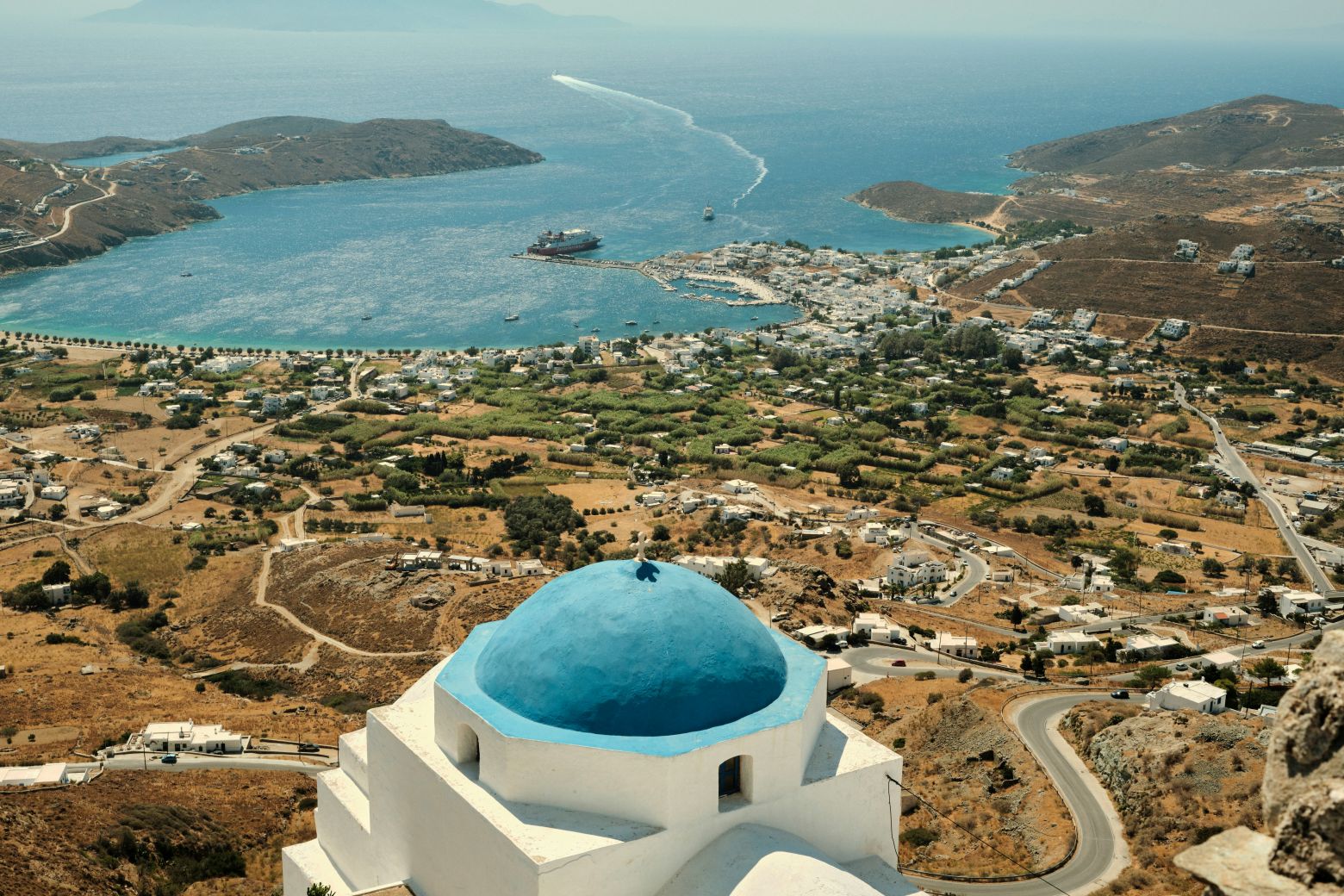
Serifos balances that enticing mixture of rugged and picturesque. Its sandy beaches, such as Psili Ammos, can easily compete with some of the best in Greece. The landscape is rich with ruins of historic mines; while burgeoning vineyards offer sips with a view (Winery Chrysoloras is well worth a visit). The main harbor is fun to linger around, while the traditional, whitewashed homes of Chora perch atop the cliffs in a satisfyingly ‘Greek’ scene.
If you’re a mythology fan you’ll know Ithaca as Odysseus’s island, and though that’s still discussed by academics, it wears the crown anyway. Homeric landmarks abound, from ‘Homer’s School’ (aka the Palace of Odysseus), to the Mask of Odysseus in Stavros, to the Cave of Nymphs; the spot overlooking Dexia beach where, supposedly, Odysseus first landed.
Aside from myth-chasing, go in search of stunning harbor towns and seaside restaurants, and roam the glorious surroundings of green hills and mountainous terrain. Without doubt, Ithaca tops our list of most historic hidden gems in Greece.
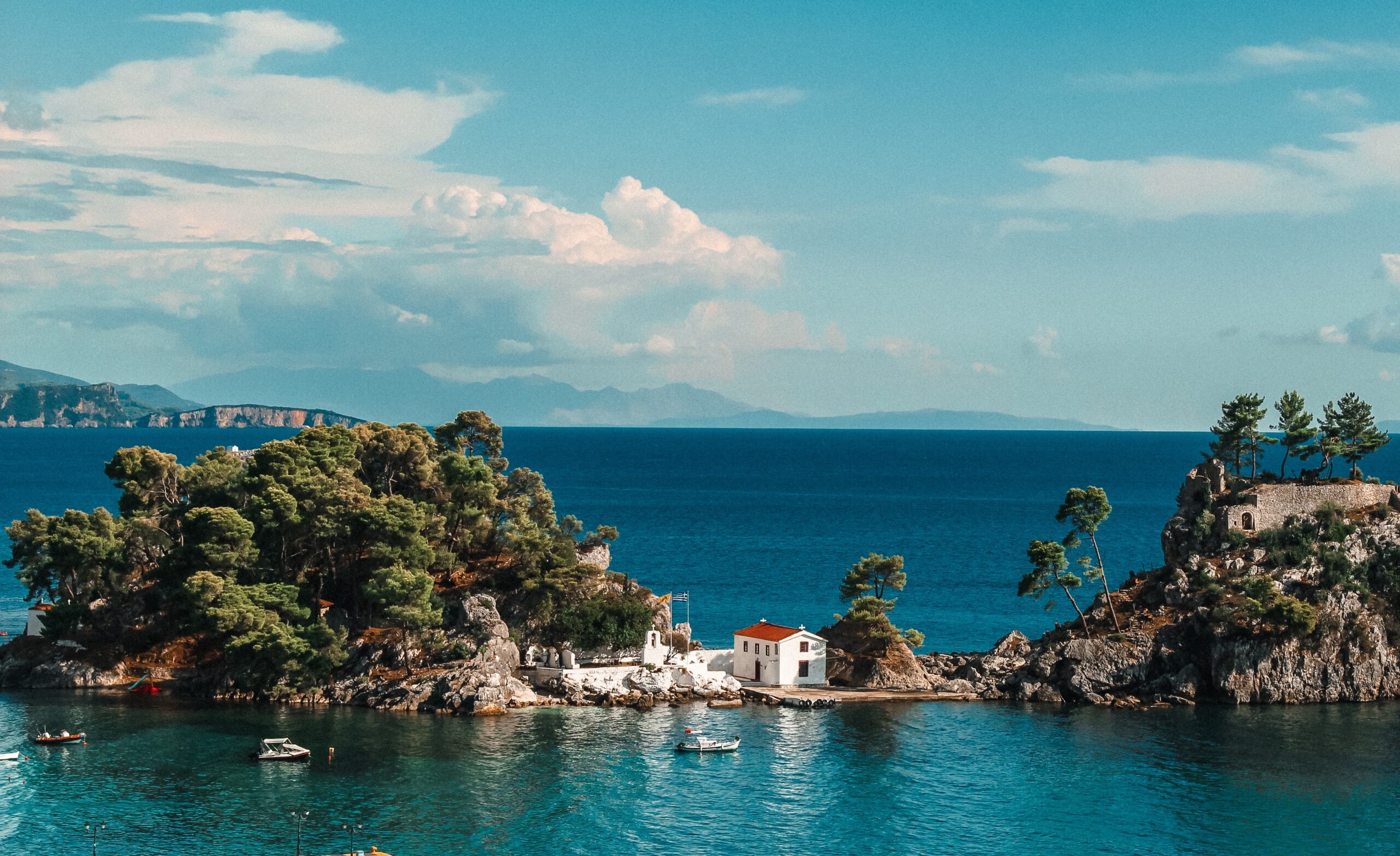
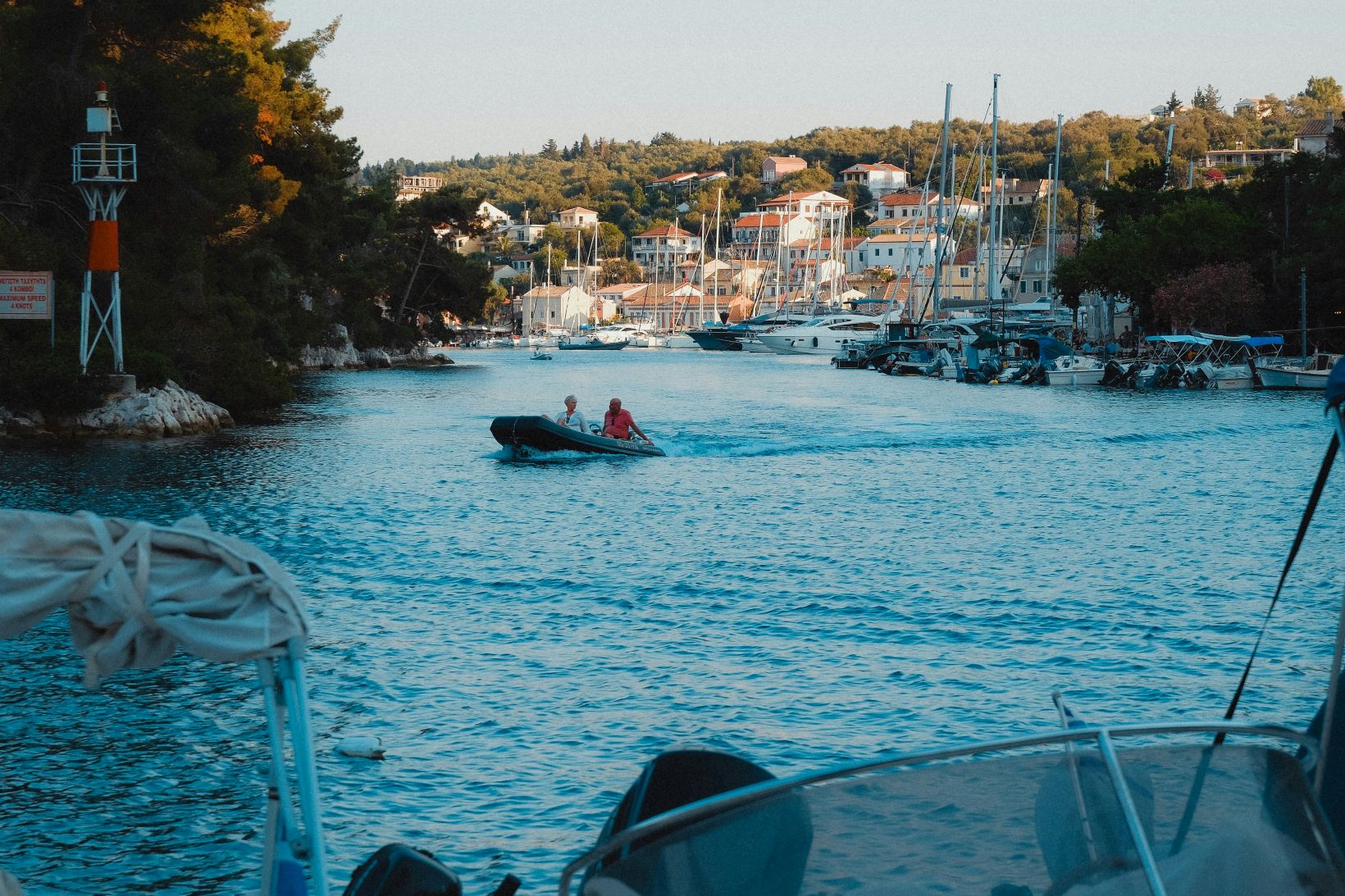
With centuries-old vineyards, peaceful coves and unique rural landscapes, Paxi (or Paxos) is a small island with a lot to give, in the shadow of Corfu. Plentiful yachts tend to gather in its coves and ports, adding an exclusivity and quietness to Paxi, like a sense of reward to those who venture here.
As one of the tiniest islands in Greece (only 10km long), it’s easy to feel relaxed here. Float along still, turquoise waters, and make your way through the trio of authentic fishing villages (Gaios, Lakka, Loggos). Ornate Venetian architecture awaits those with an eye for detail in Gaios, the tiny capital; and Lakka is also lovely, with a secluded, horseshoe-shaped harbor overlooking powder-blue waters.
Foodies and culture vultures are all about Tinos, a miraculously unspoiled island only a 20-minute ferry ride from Mykonos. Originally it’s a site of pilgrimage for the Greeks; believers flock to Panagia Evangelistria Church in Tinos town, due to an icon believed to have healing abilities.
There’s more to Tinos than its spiritual heart, though: 80 windmills, 1,000 artistic dovecotes, and 50 villages are counted here. The burgeoning culinary scene is just the cherry on top: get a taste of locally-made graviera, a firm, nutty cheese; and kopanisti, a pungent, creamy cheese that goes great with bread and wine. The island is also known for its artichokes, hand-rolled pasta, and slow-roasted kid goat.
Kythnos is another island curiously untouched by tourism, considering its proximity to Athens on the mainland. There are around 60 fantastic beaches to recline on, including the 200m sandbar at Kolona Beach with ocean on both sides – probably one of the most photographed beaches in Greece.
Other seaside idylls, like the laid-back gem of Apokrousi and the quiet pebbled bay of Episkopi, make Kythnos the ideal getaway for those seeking wilderness away from the capital. Don’t miss the historic thermal baths in the village of Loutra: the mineral-rich waters have been soaked in since antiquity and were apparently a favorite of the Greek Royal family in the 19th century.
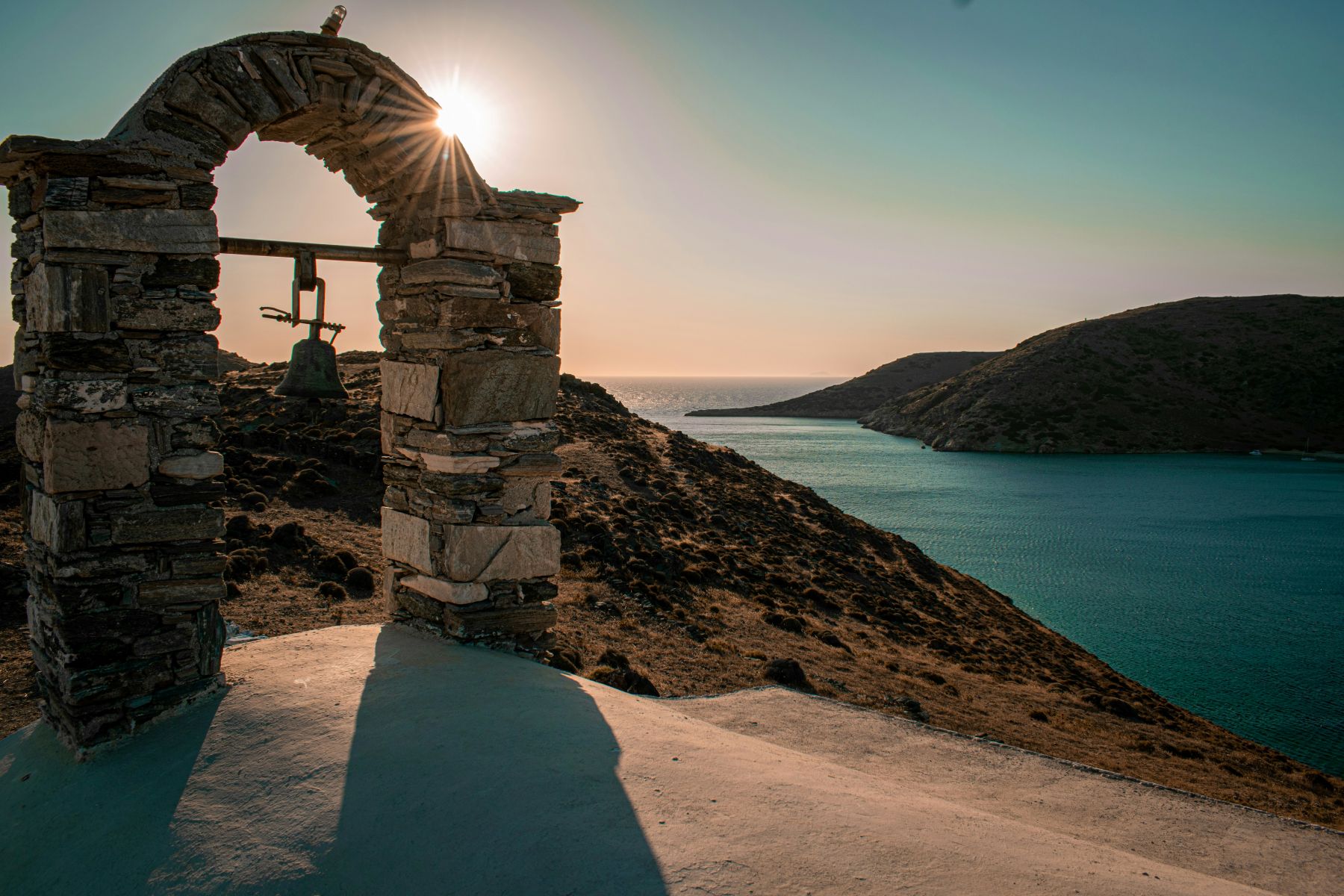
Athens, Greek’s classic capital makes for a worthy city break – but while so many rush to the islands from here, there are places to visit on Greece’s mainland that are criminally overlooked…
Greece is rarely celebrated for its mountains, which makes a trip to the Evrytania Highlands particularly special. In this forested part of the mainland, delights of nature appear in every direction. Waterfalls spill into steep ravines and gorges; crashing rivers invite a day of white-water rafting; and hiking trails, shrouded in trees, network between the local villages. Karpenisi is the region’s capital, 960m up, and makes for an evocative base for active days.
The ‘Mani’ has its own personality, jutting out into the Med from the Peloponnese, southern Greece. The locals here, called Maniots, consider themselves the descendants of Spartans, and the wild, rugged landscape – which occasionally curves into sublime sandy coves – is certainly a backdrop befitting of warriors. It’s rustic, definitely, but that’s all part of its appeal. Rent a car and hit the dramatic, winding roads of deep Mani, stopping at Byzantine chapels and historic tower houses, before relaxing at the tiny fishing village of Gerolimenas.
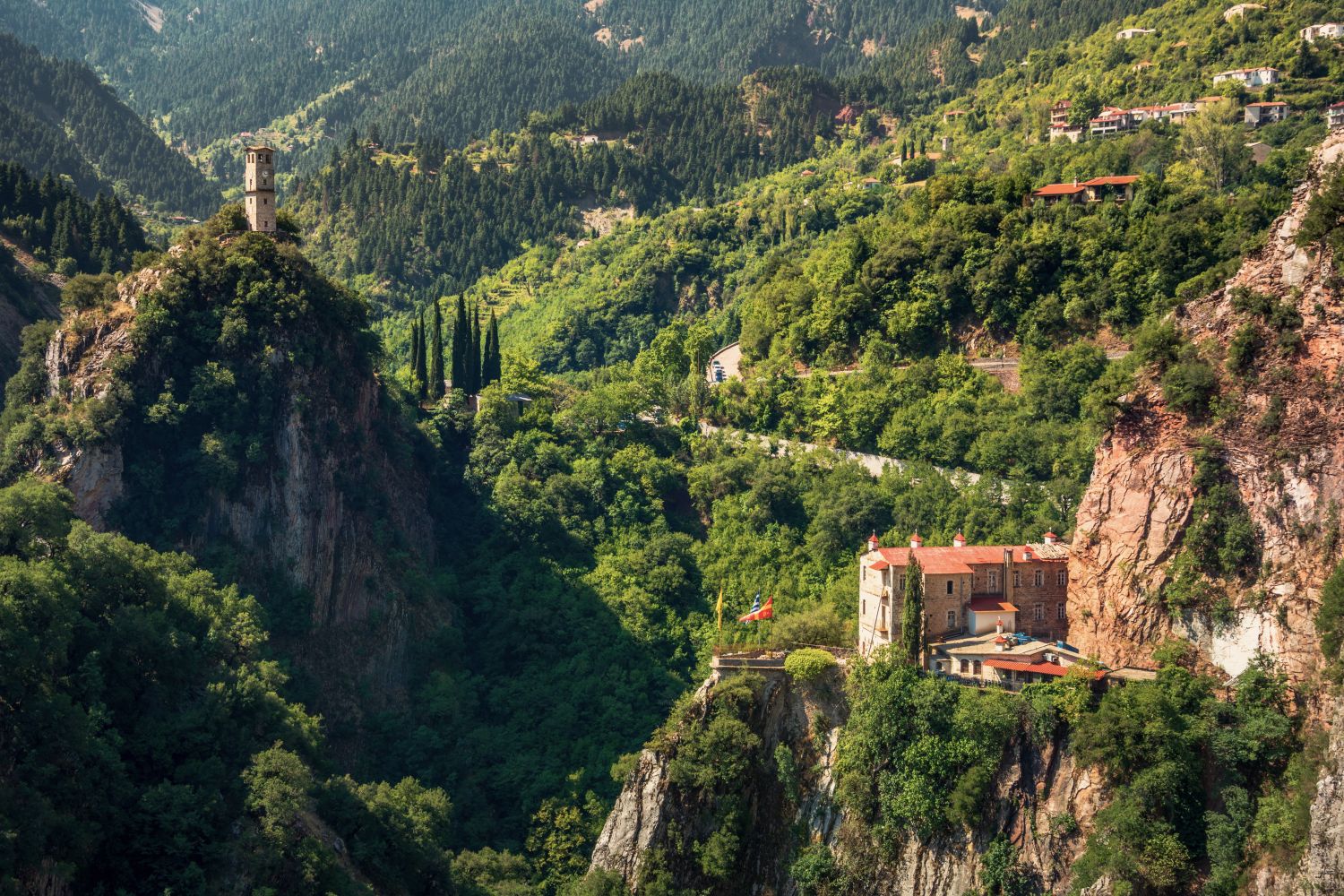
You’ve probably never heard of these under-visited cities and towns, all considered among the finest hidden gems in Greece; chat to our local experts in Greece to find out more about them from those who know the country’s deepest secrets.
Clustered on the shore of Lake Orestiada, Kastoria is a starkly aesthetic city in the Western Macedonia region. It’s surrounded by limestone mountains in a scenic valley, and seems more northern European in a visual sense, though the weather is still that of a Mediterranean idyll. As well as its location, Kastoria is known for its Old Town, full of Byzantine architecture and grand mansions which photogenically reflect in the still water.
Interestingly, Kastoria’s history is wrapped up in its prolific fur trade; its cosmopolitan mansions are mostly funded entirely by its centuries-old fur industry (the word kastoria means ‘beaver’, the pelts of which were exported all over Europe). Head to the Doltso district to see a concentration of mansions once owned by fur merchants.
The medieval town of Monemvasia seems from a storybook, perched upon a huge rock surrounded by ocean. The history is fascinating: it was founded in the 6th century AD as a refuge from barbarian invasions, as the rock made it virtually inaccessible by outsiders. This made it one of the most important Byzantine towns in the Mediterranean, later held by the Venetians and then the Ottomans, which you can see in the architecture.
The town’s name means ‘one entrance’, as there’s a single causeway in, and cars aren’t allowed through. There is enough here to beguile history lovers: the Upper Town is mainly a ruin, tangles of cobblestone streets are flanked with Byzantine structures, and it’s all set off with sublime coastal views.

There’s an intriguing history to Ioannina: it has Byzantine foundations, Ottoman influence, and a stridently Greek soul. Intriguing to explore is the legacy of Ali Pasha, the ruthless Ottoman leader who ruled here in the early 19th century, and was basically a warlord. Lord Byron was fascinated by him, and used to visit him, in fact.
Among the city’s many refreshing green spaces, emerald Lake Pamvotida is full of history surrounding this infamous figure – you can even boat out to the small islet where Ali Pasha was ultimately assassinated in 1822. Today, a museum on the island tells the full story.
Metsovo is around 1,100m high, and has more in common with Swiss villages than the whitewashed island homes people envision for Greece. The local Vlach people here have shaped Metsovo’s culture, semi-nomadic shepherds with roots from across the Balkans, who speak a Latin-derived language.
The town is full of mansions with intricate wooden interiors, views of alpine landscapes, and local cheese-making (try the metsovone smoked cheese, found all over Greece). In fact, if the beautiful walking trails and winter skiing don’t do it for you, the smoked cheeses and local wines may just be enough.
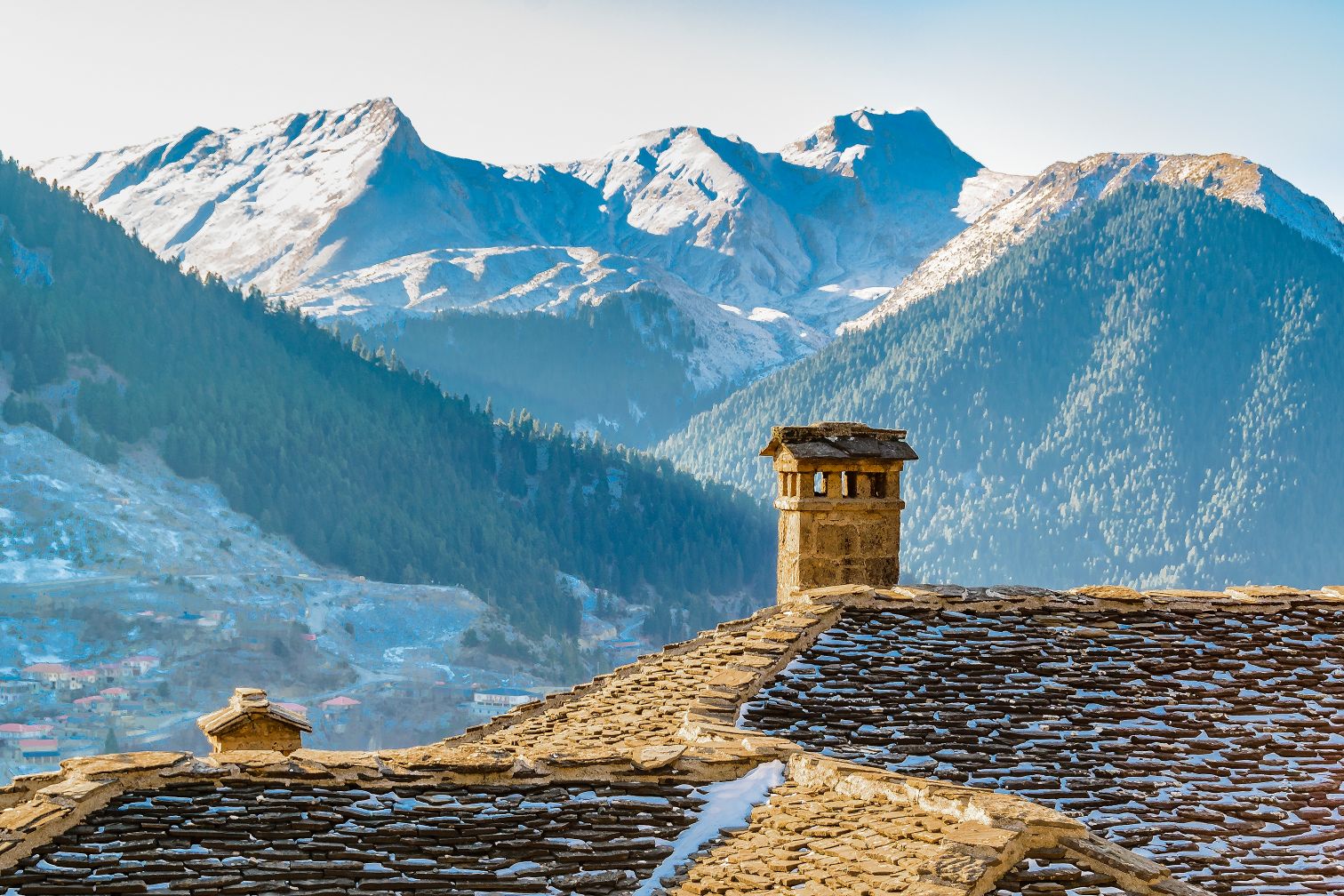
Volos has everything you could want from a Greek city, just without the effects of mass tourism. Authentic tavernas and seafood eateries abound here, all well used by locals, as well as the lively waterfront, Argonafton Promenade. Tsipouradika culture is strong here – tsipouro being a local grape spirit, often served with small plates – and that’s culture enough for some!
That said, Volos also sits at the foot of the Pelion peninsula, one of Greece’s most beautiful, untrodden landscapes. So, when you’ve indulged in the city’s delights, an escape to nature is right on your doorstep.
To venture into Greece’s lesser-known locations, explore our selection of trip ideas or get in touch straight away with our travel experts. They’re based on the ground within the destination, with all the in-depth local knowledge needed on where to go in Greece, to help you build a quiet, bespoke trip that’s exactly what you imagined.
Explore all featured destinations
Join our mailing list for travel inspiration, trip recommendations, and insights from our local experts.