
The best time to visit Nepal: a seasonal guide
July 17, 2026
Portugal is on so many European travel lists for a reason; it’s a custardy pastel de nata, a sip of port with views of the Atlantic, the steep streets and yellow trams of Lisbon, and the warmth and salt of the sunny Algarve. In this Portugal travel guide, we’ll share our tips for visiting this alluring coastal nation for the first time, so you can make the most of a vacation in Portugal.
Key takeaways:
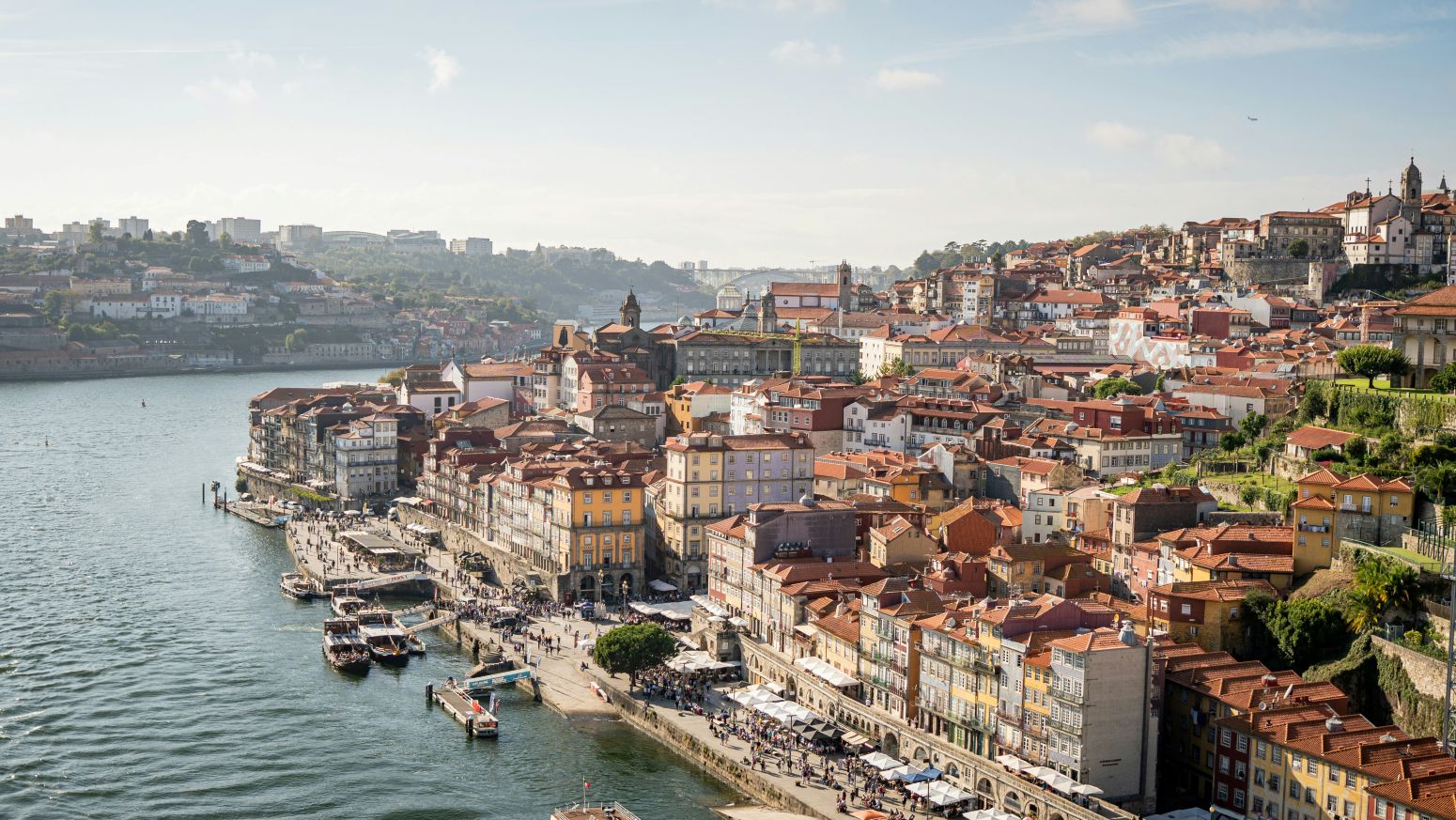
Before you book, let’s take a look at the best times of year to visit for a fantastic experience on vacation in Portugal.
Portugal’s peak tourist season is the summer months between July and August—this aligns with the European school holidays, so crowds and prices increase and the temperatures are at their highest. Though the weather is glorious on the coast (hovering around 77-86 degrees Fahrenheit/25-30 Celsius, it can be very hot inland without the respite of the Atlantic ocean (reaching 100 Fahrenheit/38 Celsius or higher!).
Many find the cooler shoulder seasons (April-May, September-October) to be more favorable. It’s the ideal time, temperature-wise, to explore the sights of Lisbon and inland towns, with the perk of lower costs and fewer people, too. The purple blooms of jacaranda trees come in around May, making it a lovely time to aimlessly stroll.
In winter (November-February) temperatures drop to around 59-64 Fahrenheit (15-18 Celsius) in the day and 45-52 Fahrenheit (7-11 Celsius); ideal for days of windy beach strolls, ticking off museums, and booking in cozy, candle-lit seafood dinners.
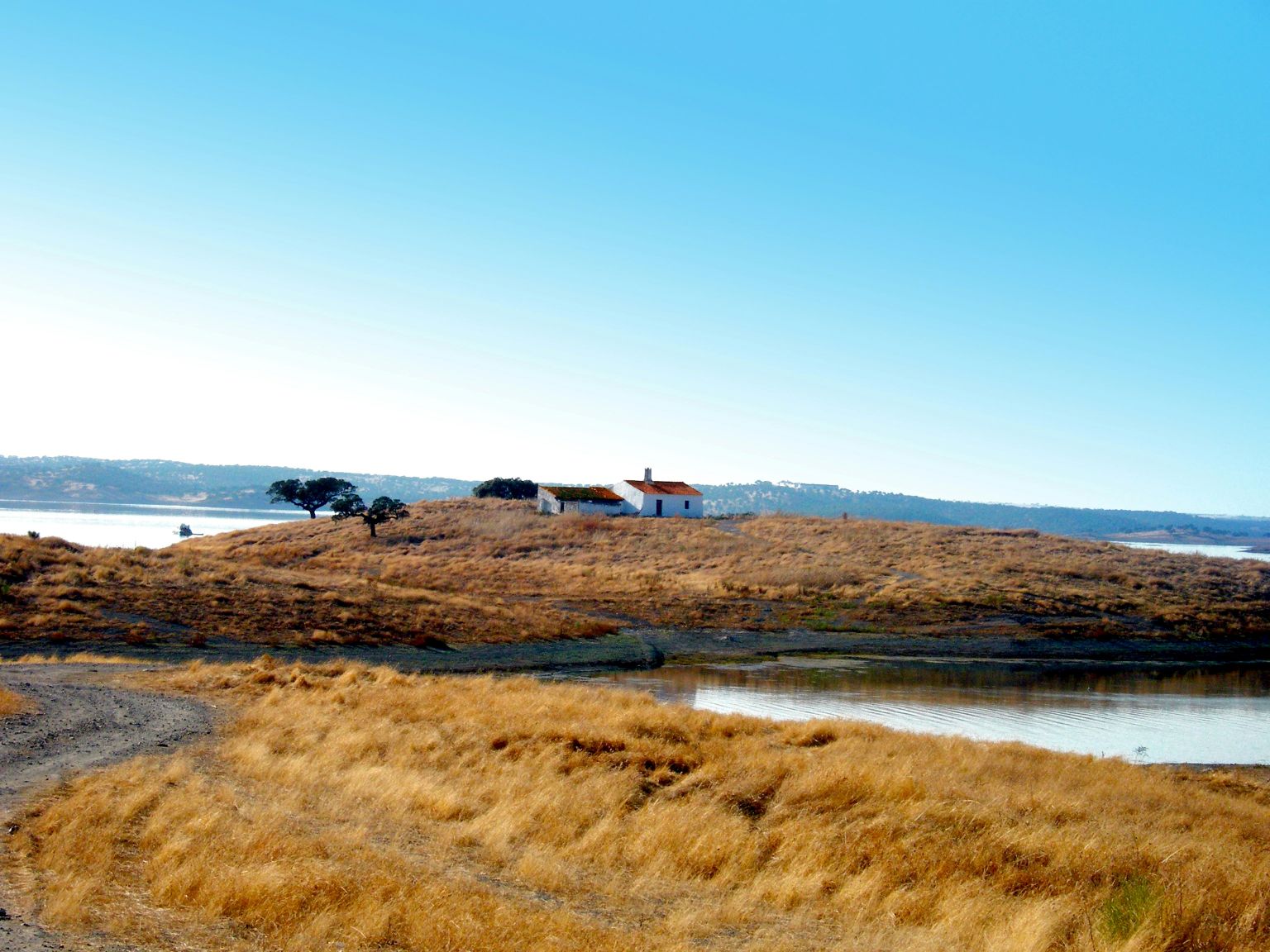
June is the most exciting month for hitting local festivals in Portugal.
Any visitor to Portugal simply can’t bypass these quintessential Portuguese destinations…
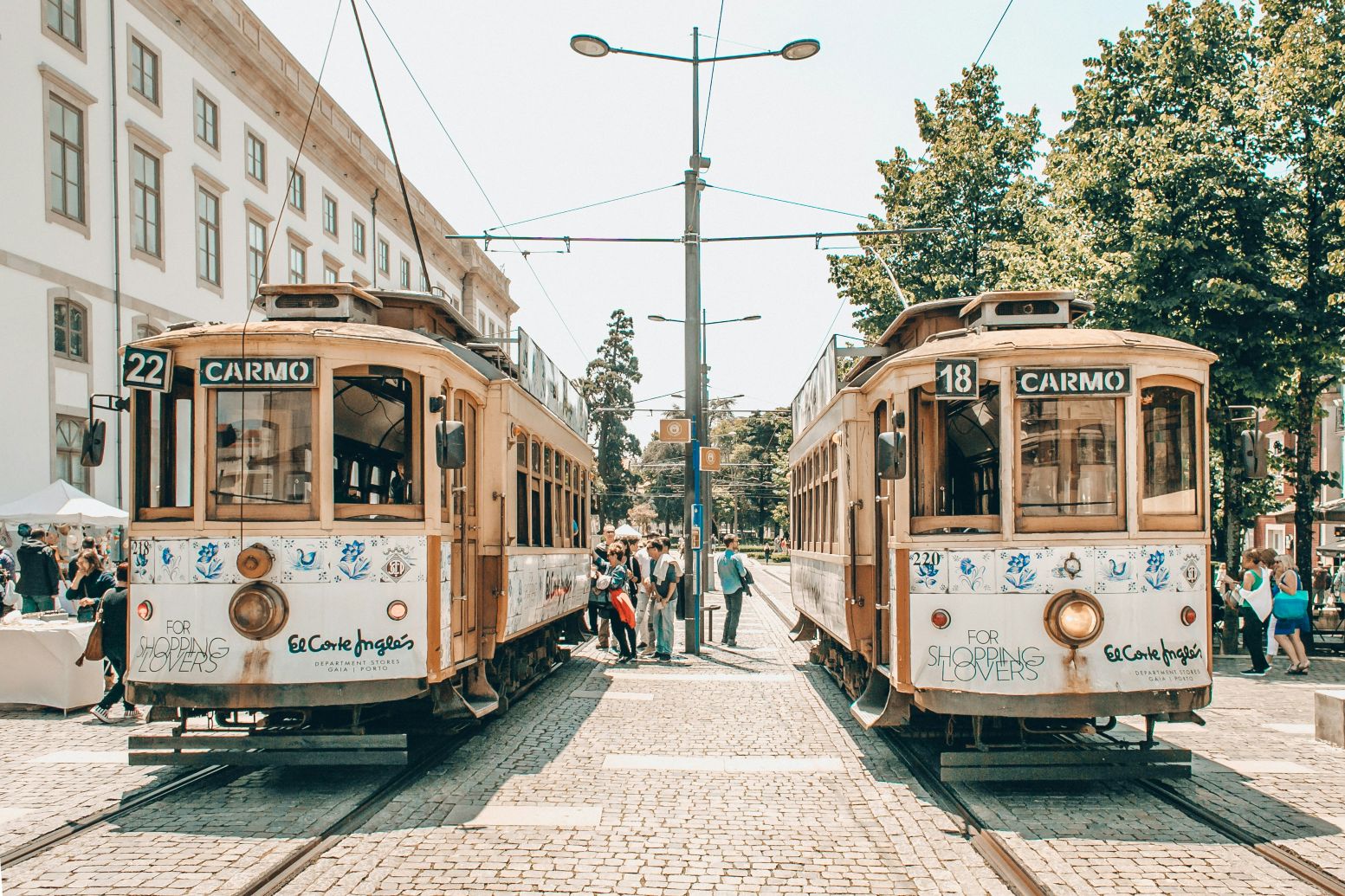
Lisbon is one of Europe’s most beloved city breaks; a maritime capital known for its red-roofed cityscape, iconic yellow trams, delicious pastéis de nata, and well-preserved architecture. Blue-and-white tiles cover buildings all over the city—the oldest neighborhood, Alfama, is a fascinating medieval district; while Belém dates back to the early 1500s.
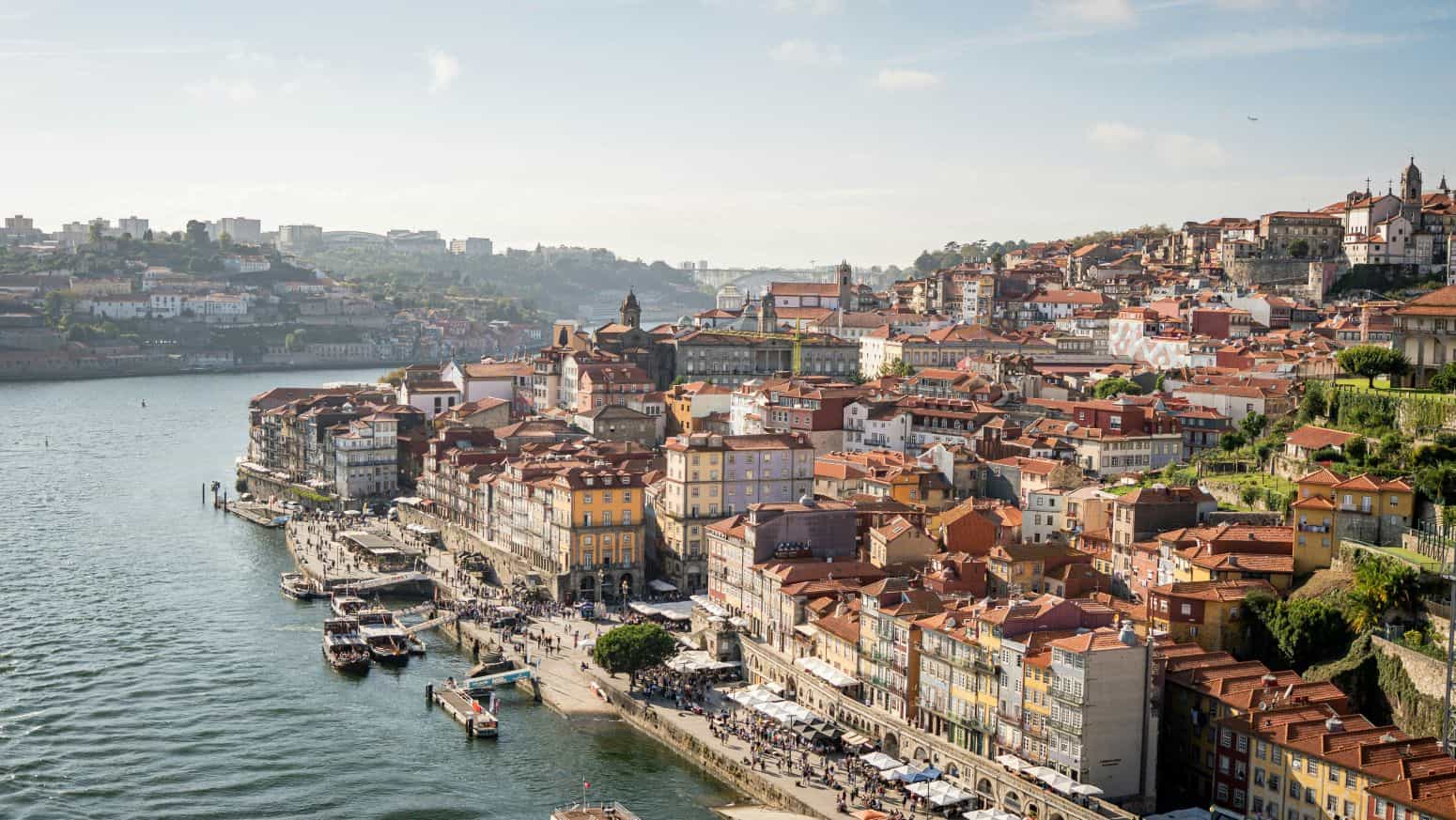
Porto is one of the cultural gems of Portugal known specifically for its port wine, as barrels were shipped down the Douro River to be aged along the riverbank for centuries. Indulge in port tastings and historic cellar tours, as well as the beautiful Old Town in the Ribeira district; while the ocean and river meet to provide a sublime, waterside atmosphere.

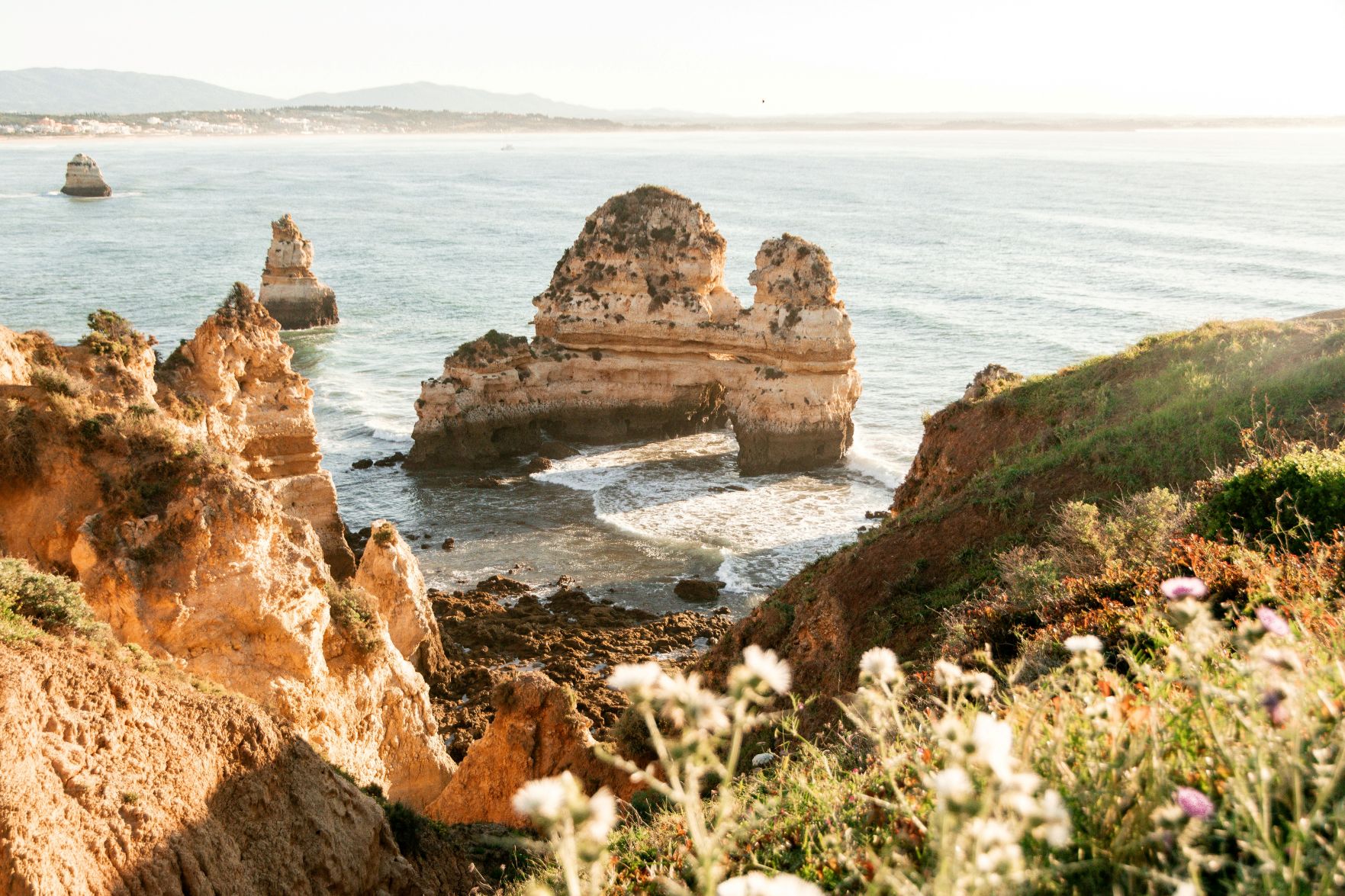
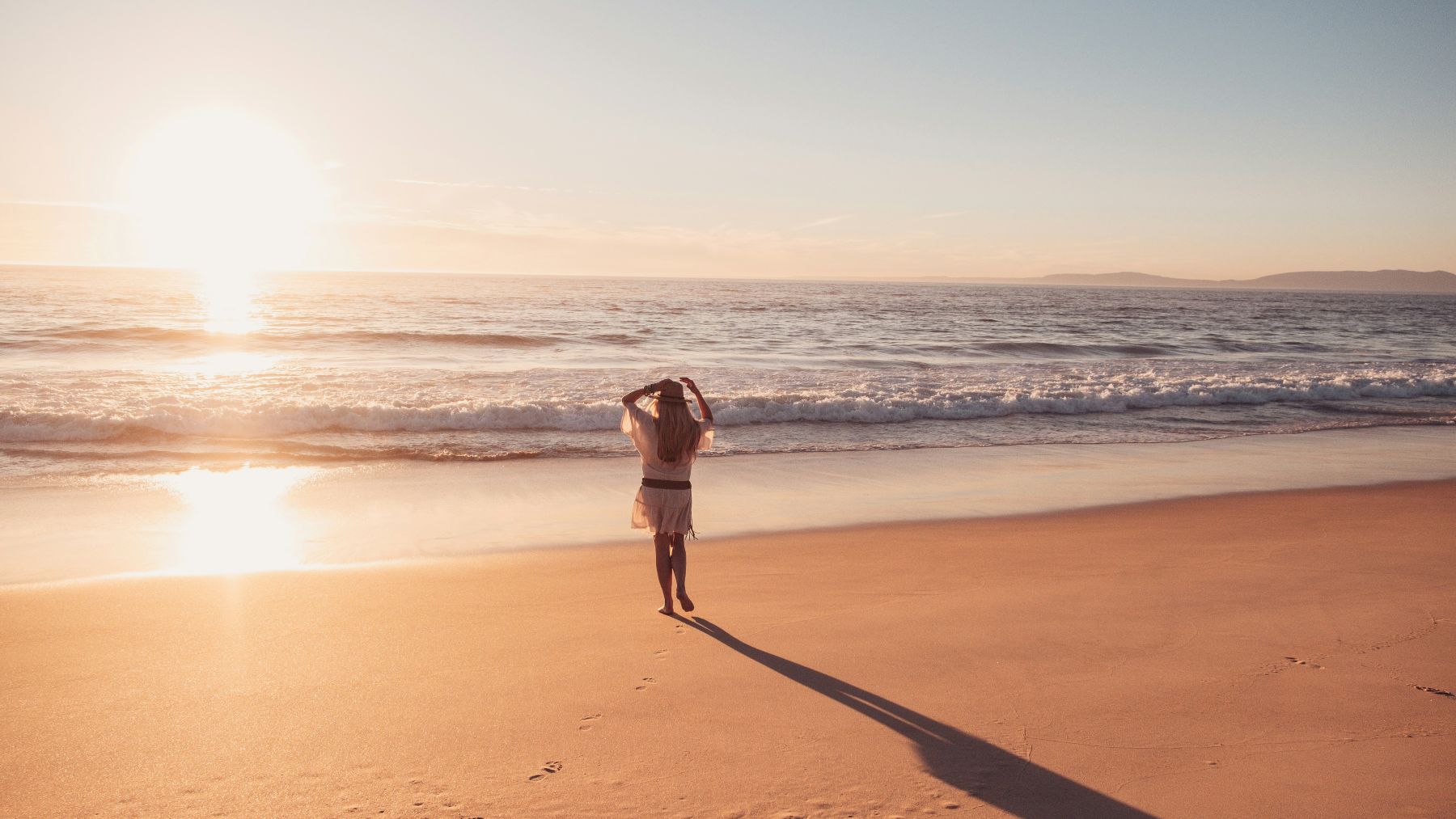
The Algarve is Portugal’s famed southern coast, characterized by golden cliff edges, glorious beaches and secluded ocean grottoes. The ‘fly and flop’ destinations here get very busy, such as Albufeira’s lively tourist strip, and the breakfast joints and hotels of Praia da Rocha—however, there are also quieter spots with a more local feel, such as slow-paced Tavira, lovely fishing villages like Alvor, and serene, scenic Lagos.
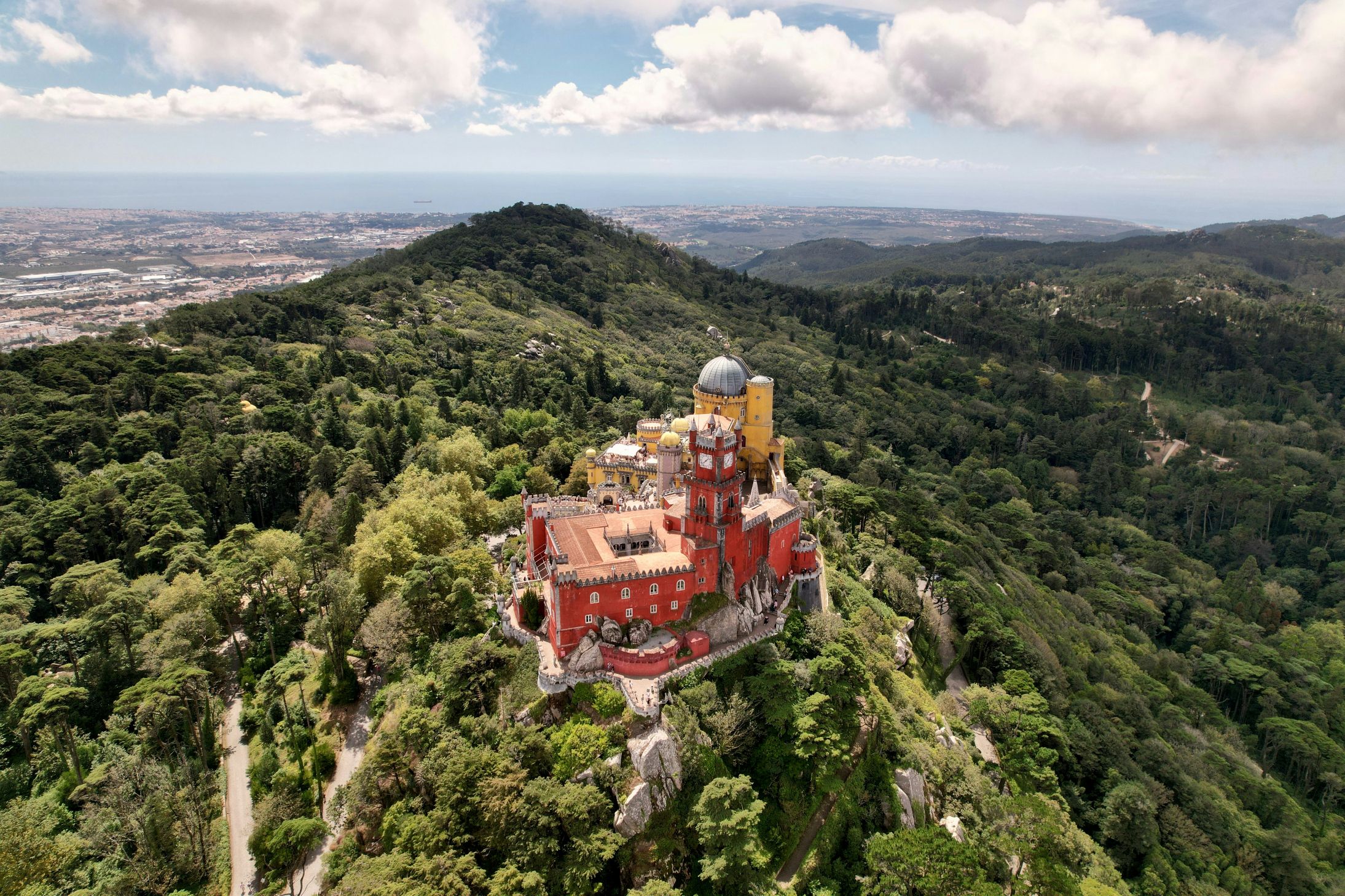
Many escape to Sintra’s forested hills for its fresh air—temperatures hover around 68-72 Fahrenheit (20-22 Celsius) here in the north, during peak summer. The local aristocracy had the same idea, building gorgeous palaces and stately homes in Sintra which have earned the town UNESCO Heritage status. It’s only a short trip from Lisbon to see the vivid Pena Palace, alluring Quinta da Regaleira, and the weathered Moorish Castle.
Aside from the usual Lisbon-to-Porto route, Portugal’s lesser-known gems are well worth the detour:
Read more: The 10 best places to visit in Portugal
Portugal is a sun-warmed country on the Atlantic, meaning homegrown produce is abundant, seafood is fresh, and there’s lashings of good wine.

Dive into the flavors of Portugal with these traditional dishes and delicacies…
Port is the signature tipple of Portugal (it’s in the name); made in the Douro Valley in Porto and cultivated in centuries-old cellars. For winos, a glass of vinho verde is a Portuguese favorite, grown in the northern Minho region and served ice cold on a warm day. Finally, sip a quick bica (espresso) standing at the counter in a local cafe, or linger over coffee at a terrace table in Lisbon—all are considered the Portuguese way.

The Portuguese eat lunch at the regular time (midday to 1pm) but generally eat dinner late—restaurants fill up around 9pm, but any time from 7.30pm is expected. Be aware that unexpected appetizers that come to your table aren’t complimentary, and will be added to the bill at the end. You can politely send them back or just don’t eat them. Tips aren’t obligatory, as in the US, but still much appreciated; 5-10% is the norm if you enjoyed your meal and the service.
Read more: Eat your way through Portugal
Like much of western Europe, Portugal is an accessible country with well-connected transport links and road networks.
Most travelers fly into Lisbon Airport (Humberto Delgado), which serves the most international travelers. Porto’s airport suits a northern-focused trip, while Faro serves the Algarve if beaches are your priority.

Portugal’s trains are reliable and well-connected; a train from Lisbon to Porto or the Algarve both take around 2.5 to 3 hours. Buses are great for reaching smaller towns like Évora or getting around in the Algarve.
If you want to explore more remote spots like the Douro Valley, the Alentejo or more off-route spots, renting a car is easy and affordable. However, if you’re sticking to Lisbon, Porto, and Sintra, public transport covers you just fine—or let our local travel experts handle it. They can build you a bespoke itinerary for your vacation in Portugal, with all transfers sorted.
Travelers from the US, UK, Canada, Australia, and other visa-exempt countries can enter Portugal for a vacation without a visa, and stay for up to 90 days in any 180-day period, by showing just a valid passport. Be aware, that’s expected to change in late 2026 with the EU’s new ETIAS travel authorization. Look into this online before booking your trip, or ask your local travel expert, as the date of this roll-out has changed a few times.
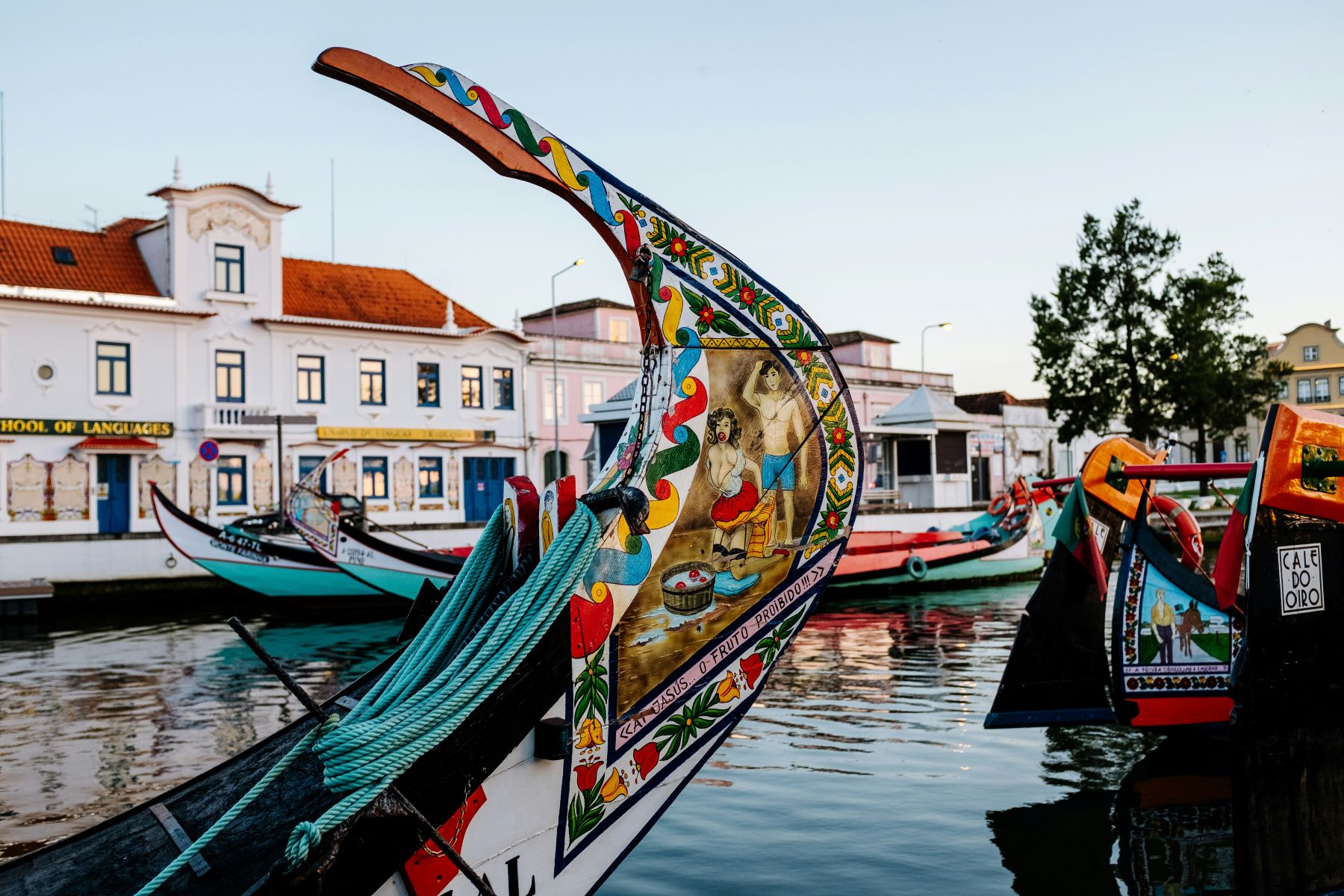
Portugal uses the euro and is generally very affordable, outside of Lisbon and the Algarve where prices are slightly higher. Cards are accepted almost everywhere, but it’s worth carrying cash for small cafés, markets, or rural areas.
Portuguese is the national language in Portugal, but English is widely spoken, especially in hotels, restaurants and tourist areas, and among younger people. It helps to learn a few basic phrases like obrigado/a (thank you), por favor (please) and bom dia (good morning). The effort goes a long way and is always appreciated, even if most people will switch to English if they can.
Read more: Our most inspiring itineraries for your trip to Portugal
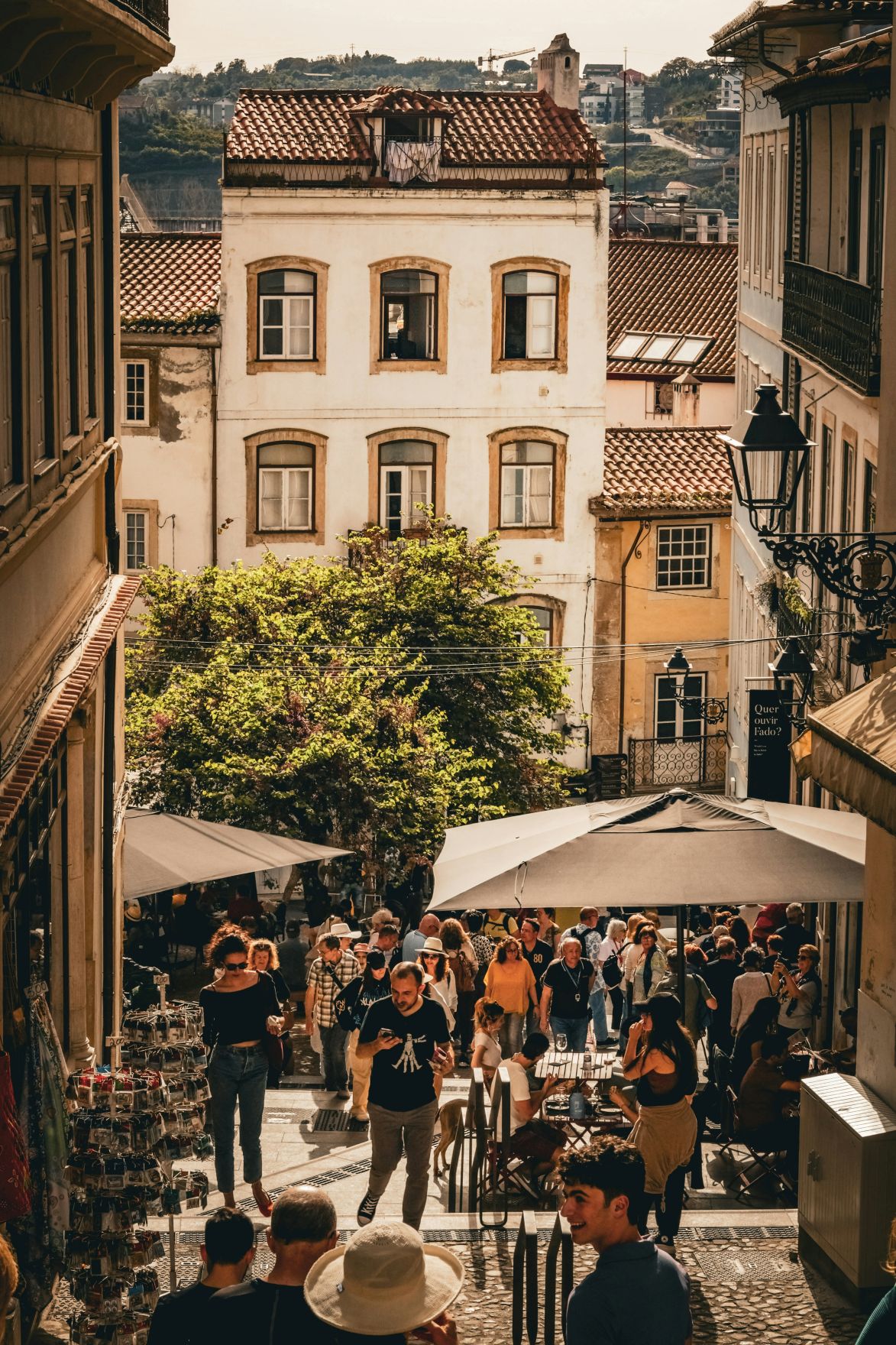
Though July and August is peak season, the shoulder seasons of April-June and September-October are generally the best times to go to Portugal. Temperatures are cooler, making it easier to get around; it’s less crowded; and prices are lower. There are also plenty of festivals in June, if you fancy joining in.
Lisbon, Sintra and Porto make a classic first trip to Portugal. Add the Algarve for some sun-lounging and beach time, and a lesser-known spot like Évora for an historic detour into the Alentejo countryside, and you’ve got a Portugal vacation that covers all bases.
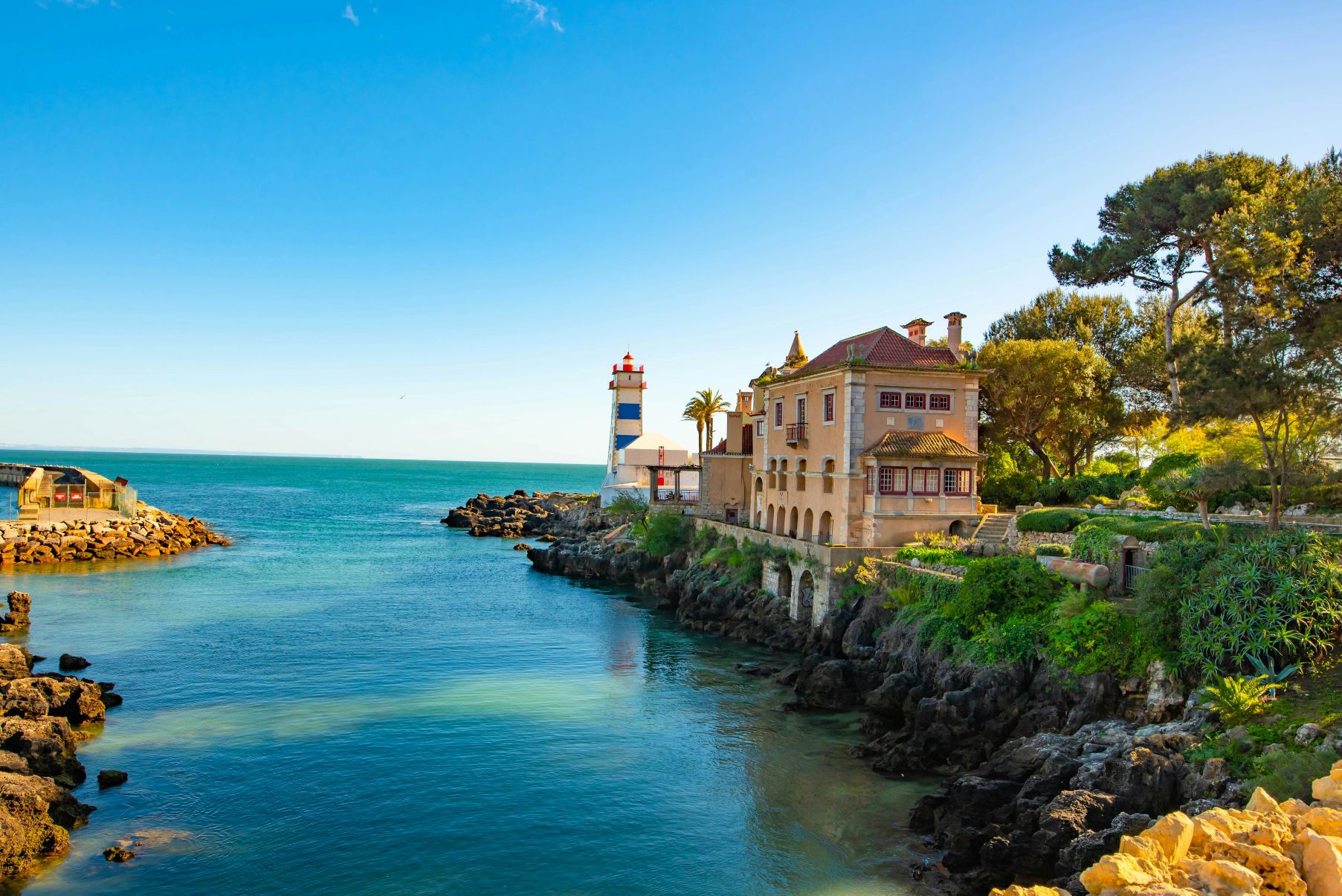
Ready to experience the magic of a vacation in Portugal? Get planning with the help of our local travel experts. They’re based within the destination, and are equipped with all the in-depth local knowledge to build the itinerary you’ve always imagined.
Explore all featured destinations
Join our mailing list for travel inspiration, trip recommendations, and insights from our local experts.